
Mastering the Enterprise Social Media Strategy: A Blueprint for 2026 and Beyond
In the current digital landscape, social media has evolved from a simple marketing channel into a massive $276 billion global ecosystem. For enterprise-level organizations, this shift represents both a tremendous opportunity and a significant operational risk. When a corporation manages dozens of regional accounts, multiple product lines, and thousands of employee touchpoints, the "post-and-pray" method is no longer viable.
To succeed in 2026, large organizations must transition toward a unified, AI-governed social media strategy. This article explores how industry leaders are centralizing operations, mitigating risks, and turning social platforms into high-performance growth engines.
The Strategic Imperative: Defining Enterprise Social Media
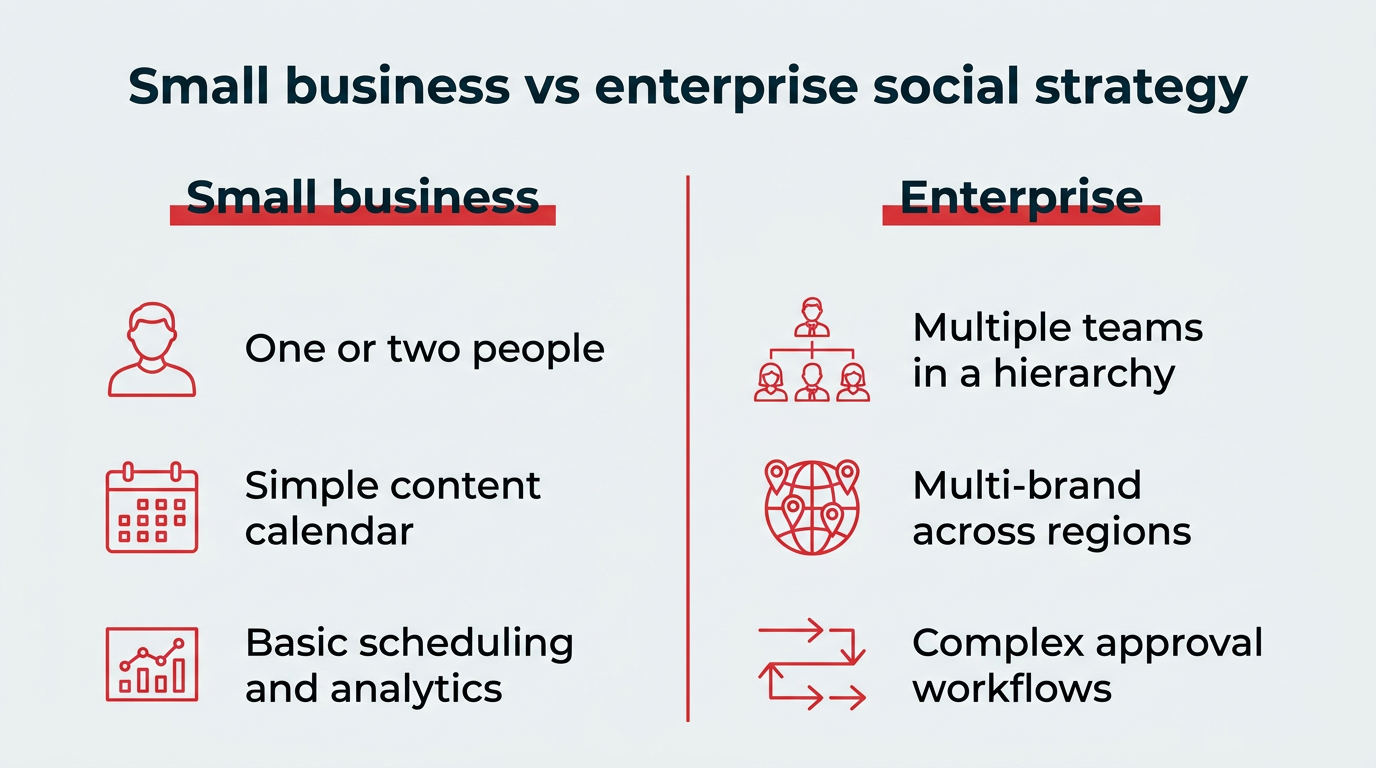
Enterprise social media is the calculated, strategic orchestration of social platforms to manage brand communication, customer engagement, and business intelligence at scale. It is fundamentally different from a small business approach. While a boutique firm might rely on a single content creator, an enterprise must manage complex governance, cross-border regulatory requirements, and high-stakes reputation management.

Distinguishing Social Media from Social Networks
A common pitfall in corporate planning is conflating Enterprise Social Media with Enterprise Social Networks.
- Enterprise Social Media: External-facing, designed for brand marketing, lead generation, and public-facing communication (e.g., LinkedIn, Instagram, TikTok).
- Enterprise Social Networks: Internal collaboration tools designed for employee communication and knowledge sharing (e.g., Slack, Microsoft Viva Engage).
Confusing these two leads to fragmented workflows and misaligned goals. A robust strategy recognizes that the former is a revenue driver, while the latter is an operational lubricant.
Chronology of Scale: From Chaos to Centralization
The evolution of enterprise social strategy follows a predictable, three-stage maturity curve:

- The Wild West (Fragmented): Individual departments or regional offices create independent accounts. Branding becomes inconsistent, and legal compliance is virtually non-existent.
- The Consolidation Phase: Leadership recognizes the reputational risk. A "Center of Excellence" (CoE) is established to audit all existing channels, prune redundant accounts, and implement centralized tools.
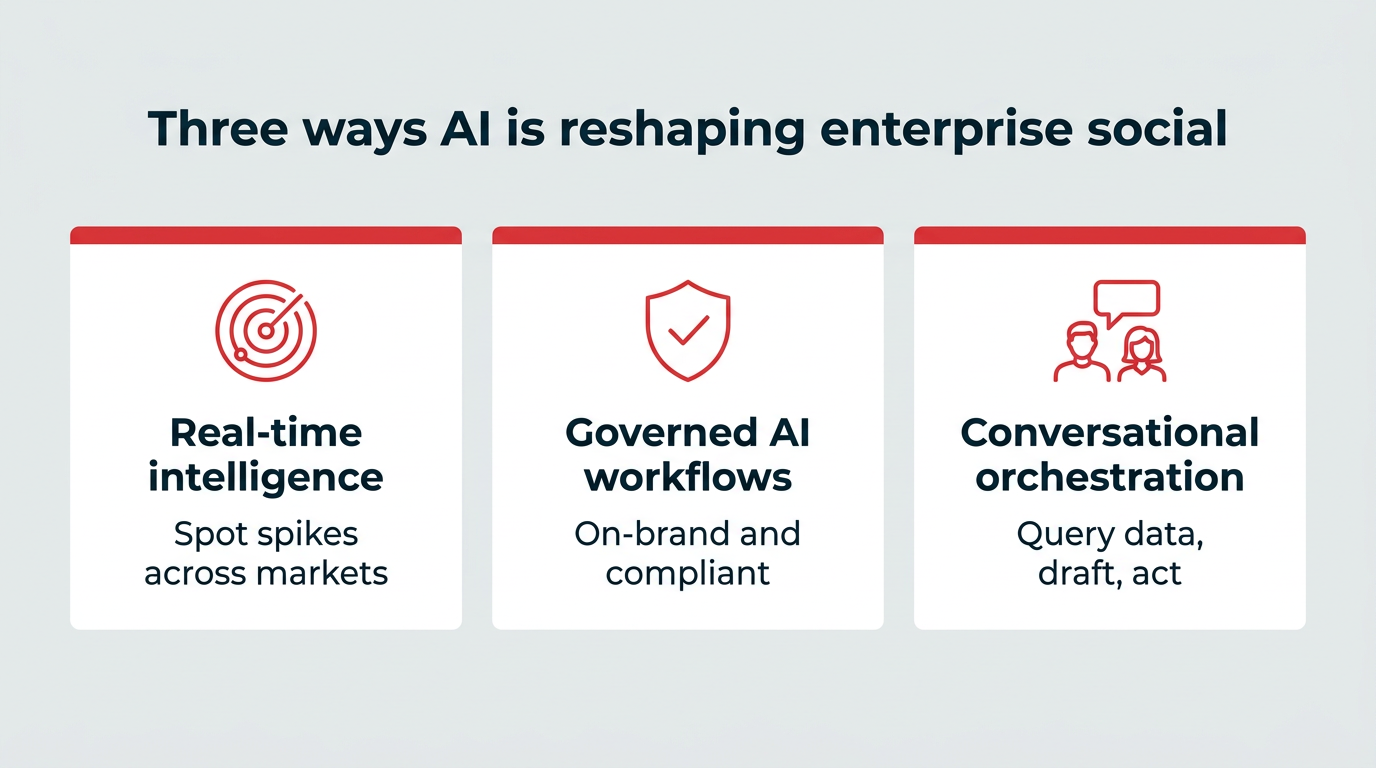
- The AI-Operational Layer: In 2026, the final stage involves embedding AI governance across the entire stack. Here, AI does not just draft content; it acts as an intelligent layer that filters for compliance, routes customer queries by sentiment, and ensures that every piece of content—regardless of the region—is "on-brand."
Supporting Data: Why Governance Matters
The stakes for large organizations are higher than ever. With U.S. social commerce alone exceeding $100 billion in 2026, a single misstep can lead to immediate financial impact and long-term erosion of consumer trust.
The Risk of Ungoverned AI
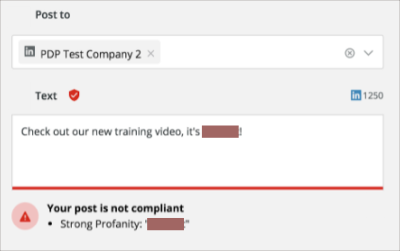
The rapid adoption of Generative AI has created a paradox: it offers unmatched speed, but it introduces the risk of unverified, off-brand, or legally problematic content. In regulated sectors like finance and healthcare, a single hallucinated claim by an AI-generated post can trigger massive regulatory fines and legal action.
Industry experts emphasize that governance—such as the "Vigil" layer within modern platforms like Hootsuite Social OS—is the only way to safely unlock the productivity gains of AI. By documenting every approval and ensuring all AI outputs are traceable, enterprises can scale their output without compromising their integrity.
Official Insights: Perspectives from the Frontline
Savannah Wiles, Staff Marketing Manager for Social & Influencer at Intuit Mailchimp, advocates for a "human-first" approach within a structured framework.
"Brands on social are almost cosplaying as people," Wiles notes. "Duality is possible with structure around where and when you shift your voice. Every post should provide value—that could mean driving downloads with new data or simply being relatable to drive engagement."
Wiles also highlights the "80/20 Rule" for global operations: "Build a foundational strategy that is 80% consistent globally, then adjust the remaining 20% for local relevance. That helps you build a cohesive content universe without losing your local pulse."
The Eight-Step Blueprint for Execution
To build a sustainable enterprise-level strategy, organizations should follow this systematic approach:
1. Conduct a Comprehensive Audit
Inventory every account. Identify which are driving ROI, which are stagnant, and which pose a risk. Use this data to consolidate your digital footprint.
2. Define Roles and Responsibilities
Establish a Center of Excellence (CoE) to set the vision and guardrails. Regional teams should act as the "boots on the ground," adapting content for local cultures while reporting data back to the CoE.
3. Establish Approval Workflows
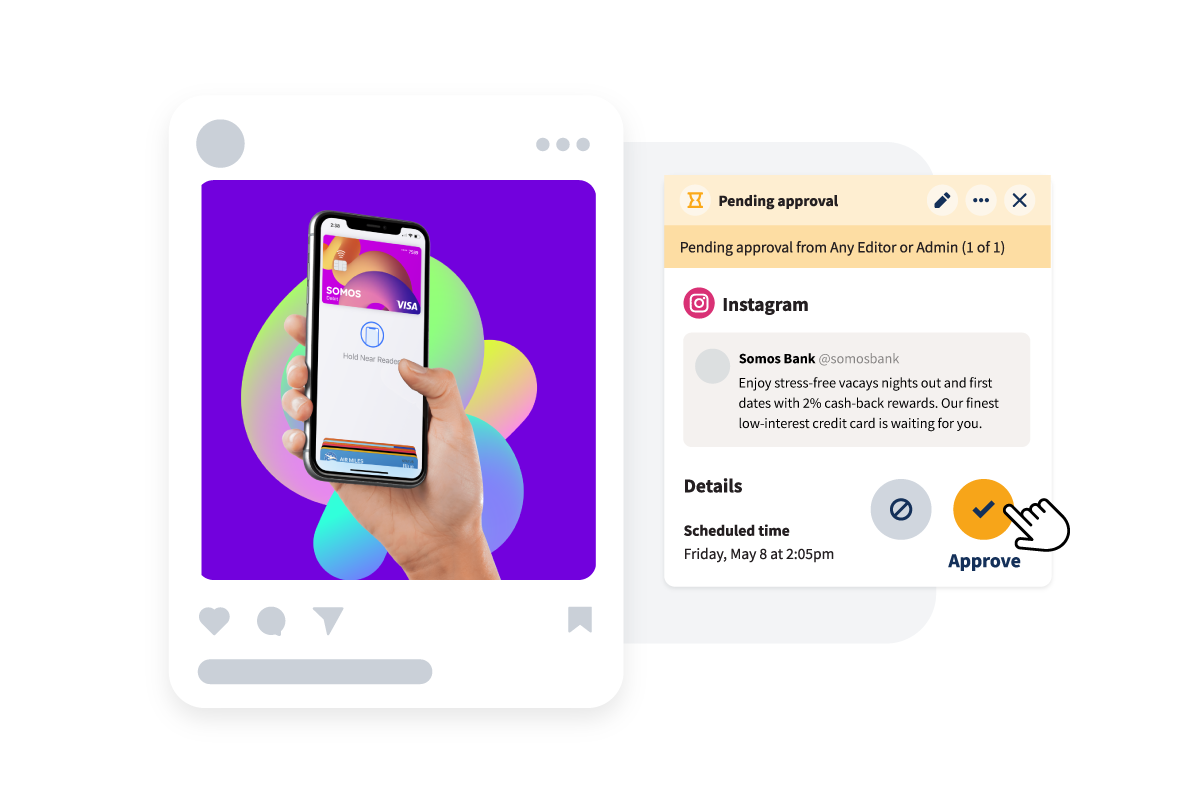
Use a centralized platform to automate sign-offs. This prevents bottlenecks and ensures that content is reviewed by legal, compliance, and brand managers before it goes live.
4. Codify Brand and Content Standards
Create a living document of brand voice, visual identity, and values. Use shared asset libraries so teams aren’t reinventing the wheel for every campaign.
5. Document Platform Rules
Set clear expectations for posting cadence, engagement rules, and crisis management protocols for every channel in your portfolio.

6. Integrate the Technology Stack
Your social platform should not live in a silo. Use MCP (Model Context Protocol) connectors to link your social tools with your CRM, BI, and AI systems. This ensures that social data is enriched by customer insights and vice versa.
7. Continuous Training
Don’t just email a PDF of the strategy; host workshops. Ensure that global teams understand the "why" behind the guidelines, particularly regarding compliance and data privacy laws.
8. Measure, Iterate, and Scale
Establish a regular review cycle. Use KPIs such as "Share of Voice," "Social-Attributed Leads," and "Response Time" to report progress to stakeholders.
Implications: The Future of Enterprise Social
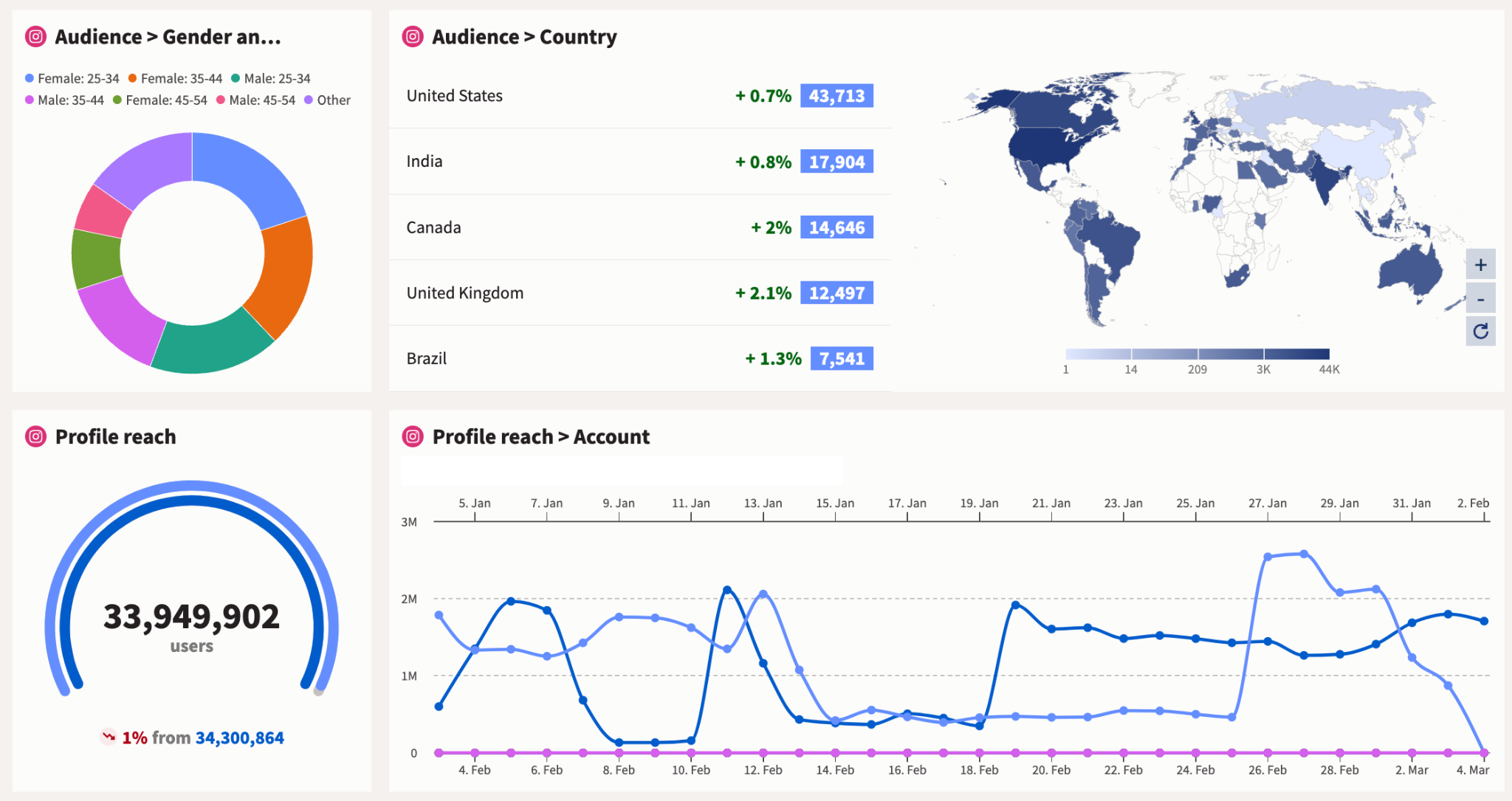
The future of enterprise social media lies in the convergence of intelligence and action. As we move further into 2026, we are seeing a shift where social listening is no longer a passive activity. It is becoming an active business intelligence function.
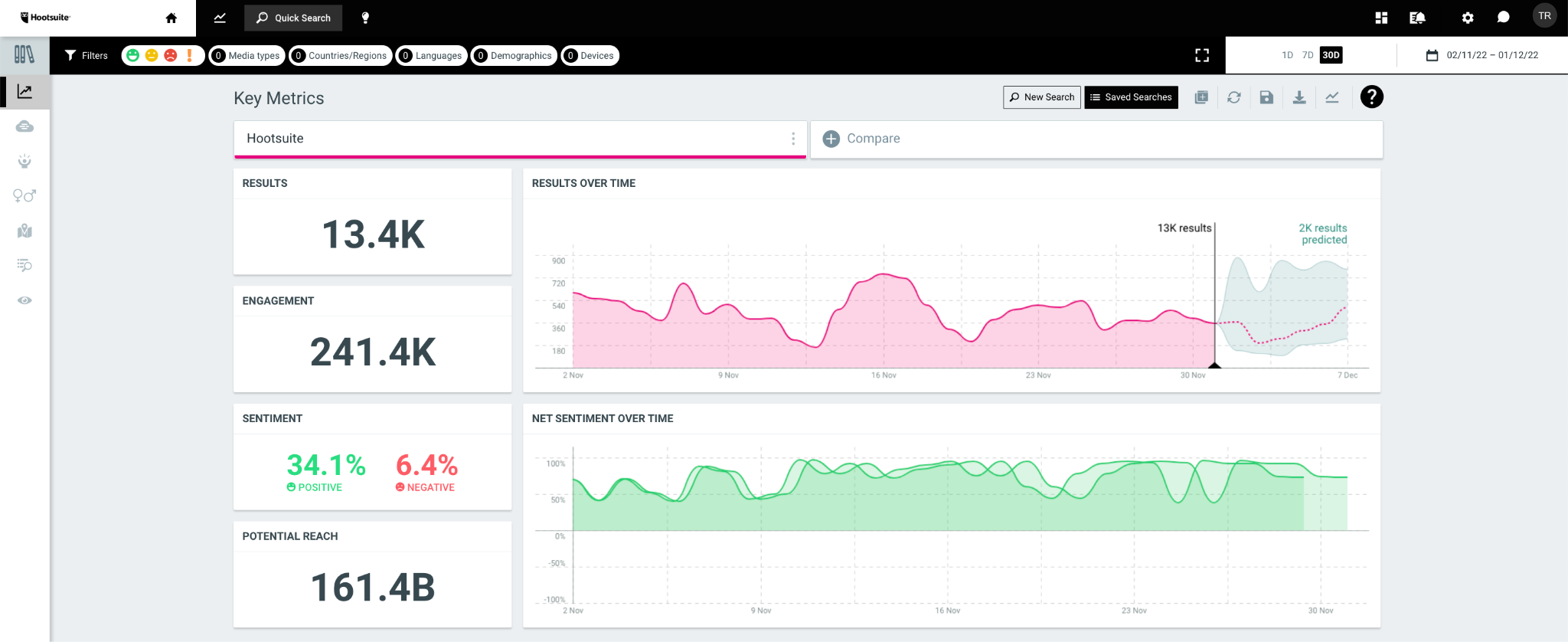
When a brand can connect a spike in social sentiment to a change in customer support volume, and then use that insight to inform product development, they have moved beyond "social media management" into "enterprise social intelligence."
The Bottom Line
For the enterprise, social media is no longer an auxiliary department; it is a critical business channel. By standardizing KPIs, investing in robust compliance tools, and embracing AI-assisted workflows, organizations can move from a fragmented, reactive stance to a proactive, growth-oriented model.
The goal for any large organization is to maintain a unified, "one-brand" presence that speaks to millions of individuals, across dozens of regions, with the agility of a startup. It is a complex challenge, but with the right strategy, tools, and governance, it is the most effective way to build brand equity in the modern age.
Frequently Asked Questions (FAQ)
Q: Who should ultimately own the enterprise social strategy?
A: A central leadership team (Center of Excellence) should own the strategy, vision, and governance, while regional teams handle day-to-day execution.
Q: How do you prove ROI for social media?
A: By connecting social metrics (engagement, sentiment) to business outcomes (leads, sales, customer retention). Use tracking links and UTMs to ensure social traffic is properly attributed in your CRM.
Q: How does AI change the role of the social manager?
A: AI shifts the social manager from a "manual poster" to an "operational strategist." The manager focuses on directing AI, managing high-level governance, and interpreting the complex data patterns that AI surfaces.
Q: What is the most critical component of a global strategy?
A: Consistency. Maintaining a core brand identity while allowing 20% flexibility for local, cultural, and linguistic nuances is the gold standard for global enterprise success.
