
Martech at the Halfway Mark: Grading the 2030 Vision in the Age of AI
As we step into 2026, the marketing landscape is no longer just a collection of tools and platforms; it is a complex, living ecosystem of agents, data, and decentralized creators. Five years ago, in the summer of 2021, industry analysts Jason Baldwin and Scott Brinker published Martech 2030, a seminal report that outlined five transformative trends intended to define what they dubbed "The Decade of the Augmented Marketer."
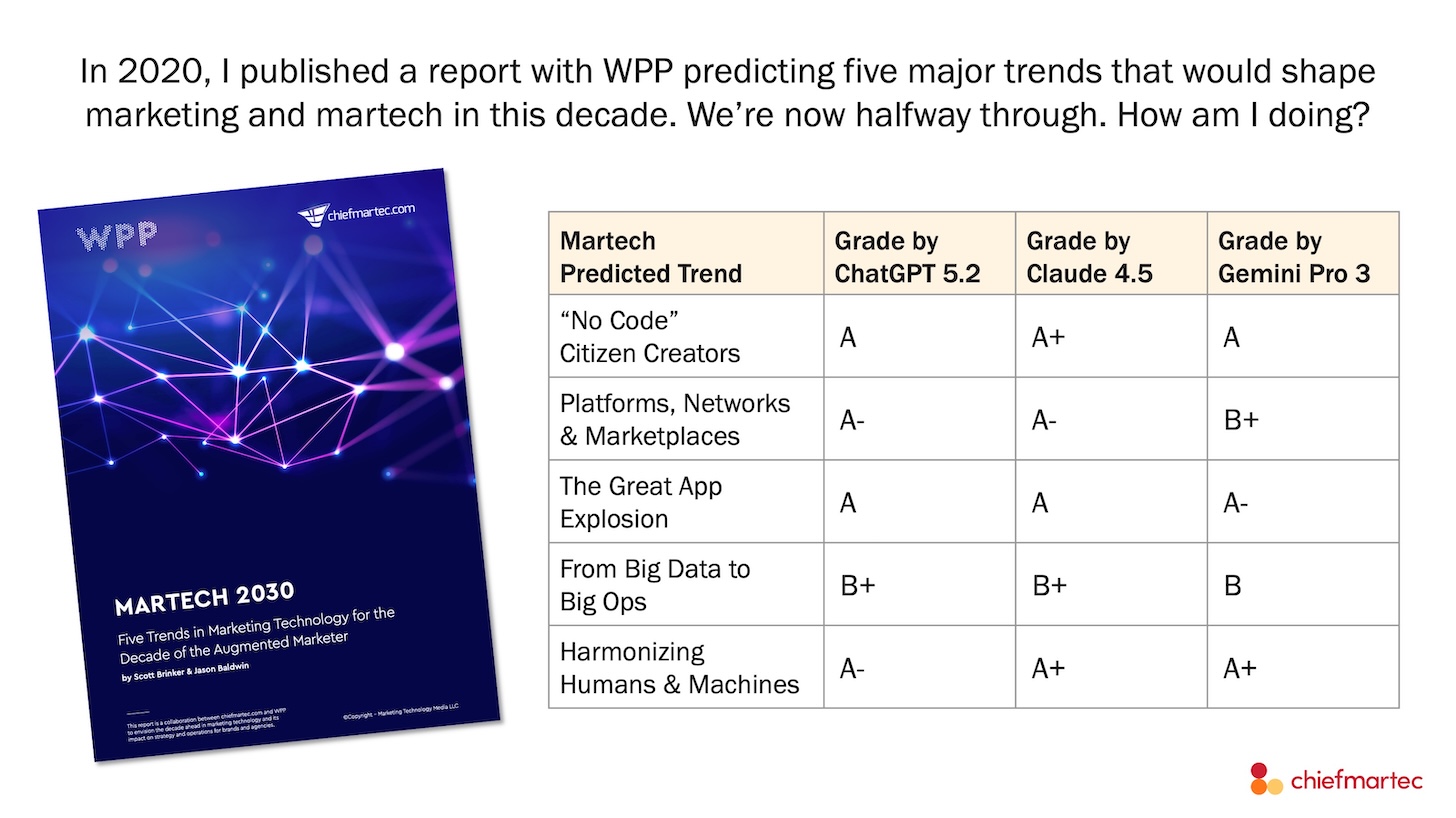
With the report reaching its halfway point, the industry is taking stock. In an era where Generative AI has rewritten the rules of software development and customer engagement, it is time to rigorously examine how these predictions have fared. When subjected to the analytical scrutiny of leading AI models like ChatGPT, Claude, and Gemini, the results are striking: the core thesis of a human-machine synthesis has not only arrived—it is the dominant force in the modern go-to-market strategy.
The Five Pillars of Martech 2030: A Mid-Decade Retrospective
To understand where we are, we must look at the trajectory of the five core pillars identified in 2021. These pillars were designed to anticipate the evolution of the marketer from a campaign manager to a systems architect.
1. The "No-Code" Citizen Creator
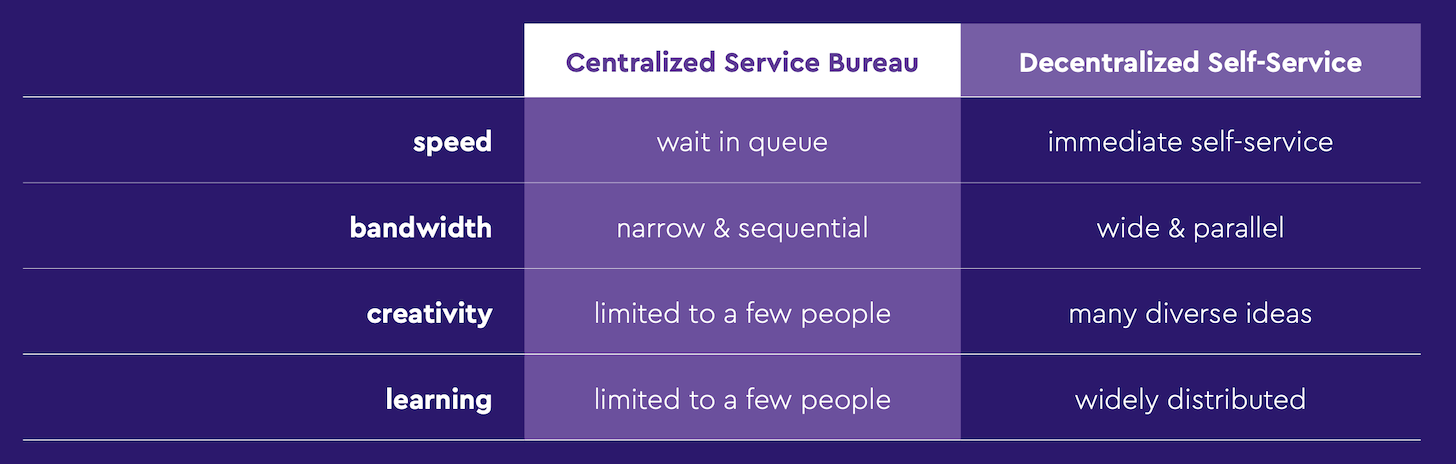
Brinker and Baldwin correctly identified that the future of marketing belonged to "citizen creators"—marketers who could build their own workflows without relying on a bottlenecked IT department. However, the speed of this transition was accelerated by the 2022 explosion of Large Language Models (LLMs).
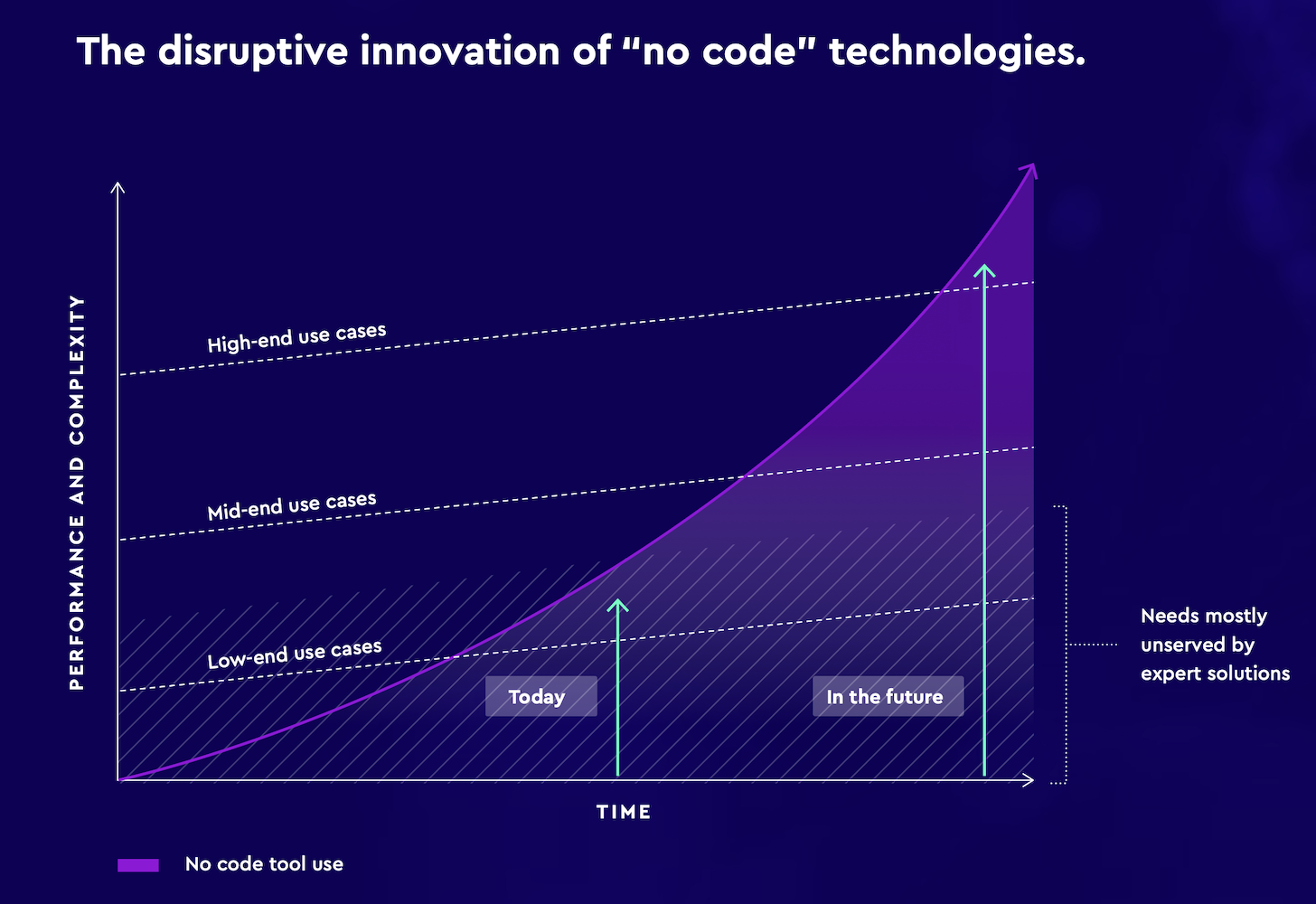
What began as simple drag-and-drop interfaces has evolved into "vibe coding." As Andrej Karpathy famously noted, "The hottest new programming language is English." Today, marketers use natural language to prompt AI assistants to build apps, agents, and complex data models. While this has unlocked unprecedented creativity, it has also introduced a "governance vacuum," where brand consistency and compliance struggle to keep pace with the democratization of production.
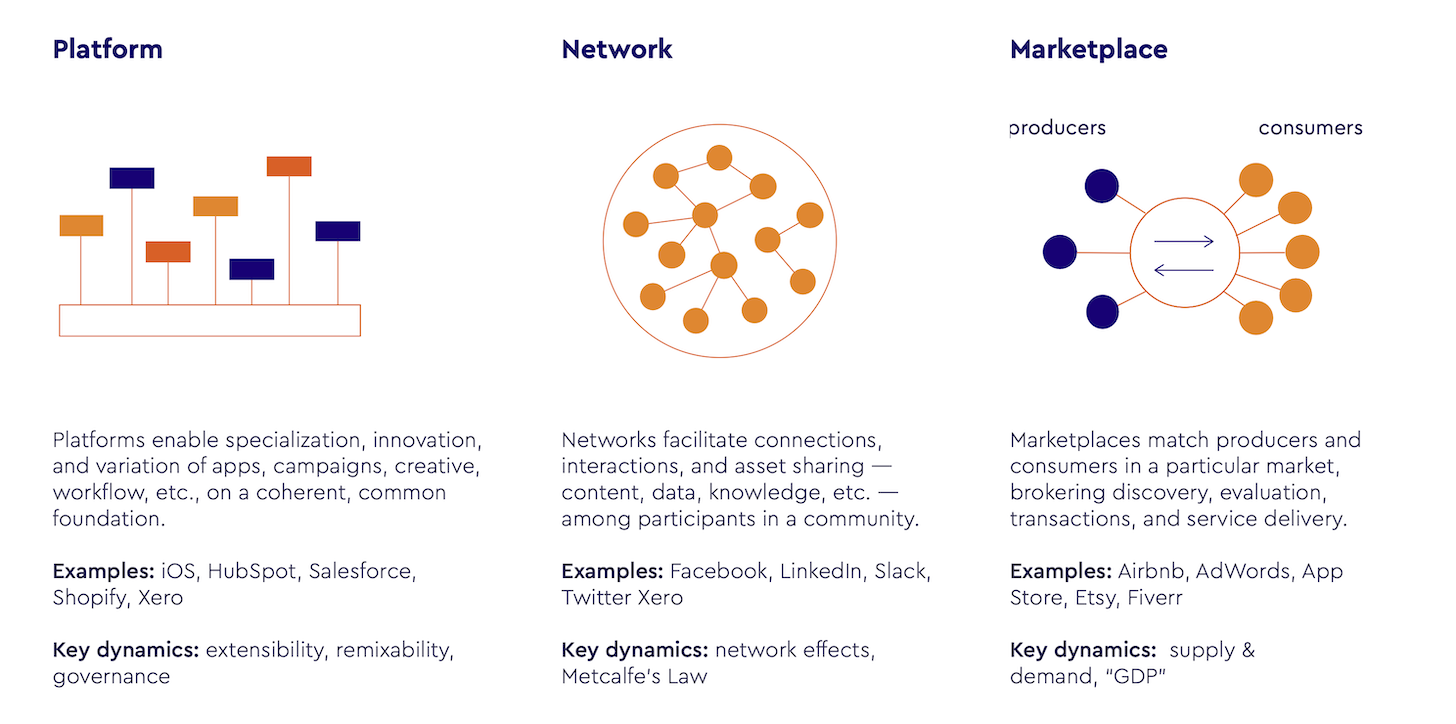
2. Platforms, Networks, and Marketplaces
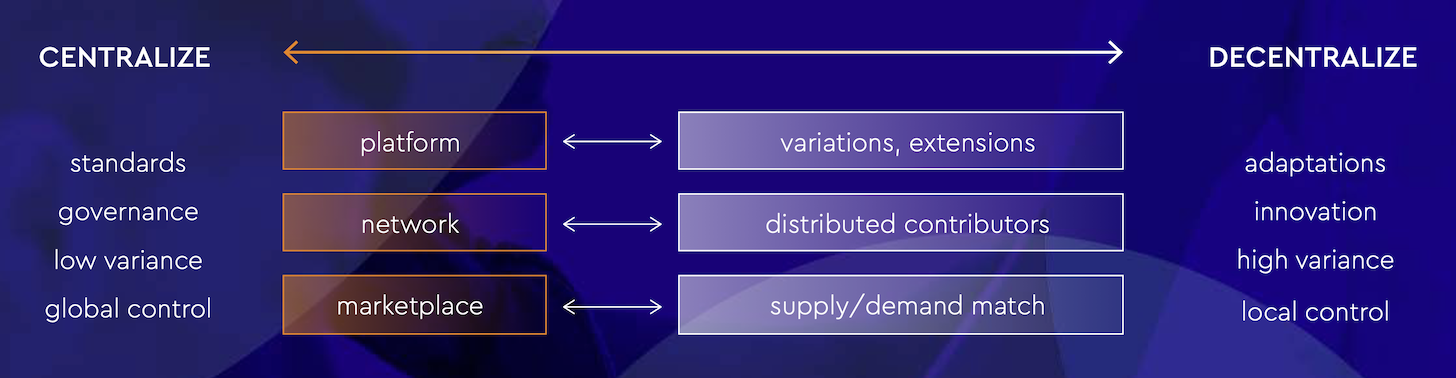
The old debate of "Suite vs. Best-of-Breed" has been rendered obsolete. In its place, we see the rise of ecosystem-driven strategies. Platforms like Databricks and Snowflake have become the "universal data layers" that sit beneath heterogeneous tech stacks. Furthermore, hyperscalers (AWS, Google Cloud, and Microsoft) have become the primary distribution channels for martech, transacting an estimated $45 billion annually. The guiding philosophy has shifted to "centralize to decentralize"—maintaining centralized governance of data standards while allowing decentralized teams to innovate on top of those foundations.
3. The Great App Explosion (and the Hypertail)
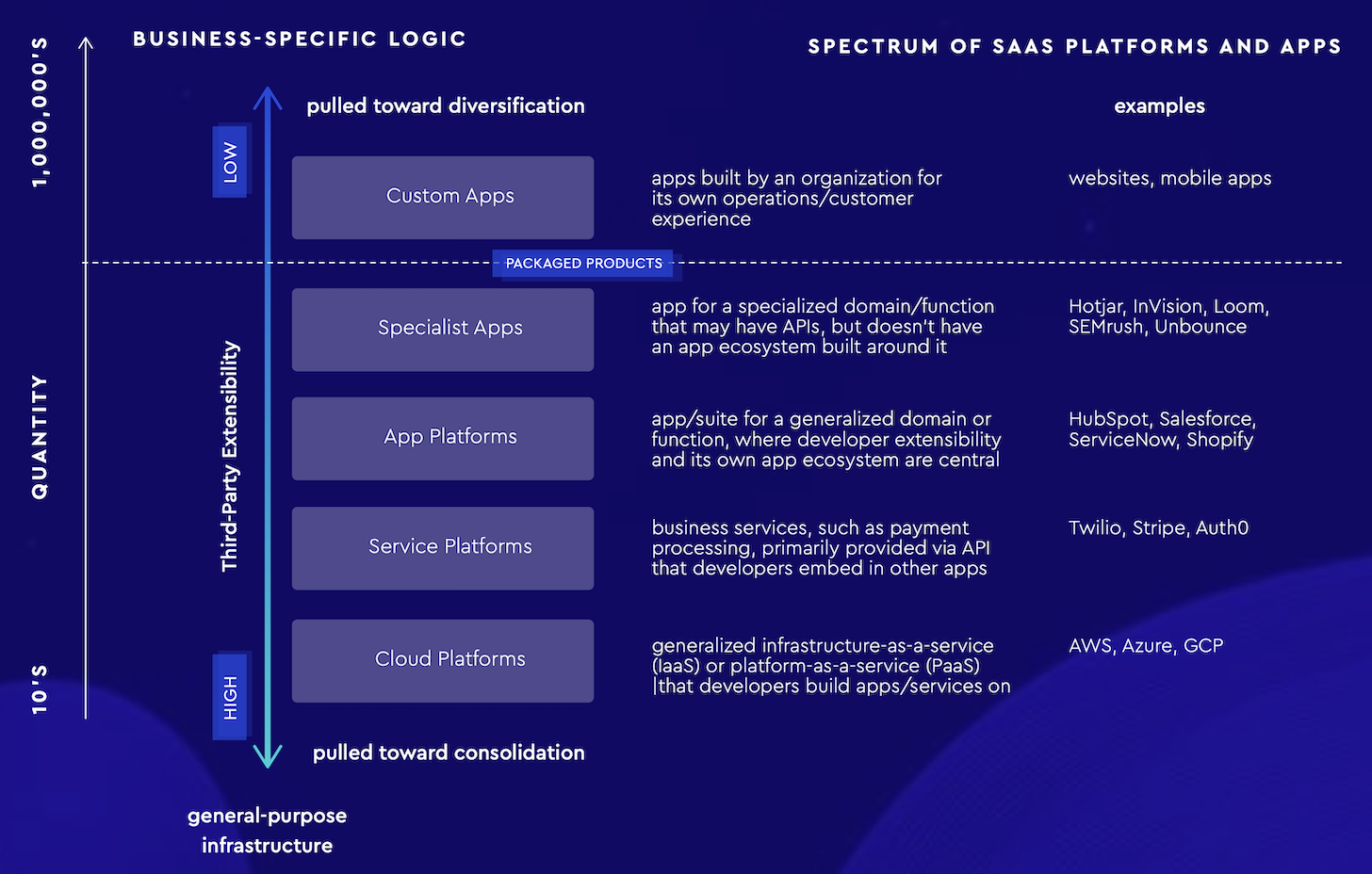
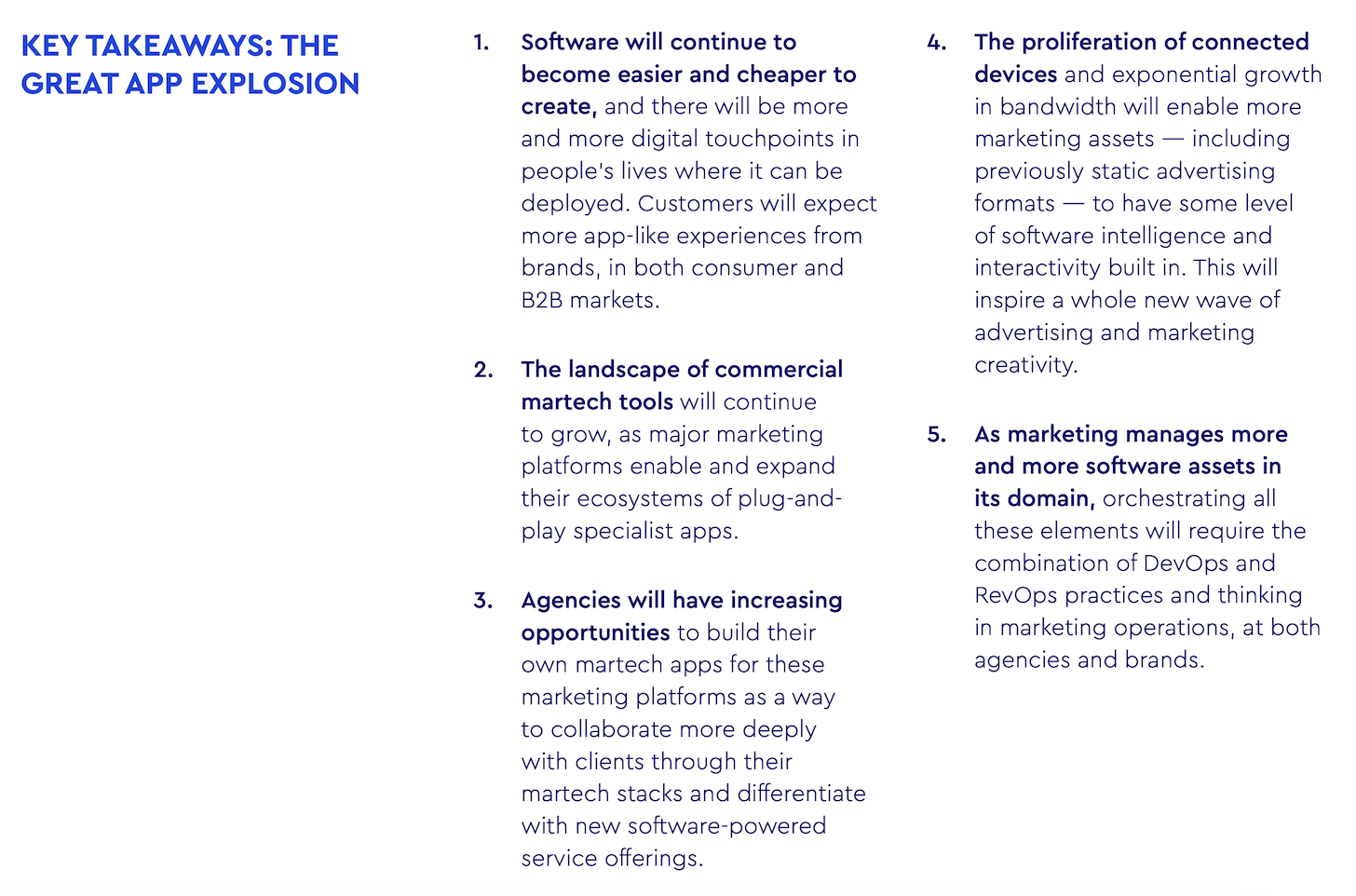
In 2020, the martech landscape featured 8,000 solutions. Critics predicted consolidation, yet by 2025, that number had surged to over 15,000. Why? Because the cost of building software has plummeted. While commercial solutions continue to grow, they are increasingly dwarfed by the "hypertail"—a massive, invisible layer of custom-built, internal martech apps tailored to specific organizational needs. We are no longer talking about thousands of apps, but eventually, billions of custom agents and tools.
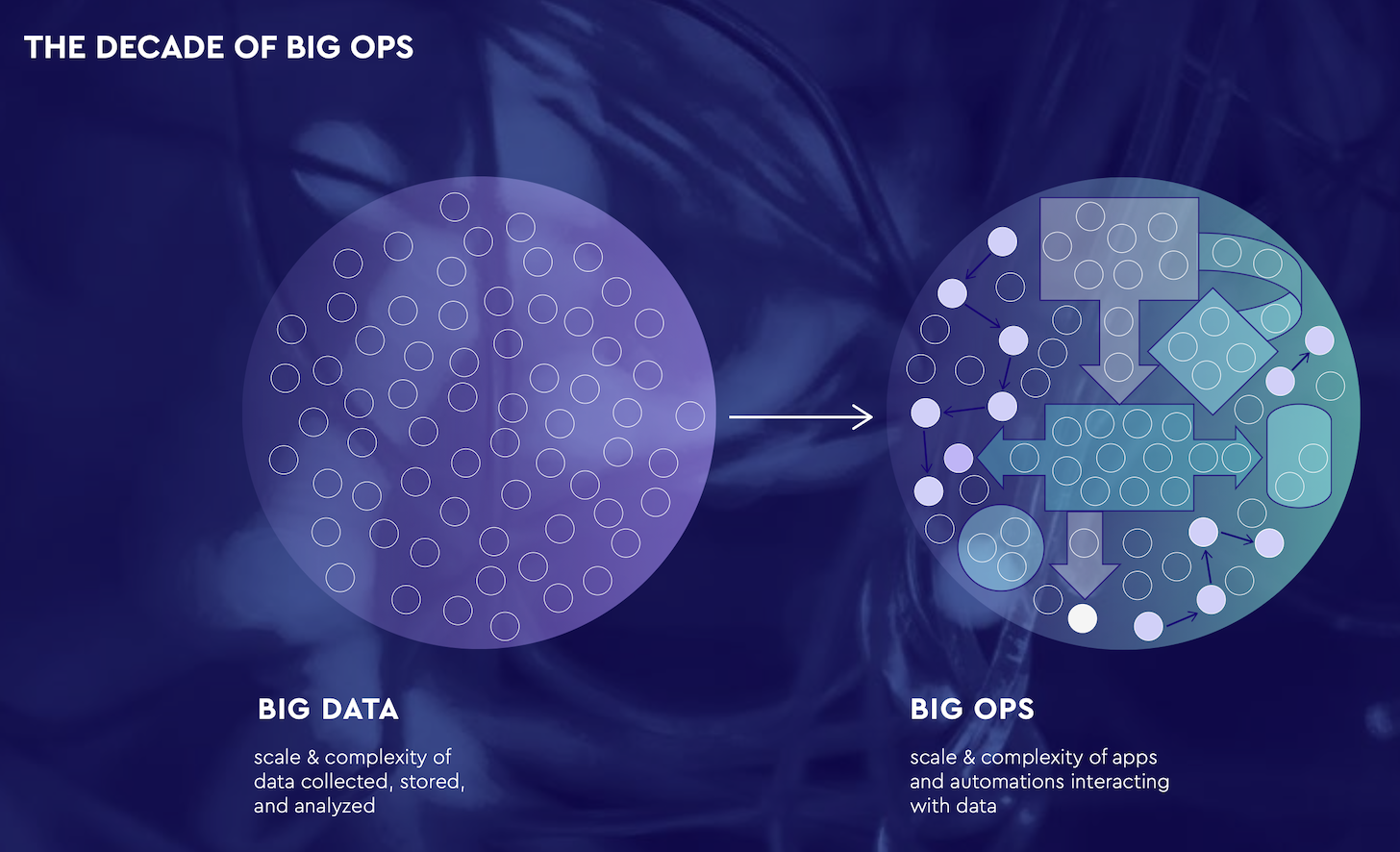
4. From Big Data to Big Ops
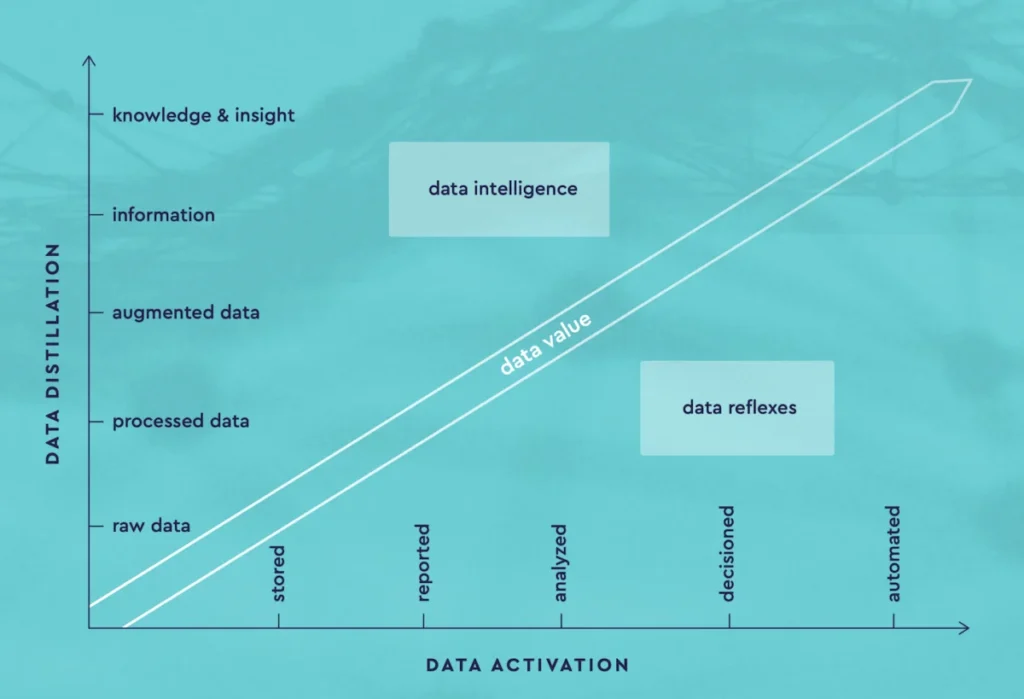
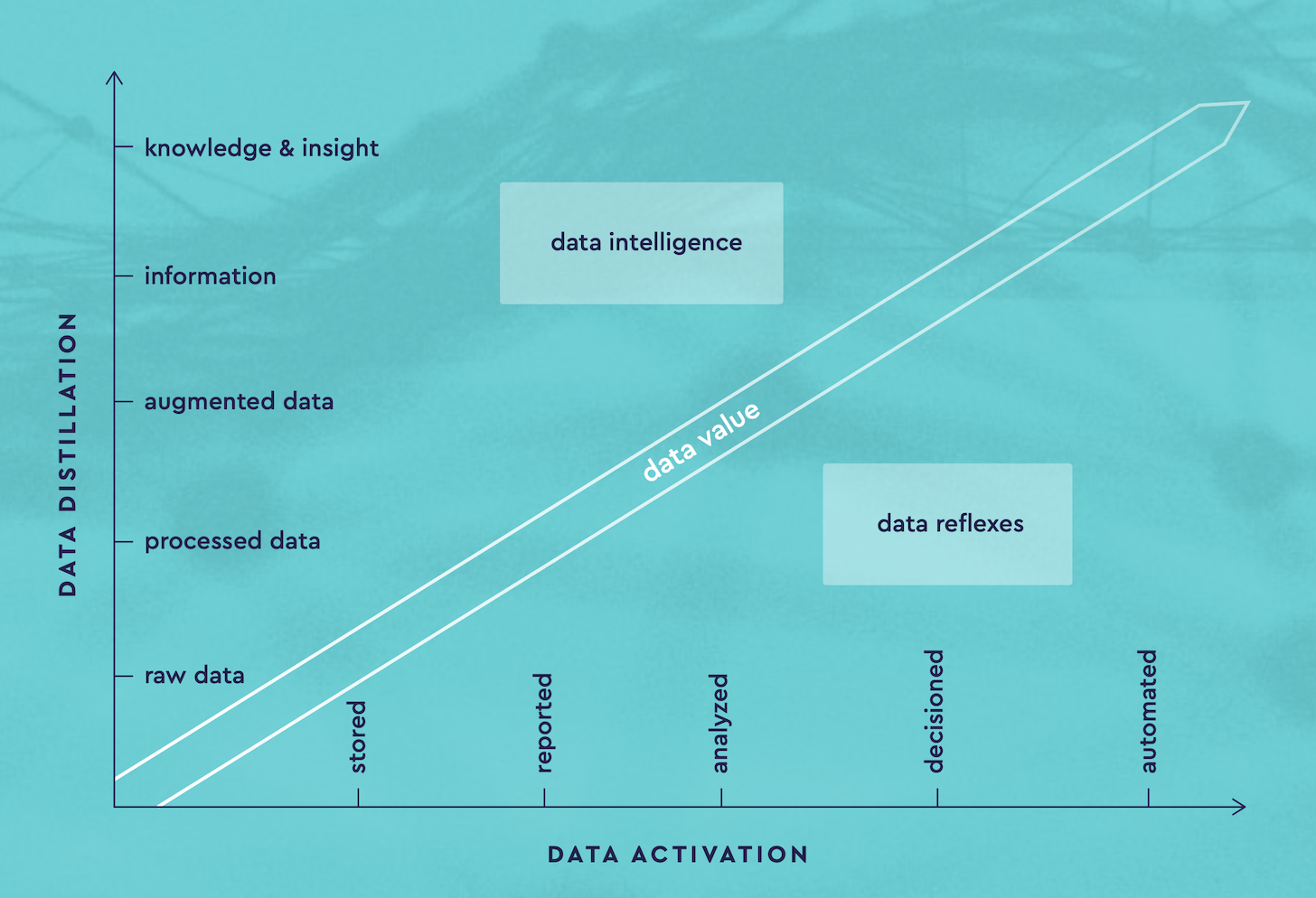
If the 2010s were about the collection of "Big Data," the 2020s are about "Big Ops." This is the challenge of coordinating the chaos of hundreds of parallel, AI-driven automations. Big Ops is the discipline of turning raw data (the "oil paint") into actionable intelligence (the "masterpiece"). This is currently the central battleground for platforms, with companies like HubSpot, Salesforce, and Adobe competing with data warehouses to provide the orchestration layer for the enterprise.
5. Harmonizing Humans + Machines
The final pillar, perhaps the most critical, was the vision of the "Augmented Marketer." We have moved beyond simple automation. We are now witnessing the emergence of "Agentic Commerce," where AI agents on the customer side interact with AI agents on the brand side. The transition from SEO (Search Engine Optimization) to AEO (AI Engine Optimization) represents the fundamental shift in how value is exchanged in a digital economy.
Chronology of Change: From Theory to Reality
The transition from the 2021 forecast to the 2026 reality did not occur in a vacuum. It was marked by specific inflection points:
- 2021: The publication of Martech 2030 provides the initial framework for the "Augmented Marketer."
- Late 2022: The generative AI explosion fundamentally alters the "No Code" trend, turning English into a programming language.
- 2023-2024: The "Orchestration Wars" begin as companies realize that having more apps is a liability without a centralized data layer.
- 2025: The "Summer of Vibes" (vibe coding) solidifies the role of the citizen creator. Simultaneously, buyer-side AI agents begin to reshape the funnel, moving us toward Agentic Commerce.
- 2026 (Present): The focus turns to "Big Ops," as organizations struggle to govern the thousands of custom agents running their marketing stacks.
Supporting Data: The Scale of the Shift
The evidence of this shift is visible in the data. The 2025 Martech Landscape report highlights a staggering 15,384 solutions. This growth trajectory defies traditional M&A consolidation models because the barriers to entry have been decimated by AI.
Simultaneously, the hyperscaler marketplaces (AWS, Google, Microsoft) have grown into the primary conduits for software procurement. This reflects a fundamental change in how marketing teams access technology: they are no longer purchasing isolated tools, but rather "plug-in" modules for their existing data infrastructure.
Official Perspectives and Industry Responses
Industry leaders and AI models alike have been weighing in on the accuracy of these predictions. When the Martech 2030 report was submitted to leading AI models for grading, the response was surprisingly uniform.
- On Human-Machine Harmonization: Both Claude and Gemini awarded the prediction an "A+," noting that the integration of AI into the daily marketing workflow has surpassed initial expectations regarding efficiency and creative augmentation.
- On Big Ops: The industry consensus, reflected by a "B/B+" grade, suggests that while the prediction of chaos was accurate, the industry is still in the "nascent" stages of building the necessary guardrails. The "Orchestration Wars" remain the most unresolved, yet most exciting, development in the sector.
Implications for the Future: The Road to 2030
The implications for marketing professionals are profound. As we look toward 2030, the "marketer" is increasingly a curator of agents. The ability to write code is becoming secondary to the ability to define intent, manage governance, and orchestrate complex, automated ecosystems.
1. The Death of the "Manager" and the Rise of the "Architect"
The traditional marketing manager who spends their day in a single dashboard is disappearing. They are being replaced by the "Marketing Architect," who designs the flow of data between agents and ensures that the "hypertail" of custom apps aligns with broader brand objectives.
2. Governance as a Competitive Advantage
As the "No Code" revolution continues, companies that can effectively govern their citizen creators will outperform those that either block them or let them run wild. The future winners will be those who can provide a "sandbox" for innovation while maintaining a "fortress" for brand integrity.
3. The Shift to Agentic Commerce
The shift from SEO to AEO is not a temporary trend; it is the new reality of the internet. Businesses that do not optimize their content for AI agents will find themselves invisible, not just to human users, but to the machines that now perform the bulk of the research and procurement process.
4. The Final Stretch
Amara’s Law serves as the perfect reminder: we overestimate the short-term impact of tech, but underestimate the long-term effects. We are now entering the period where the "long-term effects" of these AI integrations will begin to compound.
The Martech 2030 report was never intended to be a static document; it was a roadmap for a decade of extreme volatility. As we stand at the halfway point, it is clear that the industry has successfully navigated the initial phases of the "Augmented Marketer" era. However, the most significant challenges—and the greatest opportunities—lie in the final four years. The question for every CMO today is not "What tools should we buy?" but "How do we orchestrate our agents to create a coherent, human-centric experience in an increasingly automated world?"
As the pace of change quickens through 2026 and beyond, the only certainty is that the "Martech 2030" vision is not just coming to fruition—it is becoming the baseline for global commerce. We will revisit these trends in 2030, when the final grades are tallied, but for now, the message is clear: the era of the human-machine synthesis is not just here; it is the engine of modern growth.
