

Decoding the Digital Pulse: The Strategic Imperative of Customer Engagement Analytics
In the intricate tapestry of modern business, a fundamental question often plagues decision-makers: Is our audience truly captivated, or merely passing through? The distinction is critical, yet often elusive. The digital landscape, teeming with fleeting attention spans and myriad distractions, demands more than just visibility; it requires genuine connection. This is where Customer Engagement Analytics (CEA) emerges as an indispensable tool, offering a precise lens through which to discern who is truly resonating with a brand, product, or service, and what specific actions are driving that resonance.
By meticulously collecting, tracking, and interpreting data on customer interactions, businesses can transcend superficial metrics to uncover the deeper mechanics of user behavior. This strategic understanding not only fosters customer loyalty, ensuring repeat interactions, but also systematically converts casual interest into committed actions. This article will meticulously break down the essence of engagement analytics, explore its profound importance, outline best practices for its implementation, and detail the key metrics that illuminate the path to stronger, more enduring customer relationships.
What Exactly Is Customer Engagement Analytics?
At its core, Customer Engagement Analytics is the systematic process of gathering, monitoring, and interpreting data related to how individuals interact with a brand across all available touchpoints. These interactions are expansive, spanning digital avenues such as websites, mobile applications, social media platforms, email campaigns, and paid advertisements, extending even to offline channels where data can be digitized.
Engagement, in this context, refers to any meaningful interaction that precedes a definitive conversion event. This could range from the seemingly passive act of viewing a webpage or watching a video to the more active clicks on buttons, participation in polls, or even scrolling through content. It’s the journey of discovery and interaction that happens before a purchase, a signup, or any other desired outcome. While the principles of CEA apply universally, our focus herein will predominantly be on its critical role within the digital marketing ecosystem, where interactions are quantifiable and omnipresent.
The Indispensable Role of Engagement Analytics
The importance of Customer Engagement Analytics cannot be overstated in today’s competitive market. It serves as the vital bridge between initial awareness and ultimate conversion, offering profound insights into the efficacy of a business’s solutions and content. A higher degree of engagement is directly correlated with an increased probability of conversion, whether that conversion is a purchase, a newsletter subscription, a demo request, or any other predefined goal.
Bridging the Marketing Funnel: Engagement sits squarely in the middle of the traditional marketing funnel. It helps businesses understand the nuanced transition from a user’s initial interaction (top of the funnel) to their eventual retention and conversion (bottom of the funnel). Without robust engagement, the journey from prospect to loyal customer is often fraught with drop-offs.
Identifying and Alleviating Friction Points: By meticulously analyzing engagement metrics, companies can pinpoint specific junctures in the user journey where friction occurs, causing potential customers to disengage or abandon their path to conversion. Is a particular page causing users to bounce? Is a video not being watched to completion? Are users abandoning a product page without adding to cart? These insights empower businesses to optimize user flows, refine content, and enhance user experience, thereby smoothing the path to committed actions.

Fostering Sustainable Growth and Lifetime Value: In an era where user attention is a premium commodity, sustainable growth hinges on more than just acquiring new customers; it depends heavily on retaining existing ones and nurturing their loyalty. Engagement is the bedrock of this retention. Unless a brand possesses an exceptionally compelling, immediate draw, most users require multiple interactions over time before making a commitment. They may visit, leave, and return, perhaps several times. Engagement analytics ensures that these repeated interactions are meaningful, building familiarity, cultivating trust, and fostering a strong affinity for the brand. This sustained interaction is the engine that drives higher customer retention rates and, consequently, boosts customer lifetime value (CLV).
Driving Personalization and Customer Experience (CX) Improvement: Beyond mere numbers, engagement analytics provides the granular data needed to personalize experiences. Understanding what content users interact with, which features they favor, or what paths they take allows businesses to tailor future interactions, recommendations, and communications. This hyper-personalization significantly enhances the customer experience, making interactions feel more relevant and valuable, which in turn fuels deeper engagement.
The Evolution of Engagement Tracking: A Brief Chronology
The journey of understanding customer engagement has evolved significantly from the rudimentary web analytics of the early internet. Initially, businesses relied on basic metrics like "hit counters" and "page views" to gauge website activity. The late 1990s and early 2000s saw the rise of more sophisticated tools, bringing in concepts like unique visitors, sessions, and bounce rates, primarily focused on website traffic.
The advent of social media and mobile applications in the late 2000s and early 2010s marked a pivotal shift. Engagement could no longer be confined to websites; it now encompassed likes, shares, comments, app downloads, and feature usage. This era demanded multi-channel tracking, leading to the development of more integrated analytics platforms.
Today, with the proliferation of AI and machine learning, engagement analytics is moving towards predictive capabilities. It’s no longer just about what happened, but what is likely to happen next. The focus has shifted from simple data collection to interpreting complex user journeys across an ever-expanding array of touchpoints, aiming for a holistic understanding of the customer’s digital footprint. This chronological progression underscores the increasing complexity and strategic importance of comprehensive engagement analysis.
Strategic Implementation: Best Practices for Customer Engagement Analytics
While many analytics tools offer pre-built engagement metrics, the true power of CEA lies in its strategic customization. Engagement is not a monolithic concept; its definition must be meticulously aligned with specific business objectives.
1. Defining Engagement: Beyond Default Metrics
A critical first step is to establish what "meaningful engagement" truly means for your organization. For instance, a default metric like "Average Engagement Time" might report 10 seconds. But for a news website, 10 seconds might be insufficient, whereas for a quick search results page, it could be perfectly acceptable.
- Contextual Definition: For a content publisher, engagement might be defined by "scroll depth" or "video completion rate." For an e-commerce platform, it could be "product detail page views" or "add-to-wishlist actions." For a SaaS product, it might be "feature adoption rate" or "daily active users."
- The "North Star" Engagement Metric: Businesses should strive to identify one overarching "North Star Metric" that best encapsulates user engagement and aligns with their primary growth objective. This provides a clear, unifying focus for all engagement efforts.
- Customization is Key: Many valuable engagement metrics (e.g., points earned in a gamified experience, specific button clicks on a complex form) are not available out-of-the-box and necessitate custom configurations within analytics platforms, often requiring detailed event tracking.
2. Collaborative Needs Assessment
Effective engagement analytics begins with comprehensive consultation across various stakeholders. Engaging clients, internal marketing teams, product development, sales, and customer service departments is crucial to identify all necessary engagement metrics and potential tracking challenges.
- Diverse Perspectives:
- Marketing: May focus on content consumption, social shares, email open rates, and ad click-throughs.
- Sales: Might prioritize interactions with demo pages, whitepaper downloads, or contact form submissions.
- Product Development: Will be interested in feature usage, session duration within the app, and specific interaction patterns.
- Customer Support: Could look at searches within help centers, chatbot interactions, or FAQ page views.
- Educating Stakeholders: Often, stakeholders may not be fully aware of the breadth of tracking options available. Educating them on potential engagement metrics can unlock richer, more comprehensive analysis possibilities.
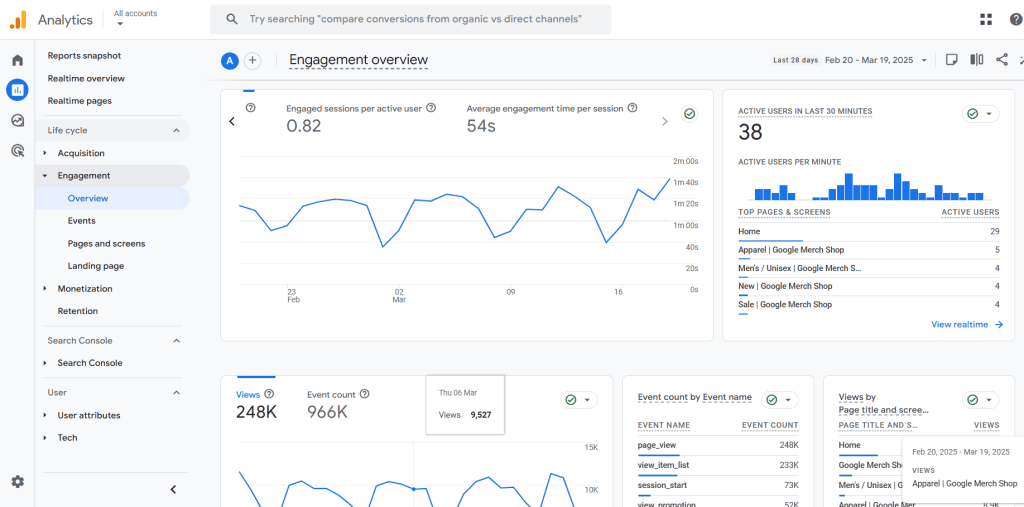
- Start with Defaults, Then Expand: Before diving into complex customizations, leverage default engagement metrics available in tools like Google Analytics 4 (GA4) as a baseline. Key default metrics include Page Views, Sessions, Engagement Time, Pages per Session, and Engaged Sessions.
3. Leveraging In-Built Analytics & Customization
While tools like GA4 provide a solid foundation of standard engagement metrics, they are rarely sufficient for a deep dive. Critical user interactions, such as specific button clicks, form field interactions, or video playback events, often require additional, custom tracking configurations. This involves setting up custom events and parameters that capture the nuances of user behavior unique to your platform.
4. Crafting a Robust Implementation Guide
Once key engagement metrics are defined and potential tracking mechanisms identified, a meticulously detailed Implementation Guide is paramount. This document serves as a blueprint for all teams involved in data collection and analysis, including web analysts, digital marketers, and developers.
- Clear, Step-by-Step Instructions: The guide should provide unambiguous instructions on how to track each metric, including naming conventions, event parameters, data layer requirements, and integration points.
- Ensuring Data Integrity: A well-structured guide ensures consistency in data collection, prevents errors, and facilitates accurate interpretation. It acts as a single source of truth for all tracking efforts, vital for reliable analysis and reporting.
- Testing and Validation: The guide should also outline procedures for testing and validating tracking implementations to ensure data is being collected correctly before deployment.
Unpacking Key Customer Engagement Metrics
It is crucial to differentiate between engagement metrics and conversion metrics. While conversions represent a deep level of engagement, they signify a decisive, bottom-of-the-funnel action. Engagement metrics, conversely, typically reflect mid-funnel activities – the interactions leading up to that final commitment.
The following metrics are categorized by digital channels, with an asterisk (*) denoting Google Analytics 4 (GA4) specific metrics.
1. Website & App Engagement Metrics
These metrics provide insights into how users interact with your digital properties.
- Page Views / Screen Views: The fundamental metric tracking how many times a webpage or app screen is accessed. While foundational, it’s a quantitative measure of reach, not necessarily depth of engagement.
- Sessions: A period of continuous active engagement. GA4 defines a session as 30 minutes of user activity (or until a user is inactive for 30 minutes). Analyzing session duration and frequency offers a macro view of user stickiness.
- Engagement Time / Average Engagement Time: Measures the actual duration users actively interact with content. In GA4, this includes:
- Time a user spends in the foreground of their browser or app.
- Time when a user’s device is unlocked.
- Time a user has viewed a page/screen for at least 10 seconds.
- Pro Tip: Utilize GA4’s "Pages and Screens" report to compare engagement time across specific content pieces, revealing which pages truly captivate your audience.
- Pages per Session / Screens per Session: This metric indicates how many pages or screens a user navigates within a single session. A higher number suggests active exploration and deeper interest in your content. A benchmark of at least two pages per session is good, with three or more indicating strong engagement.
- *Engaged Sessions:** GA4 offers a refined view of quality interactions. An engaged session meets at least one of these criteria:
- Lasts longer than 10 seconds.
- Includes two or more page or screen views.
- Triggers a conversion event.
Engaged sessions provide a far clearer picture of genuine user activity compared to total sessions, filtering out superficial visits.
- Scroll Depth: Tracks the percentage of a webpage a user scrolls down. This is an excellent indicator of content consumption, especially for long-form articles or detailed product pages.
- Bounce Rate / Exit Rate: While not strictly an engagement metric, a high bounce rate (users leaving after viewing only one page) or exit rate (users leaving from a specific page) often signifies low engagement or unmet expectations, highlighting areas needing optimization.
2. Social Media Engagement Metrics
A robust digital strategy integrates social media. These metrics quantify audience interaction with your social content.
- Reach & Impressions: While not engagement metrics themselves, they establish the baseline visibility of your content. Reach is the number of unique users who saw your content, impressions are the total number of times it was displayed.
- Likes, Reactions, Shares, Comments: Direct indicators of how well your content resonates. Shares and comments represent deeper engagement and advocacy, spreading your message organically.
- Click-Through Rate (CTR): Measures the percentage of users who clicked a link embedded in your social media posts. A higher CTR signifies compelling calls to action and relevant content.
- Mentions & Tags: When users mention or tag your brand, it’s a powerful signal of brand recognition and active community participation.
- Video Views & Completion Rate: For video content, tracking how many times a video is viewed and, crucially, the percentage of viewers who watch it to completion, indicates content effectiveness.
- Note: Macro actions like the number of subscribers or followers are considered conversion-like (a commitment), rather than ongoing engagement.
3. Paid Ads & Email Engagement Metrics
These metrics assess the effectiveness of direct outreach campaigns.
- Click-Through Rate (CTR): Measures the percentage of users who click on an ad, search result, or link within an email, out of the total who saw it. Higher CTRs indicate strong ad copy, relevant targeting, and compelling calls to action. Benchmarks vary widely by industry and channel (e.g., search ads often have higher CTRs than display ads).
- Example Benchmarks: Search Ads (Google Ads): 3-6%; Display Ads: 0.5-1%; Email: 2-5%.
- Open Rate (Email): The percentage of recipients who open your email or SMS. This metric primarily evaluates the effectiveness of your subject line and preview text in capturing attention. It doesn’t guarantee content consumption, but it’s the gateway.
- Conversion Rate (Email/Ad): While a conversion metric, it’s the ultimate goal that engagement metrics feed into. Analyzing how engagement metrics (like CTR) correlate with conversion rates is crucial for optimizing campaign performance.
- Forward/Share Rate (Email): Indicates advocacy; recipients found the email valuable enough to share with others.
- Reply Rate (Email): Direct interaction, showing that the email content prompted a personal response.
4. Product Engagement Metrics (eCommerce & Digital Products)
For platforms selling products or services digitally, engagement tracking focuses on interactions before a purchase or commitment.
- Product Views / Item Views: Tracks how many times specific product pages are viewed. Indicates initial interest in an item.
- Add to Cart / Add to Wishlist: Strong intent signals, showing a user’s desire or serious consideration of a product.
- Product Detail Views: Measures how often users interact with specific features, images, or descriptions on a product page.
- Time on Product Page: Longer times suggest deeper consideration and comparison.
- Promotion Views / Clicks: Tracks engagement with promotional banners or specific offers, indicating their effectiveness in capturing attention.
- Feature Adoption Rate (for SaaS/Apps): For digital products, this measures how many users try a new feature within a given period.
- Usage Frequency (for SaaS/Apps): How often users log in or interact with the core functionalities of the product.
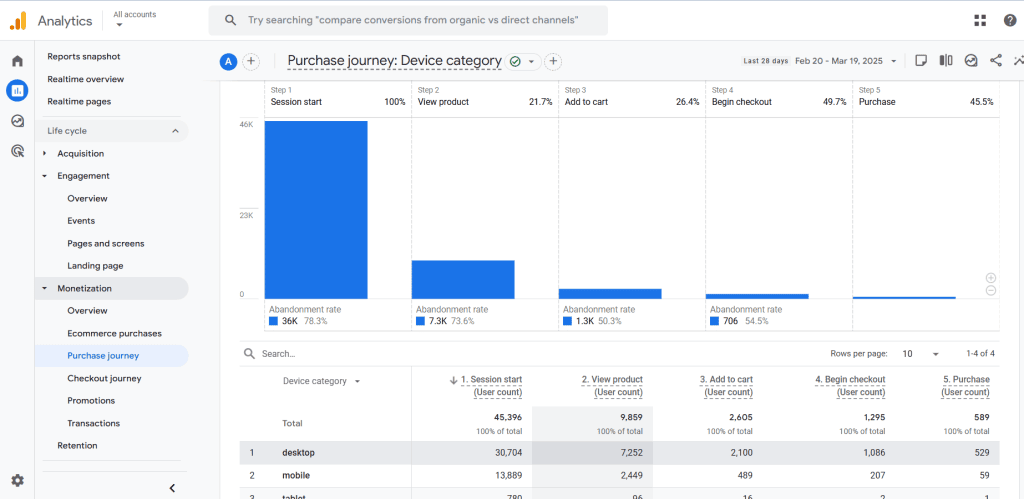
- Funnel Analysis: By mapping these engagement metrics within a promotional or purchase funnel (e.g., Promotion View > Promotion Click > Item View > Add to Cart), businesses can precisely identify where users drop off and optimize each stage for better conversion rates.
Challenges and Considerations in Engagement Analytics
While transformative, implementing and leveraging engagement analytics comes with its own set of hurdles:
- Data Silos and Integration: Data often resides in disparate systems (web analytics, CRM, social media platforms, email marketing tools). Integrating these silos to create a unified customer view is a significant technical and organizational challenge.
- Defining "Meaningful" Engagement: As discussed, the subjective nature of "engagement" requires continuous internal alignment and calibration, as what constitutes a valuable interaction can evolve with business objectives.
- Attribution Complexity: In a multi-touchpoint customer journey, accurately attributing engagement to specific channels or campaigns can be complex, requiring sophisticated attribution models.
- Privacy Concerns and Regulations: With increasing global focus on data privacy (e.g., GDPR, CCPA), businesses must ensure their data collection practices are transparent, compliant, and respect user consent. This often necessitates balancing data richness with privacy-by-design principles.
- Actionable Insights vs. Data Overload: The sheer volume of data generated can be overwhelming. The challenge lies in extracting actionable insights from raw data, moving beyond descriptive reporting to predictive and prescriptive analytics.
- Tool Sprawl: Managing and effectively utilizing multiple analytics tools, each with its own interface and methodology, can lead to inefficiencies and inconsistent reporting.
The Future of Customer Engagement Analytics
The landscape of customer engagement analytics is continuously evolving, driven by technological advancements and shifting consumer expectations.
- Artificial Intelligence and Machine Learning: AI and ML are poised to revolutionize CEA. They will enable more sophisticated predictive analytics, allowing businesses to anticipate user behavior, identify at-risk customers, and proactively deliver personalized experiences. Automated anomaly detection will flag unusual engagement patterns, and AI-powered insights will simplify complex data interpretation.
- Hyper-Personalization and Real-time Engagement: The future will see hyper-personalized engagement strategies, delivered in real-time and contextually aware. AI will analyze live user data to adapt content, offers, and user journeys on the fly, creating truly bespoke experiences.
- Cross-Channel Orchestration: As touchpoints proliferate, the emphasis will shift further towards seamless, orchestrated customer journeys across all channels. Integrated analytics platforms will provide a single, holistic view of the customer, enabling consistent messaging and experience irrespective of the interaction point.
- Ethical AI and Privacy-First Analytics: With growing public awareness and regulatory scrutiny, the ethical use of AI in analytics and a privacy-first approach will become non-negotiable. Tools and practices will need to evolve to provide robust insights while upholding stringent privacy standards.
- Voice and Conversational AI: The rise of voice assistants and chatbots presents new frontiers for engagement. Analytics will need to adapt to measure interactions within these conversational interfaces, tracking sentiment, intent, and conversational flow.
Conclusion
Customer Engagement Analytics is far more than a collection of numbers; it is the strategic compass guiding businesses through the complexities of the digital age. By meticulously tracking and interpreting how users interact with their brands, companies gain invaluable insights that are critical for refining strategies, bolstering customer retention, and consistently driving conversions. It empowers organizations to move beyond mere guesswork, grounding their decisions in quantifiable behavior.
However, true, long-term success extends beyond metrics alone. It necessitates a deep understanding of customer motivations, pain points, and aspirations. As explored in depth in discussions around customer insights and analytics, integrating quantitative engagement data with qualitative feedback creates a powerful, comprehensive view of the customer.
In an increasingly competitive and dynamic market, the ability to understand, nurture, and optimize customer engagement is not just an advantage – it is a fundamental requirement for sustainable growth and enduring brand loyalty. The journey of customer engagement is continuous, requiring constant monitoring, adaptation, and a strategic commitment to connecting meaningfully with every individual. The question remains: how are you measuring the true pulse of your customer engagement?
