
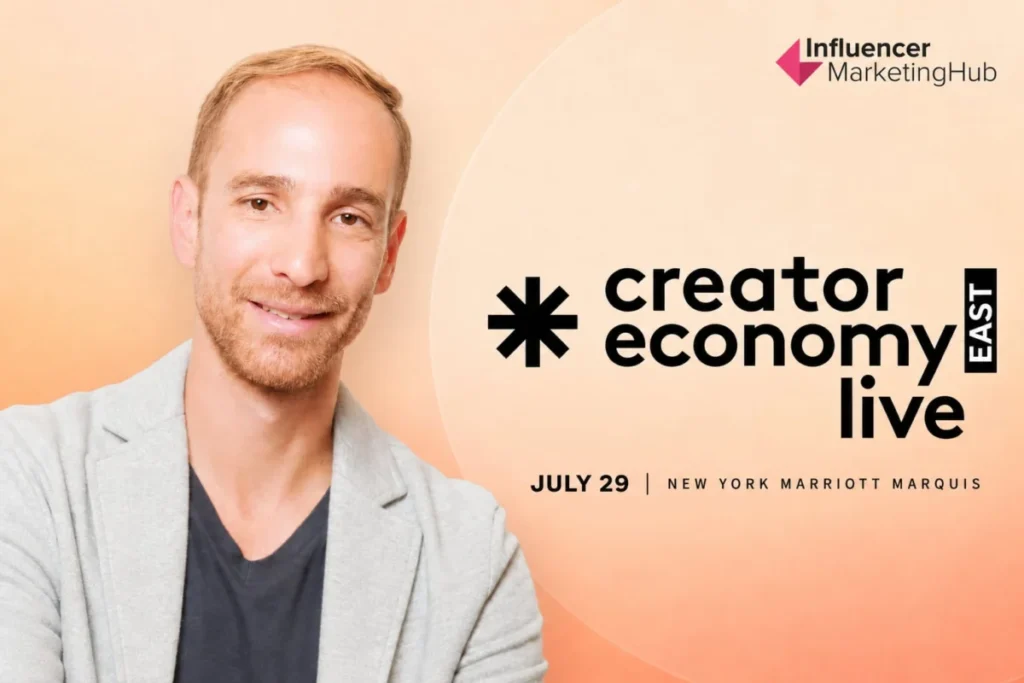
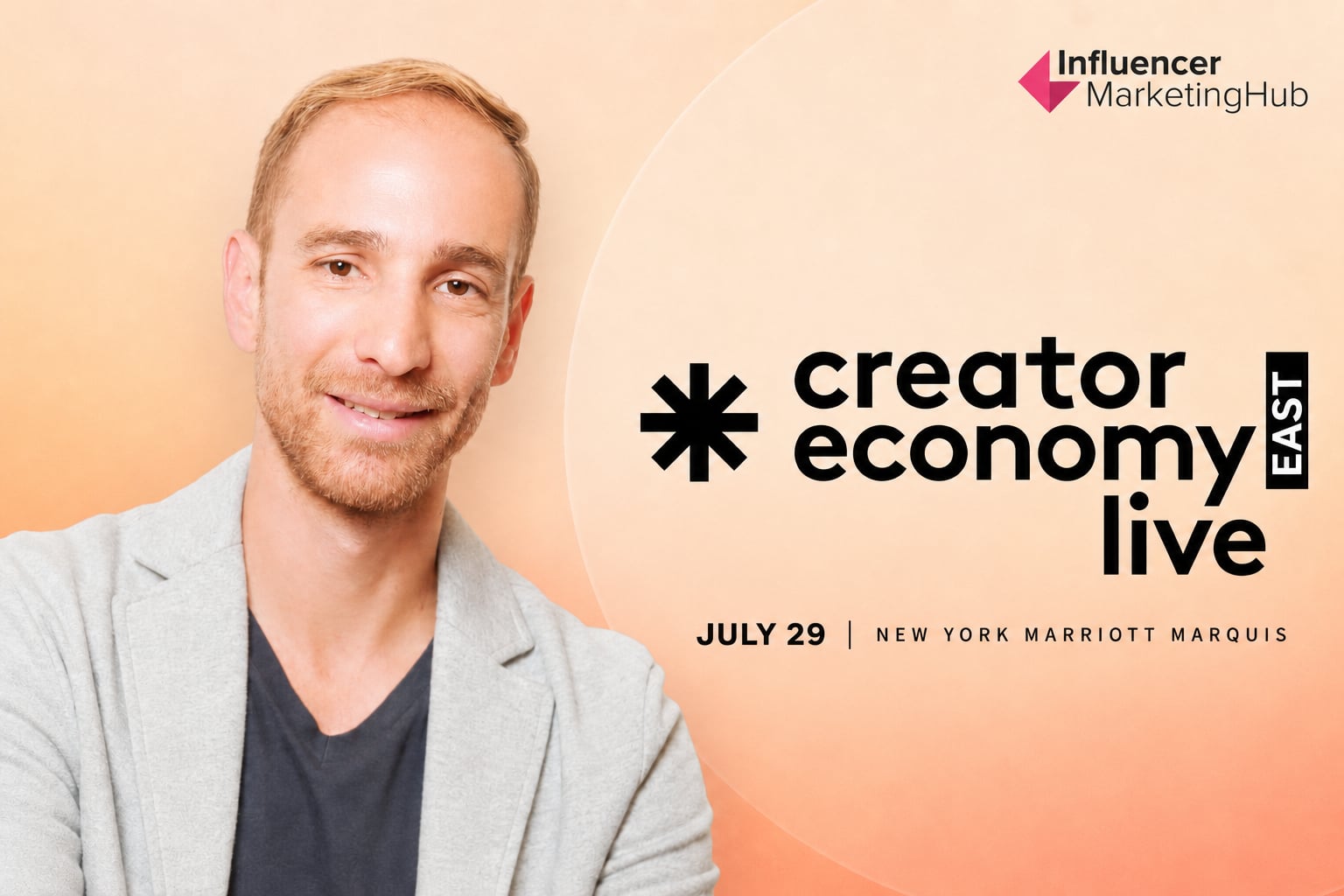
Bridging the Gap: Keith Bendes Brings Strategic Depth to Creator Economy Live East
By Kalin Anastasov
Updated: July 23, 2026
The creator economy has transitioned from a fragmented landscape of experimental social media campaigns to a multi-billion dollar pillar of modern enterprise marketing. As brands struggle to navigate the complexities of authenticity, scalability, and measurable ROI, the industry is increasingly looking toward veteran strategists to provide a roadmap. Enter Keith Bendes, the Vice President of Strategy at Linqia, who has emerged as a central figure in defining the next phase of influencer marketing.
At the most recent iteration of Creator Economy Live East, Bendes delivered a masterclass on the evolution of brand strategy, emphasizing that the era of "posting for awareness" is over. As brands shift toward performance-driven partnerships, Bendes’ insights serve as a critical guidepost for stakeholders attempting to reconcile the creative freedom of influencers with the rigid demands of corporate marketing departments.
The Strategic Shift: Moving Beyond the "Like"
For years, influencer marketing was judged by vanity metrics: likes, comments, and follower counts. However, as budgets tighten and CFOs demand greater transparency, the industry has undergone a radical transformation.
During his keynote address at Creator Economy Live East, Bendes argued that the most successful brand partnerships are no longer those that treat influencers as billboards. Instead, they are the ones that integrate creator content into the broader marketing funnel. "The goal is no longer just visibility," Bendes noted during the session. "It is about creating a cohesive narrative that persists across paid, owned, and earned media."
Bendes’ philosophy centers on "strategic alignment"—the idea that a creator’s audience should not just be reached, but understood. This requires a departure from the "spray and pray" approach of mass-influencer outreach, moving instead toward a boutique model that prioritizes long-term relationships and brand-aligned storytelling.
Chronology: The Evolution of Linqia’s Approach
To understand the significance of Bendes’ contribution to the Creator Economy Live East discourse, one must look at the trajectory of his work at Linqia, a platform that has long pioneered the use of data to inform creative decisions.
- 2022: The Data Integration Phase. Linqia began heavily investing in predictive analytics to help brands identify which creators would provide the best return on ad spend (ROAS). Bendes was instrumental in socializing these metrics with enterprise clients.
- 2023: The Rise of Short-Form Video. As TikTok and Instagram Reels began to dominate consumer attention, Bendes pivoted focus toward "performance creative." The strategy shifted from static imagery to iterative, short-form video content designed to be repurposed as paid social ads.
- 2024: The Holistic Strategy Era. By early 2024, the focus had fully shifted toward full-funnel marketing. Bendes championed the integration of influencer content into CRM systems, email marketing, and landing pages, ensuring the creator’s voice remained consistent throughout the customer journey.
- 2025–2026: The AI Augmentation. Most recently, Bendes has been overseeing the integration of generative AI to streamline the matchmaking process between brands and creators, while ensuring that the "human touch" remains the centerpiece of the campaign.
Supporting Data: Why Strategy Matters
The data backing the need for professionalized strategy is undeniable. According to recent industry benchmarks, influencer marketing is currently experiencing a "professionalization premium."
- Retention Rates: Campaigns that utilize long-term creator partnerships—a key tenet of Bendes’ strategy—show a 35% higher retention rate compared to one-off sponsored posts.
- Conversion Efficiency: Brands that utilize creator-led content as "whitelisted" ads (ads run from a creator’s handle) see an average 22% reduction in Cost Per Acquisition (CPA) compared to traditional brand-led ads.
- Audience Trust: Data from the 2026 Influencer Marketing Hub reports suggests that consumers are 4.5 times more likely to trust a product recommendation from a creator who has a history of genuine brand advocacy versus a celebrity influencer with no established history with the brand.
These statistics underscore the point Bendes emphasized at Creator Economy Live East: when strategy is neglected, brands are essentially setting money on fire by chasing reach without relevance.
Official Responses and Industry Sentiment
The feedback from the Creator Economy Live East community has been overwhelmingly positive, with industry peers noting that Bendes’ approach provides a necessary bridge between the chaotic creative world and the structured corporate boardroom.
"Keith has a unique ability to talk to both the CFO and the creative director," said one industry consultant who attended the session. "He doesn’t talk about ‘trends’ in a vacuum. He talks about business outcomes, conversion loops, and long-term brand equity."
Linqia’s leadership has echoed these sentiments, noting that Bendes’ work has been pivotal in helping the agency navigate the post-cookie landscape. By focusing on first-party data and creator-owned audiences, Linqia has positioned itself as a critical partner for brands looking to insulate themselves from the volatility of traditional digital advertising.
The Implications for Brands and Creators
The implications of the strategies discussed by Bendes are far-reaching. For brands, the message is clear: Stop viewing influencer marketing as a siloed experiment. It must be integrated into the core marketing stack.
1. The Death of the "One-Off" Campaign
Brands that continue to treat influencers as transactional, one-off partners will find themselves increasingly ignored by sophisticated audiences. The market is shifting toward "Creator-in-Residence" models, where influencers act as long-term brand ambassadors who deeply understand the product, the company culture, and the consumer base.
2. Creative Iteration as a Competitive Advantage
Bendes highlighted the importance of "iterative creative." This is the process of testing multiple creative variations from creators, analyzing which elements drive conversions, and doubling down on the winners. This turns influencer marketing into a continuous optimization engine rather than a static campaign.
3. The Shift toward Performance-Based Pay
As influencer marketing matures, we are likely to see a shift in compensation models. While flat fees will always exist, there is a growing trend toward hybrid models where creators are incentivized based on performance metrics—a move that Bendes suggests will eventually become the industry standard for enterprise-level deals.
Looking Ahead: The Future of the Creator Economy
As Creator Economy Live East concluded, the overarching takeaway was one of maturation. The "Wild West" era of the influencer industry is effectively over. We have entered the era of the "Strategist Creator," where creators are becoming media companies in their own right, and brands are becoming publishers.
Keith Bendes’ contributions at the conference highlighted that success in this environment requires more than just a large follower count. It requires a sophisticated understanding of data, a commitment to authentic storytelling, and the ability to operate at the intersection of creative inspiration and commercial rigor.
For those operating in the space—whether you are a brand manager, a marketing agency professional, or a content creator—the path forward is clear: integrate, iterate, and innovate. The brands that listen to the advice championed by strategists like Bendes will be the ones that thrive as the creator economy continues to evolve into the primary driver of digital consumer behavior.
As we look toward the remainder of 2026 and beyond, the collaboration between human creativity and data-driven strategy will remain the most potent tool in a marketer’s arsenal. The lessons shared at Creator Economy Live East serve as a vital reminder that while the tools of the trade may change, the fundamental principles of building trust and delivering value remain the bedrock of any successful brand strategy.
