
Beyond the Spreadsheet: Selecting the Right CRM to Scale Your Agency in 2026
"Pick a CRM and the rest will follow" is the siren song of agency operations. It sounds logical, efficient, and transformative. Yet, for many agency owners, the reality is far more fragmented. After the initial excitement of a new implementation fades, the cracks begin to show: onboarding slows down, pipelines become cluttered with "zombie" deals, and critical client communications remain siloed in disparate tools.
The hidden cost of an ill-fitting CRM isn’t just the monthly subscription fee; it is the "operational drag"—the constant context switching, inconsistent data entry, and slow handoffs between sales and delivery teams that drain your agency’s most precious resource: attention. In 2026, as agency models shift toward more specialized, data-driven service lines, choosing the right CRM is no longer just about contact management; it is about building the nervous system of your business.

The Evolution of Agency Operations: Why Generic Won’t Work
In the past, a CRM was a simple digital Rolodex. Today, for an agency to remain competitive, it must serve as an operational hub. Agencies rely on these platforms to standardize client onboarding, bridging the gap between a signed contract and the first kickoff meeting. They need to coordinate sales-to-delivery handoffs, ensuring that scope, expectations, and timelines are visible to both the salesperson who closed the deal and the account manager executing the work.
Furthermore, agencies require sophisticated visibility into capacity. When a firm understands which services are growing and which clients are at risk, they can pivot resources before a crisis occurs. Finally, the modern CRM must support Quarterly Business Reviews (QBRs) and renewals, transforming what was once a painful, manual report-building exercise into an automated, data-backed conversation.
The 4C Evaluation Model: A Framework for Success
Most CRMs look impressive during a 30-minute vendor demo. To look past the glossy interface, agency leaders should employ the 4C Model to score potential platforms:
- Clarity: How easily can your team understand the status of a project at a glance? Does the interface minimize cognitive load?
- Collaboration: Does the platform support seamless transitions between sales, account management, and delivery teams?
- Customization: Can the tool adapt to your agency’s specific workflows, or are you forced to reshape your business to fit the software’s limitations?
- Connectivity: Does the CRM integrate cleanly with your existing stack, including email marketing, project management, and billing software?
If a tool scores below a 16 out of 20 on this scale, it is likely to become a bottleneck rather than an accelerator.
Top CRM Contenders for 2026: An Analysis
While the market is flooded with options, the following platforms have distinguished themselves as leaders for agency-specific workflows.
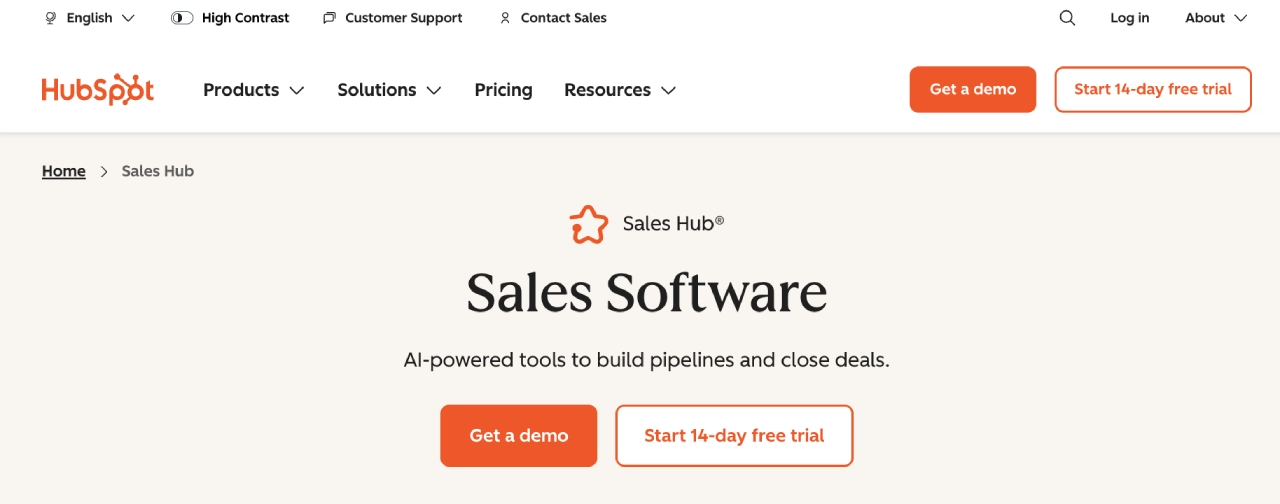
1. HubSpot Sales Hub: Best for Scaling Multi-Service Agencies
HubSpot remains the gold standard for agencies that require an "all-in-one" feel without sacrificing power. Its ability to handle complex pipelines, sequences, and reporting makes it ideal for firms with multiple service lines.
- The Verdict: While it requires a significant investment and a dedicated onboarding period, its integration ecosystem is unrivaled.
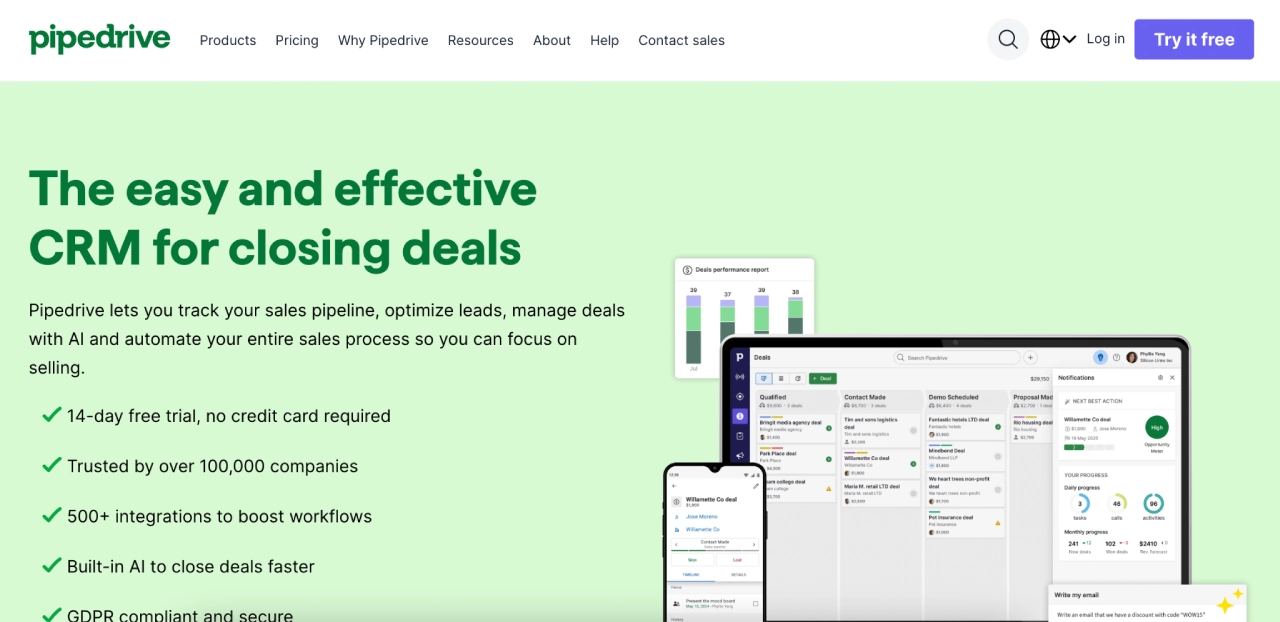
2. Pipedrive: Best for Sales-Centric Teams
If your agency operates with a high-velocity sales team, Pipedrive’s visual, kanban-style pipeline is unmatched. It is designed to keep reps focused on activities rather than administrative clutter.
- The Verdict: It is the "frictionless" choice, though it may lack the depth for complex, multi-department delivery workflows.
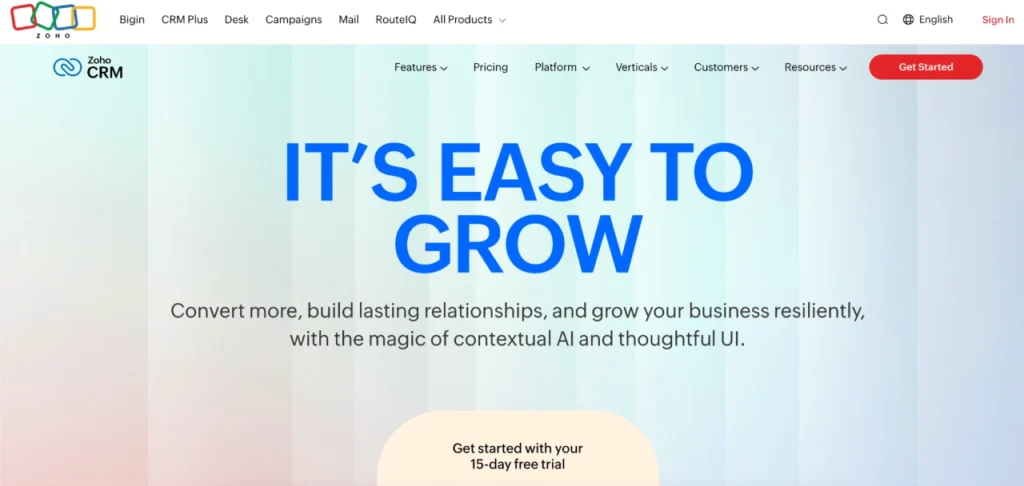
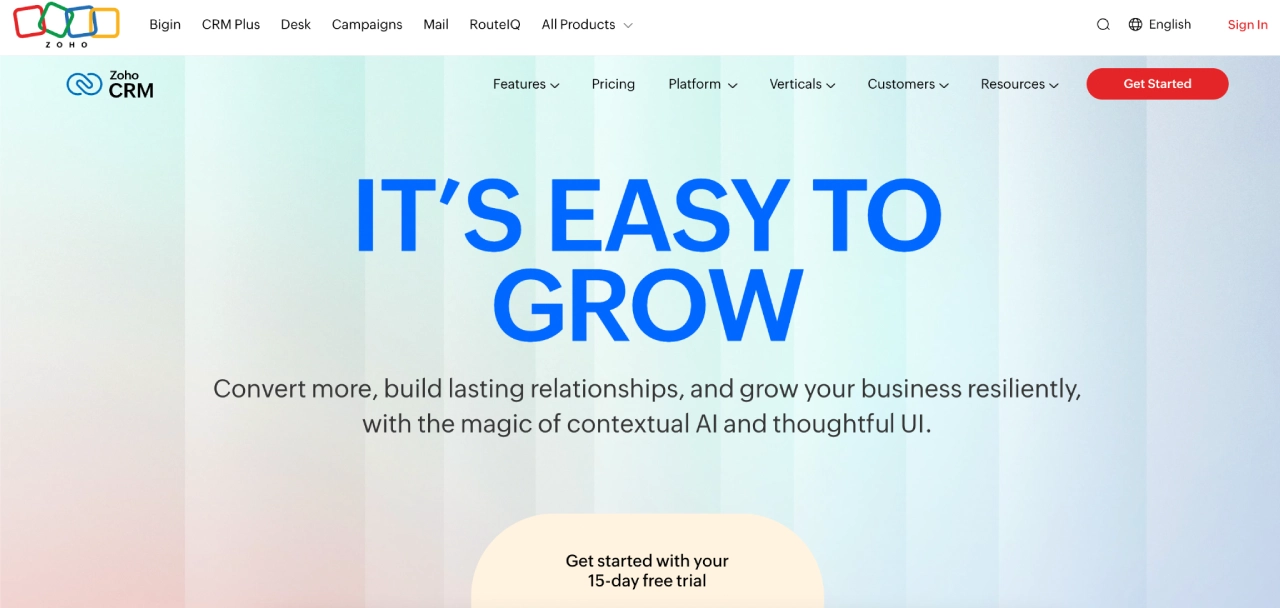
3. Zoho CRM: Best Value and Customization
For agencies that need deep, enterprise-grade customization without the enterprise-level price tag, Zoho is a powerhouse. Its AI assistant, "Zia," and its ability to build custom modules allow it to mimic much more expensive platforms.
- The Verdict: Excellent for the agency that wants to build a bespoke "Agency OS" on a budget.
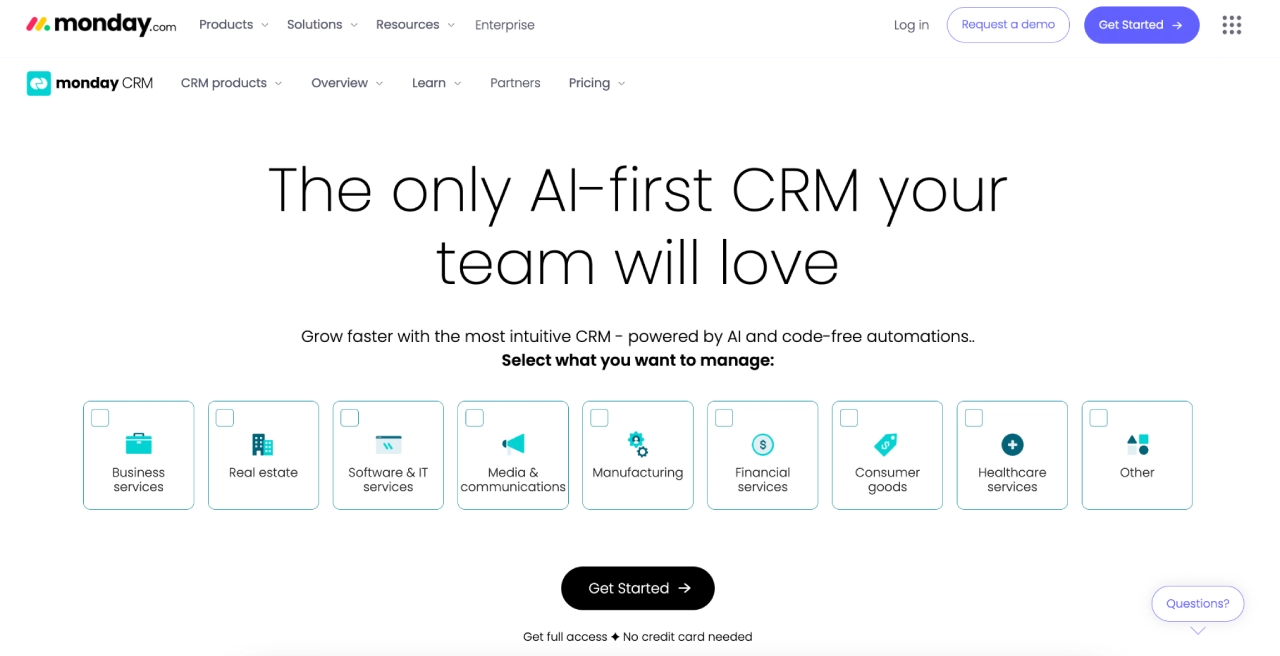
4. monday sales CRM: Best for "Work + CRM" Collaboration
By building a CRM on top of their famous Work OS, monday.com allows agencies to keep sales and project delivery on the same visual boards. This eliminates the "us vs. them" divide between sales and operations.
- The Verdict: Ideal for agencies that want to keep their CRM and project management in one unified workspace.
5. Productive.io: The "Agency OS" Specialist
Unlike traditional CRMs, Productive is built specifically for professional services. It connects the sales pipeline directly to resource planning, time tracking, and profitability reporting.
- The Verdict: If your primary pain point is not knowing whether a project is profitable, this is the tool for you.
The Role of Communication: Integrating Campaign Monitor
A CRM provides the "what" and the "who," but your email marketing platform provides the "how." Pairing a robust CRM with Campaign Monitor creates a seamless communication stack.
By using the CRM as your source of truth—storing renewal dates, client health scores, and contact details—and Campaign Monitor for your automated journeys, you ensure consistency. For example, when a deal moves to "Onboarding" in your CRM, it can trigger an automated welcome journey in Campaign Monitor, complete with branded templates and a consistent voice. This ensures that every client, regardless of their size, receives a high-touch, professional experience.

Navigating the "Red Flags" of CRM Implementation
Before committing to a multi-year contract, agencies must watch for specific red flags that often manifest months after implementation:
- Weak Role-Based Permissions: If you cannot prevent a junior contractor from seeing sensitive financial data or editing global templates, you have a security and operational risk.
- One-Way Integrations: A CRM that only exports data via CSV is not an integrated solution; it is a data silo. Always prioritize platforms with robust, two-way API syncs.
- Volume Caps: Ensure your plan scales with you. Many "starter" plans look affordable until you hit a contact limit that triggers a 5x price jump.
- Opaque Pricing: If you cannot calculate your costs for seats, add-ons, and implementation services upfront, assume the true cost will be significantly higher.
Implications for Agency Growth
The decision to switch or upgrade your CRM is an inflection point for any agency. If your current tool forces your team to spend more time "managing the software" than "managing the client," you are losing money on every hour billed.
However, a word of caution: never switch CRMs to fix a broken process. If your team doesn’t have a clear, documented process for onboarding, reporting, or renewals, a new tool will simply allow you to make mistakes faster. Before you migrate, audit your current workflows. Map your stages. Define your handoffs. Once the process is sound, the CRM becomes the engine that powers your growth.
Final Takeaway: Predictability is the Goal
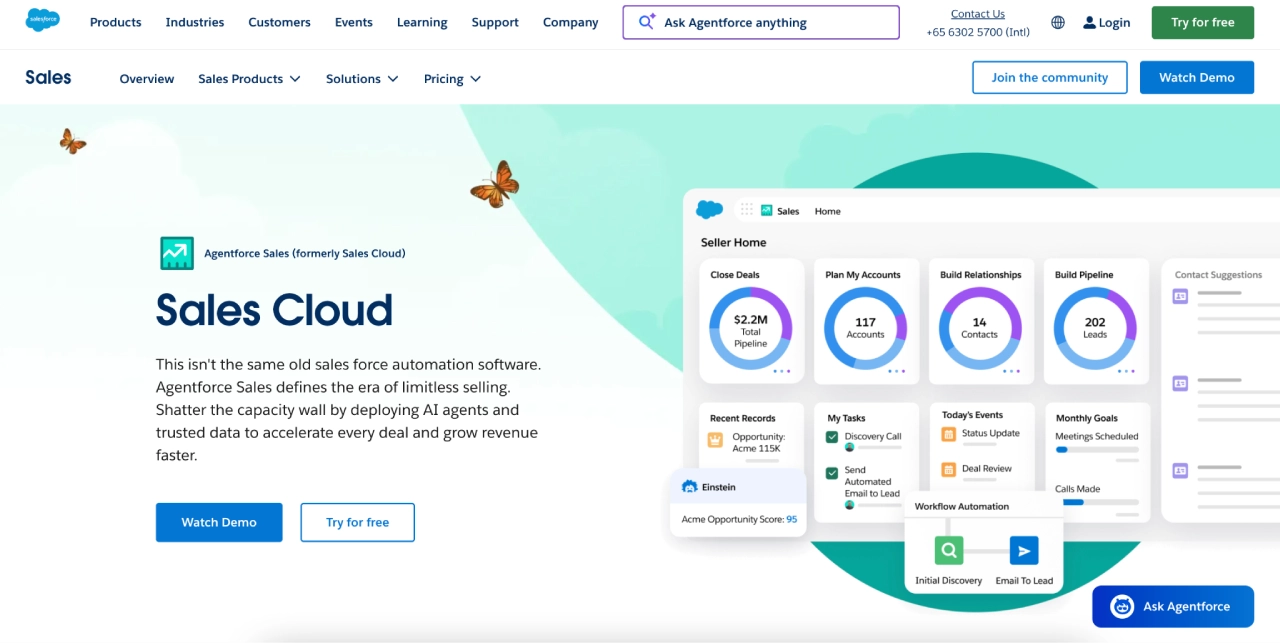
Ultimately, the goal of an agency CRM is to move your business from a state of reactive chaos to proactive predictability. Whether you choose the complex power of Salesforce, the agility of Pipedrive, or the specialized focus of Productive.io, the measure of success is simple:
Does your CRM give your team time back? Does it allow you to see the health of your agency in real-time? And, most importantly, does it allow you to deliver a consistent, high-quality experience to every client, every time? When your CRM handles the operations and your communication stack handles the client journey, you stop managing tools and start building a business that scales.
