
Beyond the Publish Button: Mastering the Art of Content Distribution in 2026
In the modern digital landscape, the mantra "content is king" has evolved. Today, it is more accurate to say that "distribution is queen, and she wears the pants." Creating high-quality content is merely the first step in a much longer journey. For marketing teams in 2026, the challenge is no longer just producing assets; it is ensuring those assets survive the brutal algorithmic filters of the social web to reach the right eyes.
If your content is failing to gain traction, you likely don’t have a creation problem—you have a distribution problem. A comprehensive content distribution strategy is the essential roadmap that transforms a singular piece of intellectual property into a multi-channel engine for growth.

The Anatomy of a Modern Distribution Strategy
A content distribution strategy is a calculated plan to amplify your message across a diverse ecosystem of owned, earned, and paid channels. It moves beyond the "spray and pray" method, favoring a social-first approach where assets are meticulously repackaged to suit the native language and behavioral norms of individual platforms.
The Triad of Distribution
To understand where your efforts should lie, you must categorize your channels:

- Owned Media: These are the channels you control, such as your corporate blog, email newsletters, and organic social media profiles. Owned channels provide the foundation of your brand identity and allow for direct audience nurturing without the interference of third-party algorithms.
- Earned Media: This is the "social proof" layer. It includes press mentions, guest posts, user-generated content, and viral social shares. While you cannot control earned media, you can cultivate it by creating highly shareable, valuable content that earns organic advocacy.
- Paid Media: This encompasses all sponsored efforts, including social media advertisements, search engine marketing (SEM), and creator partnerships. Paid distribution is your scalpel; it allows for precision targeting and rapid scaling of content that has already proven its value organically.
While most successful brands utilize a hybrid approach, the allocation of resources should be strategic. Owned channels provide stability, earned media builds institutional credibility, and paid media provides the necessary fuel to penetrate new audience segments at scale.
The Necessity of Strategy: Why Great Content Fails Alone
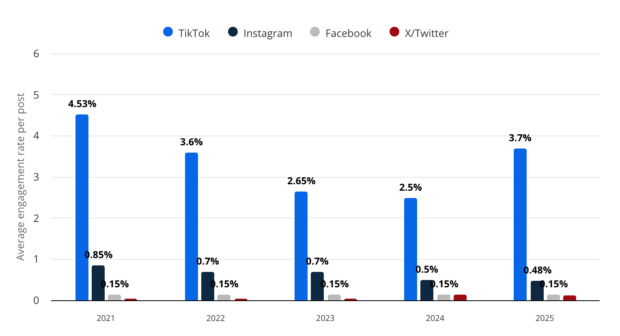
In 2026, the "Field of Dreams" approach—"if you build it, they will come"—is a fallacy. The sheer volume of digital noise has rendered organic reach more elusive than ever. Current industry benchmarks indicate that engagement rates for major platforms like Facebook (0.15%) and Instagram (0.48%) are exceptionally low.
Without a distribution strategy, even the most well-researched, beautifully designed content is effectively invisible. A strategy changes these odds by extending the lifespan of your assets. By repurposing a single webinar into multiple TikTok clips, a LinkedIn carousel, and an email newsletter segment, you maximize the return on your initial production investment. This not only increases reach but also alleviates the burnout associated with the constant demand for "new" content.
Seven Steps to Building a Repeatable Distribution Framework
To move from chaotic posting to a structured distribution machine, follow this proven framework:
1. Define Clear, Goal-Oriented Objectives
Every distribution effort must be tethered to a business outcome. Are you aiming for brand awareness, lead generation, or customer retention? Define your KPIs early. For example, if your goal is authority building, track backlinks and mentions. If your goal is traffic, prioritize referral clicks. Avoid the trap of measuring all channels by the same yardstick; a top-of-funnel TikTok video should not be judged by the same conversion metrics as a middle-of-funnel whitepaper.
2. Audience-Centric Channel Selection
"Don’t go where the fish aren’t," says Beth Owens, Head of Content at Superfiliate. Your distribution channels must align with where your target demographic naturally spends their time. Utilize your existing website analytics and social listening data to identify high-engagement hubs. If your audience isn’t on X, don’t force a presence there just to check a box.
3. Assigning Roles to Channels
Give every channel a specific job description. Perhaps your blog is for deep-dive SEO authority, while your LinkedIn is for thought leadership and your Instagram is for community building. When every platform has a clear mandate, your distribution becomes proactive rather than reactive.
4. The Content Audit
Take a comprehensive inventory of your existing assets. Many teams have "diamonds in the rough"—high-performing older content that can be updated, repackaged, or refreshed. Score these assets based on their repurposing potential to streamline your workflow.
5. Building a Repurposing Workflow
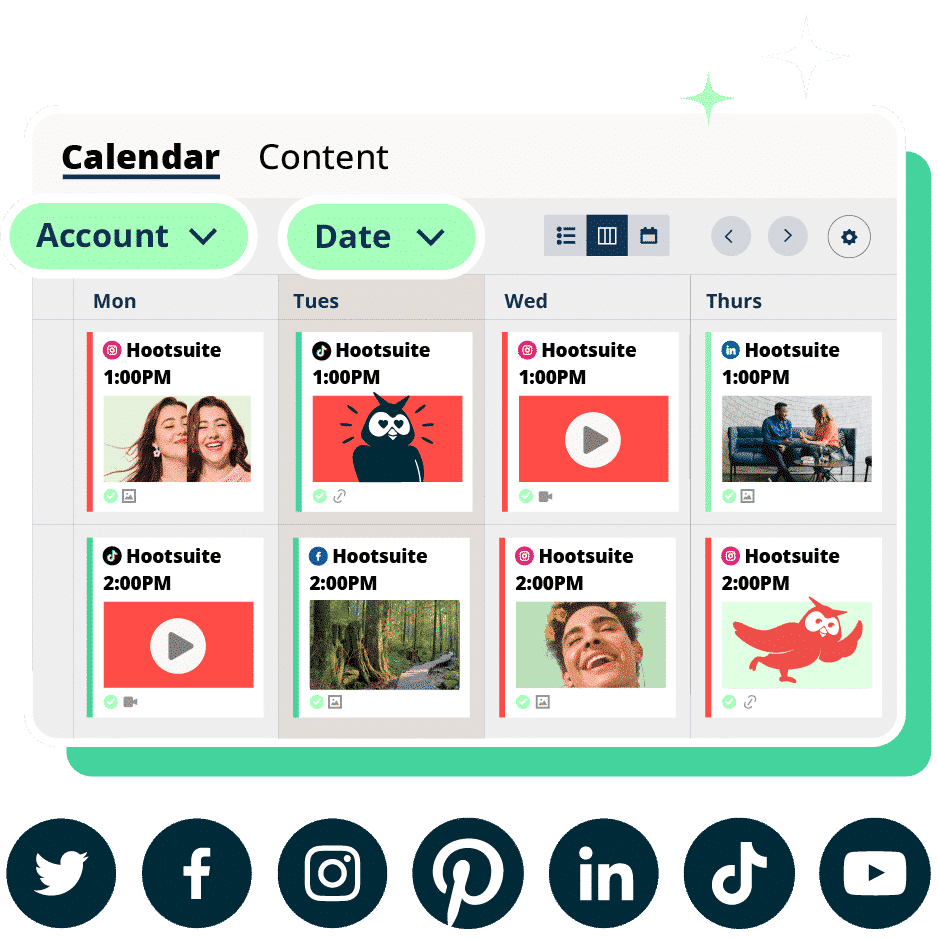
Consistency is the enemy of the disorganized. Develop a repeatable workflow, ideally assisted by AI. A standard process might involve:
- Transcribing a primary asset (e.g., a podcast or webinar).
- Using AI to extract key insights and takeaways.
- Generating platform-specific assets (e.g., threads, carousels, or short-form video scripts).
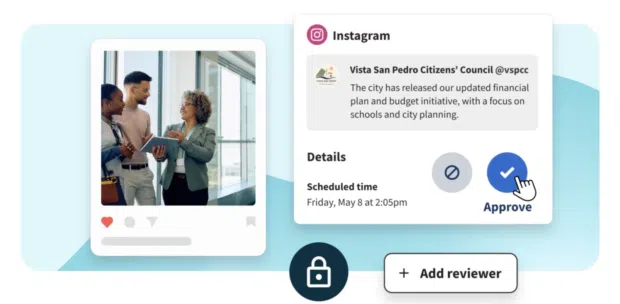
- Routing these assets through a defined approval stage before publication.
6. Distribution in Waves
Do not dump all your content at once. Think in "waves." Launch a major report on a Monday, follow up with LinkedIn commentary on Tuesday, and trickle out short-form video snippets over the following two weeks. This keeps your brand top-of-mind without overwhelming your audience or exhausting your content bank.
7. Iterate Based on Performance
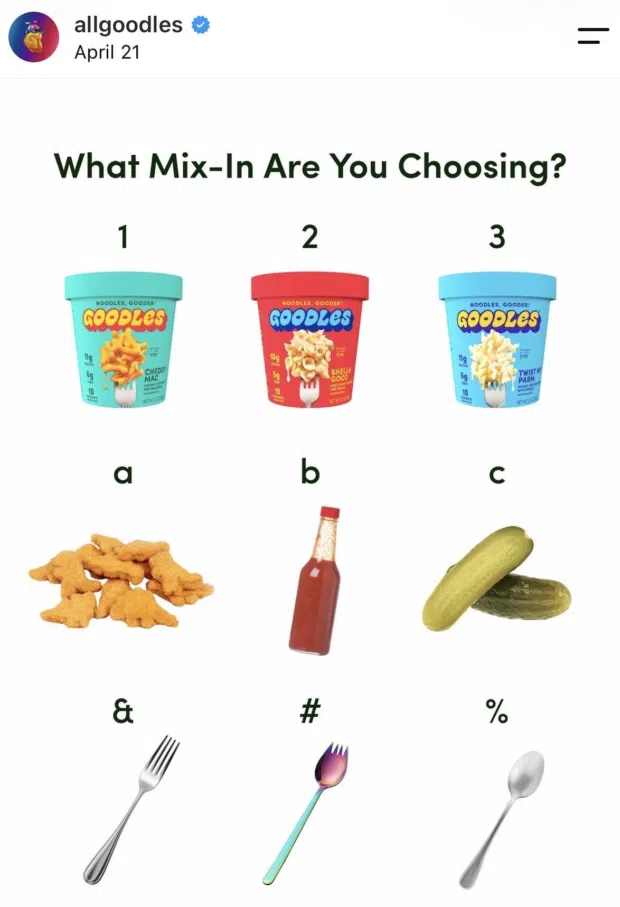
Distribution is a data-driven science. If short-form video consistently outperforms static graphics, shift your production budget accordingly. Use your analytics to refine your strategy continuously.
The Power of Specialized Channels
Social Media: The Discovery Engine
With over 60% of consumers discovering new brands on social media, it remains the primary engine for discovery. While organic reach is declining, social media offers unparalleled flexibility in tone and format.
Search and Owned Websites: The Intent Hub
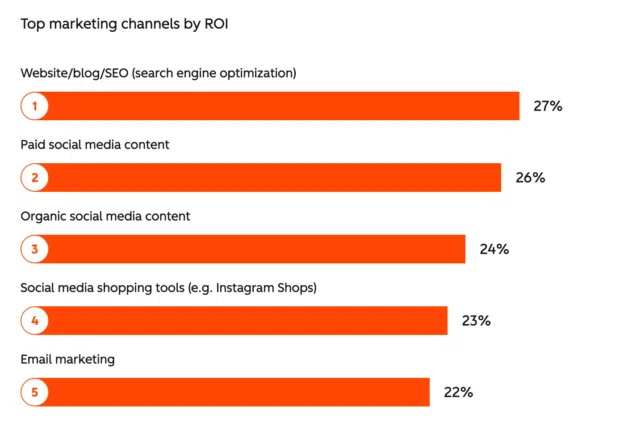
Search engines capture users at the point of intent. Unlike social posts, which have a short shelf-life, a well-optimized blog post acts as an evergreen lead generator. It remains the top-ranked channel for ROI in 2026.
Influencers and Creators: The Trust Factor
Influencer marketing bridges the trust gap. With 83% of consumers viewing creators as more trustworthy than brands, partnerships allow you to "borrow" the established authority and audience connection of a third party.

Email: The Permission Asset
Email remains the most underrated channel. It is the only platform where your audience has explicitly invited you into their personal space. Treat this permission with care; it is the most effective tool for nurturing high-intent leads.
Leveraging Technology for Scalability
As content operations scale, manual management becomes impossible. Tools like Hootsuite have integrated specialized features to solve the distribution puzzle:
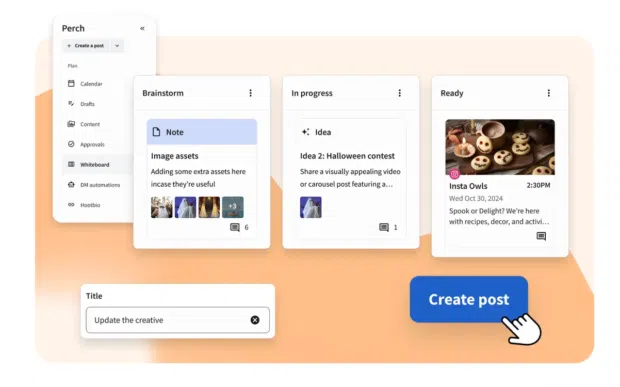
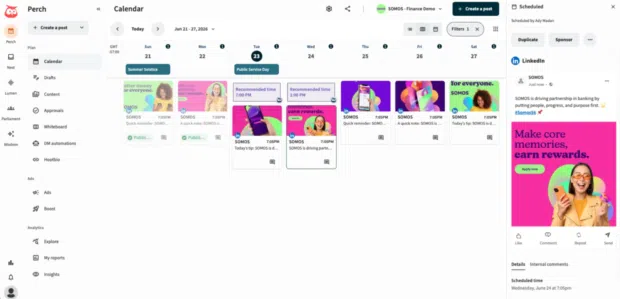
- Perch: This tool acts as a command center for multi-channel planning. It provides a visual, drag-and-drop calendar that allows teams to see the entire distribution "wave" at a glance, facilitating collaboration and ensuring brand consistency across networks.
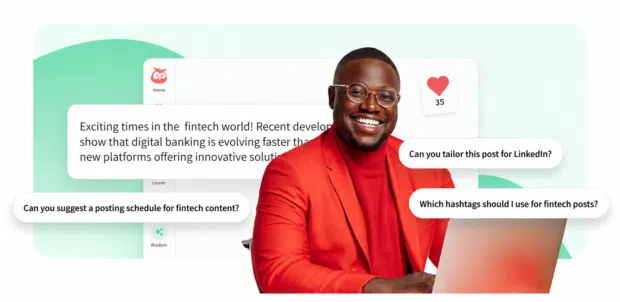
- Wisdom AI: This social-first AI is designed specifically for the repurposing stage. By inputting a core asset, Wisdom can brainstorm new angles, adjust the brand voice for different platforms, and schedule the content for peak engagement times, effectively automating the "repackaging" phase of distribution.
Implications for Future Marketing
The future of marketing belongs to those who view distribution as a creative act in itself. We are moving toward a period where the quality of the content is secondary to the quality of the distribution network.
Brands that fail to adapt will continue to see their organic reach wither, while those who implement a structured, multi-channel distribution strategy will capture an outsized share of voice. By treating every piece of content as a modular asset—one that can be broken down, built up, and distributed across the right channels—marketers can ensure that their best work is not just created, but actually consumed, shared, and acted upon.
In the final analysis, your distribution strategy is the bridge between your brand’s expertise and the audience that needs it. Build that bridge with precision, use the right tools, and prioritize the platforms where your audience is already listening.
