
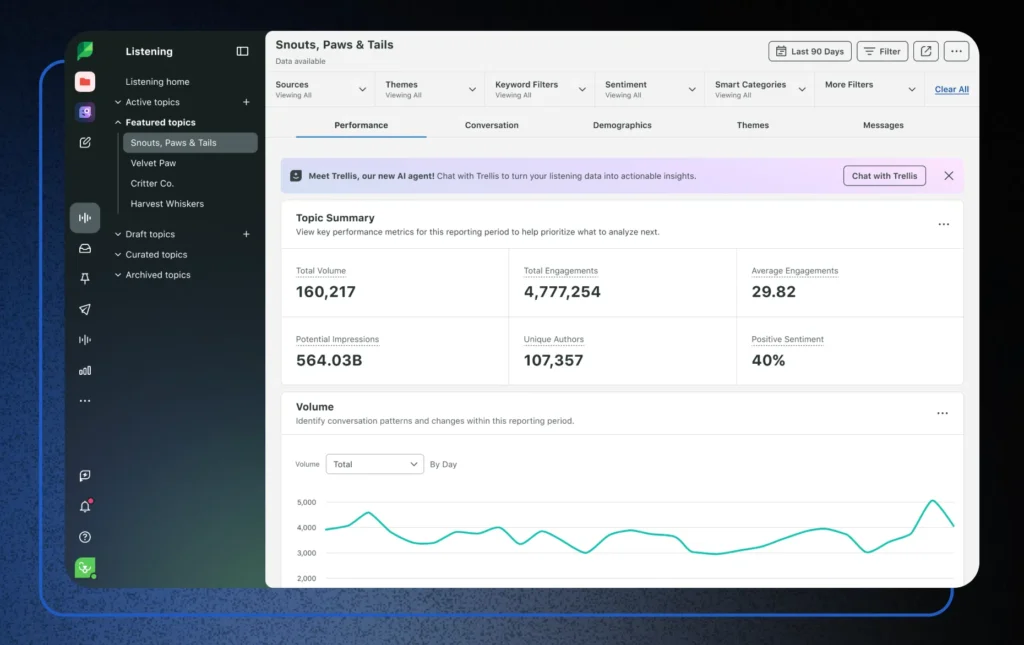
Beyond Complexity: Navigating the Top Brandwatch Alternatives in 2026
In the rapidly evolving landscape of digital marketing, social listening has transitioned from a "nice-to-have" luxury to a fundamental pillar of business strategy. For years, Brandwatch has stood as a titan in the industry, offering deep, granular consumer intelligence for enterprise-level organizations. However, as the pace of social media accelerates, many marketing teams are finding that the very features that made Brandwatch a powerhouse—its immense complexity and high barrier to entry—are becoming liabilities.
Today, teams are increasingly prioritizing agility. They need tools that allow them to move from identifying a trend to publishing a response in minutes, not days. As we look at the current market in 2026, a shift is occurring: organizations are trading "all-in-one" academic-level complexity for integrated, high-velocity workflows.

The Strategic Shift: Why Teams are Moving Away from Legacy Listening
The primary driver for the migration away from legacy platforms like Brandwatch is a fundamental mismatch between tool capability and team objective. For many, Brandwatch is a "serious" tool that requires dedicated analysts to unlock its full potential. When a social media manager simply needs to track a brand mention or monitor a competitor’s campaign, the heavy lifting of a complex enterprise suite can feel like using a sledgehammer to crack a nut.
The Complexity Tax
The most common friction point is the learning curve. In a fast-moving marketing department, time spent learning a complex UI is time stolen from content creation and strategy. If a platform requires extensive training sessions and a dedicated "power user" just to pull a sentiment report, it creates a bottleneck. Teams are now seeking solutions that offer intuitive navigation, allowing anyone from a junior specialist to a creative director to extract actionable insights.

Economic Realignment
The cost of enterprise software is under more scrutiny than ever. If a company pays for an expansive, high-end listening tool but only utilizes 20% of its feature set, the return on investment (ROI) diminishes rapidly. CFOs and CMOs are pushing for tools that align pricing with actual usage, leading teams to explore more modular or purpose-built alternatives.
The Fragmentation Problem
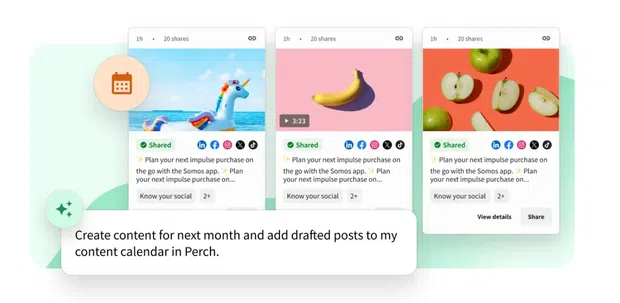
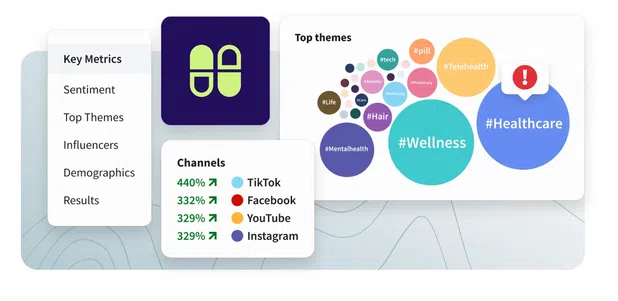
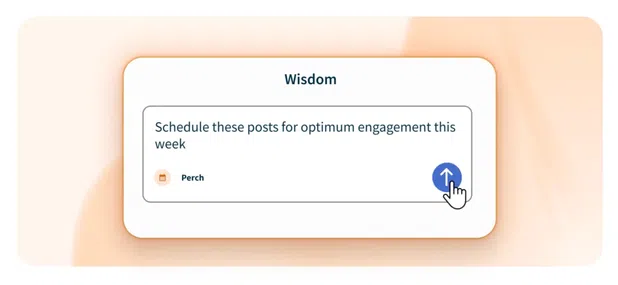
Perhaps the most critical factor is the desire for consolidation. When listening happens in a vacuum—separate from publishing, community management, and analytics—insights remain trapped in a silo. Modern teams are seeking "social-first" environments where listening data flows directly into the content calendar. By integrating these workflows, organizations can turn a piece of social intelligence into a piece of content in real-time, effectively shrinking the gap between observation and execution.
Evaluating the Alternatives: A 2026 Market Analysis
If you are considering moving on from Brandwatch, the market offers a diverse array of specialized tools. Choosing the right one requires a clear understanding of your team’s specific "listening DNA."
1. Hootsuite: The Unified Powerhouse
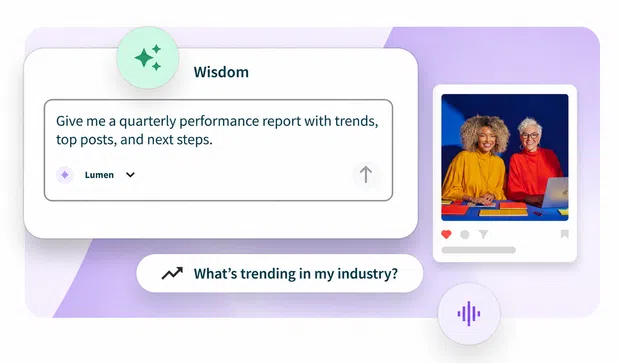
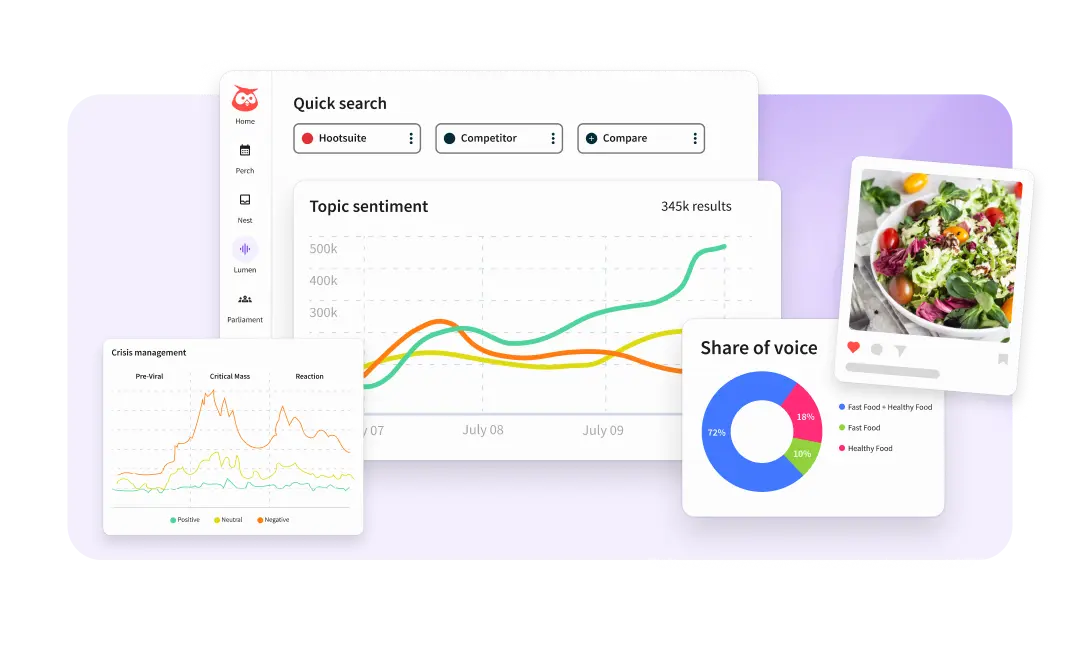
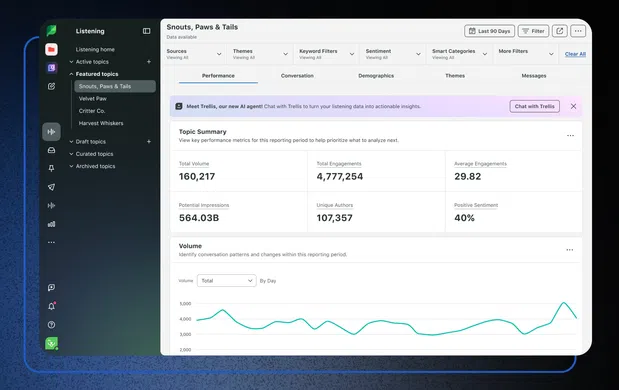
Hootsuite has positioned itself as the leading alternative for teams that value workflow integration. By housing its listening engine (Lumen), its publishing suite (Perch), and its community management tool (Nest) under one roof, it eliminates the need to jump between platforms.
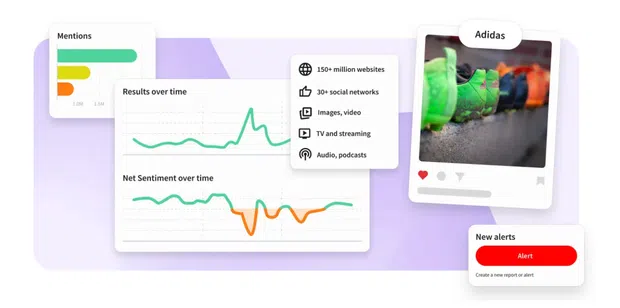
- Key Advantage: It is designed for action. With the integration of AI tools (like Wisdom), users can ask questions about their data in plain English and immediately route those findings into a content creation workflow.
- Best For: Teams that need to move fast and want their research to directly inform their social media calendar.
2. Sprout Social: The Social-First Favorite
Sprout Social is widely recognized for its clean, user-friendly interface. While its core strength is in social media management, it offers a robust listening module as an add-on.
- Key Advantage: Ease of use. It is a natural transition for teams that want a professional-grade suite without the steep learning curve of more enterprise-heavy platforms.
- Best For: Marketing teams where social listening is a high-value task, but not the entirety of their daily workload.
3. Meltwater: The PR and Media Intelligence Giant
For organizations where social listening is just one part of a larger PR strategy, Meltwater remains the gold standard.
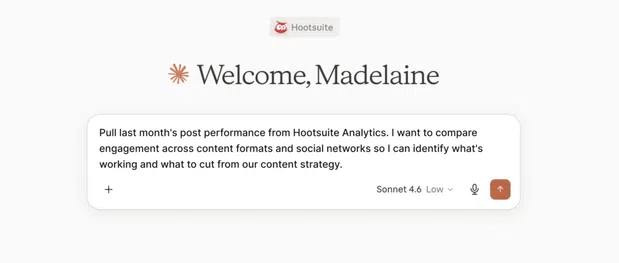
- Key Advantage: Omnichannel visibility. It tracks not just social, but news, print, podcasts, and broadcast media. If a brand crisis starts on Reddit and migrates to mainstream news, Meltwater is built to track that journey.
- Best For: Enterprise PR and Communications teams that need to monitor the entire media landscape.
4. Brand24: The Lean Monitoring Solution
For smaller teams or those on a stricter budget, Brand24 offers a lightweight, high-utility alternative.
- Key Advantage: Speed and simplicity. It focuses on the essentials: mentions, sentiment, and reach. It lacks the deep analytical complexity of Brandwatch, but for many brands, "the basics" are all they truly need.
- Best For: Startups and SMBs that need effective, ongoing brand monitoring without the enterprise price tag.
5. YouScan: The Visual Intelligence Specialist
As social media becomes increasingly image-centric, YouScan stands out for its advanced AI-driven visual recognition.
- Key Advantage: Beyond text. It doesn’t just listen to what people are writing; it "sees" what people are posting. It can identify logos, scenes, and specific activities within images, providing a level of visual context that text-only scrapers miss.
- Best For: CPG and lifestyle brands that rely heavily on user-generated visual content.
6. Audiense: The Audience Architect
If your primary goal is not just to track what is being said, but to understand who is saying it, Audiense is a specialized alternative.
- Key Advantage: Deep audience segmentation. It excels at breaking down followers and mentioners into interest-based personas, helping brands understand the psychological and behavioral drivers of their audience.
- Best For: Market researchers and brand strategists who need to build high-precision targeting profiles.
Strategic Implications: How to Make the Switch
Transitioning from one platform to another is not merely a technical migration; it is a change in operational culture. Before pulling the trigger on a new provider, consider the following checklist:
The "Question-First" Audit
Do not start by comparing features; start by listing the questions your team needs to answer daily. Are you looking to prevent a PR crisis? Are you trying to identify the next big content trend? Or are you measuring share-of-voice against competitors? A tool that is perfect for PR (like Meltwater) might be the wrong choice if your primary goal is content planning.
Assessing AI Connectivity
In 2026, any tool that operates in a silo is a legacy tool. Look for platforms that support API integrations or MCP (Model Context Protocol) servers. The ability to pull raw listening data into your own internal AI models (like ChatGPT or Claude) is the new frontier of competitive advantage. If your platform doesn’t allow you to "interrogate" your data beyond their provided dashboards, you are limiting your team’s potential.
Evaluating "Time-to-Action"
Measure the number of clicks required to get from an insight to a published post. If your team discovers a viral trend, how many tools do they have to open to capitalize on it? If the answer is more than one, you are likely losing speed to market.
Official Perspectives: The Industry Consensus
Industry experts are largely in agreement that the era of the "monolithic" software suite is waning. As Jase Rodley, Founder & SEO Consultant at Dialed Labs, notes: "Sophisticated tools make sense when you’re dealing with multiple products and markets and need to compare conversations. A lightweight tool is sufficient if your goal is only to understand people’s opinions on one topic or brand."
This sentiment is echoed by Chris Bennett, Strategy Director of Greater Else, who emphasizes the necessity of data portability: "You need to be able to extract and interrogate your data beyond simple in-app dashboards."
Conclusion: The Path Forward
The decision to leave a platform like Brandwatch is rarely about the platform failing; it is about the business evolving. As your team matures, your needs change. If you find your team is spending more time wrestling with a software interface than actually engaging with your audience, it is time to reassess.
Whether you choose the consolidated power of a platform like Hootsuite, the PR-heavy focus of Meltwater, or the visual expertise of YouScan, the goal remains the same: to turn the chaotic noise of social media into a coherent, actionable signal. In 2026, the winners won’t necessarily be the teams with the most expensive tools—they will be the teams with the most responsive ones.
