
Beyond Beehiiv: The Definitive Guide to Scaling Your Newsletter and Marketing Operations
For many creators, the journey begins on a platform designed for simplicity. Beehiiv has undoubtedly carved out a significant niche as a "media-first" newsletter platform, offering a streamlined environment for writers to launch and monetize their work. However, as audiences grow and businesses mature, the limitations of a "newsletter-only" tool often begin to surface.

When your operation requires deeper automation, sophisticated cross-channel customer journeys, or enterprise-grade governance, it may be time to evaluate more robust alternatives. Based on an exhaustive analysis of thousands of user reviews across G2, Capterra, and Reddit, we have identified the market’s most capable email service providers (ESPs) for teams ready to graduate from the Beehiiv ecosystem.
The Growth Threshold: Why Creators Outgrow Beehiiv
While Beehiiv excels at rapid audience acquisition, professional teams frequently cite three primary friction points as they scale:
- Monetization Complexity: As revenue streams diversify, Beehiiv’s built-in monetization tools can feel restrictive for brands requiring complex e-commerce integrations or non-newsletter revenue models.
- Automation Limitations: For businesses relying on behavioral triggers, multi-step customer journeys, and predictive segmentation, the platform’s native automation features often fall short of enterprise expectations.
- Audience Management Depth: Scaling brands often find themselves hitting ceilings regarding custom permissions, multi-account structures, and granular data governance—features standard in mature marketing platforms.
Chronology of the Shift: When to Migrate
Most successful digital media brands follow a predictable trajectory. Initially, the focus is on content velocity—getting the email out. This is the Beehiiv stage.
The shift to an enterprise or mid-market solution typically occurs at one of three milestones:
- The Integration Milestone: When you need to sync your email data with a CRM, a dedicated e-commerce store (like Shopify or BigCommerce), or a complex internal database.
- The Automation Milestone: When manual list management is replaced by behavioral triggers (e.g., "If user clicks link X, send product recommendation Y").
- The Governance Milestone: When your team grows beyond one or two people and requires approval workflows, tiered user permissions, and centralized brand asset management.
Top-Tier Alternatives: A Comparative Analysis
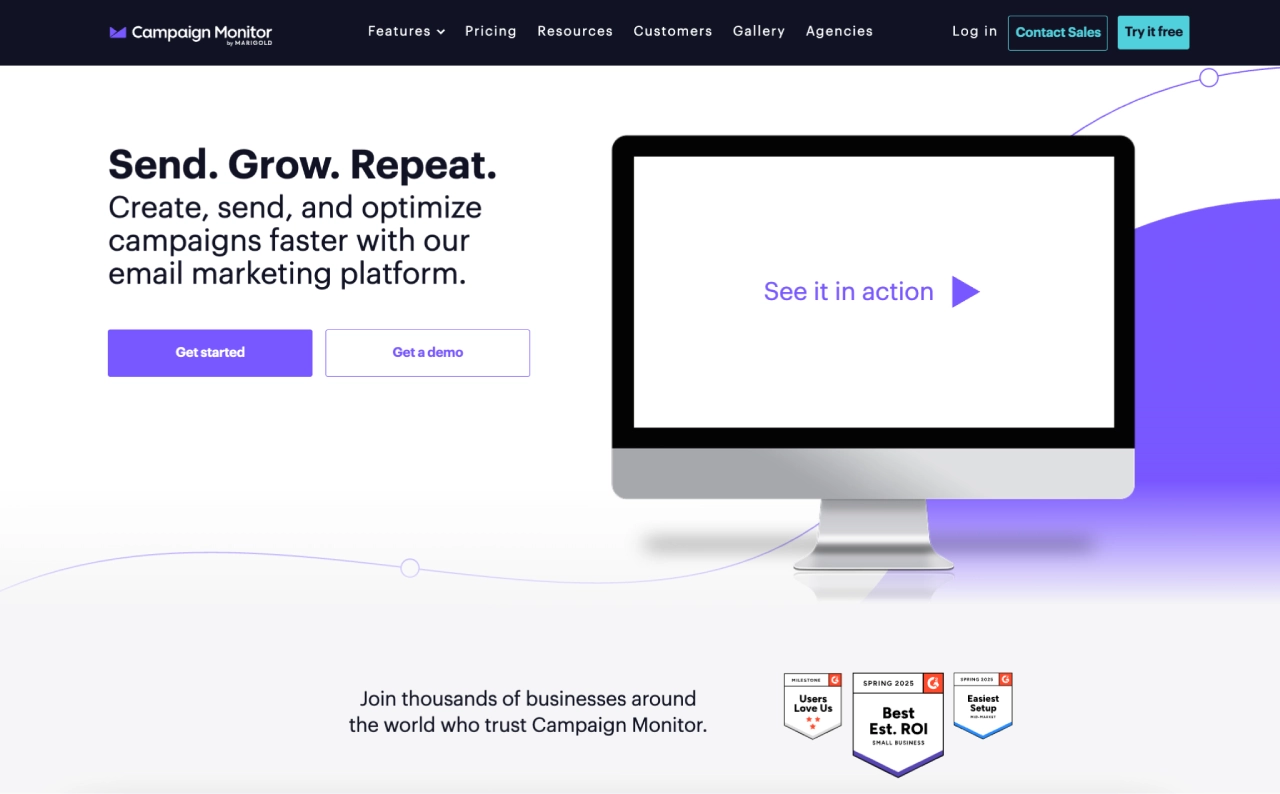
1. Campaign Monitor: The Market Leader for Professional Teams
With over 20 years of industry experience, Campaign Monitor remains the gold standard for those prioritizing design and deliverability. It balances enterprise-grade power with an intuitive interface.

- Key Advantage: Its AI-powered email builder and advanced automation workflows allow teams to build complex, high-performing campaigns without needing a developer.
- Why it wins: Unlike younger newsletter platforms, Campaign Monitor offers mature deliverability infrastructure and 250+ native integrations, ensuring your emails actually reach the inbox.
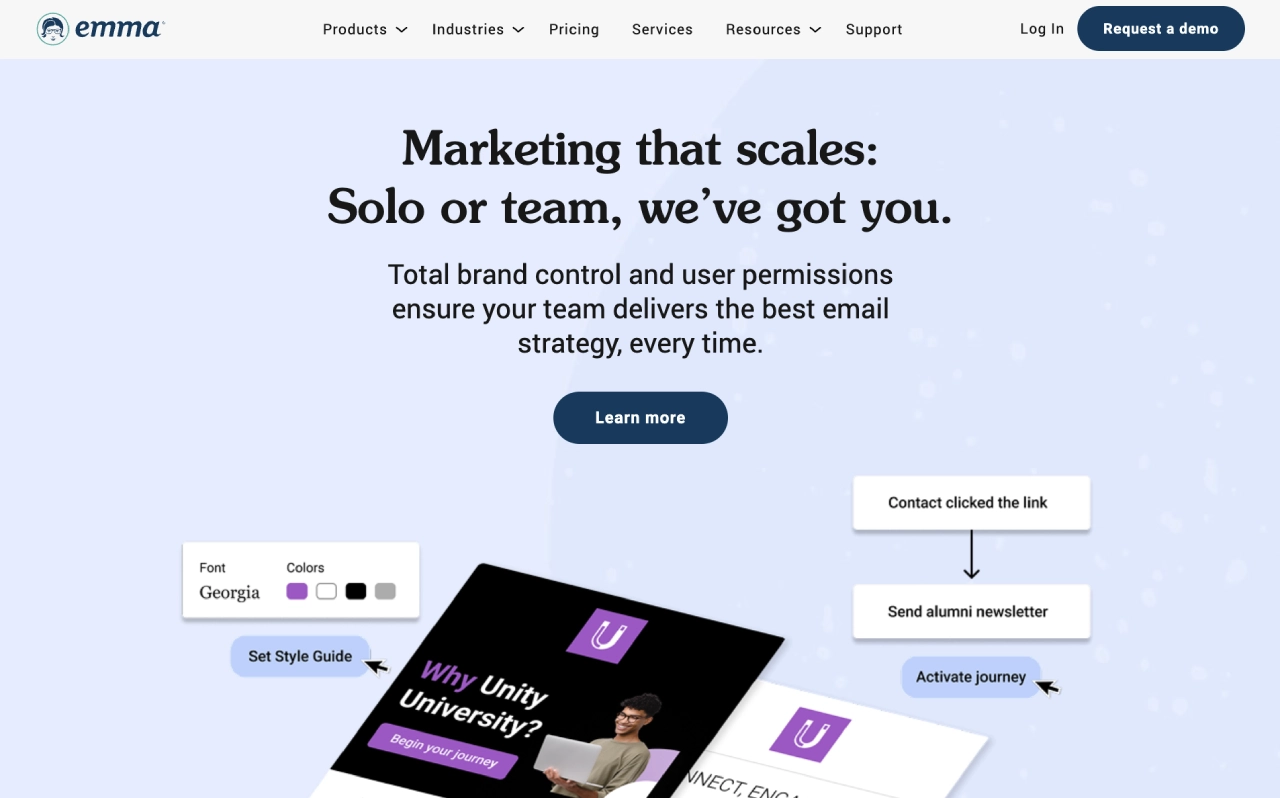
2. Emma by Marigold: The Enterprise Choice
For mid-sized organizations, Emma by Marigold offers the most sophisticated "brand governance" suite. If you manage multiple sub-brands, franchises, or regional offices, Emma’s multi-account structure is a game-changer. It allows headquarters to lock templates and brand assets while empowering local teams to execute their own campaigns.
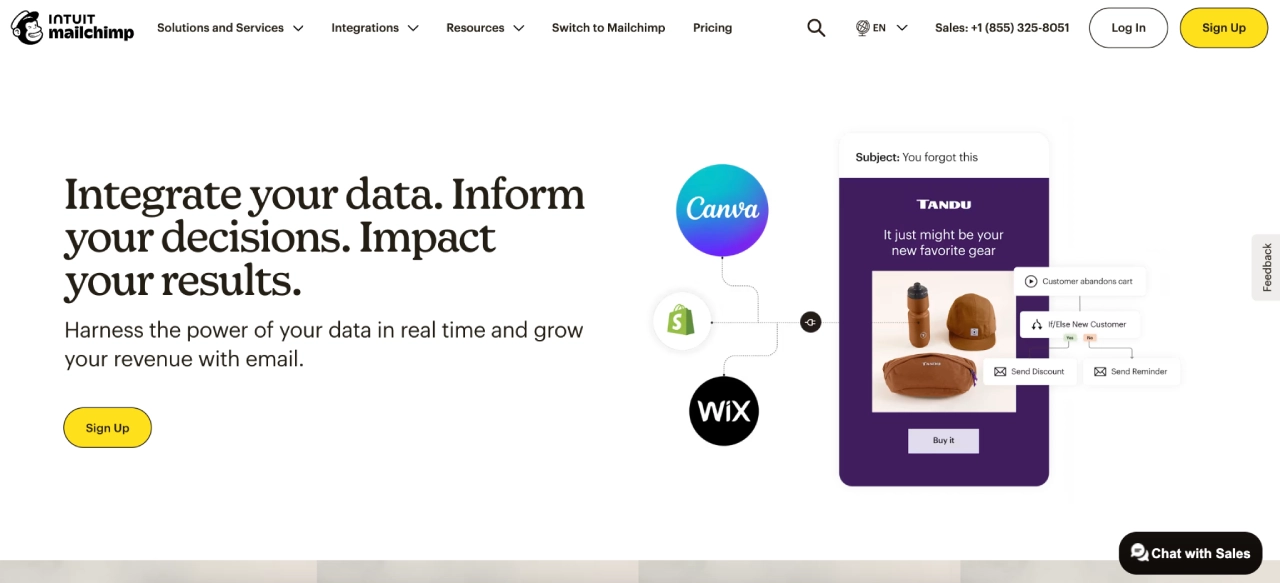
3. Mailchimp: The All-In-One Powerhouse
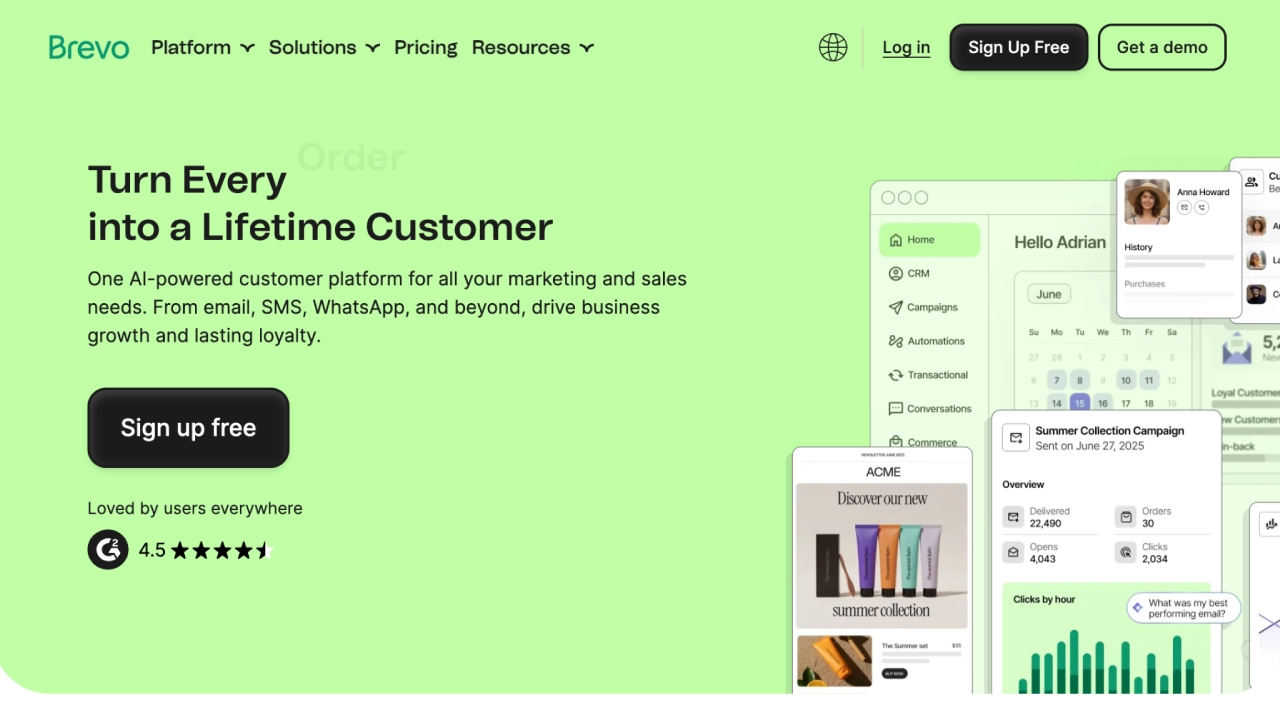
Mailchimp has evolved far beyond its humble beginnings. Today, it serves as a comprehensive marketing operating system. From landing page builders to predictive customer lifetime value (CLV) analytics, it is the best fit for small-to-medium businesses that want to manage their entire marketing stack from one dashboard.
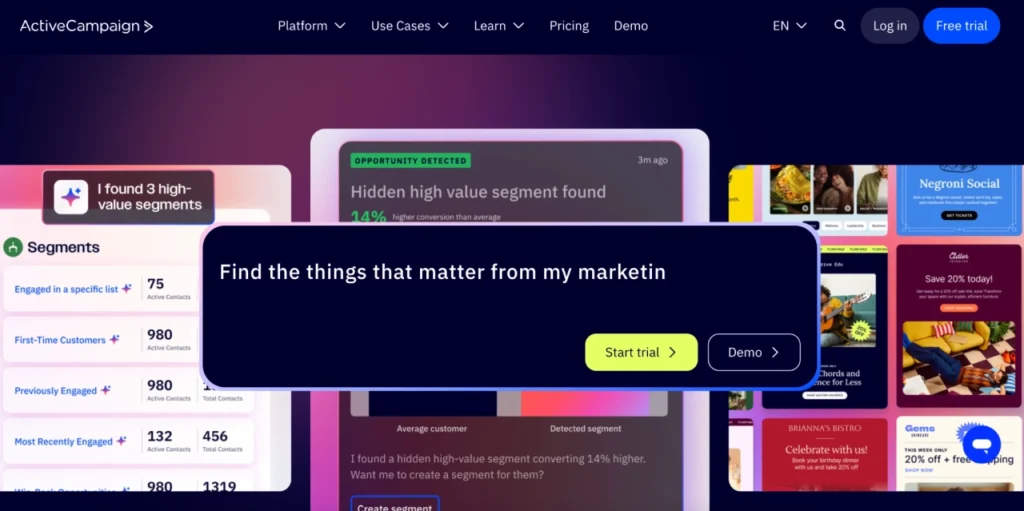
4. ActiveCampaign: The Automation Specialist
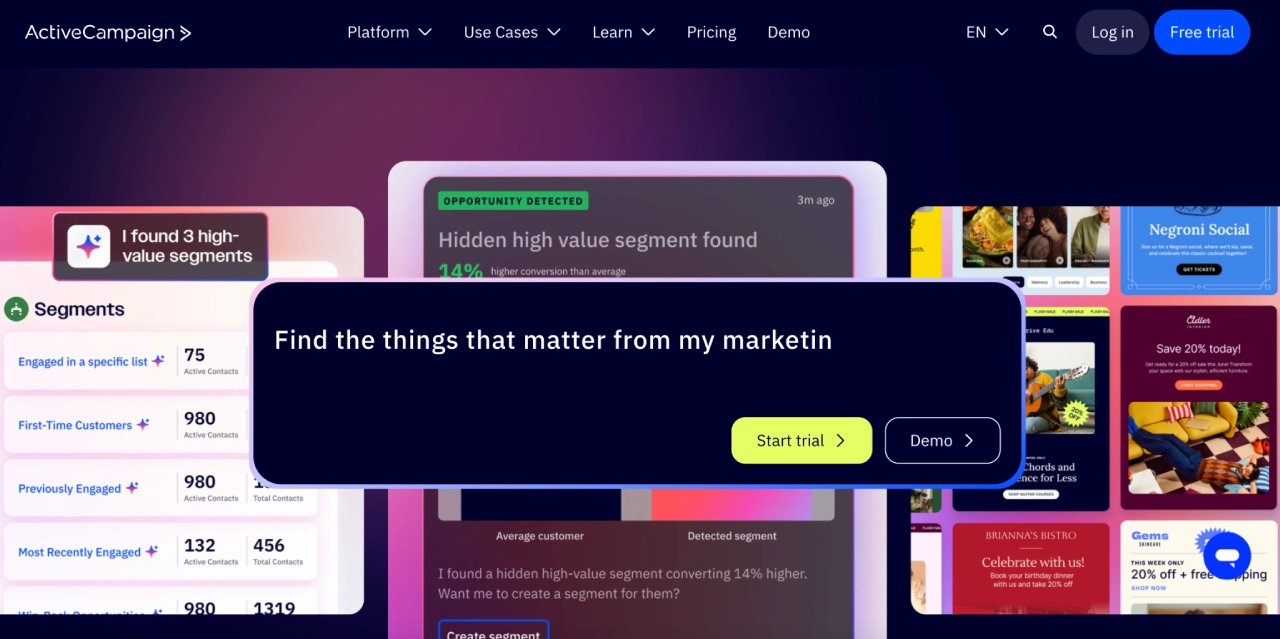
If your primary pain point is the lack of "intelligent" automation, ActiveCampaign is the clear choice. Its platform is built around the "Automation Recipe" concept, allowing users to build complex, multi-step journeys that react to real-time user behavior. With an integrated CRM and SMS add-ons, it is essentially a growth engine for B2B and high-touch B2C businesses.
5. Constant Contact: The Local Business Essential
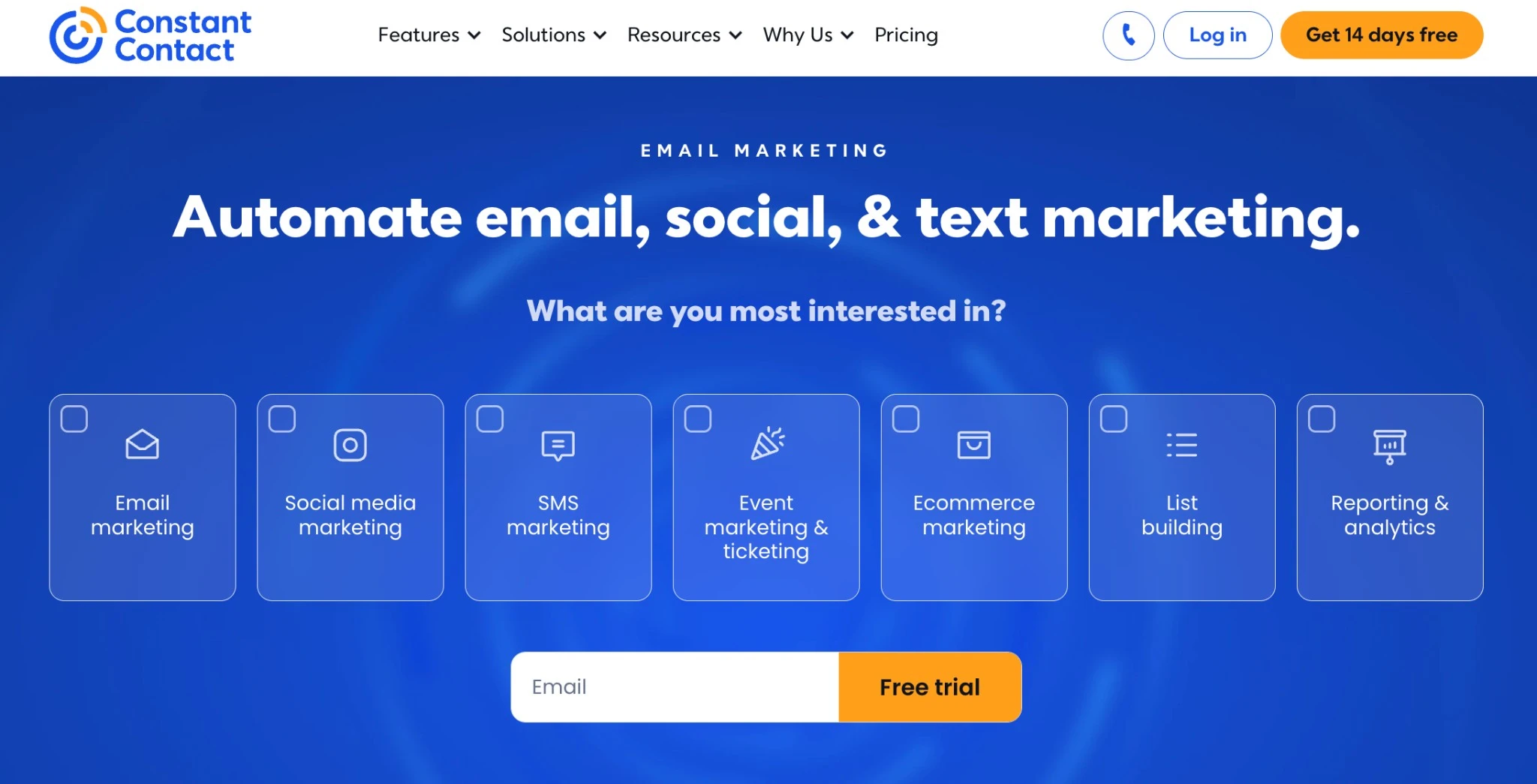
Constant Contact simplifies the complex. It is specifically optimized for event marketing, local business management, and social media scheduling. For non-profits and local organizations, its 1:1 onboarding and support services provide a safety net that most "tech-first" newsletter platforms lack.

Supporting Data: Feature Comparison at a Glance
| Feature Category | Beehiiv | Campaign Monitor | ActiveCampaign | Mailchimp |
|---|---|---|---|---|
| Automation | Basic | Advanced/Workflow | Enterprise-Level | Mid-Market |
| CRM Integration | Moderate | High | Excellent | High |
| Ease of Use | High | High | Moderate | High |
| Best For | Independent Creators | Professional Marketers | Automation Experts | Small Business |
Official Perspectives and User Feedback
In analyzing thousands of reviews, a recurring theme emerges: "The platform that got me to my first 10,000 subscribers is not the same platform that will get me to 100,000."
Users of Campaign Monitor frequently praise the "stunning, drag-and-drop templates" that don’t require custom coding, noting that the platform’s focus on deliverability has resulted in a measurable increase in ROI. Conversely, ActiveCampaign users highlight the "unmatched depth of segmentation," noting that while the learning curve is steeper, the ability to tailor messages based on granular behavioral data is a competitive advantage that pays for the subscription cost multiple times over.

Implications for Your Business
Choosing a new ESP is a strategic decision that affects your bottom line. Transitioning to a new platform is not just about the migration of contacts; it is about upgrading your marketing philosophy.
Financial Implications
When moving to platforms like Emma or ActiveCampaign, you are shifting from a flat-fee or low-cost model to a performance-based investment. While these tools start at higher price points (e.g., $99/mo for Emma), the return on investment comes from higher conversion rates, lower churn, and more effective automation.
Operational Implications
Migrating requires a clear strategy:
- Data Hygiene: Before moving, purge your list. Use the migration process to clean up stale subscribers.
- Authentication: Ensure your SPF, DKIM, and DMARC records are properly configured on the new platform to maintain your sender reputation.
- Training: Invest time in training your team on the new platform’s automation logic. A powerful tool is only as good as the user’s ability to wield it.
The Verdict: How to Choose
If you are at a crossroads, consider your primary goal:
- Need design flexibility and reliable deliverability? Choose Campaign Monitor.
- Need to manage multiple brands or teams? Choose Emma by Marigold.
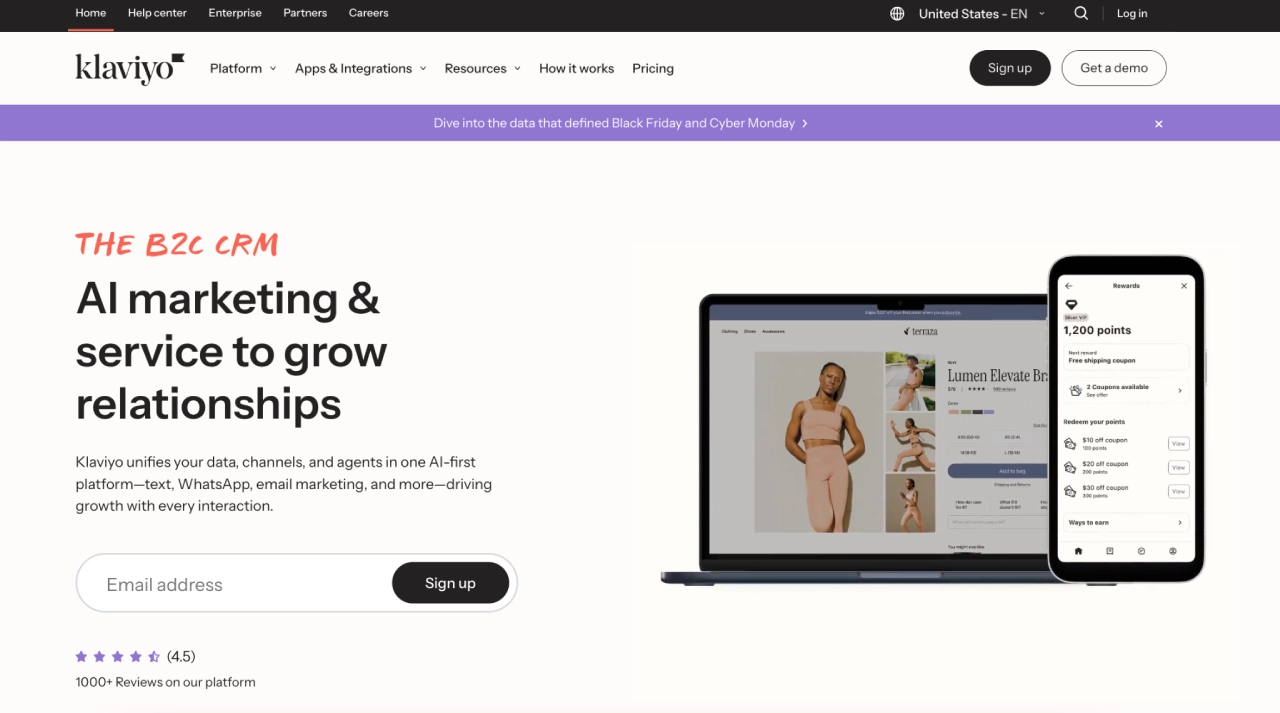
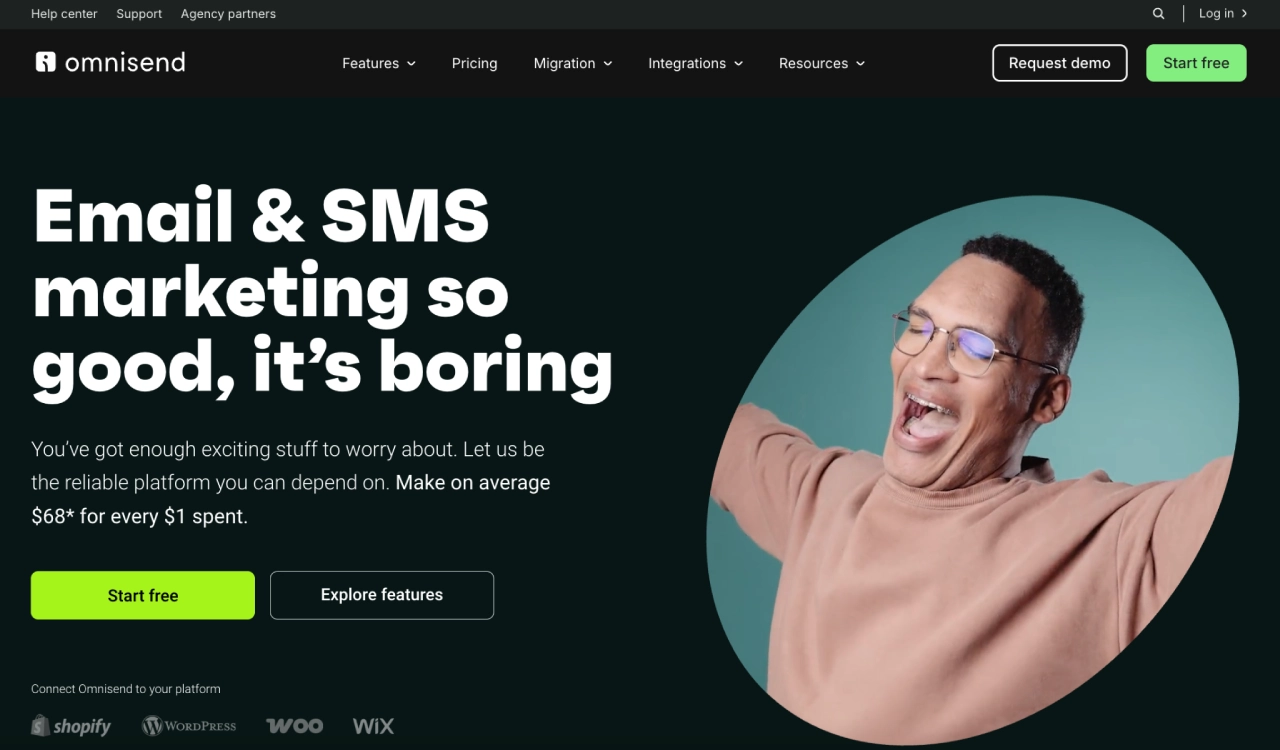
- Need an all-in-one suite for e-commerce and web? Choose Mailchimp or Omnisend.
- Need extreme automation depth? Choose ActiveCampaign.
Ultimately, the best platform is one that removes the technical friction between your content and your audience. While Beehiiv served its purpose in your early days, the right move now is to select a partner that can support your growth for the next five years, not just the next five months.
Note: The features and pricing referenced are current as of January 2026. As platforms evolve rapidly, we recommend visiting the official websites for the most up-to-date documentation and to take advantage of free trials to test the interface firsthand.
