
Agentic Lovemarks: Bridging the Divide Between Human Emotion and Machine Logic
The branding industry is currently undergoing a structural transformation that mirrors the seismic shifts of the early digital age. For decades, the gold standard of brand loyalty has been defined by the "Lovemarks" philosophy—a concept pioneered by Kevin Roberts at Saatchi & Saatchi, which posited that brands must transcend functional utility to earn both love and respect.
However, the rise of the "Agentic Economy"—a world where intelligent AI agents increasingly mediate, filter, and execute consumer decisions—has forced a radical re-examination of these foundations. A new manifesto, Brand Constitutions: The Legible-Lovable Standard for Building Equity in an Agentic Economy by Thomas Marzano, provides the blueprint for this transition. Marzano’s work suggests that to survive in a landscape governed by algorithms, brands must now speak to two audiences simultaneously: the human heart and the machine’s logic.
The Evolution of the Love-Respect Axis
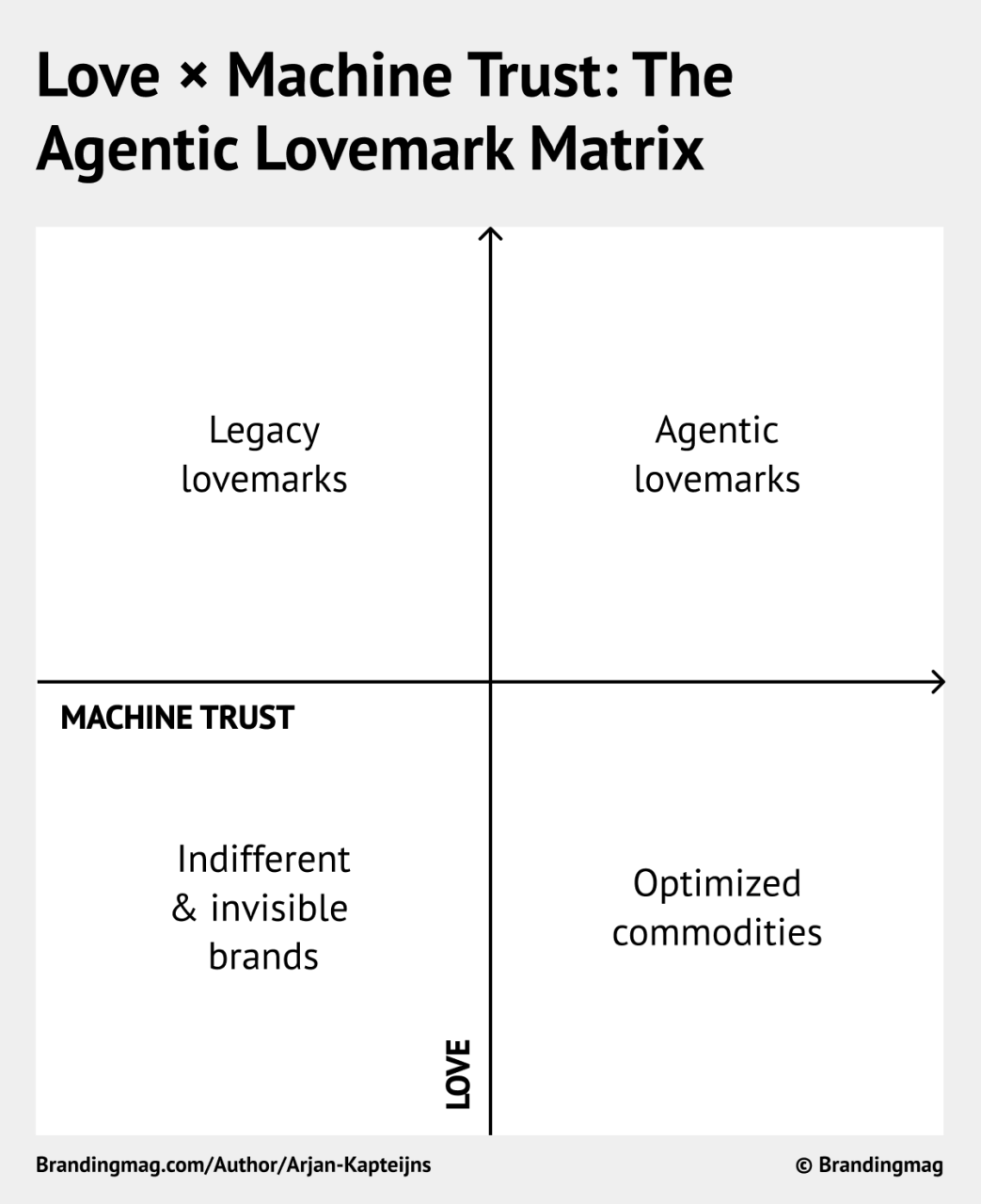
Historically, the "Lovemarks" framework operated on a simple, dual-pillar axis. "Respect" was the rational foundation—performance, reliability, and reputation—while "Love" was the emotional, often irrational, layer that turned customers into advocates. In a human-led world, this was intuitive. Consumers compared experiences and made judgments based on personal context.
In the agentic age, the mechanism of respect is undergoing an evolution. As McKinsey and other analysts have observed, the consumer decision journey is being "compressed." Intelligent agents now collapse the traditional stages of consideration and evaluation into system-driven filters. Consequently, the rational pillar of branding must move from being merely "respectable" to being "legible."
The Birth of "Machine Trust"
If respect is what a brand proves through behavior, machine trust is the structural clarity with which a brand presents that proof to an AI. A brand may be deeply loved by humans, but if its metadata, origin stories, and behavioral consistency are not structured for system consumption, it risks becoming invisible in an agent-mediated shortlist.
Legibility, therefore, is not about storytelling; it is about coherence. Systems treat ambiguity as risk. By codifying a brand’s values and behaviors into a "Brand Constitution," companies can ensure that their emotional resonance is mirrored by the structural data that AI agents require to verify trustworthiness.
Chronology: From Human Intuition to Systemic Patterns
The transition toward Agentic Lovemarks can be understood through a multi-stage progression that bridges human sentiment with machine recognition:
- The Era of Human Preference (Pre-2020s): Loyalty was built through emotional storytelling and consistent customer experiences. Brands like Nike and Apple established themselves as "Lovemarks" by anchoring their identity in a clear, human-centric organizing idea.
- The Algorithmic Infiltration (2020–2025): As recommendation engines and AI assistants began to proliferate, the "search and compare" process became automated. Brands that failed to provide clean, structured data began to lose visibility, regardless of their emotional equity.
- The Agentic Integration (2026 and beyond): We are currently entering a phase where emotional "love" is being codified into behavioral patterns. Intelligent agents are learning to infer human preference by analyzing recurring choices, rituals, and interaction signatures.
Supporting Data: The Compression of the Funnel
Research from McKinsey indicates that the "agentic commerce opportunity" will fundamentally alter how market share is won. In a world where GenAI manages routine purchasing, content commoditization becomes a critical risk. If a brand cannot differentiate itself, it becomes a generic commodity in the eyes of an agent.
Data suggests that "Agentic Lovemarks"—brands that foster both human love and machine trust—benefit from a "flywheel effect."
- Stronger Signatures: Brands with clear organizing ideas (like Patagonia or IKEA) create behavioral patterns that are easier for machines to track.
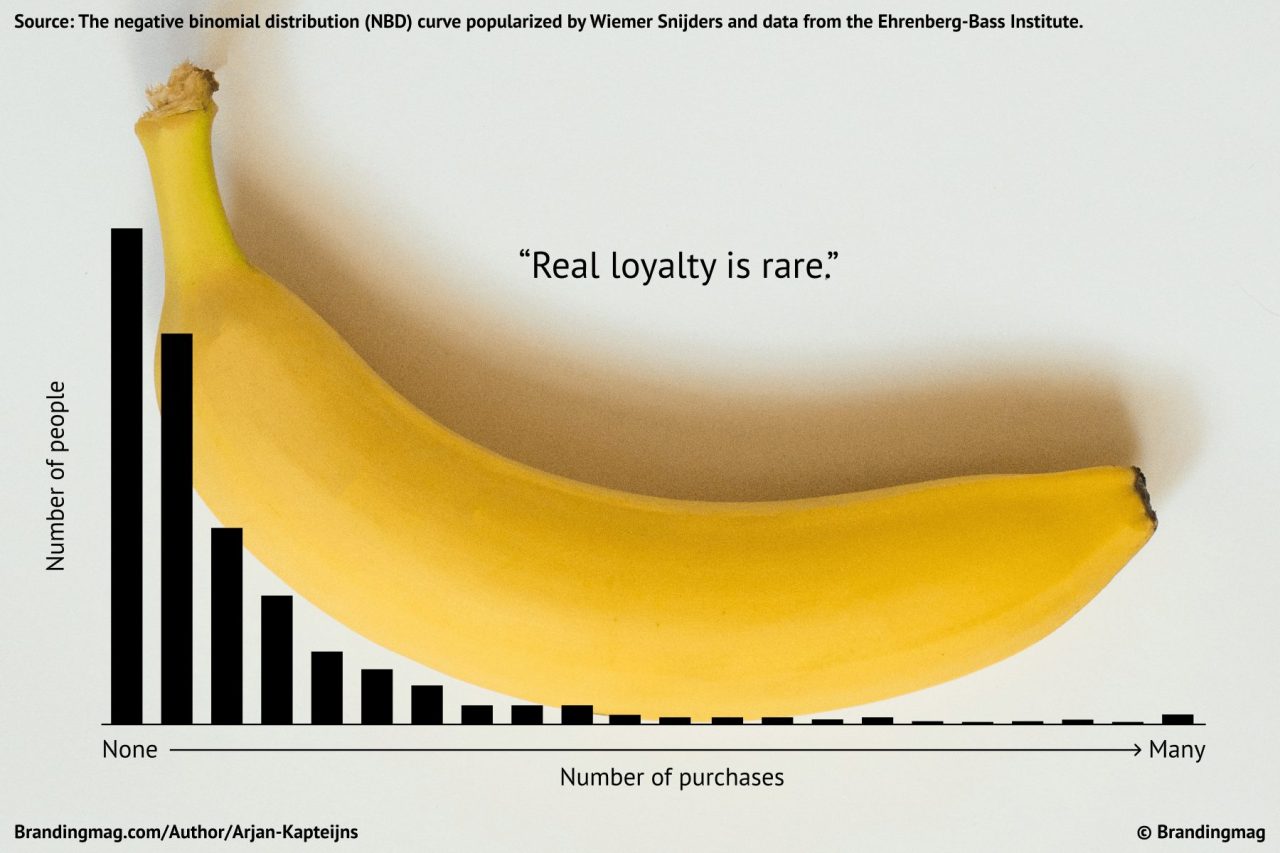
- Reduced Switching: By embedding preferences into the system, the "banana principle"—a concept from Byron Sharp’s Ehrenberg-Bass Institute suggesting that most brand loyalty is a statistical byproduct of availability—begins to shift. In an agentic world, loyalty becomes more stable because the system reinforces the user’s previous positive experiences.
Official Perspectives: Reconciling Creativity and Code
The shift toward Agentic Lovemarks has sparked a significant debate within the creative community. Dutch creative veteran Aad Kuijper has voiced concerns regarding the "perfection" of AI, arguing that brands risk losing their "soul" if they lean too heavily into engineered, flawless interactions.
However, proponents of the Agentic Lovemark model argue that this fear stems from a misunderstanding of the roles involved.
- The Creative Role: The generation of the emotional core—the "Why" of the brand—must remain a human endeavor. AI is the Formula 1 car, but the creative practitioner remains the driver.
- The Structural Role: The "How" of the brand—its legibility—is where AI excels.
Thomas Marzano’s manifesto argues that the goal is not to replace human emotion with machine logic, but to ensure that the two exist in a self-reinforcing loop. Authenticity is not automated; it is codified. When a brand’s "soul" is expressed through consistent, recognizable behaviors, it leaves a "signature" that machines can perceive as a reliable, high-trust option.
Implications for Future Brand Strategy
For marketing leaders, the implications of the Agentic Lovemark era are profound. The strategy is no longer to choose between "branding" and "performance marketing," but to unify them through a Brand Constitution.
1. The Organizing Idea as a Strategic Compass
The organizing idea—the principle that aligns strategy, culture, and experience—must now function as the bridge between human meaning and machine interpretation. A brand like Apple, which centers its existence on "Unleashing Creativity," demonstrates this perfectly. Its commitment to simplicity is visible not only in its marketing but in its interface design, service, and product defaults. This cohesion is what makes the brand "legible" to a machine as a consistent entity.
2. From Story to Signature
In the agentic economy, brands will not be judged by what they say in a campaign, but by the "traces" they leave in the market. Every micro-moment, service ritual, and data structure serves as a data point for an AI agent. To succeed, brands must move from simply telling a story to creating a "signature" of behavior that is unmistakable.
3. The Reinforcement Loop
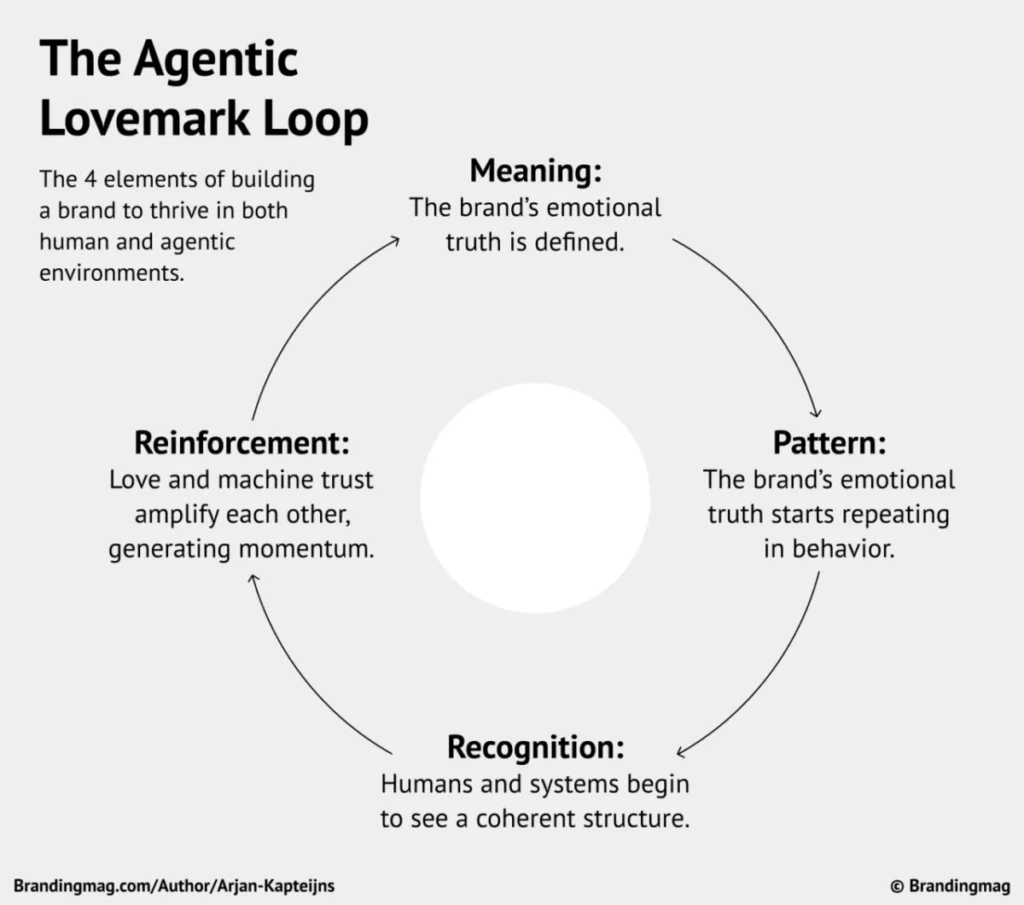
The ultimate objective is to trigger the "Agentic Lovemark Loop."
- Meaning ignites human emotion.
- Pattern converts that emotion into observable behavioral data.
- Recognition allows the AI to identify the brand as a trusted authority.
- Reinforcement occurs when the system surfaces the brand more frequently, deepening the human emotional connection and starting the cycle anew.
Conclusion: The New Gold Standard
The rise of intelligent agents does not signal the death of the Lovemark; it signals its maturity. We are moving toward a future where a brand’s strength is measured by its "cultural density"—a combination of emotional depth and systemic reliability.
To thrive in the coming decade, brands must embrace the duality of the Agentic Lovemark. They must maintain the mystery, passion, and human-centricity that defined the great brands of the past, while simultaneously ensuring that their underlying architecture is transparent, structured, and legible for the machines that will increasingly act as the gatekeepers of human choice.
Ultimately, the brands that endure will be those that possess both a soul and a system. They will be the brands that humans choose because they matter, and that machines choose because they understand. In this new era, the "Lovemark" is no longer just an aspiration—it is a technical and emotional necessity.
