
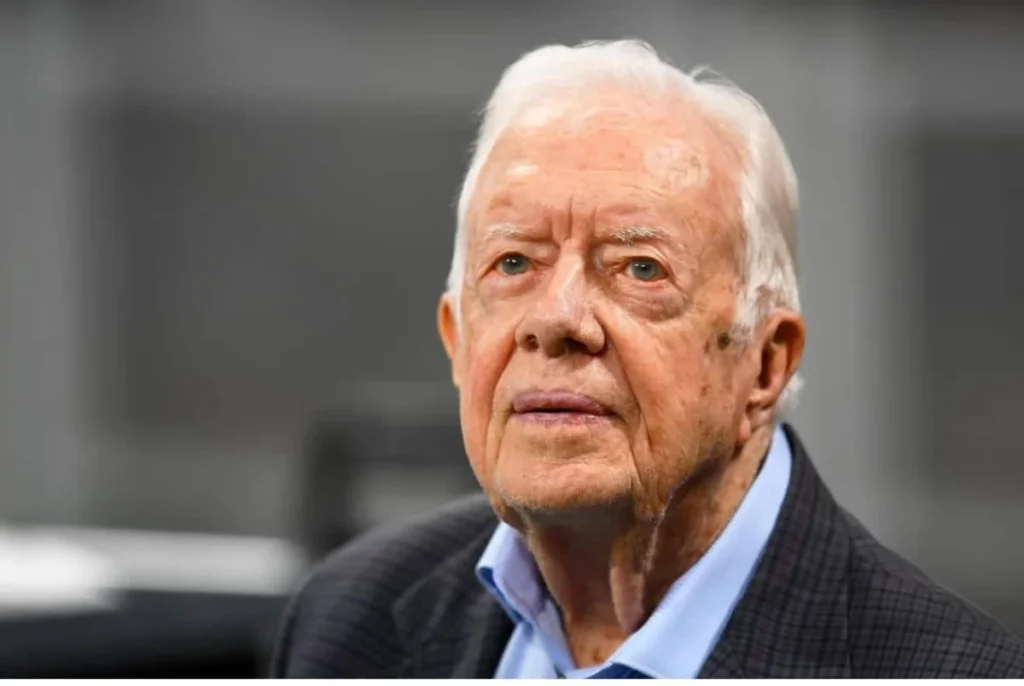
A Legacy of Service: Remembering the Life and Character of President Jimmy Carter
The passing of Jimmy Carter marks the end of an era in American history. As the 39th President of the United States, Carter was a figure whose influence extended far beyond the confines of his single term in the White House. He was a man defined by a rare intersection of deep moral conviction, relentless humanitarianism, and an unassuming approach to leadership. While his presidency was marked by significant challenges, his post-presidency became a masterclass in global citizenship, demonstrating that a true leader never stops serving the public good.
The Man Behind the Office: A Brief Chronology
James Earl Carter Jr. was born on October 1, 1924, in Plains, Georgia. His upbringing in the rural South—in a house without electricity or running water—shaped the egalitarian values that would define his life.
- 1943–1953: Carter attended the United States Naval Academy in Annapolis, graduating in the accelerated class of 1946. He served in the U.S. Navy as a submarine officer, a period that instilled in him the discipline and technical rigor that would characterize his later administrative style.
- 1962–1970: After returning to Georgia to manage his family’s peanut farm, Carter entered politics. He served in the Georgia State Senate and was elected Governor of Georgia in 1970.
- 1977–1981: Carter assumed the presidency in the wake of the Watergate scandal, promising a government as "good and honest" as the American people. His administration oversaw the Camp David Accords, the Panama Canal Treaties, and the creation of the Department of Energy.
- 1982–Present: Following his departure from the White House, Carter founded The Carter Center. He dedicated his retirement to international election monitoring, disease eradication, and his iconic work with Habitat for Humanity.
A Moment of Grace: The Human Element of Leadership
Personal anecdotes often reveal more about a statesman than official policy documents. One such moment, recounted by a citizen who attended a speaking engagement in early 1988, serves as a poignant reminder of Carter’s character.
In that setting, the former President demonstrated his innate ability to connect with individuals. When the attendee, selected to ask a question, confessed, "I really do not have a question," most public figures might have been dismissive or awkward. Instead, Carter disarmed the situation with a smile, remarking, "I like those kinds of questions."
The attendee used the platform to express gratitude for Carter’s post-presidential work with Habitat for Humanity. Rather than pivoting to political grandstanding, Carter spent the next several minutes speaking passionately about the mission of the organization. As he departed the stage, he paused to wink and mouth a sincere "thank you" to the attendee. This small act of acknowledgment reflected the core of his philosophy: that every individual contribution to the national discourse matters, and that true power is found in humility.
Supporting Data: The Scope of a Post-Presidency
To understand the magnitude of Jimmy Carter’s legacy, one must look at the data behind his humanitarian efforts. His work transformed the concept of the "former president" from a quiet retirement to a full-time commitment to global progress.

The Carter Center’s Impact
Since its founding in 1982, The Carter Center has worked in over 80 countries. Key metrics of his success include:
- Electoral Integrity: The Center has observed 115 elections in 40 countries, providing a stabilizing force for emerging democracies.
- Public Health: Carter was a primary figure in the near-eradication of Guinea worm disease. When the program began in 1986, there were an estimated 3.5 million cases in 21 countries. Today, that number has been reduced by more than 99.9%, a testament to his persistent diplomatic and scientific advocacy.
- Habitat for Humanity: Carter’s involvement helped transform Habitat for Humanity into a global phenomenon. His hands-on participation—often seen wielding a hammer alongside volunteers—brought international attention to the crisis of affordable housing, resulting in thousands of homes built for low-income families worldwide.
Official Responses and Global Tributes
The global response to President Carter’s passing has been one of profound mourning, crossing party lines and international borders.
Current and former world leaders have highlighted his commitment to peace. "Jimmy Carter was a man of unwavering faith and profound integrity," noted a statement from the White House. "His legacy is not found in the pomp of the presidency, but in the millions of lives he touched through his work in public health, human rights, and the simple, quiet act of building homes for those in need."
International organizations, including the United Nations and the World Health Organization, have lauded his role in global health. His dedication to preventing conflict and alleviating poverty set a high standard for future statesmen. Colleagues from both sides of the aisle in Washington have remembered him as a man who lived his values, noting that even those who disagreed with his policies could not deny his genuine love for the American experiment.
The Implications of His Legacy
The death of Jimmy Carter leaves a void in the American moral landscape, but it also provides an opportunity to reflect on what we value in our leaders.
1. The Redefinition of Service
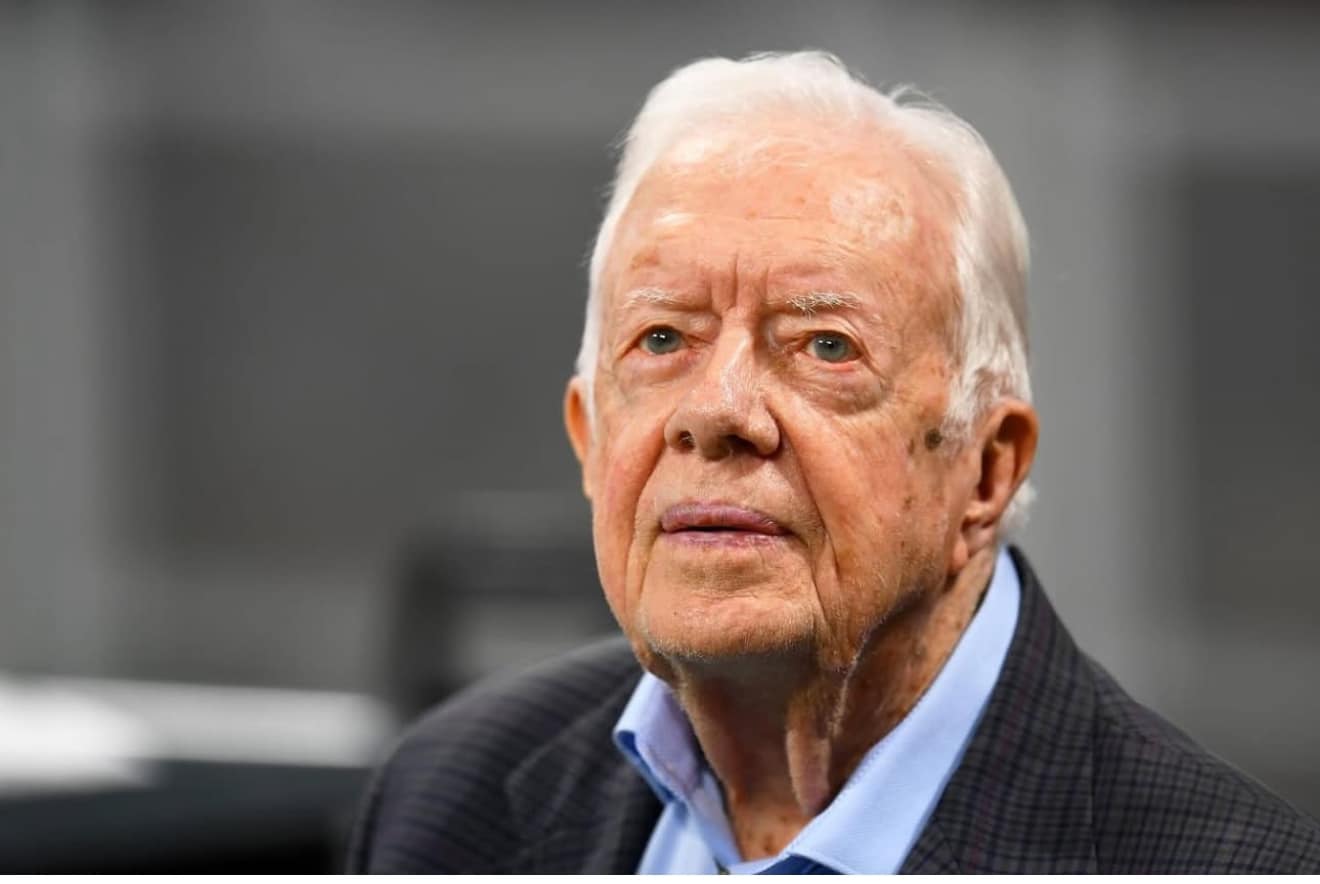
Carter fundamentally altered the role of a former president. By choosing to use his platform for humanitarian aid rather than commercial gain, he set a precedent for how retired leaders can continue to serve. This shift has forced the nation to reconsider the value of a president’s post-term years.
2. The Power of "Quiet" Diplomacy
In an age of performative politics and viral media, Carter’s approach was an outlier. He prioritized long-term solutions—such as the systematic eradication of disease or the monitoring of nascent electoral processes—over short-term political gains. His career suggests that true, lasting impact is rarely achieved through rhetoric alone, but through the "quiet" work of logistics, negotiation, and physical labor.
3. A Moral Compass for Democracy
Perhaps the most lasting implication of his life is the reminder that democracy is not just a government structure, but a commitment to human dignity. His emphasis on human rights—a cornerstone of his foreign policy—continues to influence how the United States interacts with the global community.
Final Reflections
As we bid farewell to Jimmy Carter, the United States loses a rare bridge between the mid-century challenges of the 20th century and the complexities of the 21st. He was a man who understood that grace, kindness, and love of country were not weaknesses, but the ultimate sources of strength.
Whether he was navigating the delicate negotiations of the Middle East or laying bricks in a housing project in Georgia, Carter remained consistent. He sought to build, to mend, and to serve. In the words of those who knew him, and in the history books that will recount his life, he will be remembered not just as the 39th President, but as a man who lived a life of extraordinary purpose.
American democracy is stronger for having had him as a leader, and the world is safer and healthier for having had him as an advocate. Rest in peace, Mr. President; your work continues in the foundations you laid for others.
