
The Digital Toy Box: Exploring the Intersection of Generative AI and Personal Nostalgia
Introduction: From Cruise Memories to AI-Generated Keepsakes
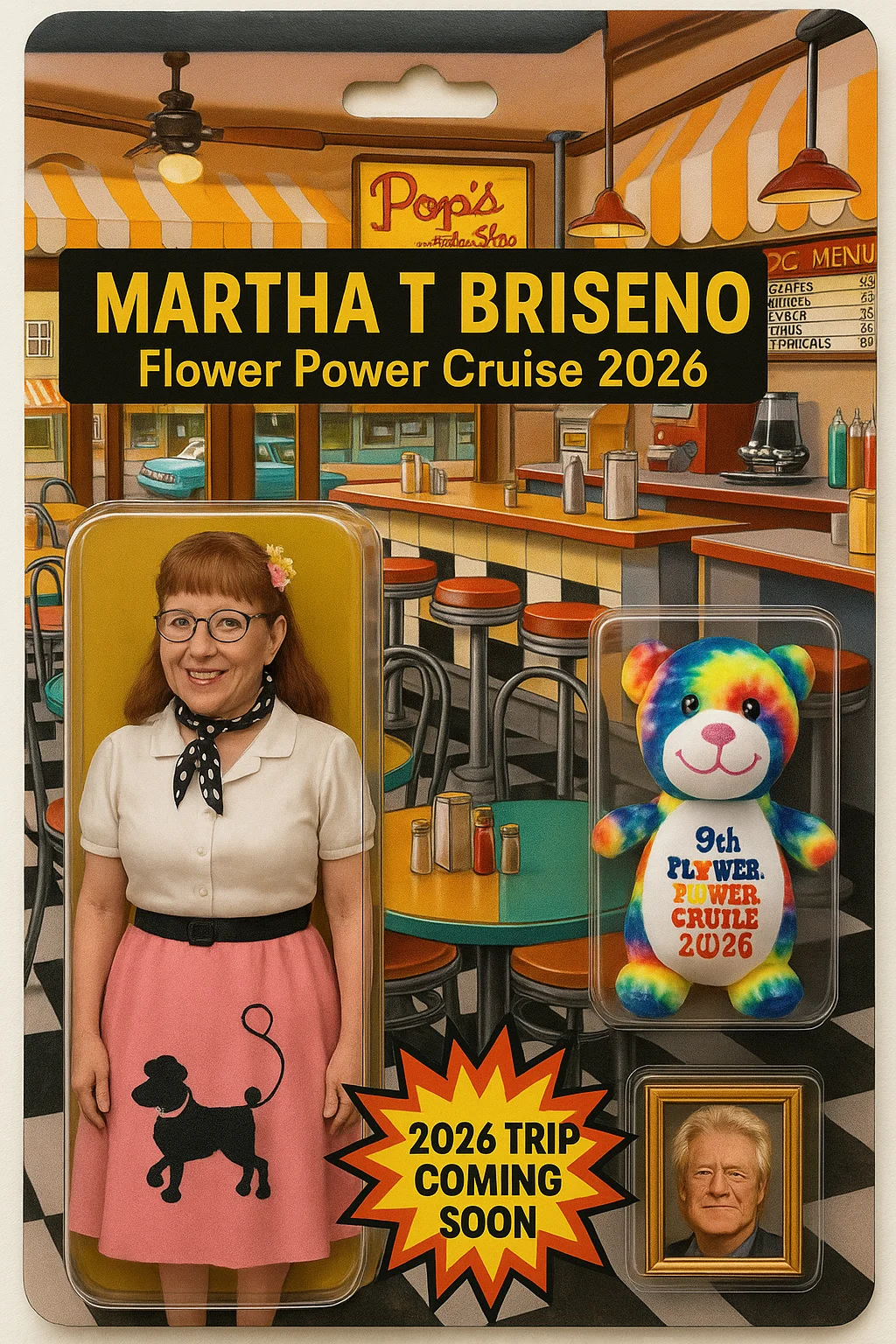
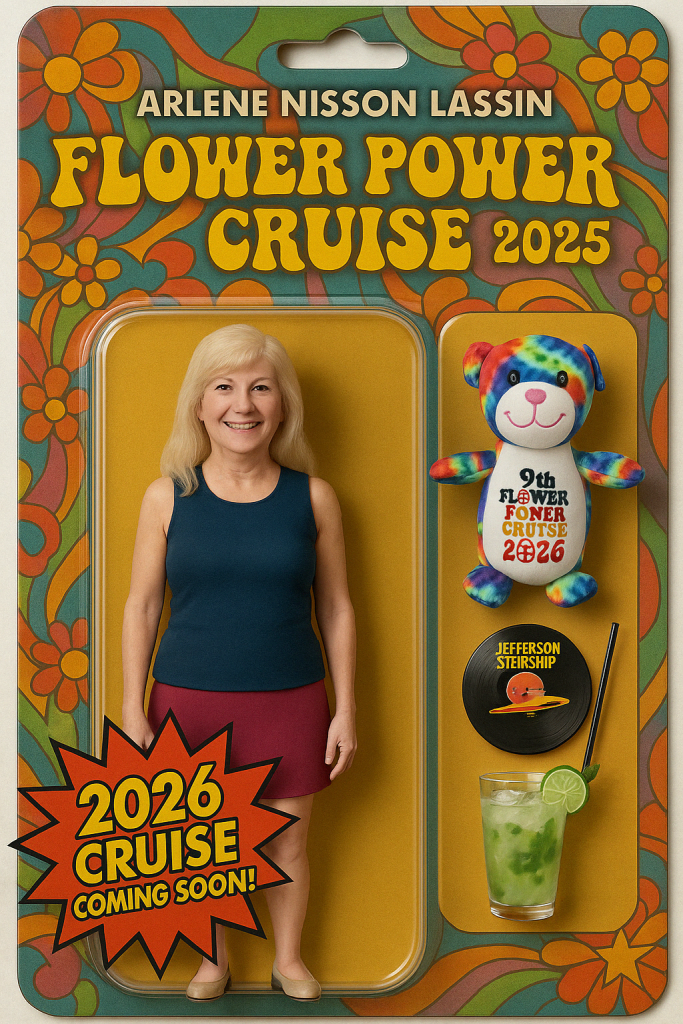
In the rapidly evolving landscape of artificial intelligence, creative hobbyists are finding novel ways to blend high-tech generative capabilities with the deeply human desire to preserve memories. Mike, a digital creator and data enthusiast, has spent the spring of 2025 transforming his experiences from the "Flower Power Cruise"—a seven-day musical journey departing from Fort Lauderdale—into a sprawling collection of custom, AI-generated "action figures."
What began as a playful experiment has evolved into a complex study of prompt engineering, human-AI collaboration, and the persistent challenges of machine "hallucinations." As AI models like OpenAI’s o3 and o4-mini become more sophisticated, they offer unprecedented artistic tools, yet they simultaneously introduce a new genre of digital error that forces creators to become editors, curators, and, at times, patient collaborators.
Chronology of an AI Obsession
The project took flight following a cruise that featured legendary acts of the 1960s and 1970s, including The Cowsills, Jay and the Americans, Ron Dante, and Jefferson Starship. Following the voyage, Mike sought to commemorate these connections by creating physical-style action figures for fellow passengers, entertainers, and friends.
The "Martha" Prototype: The Learning Curve
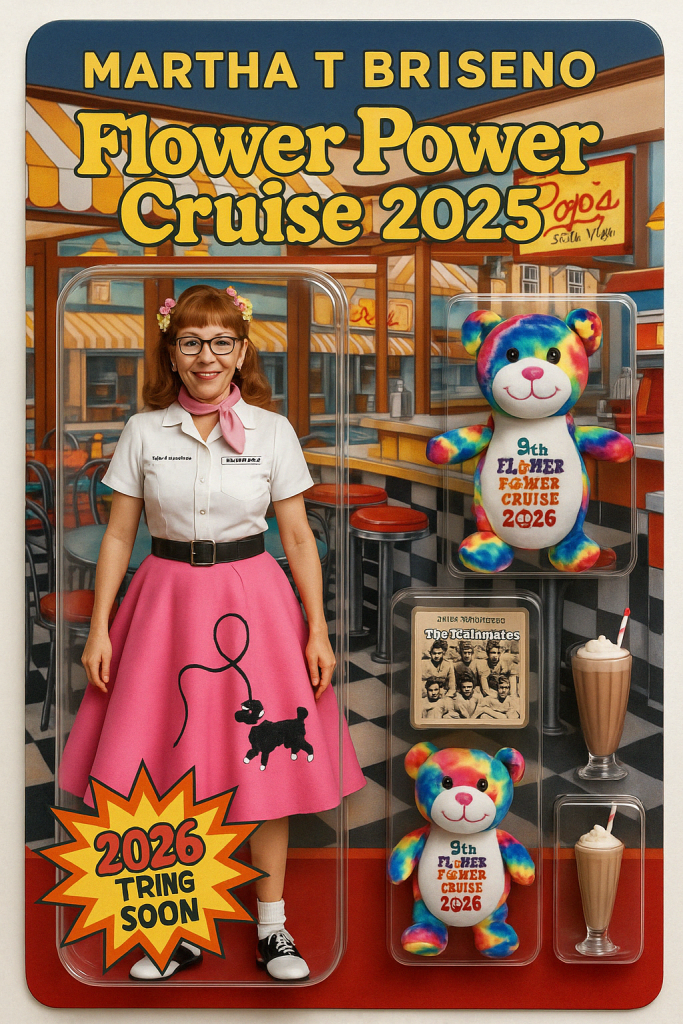
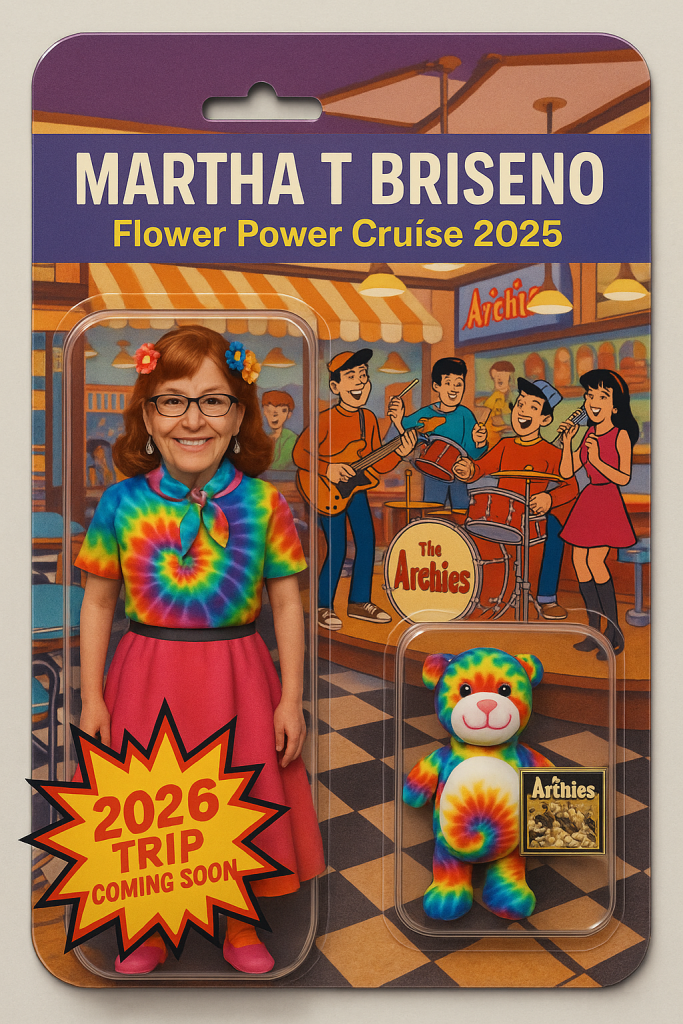
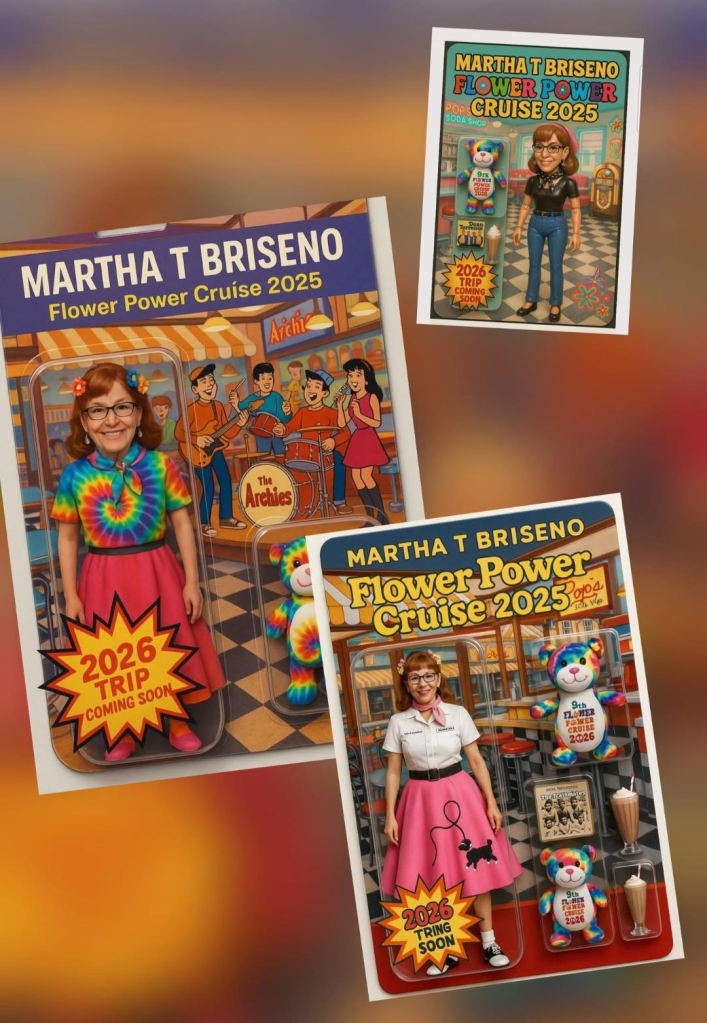
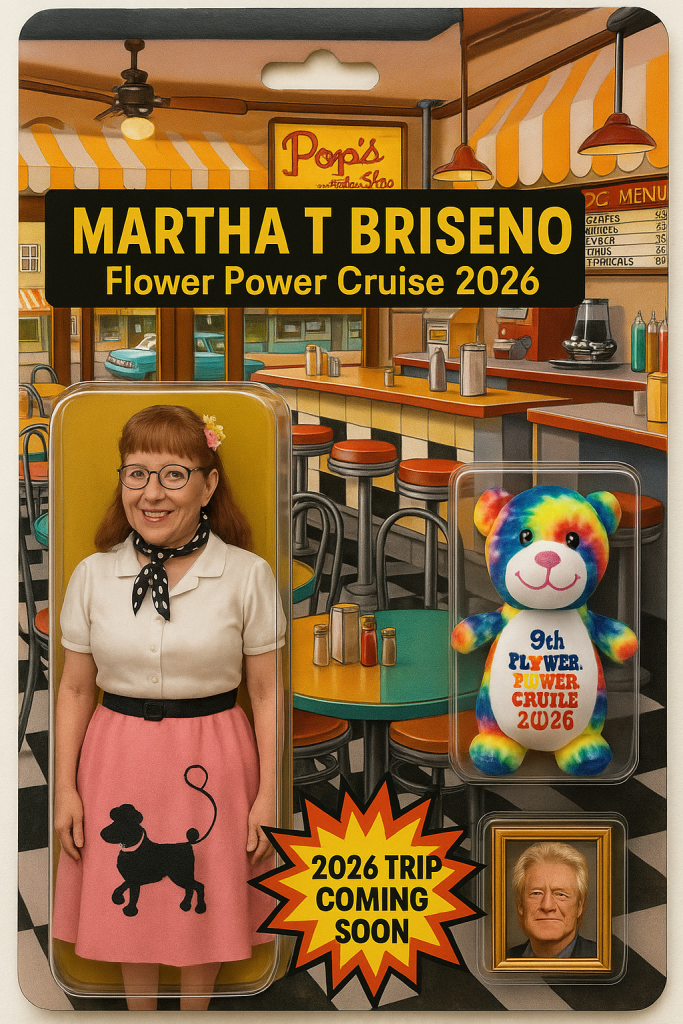
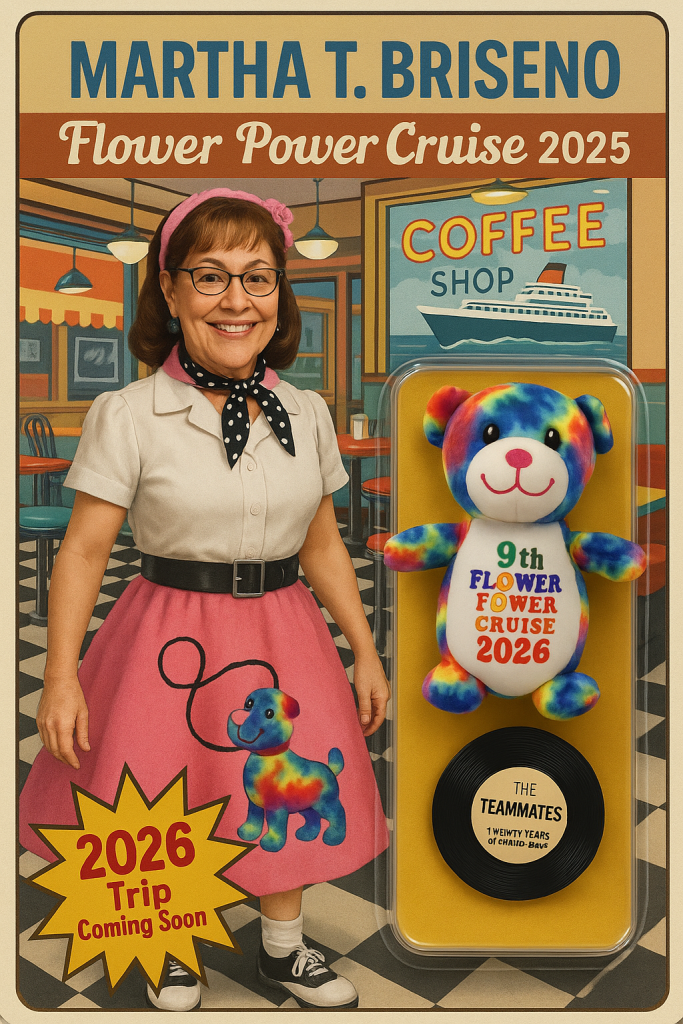
The initial efforts were centered on creating an action figure for a friend named Martha. The process was anything but linear. Early iterations saw the AI struggling to interpret basic stylistic requests, frequently inserting "Groovy Bears" (a recurring motif from the cruise) and chocolate milkshakes into the compositions where they did not belong.
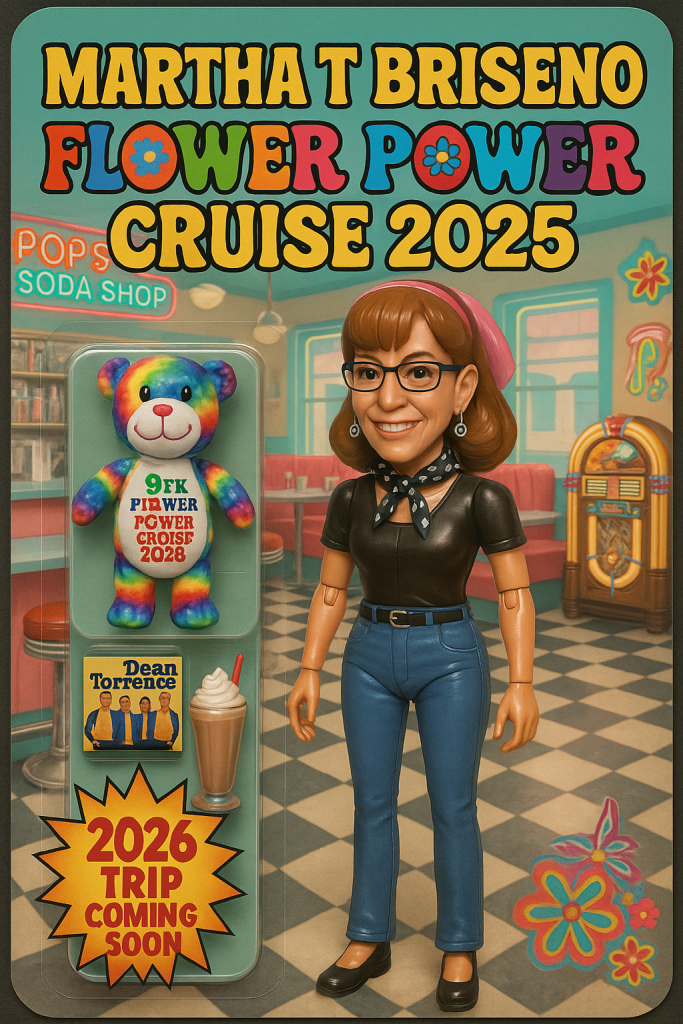
The struggle to refine the image of Martha highlights the "hallucination" phenomenon. Despite precise instructions, the AI often defaulted to pre-trained associations, such as linking The Archies (a band whose lead singer, Ron Dante, was a cruise performer) to the background of the figures, or shifting the aesthetic from a nostalgic soda shop setting to the high-energy, leather-clad world of the movie Grease. It was only through iterative prompting—the process of refining instructions through multiple generations—that a final, proportional version of the figure was achieved.
Expanding the Portfolio: From Performers to Colleagues
Following the breakthrough with the Martha figure, the scope of the project widened. Mike began chronicling the cruise’s unique moments, including a standout performance by Peter Noone of Herman’s Hermits. During the concert, Noone famously engaged the audience by collecting personal items—a purse and a badge—and interacting with a fan wearing gold sparkle shoes. By feeding the AI actual photos of these artifacts alongside a headshot of Noone, Mike successfully integrated real-world history into the digital "blister pack" aesthetic of the action figures.
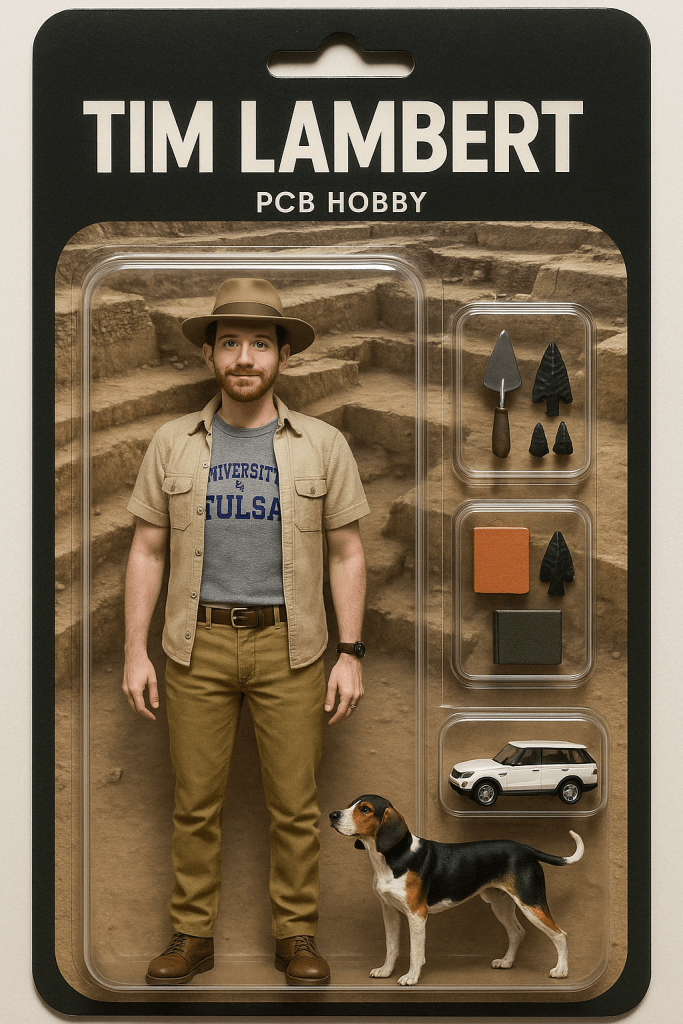
The project soon expanded beyond the cruise passengers to include professional peers at USAA. This phase involved creating figures for directors and spokespeople, such as Rob Gronkowski. These experiments revealed the potential for AI to serve as a tool for corporate branding and personalized recognition, albeit with the occasional glitch—such as the accidental rendering of "two Jeeps" or the unexpected, somewhat ominous, The Purge movie-themed aesthetic introduced by colleague Eric Carlson.
Supporting Data: Understanding AI Hallucinations
The project serves as a practical, informal case study on the reliability of current Large Language Models (LLMs). As of June 2025, data suggests that even the most advanced models, such as the o3 and o4-mini, experience hallucination rates between 30% and 50%.
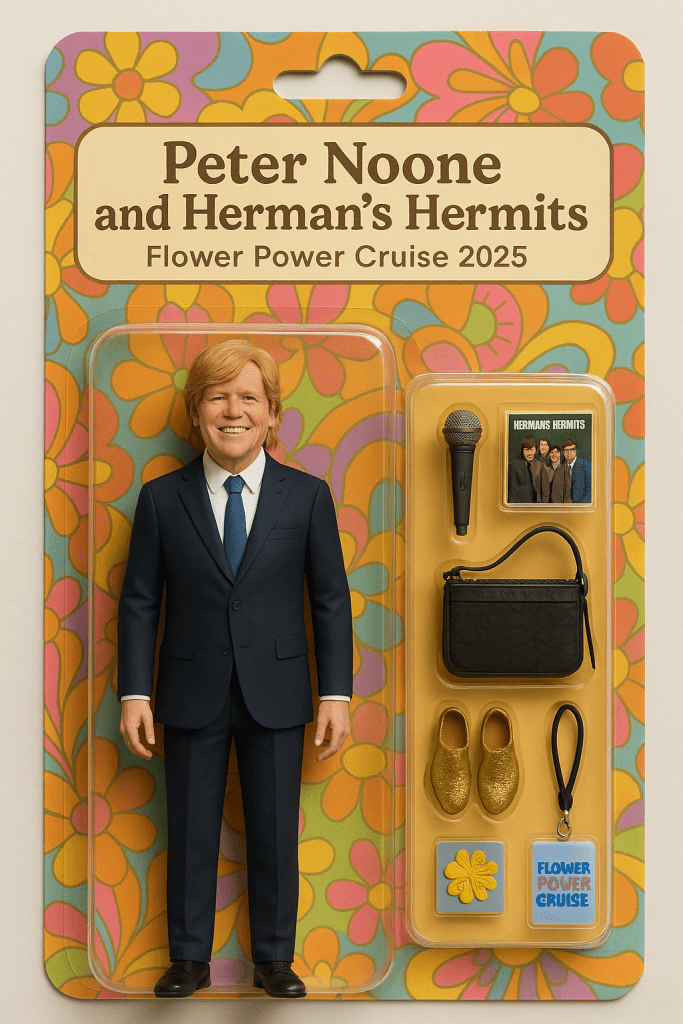
In the context of generative art, these hallucinations manifest as:
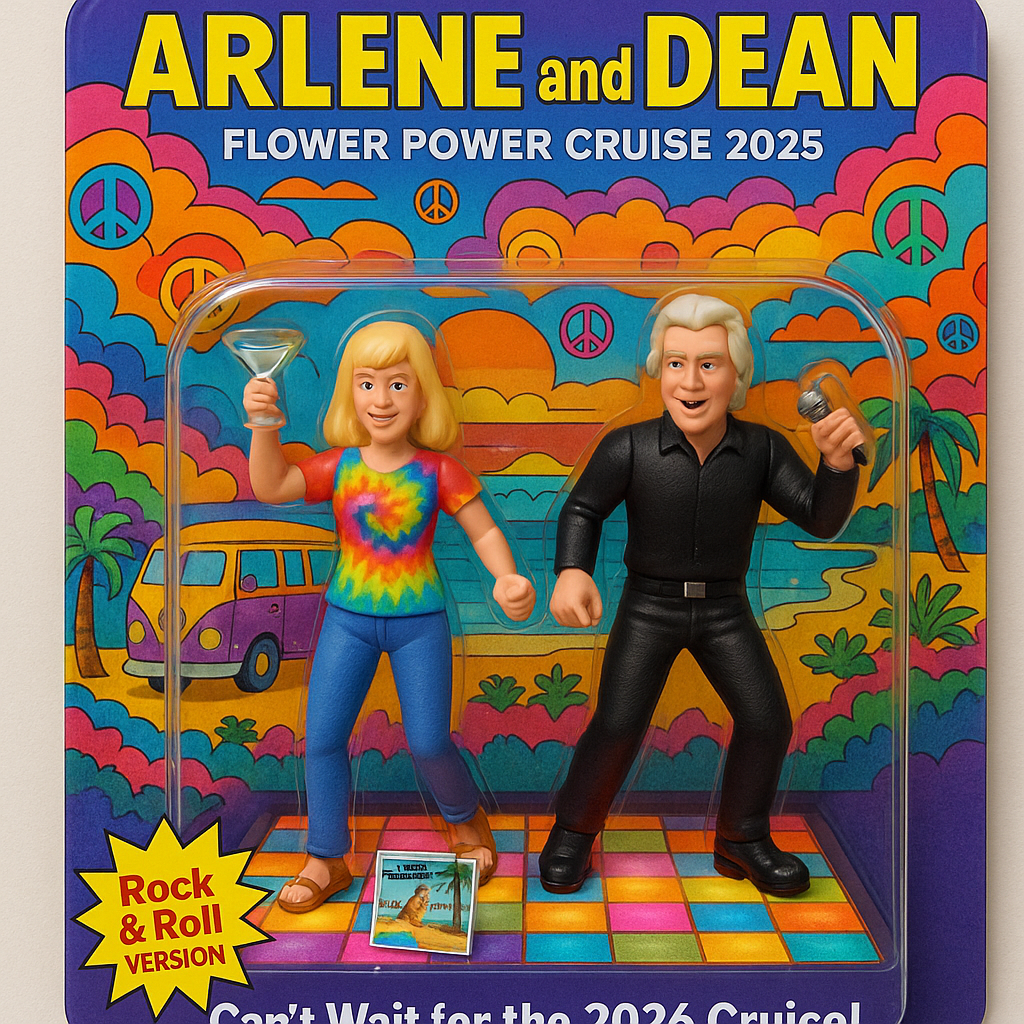
- Persistent Anomalies: The unauthorized addition of objects (e.g., the repeated appearance of Groovy Bears).
- Morphological Errors: The inability to correctly render human anatomy or physical accessories (e.g., the missing tooth on a child’s figure being "magically" filled in by the AI).
- IP Restrictions: The refusal to render copyrighted characters, such as the initial rejection when attempting to create a Jar Jar Binks figure, followed by the generation of a generic "space alien" replacement.
These errors are not merely technical failures; they represent the friction between human intent and machine probability. When the AI is asked to "fill in the blanks," it draws from a vast, probabilistic dataset rather than a conscious understanding of the user’s specific context.
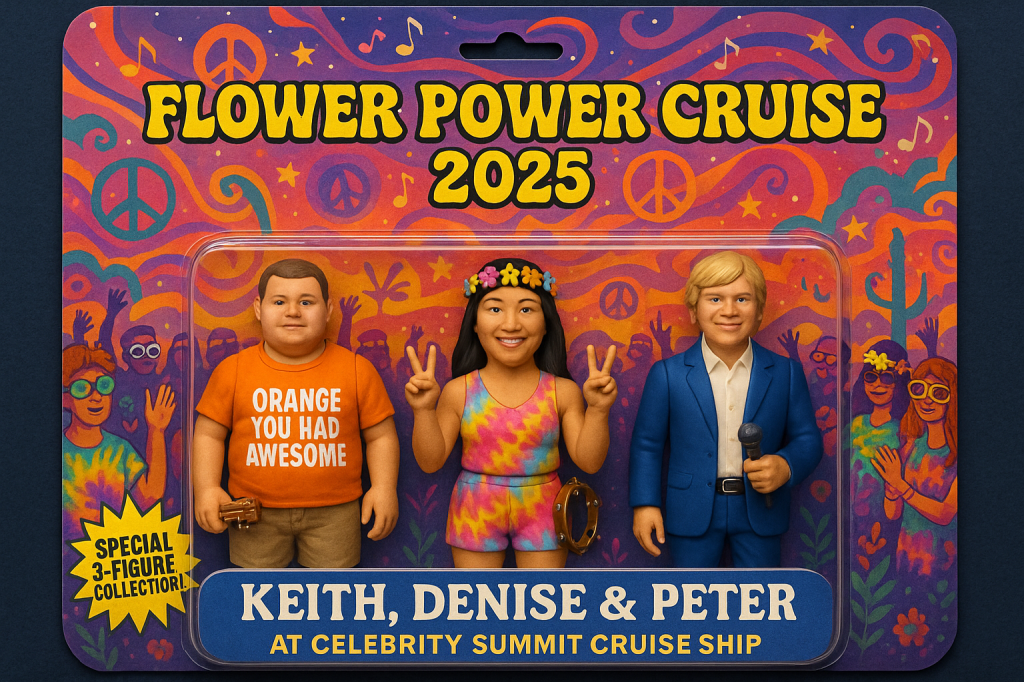
Official Perspectives and Technical Implications
The use of AI for personalized memorabilia raises questions about the future of digital art. In the AI world, "hallucination" refers to the creation of incorrect or illogical information based on the model’s training data. For a creator, this necessitates a high level of "human-in-the-loop" oversight.

Industry experts note that while these models are getting better at following instructions, the "creative" aspect of AI often works against the "precision" aspect of the user. For instance, when Mike attempted to create a figure of his grandson, Milo, the AI automatically "fixed" the missing baby tooth that Mike wanted to feature. This highlights the model’s tendency to favor "canonical" or "perfect" images over the specific, flawed realities of the user’s request.
The Broader Implications for Creative Expression
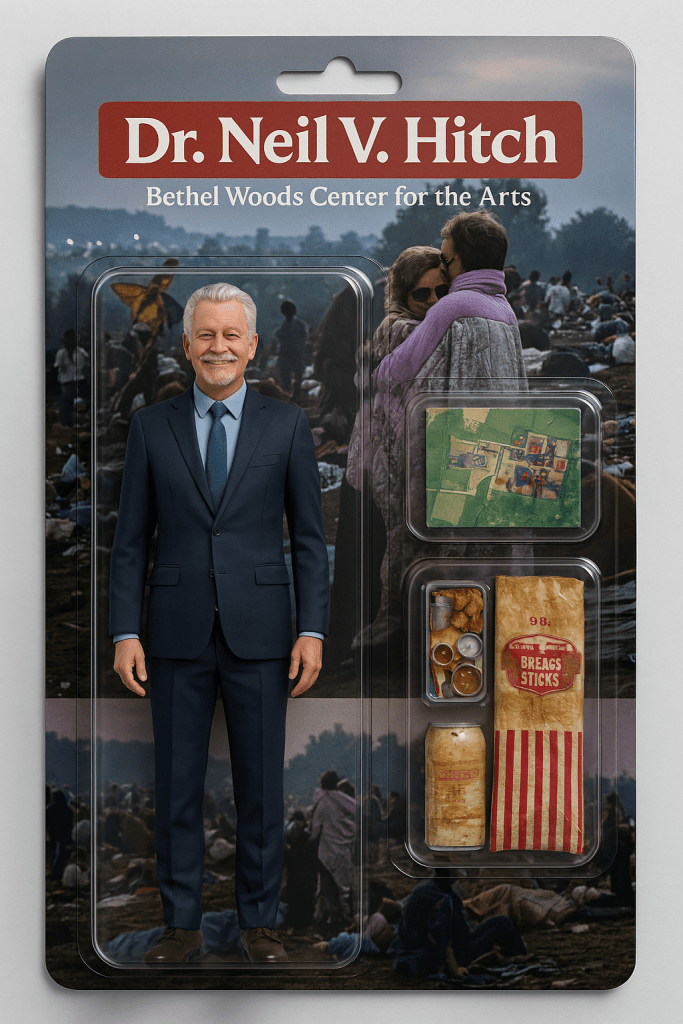
The project has evolved into an extensive documentation of social life, history, and pop culture. From honoring the archaeological work of Dr. Neil V. Hitch—complete with detailed, historically accurate accessories from the Woodstock 1969 site—to the whimsical designs for eBay Live sellers Kate and Chad, the project demonstrates that AI is fundamentally shifting how we archive our personal lives.
Key Takeaways for Future Creators:
- Iterative Patience: Achieving a desired result requires multiple "turns" or attempts. The first output is rarely the final product.
- Artifact Integration: The use of real-world photos (artifacts) as source material significantly improves the quality and personal relevance of the AI-generated output.
- Managing Expectations: Creators must be prepared for the AI to "go off-script." This is where the creative, and often humorous, character of the project is born.
- Ownership and Ethics: As seen with the rejection of copyrighted characters like Jar Jar Binks, users must navigate the boundaries of intellectual property, even when working on private, non-commercial projects.
Conclusion: A Work in Progress
As of June 22nd, 2025, the "Digital Toy Box" project continues to grow. Each new figure adds to a unique, digital tapestry that connects a 1960s-themed cruise, the world of coin collecting, family milestones, and the cutting edge of AI development.
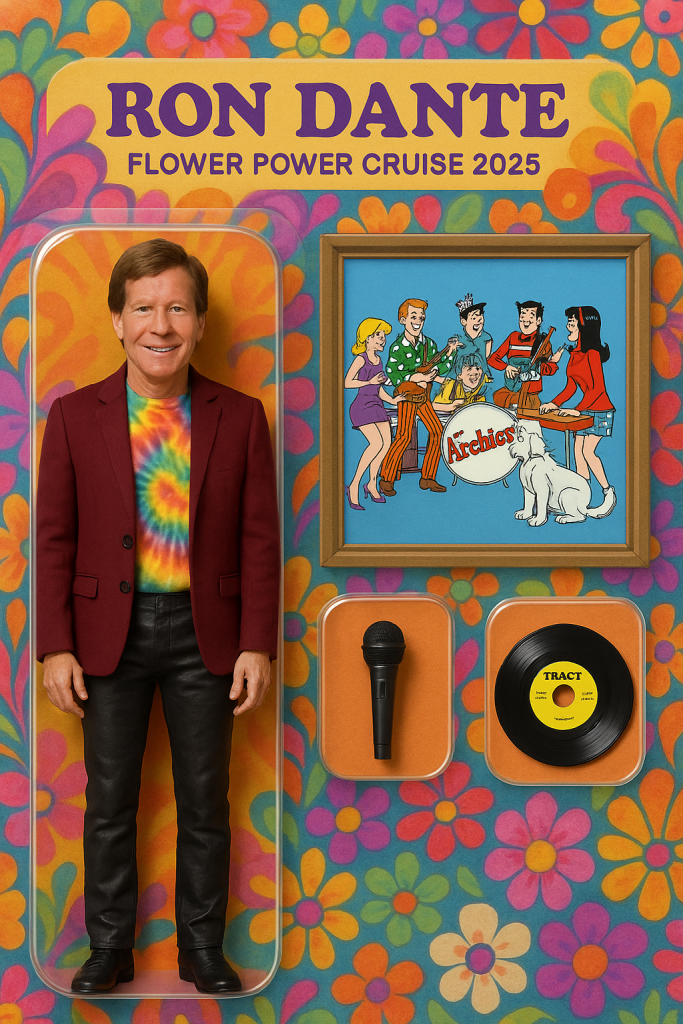
What makes this endeavor noteworthy is not just the technology itself, but the human impulse to use the most advanced tools of our time to capture the mundane, the nostalgic, and the deeply personal. Whether it is a grandson losing a tooth or a friend’s passion for surf music, these AI-generated action figures represent a new frontier in the art of memory-keeping. As Mike continues to refine his process and explore the capabilities of models like o4-mini, he reminds us that while the machines may hallucinate, the memories themselves remain firmly grounded in reality.
Addendum: The Evolution of the "Action Figure" Aesthetic
The aesthetic shift observed throughout the project—from early, cartoonish, Who Framed Roger Rabbit-style renderings to the more nuanced, realistic figures seen in the later Arlene and Dean two-pack—suggests that with consistent guidance, AI models are becoming more adept at capturing human likeness and proportion. As the technology matures, we can expect these tools to become even more integrated into our personal creative workflows, turning every hobbyist into a digital designer.
