
Beyond the "Finger Count": The True State of AI in Professional Design
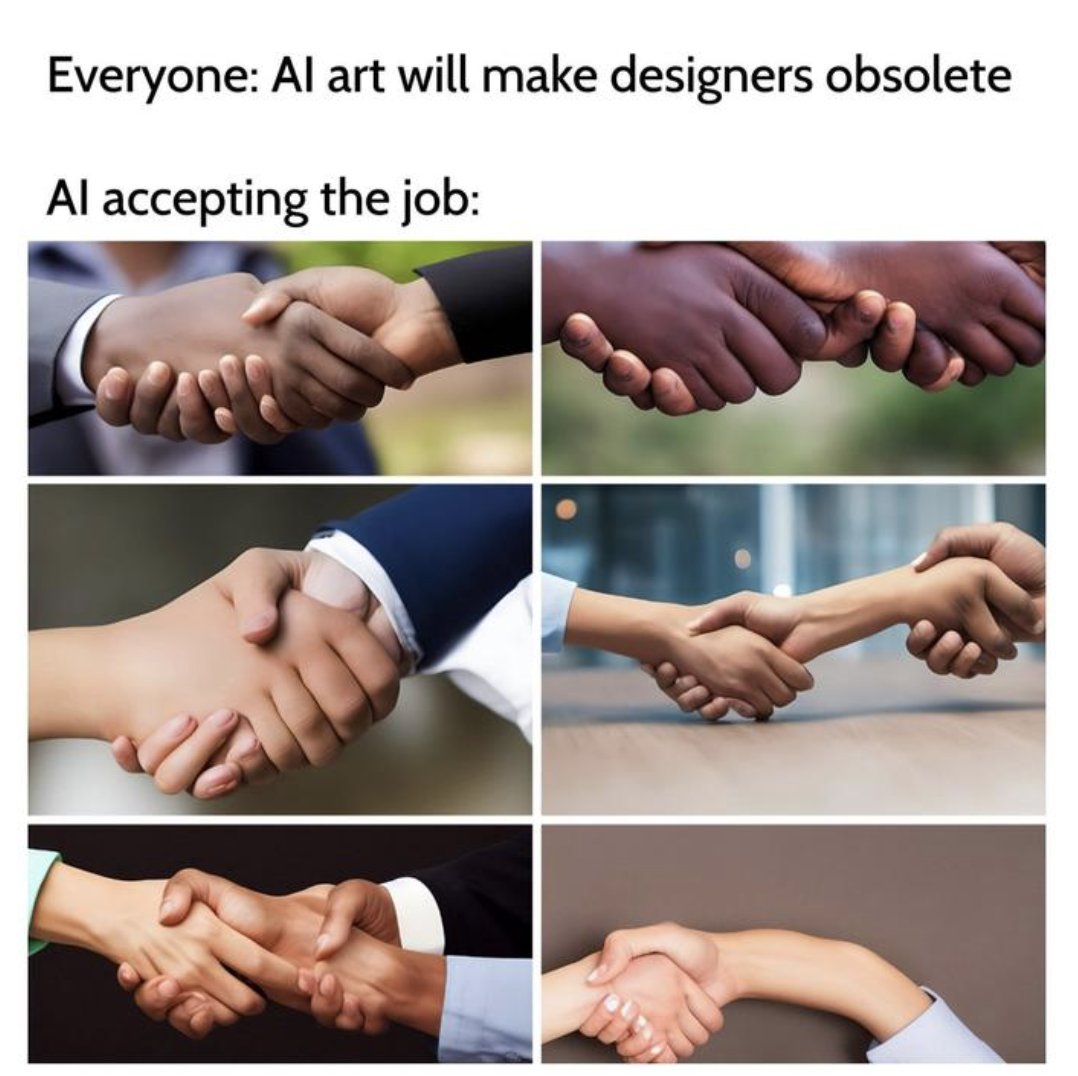
Remember the early days of generative AI? For a brief, chaotic moment, the easiest way to spot an AI-generated image was to simply count the fingers on a hand. The resulting polydactyl limbs and melted anatomy became a cultural shorthand for the "uncanny valley" of synthetic media.
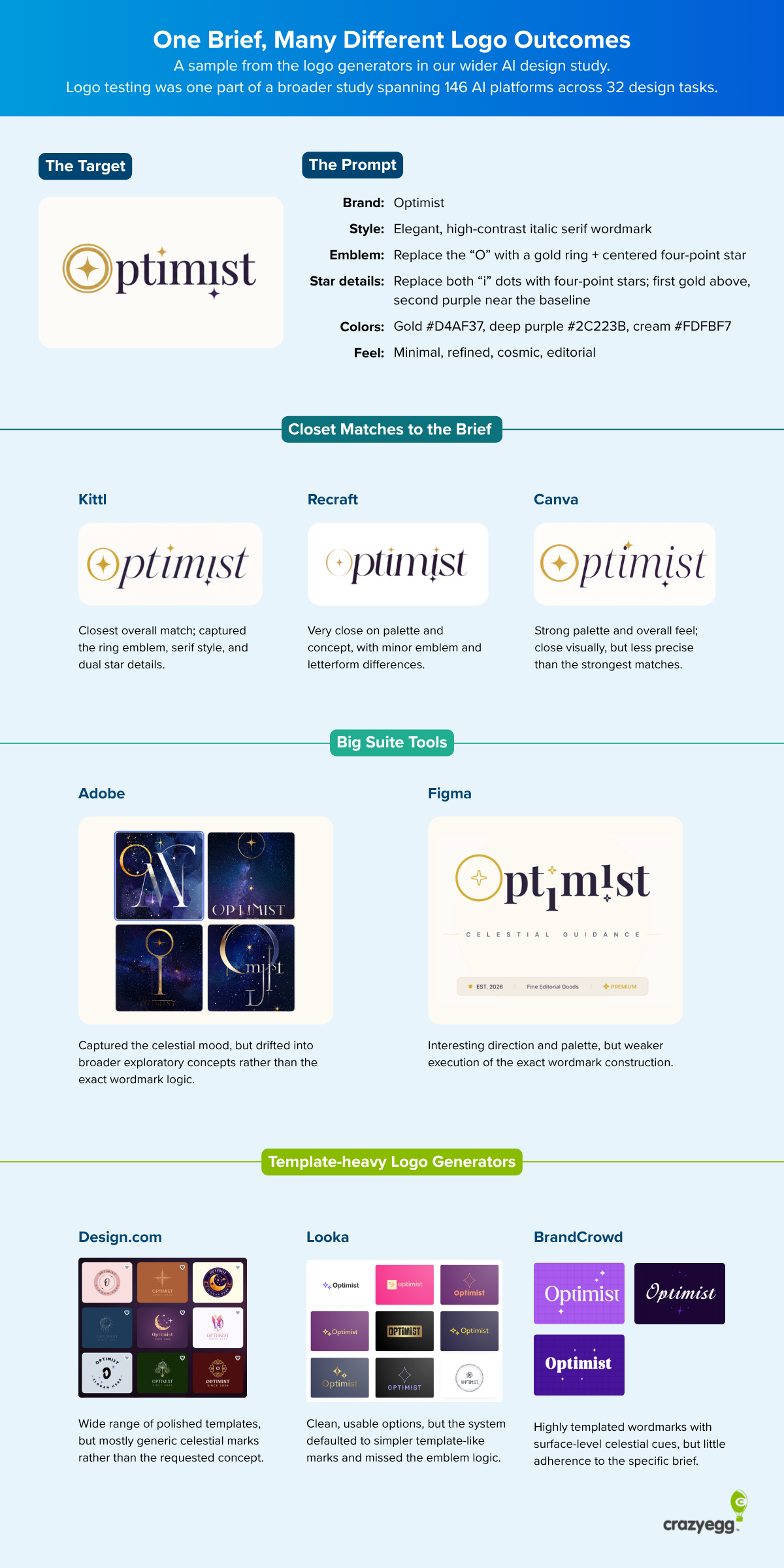
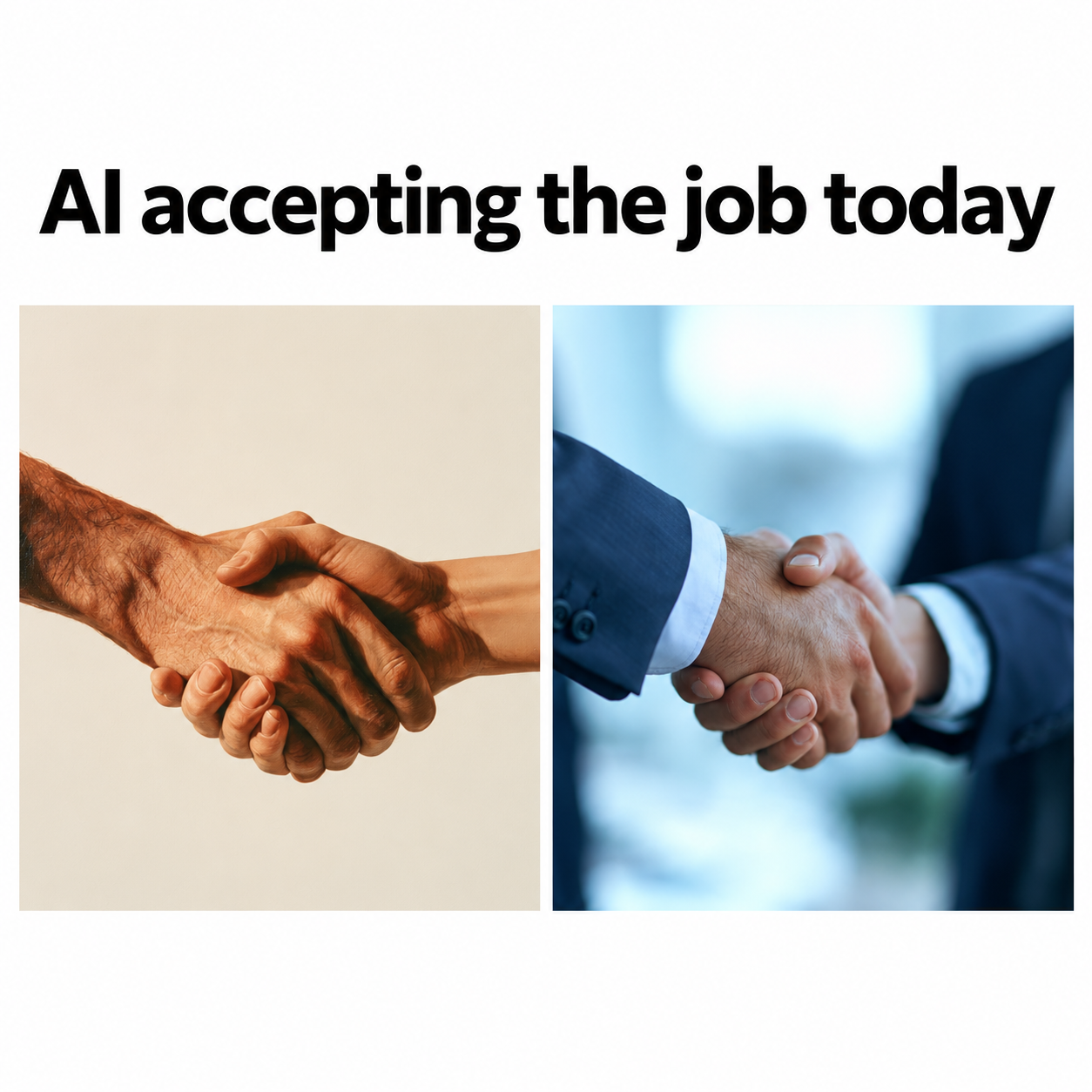
But things have changed rapidly. Today, AI design platforms are capable of producing remarkably polished logos, websites, marketing assets, and brand systems. We have moved past the initial novelty phase; we are now in the era of production. However, beneath the glossy, high-fidelity surfaces of these tools lies a complex reality: while AI can generate impressive imagery, it often struggles with the fundamental requirements of professional design.
To understand what actually holds up in a real-world production environment, we conducted a rigorous test of 146 AI design platforms across 32 common graphic and web design tasks. Our findings suggest that while AI has become a powerful assistant, it is not yet a reliable replacement for human expertise.
The Reality Check: A Deep Dive into 146 Platforms
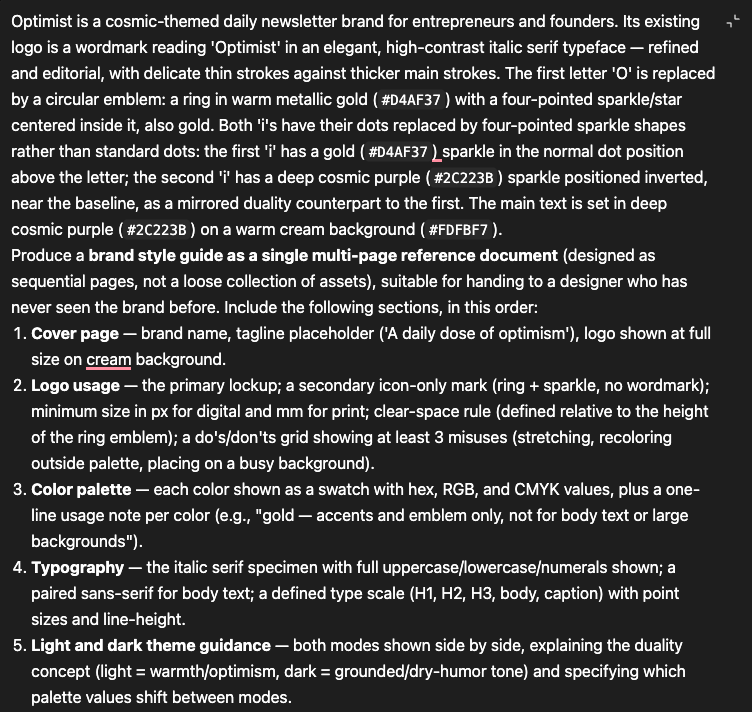
The goal of our study was not to judge tools by their polished marketing demos, but by their performance under pressure. We designed standardized, highly specific briefs—drafted with the assistance of Claude—and applied them across the test group. We looked for more than just aesthetic appeal; we tested for adherence to exact copy, color palettes, typography, hierarchy, and, most importantly, the ability to avoid "critical fails."
A critical fail was defined as any error that rendered the final output unusable: garbled text, misspelled brand names, ignored color codes, or missing non-negotiable elements.
The Testing Methodology
Each platform was assessed on a 100-point scale across five core criteria:
- Prompt Adherence: Did the tool follow the specific instructions regarding copy and layout?
- Technical Accuracy: Were the dimensions, file formats, and brand assets correctly implemented?
- Consistency: Could the tool repeat the same result or maintain a visual language across multiple assets?
- Visual Quality: Did the output meet professional standards of composition and aesthetic balance?
- Efficiency: How much time and human intervention was required to reach a "production-ready" state?
The Hierarchy of AI Reliability
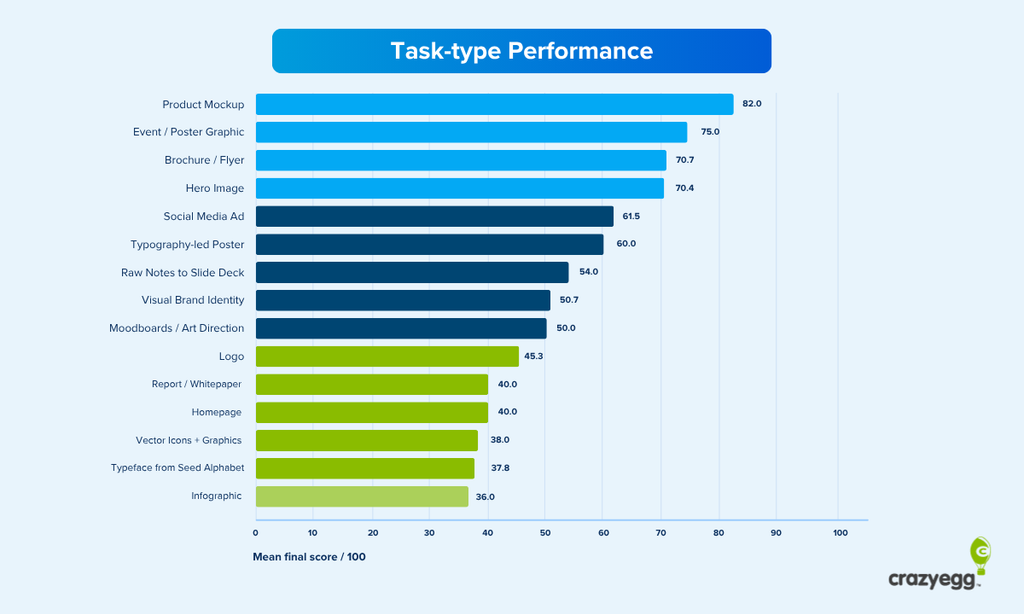
Our testing revealed a clear, albeit nuanced, pattern: AI is most reliable when the creative decisions have already been made.
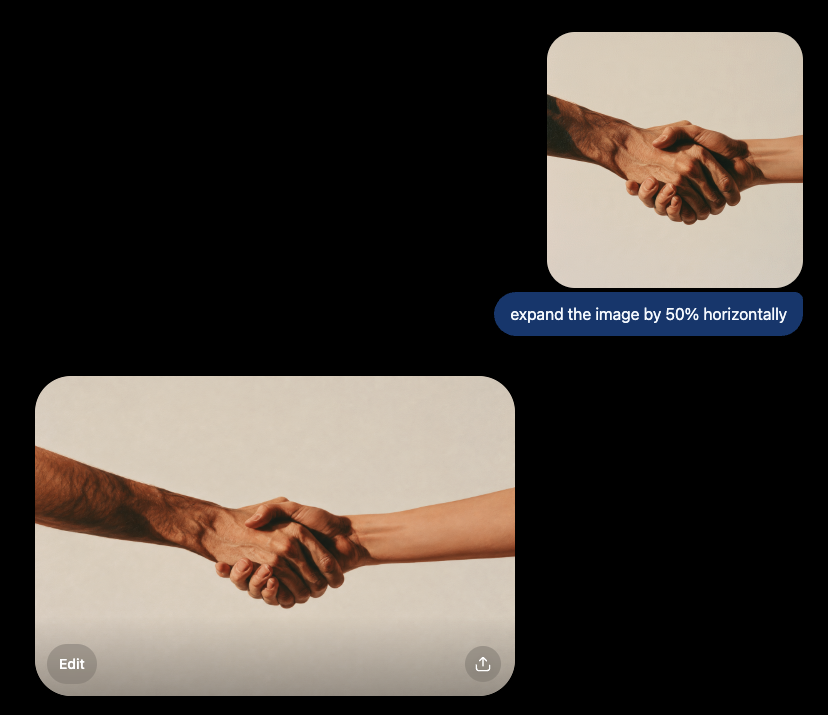
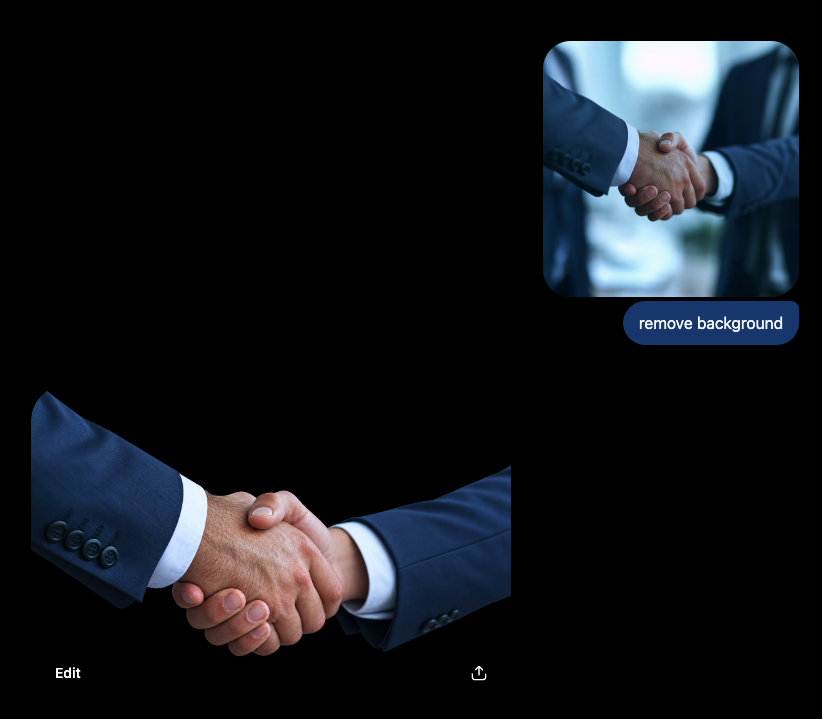
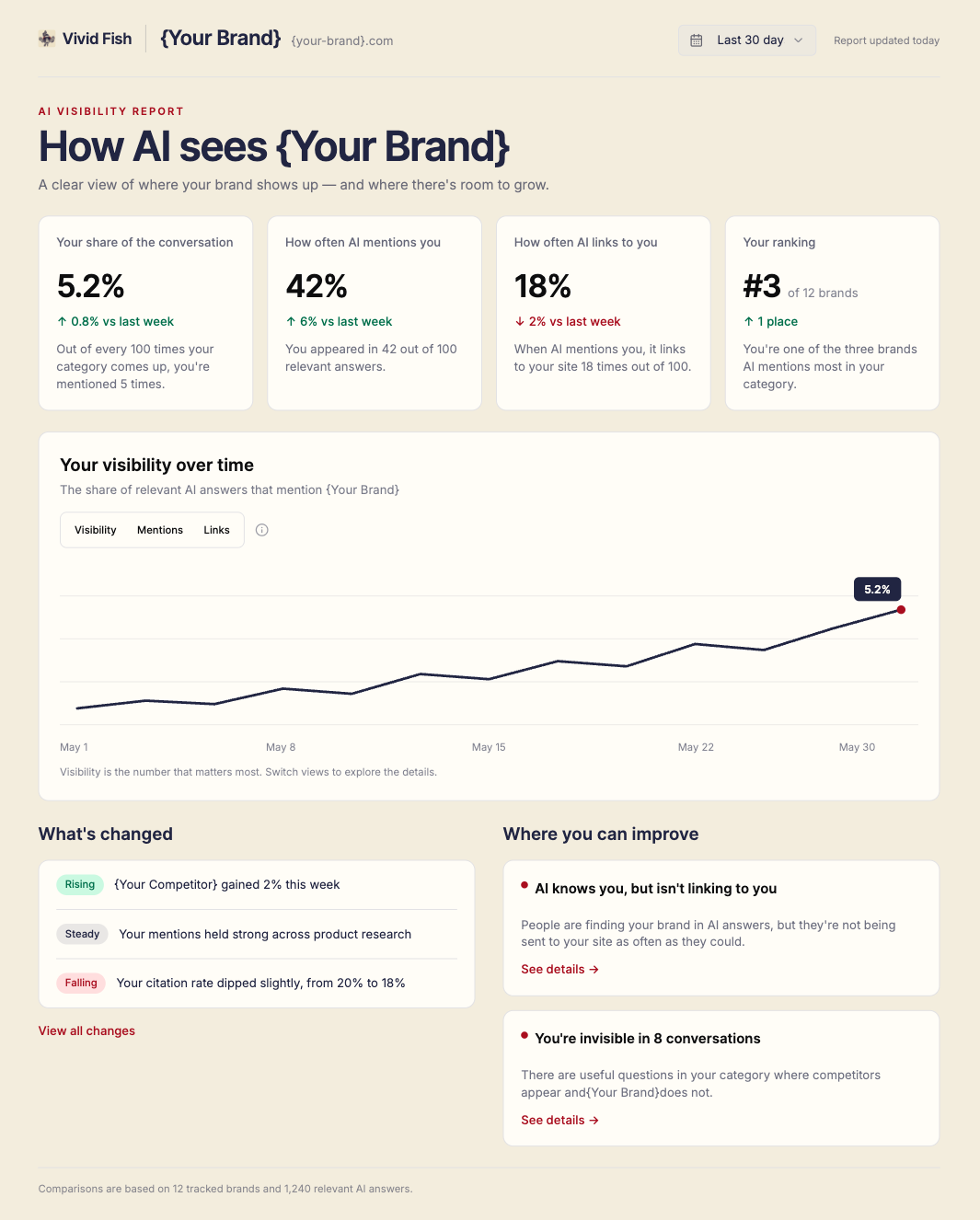
Tools that handle "grunt work"—such as background removal, object cleanup, image expansion, and resizing—consistently outperformed tools attempting to generate original branding from scratch. These tasks are bounded; the subject matter and the desired outcome are fixed. Because the AI has fewer creative decisions to make, it has less room to wander off-brief.
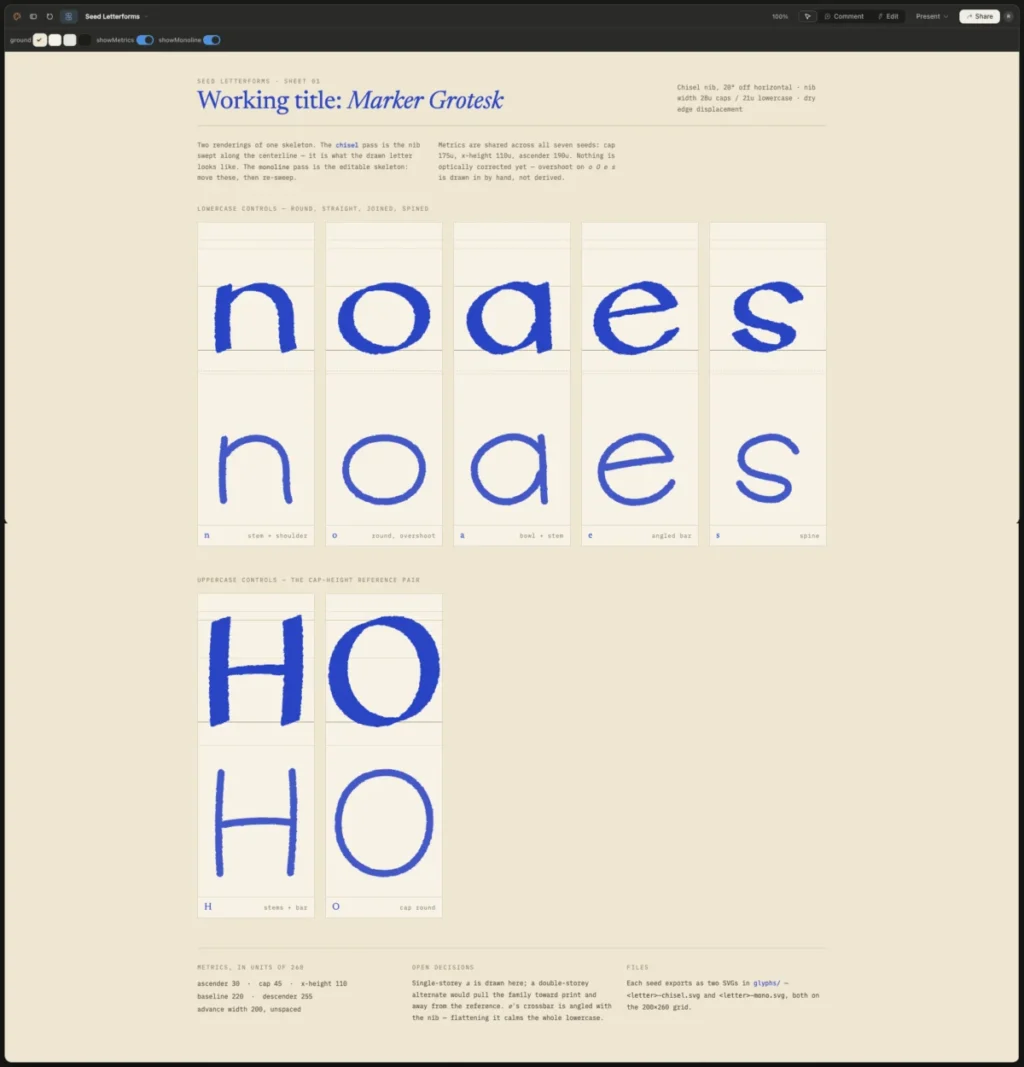
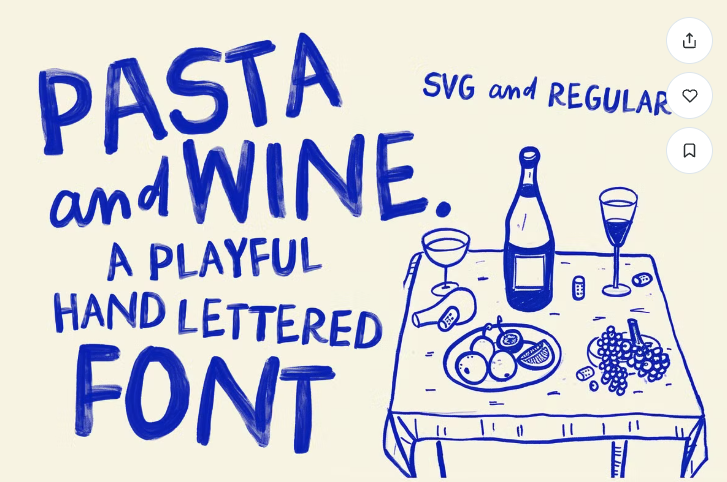
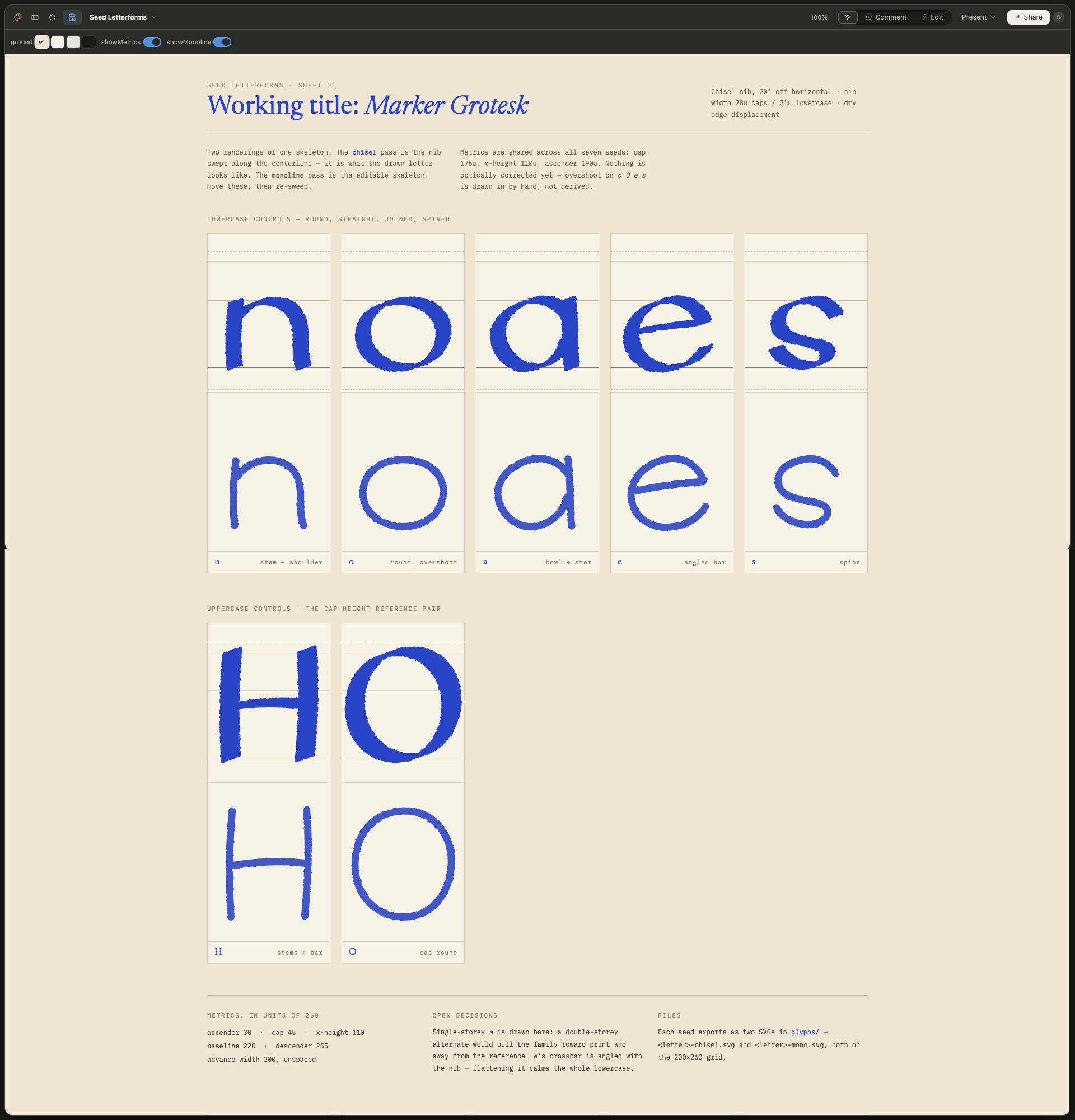
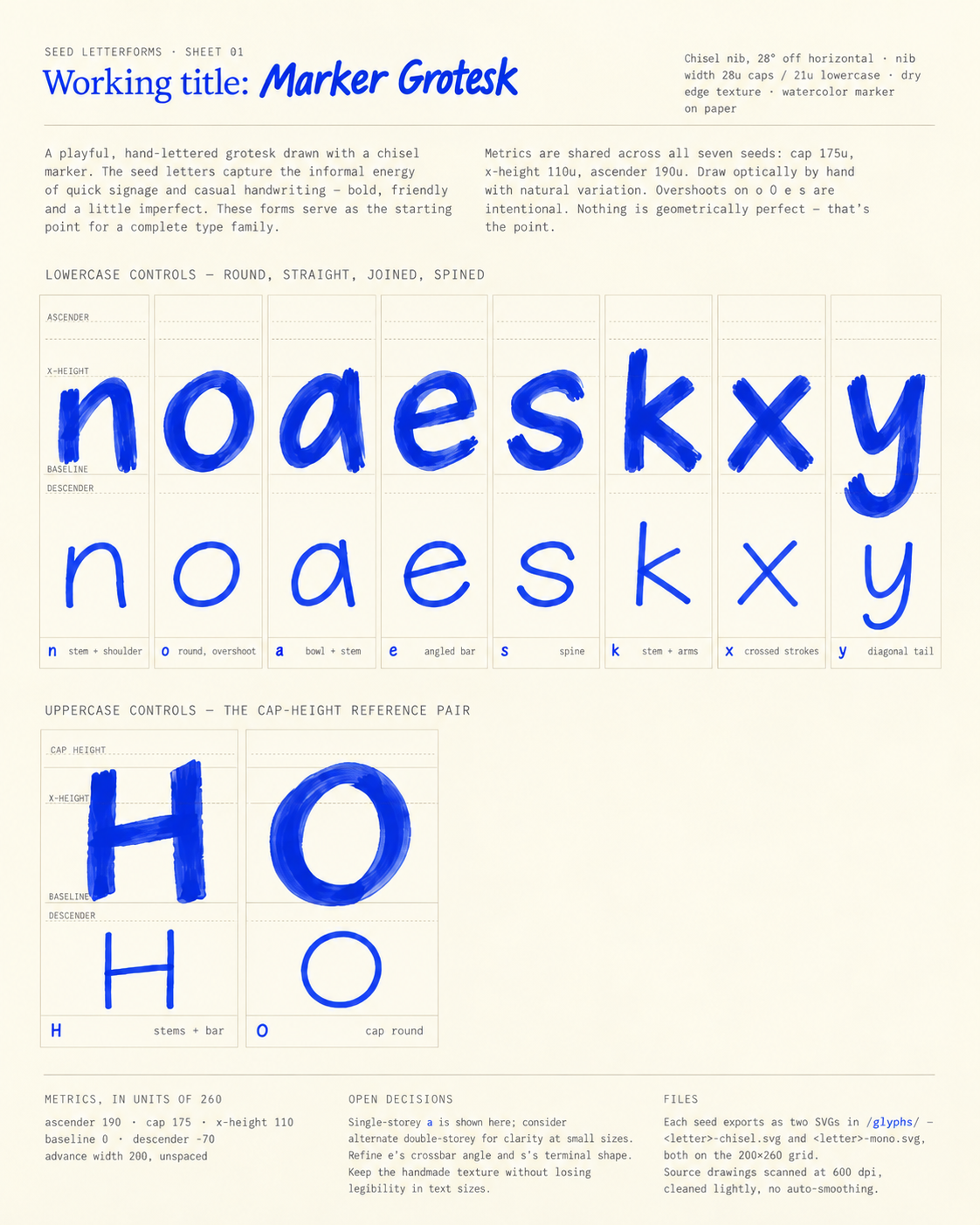
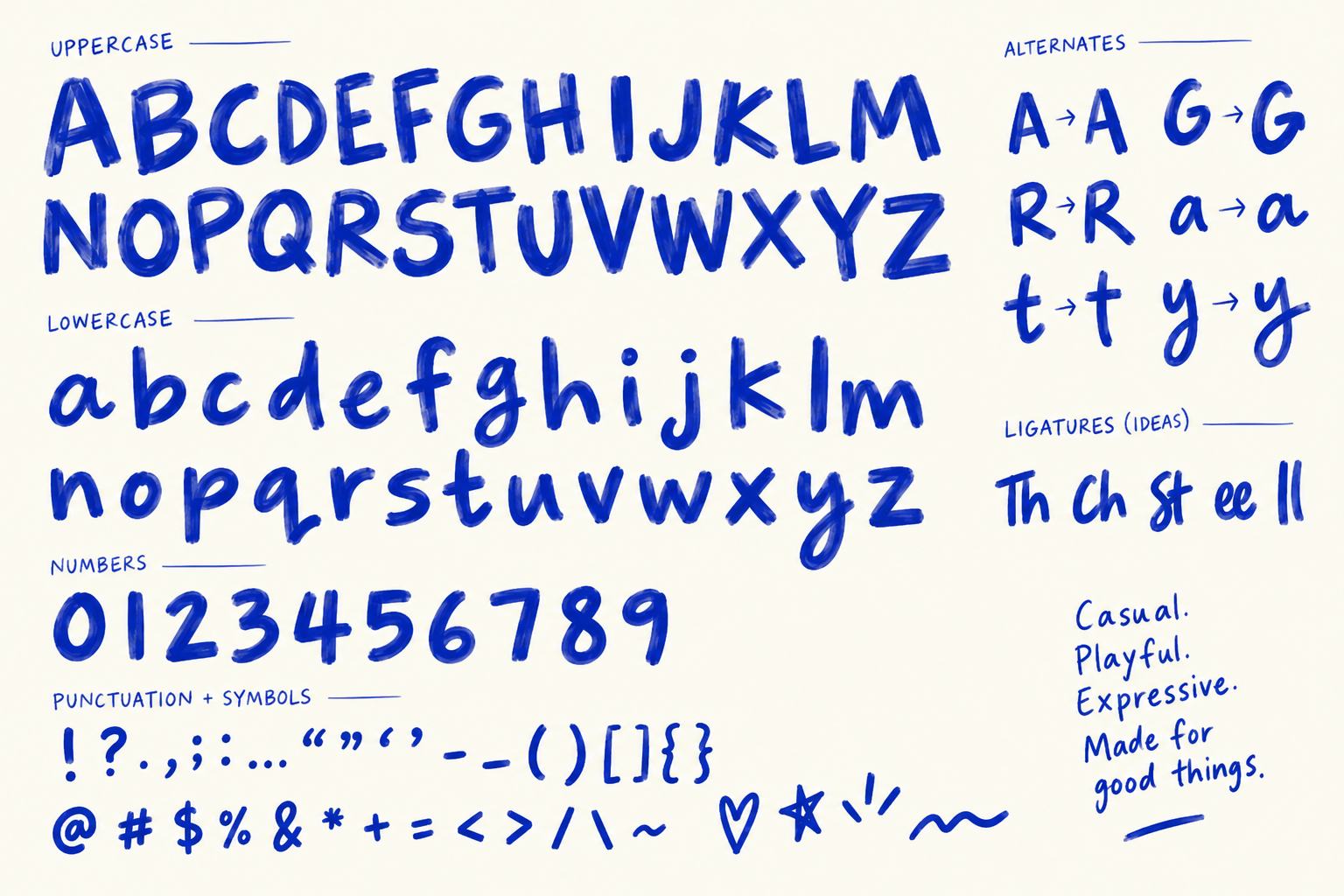
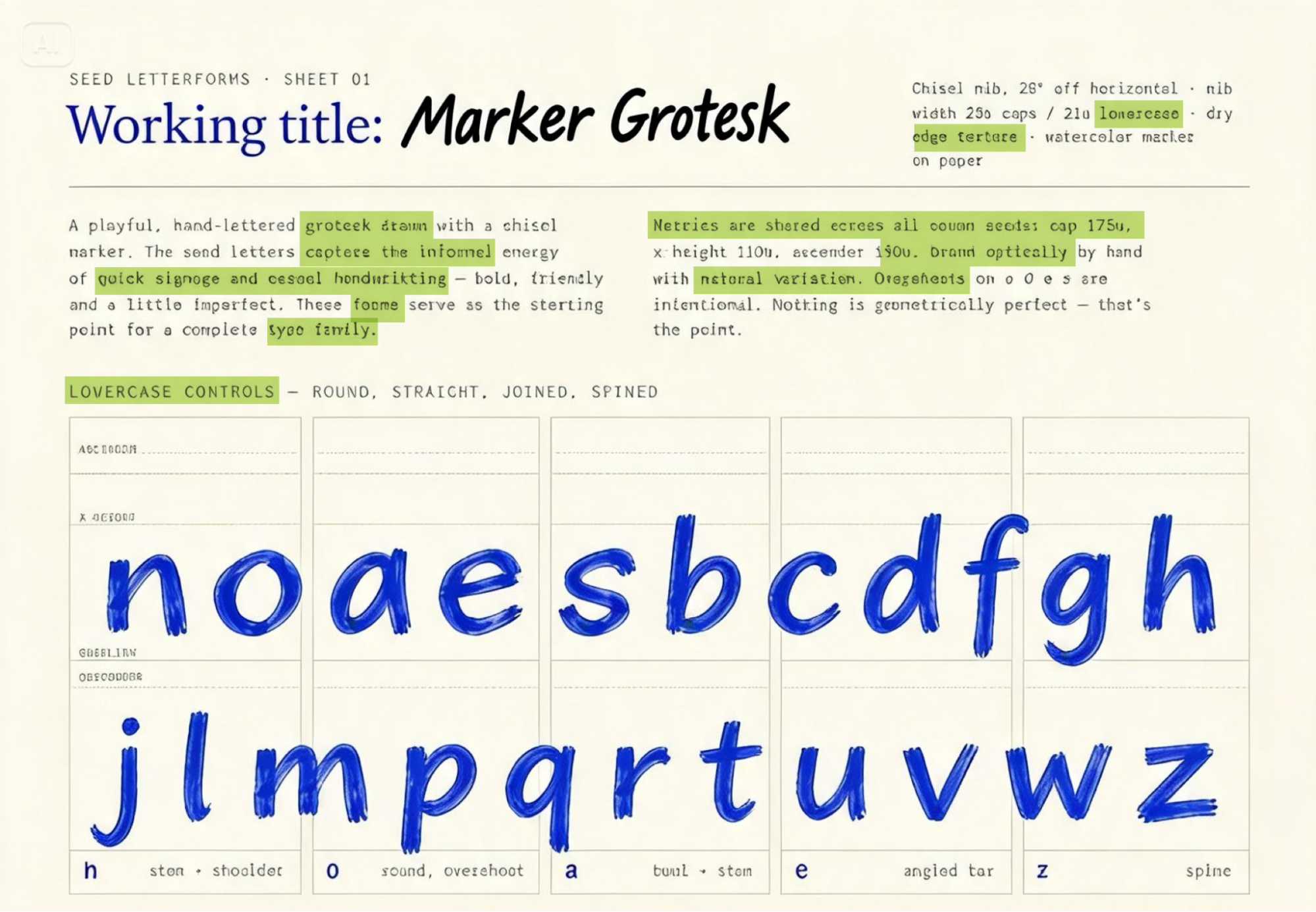
Conversely, the most ambitious tasks—such as creating an original brand identity or designing a full typeface—often highlighted the limitations of current models. Typeface design, for instance, requires high consistency at the character level. Our tests showed that while some tools could generate a decent "seed" of a letterform, maintaining that style across a full alphabet (including kerning, spacing, and stroke logic) often led to catastrophic failures.
The "Polished Error" Phenomenon
Perhaps the most concerning finding was that AI design failures are no longer always obvious. In the early days, a broken hand or a mangled word was a dead giveaway. Today, we are seeing "polished errors."
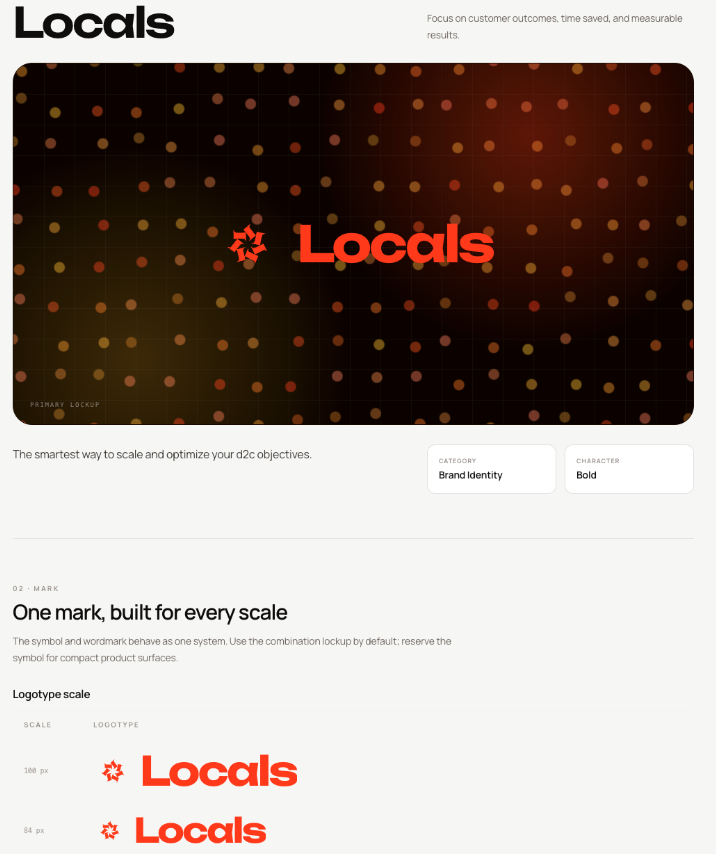
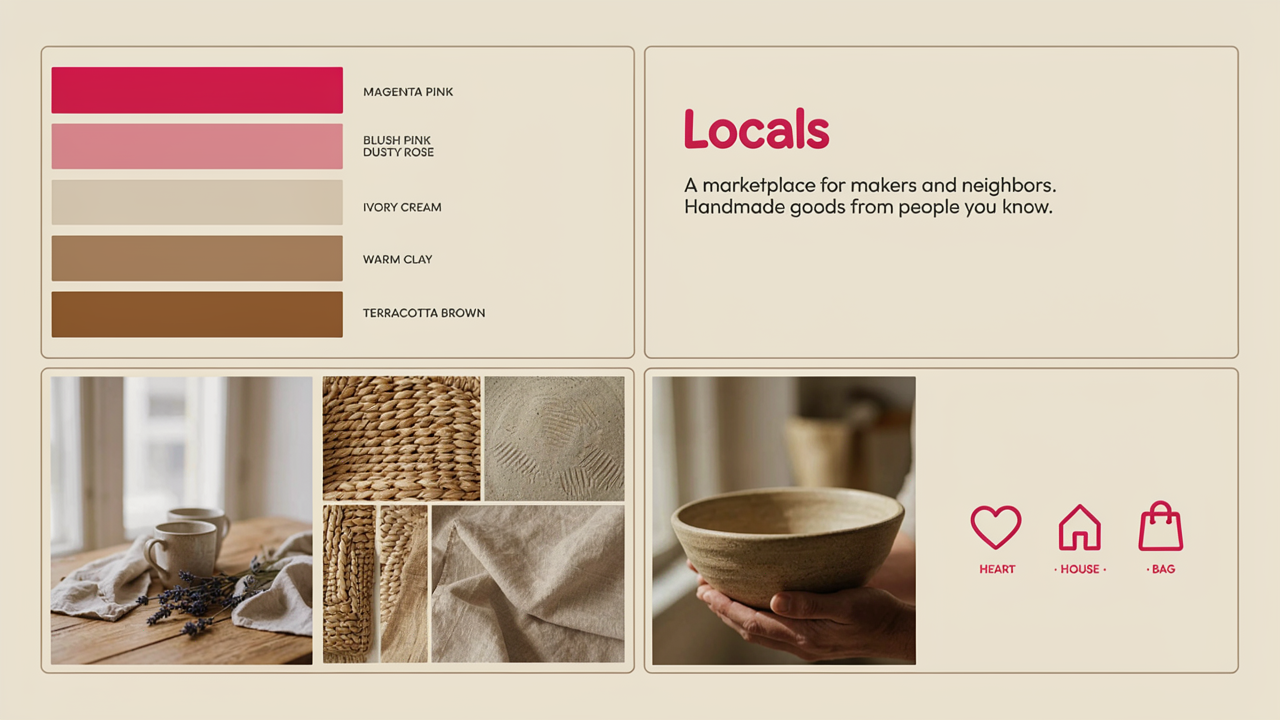
We repeatedly encountered professional-looking layouts that contained small, subtle mistakes—a transposed price, a typo in a Call-to-Action (e.g., "Cook your consultation" instead of "Book your consultation"), or a brand identity that, while beautiful, completely ignored the specified color palette. These errors are dangerous precisely because they are hidden behind a veneer of professional quality. They require a rigorous, human-led QA process that is often absent in teams that rely too heavily on "one-click" generation.
Chronology of AI Design Integration
The shift in AI design capability has followed a predictable, yet compressed, timeline:
- 2022–2023 (The "Novelty" Era): Focus was on text-to-image synthesis. Success was measured by the "wow" factor of a single generated image.
- 2024 (The "Feature" Era): AI began appearing as a plug-in or feature within established suites (Adobe, Canva, Figma). The focus shifted to efficiency—speeding up existing workflows.
- 2025–2026 (The "Production" Era): We are currently here. Teams are attempting to move AI into full-scale production. The current challenge is no longer just "can it create?" but "can it scale?"
The Great Divide: Marketers vs. Designers
One of the most important takeaways from our research is that "usefulness" is entirely subjective, depending on the user’s role.

For the Designer
Designers prioritize precision, editability, and structural integrity. For them, an AI tool that generates a flat, non-editable image is a toy. A tool that provides a component library, generates clean sitemaps, or produces vector files that can be tweaked in Illustrator or Figma is a utility. Designers are generally more skeptical of AI outputs, preferring to use it as a brainstorming partner rather than an executor.

For the Marketer
Marketers prioritize velocity and output. If an AI tool can generate a social media ad campaign in ten minutes that is "good enough" for a time-sensitive release, the marketer will take it—even if the kerning is slightly off or the design isn’t perfectly on-brand. The "best" tool for a marketer is often the one that minimizes the friction between an idea and a published asset.
Implications for the Future of Creative Work
What does this mean for the future of the creative industry?

- The Rise of the "AI Curator": As AI becomes better at generating options, the value of the human designer will shift toward curation. The ability to distinguish between "good" AI output and "flawed" AI output will become a core competency.
- Workflow Integration is King: We are reaching a point where raw image generation quality is a commodity. The companies that will win the market are those that integrate AI into existing, repeatable workflows. If an AI tool cannot hand off to a professional design software, its utility will remain limited.
- The End of "One-Click" Design: The myth of the one-click solution is finally being debunked. Professional design is, by nature, an iterative process of solving constraints. The most successful teams we observed were those that used AI as an iterative tool—a "collaborator" rather than a "replacement."
Conclusion: The Reliability Floor
When evaluating AI design tools, it is easy to be seduced by the "ceiling"—the single best image the tool has ever produced. However, in professional production, the "floor"—the reliability of the tool when it is tired, stressed, and being used on a deadline—is what actually matters.
The next phase of the AI design revolution will not be won by the tool that creates the most breathtaking images. It will be won by the platform that respects the constraints of a brand, understands the hierarchy of information, and, most importantly, can be trusted to get the copy right every single time.
AI can design, but it cannot yet "care" about the work. Until that gap is bridged, the human designer—and the human eye—remains the final, non-negotiable step in the production pipeline.
