
The Comprehensive Guide to Website Optimization: Top Tools for 2026
In the digital-first economy, a website is rarely a finished product; it is a living entity that requires constant pruning, polishing, and performance tuning. As of October 2026, the landscape of website optimization has matured into a multi-faceted discipline. Simply "being online" is no longer a competitive advantage; success now hinges on how effectively a site navigates the complex intersection of user behavior, search engine algorithms, and technical performance.
Website optimization software is generally categorized into four distinct pillars: Conversion Rate Optimization (CRO), Content Strategy, SEO Strategy, and Technical SEO. Each serves a specific function in the lifecycle of a web page, and choosing the right combination of tools can be the difference between a stagnant site and a high-performing digital asset.
The Four Pillars of Modern Website Optimization
To understand how to elevate your web presence, one must first categorize the challenges.
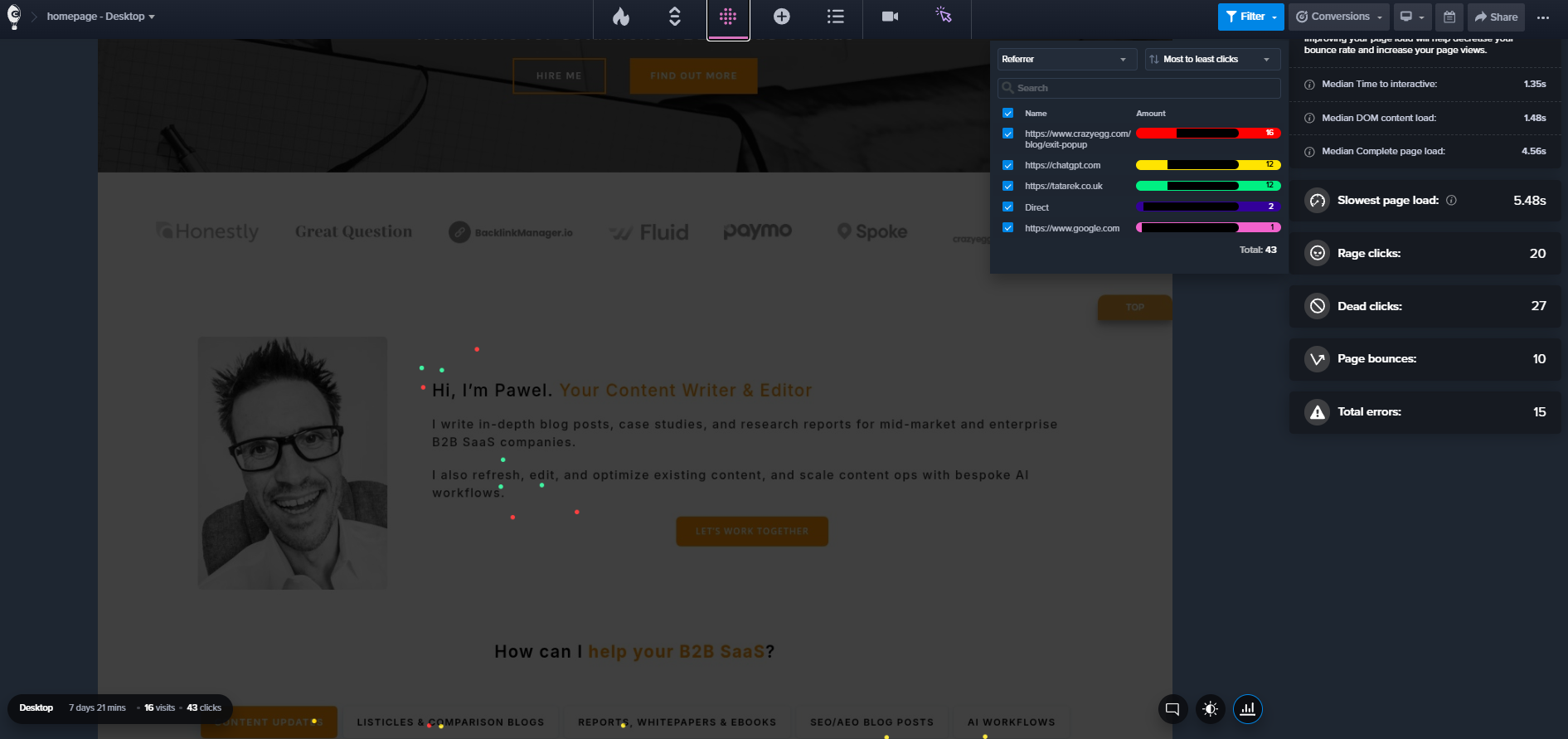
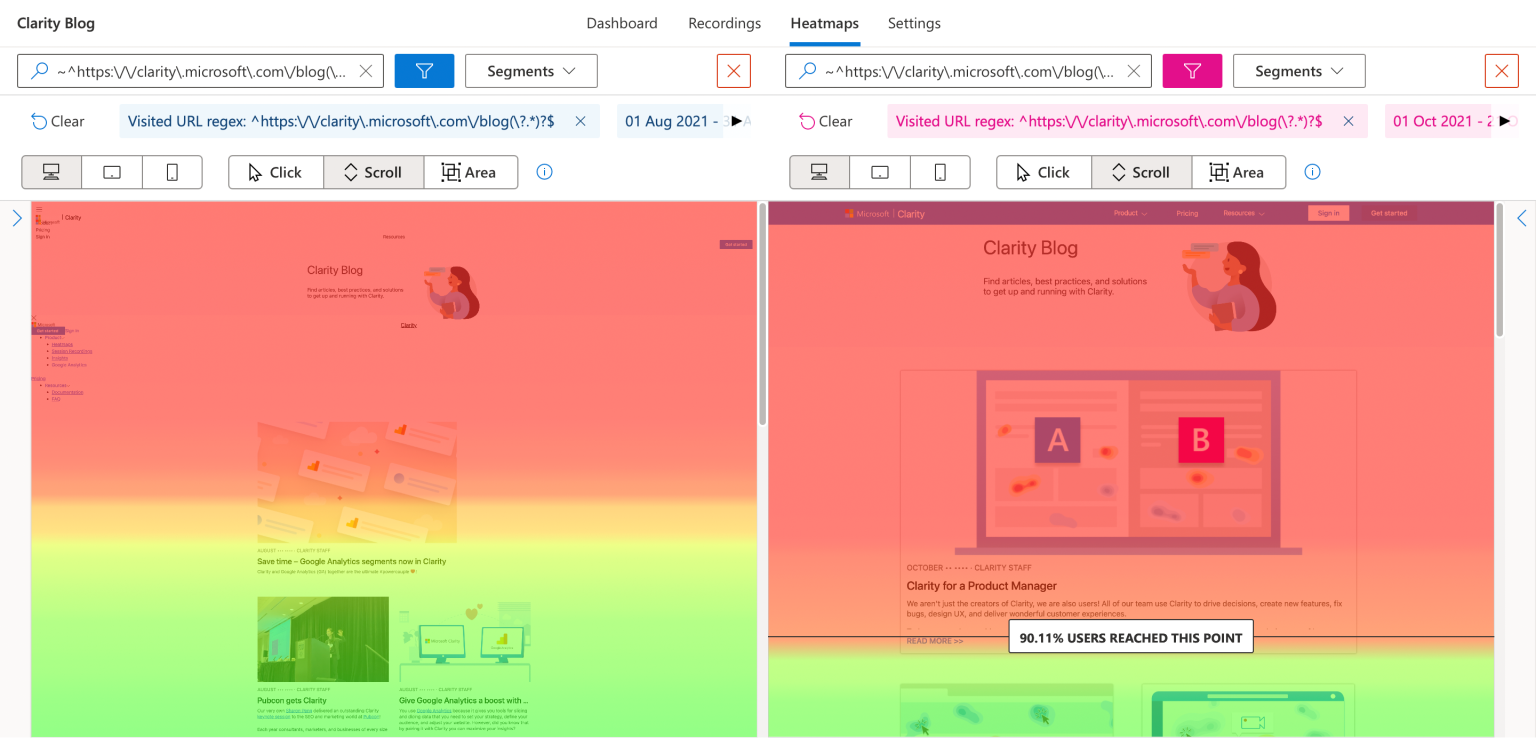
- Conversion Rate Optimization (CRO): These tools diagnose why visitors are leaving without taking action. They provide the "why" behind the bounce rate by tracking mouse movements, scroll depth, and click patterns.
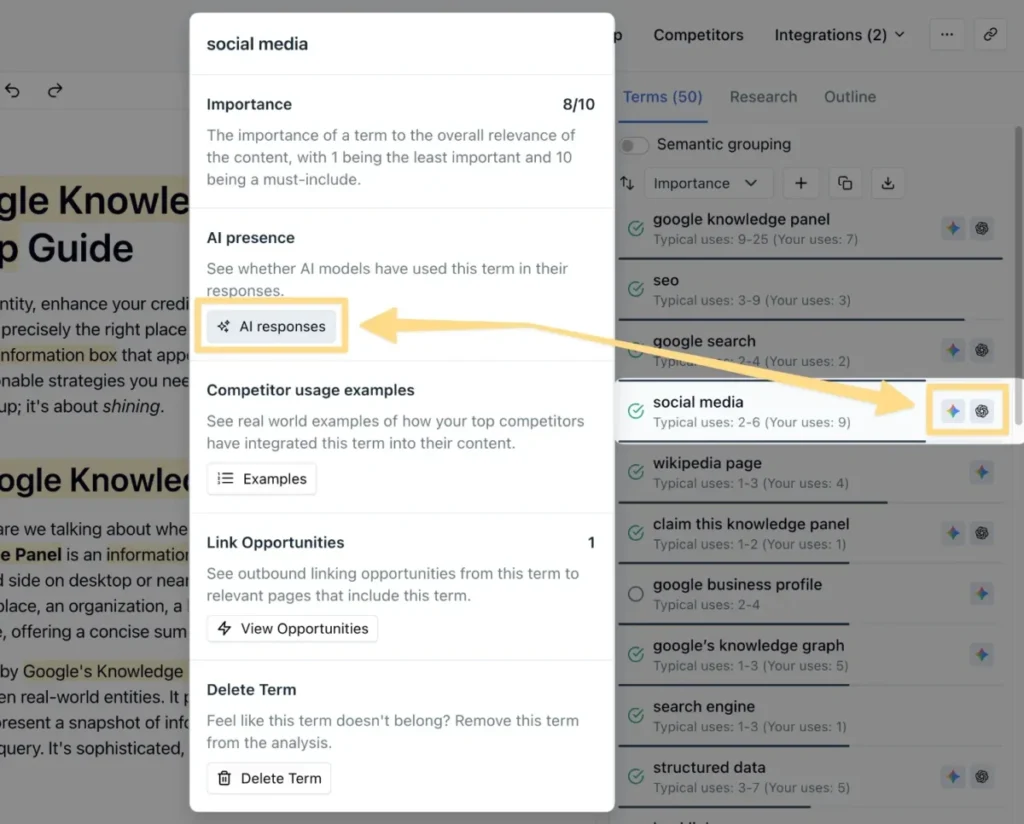
- Content Optimization: These tools bridge the gap between human readability and machine relevance. They analyze top-ranking pages to suggest semantic keywords and topical coverage that satisfy both Google and AI search engines.
- SEO Strategy: These are the "big picture" tools. They help site owners understand their market position, track keyword rankings, and monitor backlink profiles.
- Technical SEO: The foundation of the house. These tools identify structural issues—such as broken links, slow loading times, or crawl errors—that prevent search engine bots from effectively indexing your content.
Market Overview: The Top 8 Tools of 2026
| Tool | Category | Free Trial/Plan | Starting Price | G2 Rating |
|---|---|---|---|---|
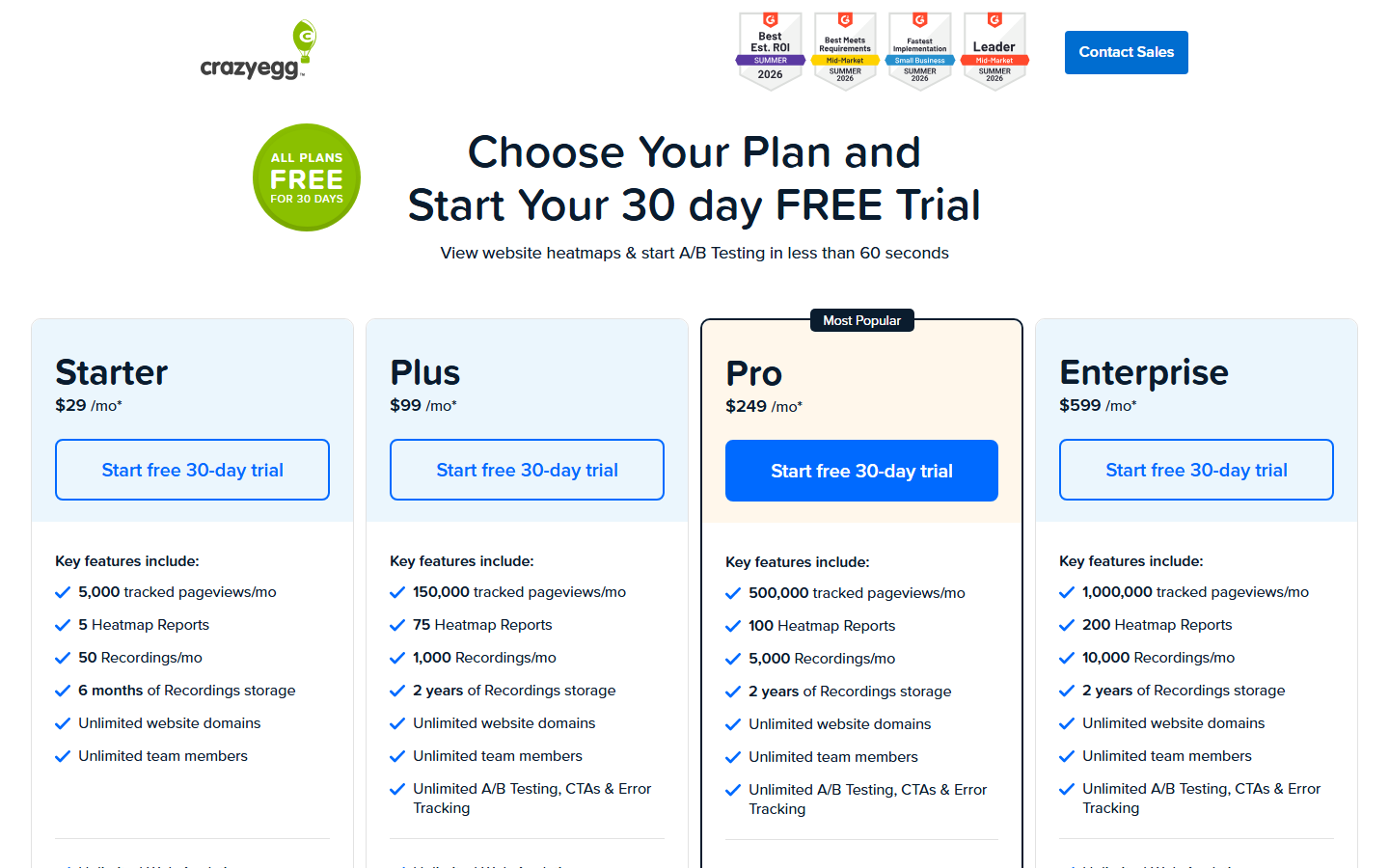
| Crazy Egg | CRO | Free Plan | $29/mo | 4.2 |
| Microsoft Clarity | CRO | Free | Free | 4.5 |
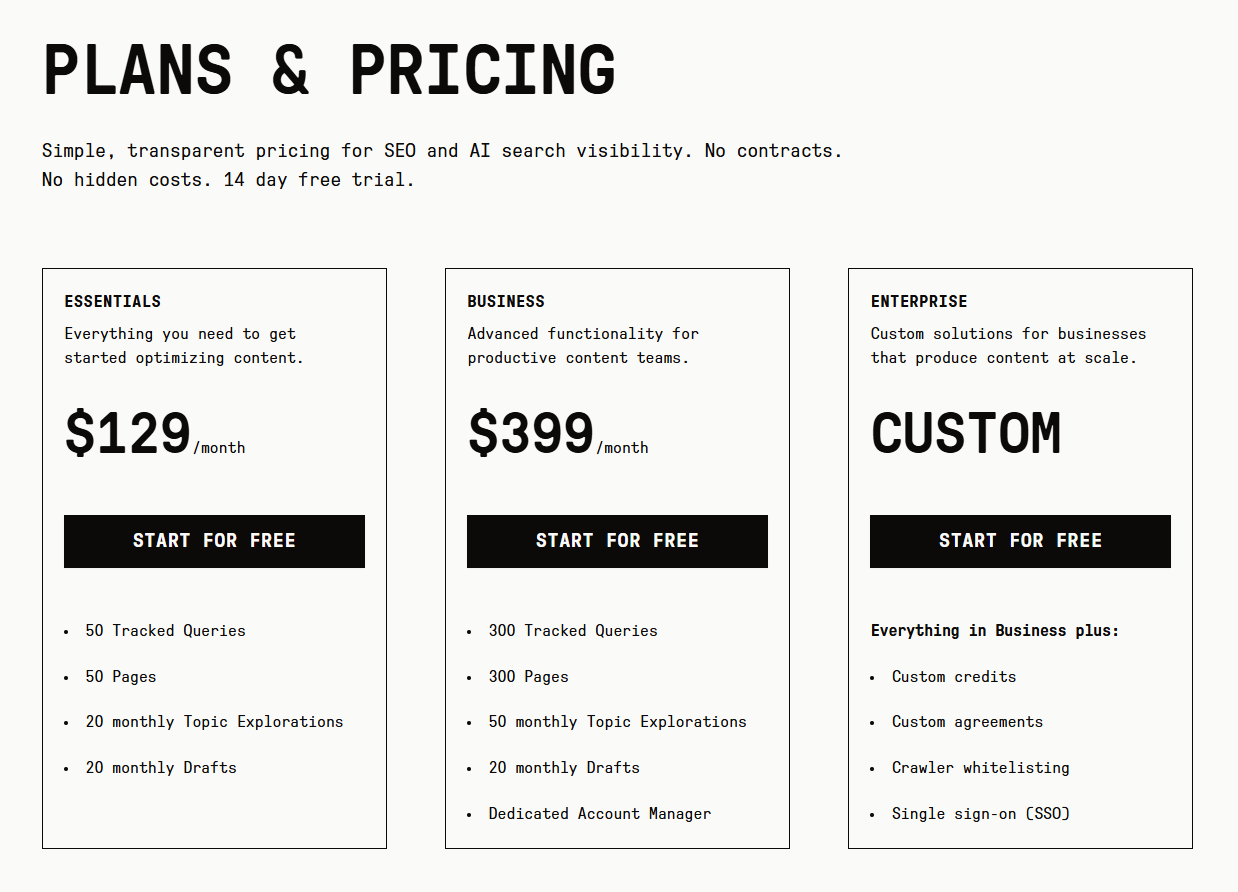
| Clearscope | Content | 14-day Trial | $129/mo | 4.9 |
| Surfer | Content | 7-day Trial | $49/mo | 4.8 |
| Google Search Console | SEO Strategy | Free | Free | 4.7 |
| Ahrefs | SEO Strategy | Free (Self-site) | $29/mo | 4.5 |
| PageSpeed Insights | Technical | N/A | Free | N/A |
| Screaming Frog | Technical | Free (500 URLs) | $279/year | 4.7 |
Deep Dive: Conversion Rate Optimization (CRO)
When your traffic volume is sufficient but your revenue remains flat, you have a conversion problem.
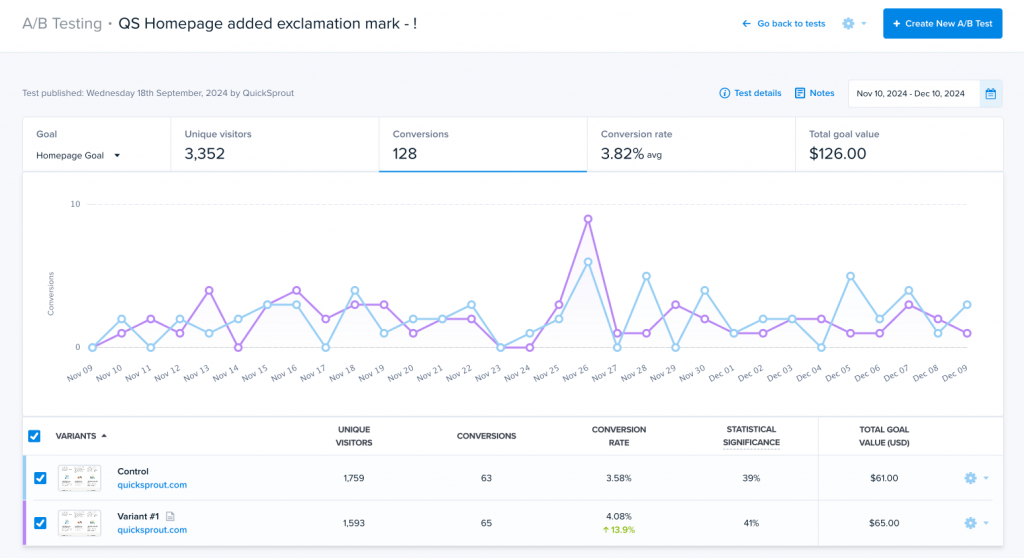
1. Crazy Egg: The Full-Cycle Diagnostic
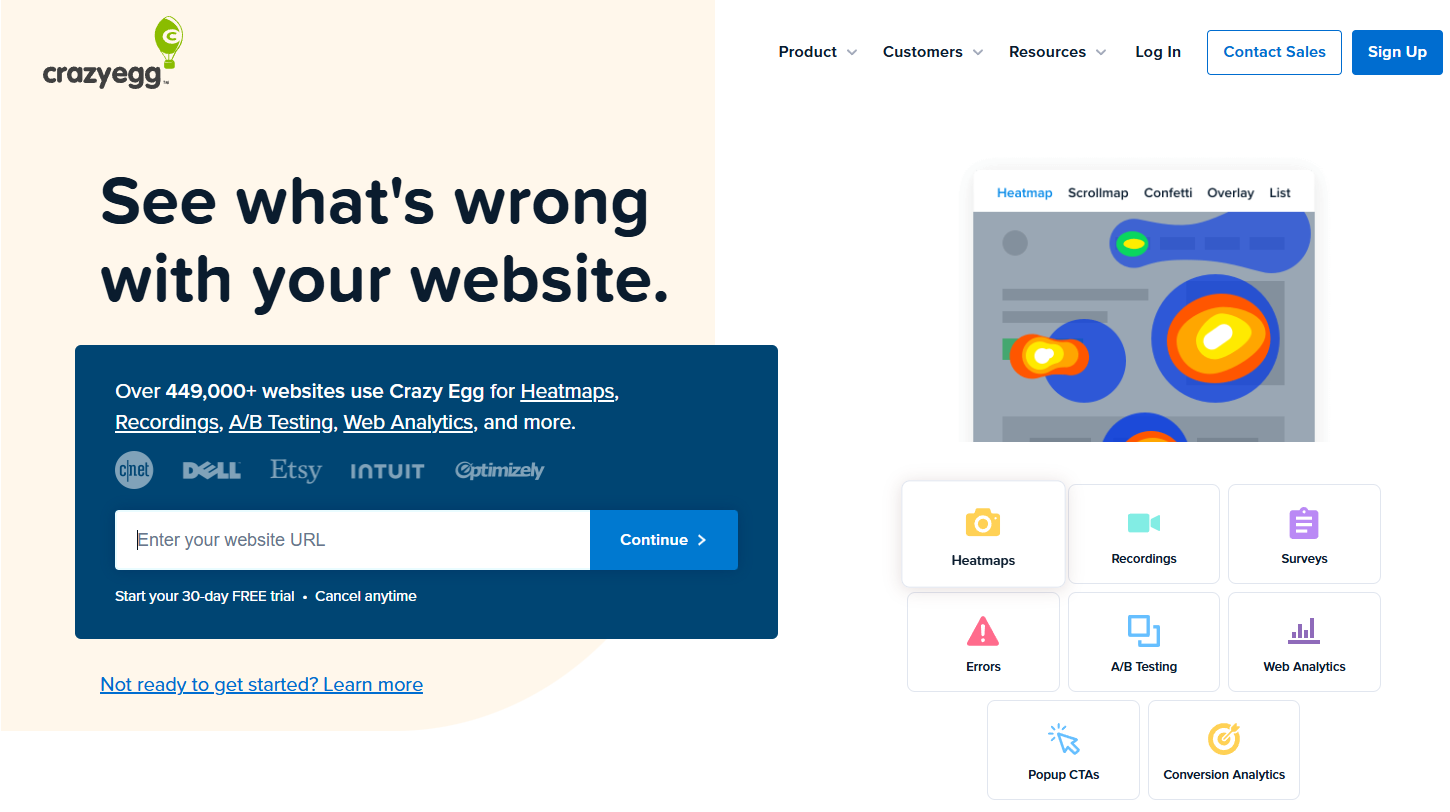
Crazy Egg provides a holistic approach to CRO. It combines behavioral analytics—like heatmaps and session recordings—with native A/B testing capabilities. This allows marketers to not only identify where a visitor drops off but also to test a potential solution in the same interface. It is ideal for teams that want a single-pane-of-glass view of user interaction.

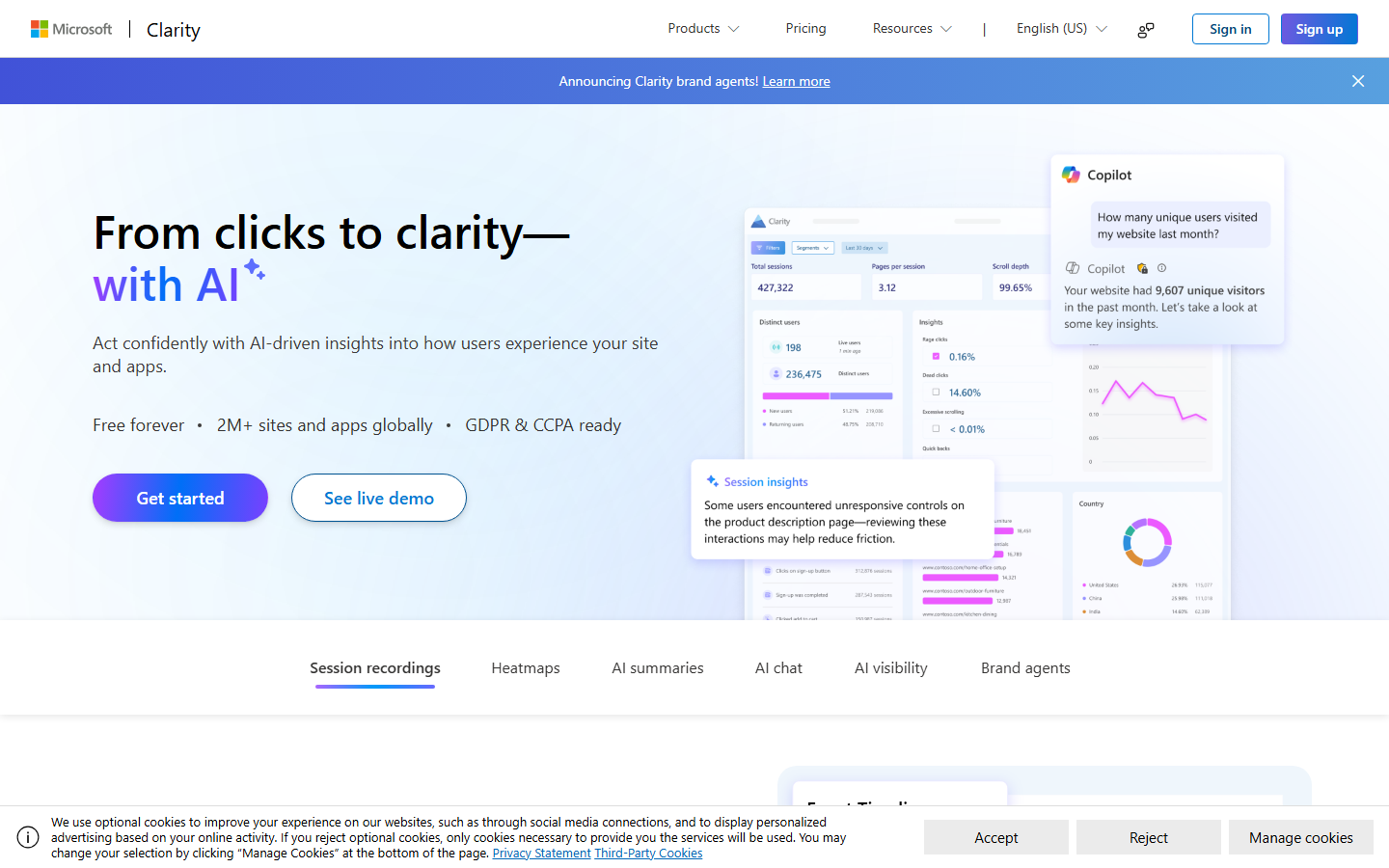
2. Microsoft Clarity: The Budget-Friendly Powerhouse
Microsoft’s entry into the space remains a standout due to its accessibility. It offers unlimited session recordings and heatmaps at no cost. While it lacks the advanced A/B testing features of premium suites, it is the gold standard for organizations needing deep behavioral data without the overhead of a subscription.
Deep Dive: Content Optimization
As AI-driven search (SGE/AI Overviews) becomes the norm, content must be optimized for both human intent and machine-learning interpretation.
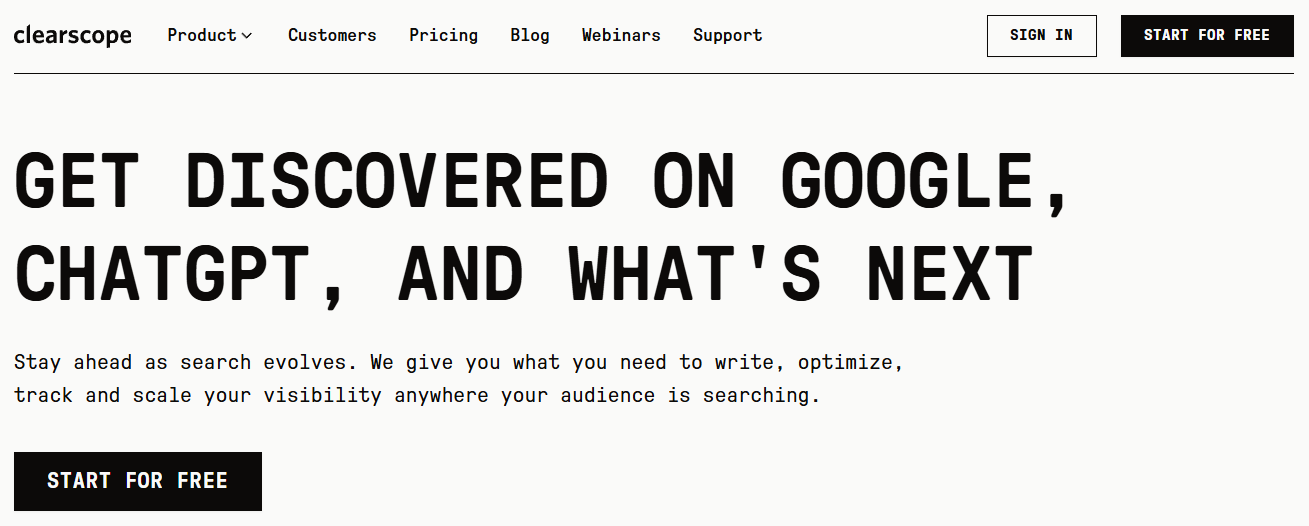
3. Clearscope: Precision and Authority
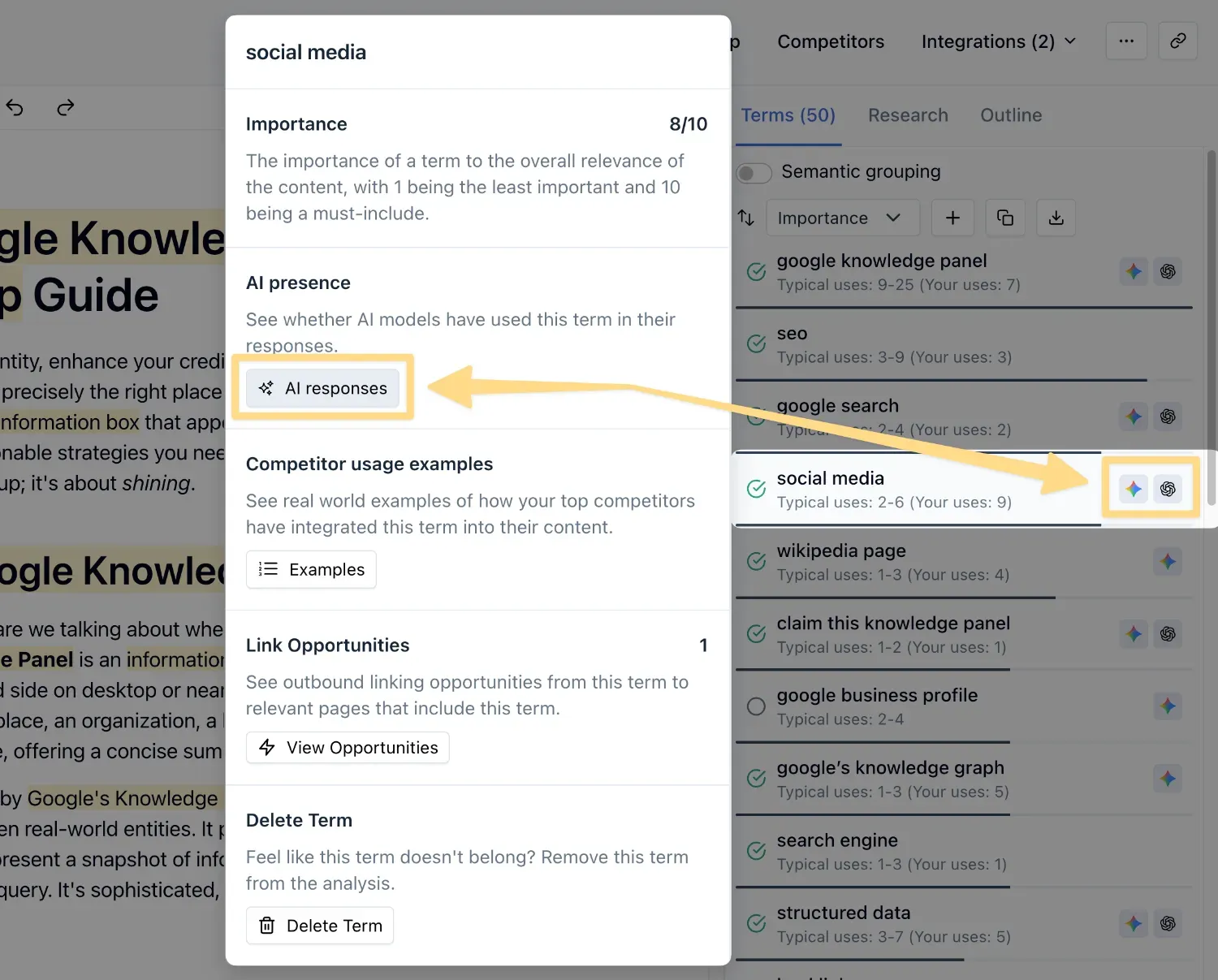
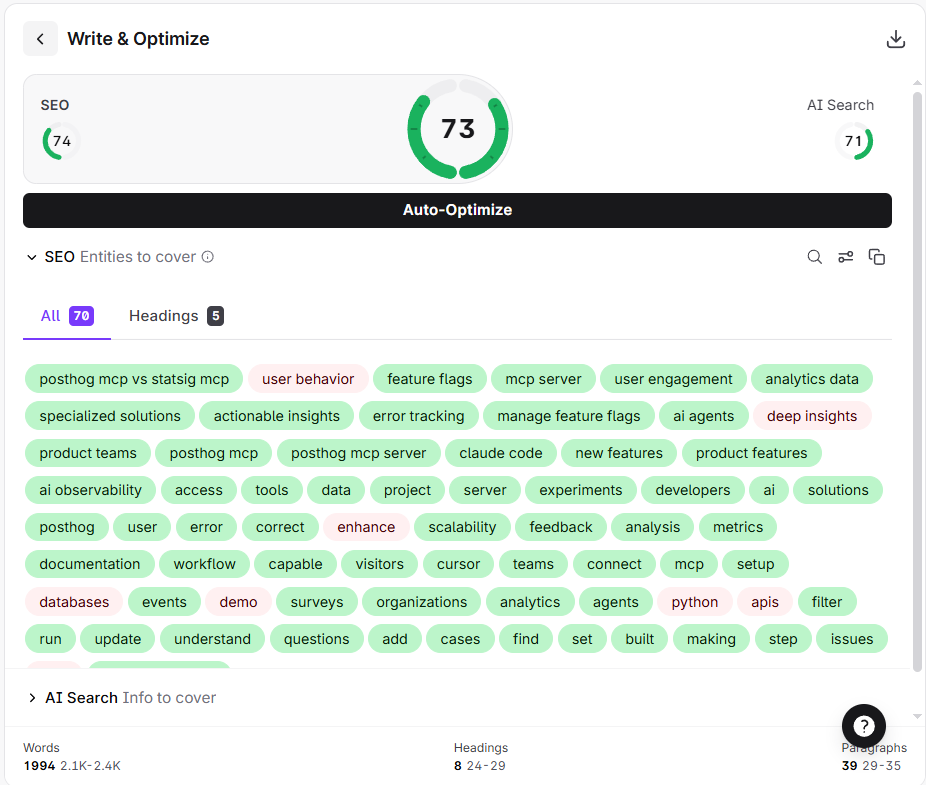
Clearscope has cemented its status as a premium tool for content teams. Its real-time grading system helps writers ensure their content covers the necessary topics to compete with the top-ranking pages in their niche. Its focus on "topical authority" makes it a favorite for SEOs looking to rank in competitive B2B markets.
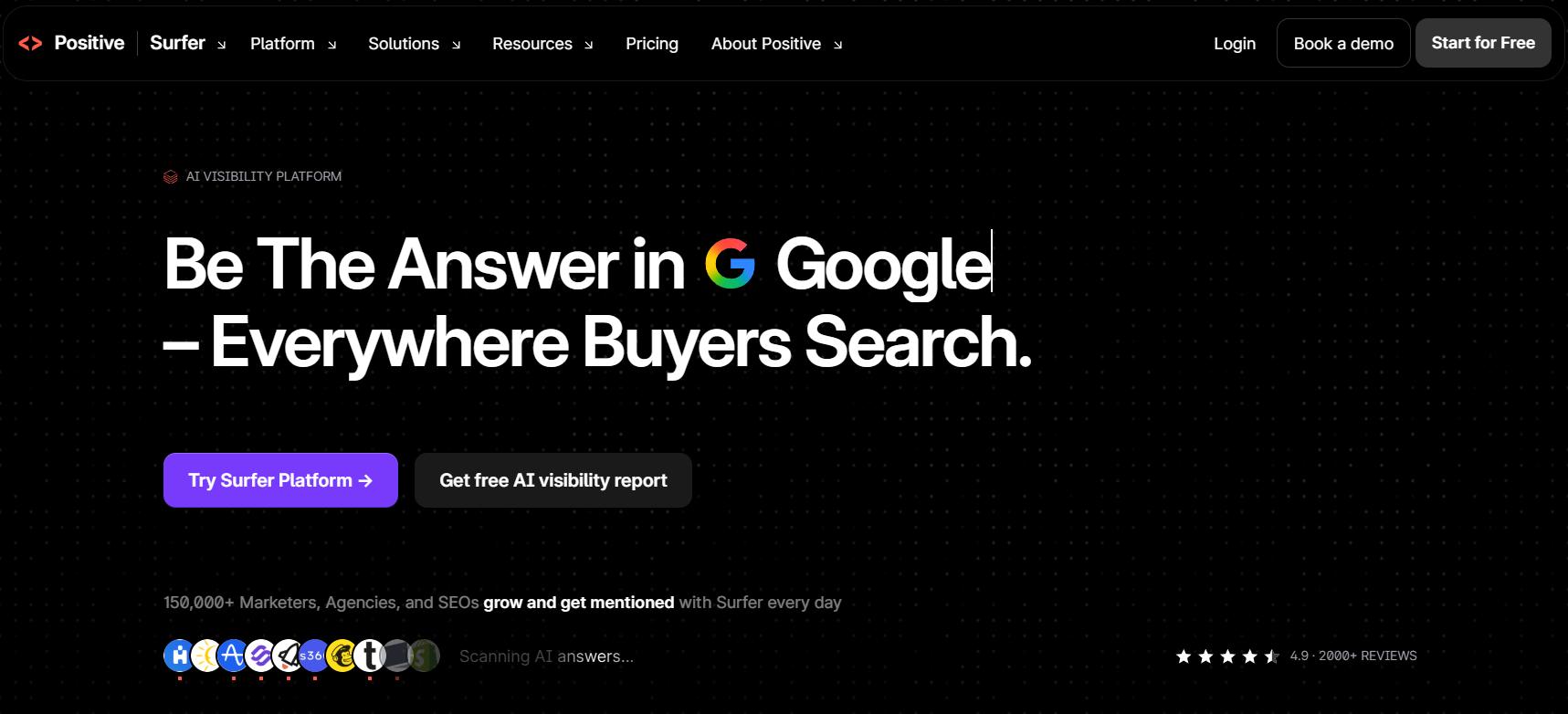
4. Surfer (Positive): The AI-Era Standard
Following its acquisition by Positive in 2026, Surfer has doubled down on AI-search visibility. Its "Content Score" is widely considered the industry benchmark for on-page optimization. Beyond simple keyword stuffing, it provides topical maps that help structure content in a way that AI search engines prefer.
Deep Dive: SEO Strategy
5. Google Search Console (GSC): The Source of Truth
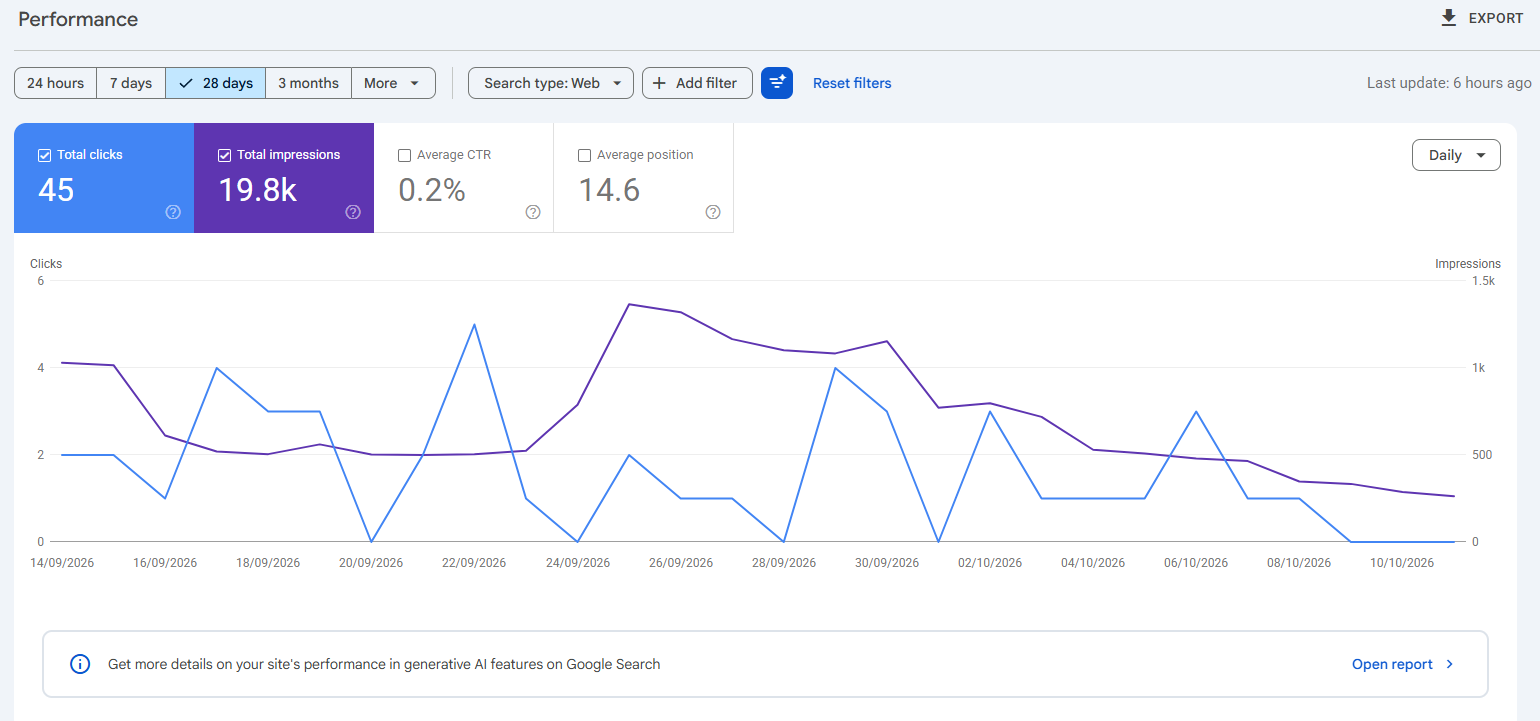
No optimization strategy is complete without GSC. Because it provides data directly from the source, it is the most accurate tool for monitoring how Google perceives your site. It is essential for identifying indexing errors and analyzing which search queries are actually driving traffic.
6. Ahrefs: The Competitive Edge
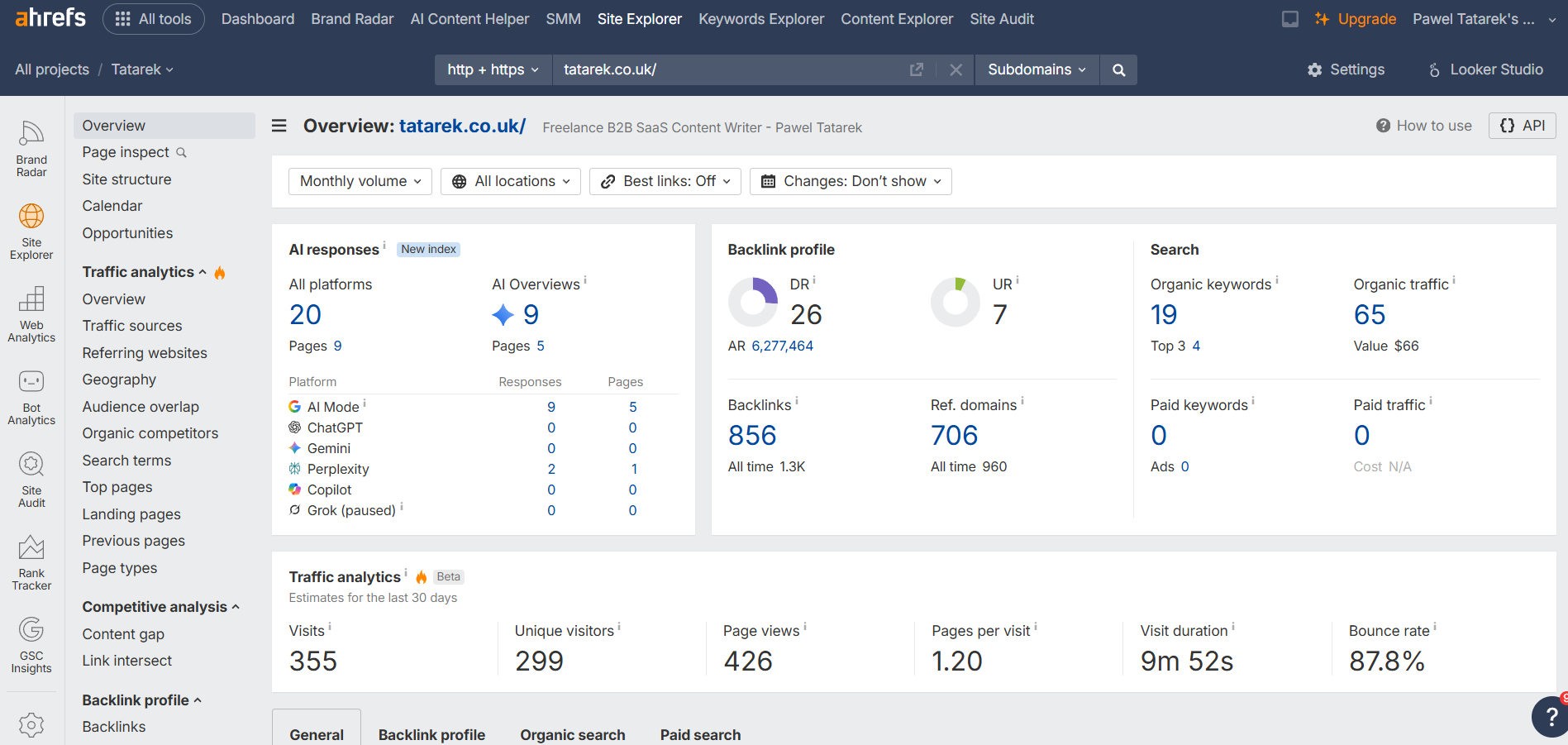
Ahrefs has evolved from a backlink checker to a full-scale growth platform. Its "Site Explorer" is the industry standard for analyzing competitor strategies. By reverse-engineering how a competitor attracts traffic, users can identify gaps in their own content strategy.
Deep Dive: Technical SEO
7. Google PageSpeed Insights (PSI)
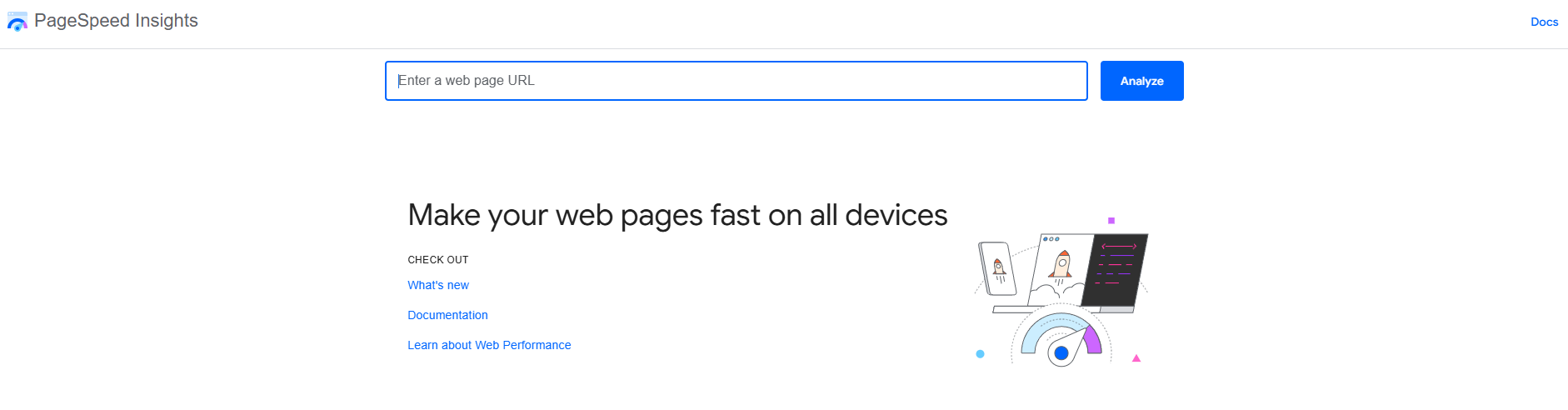
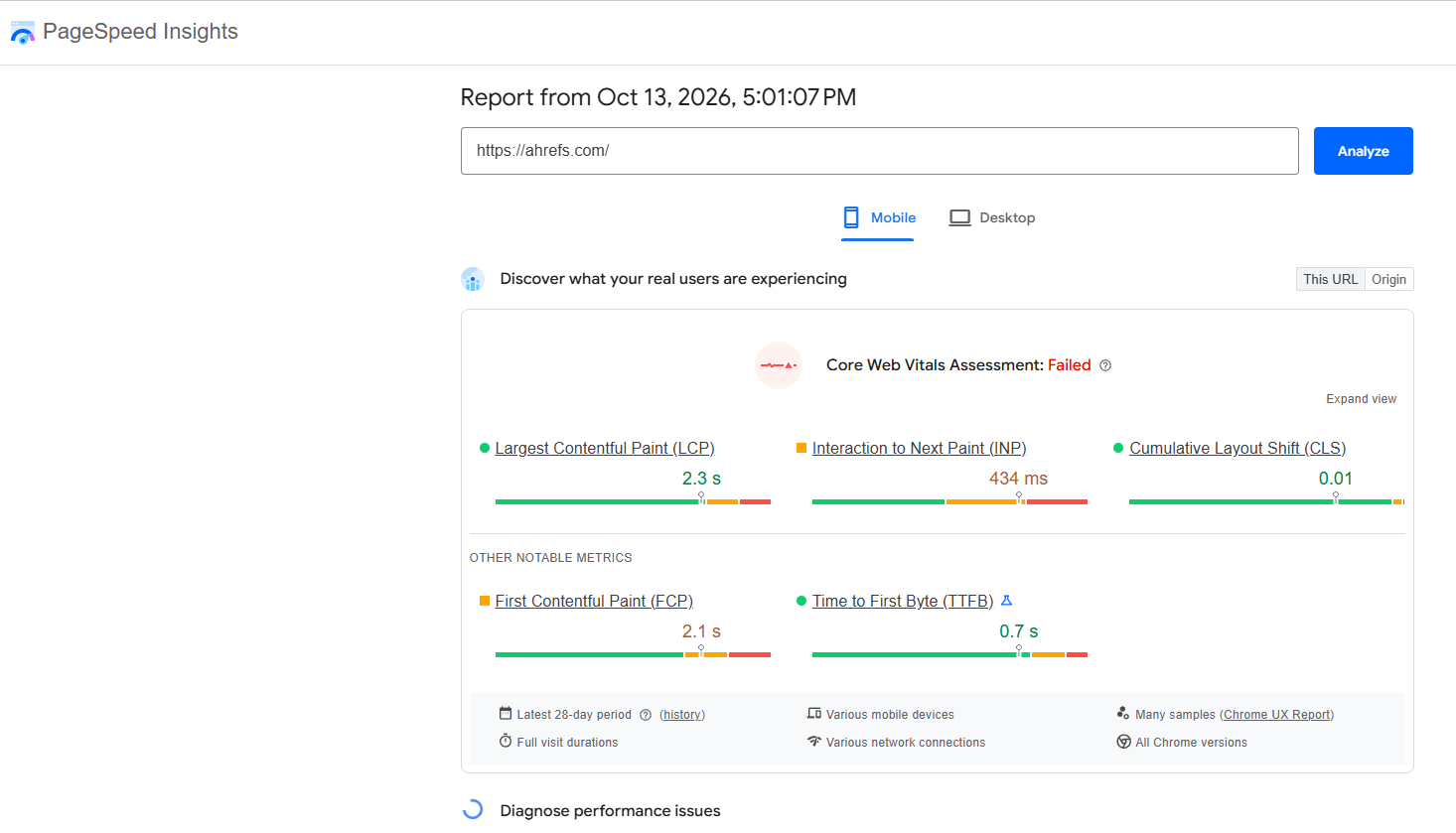
Performance is a core ranking factor. PSI is the definitive tool for measuring "Core Web Vitals." By separating "Field Data" (how users experience the site) from "Lab Data" (simulated environments), it provides actionable advice on how to improve mobile and desktop speed.
8. Screaming Frog SEO Spider
For deep technical audits, there is no substitute for the Screaming Frog desktop crawler. It acts as a search engine bot, scanning your site for over 300 potential issues. From redirect chains to missing metadata, it provides a comprehensive map of the technical health of your domain.
The Verdict: Which Tool Should You Choose?
The "best" tool is a moving target that depends on your current bottlenecks.
- If you are struggling with site speed: Start with PageSpeed Insights and Screaming Frog. Technical debt is the "silent killer" of SEO; fix this before investing in content or marketing.
- If your rankings are plateauing: Use Ahrefs to perform a content gap analysis and Clearscope or Surfer to optimize your existing pages for better relevance.
- If you have traffic but no sales: Implement Microsoft Clarity immediately to identify friction points, then graduate to Crazy Egg once you are ready to start running rigorous A/B tests.
Strategic Implications for 2026 and Beyond
The shift toward AI-integrated search results has changed the rules of optimization. Traditional keyword density is being replaced by contextual relevance. The tools listed here are no longer optional; they are essential infrastructure for any brand competing for digital mindshare.
Establishing a Workflow
For teams looking to scale, the recommended workflow follows a logical progression:
- Crawl & Repair: Use Screaming Frog to ensure the site is structurally sound.
- Analyze & Refresh: Use Search Console to find "low hanging fruit"—pages that rank on page two of Google. Use Surfer or Clearscope to optimize these existing assets.
- Behavioral Tuning: Use Crazy Egg to ensure that once a visitor arrives, the page is optimized to guide them toward a conversion.
- Monitor: Use Ahrefs to track long-term competitive movements and brand visibility in AI answers.
Frequently Asked Questions
Q: Can I really optimize a site using only free tools?
A: Yes, to an extent. You can handle technical basics with GSC, PageSpeed Insights, and the free version of Screaming Frog. However, content optimization is a labor-intensive task where paid tools provide a significant ROI by reducing the time required to research and draft content.
Q: What is the biggest mistake in website optimization?
A: The most common error is "Optimization in Reverse." Many businesses spend thousands on content before fixing their technical SEO. If your site is slow or crawl-blocked, even the best content will fail to rank.
Q: Is AI-powered SEO just about generating content?
A: Absolutely not. While tools like Surfer and Clearscope can assist with writing, their true value in 2026 lies in content intelligence—understanding what topics, entities, and search intents are required to answer the user’s question better than the competition.
By systematically applying these tools to the four pillars of optimization, you can ensure that your website remains a high-functioning, revenue-generating engine in an increasingly competitive digital landscape.
