
The Man of Steel Returns: A Cinematic Resurrection and the Legacy of Hope
For generations, the image of a man in a cape soaring through the clouds has represented more than just escapist fantasy; it has served as a cultural North Star for morality, justice, and the endurance of the human spirit. Last night, as the credits rolled on the latest iteration of the DC Universe’s flagship character, it became clear that Superman is no longer just a franchise—it is a homecoming. This is not merely a review; it is an examination of a cultural pivot point.
Main Facts: A Modern Mythos
The 2025 Superman film, directed by James Gunn, arrives at a critical juncture for the DC Universe. Following years of tonal experimentation and narrative shifts, this film marks a definitive "soft reboot" of the cinematic landscape.

David Corenswet steps into the iconic red boots, delivering a performance that balances the mythic grandeur of an alien god with the relatable vulnerability of a man trying to find his place. Alongside him, Rachel Brosnahan’s Lois Lane is a revelation—a sharp-witted, modern investigative powerhouse who serves as the film’s moral anchor. The narrative avoids the pitfalls of an "origin story" retread, instead dropping audiences into a world where Superman is already an established, if still evolving, presence.
The film’s central thesis is clear: Superman is not a perfect being, but a person striving for perfection. By grounding the character’s immense power in a sense of genuine empathy, Gunn has successfully translated the ethos of the 1950s Adventures of Superman—a show that taught millions the value of truth and compassion—into a 21st-century blockbuster.
Chronology: From Black-and-White to Technicolor
To understand the significance of this film, one must look at the historical trajectory of the character:
- 1950s: The Adventures of Superman (starring George Reeves) establishes the character as a household staple, cementing the "Truth, Justice, and the American Way" mantra in the public consciousness.
- 1978: Richard Donner’s Superman defines the cinematic superhero genre, establishing the gold standard for "hope" as a narrative device.
- 2013–2022: The DCEU era attempts to deconstruct the character, favoring a darker, more brooding aesthetic that often polarized the fanbase.
- 2025: The current film emerges as a synthesis, bridging the gap between the classic, optimistic roots of the character and the modern necessity for complex, character-driven storytelling.
Supporting Data: The Anatomy of the Film
The production’s success relies on a delicate balance of character arcs and aesthetic choices. While the action sequences are visceral and high-stakes, they are effectively tethered to the emotional "breathing room" Gunn allows his characters.
Key Performance Highlights:
- Nicholas Hoult (Lex Luthor): Unlike previous portrayals that leaned into theatrical villainy, Hoult’s Luthor is a chillingly cerebral strategist. He operates in the shadows of corporate power, making him a more contemporary and unsettling antagonist.
- Edi Gathegi (Mr. Terrific): Though his screen time is limited, Gathegi brings a quiet authority that suggests he will be a pillar of the future DC landscape.
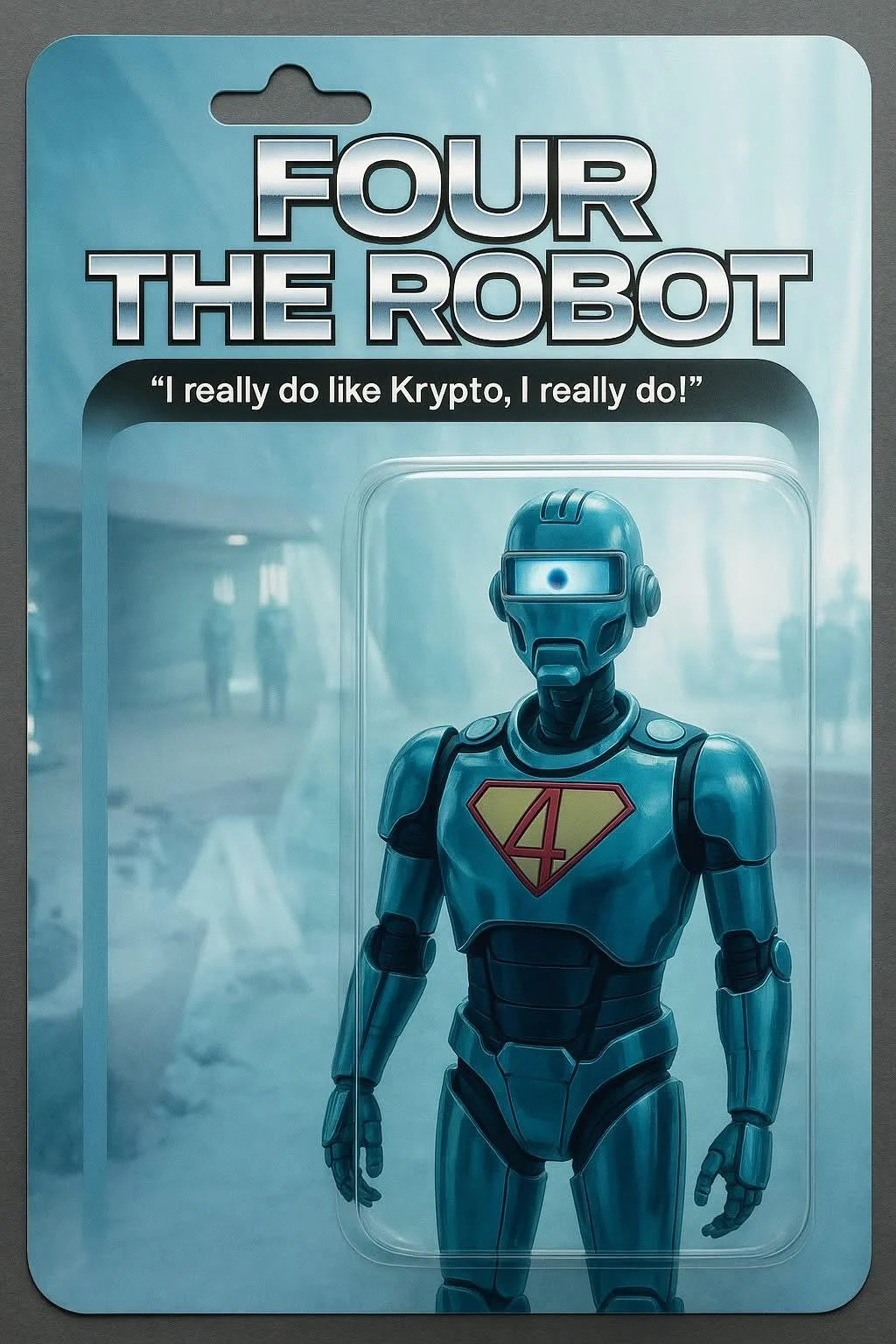
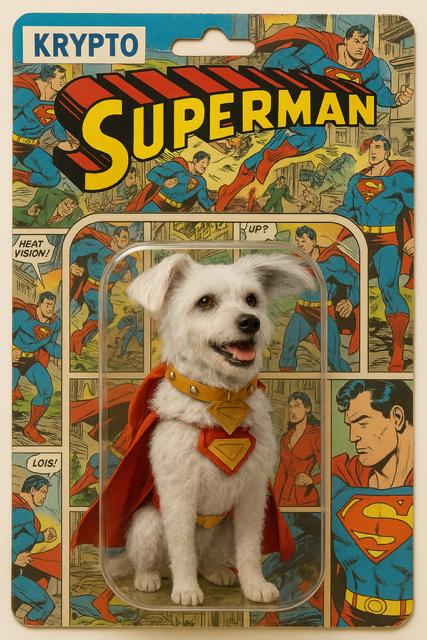
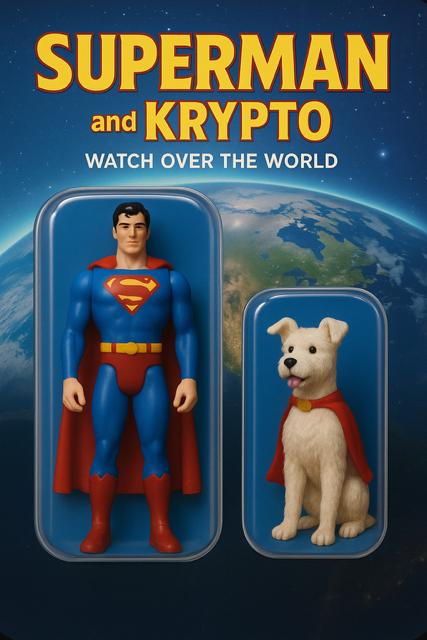
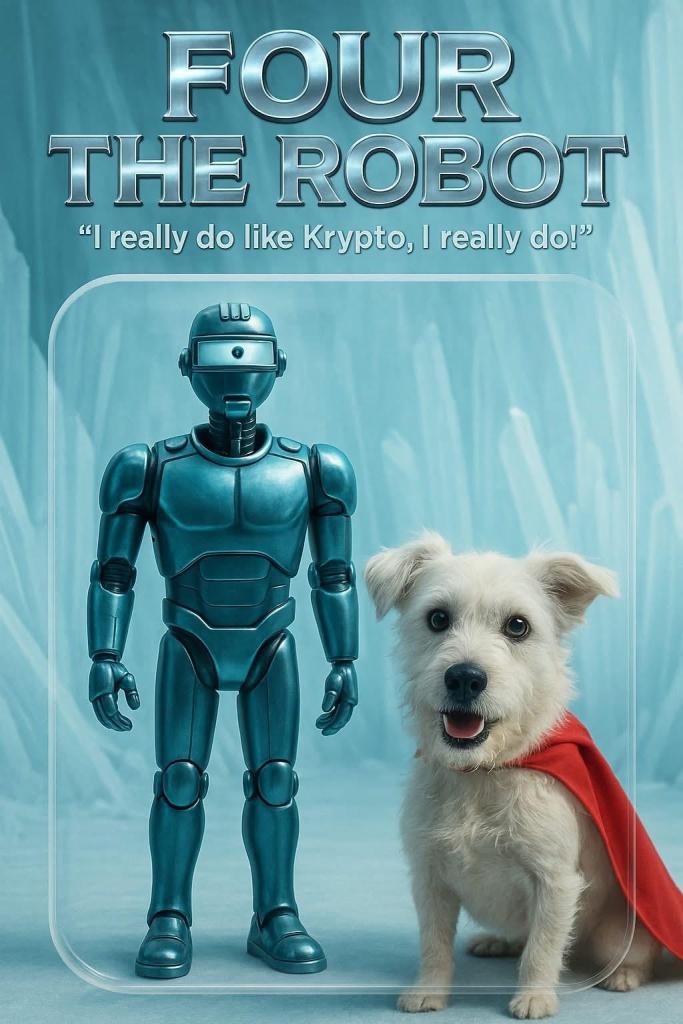
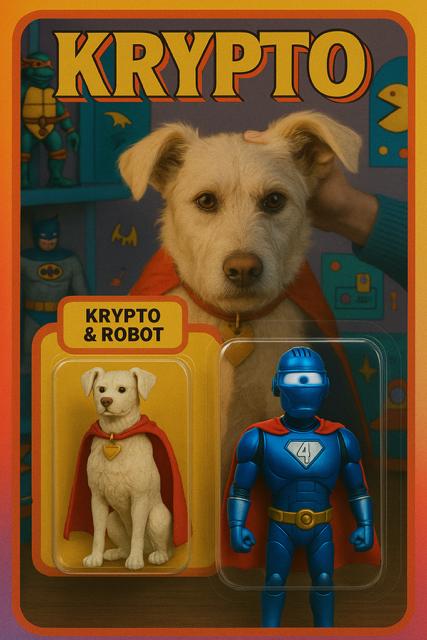
- The Krypto Factor: Perhaps the film’s most unexpected triumph is Krypto. The character serves as both a source of levity and a tether to Superman’s extraterrestrial heritage, providing a "chaos element" that prevents the film from feeling overly solemn.
The Kent Connection
The scenes involving Ma and Pa Kent represent the film’s emotional core. By focusing on the humble, agrarian upbringing of Clark Kent, the film avoids the "god complex" that has plagued recent adaptations. It reinforces the notion that Superman’s greatest superpower isn’t his flight or strength—it is his upbringing.
Official Responses and Critical Reception
Early responses from critics and legacy fans alike emphasize the film’s return to "wholesome heroism." James Gunn’s direction has been lauded for its precision and warmth, specifically his refusal to race from set piece to set piece.
However, the film is not without its controversies. A specific scene near the conclusion—involving the introduction of a legacy character—has drawn criticism for its jarring tone. Some fans have noted that the character’s behavior felt fundamentally at odds with established lore, leading to confusion regarding the broader roadmap for the DC Universe. While fans are generally willing to trust Gunn’s long-term vision, this specific moment serves as a reminder that balancing a sprawling cinematic universe is a high-wire act.
Implications: The New DC Universe
What does this film mean for the future of superhero cinema? Primarily, it signals a departure from the "deconstructionist" era of the 2010s. The industry is seeing a clear pivot toward characters who are "aspirational."

The implication is that the audience is craving sincerity. In a global climate defined by uncertainty, the return of a hero who stands for hope—and who acknowledges his own flaws while trying to overcome them—is a powerful counter-narrative. The DC Universe is now "breathing again" because it has stopped trying to apologize for its source material and has started embracing it.
The Intersection of Creativity: Action Figures and AI
Beyond the theater, the spirit of Superman is currently driving a renaissance in fan-made creativity. The rise of generative AI tools, such as ChatGPT and Microsoft Copilot, has allowed lifelong fans to interact with the character in new ways.
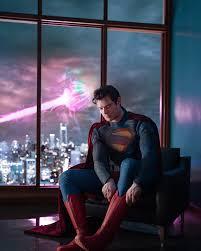
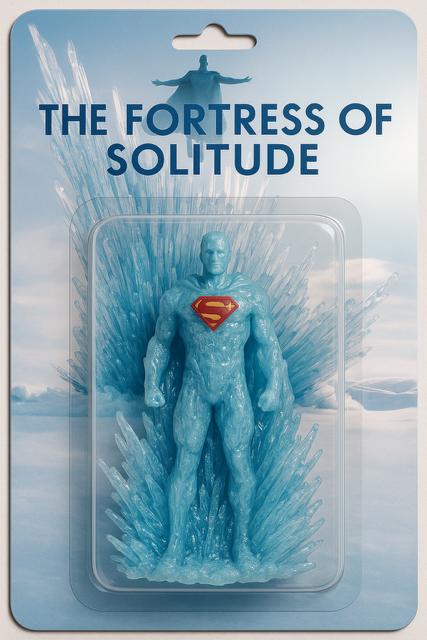
One fan-led project currently gaining traction involves the creation of bespoke action figures and narrative scenes. Using AI-generated imagery, fans are conceptualizing dioramas that place Superman in mundane, surreal, or humorous settings—such as a quiet moment in a local coffee shop or an intimate scene at the Fortress of Solitude.
The Role of Technology in Fandom
The process of creating these figures highlights a new frontier in fan engagement:
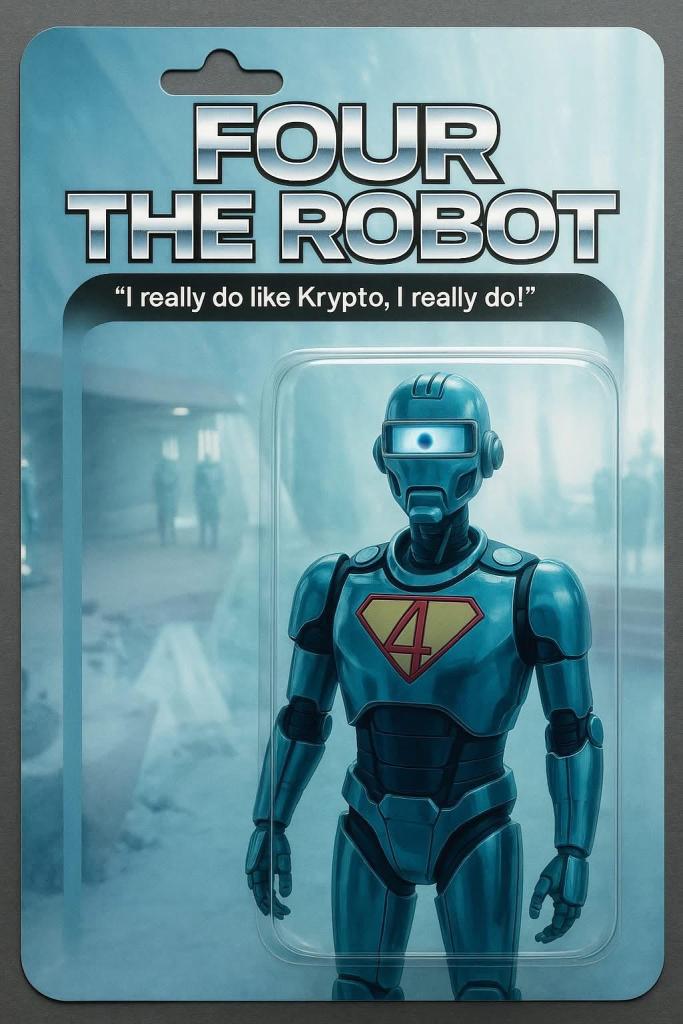
- Iterative Design: Fans are using prompt engineering to refine character placement and background textures, turning abstract ideas into tangible visual art.
- Narrative Expansion: By using AI to create backstories or "collages" of old comic strips, fans are curating a personal history of the character that feels as authentic as the studio-produced content.
- Technical Challenges: As seen in early attempts to scale characters within "bubbles" or specific frames, the process of AI-assisted art is a learning curve, emphasizing that the human element—the "why" behind the image—remains the most important part of the creation.
These creative efforts, ranging from custom merchandise to community-shared digital art, underscore a fundamental truth: Superman belongs to the people. Whether it is through a multi-million dollar film or a fan-designed action figure, the character remains a vessel for individual interpretation and collective hope.
Conclusion: A Call to "Look Up"
As we move forward into this new era of DC storytelling, the message of the film remains simple yet profound: Look up.
The 2025 Superman succeeds because it understands that the character’s value isn’t derived from his invulnerability, but from his capacity to be better. By honoring the past—from the black-and-white reruns of the 50s to the expansive comics of the modern age—Gunn has laid a foundation that is both nostalgic and forward-thinking.
For the lifelong fan, the experience of seeing this film is a reminder that some icons are truly timeless. They don’t need to be broken down and rebuilt; they simply need to be understood for what they have always been: symbols of the best version of ourselves. With the DC Universe entering a new chapter, the promise of more, deeper, and more meaningful stories feels closer than ever.
Remember: stay through the credits. There is a small, lighthearted bonus waiting that perfectly encapsulates the spirit of this new beginning—a reminder that even when the world is saved, there is always room for a little fun. The Man of Steel is back, and he is here to stay.
