

The Ghost in the Machine: Navigating the Perils of Unchecked AI Automation in MarTech
The digital landscape is currently witnessing a strange, paradoxical phenomenon: marketing technology is becoming exponentially more efficient at the task of contacting customers, yet increasingly incapable of connecting with them.
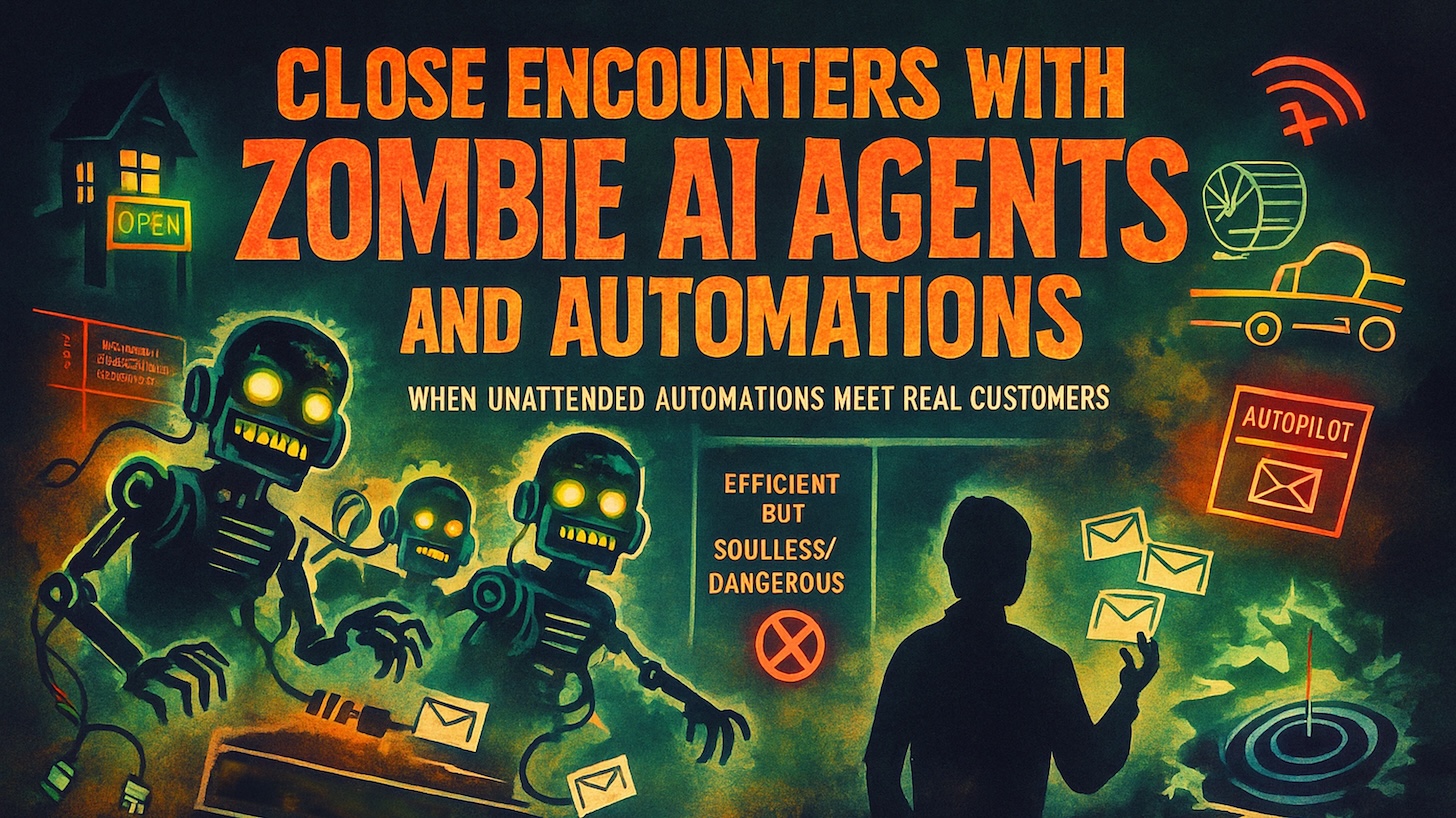
The lights are on, but nobody is home. The engine is running, but no one is behind the wheel. We are entering an era of "Zombie Automations"—complex, AI-driven workflows that operate with clinical precision, yet lack the fundamental human oversight required to navigate the nuanced realities of customer relationships. As businesses rush to integrate generative AI and autonomous agents into their tech stacks, a critical question emerges: Are we building robust marketing ecosystems, or are we simply constructing sophisticated traps that frustrate our most valuable prospects?
The Efficiency Trap: A Structural Breakdown
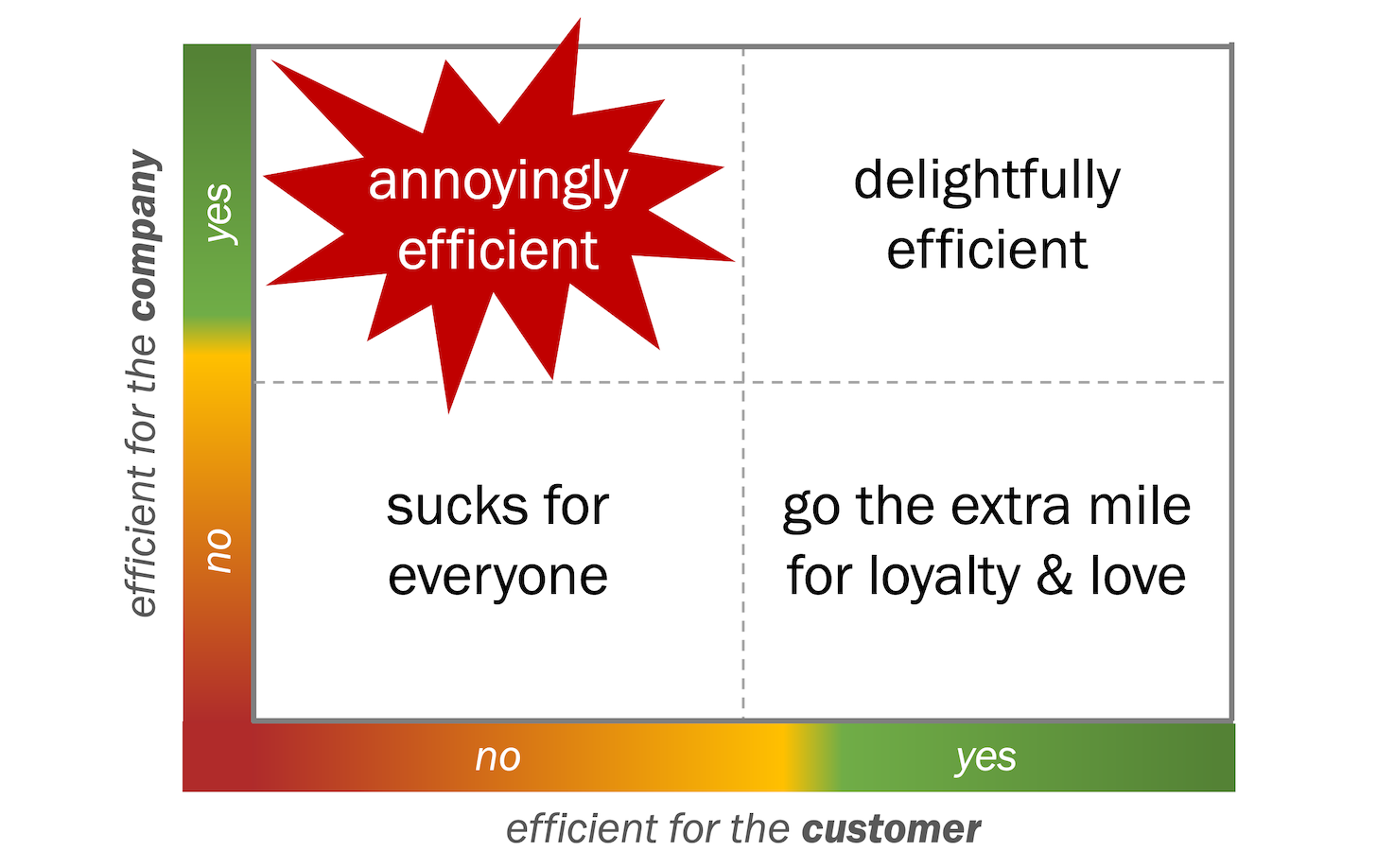
In the modern MarTech stack, efficiency is often measured by the speed of outreach and the reduction of manual labor. However, a recent analysis of current industry trends suggests that companies are frequently trapped in the "annoyingly efficient" quadrant—a state where internal operations are optimized for volume, but the actual customer experience is left to decay in the hands of unmonitored algorithms.
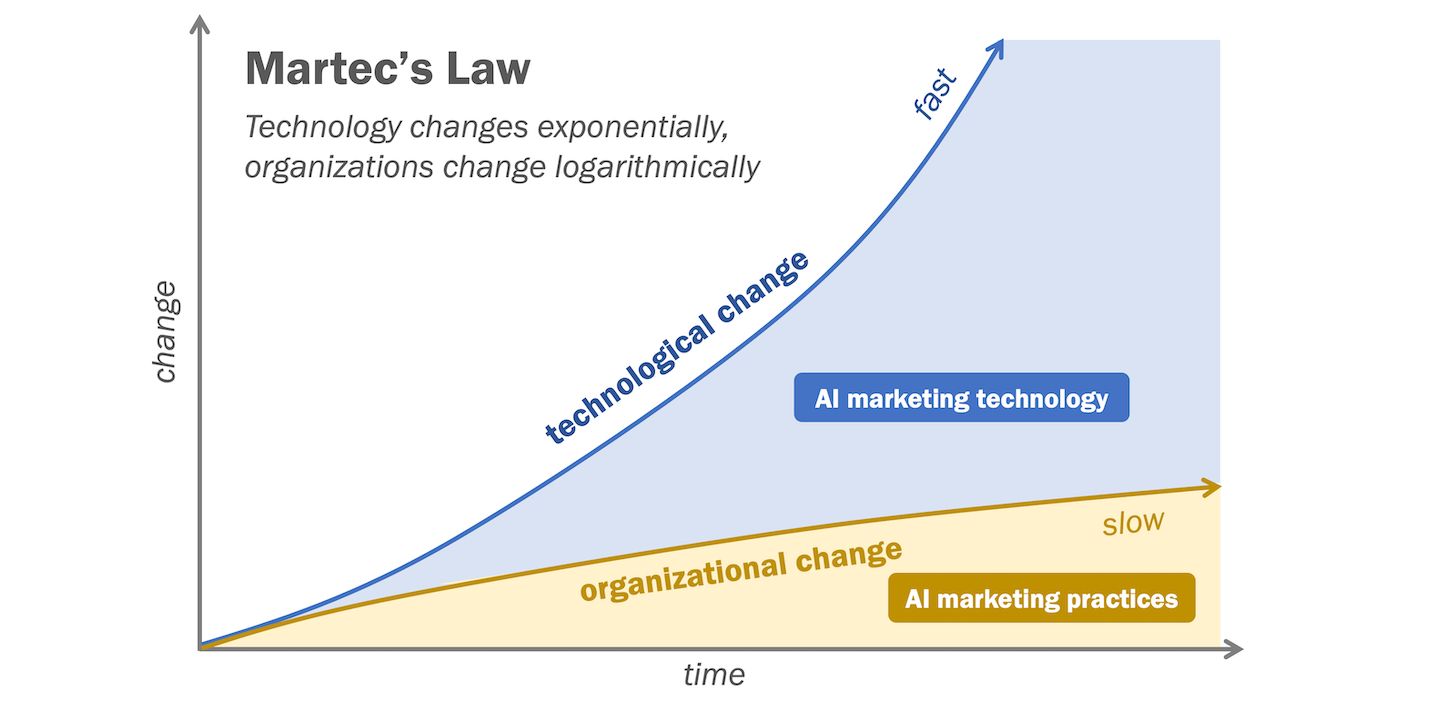
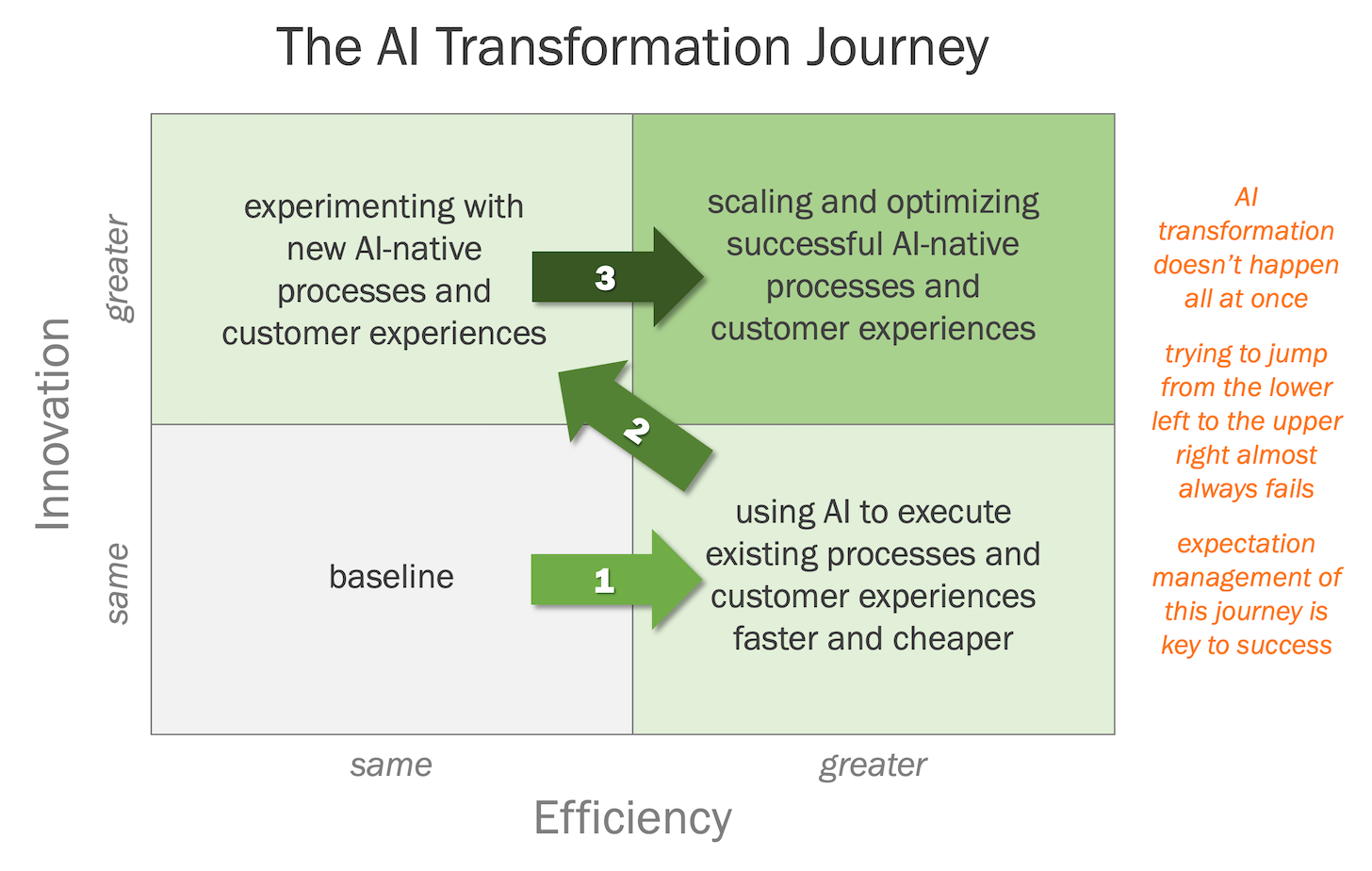
This issue is not merely a technical glitch; it is a symptom of a broader misalignment between rapid technological adoption and slow organizational change. When companies prioritize the "Move Fast and Break Things" mantra over "Go Slow to Go Fast," they often overlook the fragility of their own automated infrastructure.
Chronology of a Failed Connection: Two Case Studies
To understand the scope of this issue, we must examine two distinct, real-world failures in customer engagement that illustrate how even top-tier marketing organizations are struggling to maintain the "human-in-the-loop" requirement.
The Black Hole of Customer Service
In the first instance, a SaaS provider successfully deployed an automated onboarding sequence. The emails were timely, relevant, and well-crafted. However, when the user reached out for billing support via the provided contact channel, they hit a wall.
- Day 1: Inquiry sent to the designated support alias. No acknowledgment.
- Day 2: Follow-up inquiry sent. Still no acknowledgment.
- Day 3: The system continues to fire off cheerful, automated onboarding emails, completely oblivious to the active, unanswered support ticket.
- Day 4-7: Further attempts to reach a human remain unreciprocated, despite the user cross-referencing help documentation and FAQs.
The result is a classic case of routing failure. Whether it is an LLM erroring out, a misconfigured RAG (Retrieval-Augmented Generation) lookup, or an understaffed inbox, the automation failed to escalate the user’s distress, creating a jarring dissonance between the company’s brand image and the reality of its support infrastructure.
The Hallucinating SDR
In a second scenario, a B2B vendor utilized an AI-powered Sales Development Representative (SDR) to initiate outreach. The initial email was highly sophisticated, demonstrating genuine hyper-personalization that surpassed standard template-based marketing.
However, the breakdown occurred when the human recipient engaged. The AI, designed for initial contact, failed to recognize the nuance of the response. Instead of facilitating a dialogue, the system:
- Ignored the user’s self-disqualification.
- Forced the user into a generic, non-sequitur sales sequence.
- Utilized inaccurate, cross-contaminated data, leading to the use of an incorrect company name in the follow-up messaging.
This reveals a "split-brain" architecture: the AI agent that sent the first message and the legacy automation sequence that handled the follow-up were effectively strangers, possessing no shared memory or integrated logic.
Supporting Data and The "MarTech’s Law" Corollary
The root cause of these failures can be traced back to MarTech’s Law: Technology changes quickly, but organizations change slowly.
Data from recent industry surveys suggests that while 70% of marketing leaders are prioritizing AI adoption, less than 30% have established formal governance frameworks to monitor these agents once they are deployed. The cost of this oversight is significant. When automated agents operate without human supervision, they suffer from "Data Drift" and "Sequence Entropy," where the logic governing the customer journey becomes detached from the actual business goals or the customer’s current lifecycle stage.
Furthermore, the "AI Tell"—the near-instantaneous response time of generative agents—is becoming a recognized signature. While customers may initially appreciate the speed, the lack of follow-up depth erodes trust. Research indicates that when an automated interaction fails to resolve a request, the churn rate for that specific customer increases by 40% compared to those who have a successful human-assisted interaction.
Official Perspectives and Industry Governance
While companies are rarely transparent about internal automation failures, industry analysts and MarTech architects are beginning to sound the alarm.
The consensus among experts is that we are in a "wild west" phase of AI implementation. The current recommendation for leadership is to implement "Test Harnesses"—a series of repeatable, automated audits that check whether an AI agent is staying within its operational bounds.
Furthermore, many organizations are now advocating for a "Human-in-the-Loop" (HITL) mandate, where any AI-generated communication that initiates a high-value interaction must be flagged for human review if the recipient responds. This shift is not about removing AI; it is about "Orchestration"—the ability to manage the handoff between machine efficiency and human empathy.
Strategic Implications: Moving Toward "Human-Centric" AI
To avoid these outcomes, marketing leaders must pivot their strategy toward a more disciplined, governed approach. The following pillars represent the necessary evolution for MarTech teams:
1. The Laboratory vs. The Factory
Organizations must maintain a strict separation between the Laboratory (where experimental AI agents are tested) and the Factory (the production environment serving live customers). "Lab leaks"—where experimental code or unvetted agents accidentally reach real prospects—are a growing source of brand damage.
2. The "Secret Shopper" Mandate
If you are not regularly "secret shopping" your own automated journeys, you are flying blind. This process must involve external parties who are not indoctrinated in the company’s internal logic. Only an outside perspective can truly identify when an automation feels "robotic" or "tone-deaf."
3. Total Inbox Integration
A critical error in the discussed cases was the siloed nature of the SDR AI and the CRM automation engine. Moving forward, companies must ensure that if a rep’s name is used, the system must have a "fail-safe" loop. If a recipient replies, the AI must pause, and the human must be notified. Using a human’s name without giving them the visibility to intervene is not just poor marketing; it is a liability for the individual’s professional reputation.
4. Governance as a Competitive Advantage
As AI becomes a commodity, the ability to govern it will become a differentiator. Companies that can demonstrate a "Human-Verified" badge on their interactions will build more trust than those using "Black Box" automation.
Conclusion
The promise of AI in MarTech is not the replacement of the human, but the augmentation of the human’s ability to serve the customer. We are currently in a phase of transition, grappling with the "herding cats" nature of autonomous systems.
To succeed, organizations must move beyond the allure of "hyper-efficiency" and embrace the complexity of their own ecosystems. By implementing rigorous governance, maintaining human oversight, and ensuring that no automation is ever truly "set and forget," marketers can move from the era of the Zombie Agent to an era of truly intelligent, helpful, and respectful customer engagement. The future of MarTech is not just about moving faster—it is about ensuring that when we do arrive, we are still human.
