

The Art of the Click: Mastering the Science of High-Impact Blog Post Titles
In the competitive digital ecosystem, where attention spans are measured in milliseconds and content saturation is at an all-time high, the fate of a blog post is often sealed before a reader even reaches the first paragraph. A headline is not merely a label; it is a gateway, a promise, and a strategic asset. While the body of an article provides the value, the title provides the invitation. If the invitation fails to intrigue, the value remains undiscovered, relegated to the digital graveyard of neglected archives.
Crafting the perfect title is both an art form and a psychological science. It is the single most important element of your content strategy because it dictates whether your work will resonate across social networks and search engines or remain invisible to your target audience.
The Anatomy of Influence: Why Titles Define Success
Your headline serves as the primary touchpoint across multiple platforms. Whether it appears in an RSS feed, a Google search results page, or a curated social media feed, it is the sole representative of your effort. A lackluster, overly complex, or confusing title renders even the most brilliant content ineffective.
The legendary advertising pioneer David Ogilvy, often cited as the father of modern copywriting, famously asserted that "the purpose of a title is to get potential readers to read the first line of your content." This principle holds as true for modern blogging as it did for mid-century print advertisements. When you view your title through this lens—as a bridge rather than a summary—you shift your focus from merely describing your content to actively compelling the reader to engage with it.
The Strategic Blueprint: 8 Pillars of Magnetic Titles
While there is no "magic bullet" that guarantees viral success, there are established frameworks that consistently outperform generic headlines. Below are eight proven strategies to elevate your content’s visibility.

1. The Value Proposition: Communicate a Clear Benefit
The most effective headlines promise a tangible solution to a specific problem. When a reader scans a search result, they are asking, "What is in this for me?" By explicitly stating the benefit—such as "How to Master Digital Photography" or "10 Ways to Double Your Productivity"—you cater to the reader’s intent. These titles are not cryptic; they are functional. They signal to the reader that their time investment will yield a measurable return.
2. The Power of Polarization: Creating Controversy
Human beings are wired to respond to debate. A headline that challenges conventional wisdom or takes a firm stance on a polarizing topic naturally attracts attention. However, this strategy requires caution. You must be prepared to substantiate your position with high-quality, reasoned content. Controversy without substance is merely clickbait; controversy supported by expertise, however, builds authority and drives engagement.
3. The Interactive Hook: Asking Questions
Questions are psychological triggers. When a headline asks, "Are you making these common SEO mistakes?" the reader is compelled to seek the answer. This format is particularly effective for driving comments, as it invites the reader to join a conversation rather than passively consume information.
4. The Power of Personalization
Despite writing for a global audience, the most successful blogs feel like a one-on-one conversation. Using the word "you" or "your" in a title bridges the gap between the writer and the reader. It transforms a broad topic into a personal experience. For instance, "Strategies for Better Writing" is informative, but "Strategies to Improve Your Writing Today" is actionable and personal.
5. SEO Integration: The Technical Edge
Keywords are not just for search engine algorithms; they are for human clarity. When you include relevant keywords in your title, you are signaling to search engines what your content is about while simultaneously helping readers identify the subject matter instantly. For optimal results, place your primary keyword toward the beginning of the title to ensure it remains visible in truncated search results.

6. Leveraging Power Words
Certain words carry emotional weight that can stimulate a stronger response from readers. Terms such as "Ultimate," "Essential," "Proven," or "Surprising" act as catalysts for clicks. However, they must be used with discretion. Overusing superlative language can lead to skepticism. If a title promises the "Ultimate Guide" but delivers a thin, superficial article, you damage your credibility and increase your bounce rate.
7. The Art of the Bold Promise
Similar to communicating a benefit, a bold claim takes the strategy a step further by offering a transformative result. These headlines often focus on outcomes, such as "How to Build a Six-Figure Business from Scratch." These titles work because they tap into the reader’s aspirations. The caveat, as always, is the "delivery requirement": the body of the post must thoroughly support the magnitude of the headline’s promise.
8. The Humorous Approach
Humor is a high-risk, high-reward strategy. A witty, clever, or funny title can make your content stand out in a sea of dry, instructional posts. The risk, however, is that humor is subjective and often fails to convey the actual topic of the post, which can negatively impact SEO. Use humor only when it aligns with your brand voice and does not sacrifice the clarity of the message.
Chronology of Content Optimization
For bloggers and content creators, the process of title creation should never be an afterthought. It is a critical phase of the editorial workflow.
- Drafting Phase: Create a list of 5–10 potential titles before writing the post. This allows you to explore different angles—question-based, benefit-driven, or listicle-style.
- Refinement: Select the most compelling option and apply the principles of brevity. Most search engines truncate titles after approximately 60–65 characters. Keep your core message within this "safe zone."
- Review: Remove unnecessary punctuation, such as full stops at the end of a title. Modern web writing suggests that clean, uncluttered titles maintain the reader’s momentum, encouraging them to flow seamlessly into the opening paragraph.
Supporting Data and Industry Implications
Recent trends in digital marketing indicate that list-based titles (e.g., "7 Ways to…") continue to perform exceptionally well, largely because they signal to the reader that the content is structured and easy to digest. Furthermore, the rise of "User Intent" optimization—matching titles to exactly what users type into search bars—has made keyword-conscious titling more vital than ever.
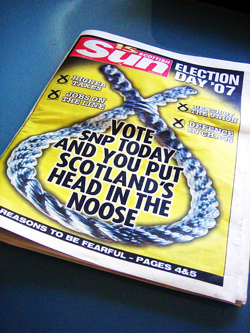
The implications for content creators are clear: the era of the "clever" but vague title is over. Today, clarity is king. If a reader cannot determine what a post is about within a second of seeing the title, they will move on.
Official Responses and Expert Consensus
Industry experts consistently echo the importance of "don’t rush." Many bloggers treat the title as a placeholder, filling it in five seconds before hitting "publish." This is a fundamental mistake. A significant portion of your time—perhaps even 20–30% of the time you spend on the post itself—should be dedicated to refining the title.
As digital consumption patterns continue to evolve, the consensus among professional copywriters is that testing is essential. Tools that allow for A/B testing of headlines have proven that even small changes in word choice can lead to significant variances in click-through rates (CTR).
Conclusion: The Final Verdict
Your blog post title is your most powerful marketing tool. It is the headline of your own personal newspaper. By slowing down, investing time in the crafting process, and applying these eight strategic principles, you can transform your content from a passive entry in your archives into a dynamic, traffic-driving asset. Remember: do not rush the process. Your content deserves the best possible entry point, and your readers deserve a title that respects their time and intelligence.
