

The Architecture of Ambiguity: Why Modern Digital Trading Demands Linguistic Precision
In the high-stakes ecosystem of programmatic advertising, precision is the primary currency. Yet, as the industry evolves, professionals are finding that the most effective strategies often rely on a paradoxical foundation: the use of "loose language." Much like a complex puzzle where the most obvious connections are designed to mislead the solver, the modern digital marketplace is a landscape of sixteen disparate terms—four distinct groups waiting to be categorized. For the uninitiated, the tiles appear to be simple "website furniture," yet they are anything but.
This article explores the intricate mechanics of digital trading, the linguistic traps inherent in the industry’s lexicon, and why mastering the nuance between "precise work" and "loose language" is now the defining skill of the modern media buyer.
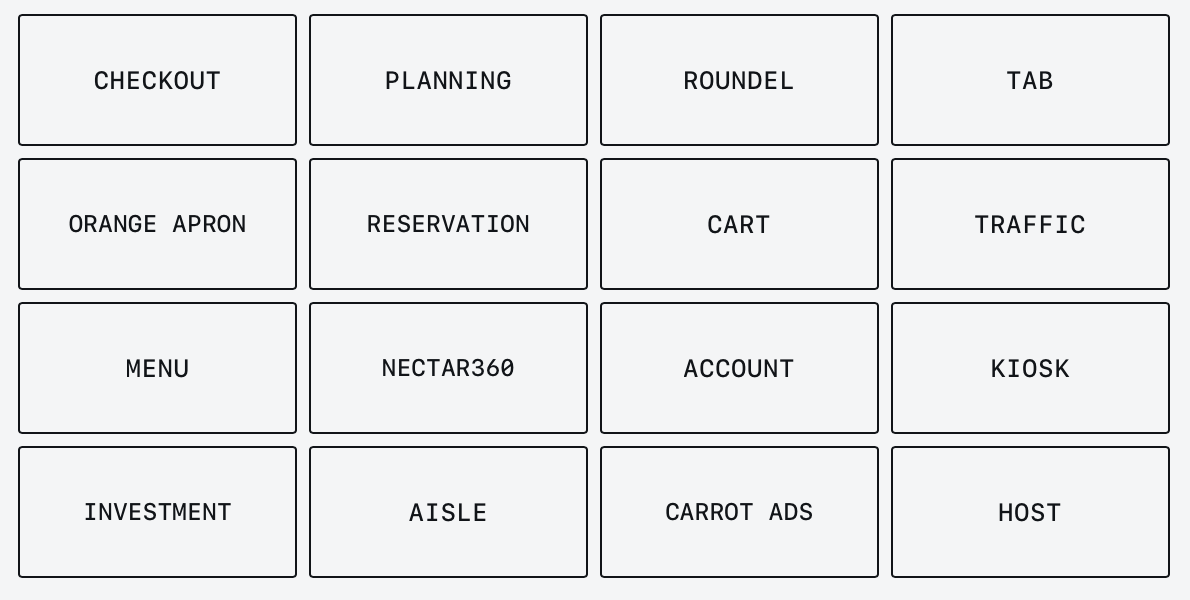
The Illusion of Obviousness: A Taxonomy of Industry Jargon
In any given trading environment, the temptation is to group terms based on their surface-level associations. We see keywords like "supply path," "bid request," "latency," and "auction dynamics" and instinctively reach for standard operational definitions. However, as in any high-level logic game, the most obvious grouping is almost invariably the wrong one.
The "furniture" of the digital web—the tags, the pixels, the SDKs, and the headers—often hides the underlying complexity of the auction. When a marketer looks at a supply path, they are looking at a series of pipes, yet the language used to describe these pipes is often intentionally vague. We speak of "transparency" while operating in a black box. We use terms like "premium direct" or "auction-priced" as if they are static labels, when in reality, they are fluid descriptors subject to the whims of real-time bidding (RTB) algorithms.
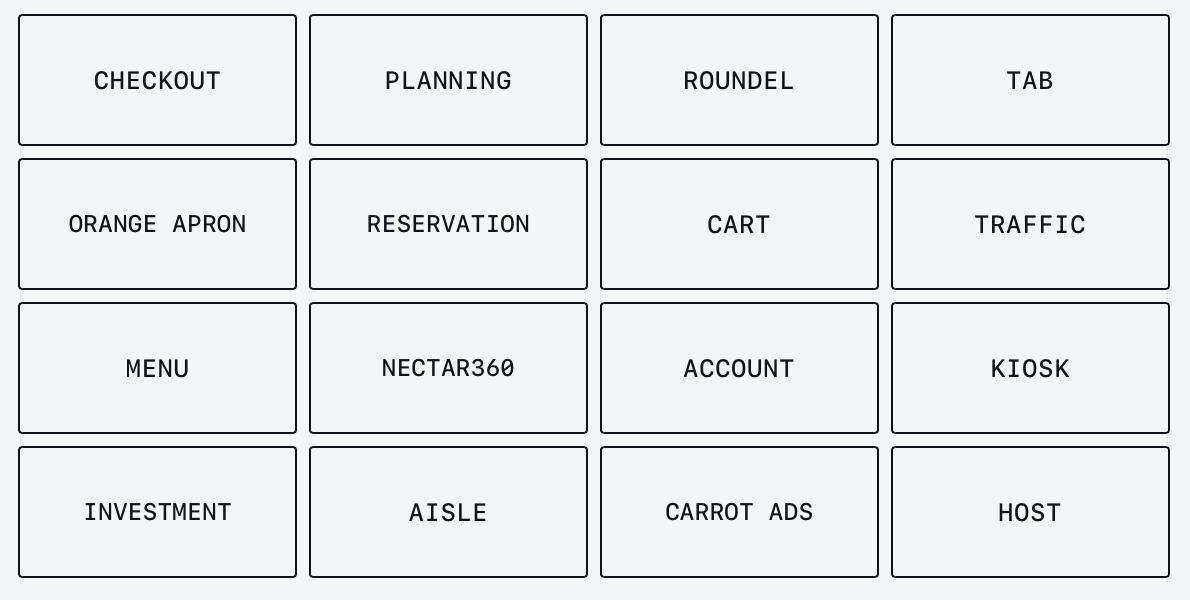
This linguistic looseness is not an accident. It is a feature of a marketplace that thrives on arbitrage and information asymmetry. To succeed, one must treat the industry’s vocabulary as a set of variables rather than constants.
Chronology of a Market Shift: From Static to Fluid
To understand how we arrived at this state of "precise work in loose language," we must trace the evolution of the programmatic stack over the last decade.

- 2018–2020: The Era of Transparency Mandates. The industry moved toward Supply Path Optimization (SPO) in a bid to prune the "middlemen." This was the first major attempt to bring rigor to the terminology.
- 2021–2023: The Rise of Walled Gardens and CTV. As media spend migrated toward Connected TV, the old definitions of "inventory" broke down. The "language" of broadcast TV—spots, reaches, and impressions—was forcibly merged with the language of digital—clicks, conversions, and attribution. This created a period of significant semantic drift.
- 2024–Present: The Algorithmic Reality. Today, we are in an era where AI-driven agents negotiate the majority of trades. These agents do not care about the "furniture" of the web; they care about the mathematical probability of a conversion. The language we use to describe these trades has become increasingly abstract, reflecting the fact that the human trader is now an architect of parameters rather than a manual bidder.
Data-Driven Disconnects: Where the Logic Fails
Supporting data from recent industry audits highlights the disconnect between nomenclature and reality. For instance, recent studies on CTV supply paths suggest that while 98% of audited spend might be classified as "premium direct," the actual path from advertiser to publisher often involves multiple hops that violate the traditional understanding of a "direct" relationship.
Similarly, in the realm of retail media, IAB findings indicate that nearly 43% of buyers feel they are underusing in-store media channels. Why? Because the language used to sell in-store inventory doesn’t map cleanly onto the digital metrics they are accustomed to. The "tags" used in a retail environment don’t behave like the "tags" on a webpage. When the labels are the same but the functions are different, the industry experiences a logic failure—a failure that costs millions in misallocated budgets.

Official Responses and Industry Perspectives
The trade bodies are acutely aware of this semantic crisis. In recent sessions, stakeholders from both the buy-side and sell-side have called for a "standardization of nomenclature."
"We are currently operating in a Tower of Babel," says one lead analyst from a prominent ad-tech audit firm. "When we audit a site’s sitemap and find that 62% fail basic linting checks, we aren’t just looking at broken code. We are looking at a broken language. The developers are speaking one dialect, the marketers another, and the algorithms are speaking a third. Until we align our vocabulary, we will continue to see high levels of waste."

Regulatory bodies, particularly in the UK and Japan, have also entered the fray. The push for "web disclosures" in AI training data is, at its core, a demand for linguistic precision. If an AI is going to scrape and utilize data, the definitions of "consent," "ownership," and "fair use" must be legally ironclad. The "loose language" of user agreements is no longer sufficient to satisfy the requirements of modern governance.
Implications: The High Cost of Ambiguity
What are the implications of failing to bridge this gap?

- Budgetary Leakage: When the language used to define a bid is not perfectly understood by the supply-side platform, the result is often inefficient clearing prices.
- Compliance Risks: As seen in the recent legal battles regarding ad-tech damages (with claims reaching into the billions), vague definitions in contracts can lead to catastrophic litigation. If you cannot define what a "valid impression" is, you cannot accurately calculate "damages."
- The AI Gap: As we move toward a future dominated by AI agents, the precision of our prompts and the clarity of our definitions will determine the efficacy of our campaigns. An AI can execute a task with superhuman speed, but it can only do so within the bounds of the language we provide. If our language is "loose," the AI’s execution will be equally imprecise.
Moving Toward Linguistic Rigor
The challenge for the next three years—leading into 2027—is to move from the current state of ambiguity to a state of semantic accountability. This doesn’t mean the industry should become rigid; the flexibility of programmatic advertising is its greatest strength. Rather, it means that the definitions underlying our trades must be as robust as the infrastructure supporting them.
For the marketer, the path forward is clear:
- Audit your definitions: Before launching a campaign, ensure that every term in your RFP has a singular, agreed-upon definition with your partners.
- Look beyond the "furniture": Don’t be fooled by the standard metrics. Dig into the raw data. If a channel is labeled "premium," verify the path, not just the label.
- Invest in technical literacy: The most successful traders of 2027 will not just be media experts; they will be experts in the language of the machine.
As we continue to navigate this complex environment, let us remember that while our work may involve "loose language," the goal is absolute precision. By tightening our vocabulary, we can stop playing the game of mismatched tiles and start building a more efficient, transparent, and profitable digital future.
Newsletter Subscription
Every morning, get a curated digest of the last 24 hours in programmatic advertising. Join the thousands of industry professionals who rely on our insights to stay ahead of the curve. [Subscribe here].
