
Scoring Big on Social: What World Cup Data Teaches Us About Winning Video Strategies
The FIFA World Cup remains undisputed as the most-watched sporting event on the planet. When the tournament kicked off across host cities in Canada, Mexico, and the United States, brands, media powerhouses, and independent creators alike scrambled to capture a slice of the unprecedented cultural engagement flooding social media platforms.
In a digital ecosystem where billions of people are simultaneously competing for fleeting consumer attention, how do you break through the noise? To find out, industry analysts examined comprehensive North American creator data from recent tournament cycles. The resulting insights offer a gold-medal blueprint for crafting high-impact social video strategies, proving that succeeding in major cultural moments requires far more than just hitting record.
Main Facts: The Anatomy of World Cup Digital Engagement
The data reveals a shifting landscape in how major sporting events are consumed and leveraged online. While traditional sports broadcasters maintain massive infrastructure and steady viewer pipelines, independent creators are redefining the boundaries of reach and influence.
The single most-viewed social video in North America during the tournament did not originate from legacy media giants like ESPN or Fox Sports. Instead, it came from internet personality iShowSpeed, whose raw, unfiltered reaction reel to an Argentina versus Cape Verde match amassed an astonishing 240 million views.
However, looking at raw view counts tells only part of the story. A deep dive into platform analytics reveals distinct truths about content efficiency, cross-industry participation, optimal duration, and scheduling precision. To win the digital arena, content creators must look past surface-level metrics and align their strategies with actual audience behavior.
Chronology: The Evolution of Live-Event Social Hijjacking
Understanding how the World Cup transformed into a year-round digital marketing phenomenon requires looking at how content deployment has evolved over recent tournaments:
- Pre-Tournament Phase (Months to Weeks Prior): Brands and creators begin mapping out content calendars, identifying crossover themes, and securing rights or planning derivative content (such as travel guides to host cities in North America).
- Kickoff and Group Stages (The Opening Weeks): Traditional media outlets dominate early volume, pushing match highlights, expert analysis, and studio commentary. Simultaneously, independent influencers capture the emotional, unpredictable fan reactions that often outperform polished broadcasts.
- The Cultural Creep (Mid-Tournament): Non-endemic brands—spanning food and beverage, fashion, and lifestyle—fully integrate tournament themes into their feeds. Tailgating recipes, nation-specific culinary spotlights, and travel vlogs capture audiences looking for lifestyle angles rather than tactical play-by-plays.
- Knockout Rounds and Finals (The Climax): Engagement peaks globally. Posting schedules shift dramatically as international time zones collide with domestic scrolling habits, forcing creators to rely on analytics-driven timing rather than conventional publishing hours.
- Post-Tournament Analysis: Media companies and brands audit their performance data, realizing that editorial authority combined with strategic video length and data-backed scheduling yields the highest long-term return on investment (ROI).
Supporting Data: What the Analytics Reveal
Data analytics from platforms like TikTok and Instagram paint a clear picture of what drives performance during major global spectacles. Creators who ignore these metrics often find their content lost in the digital ether.
1. Quality Over Quantity: The Efficiency of Editorial Authority
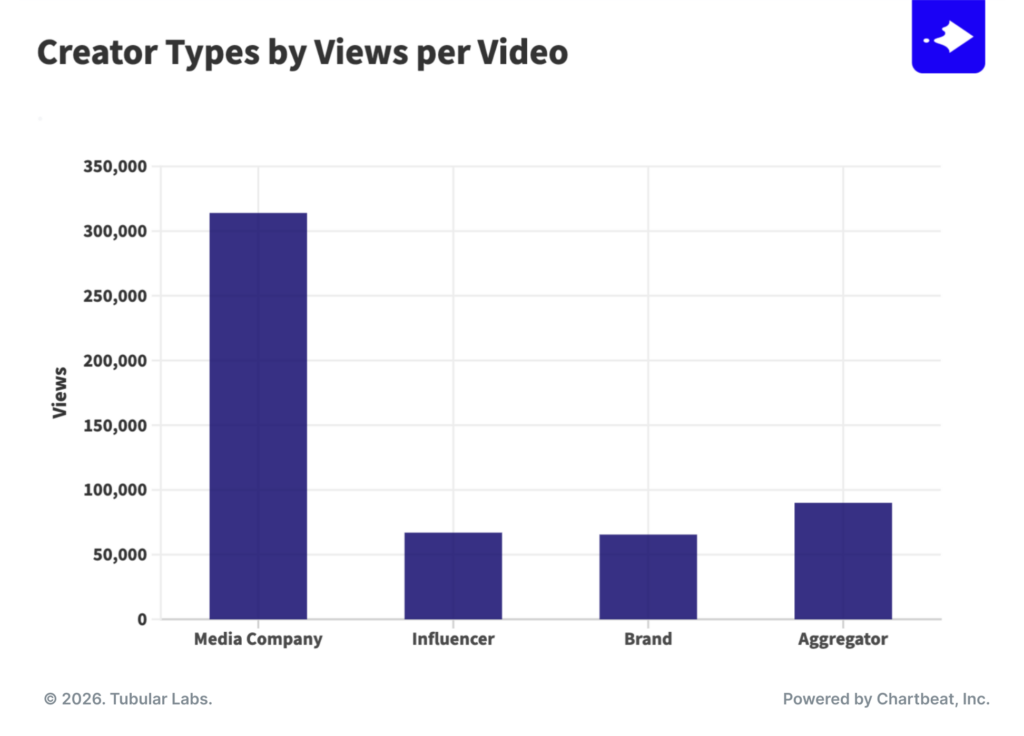
While high-volume posting can drive baseline reach, editorial-led videos offer superior efficiency. Major media organizations and established creators leverage their name recognition and distribution infrastructure as a force multiplier in a saturated market. Even though independent influencers can capture massive lightning-in-a-bottle moments (as seen with viral reaction videos), legacy names retain structural advantages when consistency is required.
2. Diversifying Categories: Sports Is Just the Beginning
With 48 national teams battling on the pitch, the World Cup transcends sports, functioning as a massive global cultural phenomenon. While sports media naturally claims the highest total view counts, brands across completely unrelated categories successfully adapted the moment for their own audiences.
The Food & Drink sector serves as a prime example. Creators in this space bypassed traditional game analysis entirely, focusing instead on universally relatable content:
- Matchday cocktail recipes and custom drink pairings.
- Ultimate tailgating and watch-party snack guides.
- Culinary deep-dives highlighting the traditional foods and street cuisines of the nations competing in the tournament.
By translating the global spirit of the event into digestible, category-specific formats, non-sports creators captured audiences who were invested in the cultural celebration rather than just the scoreline.
3. Sizing Up Content: Matching Video Length to Viewer Habits
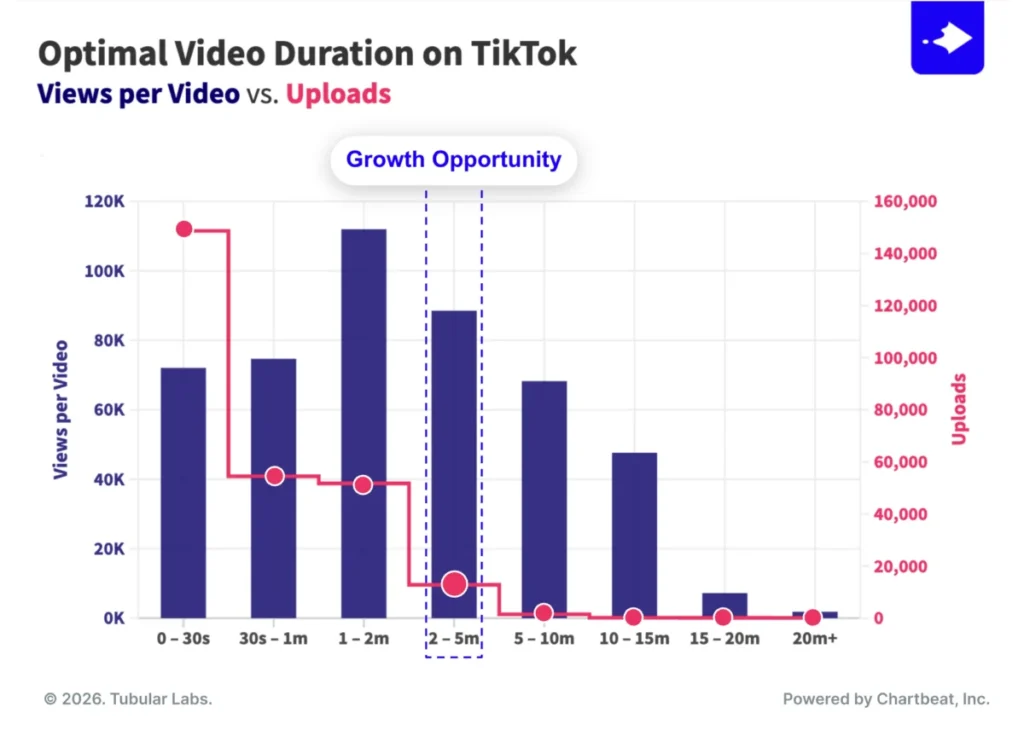
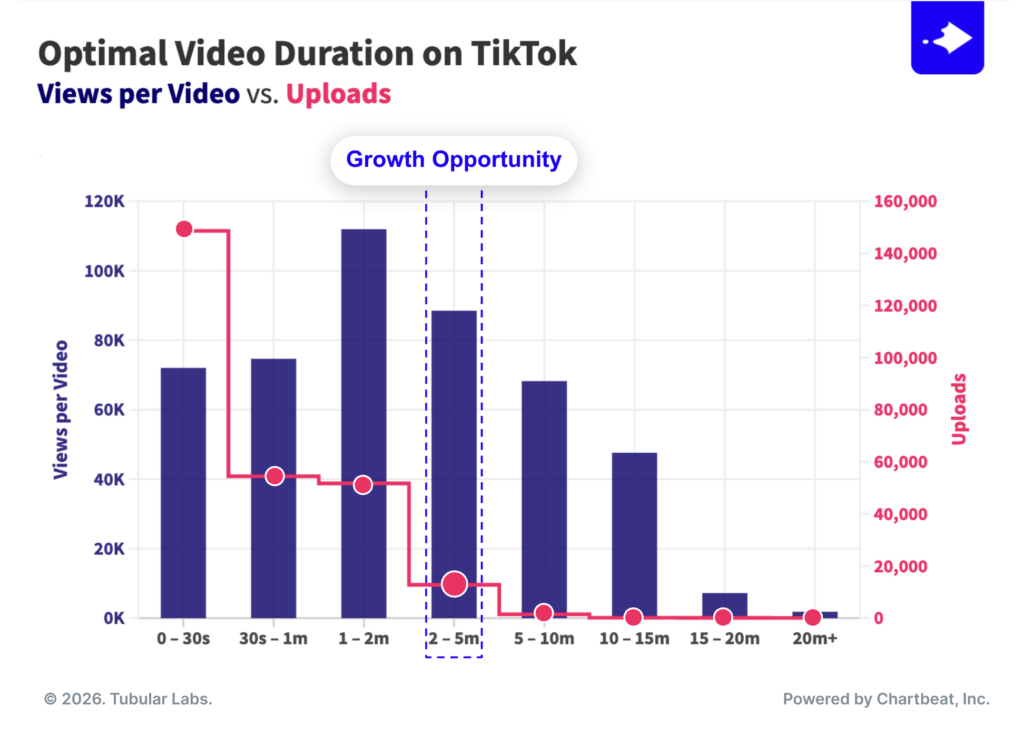
Audience retention is intimately tied to video duration. Relying on guesswork regarding how long a viewer will stay on a clip is a surefire way to kill engagement. Platform data indicates clear sweet spots for optimal video length on short-form platforms like TikTok during major events. Creators who tailor their narrative arcs to match these empirical preferences consistently see higher completion rates and algorithmic favorability.
4. Decoding the Clock: When to Post Versus When They Watch
One of the most eye-opening revelations from Instagram data is the persistent disconnect between when creators think they should post and when audiences are actually scrolling. Because global tournaments span multiple time zones, local publishing habits often fail to sync with peak viewer attention spans.
Auditing historical video performance allows digital strategists to uncover "whitespace opportunities"—periods characterized by high audience engagement but low creator competition. Posting during these windows lets brands bypass peak noise and capture fresh, active eyeballs.
Official Responses and Industry Reactions
Digital strategists, media executives, and influencer managers have weighed in heavily on how data-driven insights are reshaping modern content creation.
"The days of simply slapping a tournament hashtag on a generic post and hoping for the best are officially over," notes a leading social media strategist. "Audiences are hyper-selective. Whether you’re a multi-national broadcaster or a solo creator in your kitchen, you have to respect the data—from the exact seconds of your video length to the minute you push ‘publish’."
Broadcasters have also had to adapt to the agile nature of independent creators. While legacy networks invest heavily in high-production live rights, they increasingly partner with or mimic the raw, authentic style popularized by top-tier influencers to maintain viewer trust on social channels. Meanwhile, non-endemic brands report that cultural event-jacking yields some of the highest engagement rates of their annual fiscal calendars, provided the content feels authentic to their brand identity.
Implications: How to Win the Moment in a Saturated Ecosystem
As digital ecosystems become increasingly crowded, the takeaways from major global events like the World Cup offer a definitive roadmap for future cultural moments—whether it’s the Olympics, international music festivals, or major political milestones.
- Embrace Cross-Category Relevance: You do not need to be a direct competitor in the primary niche to join a cultural conversation. Find the natural overlap between your industry and the global event, and tailor an angle that speaks directly to your unique community.
- Let Data Dictate Execution: Eliminate assumptions. Use robust analytics tools to determine the ideal video length, format, and pacing that keeps your specific audience engaged from the first second to the last.
- Master the Timing Disconnect: Do not default to standard office hours for publishing. Audit your analytics to find out when your target demographic is actually active on their feeds, and capitalize on low-competition whitespace windows.
- Balance Scale with Authenticity: While high-volume distribution and editorial authority help amplify reach, authentic connection drives engagement. Pair professional infrastructure with relatable, human storytelling.
Knowing your audience intimately is the ultimate prerequisite for surviving and thriving during major cultural phenomena. By leveraging advanced social video intelligence and data-backed strategies, brands and creators can ensure they never miss an opportunity to capture attention when the world is watching.
