

The Pulse of Performance: Mastering Social Media Engagement in 2026
In the hyper-competitive digital landscape of 2026, the metrics that define success have shifted from simple vanity numbers to deep, actionable insights. Social media engagement—the aggregate of likes, shares, comments, saves, and direct messages—has evolved from a secondary "nice-to-have" metric into the primary barometer for brand health, algorithmic visibility, and revenue growth.
As platforms like Instagram, TikTok, and LinkedIn continue to refine their recommendation engines, brands that fail to foster genuine interaction risk being relegated to the bottom of the feed. Understanding how to measure, analyze, and catalyze this engagement is no longer just a marketing task; it is a fundamental business imperative.

Decoding Engagement: The Currency of Connection
Social media engagement is the quantitative evidence that your content is not just being seen, but felt. It is the bridge between a passive impression and an active relationship. While a "like" serves as a quick acknowledgment of content resonance, more profound interactions—such as comments, saves, and shares—signal to platforms that a post provides enough value to warrant wider distribution.
The Anatomy of Interaction
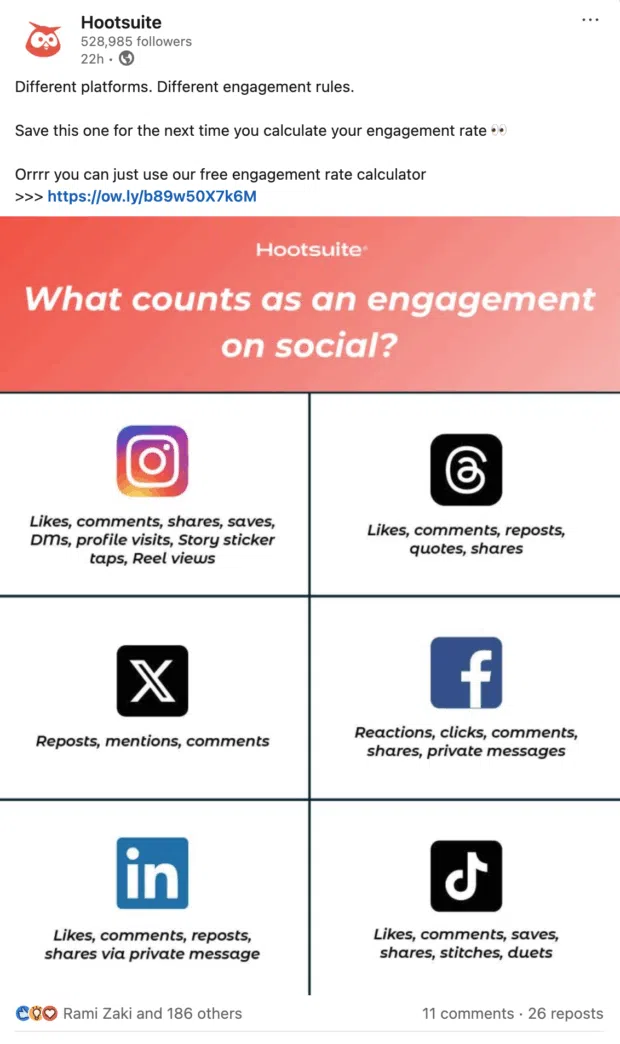
To manage engagement, one must first categorize it. Different actions reflect different levels of user intent:
- The Quick Pulse (Likes & Reactions): A one-tap acknowledgment that content resonated at a surface level.
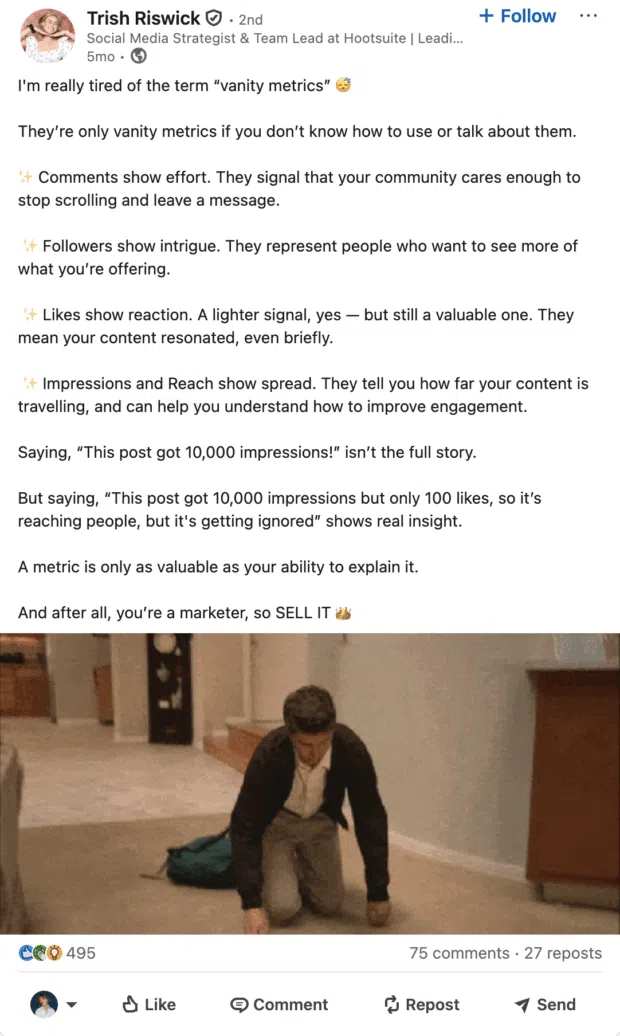
- The Conversational Hook (Comments & Replies): Indicates that the audience is invested enough to join the dialogue.
- The Endorsement (Shares & Reposts): The highest form of advocacy, where a user redistributes your content to their own network.
- The Utility Signal (Saves & Bookmarks): Suggests the content is high-value enough to revisit, a key metric for educational or professional brands.
- The Direct Line (DMs): The ultimate conversion point, where private, one-on-one relationships are forged.
Chronology of the Engagement Shift
Over the past decade, the definition of "engagement" has undergone a radical transformation.
2015–2018: The Era of Vanity Metrics. During this period, the primary focus for most businesses was raw follower count and total "likes." Content was often broadcast-heavy, and algorithms were relatively static.
2019–2022: The Pivot to Video and Discovery. The rise of TikTok and the subsequent pivot of Instagram to Reels shifted the goalposts. Engagement was no longer about who followed you, but how long they watched your video. The "algorithm" became the gatekeeper, prioritizing watch time and re-watches over static engagement.
2023–2026: The Community-Led Growth Model. We have now entered an era where community interaction is the dominant ranking factor. Platforms are actively prioritizing "social" content—posts that spark meaningful discussion among friends and followers—over passive entertainment. Brands that utilize AI-driven social listening to join these conversations in real-time are now the clear market leaders.
Data-Driven Benchmarking
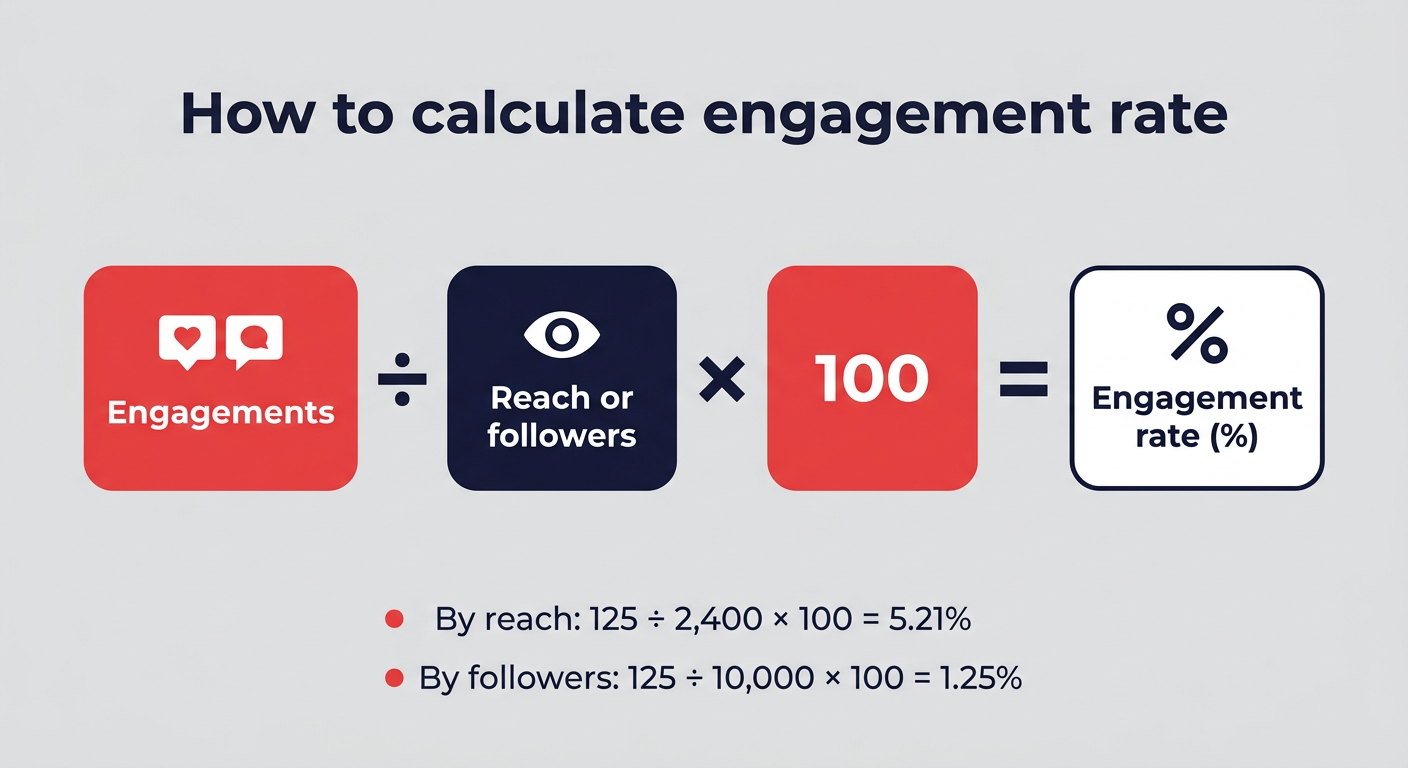
Measuring engagement is meaningless without context. The standard metric, "Engagement Rate," is calculated by dividing total engagements by your reach or follower count, then multiplying by 100.
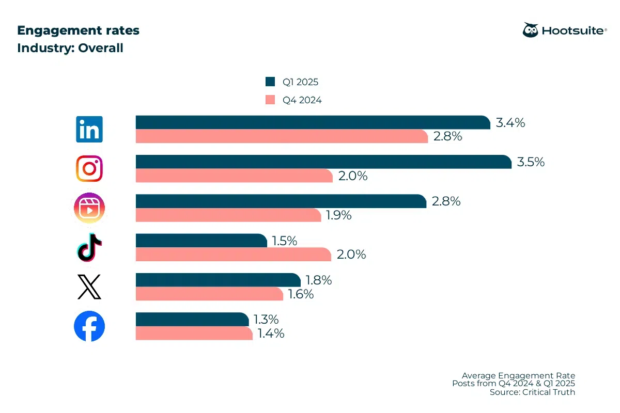
Current industry data suggests that a healthy engagement rate generally falls between 1% and 5%. However, this is highly dependent on the platform and sector. For instance, LinkedIn often sees higher engagement on text-heavy, professional content, while Instagram’s engagement rates have seen a median contraction from 16.9% to 9.7% over the last year as saturation increases.
Comparative Performance by Platform
| Platform | Primary Engagement Lever |
|---|---|
| Carousel swipe-throughs and early-hour interactions. | |
| TikTok | Comment-reply videos and "Stitches." |
| Document posts and employee-led commentary. | |
| Group-based community discussions. | |
| X (Twitter) | Real-time, witty replies to trending topics. |
Strategic Implications: Why Engagement Matters
For the modern enterprise, engagement is not just a digital metric—it is a business lever.
1. Amplified Brand Awareness
Engagement acts as a multiplier. When a user interacts with your post, they introduce your brand to their personal network. This signals the platform’s algorithm that your content is "high-interest," leading to increased organic reach.
2. The Trust-Loyalty Loop
In an age of AI-generated content, human connection is the ultimate differentiator. Replying to a DM or a thoughtful comment builds a bridge of trust. Data shows that brands that proactively comment on other relevant posts see a 1.6x increase in their own engagement levels.
3. Lead Generation and Intent
High-intent engagement—such as clicking a link in a bio or saving a product showcase—is a precursor to purchase. By monitoring these signals, sales teams can identify "warm" leads who are transitioning from the browsing phase to the decision-making phase of the buyer’s journey.
Expert Perspectives: The Human Element
I spoke with Elissa Wardrop, a Global Social Media Specialist, to understand the human side of this data-heavy discipline. Wardrop emphasizes that the "hard sell" is officially dead.
"Brands increase social media engagement when their content feels authentic," she explains. "Don’t focus on commenting on big viral videos that have nothing to do with your brand. Focus on the people who actually care about what you do."
Wardrop’s strategy for sustained growth involves three core tenets:
- Stop the Hard Sell: Show the "work behind the work." Audiences want to see the process, not just the finished, polished product.
- The Dinner Party Rule: If your brand were a guest at a dinner party, how would it behave? Being an innovator, not an imitator, is the key to maintaining a distinct voice that doesn’t feel "cringe" or forced.
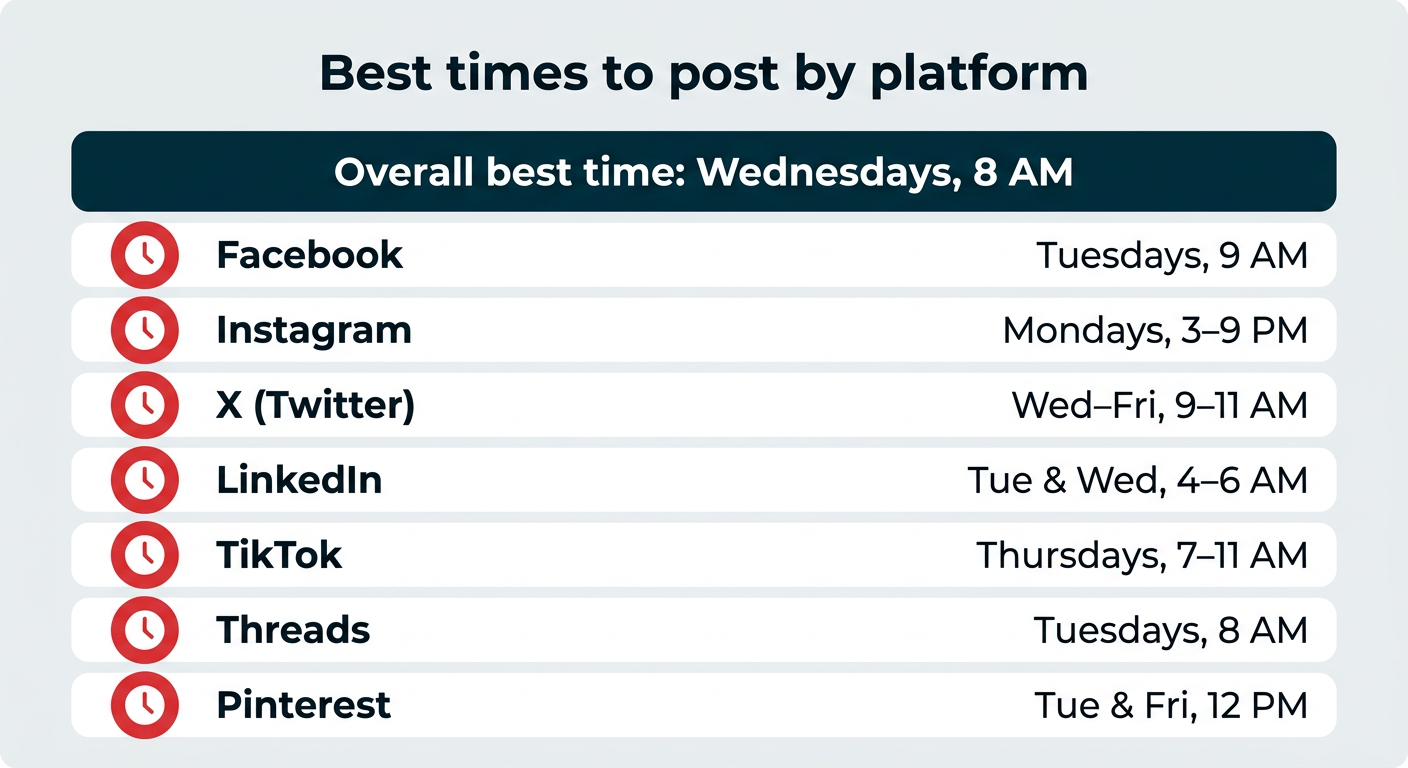
- Consistency as a Strategy: Recurring content series, posted at the same time each week, create a rhythm that fans come to expect and look forward to.
Leveraging AI in the Engagement Workflow
The volume of data and the speed of modern social media make manual management nearly impossible. AI-powered tools are now essential for:
- Sentiment Analysis: Automatically flagging negative or positive trends in customer feedback.
- Predictive Scheduling: Using historical data to determine exactly when your specific audience is most active.
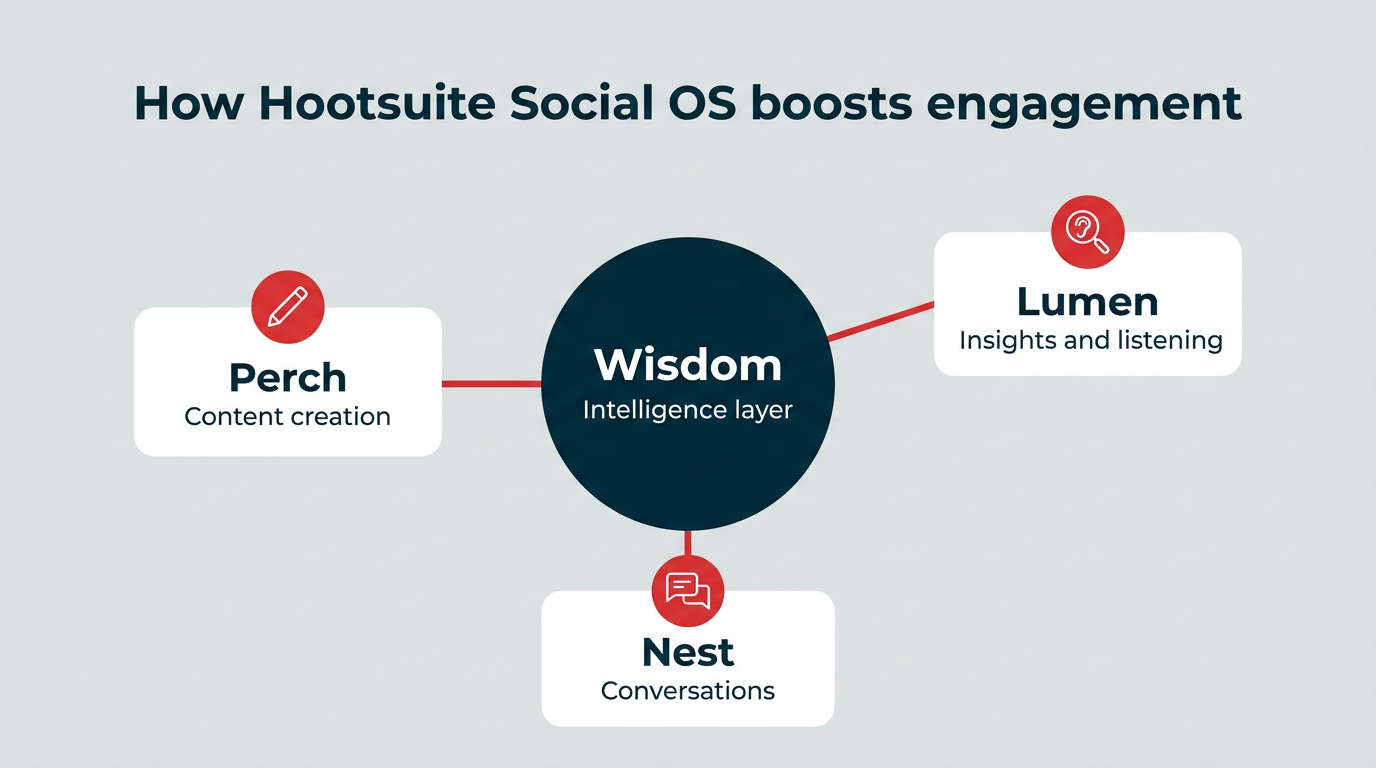
- Centralized Response Management: Tools like Hootsuite Nest allow teams to aggregate mentions and DMs across every channel, ensuring that no conversation goes unanswered.
As the industry moves forward, the role of the social media manager is shifting from "content creator" to "community architect." The tools are there to provide the data, but the human touch—empathy, humor, and timing—is what keeps that engagement rate climbing.
Conclusion: The Path Forward
Success in social media engagement in 2026 requires a balanced approach. It demands the analytical rigor to track engagement rates and adjust schedules based on data, combined with the creative bravery to build an authentic brand voice.

By focusing on community, leveraging video-first storytelling, and utilizing AI to streamline the logistics, brands can ensure that they are not just shouting into the digital void, but actually building a sustainable, loyal, and growing audience. The goal is no longer just to get a like; it is to start a conversation that lasts.
