

The Intelligence Revolution: How AI Social Listening is Redefining Brand Strategy for 2026
In the rapidly accelerating digital landscape of 2026, the volume of online chatter has surpassed the human capacity for manual analysis. For modern marketing leaders, the challenge is no longer "finding the data"—it is filtering the noise to extract actionable intelligence. Enter AI-powered social listening: a sophisticated technological shift that is transforming how organizations monitor their brand, products, competitors, and industry trends.

By leveraging artificial intelligence to scan, interpret, and synthesize millions of data points in real time, companies are moving beyond simple keyword tracking. They are now tapping into the "signals" that drive market shifts, manage reputational risks, and inform long-term business strategy.

The Evolution: From Keyword Tracking to Predictive Intelligence
Traditional social listening tools were largely reactive. They relied on Boolean strings—stringing together keywords like "brand name AND negative sentiment"—to flag mentions. If a user didn’t use your exact product name or handle, the mention was lost to the void.
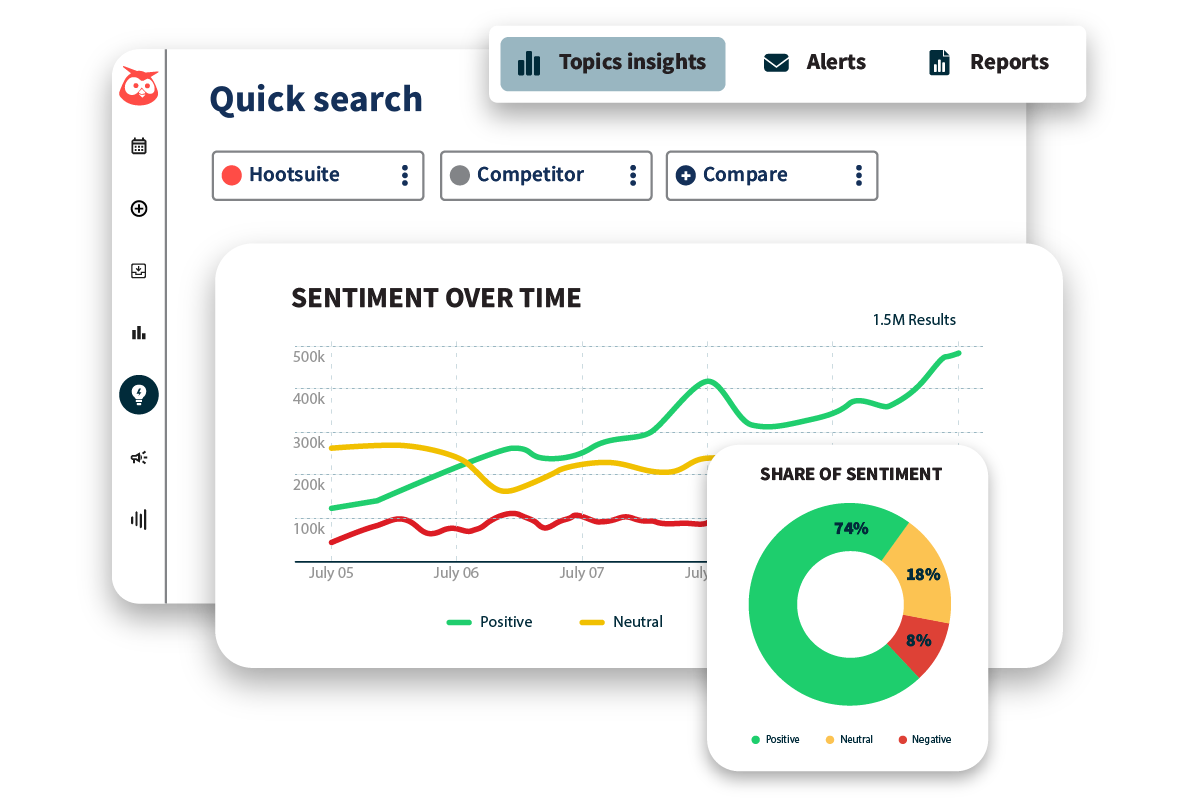
In contrast, modern AI-powered listening represents a fundamental paradigm shift. These tools utilize Large Language Models (LLMs), Natural Language Processing (NLP), and Computer Vision to understand context, nuance, and even visual cues.
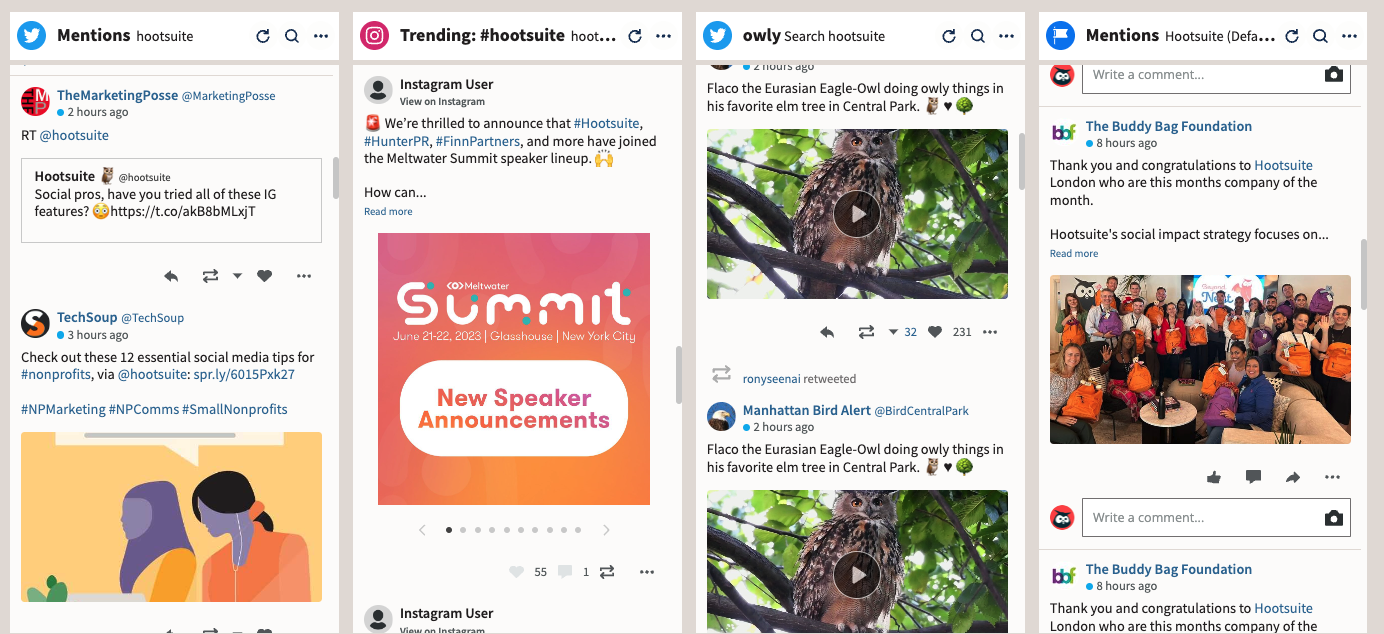
Key Differences at a Glance
| Feature | Traditional Listening | AI-Powered Listening |
|---|---|---|
| Search Logic | Exact keyword matches | Semantic and intent-based |
| Sentiment | Basic positive/negative | Nuanced emotion, sarcasm, slang |
| Speed | Reactive (post-spike) | Proactive (predictive/emerging) |
| Data Scope | Text-heavy | Multi-modal (Text, Video, Audio, Images) |
| Reporting | Manual exports | Automated, AI-generated summaries |
The Four Pillars of AI-Powered Social Analysis
To distinguish between genuine AI capability and mere marketing jargon, it is essential to understand the four technological layers that power top-tier platforms:
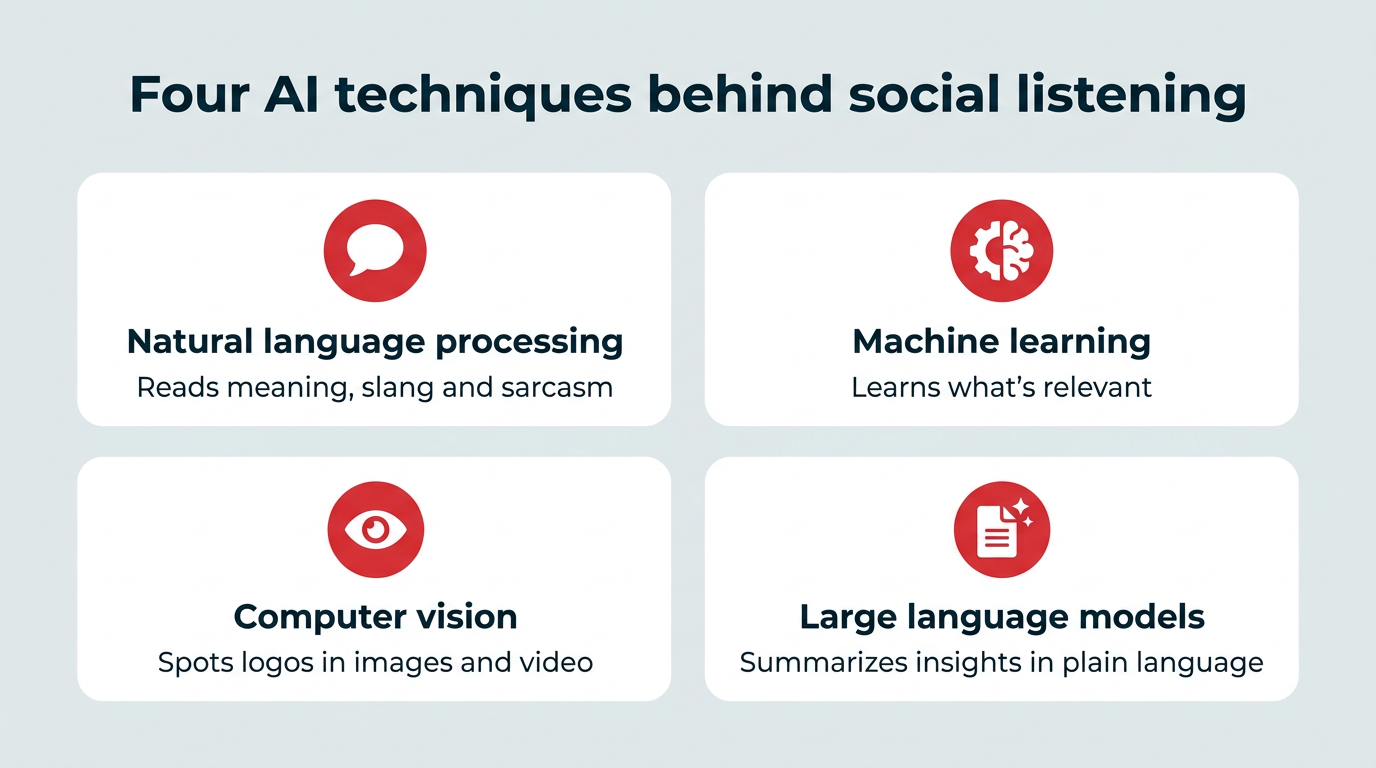
- Natural Language Processing (NLP): This allows systems to parse human language, accounting for regional slang, typos, and sarcasm. It deciphers the "intent" behind a post, not just the vocabulary used.
- Machine Learning (ML): These algorithms learn over time. The more data they process, the more accurate they become in categorizing what constitutes a relevant mention versus irrelevant background noise.
- Computer Vision: Modern tools can now "see." They scan images, videos, and memes to detect logos, products, and even specific settings or activities, allowing brands to capture mentions that contain no text at all.
- Large Language Models (LLMs): These serve as the synthesis layer. They take vast, unstructured datasets and transform them into executive-ready summaries, answering complex analytical questions in seconds.
Chronology of a Digital Crisis: The Case for Real-Time Detection
The value of this technology is best understood through a chronological lens. In the era of viral social media, a brand crisis can escalate from a single tweet to a global headline in under four hours.

- T-Minus 0 (The Spark): A consumer posts an unbranded video on TikTok featuring a product failure.
- T+15 Minutes: Traditional systems miss this because there is no keyword match. An AI-powered visual listening tool identifies the brand logo in the video and triggers an immediate alert to the social media management team.
- T+30 Minutes: The AI categorizes the sentiment as "frustrated" and identifies the specific product component involved. It maps this against existing, smaller mentions of similar issues.
- T+1 Hour: The platform generates an executive summary for the PR lead, complete with recommended response strategies based on past successful crisis management data.
- T+2 Hours: The brand issues a proactive, empathetic response, effectively containing the narrative before it hits mainstream news cycles.
Supporting Data: Why 83% of B2C Execs are Consolidating
According to recent industry research by Forrester, 83% of U.S. B2C marketing executives are actively pursuing the consolidation of social listening, analysis, and reporting into a single, connected workflow. The rationale is clear: fragmentation is the enemy of efficiency.
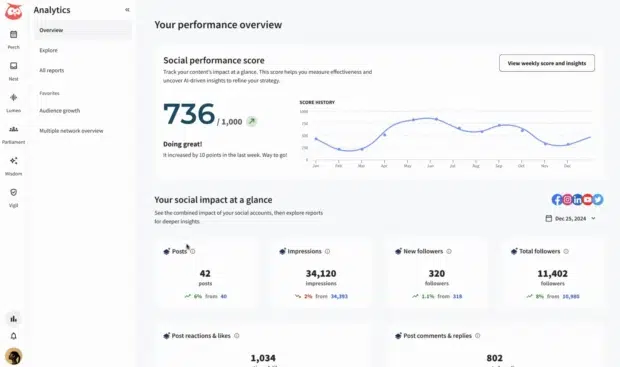
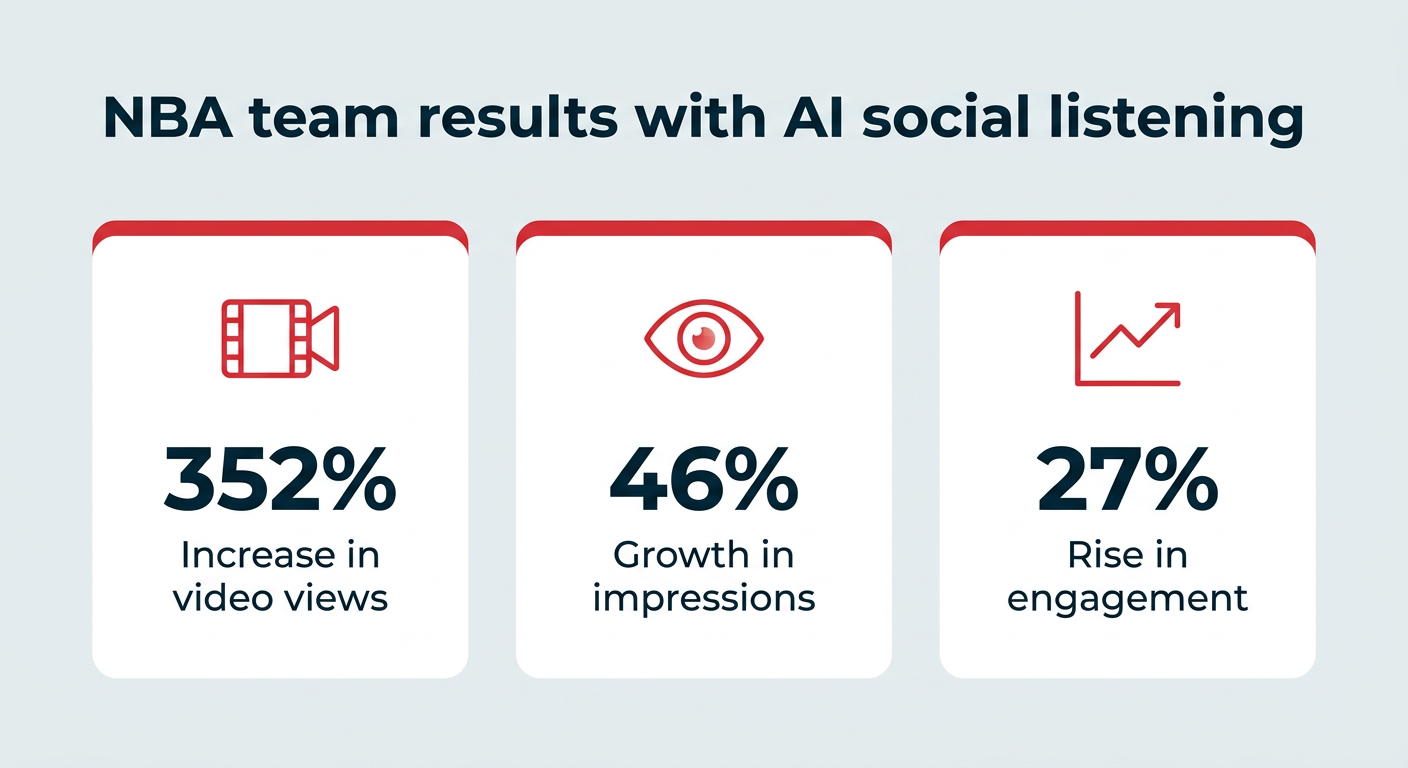
When a team uses Hootsuite Social OS or similar enterprise-grade platforms, the "listening" function is not a siloed research project; it is the heartbeat of the marketing department. For instance, an NBA team recently utilized AI-powered listening to pivot their content strategy. By analyzing fan sentiment, they discovered that their audience was fatigued by repurposed highlight clips and craved behind-the-scenes, authentic content. The result? A 352% increase in video views and a 46% growth in total impressions within a single season.
The Strategic Implications for CMOs
The implications for leadership are profound. Gartner’s 2025 CMO Spend Survey indicated that 49% of marketing leaders cite improved time efficiency as the primary ROI driver for GenAI. By automating the "grunt work" of data collection and categorization, teams can pivot from being analysts to being strategists.
1. Brand Awareness and Influencer Precision
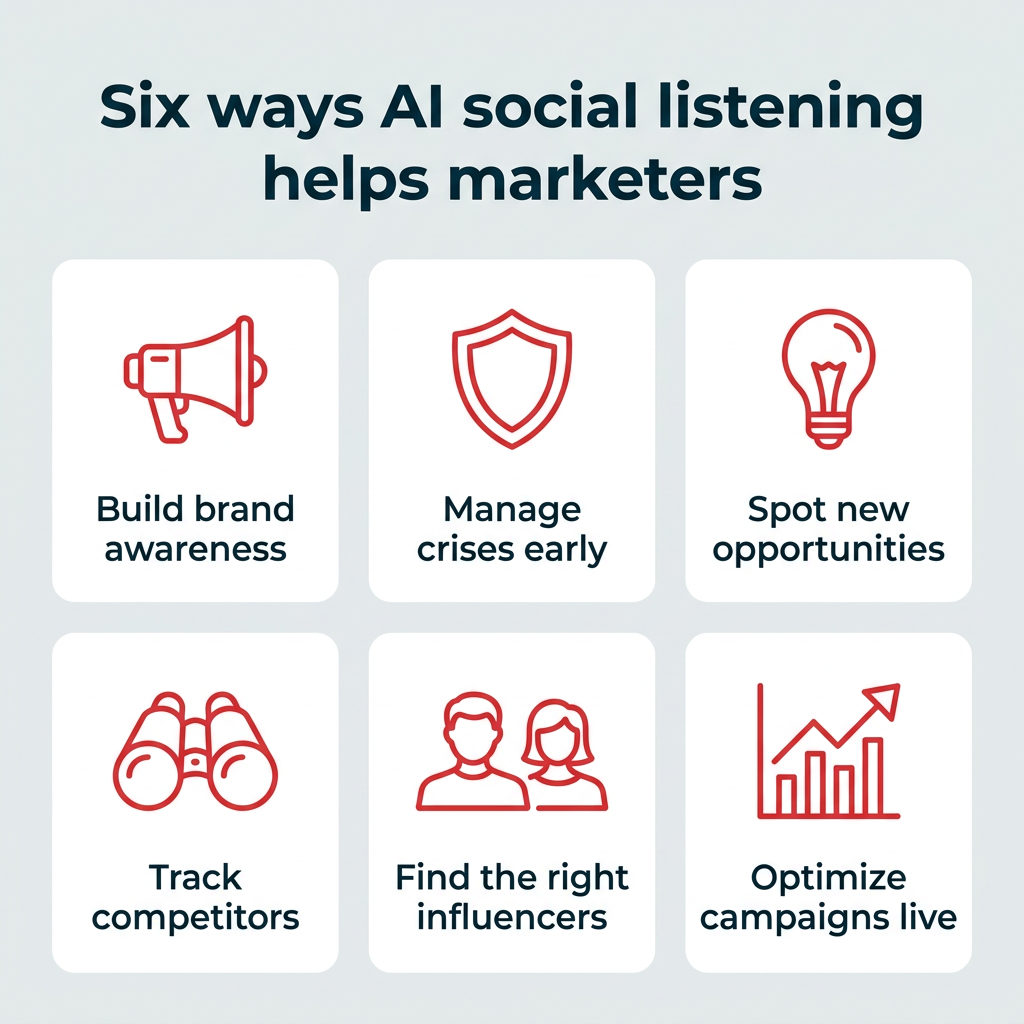
AI doesn’t just track who is talking about your brand; it evaluates the impact of the speaker. By ranking influencers based on relevance, reach, and true engagement rather than just follower count, brands can build more authentic, high-converting partnership programs.

2. Competitive Intelligence
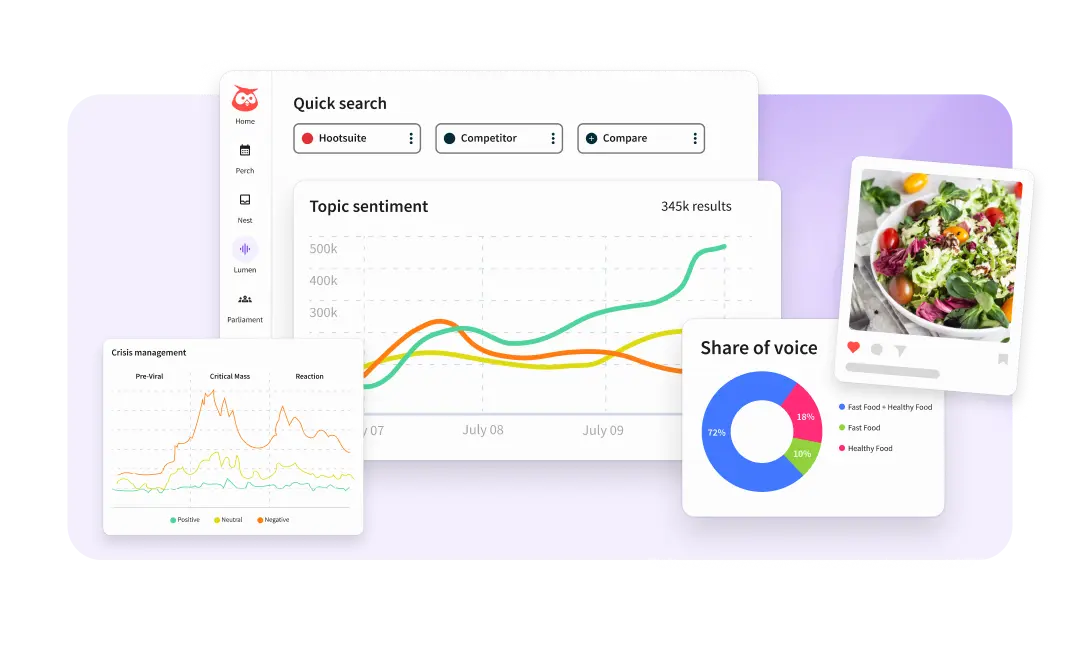
Platforms like Lumen or Brandwatch allow for a "live" view of the competitive landscape. If a competitor shifts their messaging or launches a surprise campaign, the system detects the anomaly in real time, providing your team with the head start needed to respond—or capitalize on their missteps.
3. Product Development and Market Gaps
Perhaps the most lucrative application is the discovery of "white space." AI can surface recurring customer complaints about competitor products or identify a growing trend—such as a specific preference for sustainable packaging—long before it becomes a standard industry requirement.

Addressing the Challenges: The Governance Question
Despite the power of AI, industry leaders are increasingly aware of the risks. The primary concern is "hallucination"—the risk that an AI model might generate a confident-sounding report that lacks factual accuracy.

To mitigate this, enterprise-grade tools are now implementing grounded AI. This means every insight provided by the system must be traceable to the source. If the AI claims that sentiment is shifting downward, it must provide the specific posts that led to that conclusion. This auditability is non-negotiable for regulated industries like finance, healthcare, and pharmaceuticals.

Implementation: A Six-Step Workflow for Enterprise Success
For organizations looking to integrate these tools into their daily operations, a structured approach is essential:

- Define Objectives: Clearly state whether the priority is crisis management, competitive intelligence, or customer experience.
- Configure Queries: Use AI-assisted query builders to move beyond simple keywords and establish precise search parameters.
- Set Baselines: Establish what "normal" looks like for your brand so that the system can alert you to true anomalies.
- Integrate Insights: Connect your listening data to your CRM and customer support platforms to ensure the right departments see the data.
- Establish Governance: Assign roles for who reviews AI-generated summaries and verify sources before sharing them with leadership.
- Report and Iterate: Review metrics quarterly to adjust your strategy, ensuring your listening program evolves with your business goals.
Conclusion
As we look toward the remainder of 2026 and beyond, the gap between brands that "listen" and those that "hear" will only widen. AI social listening is no longer a luxury; it is the infrastructure of modern marketing intelligence. By moving beyond manual keyword searches and embracing the predictive, multi-modal capabilities of modern AI, organizations can turn the chaotic, noisy web into a clear, strategic map for growth.

Whether you are a mid-market team looking for speed or an enterprise needing deep, governed insights, the technology exists to turn every post, comment, and mention into a building block for your brand’s future success.
