
The AI Renaissance: How Generative Tools Are Transforming Personal Creativity and Branding
Last Revised: June 22, 2025
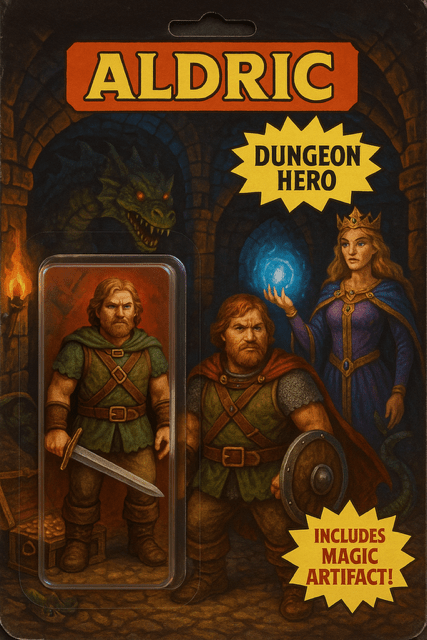
The landscape of personal branding and creative expression has shifted fundamentally in the last eighteen months. What began as a novelty—using Large Language Models (LLMs) like ChatGPT to generate simple text—has evolved into a sophisticated suite of multimodal capabilities. Today, creators, hobbyists, and small-business owners are leveraging Artificial Intelligence (AI) to produce high-fidelity action figures, custom logos, and complex digital art. This article explores the recent creative output of Mike, a digital enthusiast who has become an early adopter of these generative workflows, and examines the broader implications of AI in the modern creative economy.

The Genesis of the AI-Driven Hobbyist
As Spider-Man’s Uncle Ben famously cautioned, "With great power comes great responsibility." For many, the temptation to experiment with these "great powers" has proven irresistible. Over the past month, the intersection of AI prompting and digital art has allowed for the rapid prototyping of ideas that would have previously required hours of professional graphic design software proficiency.

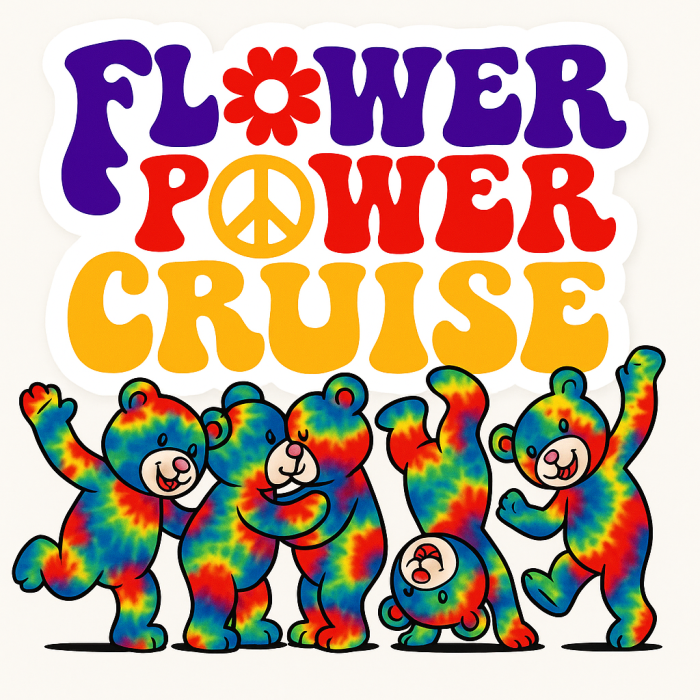
From creating bespoke logos for the "Flower Power Cruise" community to conceptualizing action figures for friends in the eBay Live auction circuit, the barriers to entry for high-quality, customized creative work have effectively vanished. For those interested in the foundational steps of this journey, the author’s initial experiments can be reviewed in his previous documentation here.

Logos and Practical Applications: The "Do Not Bid" Phenomenon
AI is not merely a tool for abstract art; it is finding a home in the practical, fast-paced world of live e-commerce. A notable trend among eBay Live auctioneers is the use of "Do Not Bid" signage. In the high-stakes environment of a live auction, when a viewer requests a private deal for an item seen in the background, the seller must communicate clearly to other participants that the item is reserved.
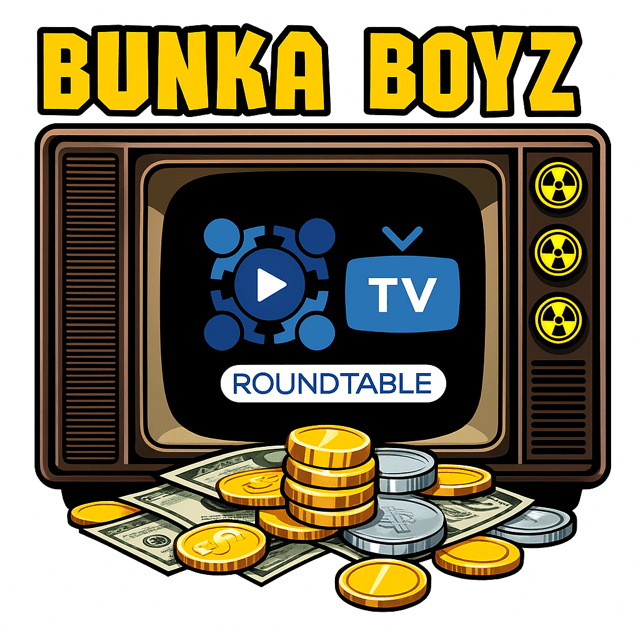
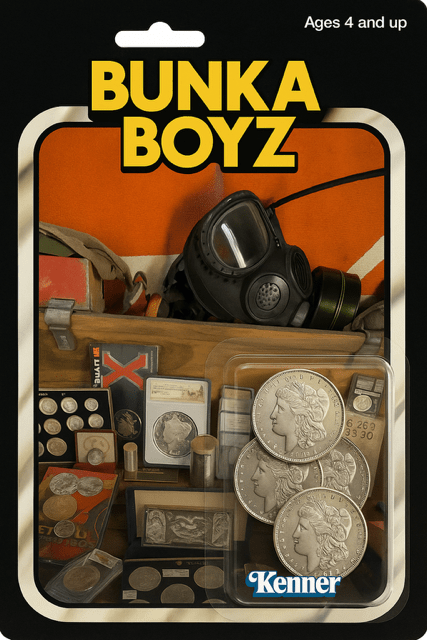
Custom logos designed via AI have provided a professional, branded solution to this logistical problem. By generating unique, eye-catching signage—such as the "Tony’s Groovy Bears" branding or the high-contrast "Do Not Bid" graphics used by the "Bunka Boyz"—sellers can maintain the aesthetic integrity of their brand while managing the chaotic nature of live bidding. These custom assets demonstrate that AI is increasingly viewed as a utility for small business optimization, rather than just a generative toy.
Chronology of Creative Projects: From Music Legends to Sitcom Parodies
The recent body of work produced by the author showcases the versatility of current AI models. The chronology of these projects reflects a growing comfort with complex prompting:
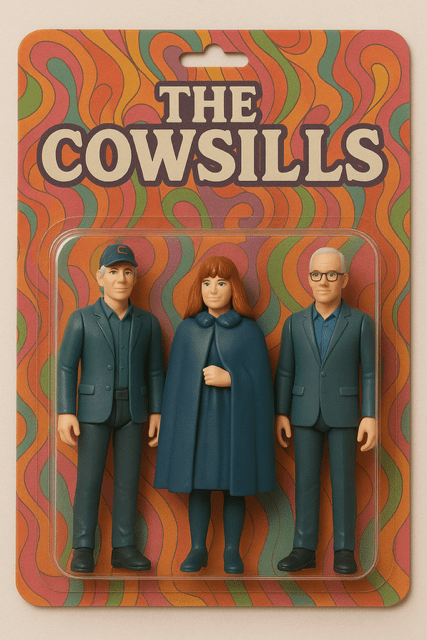
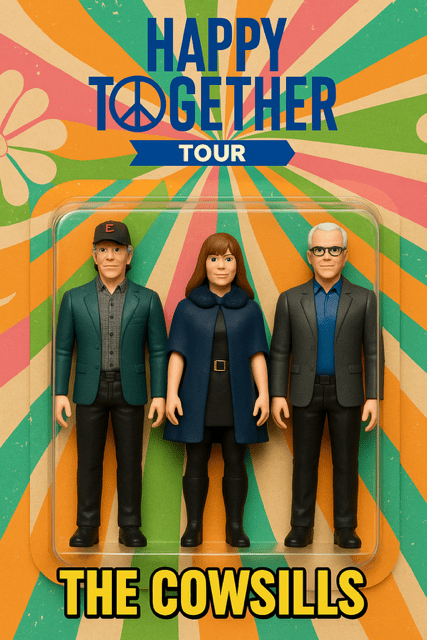
- The Cowsills Three-Pack: By referencing historical concert photography, the author utilized AI to generate a "three-pack" action figure concept. The debate over whether to frame the band in the context of the "Flower Power Cruise" or the "Happy Together Tour" highlights the AI’s ability to synthesize specific thematic backgrounds based on user-provided context.
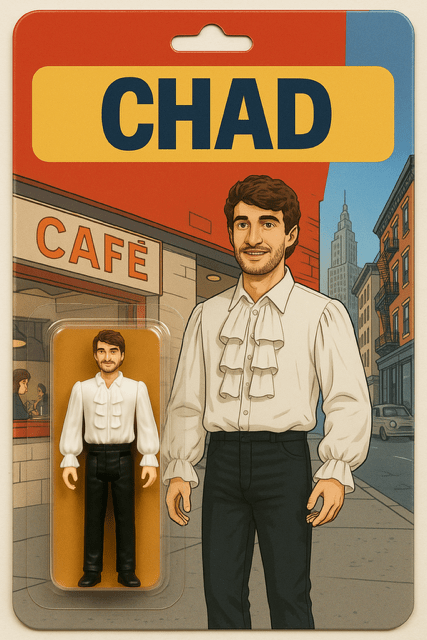
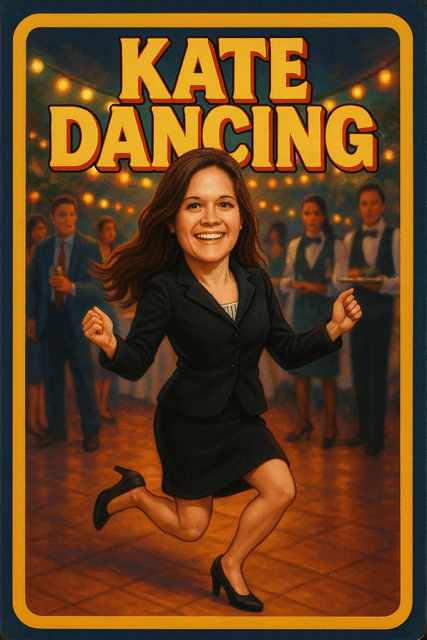
- Seinfeldian Collaborations: Perhaps the most humorous application of the technology involves the integration of pop-culture tropes with personal branding. By placing friends like Chad and Kate into iconic Seinfeld scenarios—specifically the "Puffy Shirt" episode and Elaine’s infamous dance—the author demonstrates how AI can be used to personalize and inject humor into relationships.
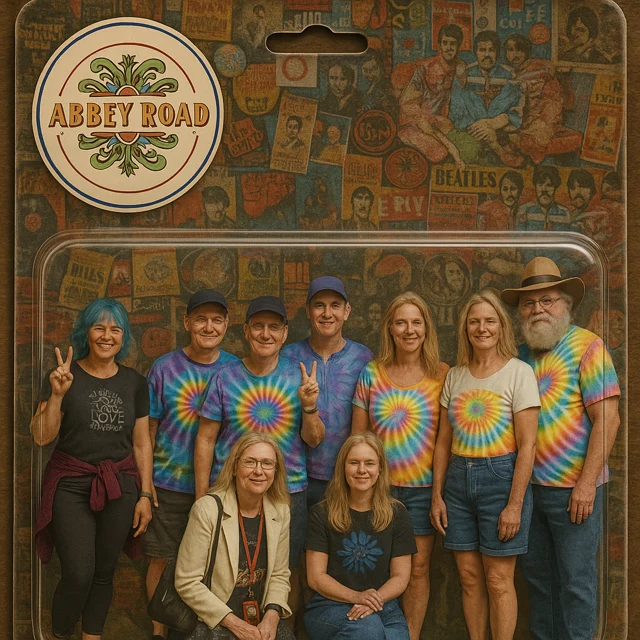
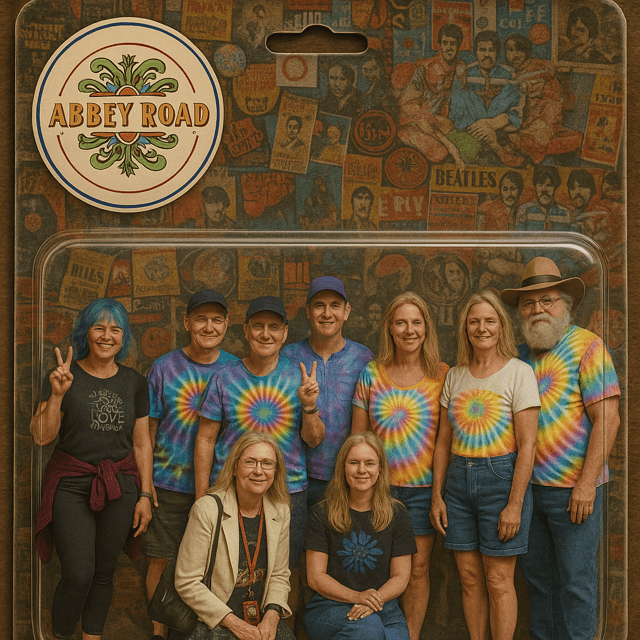
- Community Archiving: Following the "Abbey Road on the River" show in May 2026, the author utilized group photography to test the limits of multi-person action figure generation. This represents a shift toward using AI as a tool for digital memory and community building.
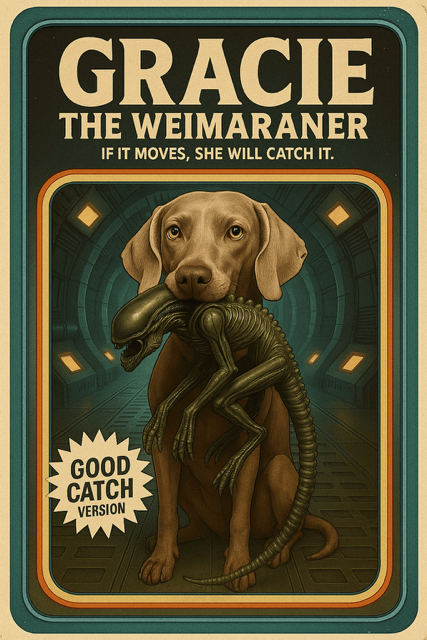
- Memorializing Personal History: The most poignant application of the technology has been the tribute to the author’s late dog, Gracie. By generating an image of his pet alongside the iconic Alien from the Aliens franchise, the author blends personal sentiment with high-concept fiction, proving that AI can serve as a medium for digital catharsis.
Supporting Data: The Technical Evolution of Prompts
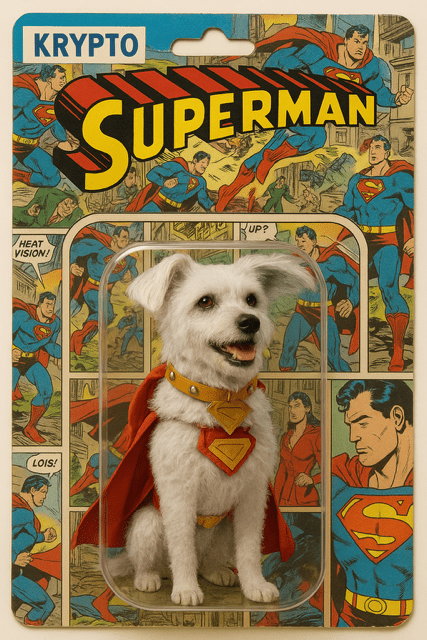
The transition from early, unrefined outputs to the more precise imagery seen in the latest "Krypto" action figure indicates a sharpening of "prompt engineering" skills.
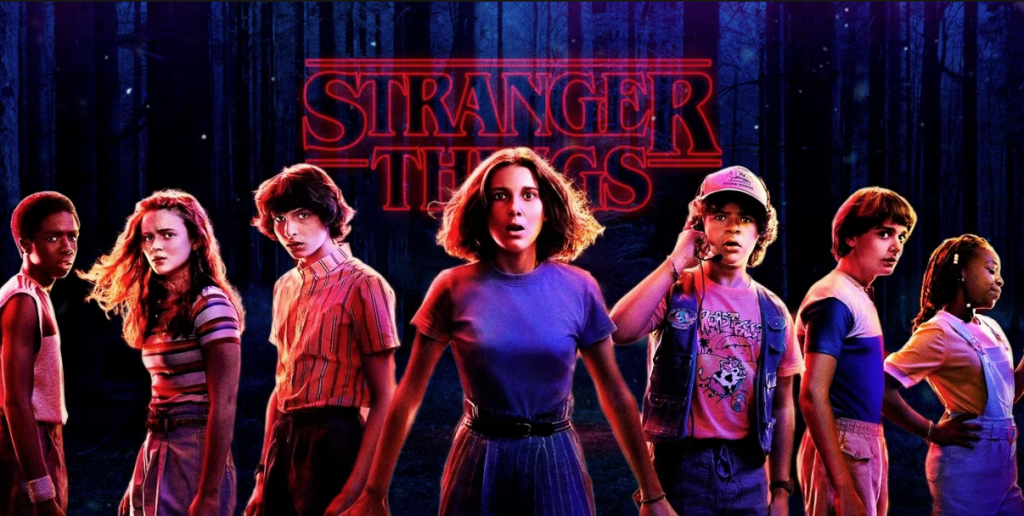
In the case of the Superman-themed Krypto figure, the author moved away from generic outputs to a specific instruction set: requesting a background collage composed of vintage Superman comic strips. This iterative process—refining instructions based on initial failures—is the cornerstone of modern AI utilization. The author’s ability to troubleshoot why an AI might, for instance, mistakenly add glasses to a character like Dustin from Stranger Things, points to a deeper understanding of how these models interpret visual data.
Official Perspectives: The Role of Anthropic’s Claude
While ChatGPT has been the primary engine for these experiments, the author has begun integrating Claude by Anthropic into his workflow. Unlike standard generative models, Claude is being utilized for more analytical and structured tasks, such as creating complex business-related diagrams and operational workflows.
This diversification of AI tools represents a professionalization of the hobby. By using different models for different strengths—ChatGPT for visual creativity and Claude for logical structuring—users are beginning to build "AI stacks" that mirror the toolsets of professional creative agencies.
Implications for the Future of Creative Ownership
The implications of this trend are profound. We are witnessing the democratization of high-end asset creation.
1. The Death of the "Stock" Aesthetic
As individuals gain the ability to generate custom logos and character art in seconds, the demand for generic stock photography and templated branding is likely to decline. This shifts the value of human labor away from the "creation" of the image and toward the "curation" and "conceptualization" of the vision.
2. Community and Cultural Preservation
The use of AI to create "Stranger Things" multi-packs or memorialize deceased pets suggests that AI will become a standard tool for fandoms and families alike to celebrate and preserve their own unique cultural touchstones.
3. Ethical Considerations
With the rise of these tools comes the inherent responsibility mentioned at the beginning of this article. As AI becomes more adept at mimicking reality—whether through the inclusion of a specific actor’s likeness or the appropriation of a copyrighted character like Krypto—the legal and ethical landscape will undoubtedly tighten. Creators must navigate the thin line between parody and intellectual property infringement.
Conclusion
The experiments shared here are more than just digital toys; they are a window into the near future. As tools like Claude and ChatGPT continue to evolve, the distinction between a "consumer" and a "creator" will become increasingly blurred.
For the author, the journey has only just begun. The promise of more intricate figures, more complex business diagrams, and perhaps even more humorous mashups of pop culture and personal life awaits. As we look toward the future, one thing is certain: the only limit to what we can create is the clarity of our prompts and the depth of our imagination.
Stay tuned for further updates on the integration of AI in business and design.
