
The Definitive Guide to Selecting Email Newsletter Software in 2026: Beyond the Feature Wars
Most "best email newsletter software" roundups suffer from a recurring flaw: they prioritize a laundry list of features over the metrics that actually drive business growth. In an era where digital noise is at an all-time high, the difference between a high-performing newsletter and one that lands in the "Promotions" tab isn’t just about having an editor; it’s about deliverability, behavioral data, and the speed at which a marketer can move from a creative concept to revenue generation.
We have conducted an exhaustive analysis of the 2026 landscape, evaluating user sentiment, technical infrastructure, and ROI-focused performance. While every platform claims to be the "all-in-one" solution, the reality is that the best tool for an enterprise agency is rarely the right fit for a solo creator.
The State of Email Marketing: Core Pillars of Success
Before diving into specific tools, it is vital to understand that "sending emails" is no longer the goal. The objective is to send the right email to the right person at the right time. In 2026, the industry standard has shifted toward three critical pillars:
- Deliverability Integrity: A beautiful design is useless if it never reaches the inbox. Modern platforms must offer robust authentication (SPF, DKIM, DMARC) and proactive IP reputation management.
- Contextual Segmentation: Static lists are dead. Success today is defined by dynamic segments—automatically grouping subscribers based on purchase history, content interaction, and engagement velocity.
- Revenue Attribution: Vanity metrics like "open rates" are increasingly obscured by privacy protections. The new benchmark is "conversion-led analytics"—knowing exactly which newsletter link resulted in a donation, a sale, or a qualified lead.
Comparative Analysis: The Top 9 Newsletter Platforms
| Tool | Best For | Key Advantage | Starting Price |
|---|---|---|---|
| Campaign Monitor | Agencies & Design-led Teams | Pixel-precise control | $12/mo |
| Mailchimp | SMBs & eCommerce | Integrated CRM ecosystem | $13/mo |
| Brevo | Multichannel/Transactional | Unlimited contacts | $9/mo |
| ActiveCampaign | Advanced Automation | AI-driven workflows | $15–$19/mo |
| Beehiiv | Creators/Publishers | Monetization & Growth | Free |
| MailerLite | Budget-conscious Beginners | Ease of use | $10/mo |
| Constant Contact | Nonprofits/Local Events | Event management tools | $12/mo |
| GetResponse | Lead Gen/Webinars | All-in-one Funnels | $15–$19/mo |
| AWeber | Small Biz/Solopreneurs | Reliable human support | $15/mo |
In-Depth Analysis: The Top Contenders
1. Campaign Monitor: The Gold Standard for Brand Control
Campaign Monitor has cemented its position as the preferred choice for agencies and nonprofits that refuse to compromise on aesthetics. Unlike platforms that force a rigid "one-size-fits-all" layout, Campaign Monitor provides a drag-and-drop builder that maintains brand integrity across every device.
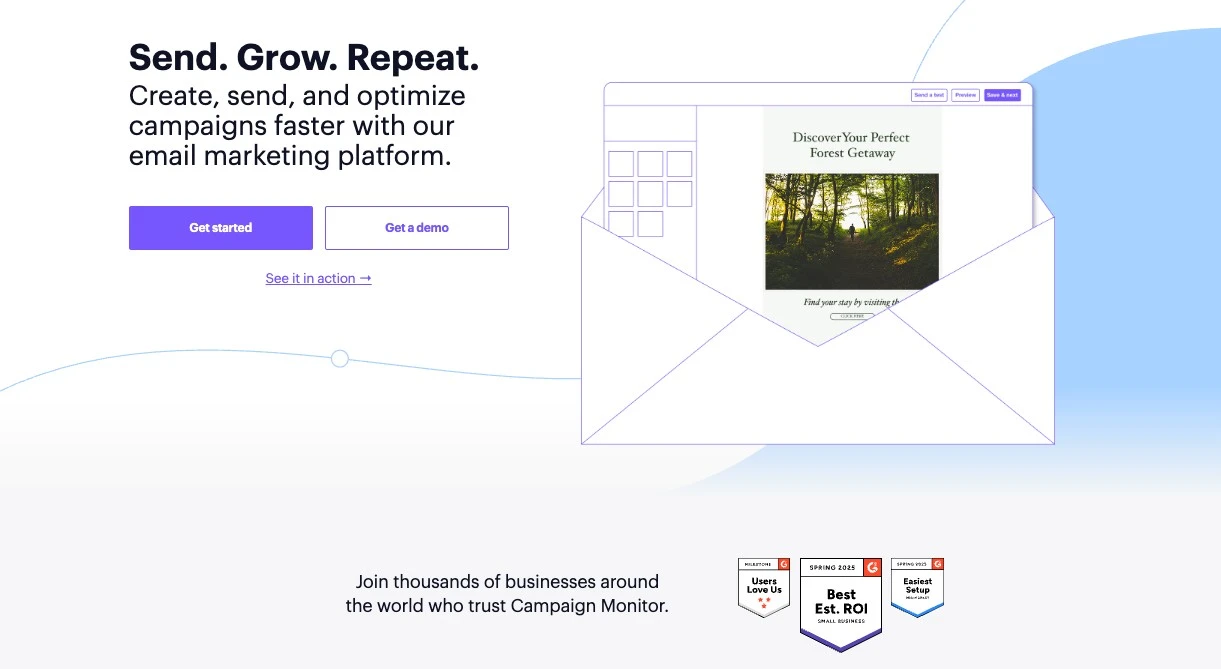
Why it wins: Its strength lies in its "locked-template" functionality, which allows marketing leads to create master designs that junior staff can populate without breaking the code. For organizations like The GIST, which scaled to 100k subscribers in under a year, the platform’s ability to reduce build time by 75% was the primary driver of their growth.
2. Mailchimp: The "Everything" Hub
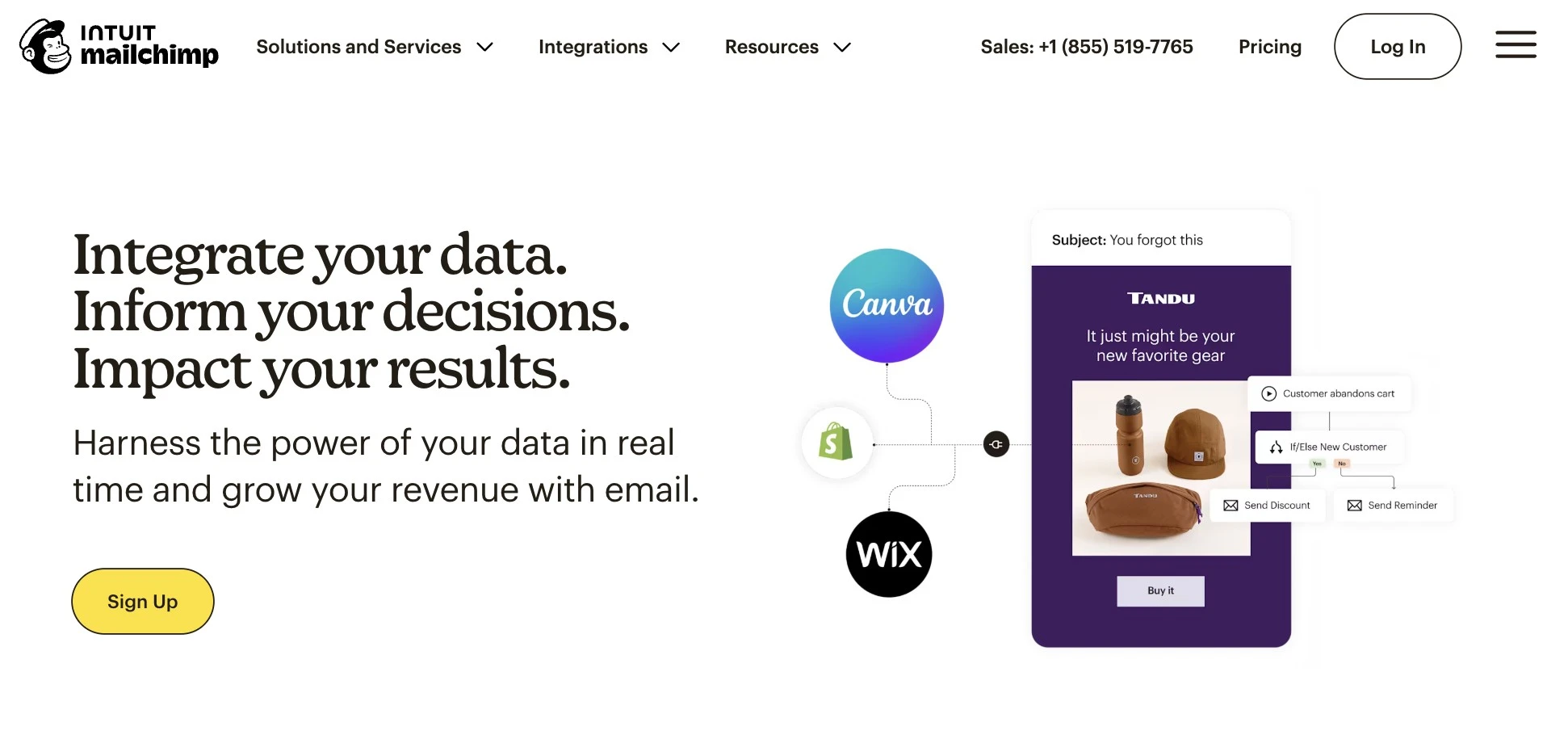
Mailchimp remains the most recognizable name in the industry. It is the quintessential entry point for small businesses that need a CRM, email marketing, and a landing page builder under a single login. While its pricing has increased over the years, the depth of its integration library remains unmatched.
3. Brevo (formerly Sendinblue): Efficiency at Scale
Brevo disrupts the pricing model by charging based on the number of emails sent rather than the number of contacts stored. This is a massive advantage for high-volume senders who have large lists but don’t email them daily. Its inclusion of SMS and WhatsApp marketing makes it a strong contender for multichannel retail.
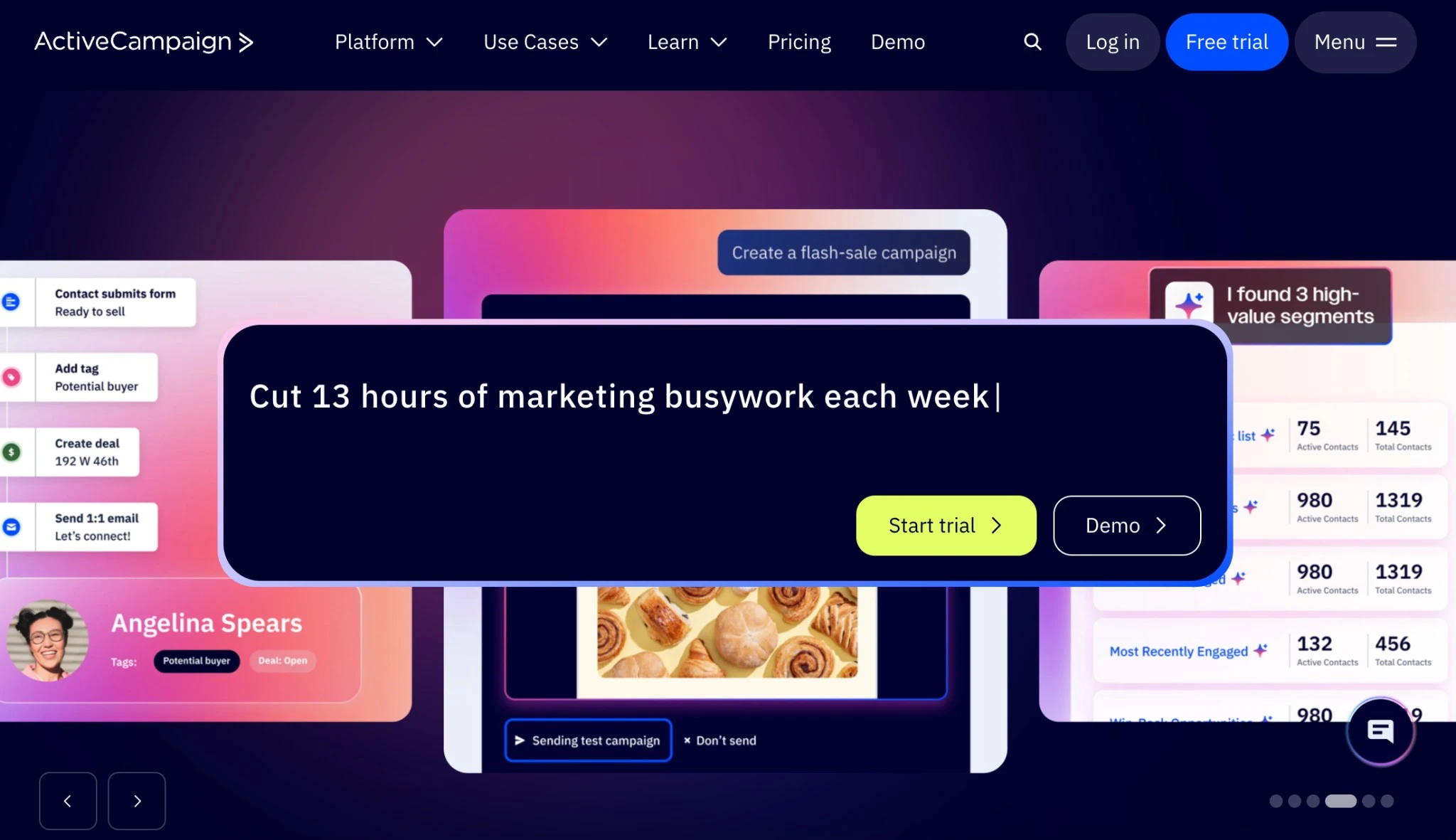
4. ActiveCampaign: The Architect of Journeys
If your business model relies on complex sales funnels—where a subscriber’s action in an email triggers a specific task for a sales rep or updates a deal stage in a CRM—ActiveCampaign is the clear winner. It is arguably the most powerful automation engine on the market, though it requires a higher technical baseline to master.
5. Beehiiv: The Creator’s Engine
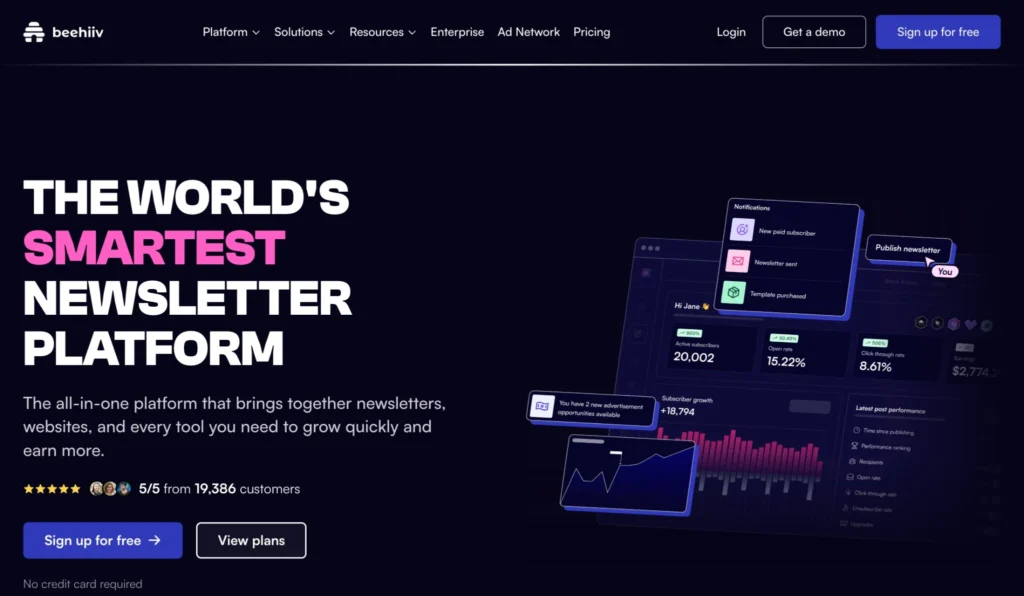
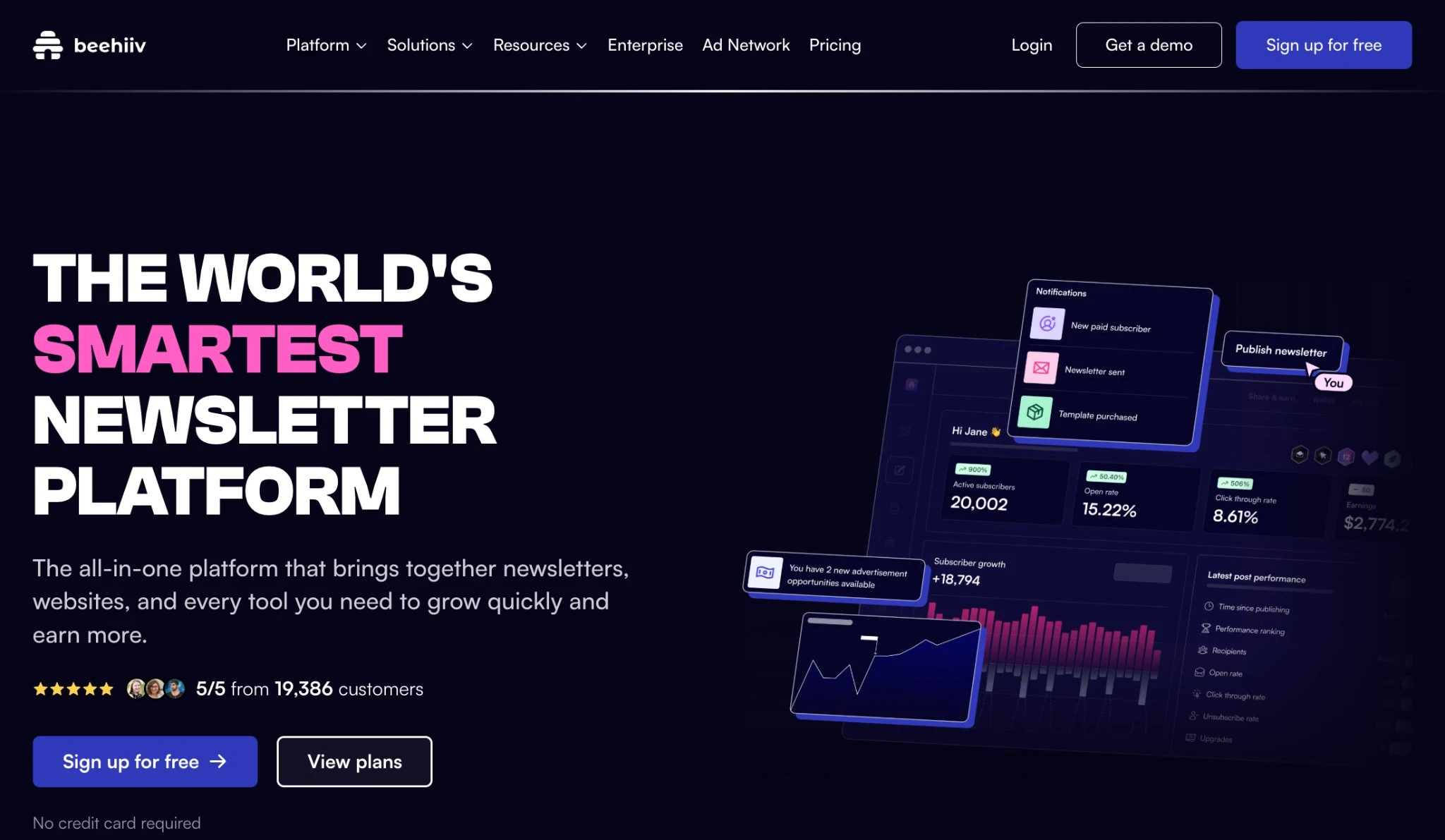
Beehiiv is the modern answer to the "Substack vs. Mailchimp" debate. It is purpose-built for media brands and newsletter-first businesses. Its built-in referral programs, recommendation engine, and integrated premium subscription billing make it the most "growth-hacking" focused platform currently available.
The 4P Fit Framework: Choosing Your Tool
To avoid "feature bloat" or "vendor regret," we propose the 4P Fit Framework. Use this as a checklist during your trial period:
- Personalization: Does the tool allow for dynamic content blocks based on custom fields, or is it limited to basic "First Name" tags?
- Performance: Can the platform filter out bot-clicks (which skew data) and provide revenue attribution?
- Platform: Does it have native, deep integrations with your existing tech stack (e.g., Shopify, Salesforce, HubSpot)?
- Partnership: Does the company provide a "safety net"? In 2026, you don’t want a forum; you want a dedicated deliverability consultant when things go wrong.
Implications of Current Market Trends
The email marketing landscape is evolving rapidly due to three primary forces:
- The Privacy Pivot: With Apple’s Mail Privacy Protection and increasing browser-based tracking restrictions, open rates are no longer a reliable KPI. Platforms that are not investing in "zero-party data" collection (surveys, preference centers) will fall behind.
- The Rise of "Newsletter-as-a-Product": The success of platforms like Beehiiv signals that the newsletter is no longer just a marketing channel; it is a business model. We are seeing a move toward platforms that offer built-in monetization (ads and paid subs) out of the box.
- Consolidation of the Tech Stack: Small businesses are moving away from "stitching" together disparate tools. There is an increasing preference for platforms like GetResponse or ActiveCampaign that consolidate landing pages, webinars, and email into one interface.
Final Verdict: How to Decide
The "best" tool is the one that minimizes your operational friction.
- Choose Campaign Monitor if your brand’s reputation is tied to the design quality of your communications and you need enterprise-grade deliverability without the enterprise-level complexity.
- Choose Beehiiv if you are an independent creator focusing on building an audience-based media business.
- Choose ActiveCampaign if you are a B2B SaaS company where every subscriber must be nurtured through a complex, behavior-based journey.
- Choose MailerLite if you are a freelancer or solopreneur who needs a clean, simple, and affordable way to launch professional campaigns.
A Note on Migration
One of the most common fears is the "migration headache." However, most modern platforms have evolved to make this seamless. Exporting your data as a clean CSV, verifying the list via a service like NeverBounce, and utilizing the migration support teams—which are standard in the top-tier platforms—will ensure your deliverability reputation remains intact.
The Bottom Line: Don’t let a long list of features distract you. Identify your primary business driver—be it revenue, subscriber growth, or brand engagement—and select the platform that excels at that specific objective. As we move further into 2026, the winners in the email space will be those who treat their subscribers as human beings rather than data points, using the right tools to foster genuine, relevant connections.
