
Decoding Success: How Customer Insights and Analytics Drive Strategic Growth
Why do some brands seem to possess an almost psychic ability to resonate with their audience, while others struggle to gain traction? The answer rarely lies in luck or intuition. Instead, it is the product of a deliberate, rigorous commitment to customer insights and data-driven analytics.
In today’s hyper-competitive digital landscape, businesses that thrive are those that transform raw data into actionable intelligence. By analyzing behavioral trends, aggregating quantitative data, and actively listening to customer feedback, companies can craft exceptional experiences that foster long-term loyalty and maximize profit margins. This article explores the methodologies, tools, and strategic frameworks required to master the art of customer understanding.

What Are Customer Insights?
At its core, customer insight is the interpretive layer applied to raw customer data. It is the practice of looking beyond the "what" of consumer behavior to uncover the "why." While a dashboard might show that a user abandoned their shopping cart, customer insights explain the motivation—perhaps the shipping costs were prohibitive, or the checkout process was unnecessarily complex.
These insights are derived from a combination of quantitative metrics (numbers, clicks, conversion rates) and qualitative data (surveys, interviews, emotional sentiment). When synthesized, this information allows businesses to move from reactive decision-making to proactive, strategic planning.

Customer Insights vs. Customer Analytics: The Subtle Distinction
Though often used interchangeably, there is a critical distinction between the two terms. Customer analytics refers to the technical implementation—the tools, software, and data pipelines used to track interactions and store information. Think of analytics as the "engine" or the infrastructure.
Customer insights, conversely, represent the output of that engine. They are the strategic conclusions drawn from the data. If analytics is the act of collecting a thousand data points on user activity, insights are the specific realizations—such as discovering that mobile users have a higher churn rate on specific product pages due to layout issues—that lead to business improvements.
The Strategic Purpose of Customer Insights
The primary objective of gathering customer insights is to maintain alignment with an ever-evolving market. Consumer preferences are not static; they shift based on economic conditions, cultural trends, and technological advancements. By leveraging deep insights, businesses can answer fundamental questions:
- Who is my ideal customer? Identifying demographic and psychographic profiles.
- What drives their purchasing behavior? Mapping the triggers that move a prospect through the sales funnel.
- Why do customers leave? Pinpointing friction points in the user journey.
- What is the perceived value of my offering? Understanding how the market prices your service versus the competition.
Methodologies for Gathering High-Value Data
To build a robust foundation of intelligence, businesses must utilize a multi-pronged approach. Relying on a single data source creates a "blind spot." Instead, a comprehensive strategy should integrate market research, website analytics, social listening, and direct customer feedback.
1. The Role of Market Research
Market research is the first step in validation, even before a product reaches the market. It allows businesses to assess viability and define competitive positioning.
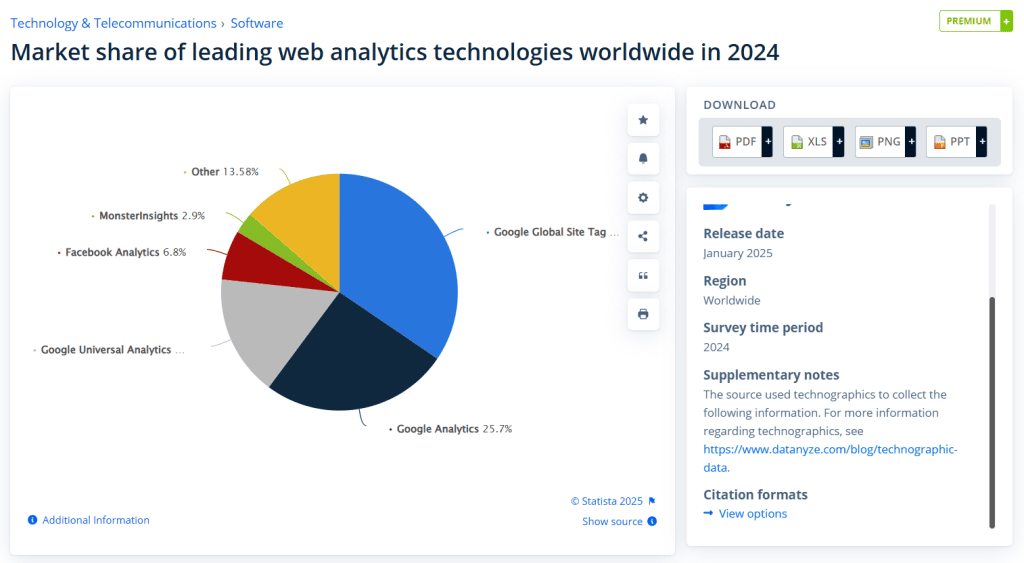
- Statista: A premier source for aggregated third-party data. Its strength lies in data visualization, allowing teams to grasp macroeconomic trends and industry-specific benchmarks without manual compilation.
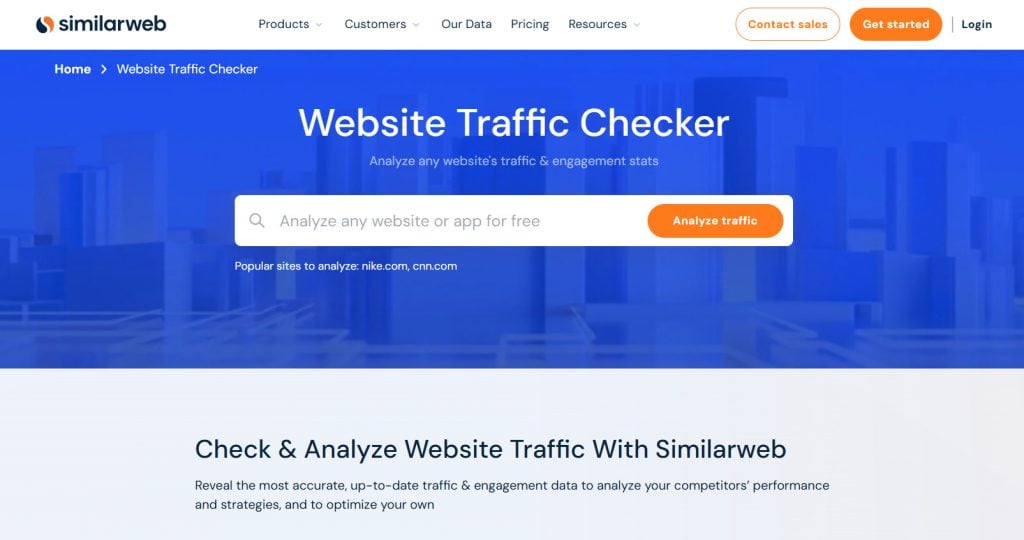
- Similarweb: This is the gold standard for competitive benchmarking. By analyzing competitor traffic sources and audience behavior, businesses can identify gaps in their own digital strategy.
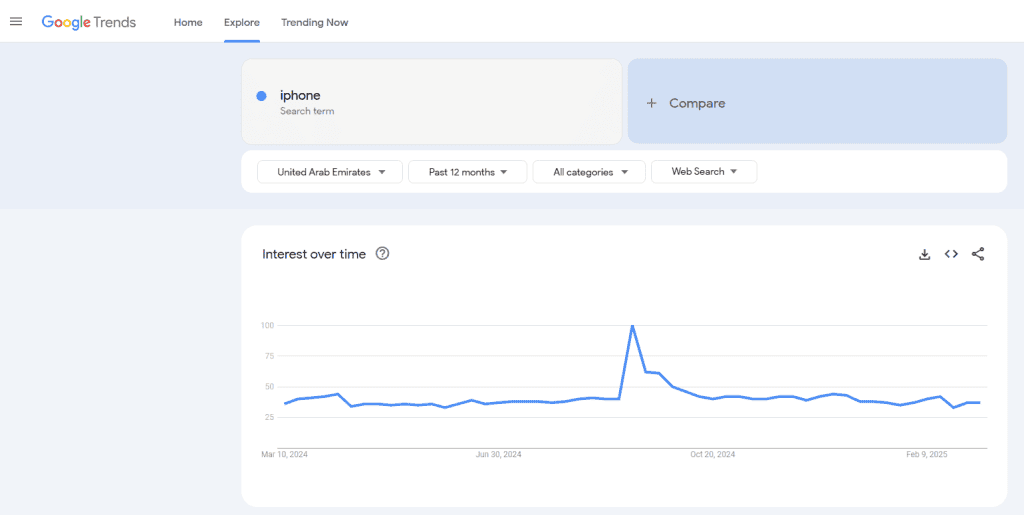
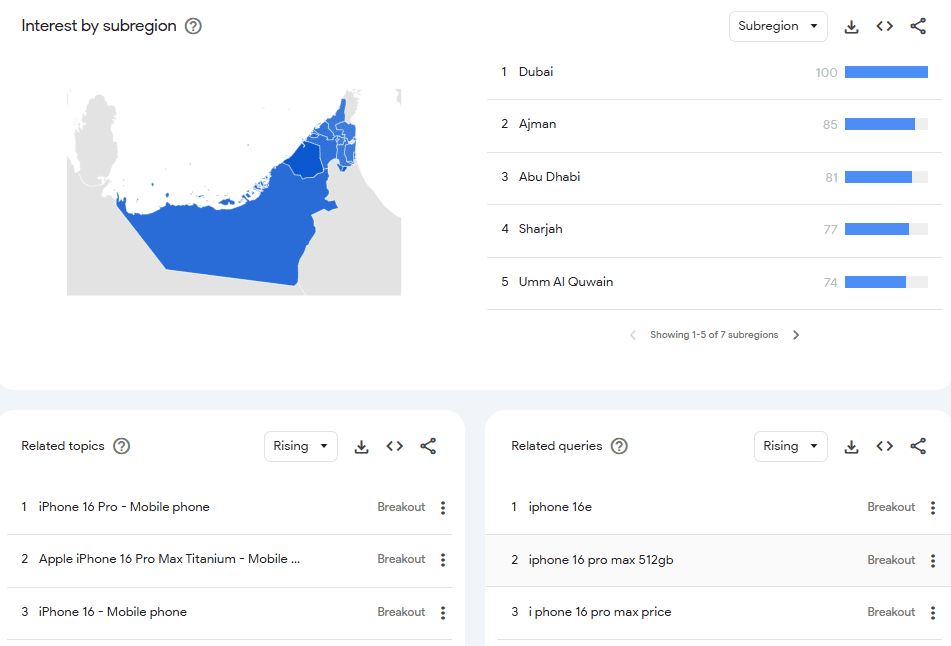
- Google Trends: An essential, free tool for tracking real-time shifts in interest. It is particularly powerful for seasonal planning and identifying emerging market demands before they become mainstream.
- Professional Research Services: For high-stakes decisions, hiring specialized firms provides a strategic edge. These professionals can conduct proprietary studies, offering granular insights into pricing elasticity and brand positioning that DIY tools might miss.
2. Leveraging Website Data
Your website is your most valuable digital asset. It provides an unfiltered window into how users interact with your brand.
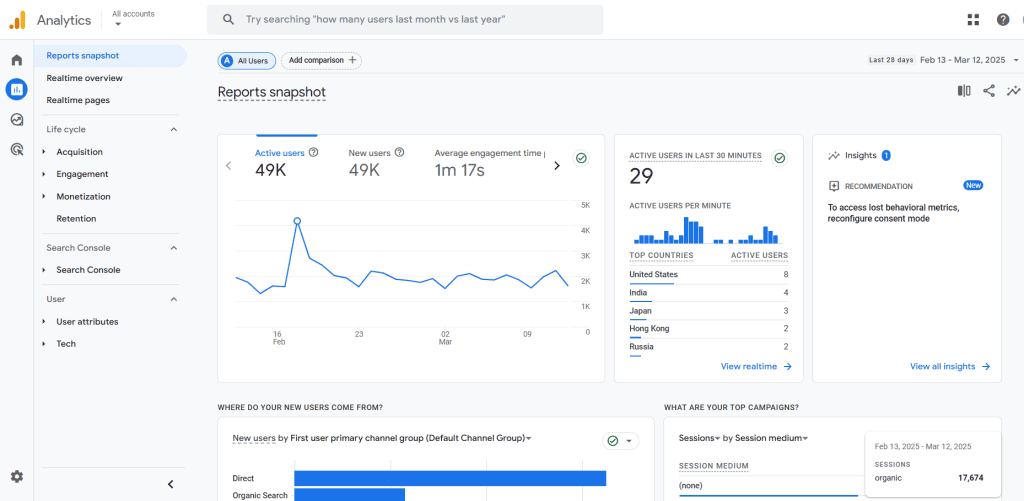
- Google Analytics 4 (GA4): As the industry standard, GA4 offers sophisticated tracking capabilities. It enables businesses to move beyond simple page views to analyze user journeys, event tracking, and cross-platform engagement.
- Microsoft Clarity: While GA4 provides the "what," Microsoft Clarity provides the "how." Its heatmaps and session recordings allow stakeholders to watch, in real-time, how users navigate the site, where they hesitate, and what prevents them from converting. Because it is free and AI-powered, it is an indispensable tool for technical and UX optimization.
3. Social Media Intelligence
Social media platforms are the modern town squares of commerce. They offer a unique environment where customers express opinions, frustrations, and desires with complete candor.
- Centralized Tracking: We recommend using GA4 to track social traffic. By categorizing social media sources in a unified dashboard, businesses can compare which platforms contribute to the "Awareness," "Engagement," and "Conversion" stages of the funnel.
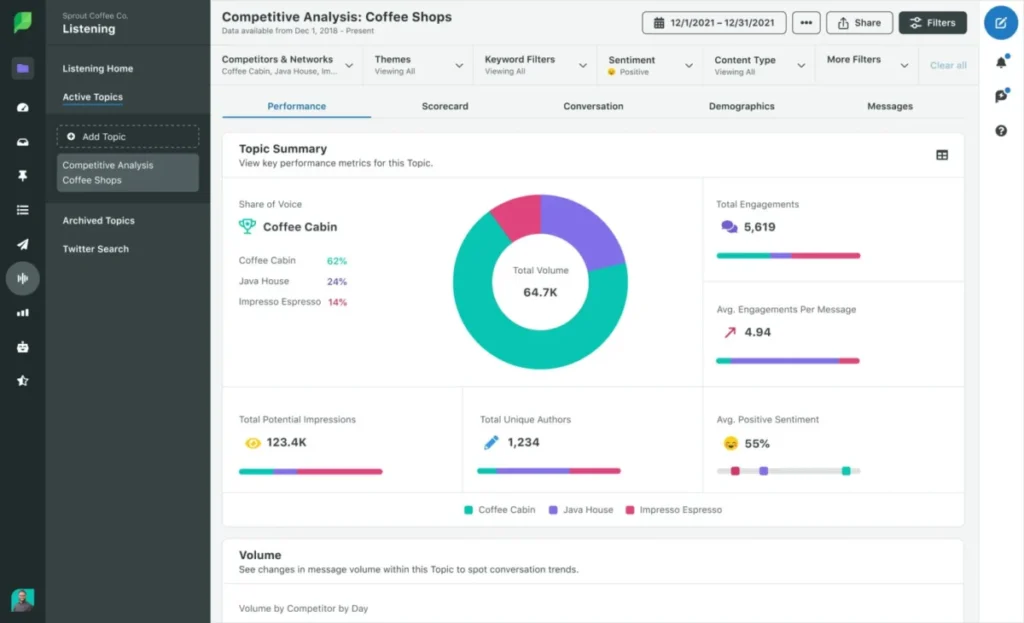
- Social Listening: Tools like Mention or Sprout Social automate the monitoring of brand mentions. This proactive approach allows businesses to manage reputation and identify product opportunities based on public discourse.
4. Capturing Direct Customer Feedback
Nothing replaces the clarity of direct communication. By creating channels for feedback, businesses can transform passive users into active contributors to product development.
- Feedback Widgets: Tools like Appzi enable real-time, in-context feedback. By embedding a simple question—such as "Did you find what you were looking for today?"—on a specific page, you can capture sentiment exactly when the user is experiencing it.
- Focus Groups: While surveys provide breadth, focus groups provide depth. Engaging 5 to 10 participants in a moderated discussion can uncover deep-seated emotional responses to a brand that surveys often fail to capture.
- Surveys and Polls: Whether using SurveyMonkey or Google Forms, the key to success is brevity. For quick pulses, tools like DirectPoll allow for instant engagement. For more complex inquiries, structured surveys should be designed with clear, objective-driven questions.
- Review Analysis: Platforms like Trustpilot are gold mines. For businesses on a budget, a manual review of 3-star and 4-star feedback is highly recommended; these reviews often contain the most balanced and constructive critiques. AI tools like ChatGPT can be used to synthesize these reviews, identifying common sentiment patterns at scale.
Chronology of Implementation
Effective insight gathering is not a one-time project; it is a cycle. A mature organization follows this chronological path:
- Preparation (Week 1-2): Define the core questions. What do you need to know? Identify the appropriate tools (e.g., setting up GA4 and installing Microsoft Clarity).
- Data Collection (Week 3-6): Run campaigns, deploy surveys, and accumulate website traffic data.
- Synthesis (Week 7-8): Use AI or manual review to clean and interpret the data. Look for correlations between different sources (e.g., does the drop-off in GA4 align with the complaints in your feedback widget?).
- Strategic Adjustment (Week 9+): Implement changes based on insights. This could range from adjusting website copy to pivoting a product feature.
- Re-evaluation: Measure the impact of the changes and repeat the cycle.
Implications for Modern Business
The implications of failing to utilize customer insights are severe. In an era where switching costs are low, a brand that ignores its customers’ needs will quickly lose its competitive edge. Conversely, those that prioritize these insights enjoy higher customer lifetime value (CLV), reduced churn, and more efficient marketing spend.
By shifting the focus from "selling to" to "solving for," companies create an effortless customer journey. Whether it is refining a checkout flow or launching a new product line based on social listening, data-driven decisions mitigate risk and accelerate growth.
Ultimately, the most successful brands are those that treat customer data not as a series of metrics to be monitored, but as a narrative to be understood. When you truly listen to your customers, they will tell you exactly how to grow your business. The tools exist; the methodology is proven. Now, the focus must shift to execution.
