
Scoring Big on Social: What World Cup Data Reveals About Winning Video Strategies in a Saturated Digital Ecosystem
By the Global Digital Media Desk
Published: Autumn 2026
Main Facts: The Global Stage Meets the Creator Economy
As the world’s most-watched sporting event, the FIFA World Cup has always been a colossal cultural lightning rod. Co-hosted across North America in a sprawling, multi-nation tournament spanning Canada, Mexico, and the United States, the 2026 edition pushed engagement metrics into unprecedented territory. With 48 national teams battling on the pitch, media companies, brands, and independent creators scrambled for a slice of the digital pie, flooding platforms like TikTok, Instagram, and YouTube with soccer-adjacent content.
However, capturing audience attention in an ecosystem saturated with millions of competing voices is no longer just about shouting the loudest. A comprehensive deep-dive into North American creator and platform data reveals a shifting landscape. While traditional sports broadcasters still command massive total view counts, independent influencers and cross-industry brands are rewriting the rules of engagement. From the surprising dominance of creator-driven viral hits to the unexpected synergy between non-sport niches—such as Food & Drink—and global sporting events, the modern social video playbook requires a masterclass in data intelligence, format optimization, and timing.
Chronology of a Cultural Phenomenon: How the 2026 Tournament Unfolded Online
To understand how the digital narrative of the 2026 World Cup took shape, one must examine the timeline of online engagement across the tournament’s lifecycle:
Phase 1: The Build-Up and Group Stage Kick-Off
Months before the first whistle blew across North American stadiums, digital marketers and media conglomerates began mapping out their content schedules. However, real-time agility quickly proved more valuable than rigid corporate forecasting. As the group stages commenced with an expanded 48-team format, social media feeds experienced an immediate surge in volume.
Phase 2: The Viral Breakthroughs
Midway through the group matches, individual creators began outpacing legacy sports networks in specific engagement metrics. A watershed moment occurred when influencer iShowSpeed published a high-energy reaction reel covering the Argentina versus Cape Verde match. Eschewing the polished, delayed production of traditional broadcasters, the raw, immediate video skyrocketed to an astounding 240 million views, making it the single most-watched social video in North America for the tournament.
Phase 3: The Cross-Industry Influx
As the tournament progressed into the knockout rounds, non-sports creators recognized the broader cultural gravity of the event. Food and beverage channels, lifestyle influencers, and comedy creators successfully pivoted their content calendars. Rather than attempting to break down tactical formations, these creators introduced World Cup-themed cocktail recipes, tailgating guides, and spotlights on the national cuisines of competing countries. This cross-pollination kept audience retention high even among casual sports fans.
Phase 4: Post-Tournament Analysis and Data Auditing
Following the final match, analytics firms began parsing platform data. The findings challenged long-held assumptions regarding optimal posting schedules and video durations. Creators discovered a distinct disconnect between when they thought audiences were scrolling across time zones and when viewers were actually consuming content—revealing valuable whitespace opportunities for future global events.
Supporting Data: What the Numbers Tell Us
Behind every viral moment lies a dense matrix of platform data. Analyzing North American social video performance during the tournament illuminates four core pillars of digital strategy.
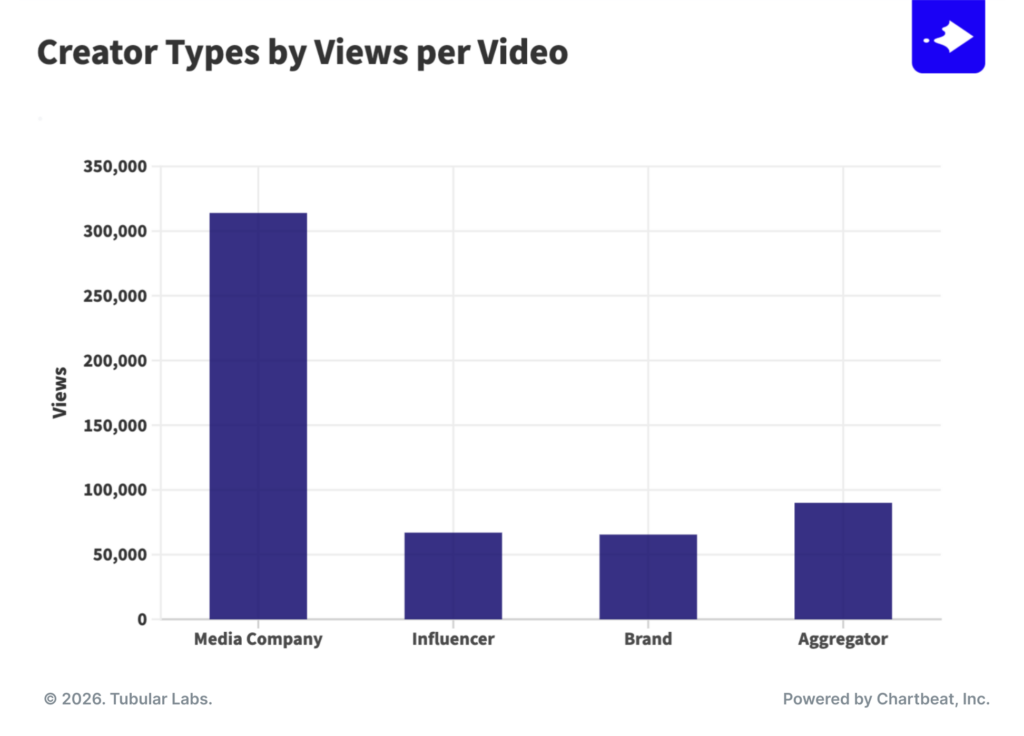
1. Quality Over Quantity: The Creator vs. Broadcaster Dynamic
While major sports broadcasters like ESPN maintained massive distribution infrastructures that guaranteed high baseline reach, independent creators demonstrated superior efficiency on platforms like TikTok. The data indicates a vital truth: while volume and name recognition remain powerful force multipliers, editorial-led, highly authentic videos yield extraordinary engagement per post. The massive success of individual influencers proves that audiences crave personality-driven reactions alongside objective match coverage.
2. The Power of Niche Crossover
Data from Instagram highlights that sports media claimed the top spot for total cumulative views, but non-endemic brands carved out significant audience shares. The "Food & Drink" category serves as a prime empirical case study. By aligning content with the shared cultural experience of the tournament—such as regional dishes representing the 48 participating nations—creators bypassed traditional sports barriers. The takeaway for digital strategists is clear: if a brand’s niche shares even a tangential overlap with a major live event, an engaged audience is waiting for a customized angle.
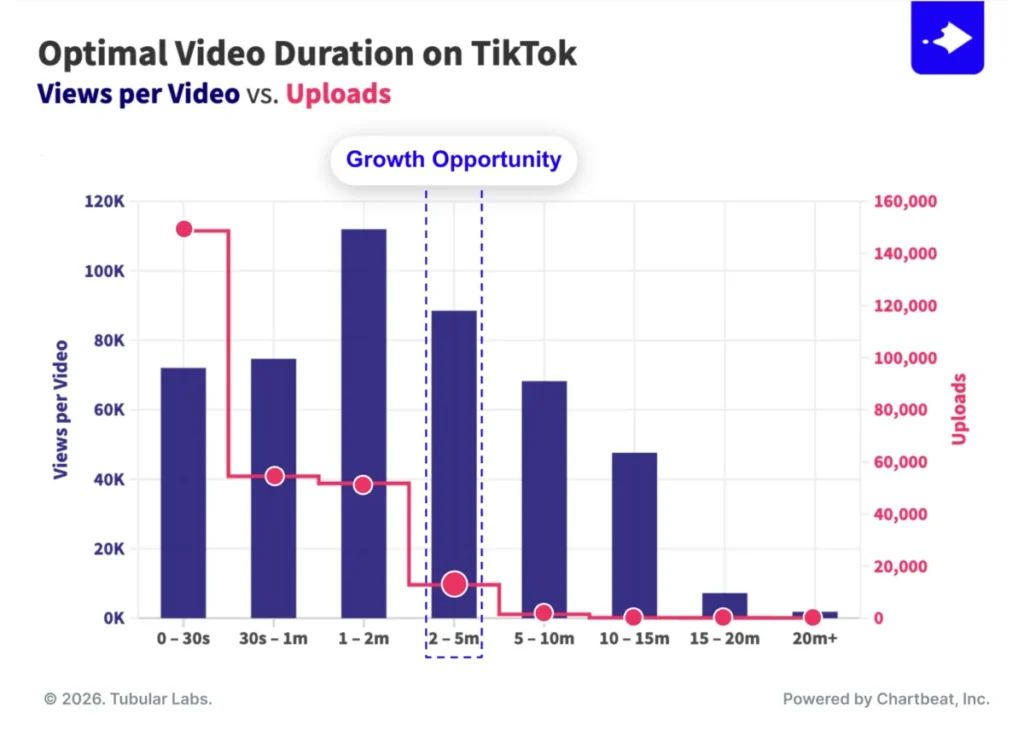
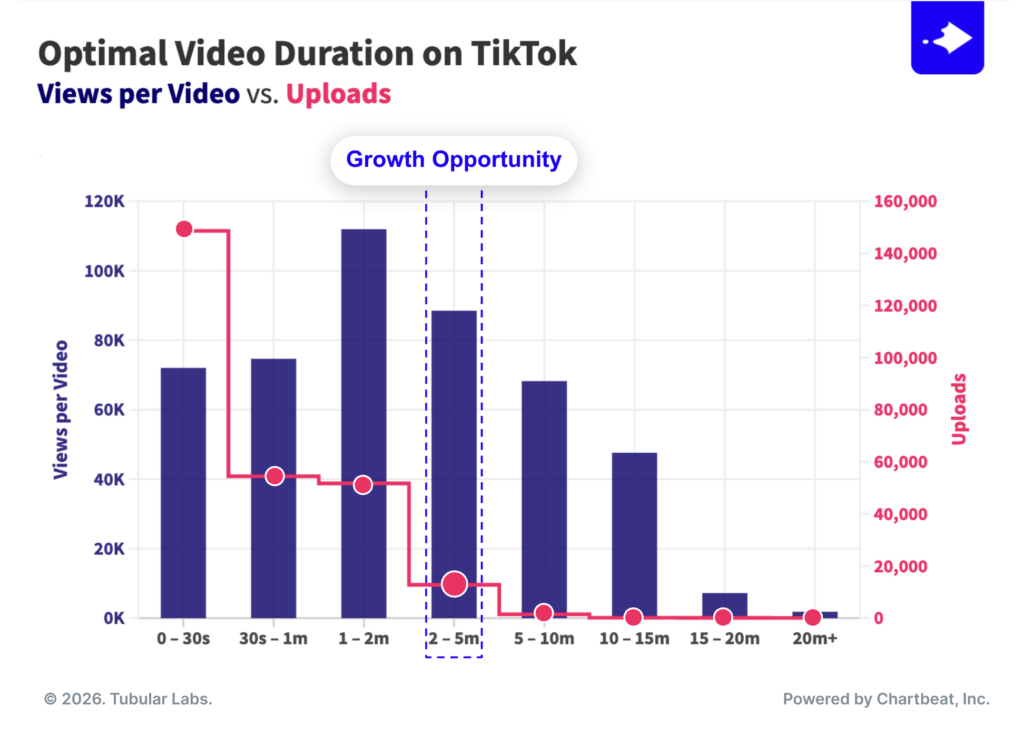
3. Optimal Video Duration
Assumptions about viewer attention spans often lead to wasted production efforts. Platform metrics from TikTok during the World Cup demonstrated that matching video length to actual audience consumption habits is critical. Creators who utilized analytical data to tailor their pacing—avoiding both overly brief teasers that lacked substance and bloated features that lost viewer retention halfway through—achieved optimal algorithmic distribution and higher completion rates.
4. Time Zone Realities and Posting Discrepancies
Operating across multiple North American time zones while tracking global matches presented a logistical puzzle. Instagram data unmasked notable discrepancies between traditional publishing schedules and peak audience activity windows. Creators who audited their performance metrics to post during high-traffic, low-competition windows captured overlooked segments of the scrolling public, effectively outmaneuvering competitors who posted blindly based on conventional business hours.
Official Responses and Industry Insights
Digital media experts and analytics leaders have weighed heavily on the implications of the 2026 World Cup data, emphasizing that the creator economy has permanently altered how live sports and major cultural events are experienced online.
"The sheer scale of the 2026 World Cup proved that audiences are no longer tethered to single-source broadcasters for their event experiences," noted a leading social video strategist during a post-tournament media briefing. "When an individual creator can generate 240 million views with an authentic reaction video that bypasses traditional broadcast gatekeeping, the power dynamic shifts decisively toward agile, audience-first content creators."
Furthermore, analytics executives have stressed the danger of relying on institutional intuition rather than hard data. "Brands often assume they know when and how their audience wants to consume content during a mega-event," stated a prominent digital intelligence spokesperson. "Our analysis of the tournament data shows that peak viewing windows and optimal video lengths frequently defy conventional wisdom. Companies that fail to audit their performance in real-time are essentially flying blind in a very expensive, highly competitive airspace."
Implications: How to Win the Next Big Cultural Moment
The lessons learned from the digital footprint of the 2026 FIFA World Cup extend far beyond soccer. As media ecosystems grow increasingly saturated, brands, creators, and publishers must internalize several key strategic imperatives to secure their share of future audience attention.
Embrace Agility and Authenticity
The dominance of creator-led reactions over rigid, highly produced corporate broadcasting demonstrates that modern audiences value immediacy and human connection. Editorial authority and distribution infrastructure are still invaluable assets, but they must be paired with genuine, unscripted enthusiasm to truly resonate on social platforms.
Broaden the Scope of Engagement
You do not need to be a specialized sports publisher to capitalize on a global cultural phenomenon. By identifying organic bridges between your specific niche—whether it is culinary arts, fashion, tech, or lifestyle—and a massive cultural milestone, you can capture adjacent audiences who are saturated with direct coverage and looking for fresh, creative perspectives.
Let Data Dictate Form and Timing
Guesswork is the enemy of digital ROI. Creators must leverage granular platform analytics to determine optimal video lengths and posting schedules. By identifying whitespace opportunities—moments of high user activity paired with low competitor output—brands can maximize their reach without getting drowned out in the noise of peak broadcast hours.
Ultimately, navigating major cultural events requires a profound understanding of your audience’s behavior. By combining data-driven timing, platform-optimized video lengths, and creative niche adaptation, digital strategists can turn any global moment into a gold medal-worthy success.
