
Beyond the Newsletter: The Top 15 Beehiiv Alternatives for Scaling Brands in 2026
Beehiiv has undeniably transformed the creator landscape, providing a streamlined, newsletter-first platform that helped thousands of writers monetize their audiences. However, as digital brands evolve, they often encounter the "scaling wall." Whether it is a need for deeper CRM integration, more robust automation workflows, or complex multi-channel marketing capabilities, many teams find themselves outgrowing the constraints of a newsletter-centric model.
If your organization has hit the limits of Beehiiv’s audience management or monetization features, you aren’t alone. We have analyzed thousands of user reviews across G2, Capterra, and Reddit to identify the best platforms for brands that require clearer analytics, tighter security, and a more aggressive path to Return on Investment (ROI).

The State of Email Marketing: Why Teams Switch
As of early 2026, the shift away from hyper-focused newsletter tools toward integrated marketing hubs is a growing trend. Reviewers consistently point to several friction points when discussing Beehiiv:
- The "Scale Tax": Many users find the jump from free to premium tiers disproportionately expensive as their subscriber count hits the tens of thousands.
- Design Rigidity: While Beehiiv is excellent for text-heavy content, it often lacks the drag-and-drop flexibility and advanced design customization that professional marketing teams demand for high-converting landing pages.
- Automation Depth: For businesses managing complex customer lifecycles—where email is just one touchpoint alongside SMS and web push—the platform’s current automation capabilities can feel rudimentary.
- Integration Gaps: Larger organizations often require native integrations with deep CRM and ERP systems, rather than relying on third-party middleware like Zapier.
1. Campaign Monitor: The Gold Standard for Professional Teams
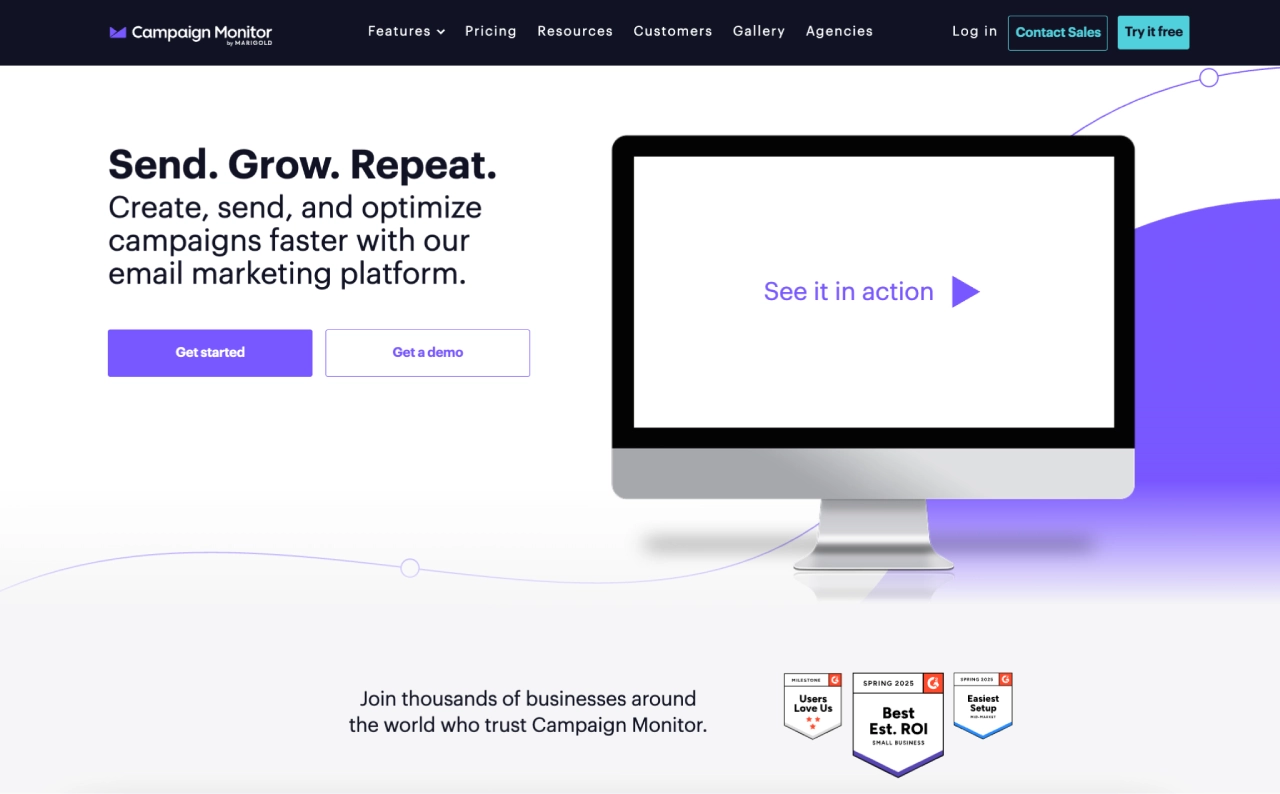
Campaign Monitor remains the market leader for brands that need enterprise-grade power without sacrificing user experience. With over 40,000 customers, it is the most well-rounded alternative for teams looking to professionalize their outreach.
Why It Wins
Campaign Monitor provides an AI-powered email builder that ensures your brand identity remains consistent across every touchpoint. Unlike newer, niche platforms, it offers a mature ecosystem with over 250 native integrations and a 20-year history of deliverability excellence.
Strategic Advantages
- Advanced Automation: Unlimited workflows that trigger based on complex user behavior.
- Enterprise Control: Tools like email locking allow agencies to maintain brand governance, ensuring that client teams can send emails without breaking design standards.
- Data Integrity: Unlike platforms that emphasize "growth at any cost," Campaign Monitor focuses on high-quality engagement metrics.
2. Emma by Marigold: The Enterprise Powerhouse
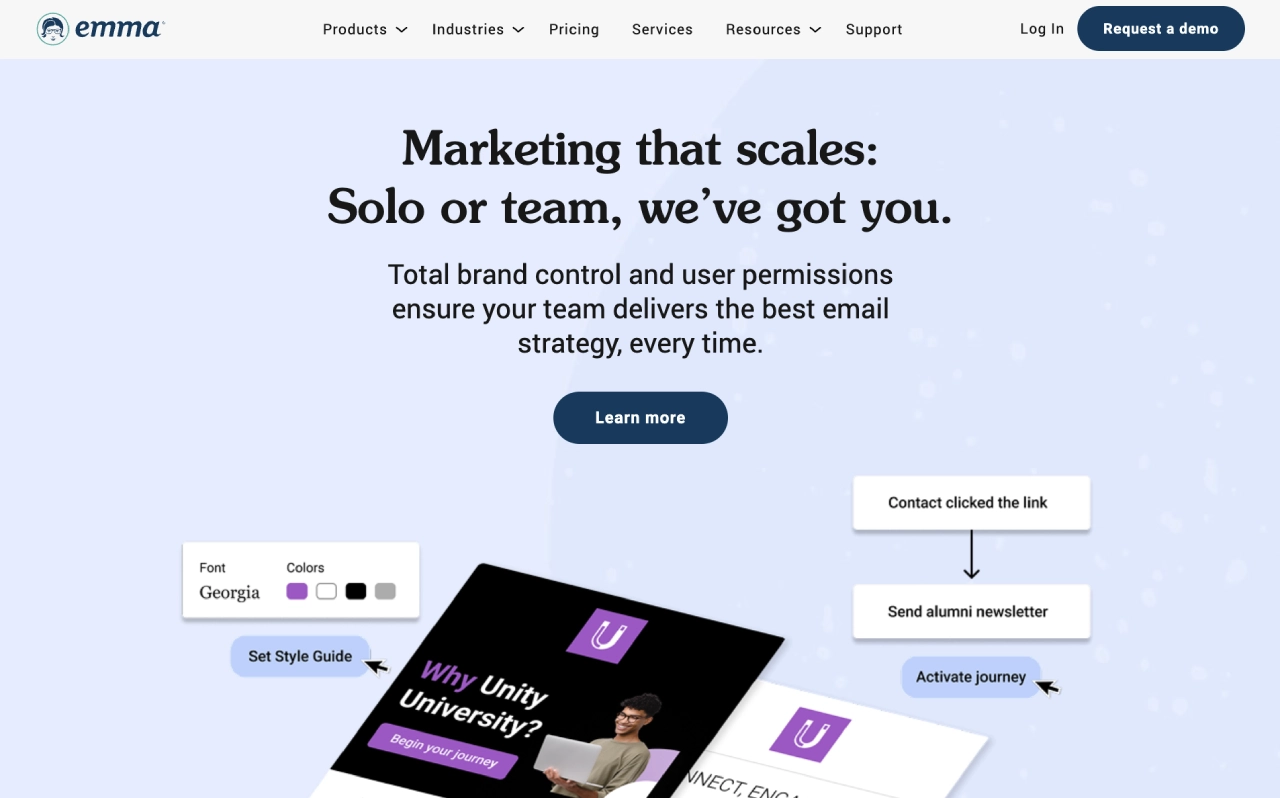
For mid-sized organizations and enterprises, Emma by Marigold offers the "goldilocks" solution—enough complexity to manage massive, multi-departmental operations, but an interface that doesn’t require a degree in computer science.
Key Features for Scaling
- Multi-Account Structure: Perfect for franchises or companies with multiple brands under one roof.
- Mailing Score: An advanced analytics tool that provides actionable insights into the health of your campaigns before you hit send.
- Approval Workflows: Mitigates the risk of human error by requiring sign-offs before campaigns go live.
3. Mailchimp: The All-in-One Marketing Ecosystem
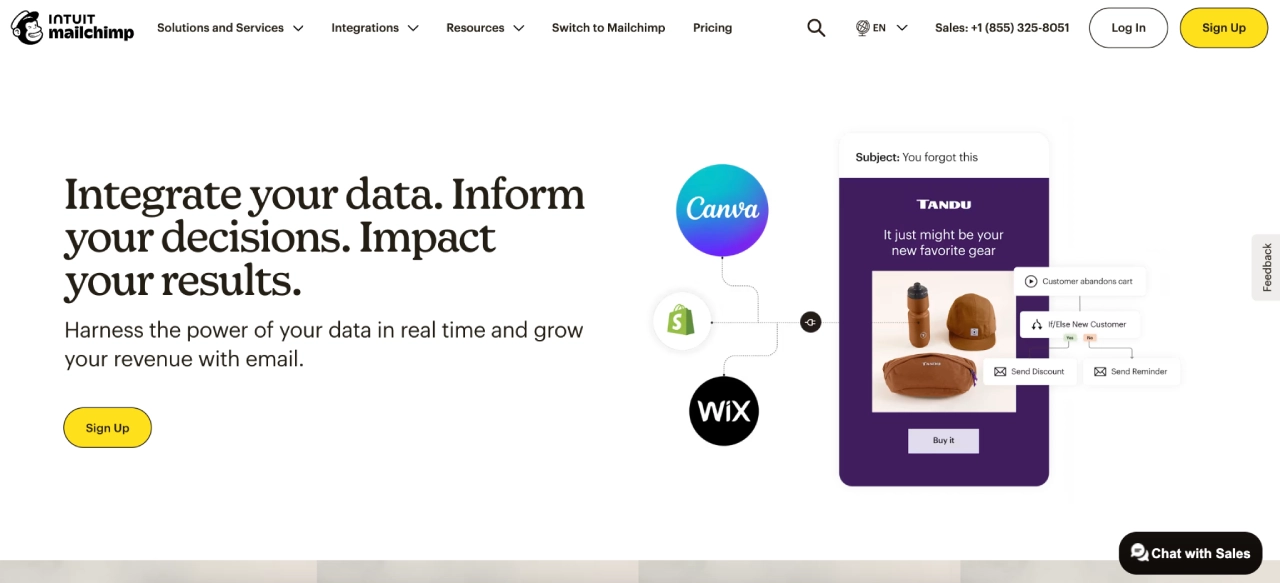
Mailchimp has evolved far beyond its humble beginnings as an email list manager. It is now a comprehensive marketing suite that includes landing pages, SMS, social media scheduling, and advanced predictive segmentation.
Why Consider It?
If your goal is to consolidate your tech stack, Mailchimp is the obvious choice. By combining your customer journey builder with your email and SMS efforts, you get a 360-degree view of your customer lifetime value (CLV). Its predictive analytics—which can tell you the likelihood of a customer purchasing again—are a game-changer for ecommerce-heavy businesses.
4. ActiveCampaign: Automation for the Power User
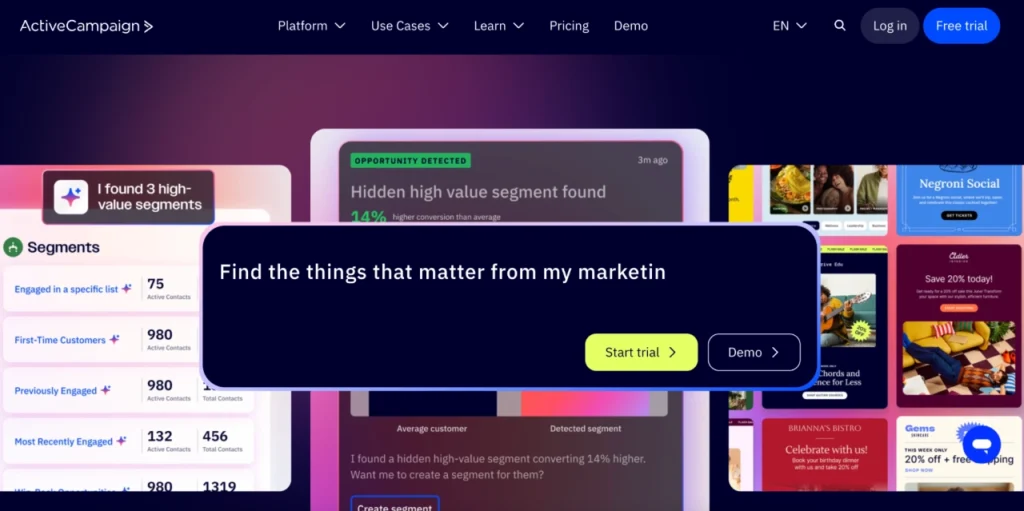
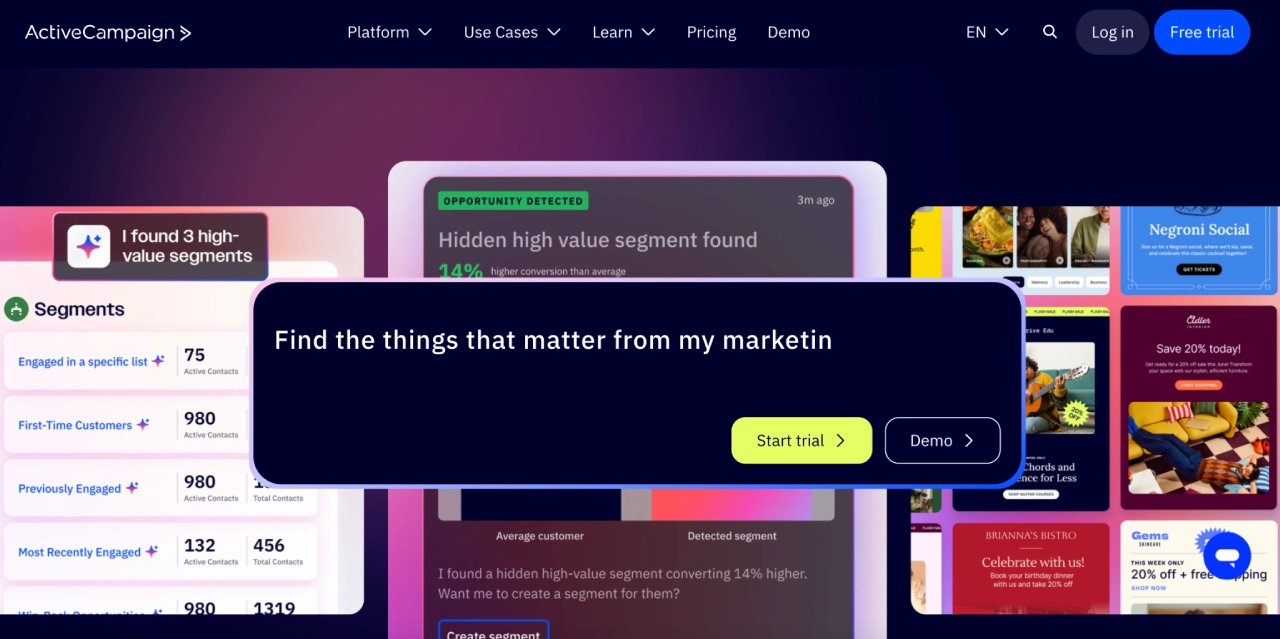
If your marketing strategy is built on complex, multi-step conditional logic, ActiveCampaign is the industry leader. It isn’t just an email tool; it’s an automation engine.
The "Recipe" Advantage
ActiveCampaign provides a massive library of "automation recipes" that allow you to set up sophisticated lead-nurturing sequences in minutes. Its ability to integrate an internal CRM directly into the marketing platform means your sales team sees exactly what your marketing team is doing in real-time.
5. Constant Contact: The Reliable Local Business Choice
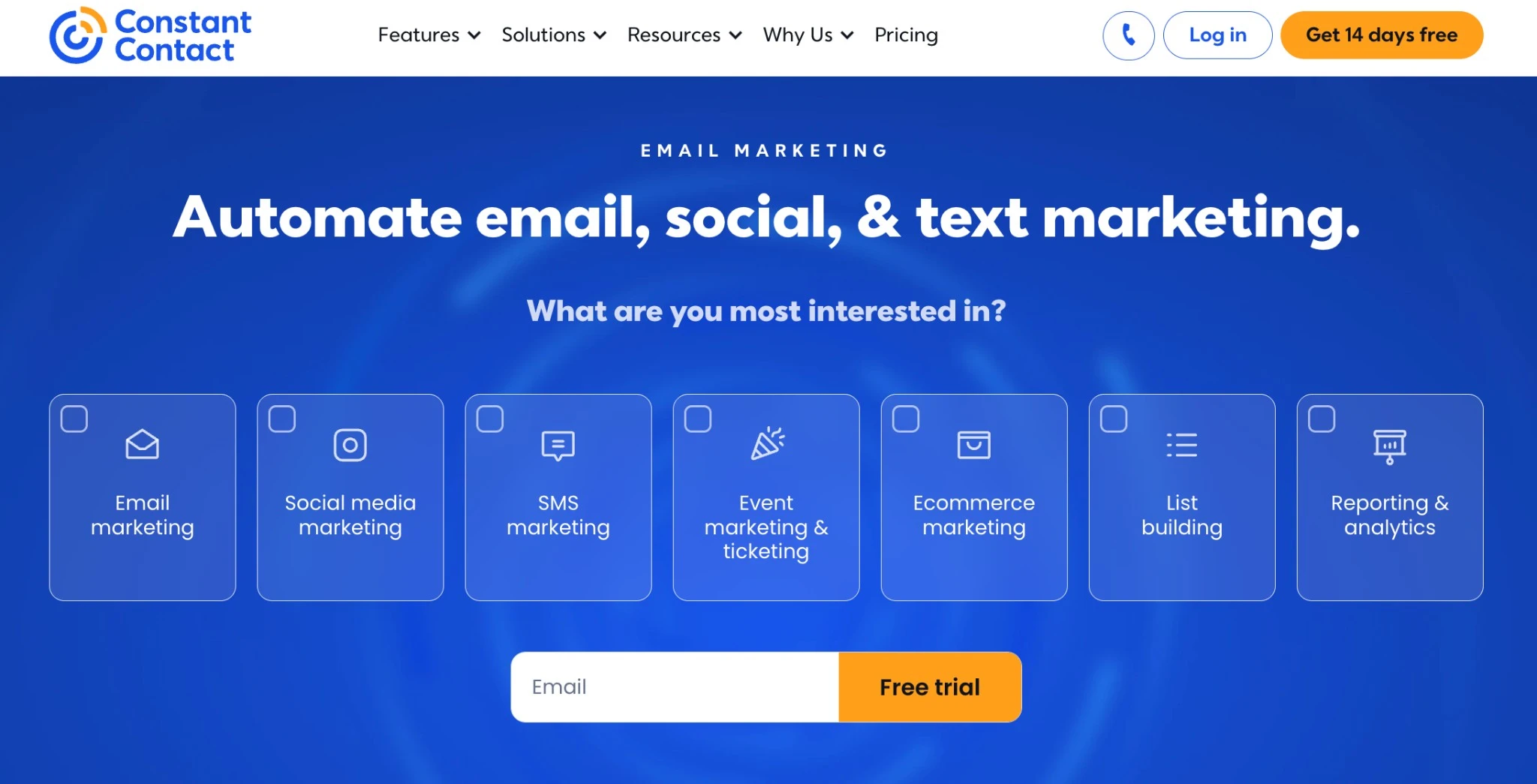
For small businesses, nonprofits, and event-based organizations, Constant Contact offers simplicity that is hard to beat.
The Value Prop
- Event Management: Native tools for managing RSVPs and event registrations.
- 1:1 Support: While other platforms hide behind ticket queues, Constant Contact’s commitment to personalized onboarding and support makes it ideal for teams without a dedicated IT staff.
6. Brevo (formerly Sendinblue): The Budget-Conscious Scaler
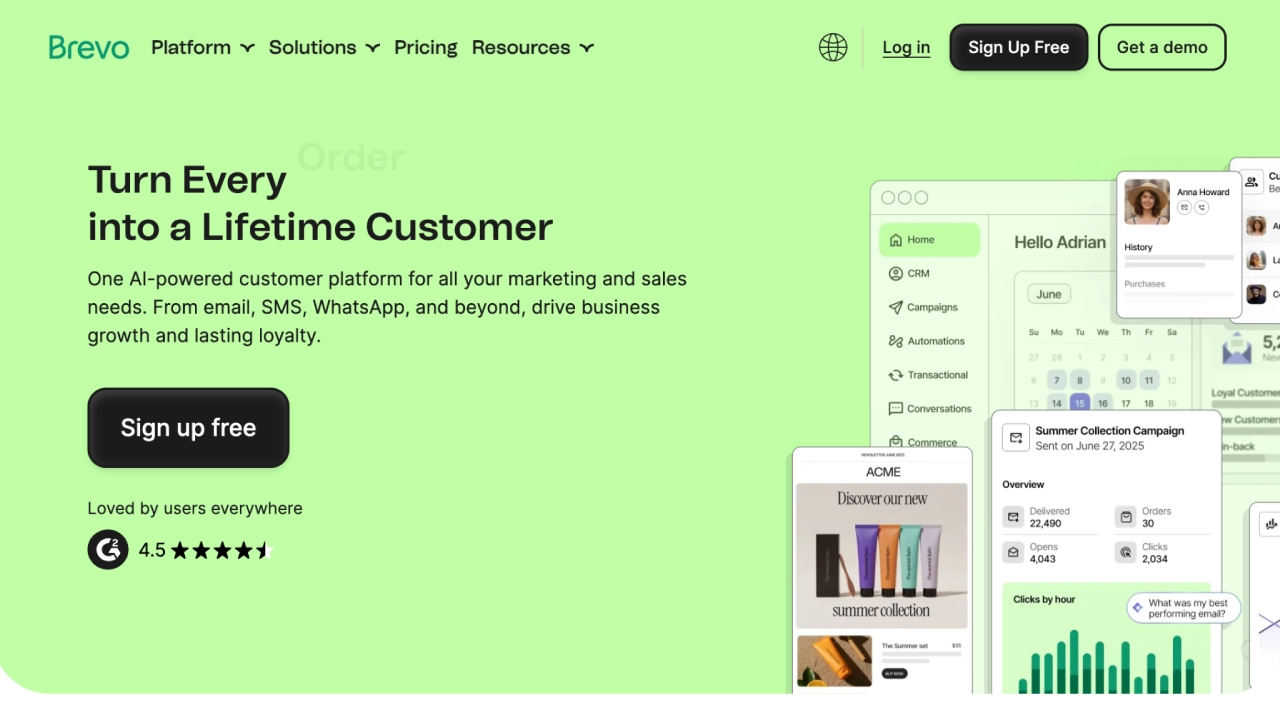
Brevo is the premier choice for companies that need enterprise-level features (like heatmaps and A/B testing) without the enterprise-level price tag. Its pricing model is contact-based, which can be significantly more affordable than send-based pricing as your list grows.

7. Klaviyo: The Ecommerce King
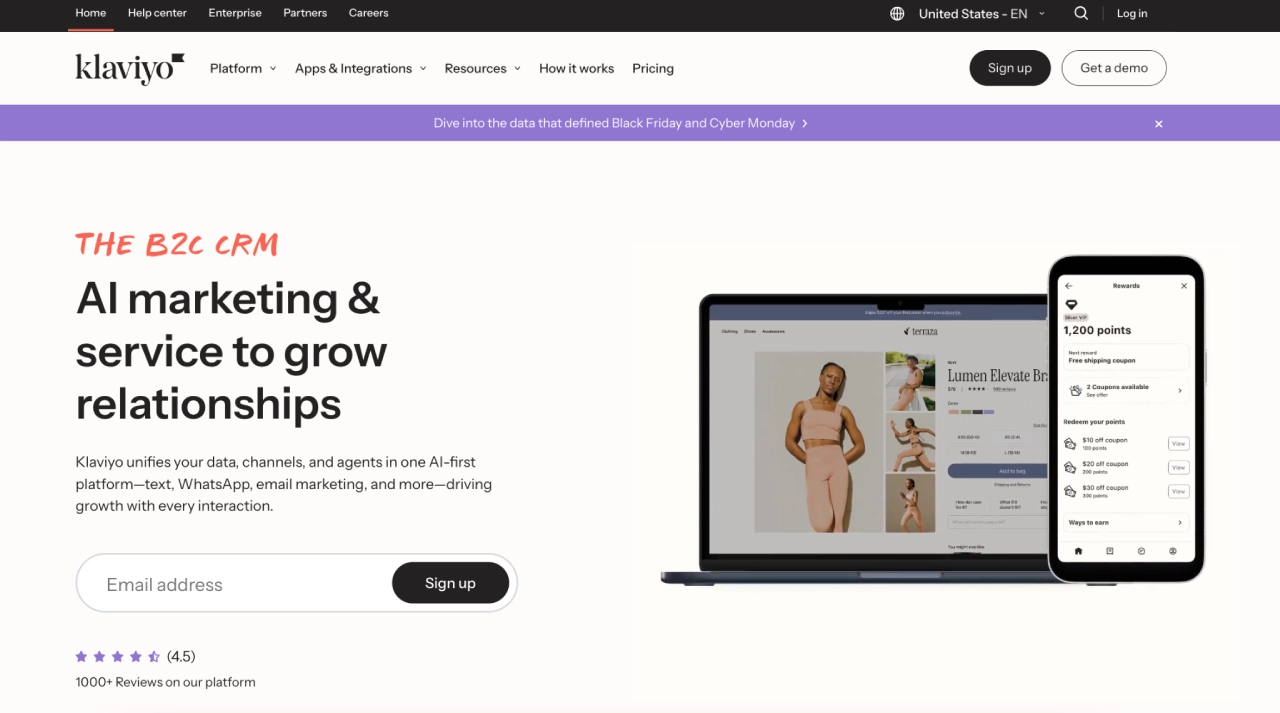
If you are running an online store on Shopify or WooCommerce, look no further than Klaviyo. It is built to leverage transaction data, allowing you to trigger emails based on specific purchase history, abandoned carts, and browse behavior.
8. SendGrid: The Developer’s Choice
SendGrid is less a "marketing platform" and more an "email infrastructure." For tech-heavy companies that need a reliable API to send transactional emails (like password resets or shipping confirmations) alongside their marketing blasts, SendGrid is the gold standard.
9. GetResponse: The Funnel Master
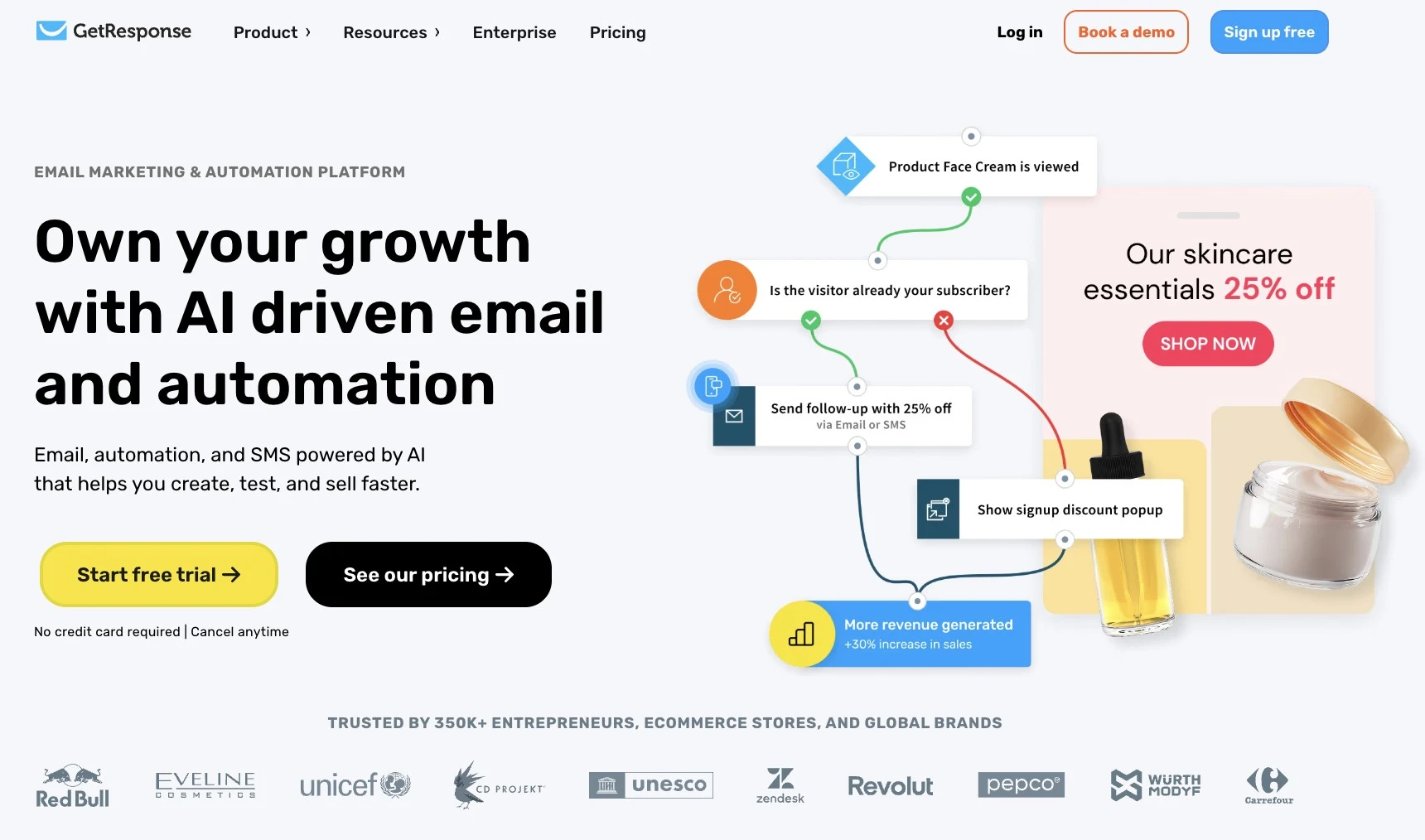
GetResponse is unique because it integrates webinar hosting and course creation. For creators looking to monetize through digital products, this platform offers the tools to build a sales funnel from start to finish without needing third-party tools like Kajabi or Zoom.
10. Kit (formerly ConvertKit): The Creator’s Operating System
Kit is the closest "like-for-like" competitor to Beehiiv for independent creators. However, it offers a more mature ecosystem for audience segmentation using tags rather than traditional lists, which provides far more flexibility for content creators who cover multiple niches.
11. AWeber: AI-Powered Simplicity
AWeber excels at removing the "writer’s block" that haunts many newsletter creators. Its AI writing assistant and robust suite of ecommerce tools make it a strong contender for solopreneurs who want professional results with minimal effort.
12. Omnisend: The Omnichannel Ecommerce Specialist
Omnisend pushes the boundaries of email by folding in web push notifications and SMS into a single cohesive interface. It is specifically designed to maximize revenue from existing traffic.
13. Moosend: The Best-Value Performer
Moosend consistently scores high in user reviews for its user-friendly interface and highly competitive pricing. It is perfect for startups that need advanced automation workflows without the "Pro" price tag found in larger platforms.
14. Drip: Behavioral Automation
Drip is a sophisticated tool for ecommerce brands that want to track individual user behavior on their website. It is the best platform for brands that want to treat every subscriber as an individual rather than a statistic.

15. MailerLite: Elegance Meets Power
MailerLite is the final recommendation for creators who value clean design and intuitive navigation. It is exceptionally easy to set up, yet powerful enough to handle complex automations and e-commerce integrations.
Implications: Making the Right Move
Choosing the right platform is an investment in your brand’s future. Before migrating, consider these final three factors:
- Migration Support: Does the platform offer free migration services? Many (like Campaign Monitor) will assist you in moving your lists and templates.
- Deliverability: Look for platforms that prioritize sender reputation and provide tools like dedicated IPs for high-volume senders.
- Scaling Potential: Ensure the platform’s pricing structure aligns with your projected growth. A platform that seems cheap today may become cost-prohibitive in 18 months.
Final Verdict: The Top 3 Picks
- For Professional Teams: Campaign Monitor
- For Ecommerce Brands: Klaviyo
- For Independent Creators: Kit (ConvertKit)
Each of these platforms addresses the specific limitations of the newsletter-first approach, providing you with the data, control, and revenue-driving capabilities needed to dominate your industry in 2026.
Note: The features, pricing, and details mentioned for each product in this article are current as of January 2026 and may have changed since then. This blog provides general information and should not be construed as professional financial or legal advice.
