
Mastering Conversion: The Ultimate E-Commerce CRO Blueprint for Sustainable Growth
In the fiercely competitive landscape of modern digital retail, traffic is only half the battle. While many e-commerce managers obsess over top-of-funnel acquisition, the most successful brands prioritize Conversion Rate Optimization (CRO)—the art and science of turning existing browsers into loyal buyers. Without a streamlined funnel, increased ad spend is merely an expensive way to leak potential revenue.
This guide serves as a comprehensive, evidence-backed framework for optimizing your e-commerce store. By addressing friction points at every stage of the customer journey—from the initial landing to post-purchase nurturing—you can unlock incremental gains that compound over time.
The Strategic Imperative: Why CRO Outperforms Acquisition
Before diving into the tactics, it is essential to understand the math of optimization. If you currently have a 2% conversion rate, increasing it by even a fraction of a percent creates a multiplier effect on your bottom line without requiring a single extra dollar in advertising budget.
CRO is not about "tricking" users into buying; it is about removing technical, cognitive, and emotional friction. When a user lands on your site, they are looking for reasons to trust you. If your site is slow, your search is broken, or your checkout is opaque, they will leave. By refining these elements, you aren’t just improving metrics—you are building a better brand experience.
Stage 1: Building the Foundation (Speed, Mobile, and Accessibility)
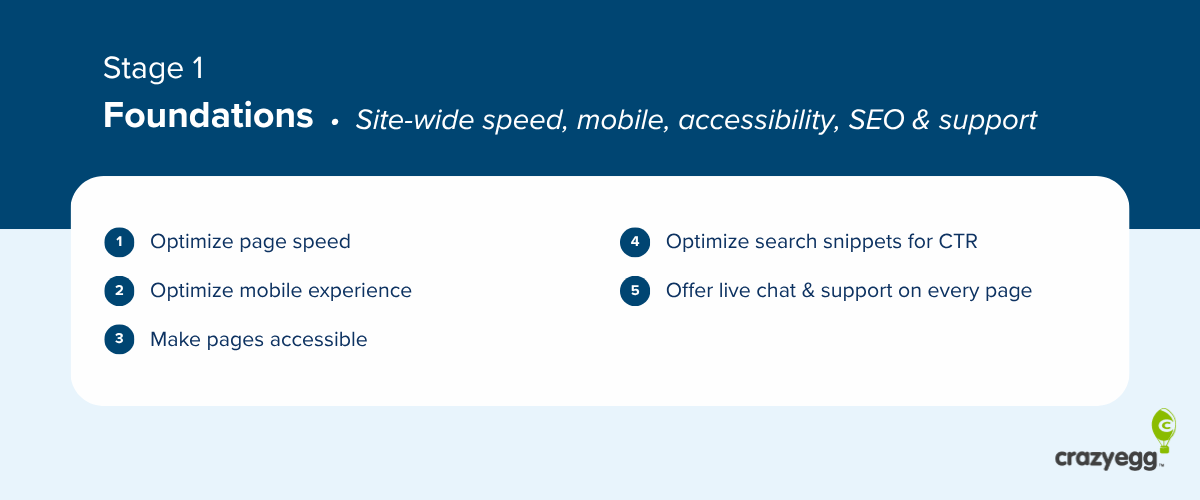
Before you can optimize for conversion, you must optimize for viability. If your site takes longer than three seconds to load, your bounce rate will skyrocket.
1. The Need for Speed
Page speed is a primary driver of user satisfaction. To maintain a load time under 2.5 seconds, prioritize:
- Image Compression: Utilize next-gen formats like WebP to reduce file sizes without sacrificing quality.
- Code Minification: Remove unnecessary characters, comments, and white space from HTML, CSS, and JavaScript.
- Lazy Loading: Ensure images and videos only load as the user scrolls, saving initial bandwidth.
2. Mobile-First Optimization
Mobile traffic now accounts for the vast majority of e-commerce sessions. A mobile experience that is simply a "shrunken desktop site" is a conversion killer. Ensure buttons are thumb-friendly, text is readable without zooming, and navigation menus are collapsible to maximize screen real estate.
3. Accessibility and SEO
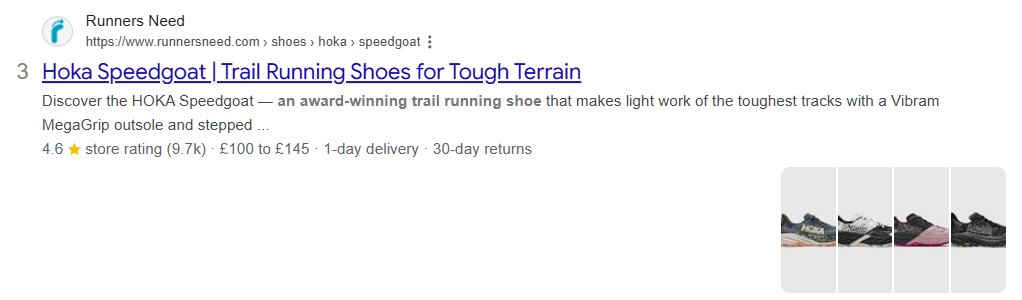
Accessibility isn’t just a compliance issue—it’s a revenue opportunity. If your site is not navigable via keyboard or screen reader, you are alienating a significant portion of your audience. Furthermore, using clear, descriptive alt text on images and implementing schema.org structured data (Product, Price, Availability, Aggregate Rating) allows search engines to display rich snippets, significantly increasing your click-through rate (CTR) from search results.
Stage 2: The First Impression (Homepage & Landing Pages)
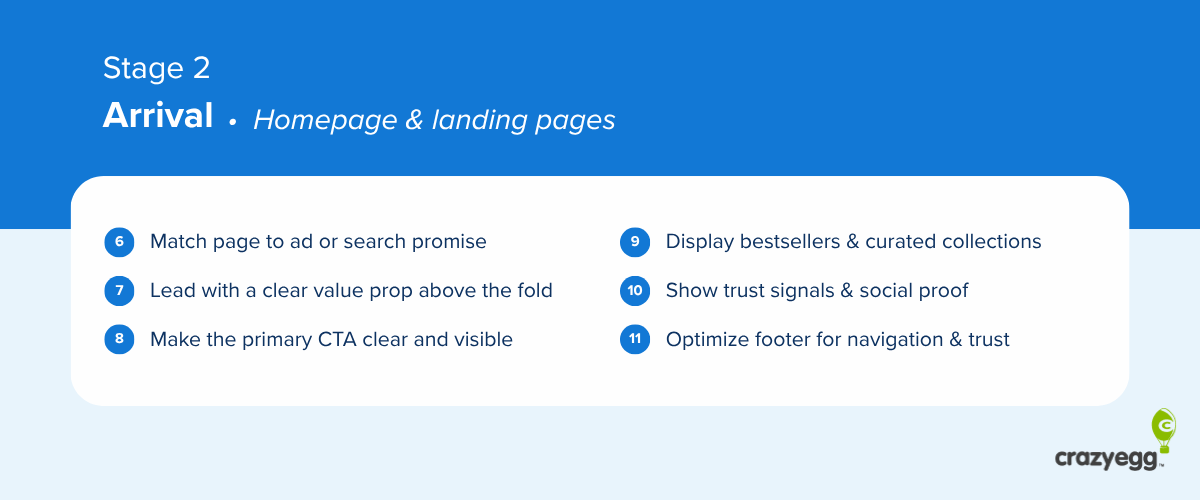
The "Arrival" phase is where your bounce rate is determined. You have milliseconds to convince a visitor they are in the right place.
The Power of the Promise
The most common mistake brands make is a mismatch between the advertisement promise and the landing page reality. If your ad promotes a "summer sale on running shoes," the user should land on a page featuring those exact items, not your general homepage.
Crafting the Value Proposition
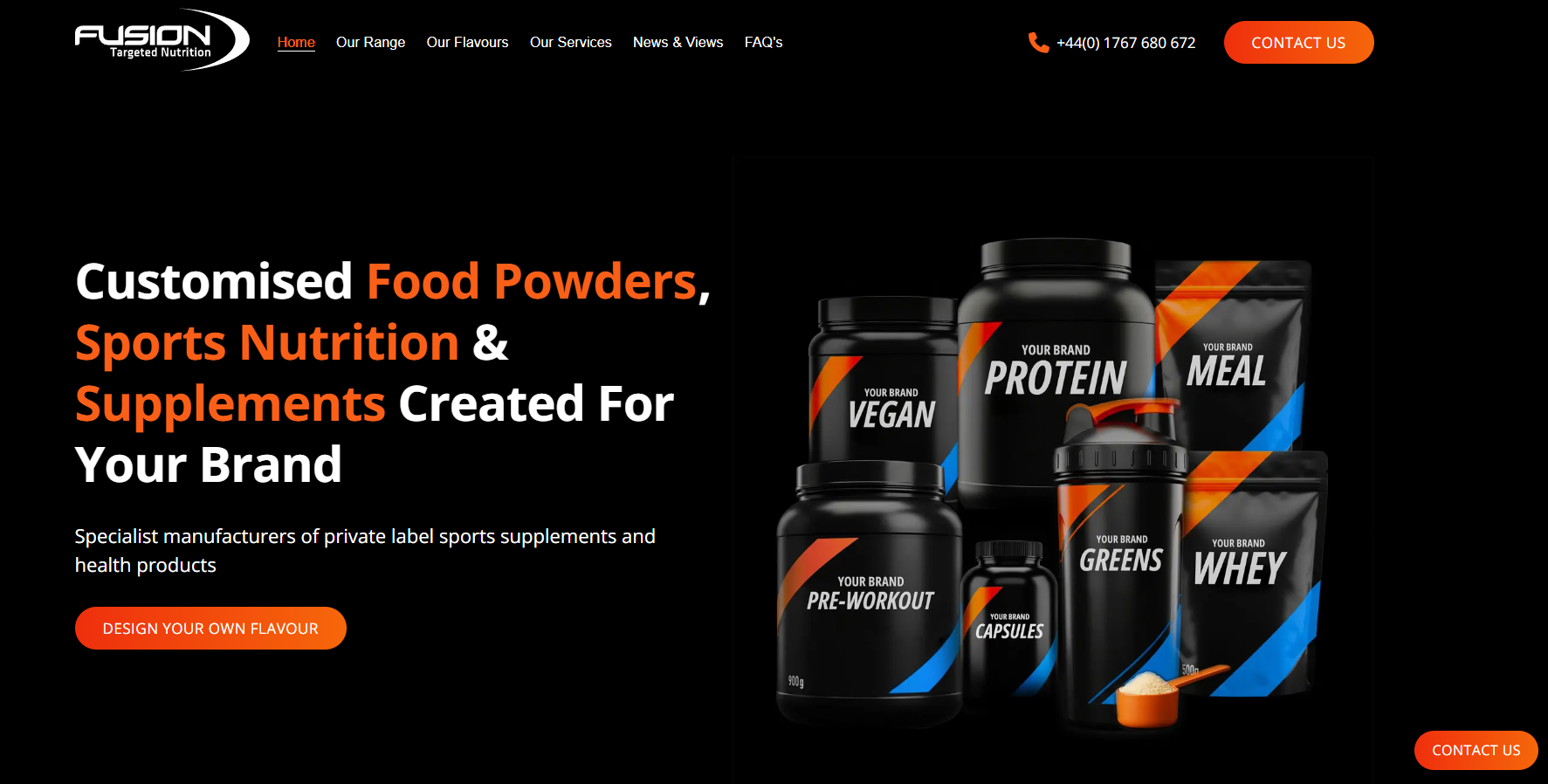
Above the fold, you must clearly state:
- What you sell.
- Who it is for.
- Why you are different.
Avoid generic phrases like "Quality products for you." Instead, focus on the benefit: "Custom-formulated supplements to optimize your recovery time." Pair this with a singular, high-contrast Call to Action (CTA) button that uses benefit-oriented copy, such as "Build My Box" or "Shop the New Drop."
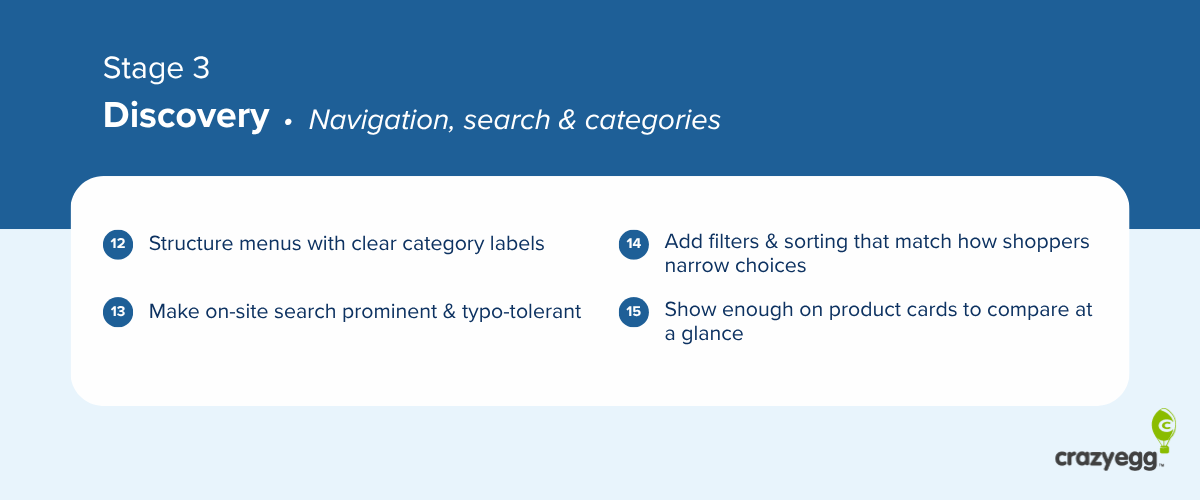
Stage 3: Discovery (Navigation and Search)
If a customer can’t find it, they can’t buy it. A study by Constructor in 2024 revealed that while searchers make up only 24% of site visitors, they drive 44% of revenue and convert at 2.5 times the rate of non-searchers.
The Search Advantage
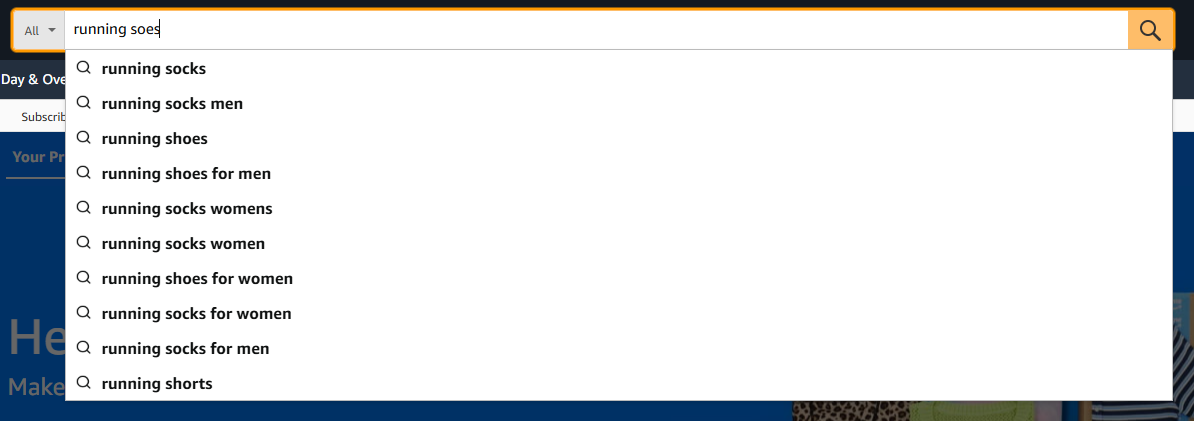
Your on-site search must be robust. It should be typo-tolerant, offer real-time autocomplete suggestions, and provide accurate results. If a user searches for "sneakers" and receives zero results, you have lost a sale.

The Art of Filtering
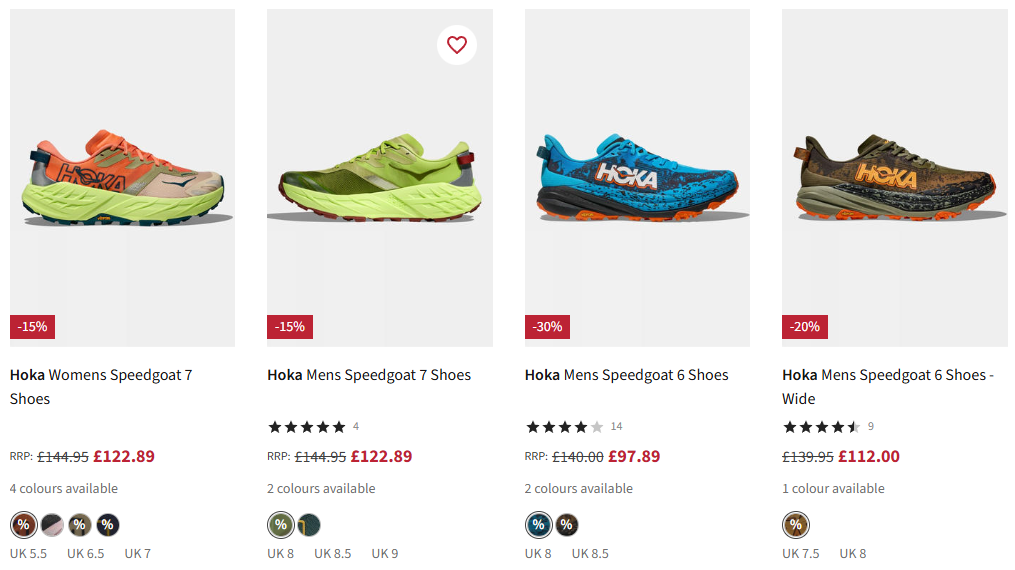
A cluttered category page is a cognitive burden. Provide the "Big Five" filters: Price, Ratings, Color, Size, and Brand. When a user filters, the count of available items should update dynamically so they know exactly what to expect.
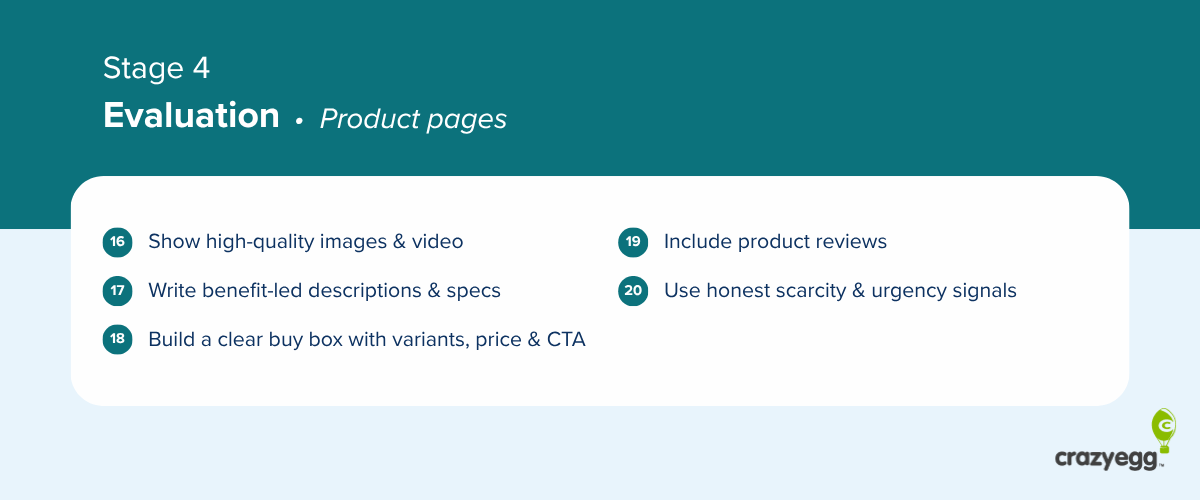
Stage 4: Evaluation (Product Detail Pages)
The Product Detail Page (PDP) is the digital equivalent of a salesperson’s closing pitch.
- Visual Trust: Use lifestyle photography to show the product in context and "in-scale" images to help the user understand the size.
- Benefit-Led Descriptions: Don’t just list specs; explain how those specs solve the customer’s problem.
- The Buy Box: This is the most critical area of the page. It must contain the price, variant selectors (size/color), and a dominant, persistent "Add to Cart" button.
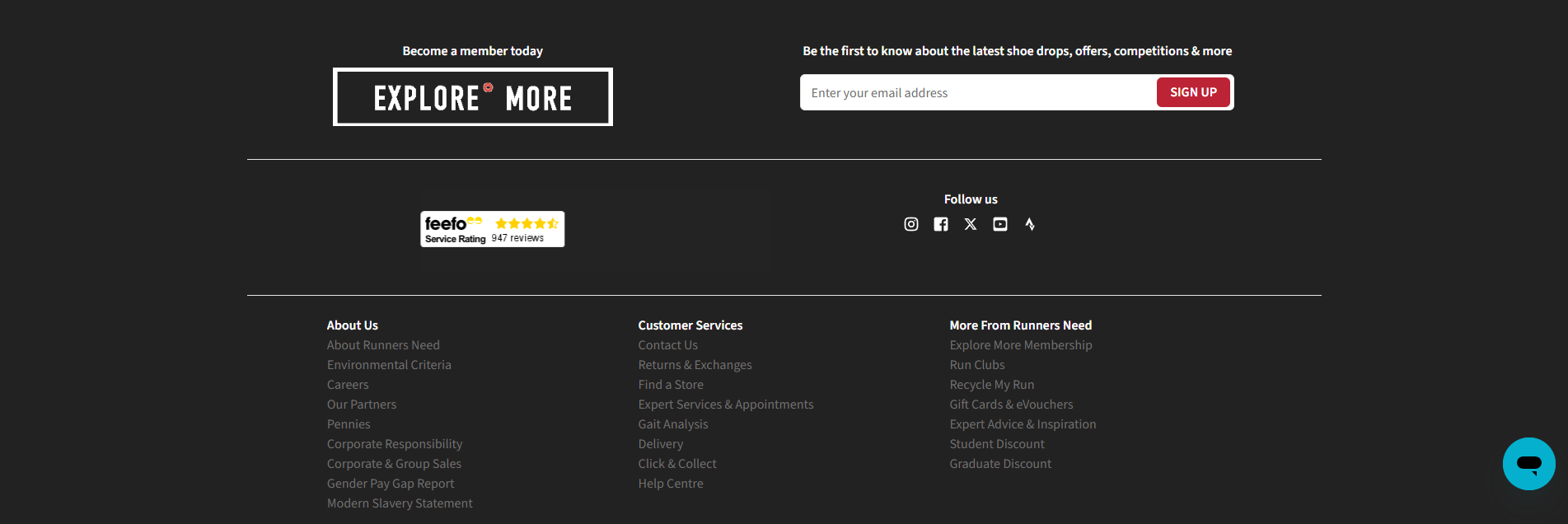
- The Role of Reviews: Reviews are the ultimate trust signal. Ensure they include star ratings, filters for "most relevant" or "most recent," and, if possible, user-generated images.
Stage 5: Purchase Intent (The Cart)
The cart is where most potential revenue evaporates. To minimize abandonment, keep the cart accessible at all times via a slide-out "mini-cart" that allows users to edit quantities without leaving their current page.
Addressing the "Hidden Cost" Myth
Unexpected shipping costs are the number one reason for cart abandonment. Set a free shipping threshold that aligns with your average order value (AOV) and display a progress bar in the cart showing how much more the user needs to spend to reach that threshold.
Stage 6: The Conversion (Checkout Page)
The checkout should be a friction-free zone.
The Guest Checkout Mandate
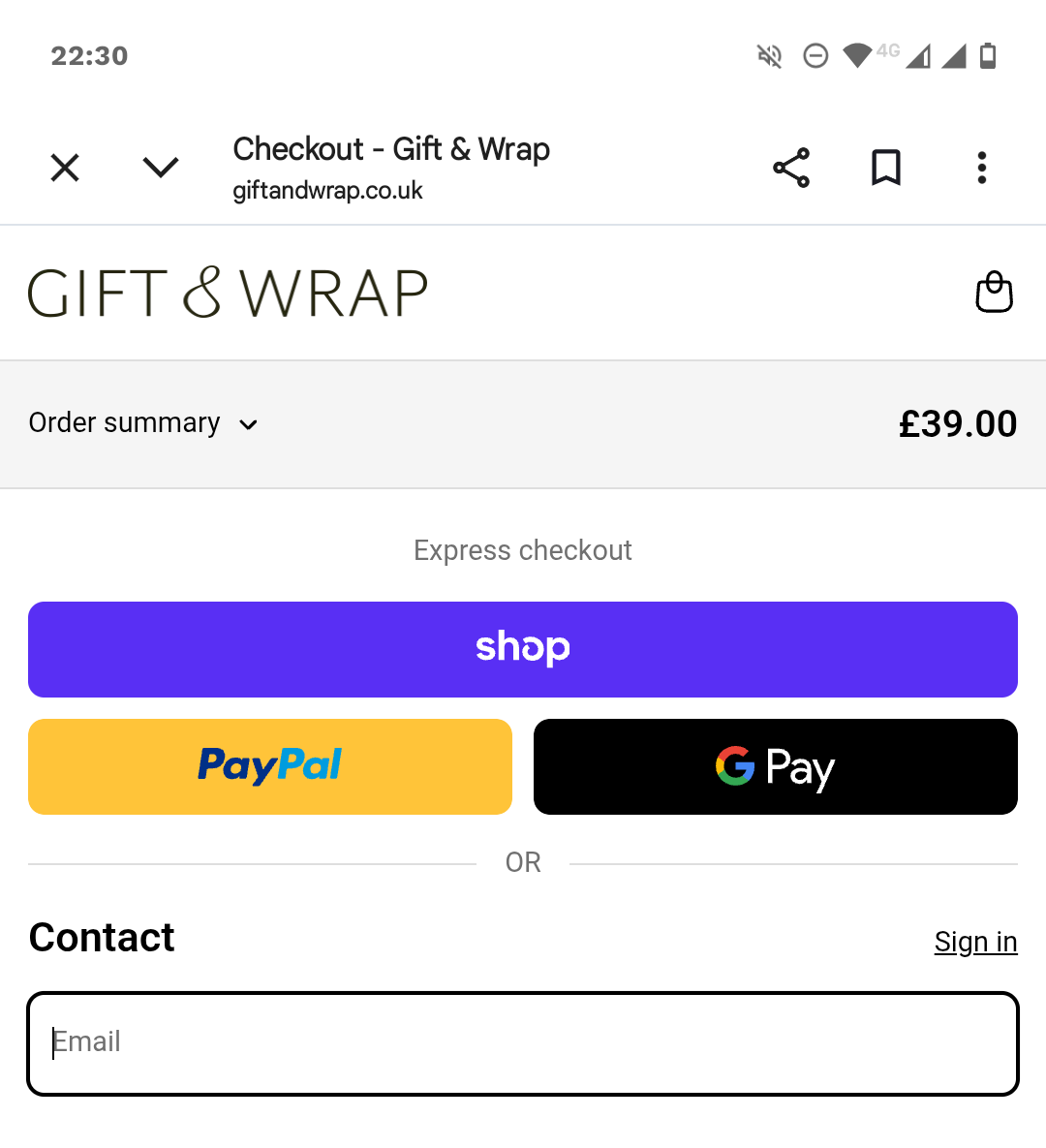
Forcing account creation is a conversion death trap. According to 2025 research from Baymard, 18% of shoppers abandon carts if they are forced to create an account. Make guest checkout the default, and save the "Create Account" option for the confirmation page.
Form Field Optimization
Every extra field is a barrier. Keep your checkout forms to 7-8 fields maximum. Use address autocomplete to speed up data entry and ensure that "Billing" defaults to "Shipping" to save the user time.
Stage 7: Loyalty (Post-Purchase)
The sale is not the end; it is the beginning of a relationship.
The Confirmation Loop
Your order confirmation page should do more than say "Thank you." Provide clear next steps: tracking information, contact support, and suggestions for related products.
Nurturing via Email
Use automated flows to send helpful content: setup guides, "how-to" videos, and eventually, replenishment reminders for consumable goods. If you implement a loyalty program, show the customer their updated point balance in every post-purchase communication to encourage repeat visits.
Implementation Strategy: How to Start
Do not attempt to fix everything at once. Use a phased approach:
- Audit: Walk through your own store as a customer. Test every payment method.
- Fix: Resolve technical issues like slow load times and broken links.
- Optimize: Move to the homepage and navigation.
- Refine: Tackle product pages and the checkout flow.
- Experiment: Use A/B testing to refine your results further once the basics are perfected.
Conclusion: Data-Driven Growth
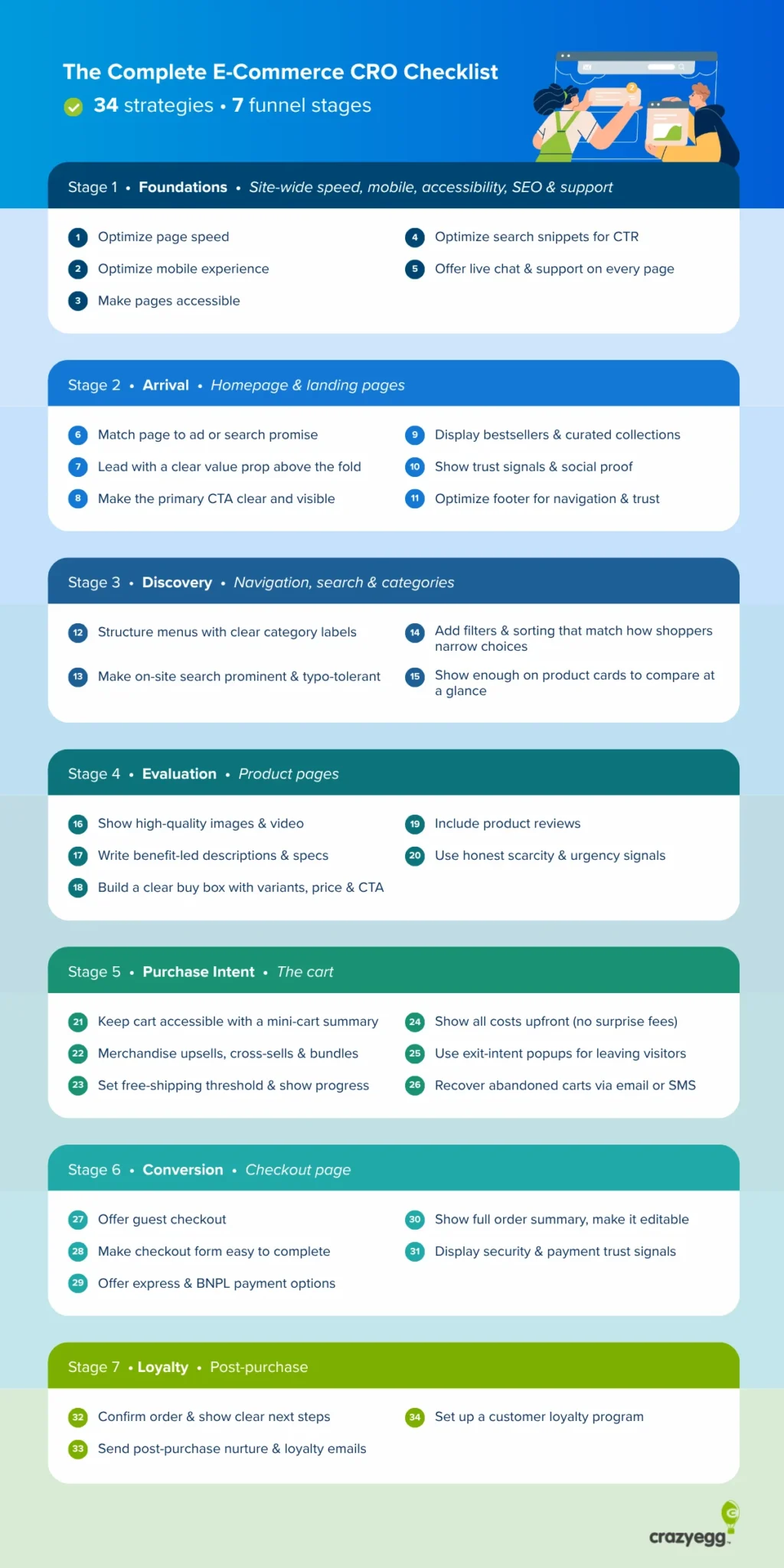
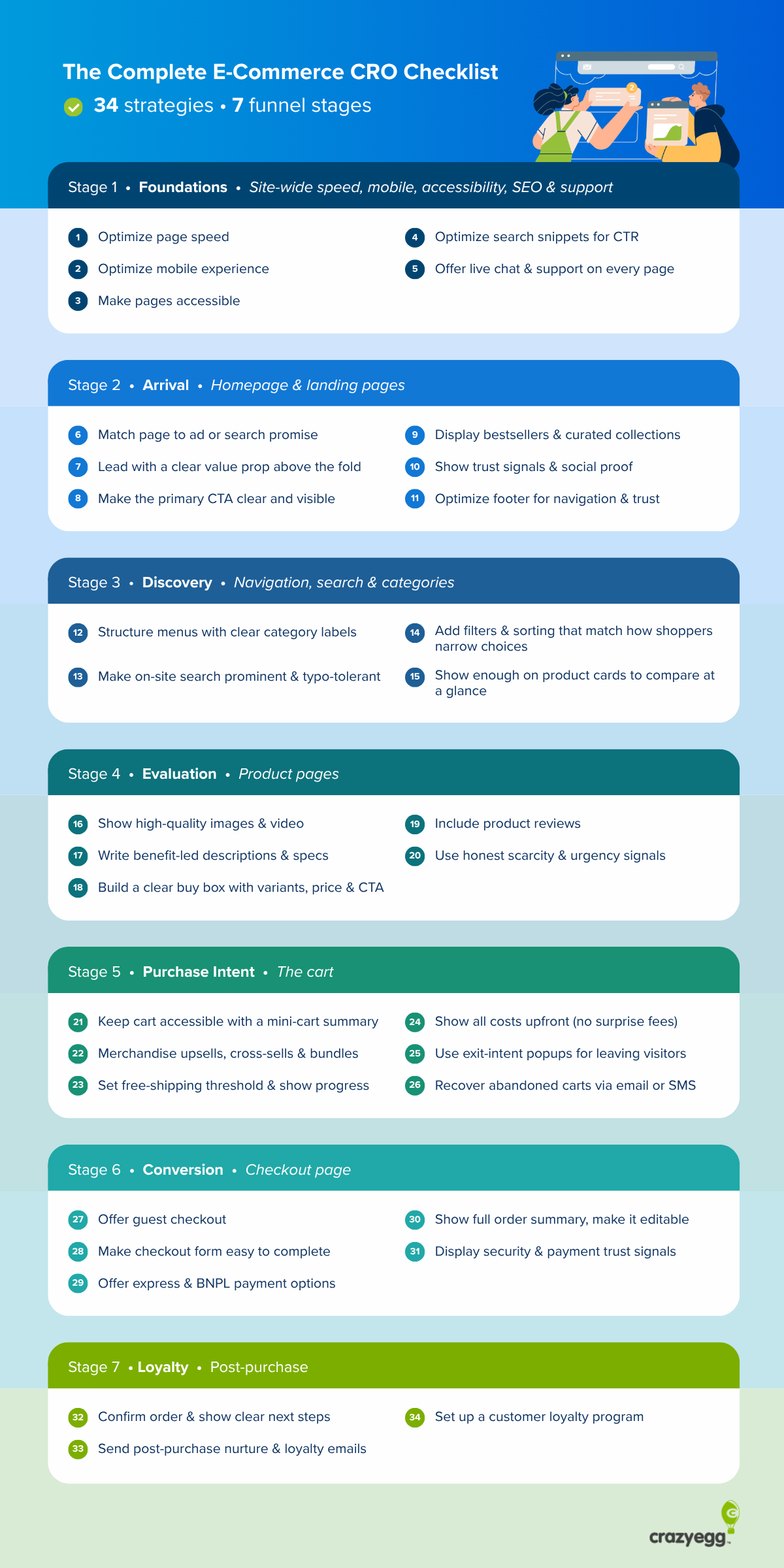
CRO is a continuous cycle of observation, hypothesis, and execution. By systematically applying this 30+ point checklist, you move from "guessing" what works to building a business model based on verified user behavior.
Remember: Acquisition costs are a tax on your ignorance; conversion optimization is the dividend of your expertise. Start your diagnostic today, identify your biggest funnel holes, and begin the process of turning your store into a high-converting machine.
