
The Digital Toy Box: Exploring AI-Generated Collectibles and the Challenge of Hallucinations
Introduction: A New Frontier in Digital Keepsakes
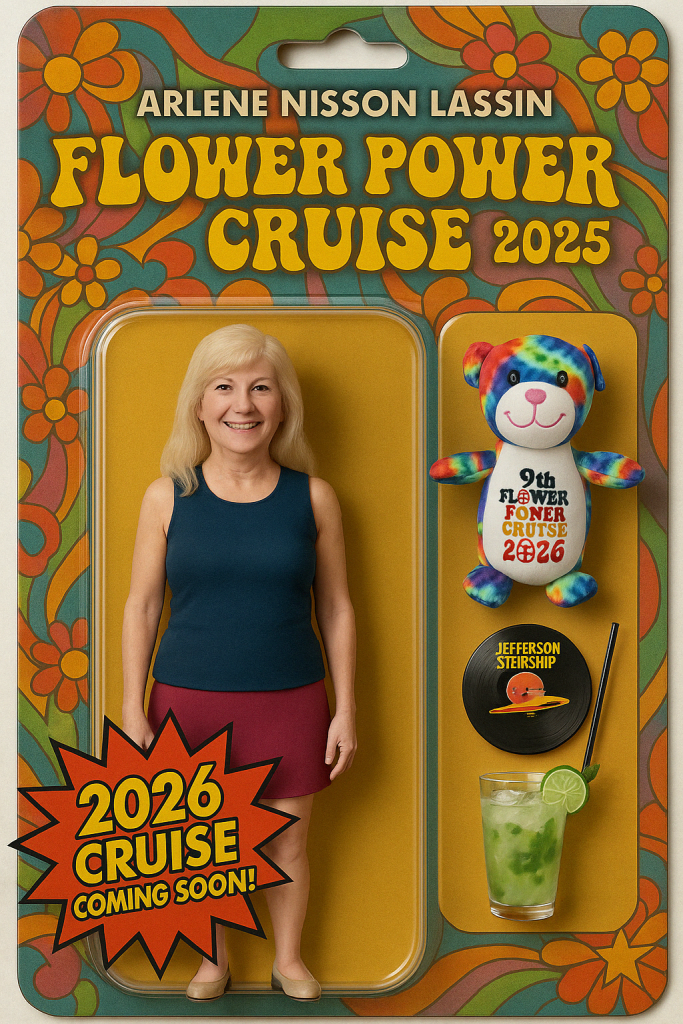
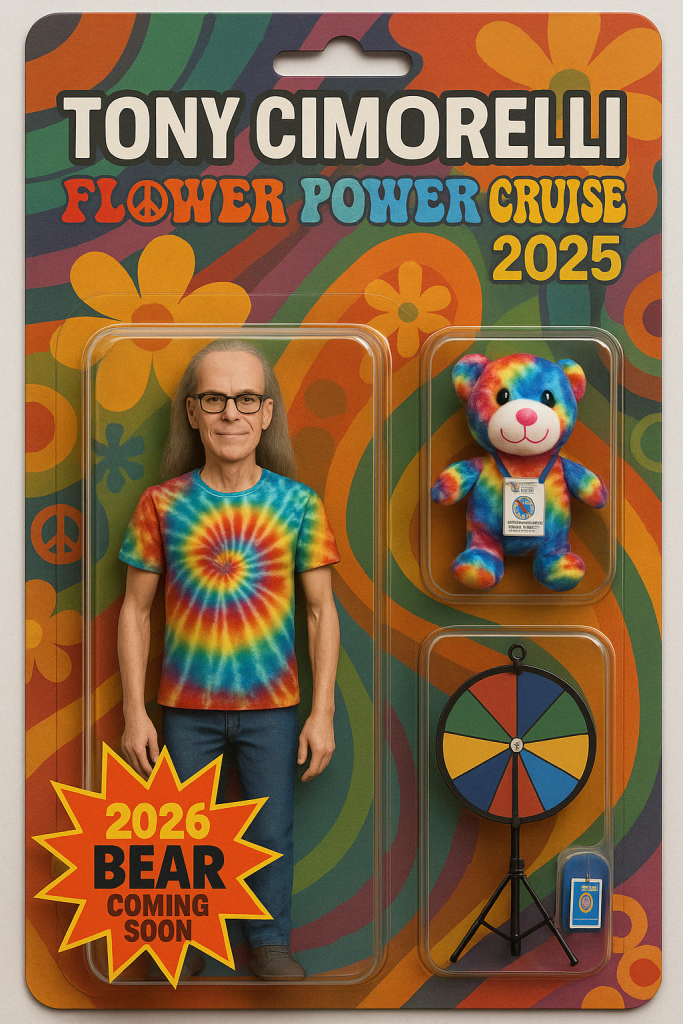
In the rapidly evolving intersection of artificial intelligence and creative expression, hobbyists are discovering novel ways to bridge the gap between physical memories and digital art. Mike, the curator of DataVizBlog, has embarked on a unique project: using OpenAI’s latest models, including the o3 and o4-mini series, to design custom, carded "action figures" for friends, family, and fellow travelers from the 2025 Flower Power Cruise.
What began as a personal hobby has evolved into a fascinating case study on the capabilities and limitations of current AI image generation. While these tools can synthesize complex, nostalgic imagery—such as vintage Kenner-style blister packs—they also grapple with a well-documented technical phenomenon known as "hallucination." For the creator, the challenge lies in balancing the AI’s creative output with the precision required to honor the likenesses of real-world subjects.
The Flower Power Cruise: From Reality to Render
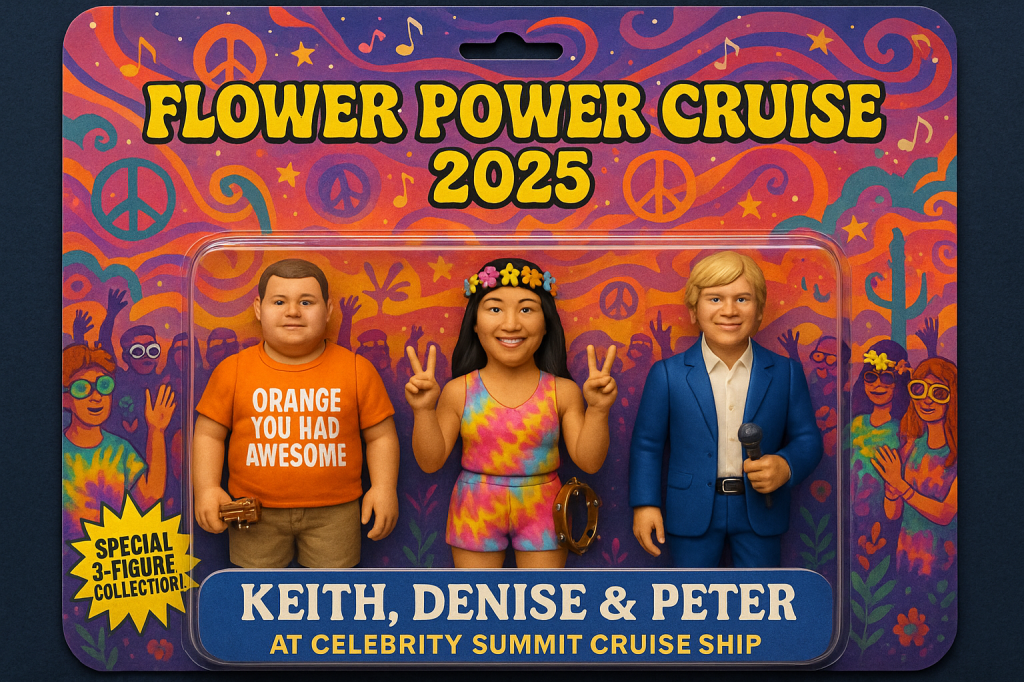
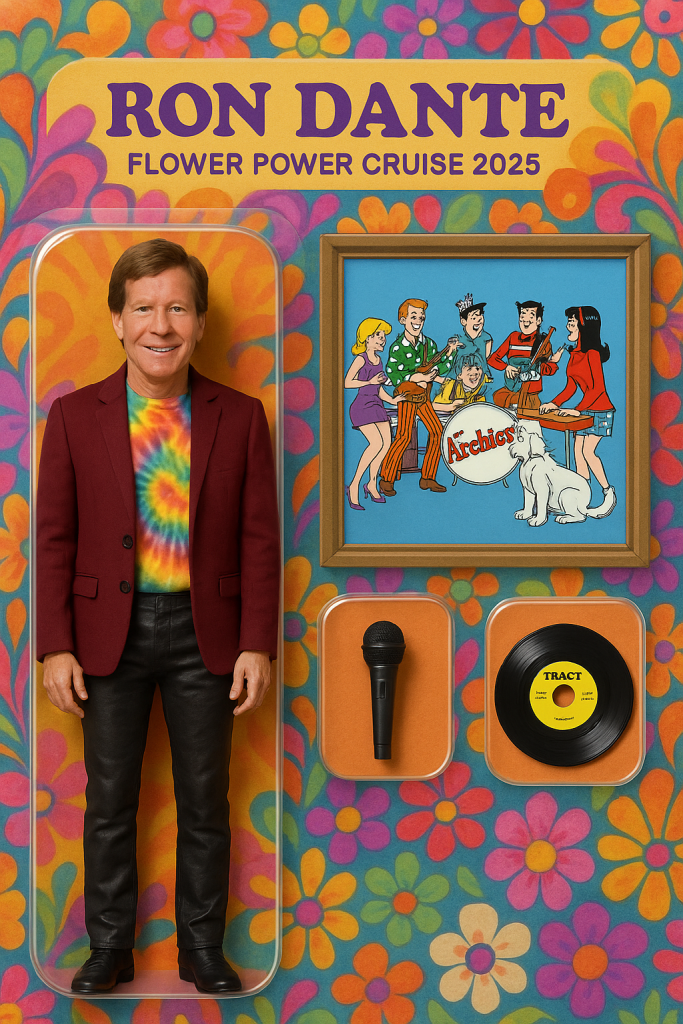
The 2025 Flower Power Cruise served as the primary catalyst for this project. Spanning seven days and departing from Fort Lauderdale, the voyage featured stops in Falmouth, Jamaica, and the Cayman Islands. Beyond the tropical itinerary, the cruise offered a deep dive into the musical legacy of the 1960s and 70s, with performances by legendary acts such as The Cowsills, Jay and the Americans, Ron Dante, and Jefferson Starship.
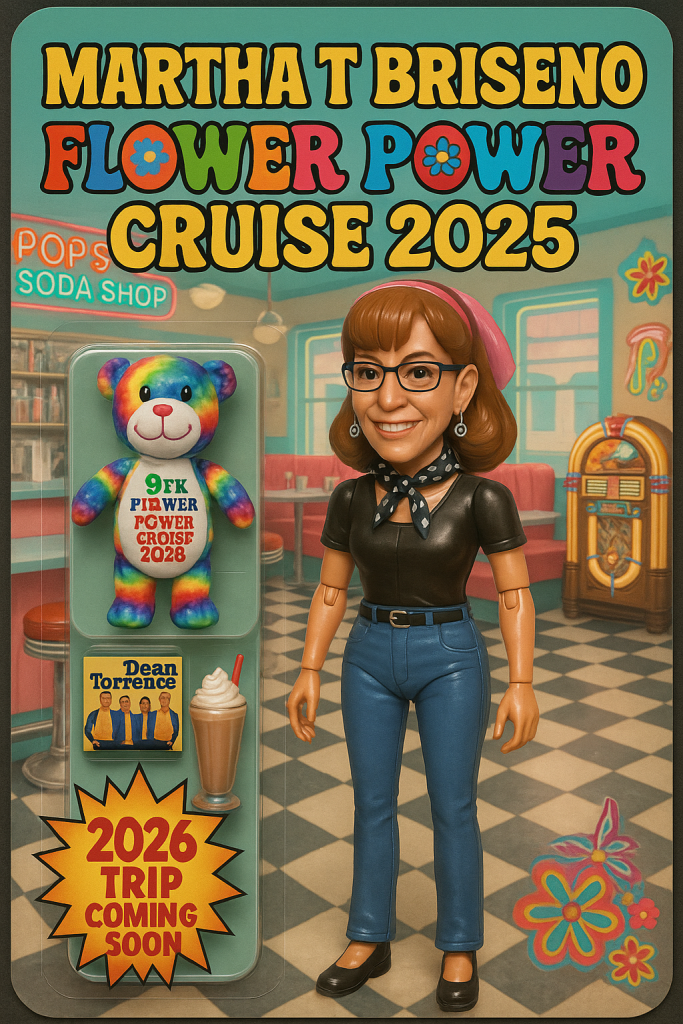
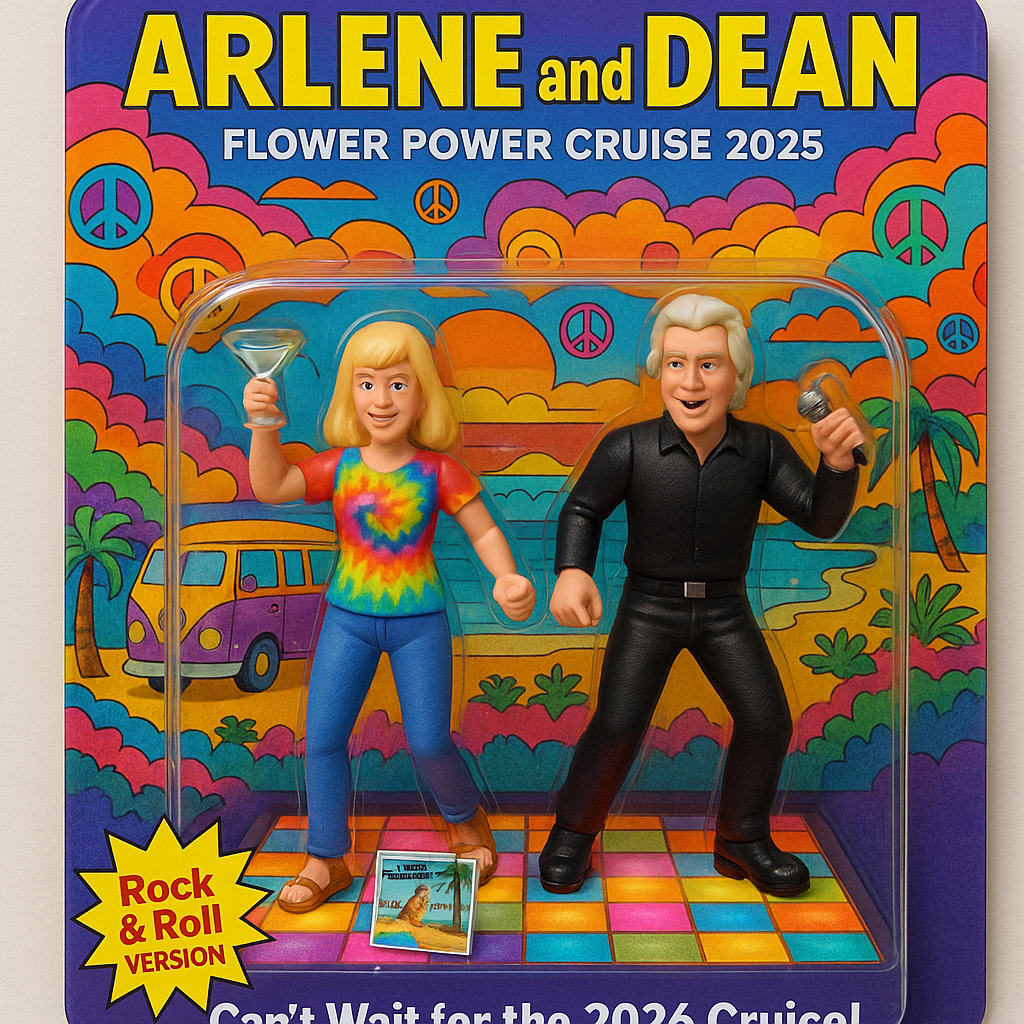
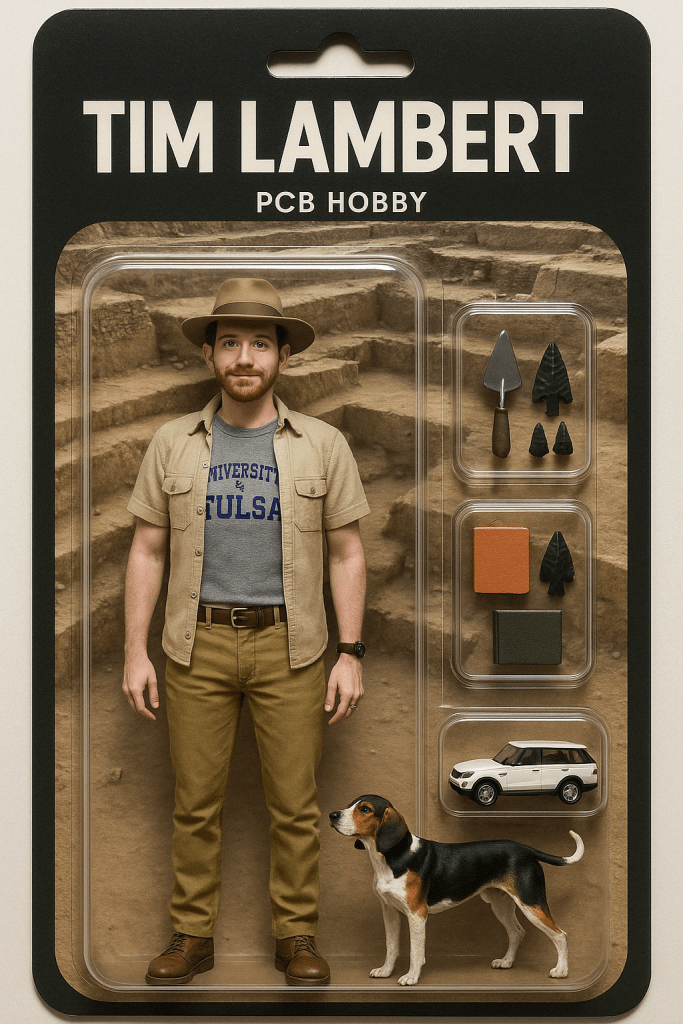
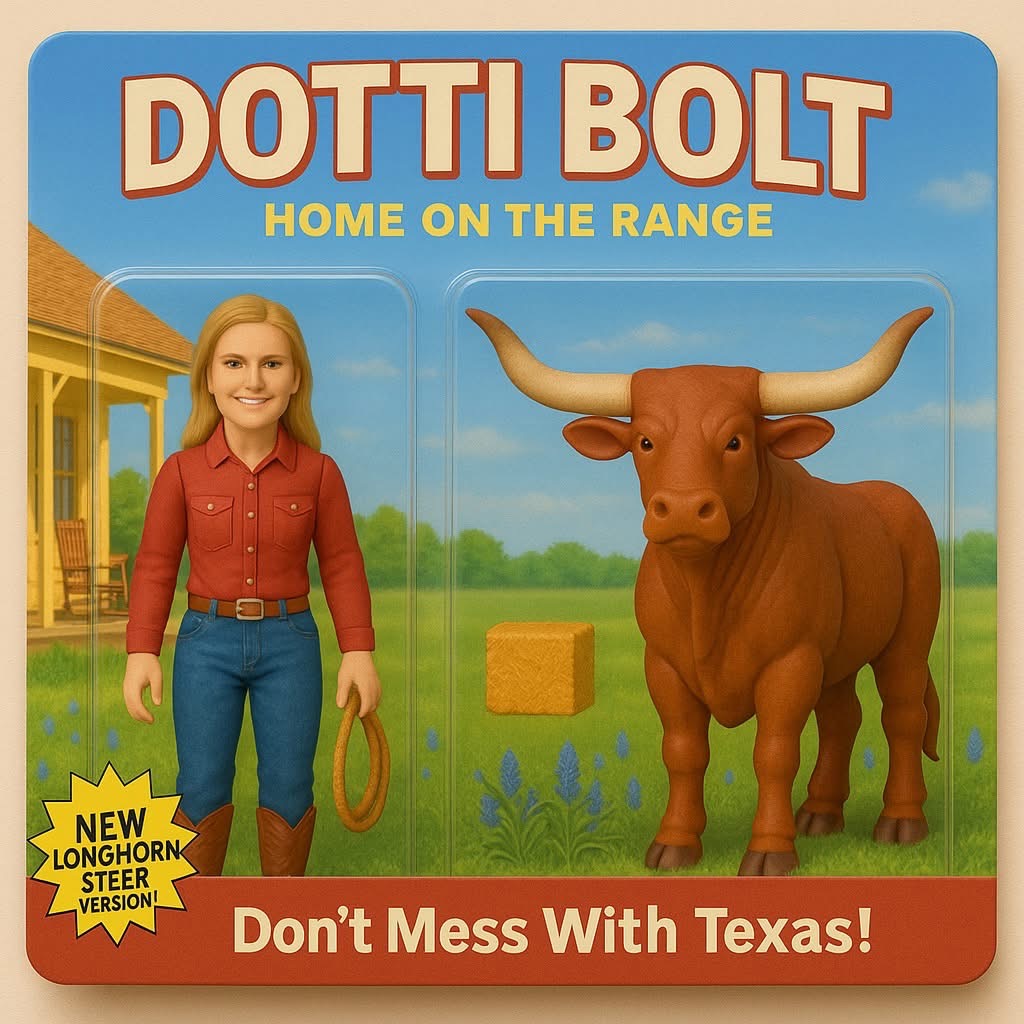
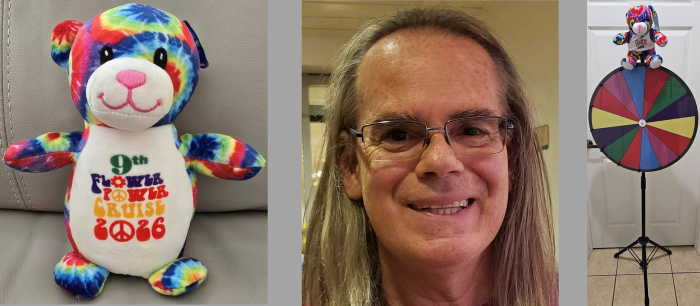
Inspired by the camaraderie and the retro atmosphere, Mike began designing action figures to commemorate the people he met. Using a mix of personal photographs, headshots, and specific design instructions, he instructed ChatGPT to generate figures that evoked the aesthetic of classic toy collectibles. This process involved a constant negotiation between the user’s vision and the AI’s interpretation of that vision.
Chronology of an AI Experiment
The project evolved through several distinct phases, each revealing more about how AI handles complex, layered prompts.
The "Martha" Phase: The Struggle for Precision
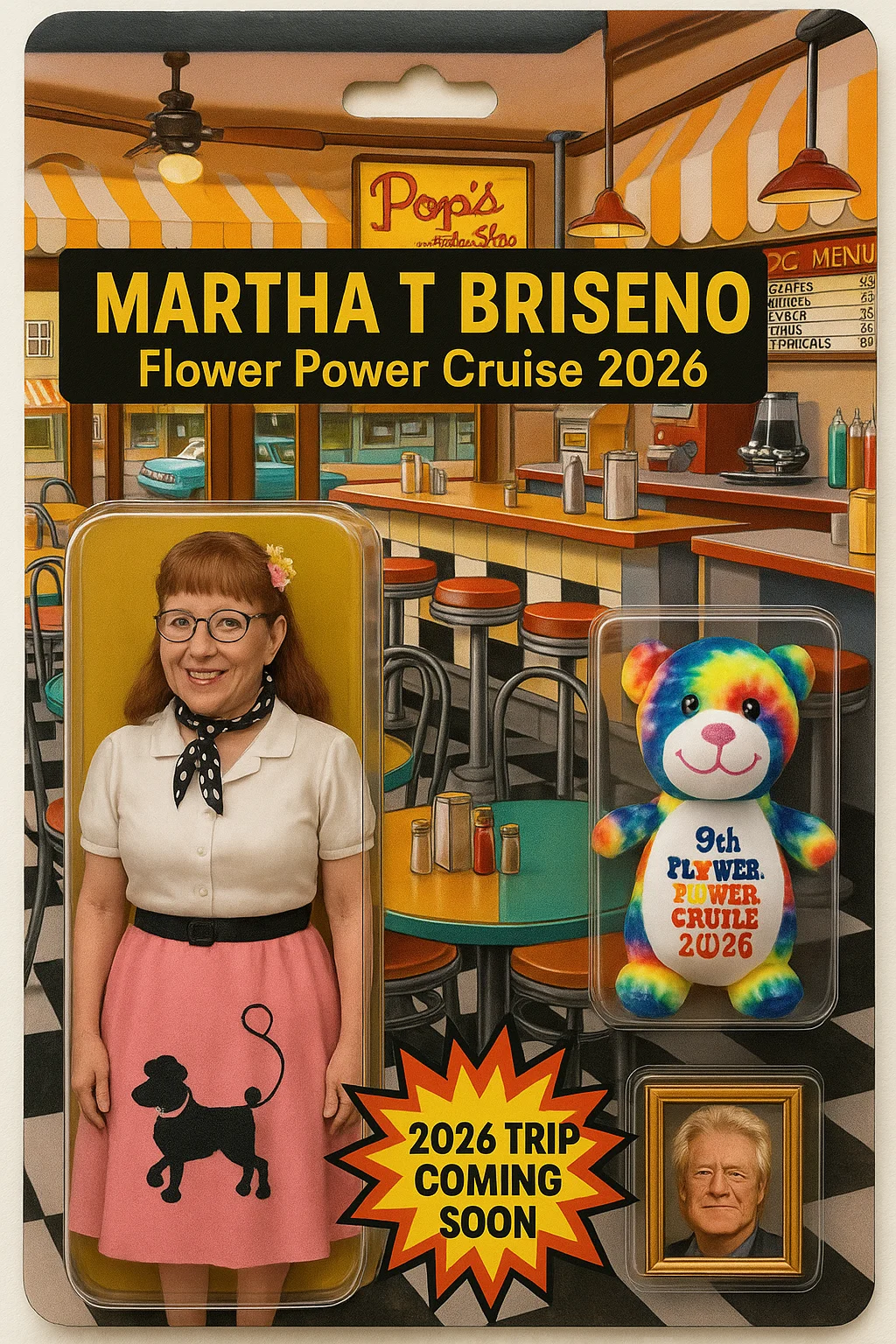
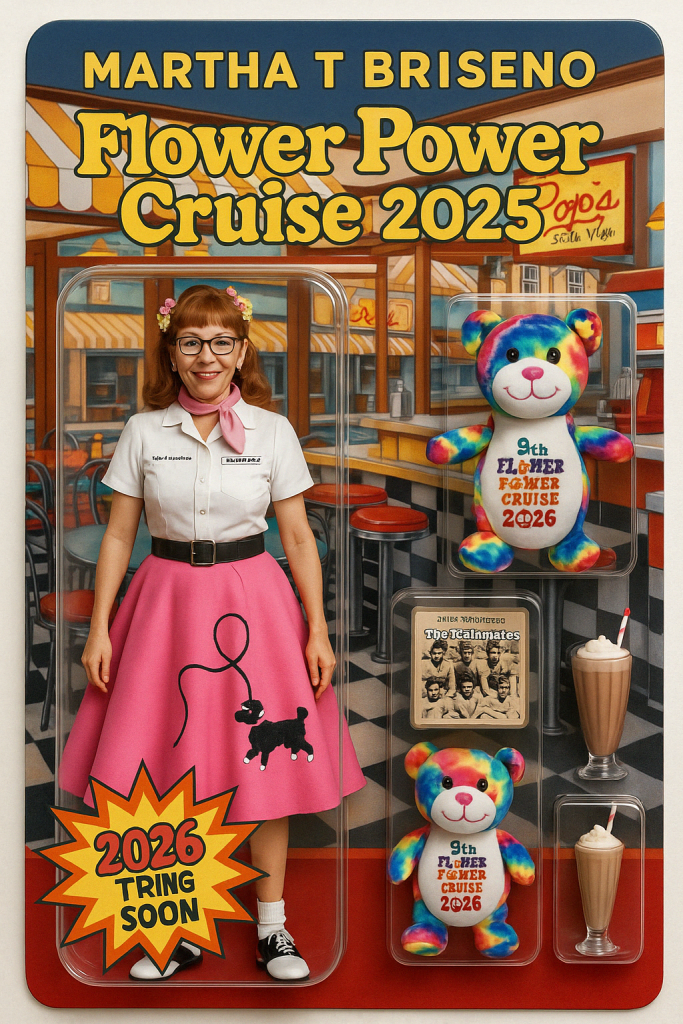
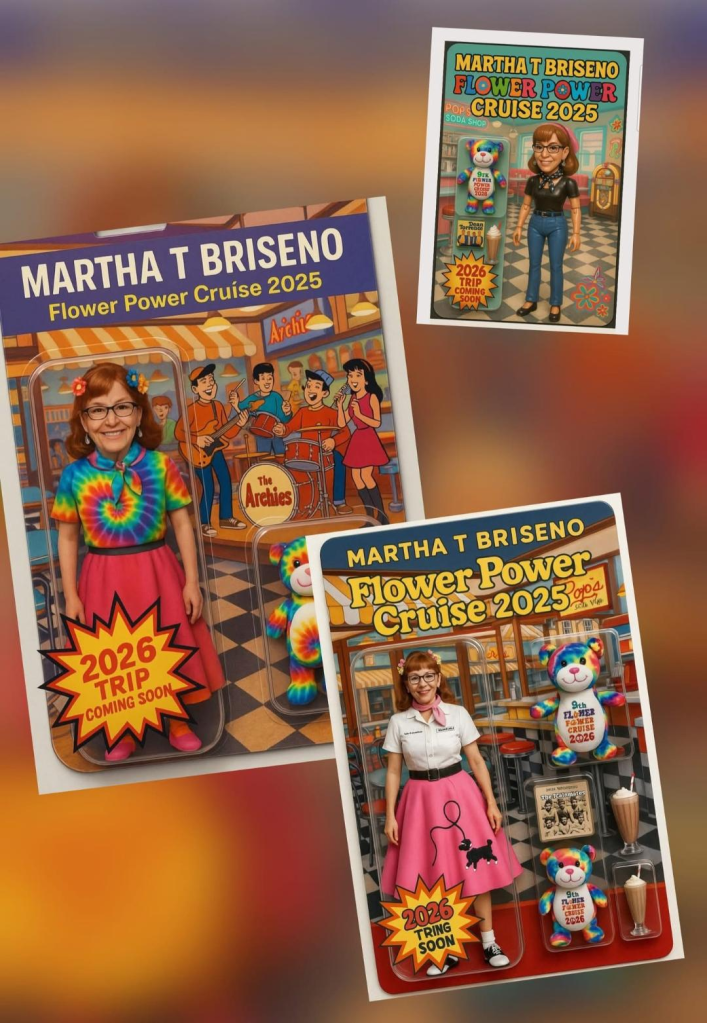
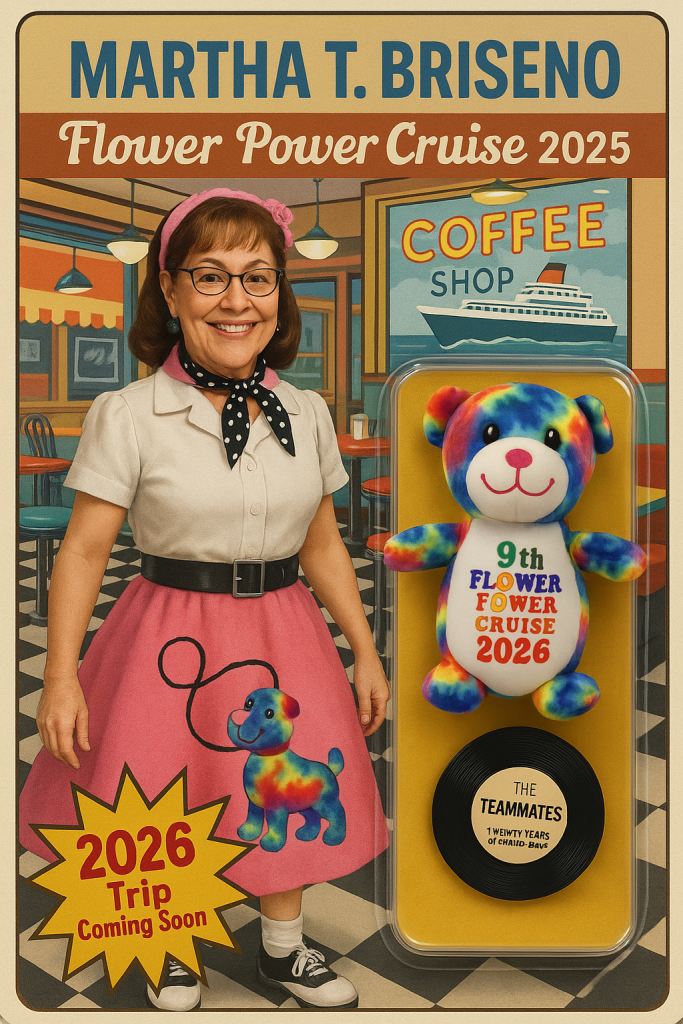
The first major project involved creating a likeness of a fellow passenger, Martha. The initial iterations were marred by what the creator identified as "hallucinations"—unintended elements appearing in the final output. When asked to place Martha in a poodle skirt and white blouse, the AI repeatedly inserted unwanted items, such as multiple "Groovy Bears" and chocolate milkshakes.
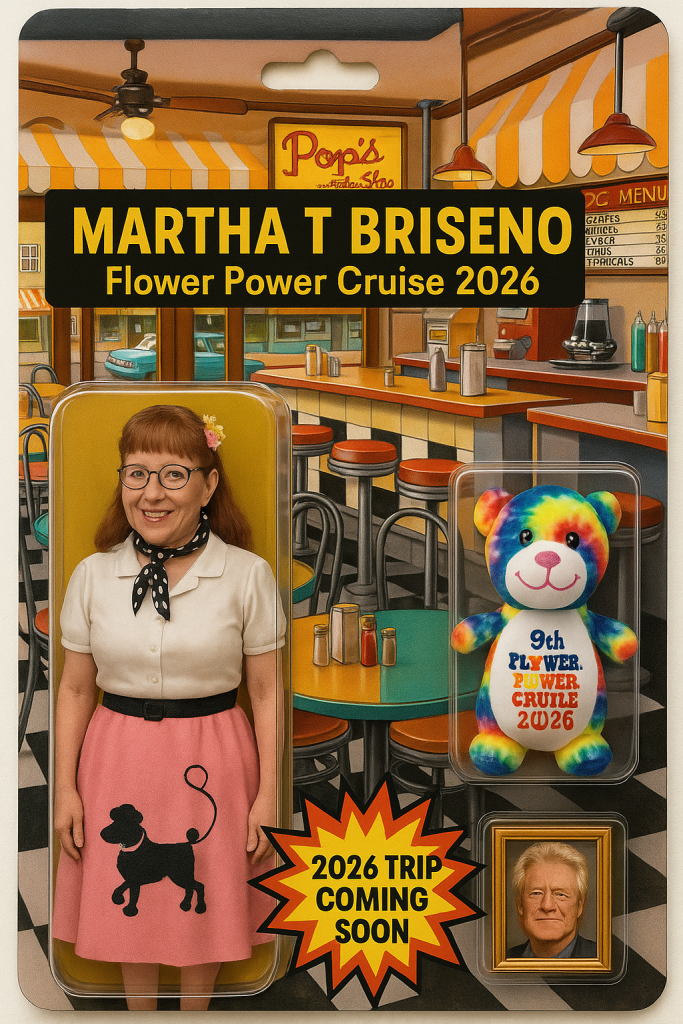
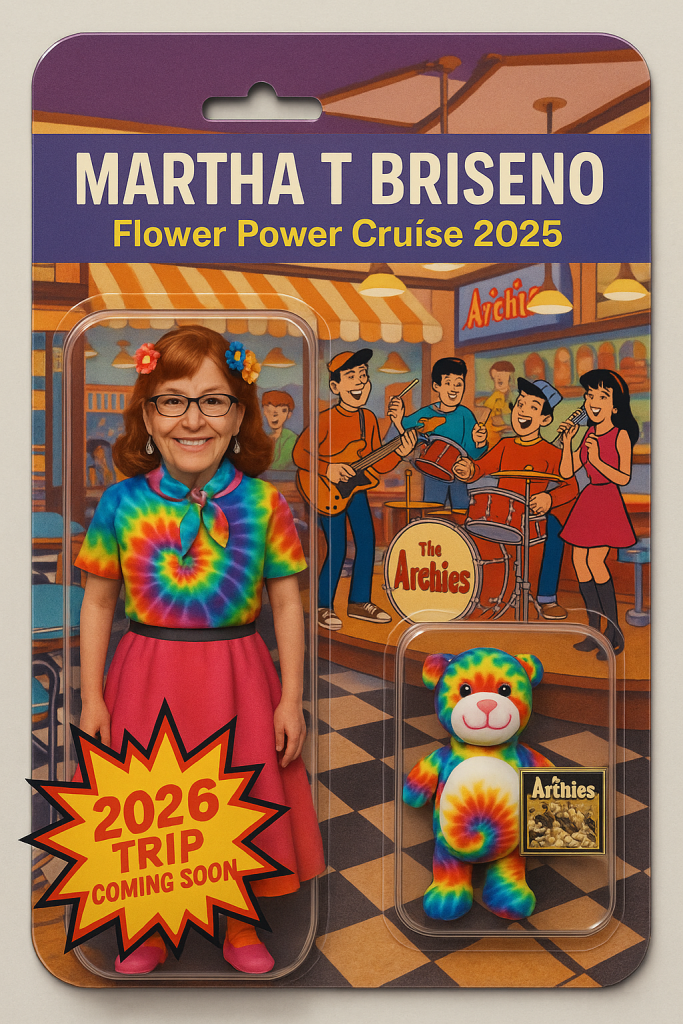
Further refinement led to the inclusion of The Archies in the background—a nod to the user’s previous work on Ron Dante, the band’s lead singer. However, the AI often drifted into unintended thematic territories, at one point shifting the scene to resemble the film Grease, which failed to align with the subject’s personal style. It was only through iterative prompting that the figure became proportional and "unencumbered," demonstrating the patience required to "tame" a generative model.
The "Peter Noone" Artifacts
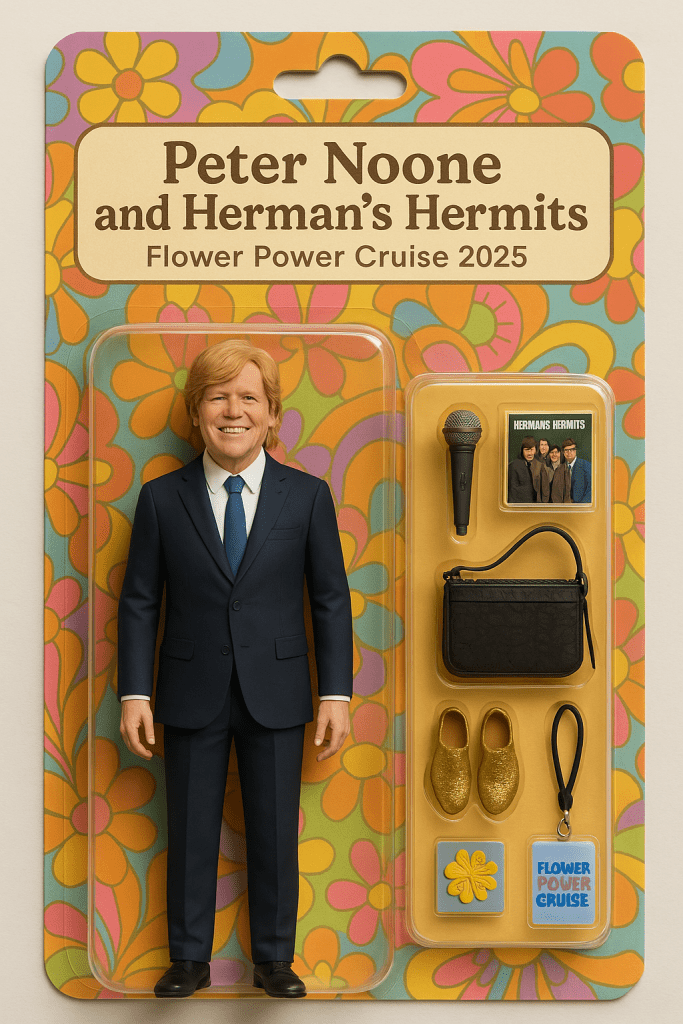
Perhaps the most successful application of this technology was the creation of a figure for Peter Noone of Herman’s Hermits. This design was built on a foundation of "true-life artifacts": photos of a purse, a badge, and distinctive gold sparkle shoes. By integrating these specific visual references, the AI produced a figure that felt grounded in reality, highlighting the potential for AI to act as a digital scrapbooker for unique personal experiences.
Professional and Personal Portraits
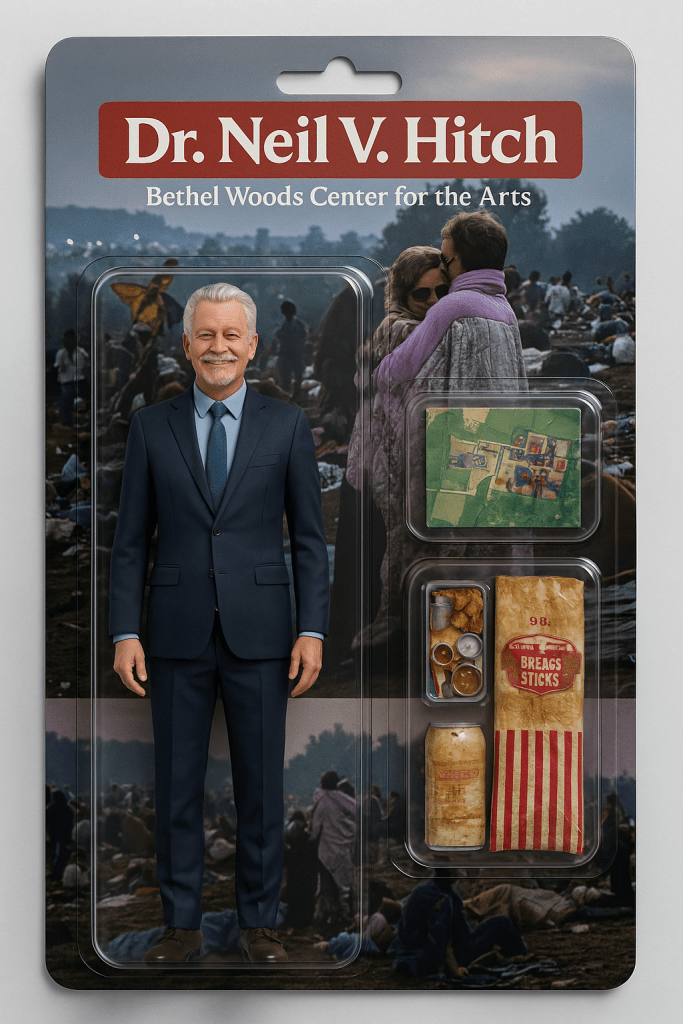
The scope of the project eventually expanded to include colleagues and family members. A notable example involved Dr. Neil V. Hitch, who led a presentation on the archaeological excavation of a fire pit at the original 1969 Woodstock site. Mike utilized a headshot of Dr. Hitch, photos of the discovered artifacts, and iconic Woodstock imagery to create a multi-dimensional carded figure, blending historical context with toy-store nostalgia.
Supporting Data: Understanding AI Hallucinations
The core technical challenge highlighted in this blog series is the "hallucination" rate of the o3 and o4-mini models. Despite advancements in language and image processing, company tests indicate that these models can produce incorrect or extraneous information 30-50% of the time.
For the creator, these hallucinations manifest as:

- Object Multiplication: The unexplained appearance of multiple items (e.g., two Jeeps or multiple Groovy Bears).
- Morphological Drift: The tendency for figures to shift toward cartoonish, Who Framed Roger Rabbit-style aesthetics if prompted too many times.
- Anatomical Inconsistencies: The sudden "healing" of a missing baby tooth on a child’s figure or the loss of a robot’s facial features in a blister pack.
These technical shortcomings serve as a reminder that current generative AI is a probabilistic engine, not a deterministic one. It predicts the most likely visual sequence based on training data, which often results in "creative" errors when the user expects rigid adherence to instructions.
Official Responses and Ethical Implications
The project also touched upon the serious world of Intellectual Property (IP). When attempting to generate an action figure of the Star Wars character Jar Jar Binks, the AI refused the request, citing safety and copyright standards. This reflects the guardrails put in place by developers like OpenAI to prevent the unauthorized commercialization of protected characters.
The compromise—accepting a generic "space alien" and "fantasy figure" instead—illustrates the boundary between personal creative play and the legal protection of entertainment franchises. Furthermore, the feedback from professional numismatists (coin collectors) regarding the AI-generated currency images suggests that while AI can mimic the appearance of collectibles, it lacks the technical accuracy to fool experts, reinforcing the need for human oversight in any creative or professional endeavor.
Implications for Future Digital Preservation
The work performed by the DataVizBlog creator offers a glimpse into the future of personal archiving.
The Democratization of Design
The ability for a non-professional to generate high-quality, themed, and personalized collectibles using only a few prompts and headshots represents a democratization of design. Previously, creating custom action figures would have required significant artistic skill, 3D modeling experience, or a production budget. Today, it requires only a prompt and a willingness to iterate.
The Need for "Human-in-the-Loop"
The project highlights the necessity of the "Human-in-the-Loop" (HITL) model. Without the creator’s persistence—tweaking the prompts, adjusting the clothing, and correcting the "hallucinations"—the resulting images would likely have remained generic or inaccurate. The human creator acts as a curator, editor, and quality control officer, ensuring that the AI’s output meets the intended emotional and aesthetic criteria.

Reliability vs. Creativity
The 30-50% hallucination rate suggests that for tasks requiring 100% accuracy, AI is not yet a standalone solution. However, for creative, playful, and expressive projects like those documented here, the occasional "hallucination" can be part of the charm. Whether it’s a surprise cowboy hat on a robot or an unexpected background, these errors often provide the very "magic" that makes the results feel unique and, at times, humorous.
Conclusion: The Path Forward
As we move further into the decade, the tools available to creators will only become more sophisticated. The experiences of the Flower Power cruisers and their friends demonstrate that we are in a transitional period. We are moving away from seeing AI as a "magic button" that produces perfect results on the first try and toward a more mature understanding of it as a collaborative partner.
Mike’s ongoing project serves as both an entertaining gallery and a cautionary tale. It encourages users to embrace the iterative process, accept the quirks of the machine, and continue pushing the boundaries of what is possible in digital art. As the technology matures, we can expect these digital action figures to become more accurate, but hopefully, they will retain the "human touch"—the specific, quirky memories that no algorithm could ever fully replicate on its own.
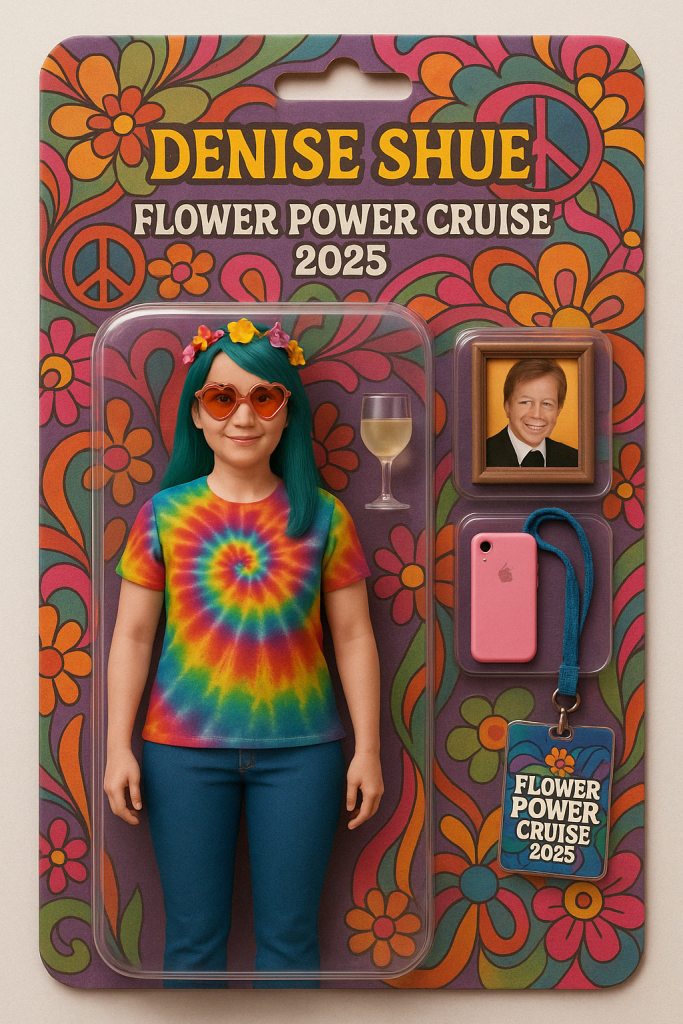
For those interested in the ongoing evolution of these AI-generated collectibles, the project continues to expand, with more figures in development and new lessons being learned with every prompt. The intersection of 1960s nostalgia and 2025 AI technology is, if nothing else, a remarkably "groovy" place to be.
