

The Evolution of Substack: From Newsletter Tool to Modern Creator Economy Powerhouse
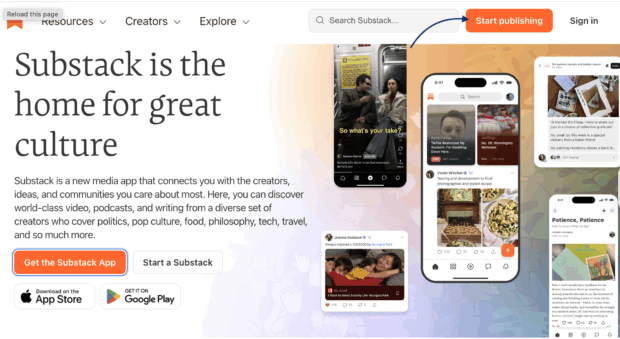
In the rapidly shifting landscape of digital media, few platforms have disrupted the status quo as effectively as Substack. What began in 2017 as a straightforward alternative to complex, fragmented email marketing tools has matured into a comprehensive ecosystem. Substack now functions as a hybrid powerhouse: part blog, part email newsletter, and part social network, all underpinned by a robust monetization layer.

As professionals and brands seek to escape the volatility of social media algorithms, Substack has emerged as a premier destination for those prioritizing direct audience ownership and long-form, high-value content.

What is Substack? A New Paradigm for Creators
At its core, Substack is a publishing platform that allows writers, journalists, podcasters, and businesses to distribute content directly to their audiences’ inboxes. Unlike traditional corporate blogs that rely on search engine optimization (SEO) to attract passive traffic, Substack is built on the premise of "owned distribution."
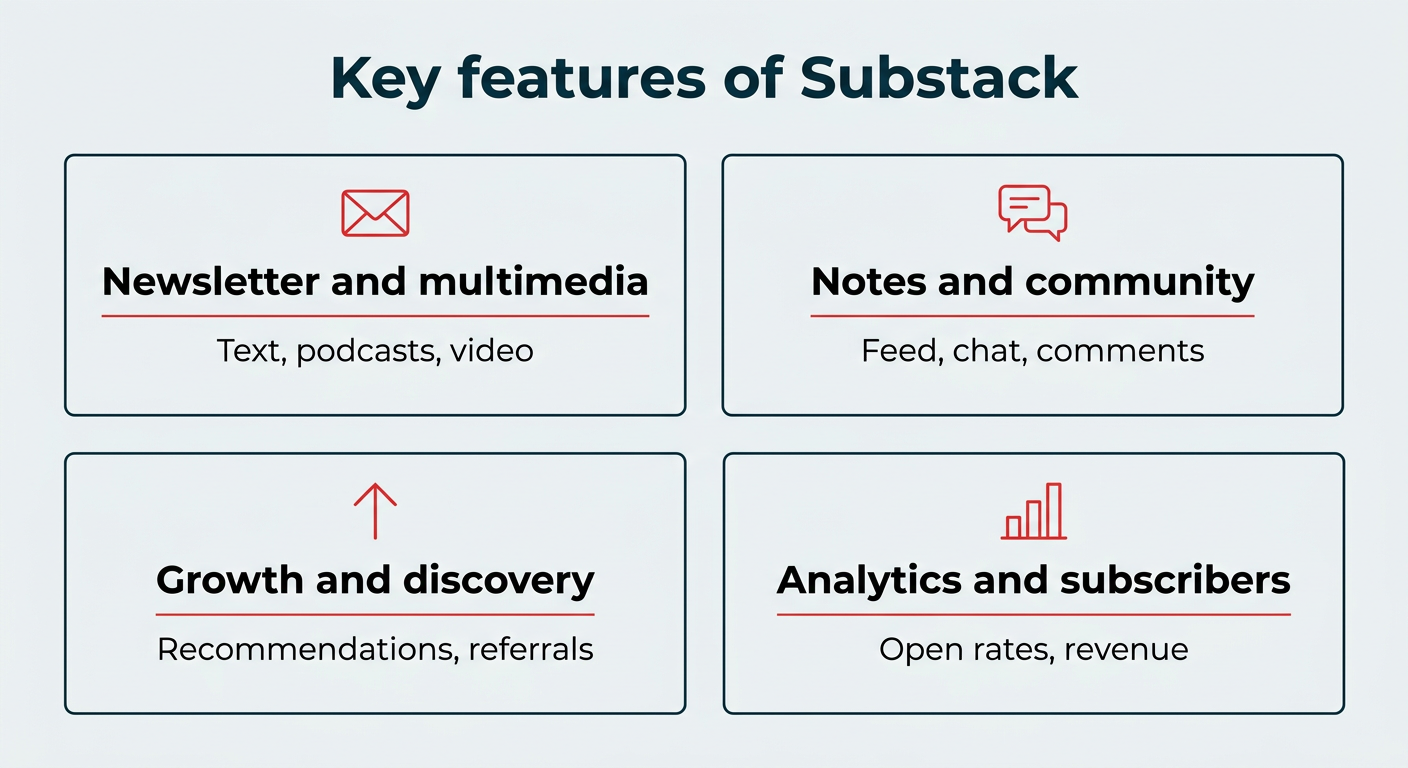
The platform differentiates itself through three primary pillars:
- Seamless Publishing: A minimalist, distraction-free editor that handles formatting, scheduling, and distribution.
- Direct Monetization: Integrated payment processing that allows creators to place content behind a paywall without needing external plugins or technical expertise.
- Community Integration: With the introduction of "Notes," "Chat," and comment sections, Substack has evolved from a one-way broadcast tool into a two-way social ecosystem.
A Brief History: From San Francisco Startup to Cultural Force
Substack was founded in 2017 in San Francisco by Chris Best, Hamish McKenzie, and Jairaj Sethi. The founders identified a critical pain point: independent writers were forced to juggle separate services for blogging, email list management, and payment processing.
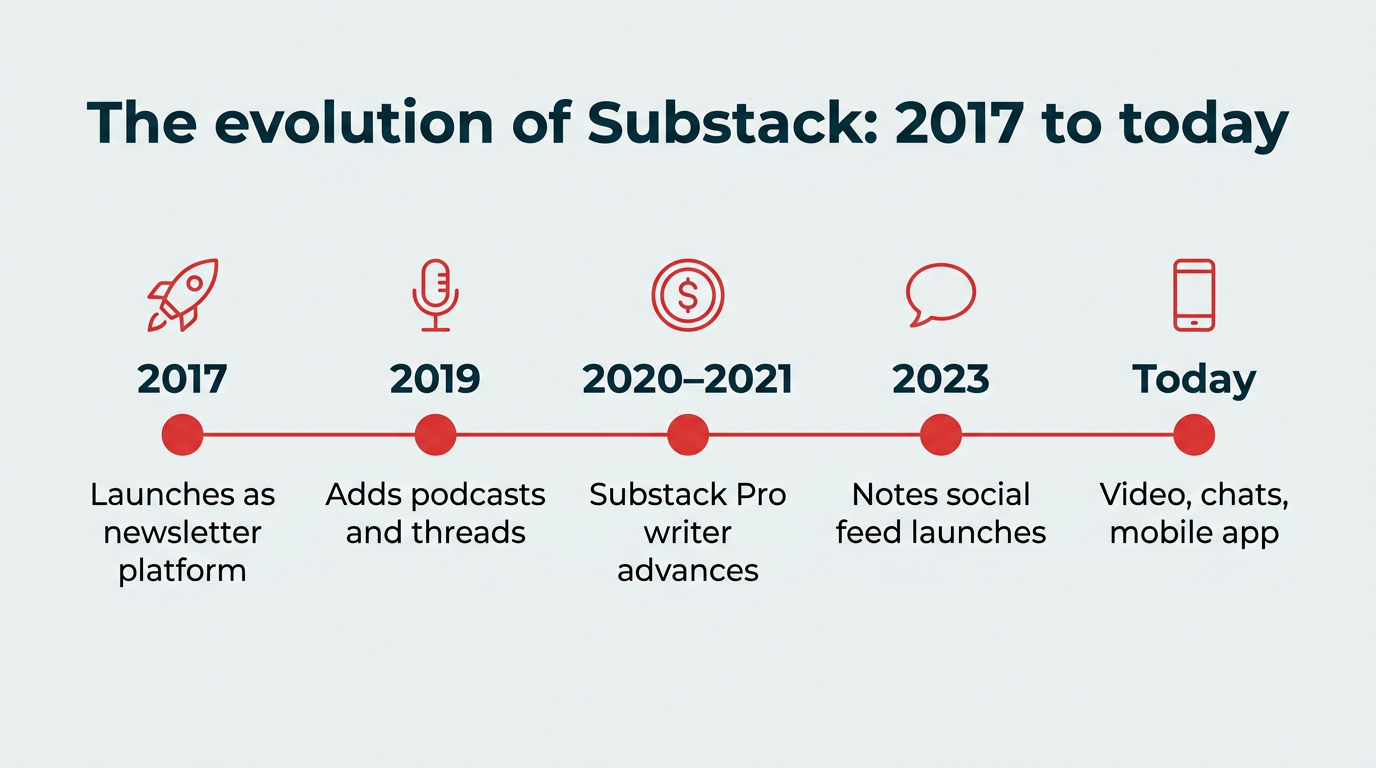
The platform’s trajectory highlights a steady expansion of its feature set:
- 2017: Official launch as a simplified newsletter platform designed for independent journalists.
- 2019: Expansion into multimedia, adding support for podcasts and discussion threads.
- 2020–2021: Introduction of "Substack Pro" and advanced creator incentives, attracting high-profile media figures.
- 2023: The launch of "Notes," a short-form social feed, signaling Substack’s transition into a broader social network.
- Present Day: Integration of video content, live chats, and a dedicated mobile app, solidifying its status as a multi-modal content hub.
How It Works: The Mechanics of the Platform
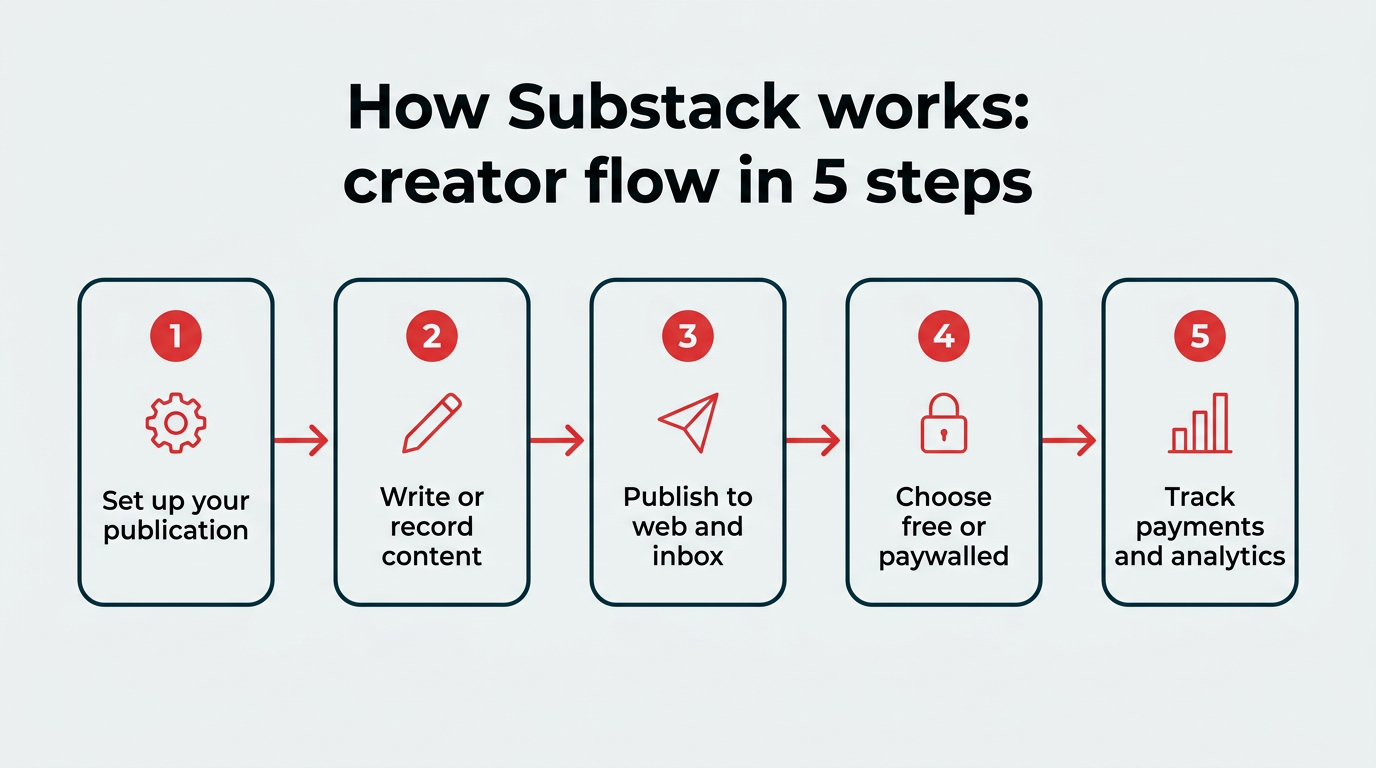
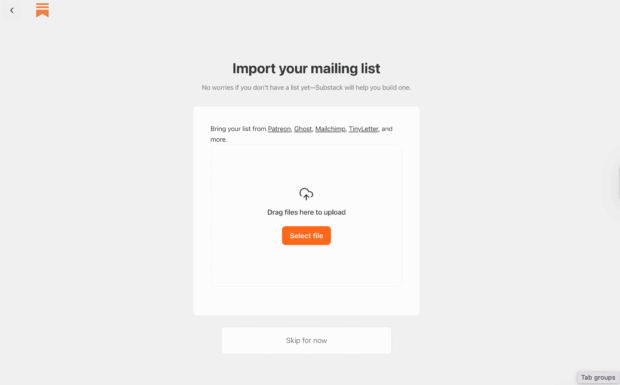
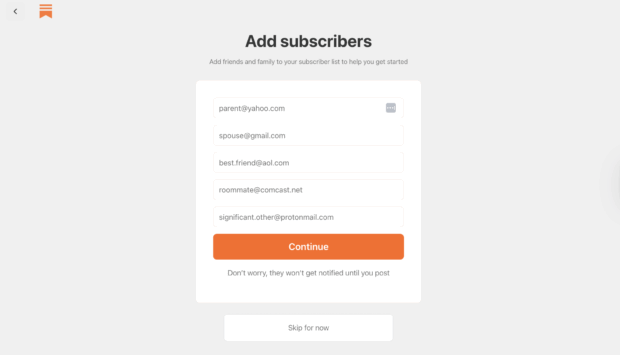
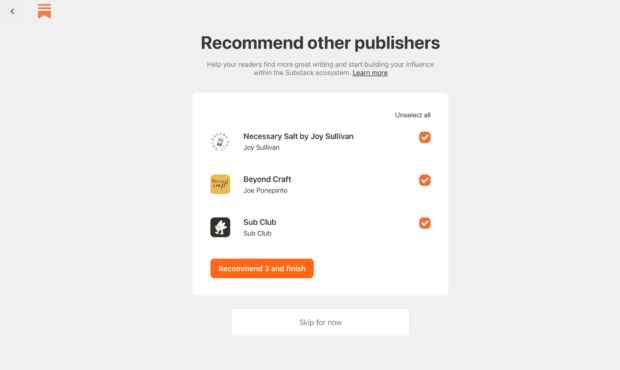
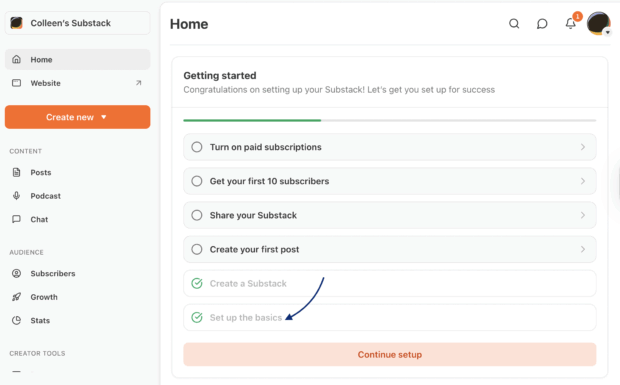
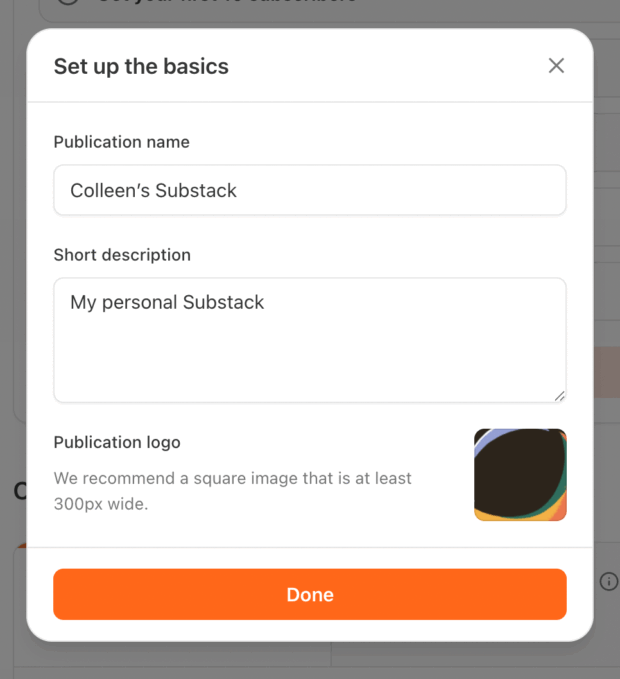
For creators, the Substack workflow is designed to be frictionless. The process follows a logical sequence: setting up a publication, producing content, deciding on free vs. paid access, and monitoring growth via built-in analytics.
Readers interact with the platform either through their personal email inboxes—where content arrives natively—or through the Substack app, which acts as a consolidated feed of all their subscribed publications.

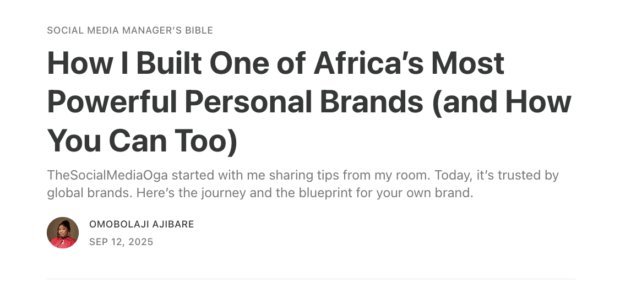
Omobolaji Ajibare, Chief Content Officer of TheSocialMediaOga, emphasizes the utility of this structure. "My newsletter, The Social Media Manager Bible, is where I break down strategies and case studies that don’t fit into the ephemeral nature of Instagram carousels," she explains. "It’s like organizing my library of knowledge in public."
Financial Structure and Economics
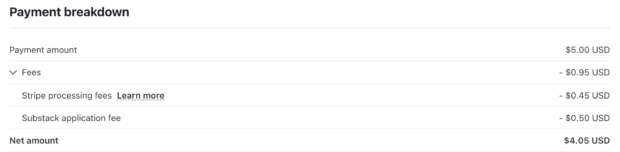
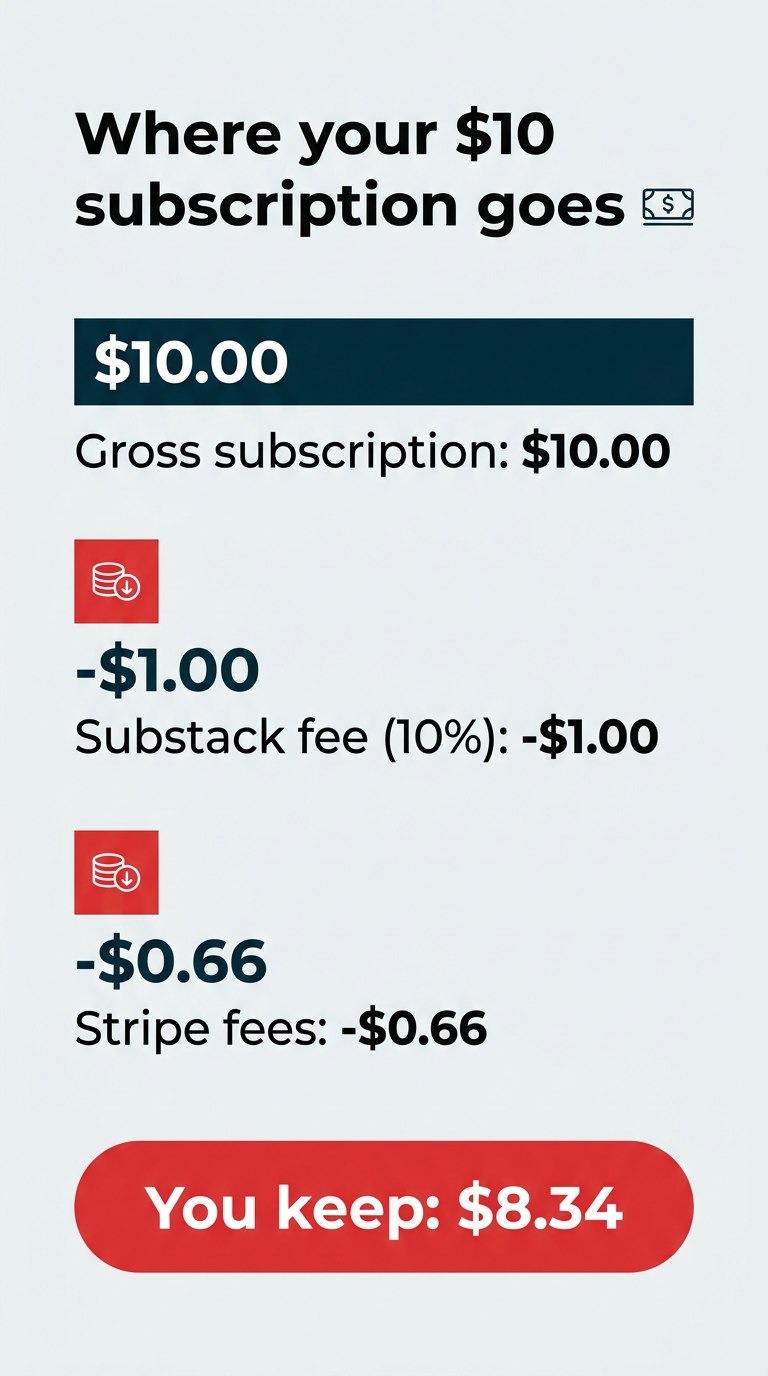
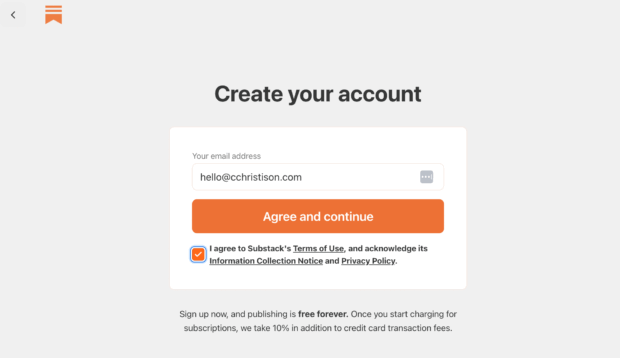
Substack’s business model is transparent and creator-friendly. It is free to use for publishing free newsletters, and the platform only takes a 10% commission on revenue generated through paid subscriptions.

To illustrate, if a creator sets a subscription at $10.00 per month, Substack deducts $1.00. Additionally, payment processor Stripe takes a standard fee (typically 2.9% plus $0.30 per transaction). Consequently, the creator retains the vast majority of their earnings, a stark contrast to traditional media models where ad-revenue shares can be significantly lower.
Strategic Implications: Why Businesses are Pivoting to Substack
While independent writers were the early adopters, corporate brands are now flocking to the platform. According to recent data, 35% of college graduates cite email newsletters as a primary source of news. For businesses, Substack offers an opportunity to shift from aggressive promotional content to "thought leadership."
1. The Shift to Community-Led Growth
Modern marketing is experiencing "audience fatigue." Consumers are increasingly weary of social media ads. By providing deep, value-driven content, brands can move from being advertisers to being trusted guides. This is a crucial element of community-led growth, where the goal is to build an audience that is emotionally invested in the brand’s voice.
2. Owning the Relationship
The most significant advantage of Substack for a business is the ownership of the subscriber list. On platforms like LinkedIn or TikTok, your access to your audience is mediated by an opaque algorithm. On Substack, if the platform were to disappear tomorrow, the creator still owns the email list, ensuring that the connection to the audience remains intact.
3. Embracing the "Unpolished" Aesthetic
Corporate blogs are often criticized for being overly sterile or heavily "sanitized" by legal departments. Substack rewards authenticity. Brands that lean into transparent, behind-the-scenes, or personal-voice content often see higher engagement rates than those posting polished press releases.
Content Moderation and Platform Controversies
No discussion of Substack is complete without addressing its content moderation policies. The platform’s "hands-off" approach to moderation has sparked significant debate. Some creators have departed the platform in protest of its decision to host controversial publications.
For brands, this presents a calculated risk. The recommendation network, which helps discover new content, may occasionally surface material that does not align with a specific brand’s values. Businesses must weigh the reach and engagement benefits of the platform against the potential for association with controversial content.
Comparison: Substack vs. The Competition
When evaluating publishing tools, it is essential to compare Substack against its primary rivals:
- Medium: While easier for discovery, Medium controls the reach and often limits the ability to build a direct relationship with the audience.
- WordPress: Offers superior customization but requires significant technical maintenance, hosting, and security management.
- LinkedIn Newsletters: Beneficial for professional networking but entirely dependent on LinkedIn’s ecosystem; the brand does not "own" the list in the same way.
- Ghost: Offers more robust customization and ownership than Substack but lacks the built-in recommendation network and discovery features that make Substack a "social" platform.
Best Practices for 2026 and Beyond
As the platform evolves, successful creators and brands follow a specific set of rules to ensure long-term growth:
- Consistency is King: Treating the audience as a relationship rather than a metrics-gathering exercise is vital. A predictable schedule builds trust.
- Specificity Wins: Niche content—highly actionable, detailed case studies, or specialized insights—outperforms generic, broad-appeal content every time.
- The 80/20 Rule: Limit promotional content. The gold standard is 80% value-driven content and only 20% direct promotion or sales calls-to-action.
- Leverage Existing Assets: Don’t reinvent the wheel. Repurpose high-performing social media posts or webinar scripts into long-form essays for your newsletter.
- Build a Series: Create recurring segments or series. This gives readers a compelling reason to return and helps them navigate your archives.
Conclusion
Substack has successfully redefined the digital publishing landscape by stripping away the complexity of traditional tech stacks and focusing on the relationship between creator and reader. For brands and individuals alike, it serves as a powerful instrument for those willing to play the "long game"—trading the immediate, shallow gratification of viral social media posts for the deep, compounding trust of a loyal, email-based community. While it is not without its controversies or limitations, for the modern content strategist, Substack represents one of the most stable and effective platforms available for building long-term digital authority.
