
The 15,000-Strong Frontier: Unpacking the 2025 State of Martech Landscape
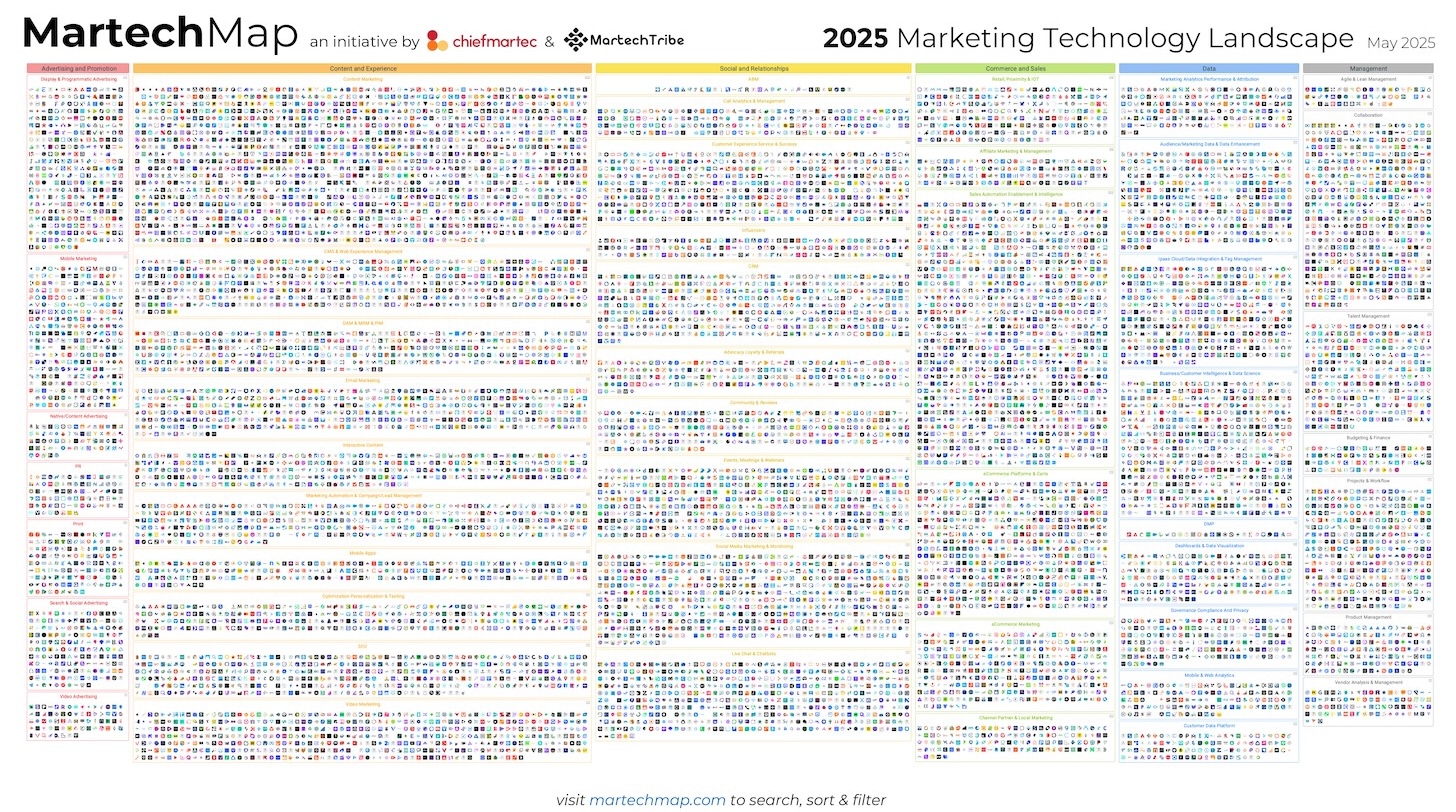
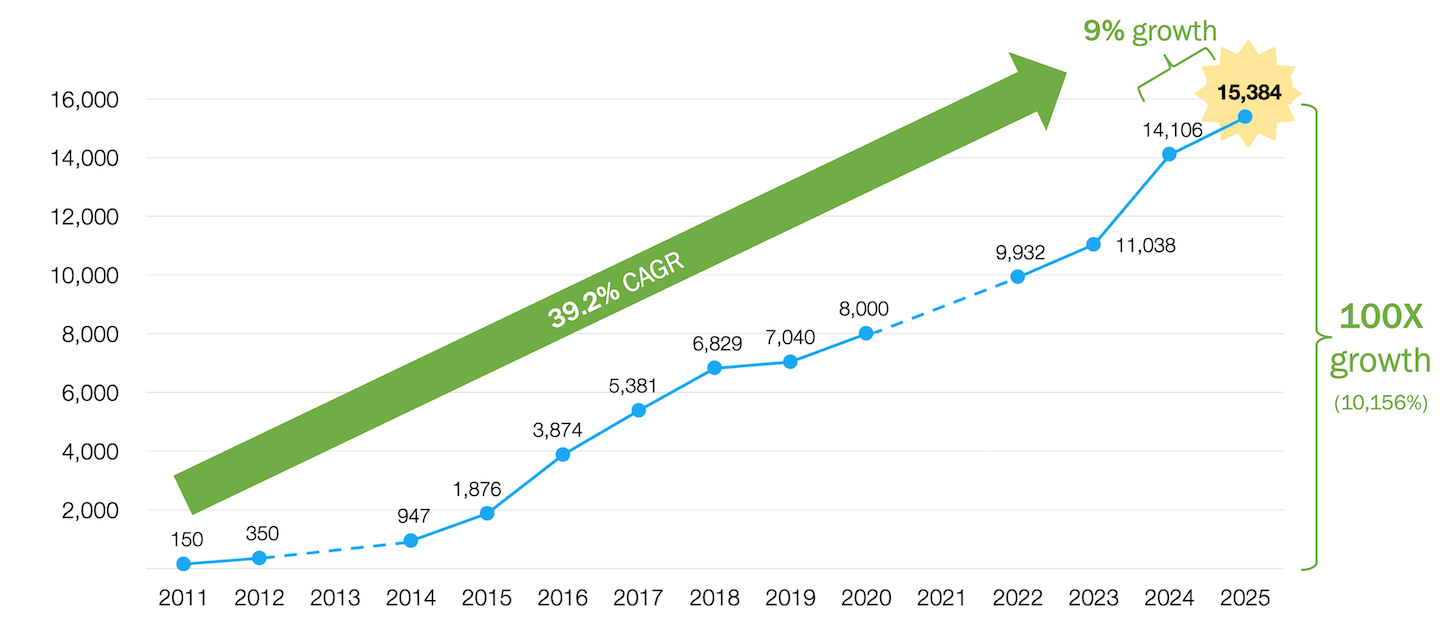
In the rapidly evolving nexus of marketing and engineering, one constant remains: the exponential growth of the software tools meant to manage, measure, and optimize the customer experience. The newly released State of Martech 2025 report confirms that the marketing technology ecosystem has breached a new threshold, now encompassing 15,384 distinct solutions. This represents a 9% year-over-year increase, signaling that despite market saturation and the persistent murmurs of consolidation, the appetite for specialized software remains insatiable.
The Evolution: A Chronology of Complexity
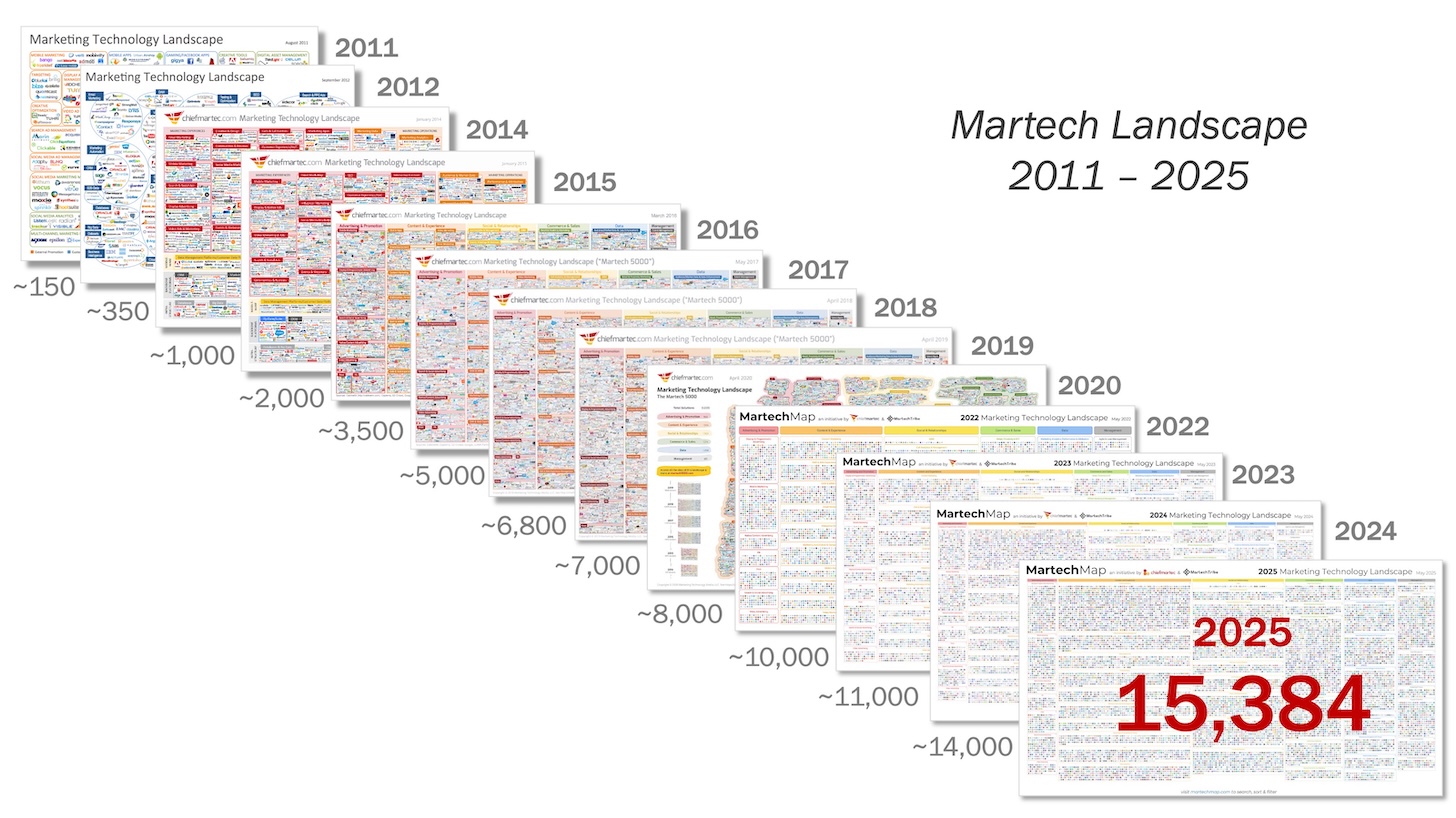
To understand the current state of the industry, one must look back to the inception of the movement. Fifteen years ago, the concept of a "marketing technologist" was a fringe idea—a bridge between the creative mandates of the CMO and the technical rigor of IT. In 2011, Scott Brinker, the editor of Chiefmartec.com, introduced the first official marketing technology landscape, featuring a mere 150 solutions. At the time, that number felt exhaustive.
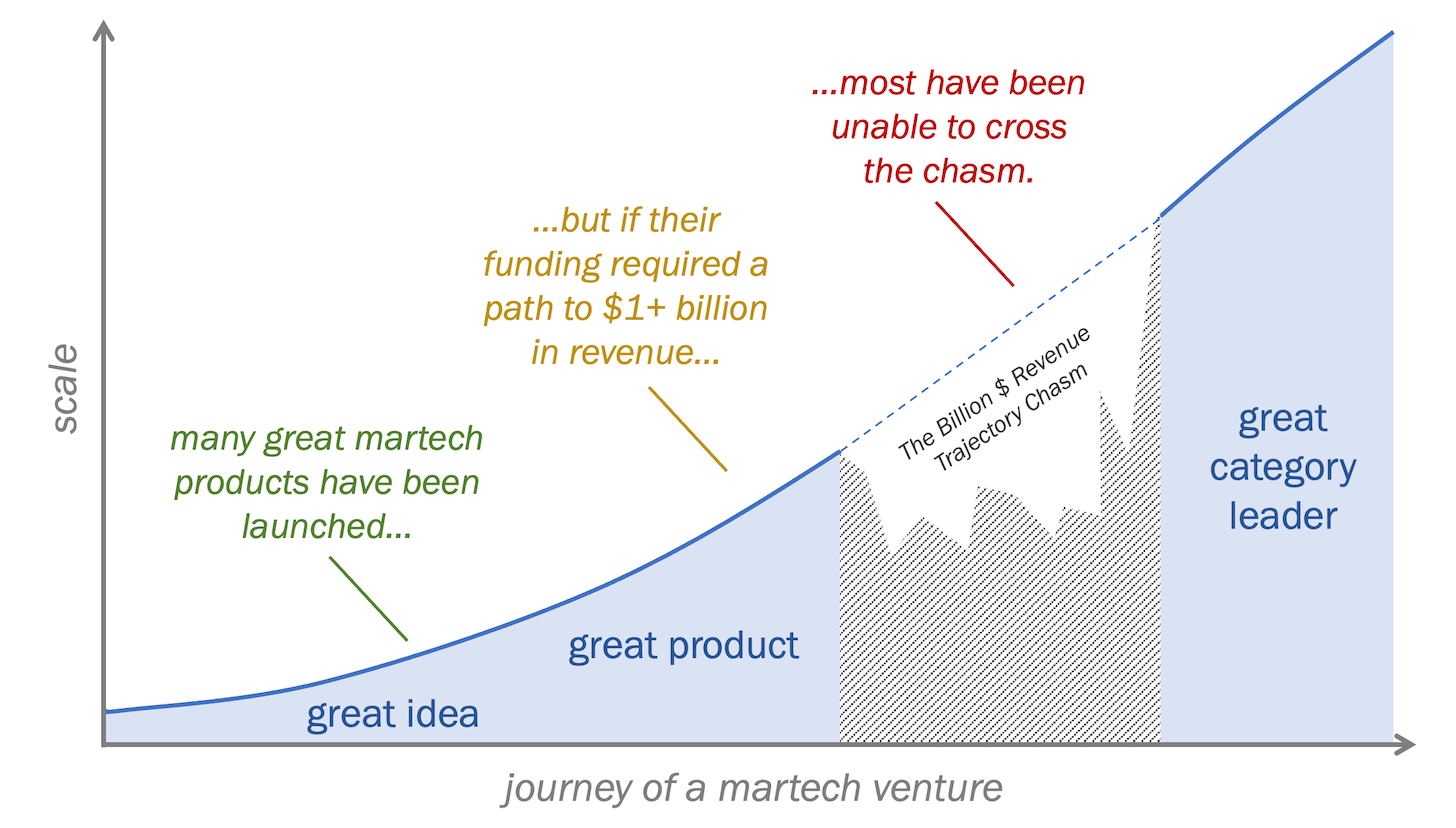
What followed was a decade of "surreal" growth. Every year, analysts and industry observers predicted the collapse of the martech bubble, citing the impossibility of sustaining such a fragmented market. Instead, the landscape expanded. By 2025, the number of solutions has grown 100-fold—a staggering 10,156% increase from the original 2011 cohort. This trajectory reflects a fundamental shift in business: marketing has transitioned from a supporting function into a technology-integrated discipline that drives the core engine of modern enterprise.
Data-Driven Insights: The Mechanics of Market Churn
The 2025 report, co-produced by Brinker and Frans Riemersma, provides a rigorous breakdown of this growth. The headline number—15,384 solutions—is not merely an accumulation of every product with a URL. The researchers evaluated 11,133 new candidates this year, but only 2,489 met the criteria to join the landscape.
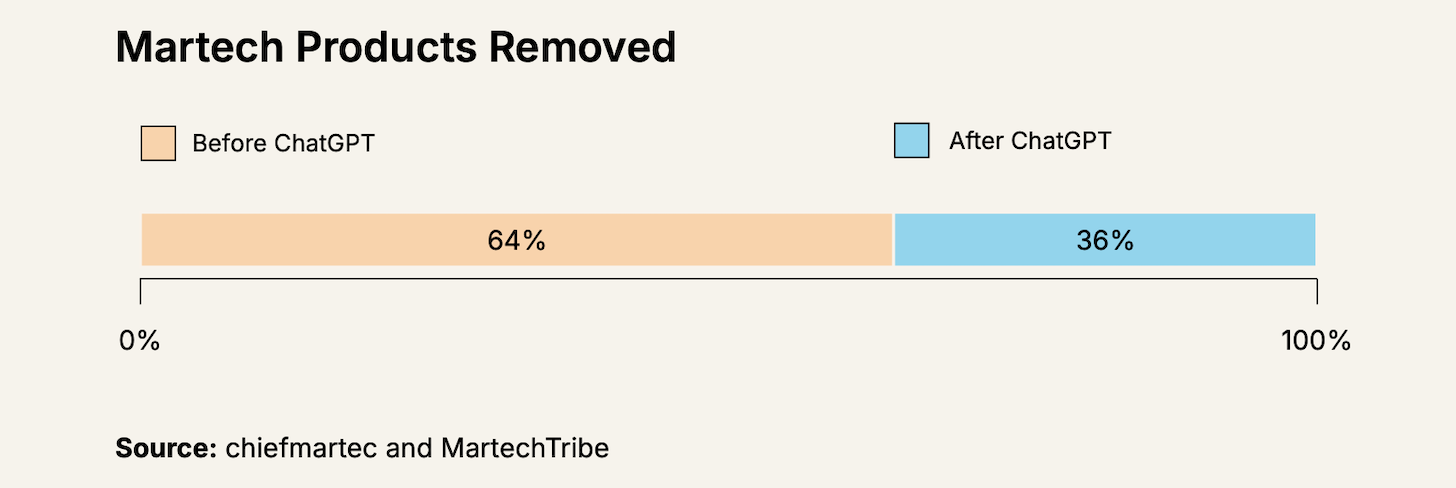
Simultaneously, the market is undergoing a significant cleansing process. In the last year, 1,211 solutions were removed from the landscape, resulting in a churn rate of 8.6%. Contrary to the assumption that these exits were mostly new, "AI-native" startups that failed to gain traction, the report highlights a more profound trend: two-thirds of the products that vanished were from the 2010–2020 era.
This suggests that the "first wave" of martech—those companies that rode the initial surge of the digital transformation era—is now facing a period of intense consolidation. As these companies struggle to scale against newer, more agile competitors or face acquisition, the "laws of gravity" are finally catching up to them. As the report poignantly notes, the industry is witnessing the quiet exits of what were once considered the "darlings" of the venture capital world.
The "Hypertail": The Rise of Invisible Software
Perhaps the most significant revelation in the 2025 report is the emergence of what the researchers call the "hypertail." While the 15,384 commercial products listed in the landscape form the visible surface of the industry, a vast, invisible ocean of custom-built software now exists beneath the surface.
For years, the development of custom software was restricted by high costs and a reliance on specialized engineering teams. However, the rise of low-code and no-code platforms has democratized software creation, turning marketers into "citizen developers." The introduction of generative AI has acted as a massive force multiplier for this trend.
The report describes a new era of "vibe coding," where developers and non-technical users alike can generate functional software in hours rather than weeks. AI assistants like ChatGPT, Claude, and Gemini are now acting as silent architects, building custom programs in the background to handle specific, micro-tasks. The cumulative result is that while there are thousands of commercial products, there are likely trillions of custom, ephemeral software programs running within enterprise digital operations today. This shift fundamentally changes the definition of a "tech stack"—it is no longer just a collection of purchased tools, but a living, breathing ecosystem of custom-coded agents and automated workflows.
Strategic Implications: Redefining the Center of the Stack
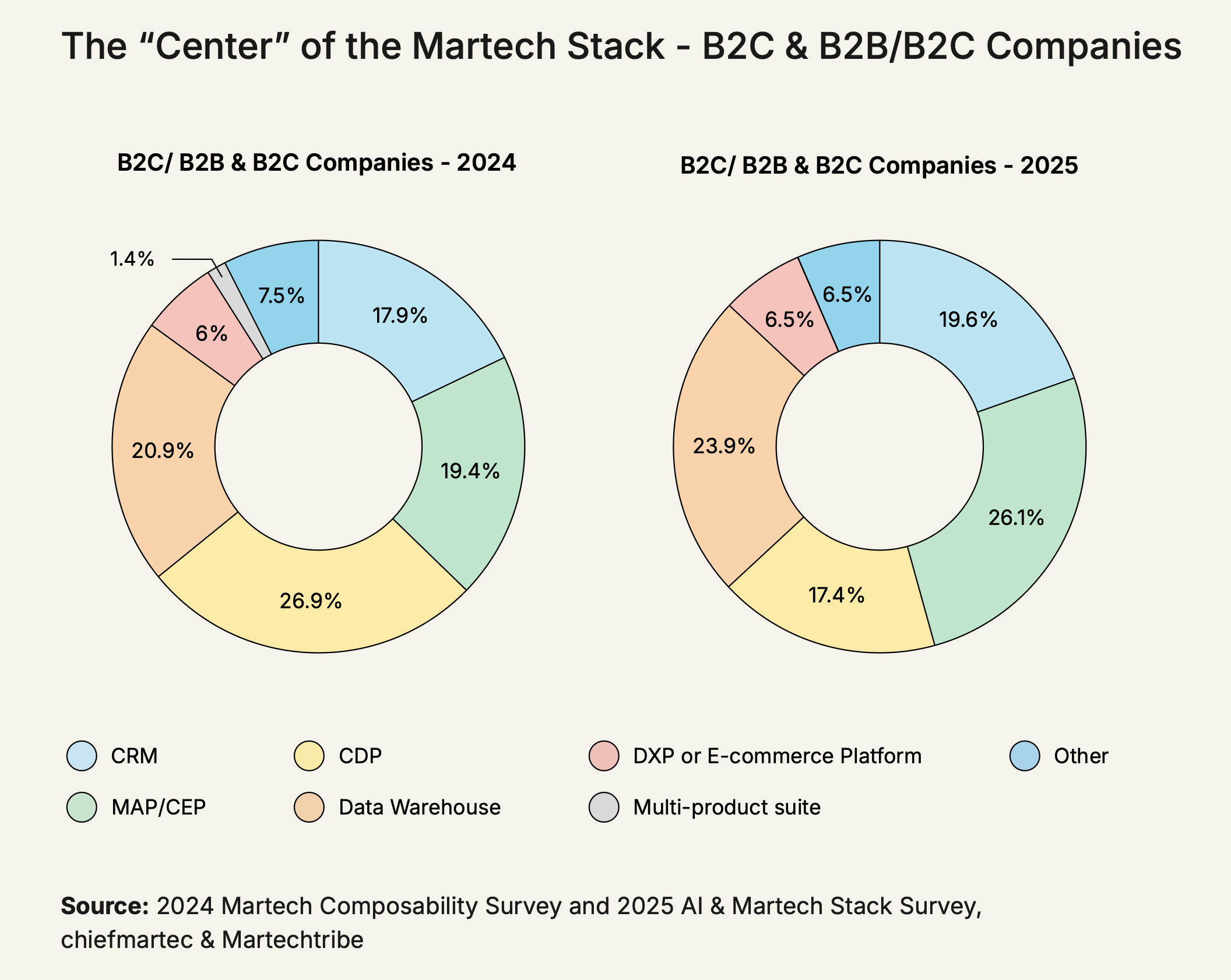
With the proliferation of AI-native products, marketing teams are finding that their tech stacks are expanding again, growing by 2.2% last year despite intense financial pressure. This leads to a critical question: what is the "center" of the stack?
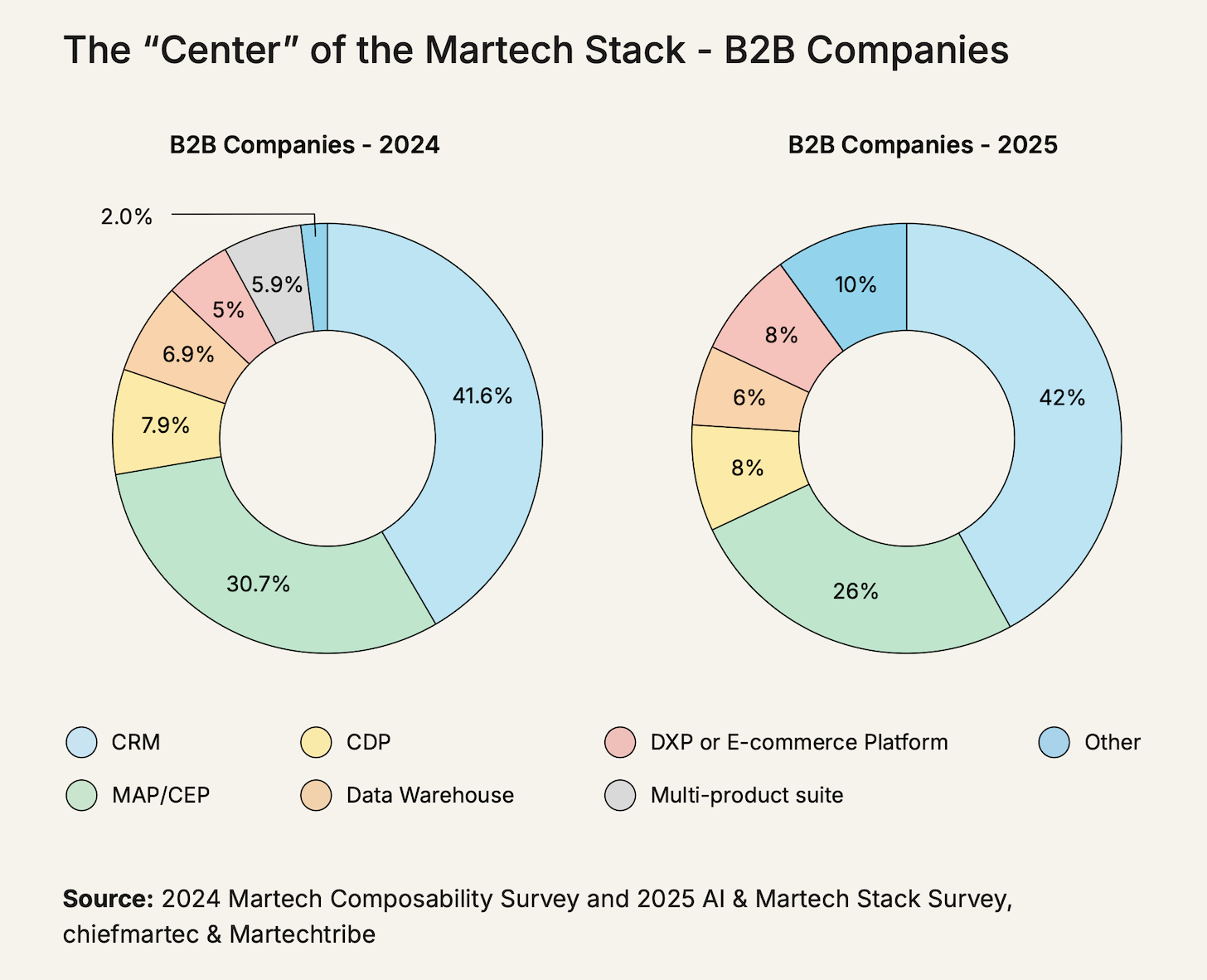
The research indicates a shift in how organizations perceive their core platforms:
- B2B Dynamics: For the majority of B2B firms, the CRM or the Marketing Automation Platform (MAP) remains the anchor. However, there has been a 5X increase in respondents identifying "Other"—specifically custom-built solutions—as the center of their operations, marking a potential reversal of the decade-long trend toward commercial, off-the-shelf software.
- The CDP Squeeze: In the B2C and hybrid sectors, the role of the Customer Data Platform (CDP) has come under fire. The percentage of leaders identifying the CDP as the center of their stack dropped from 26.9% to 17.4%. This is attributed to a "squeezing" effect, where capabilities once unique to CDPs are being absorbed by cloud data warehouses (the "composable CDP" movement) or embedded directly into engagement platforms and CRMs.
Industry Perspectives: Resilience in the Face of AI
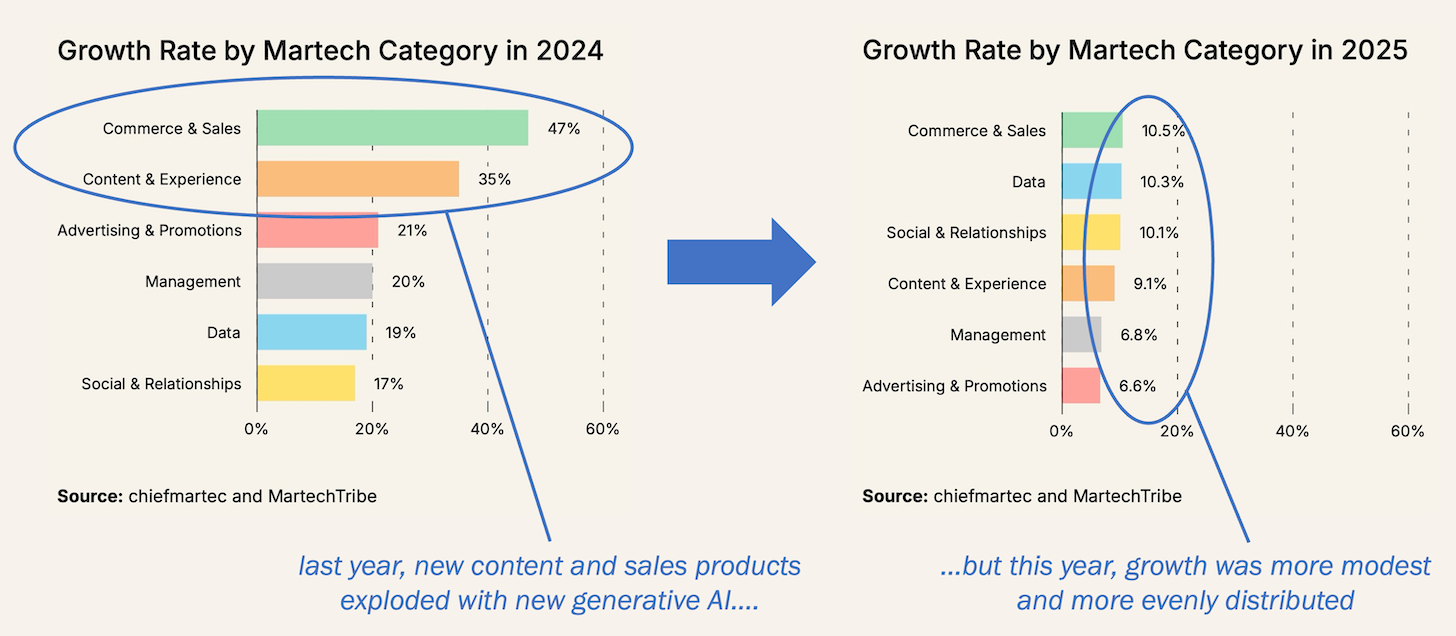
Despite the "SEO is dead" narrative prevalent throughout 2024, the subcategory of SEO saw the highest percentage growth in the entire landscape, expanding by 24%. This growth is driven by a new sub-discipline: AI Optimization (AIO). Companies are not abandoning search; they are pivoting to ensure their content is discoverable by the AI services and LLMs that are increasingly mediating the relationship between brands and consumers.
The report also acknowledges the role of key industry partners who have helped categorize this complexity. Research contributions from G2, and support from sponsors such as GrowthLoop, Hightouch, MetaRouter, MoEngage, Progress, and SAS, have allowed the Chiefmartec team to provide a level of granularity that few other reports can match.
Looking Forward: Navigating the 15,000-Product Future
The 2025 landscape serves as a testament to the fact that we have moved beyond the "era of scarcity" in software. For marketing leaders, the challenge is no longer about finding tools; it is about orchestration. The proliferation of the "hypertail" means that every organization is effectively a software company.
The "State of Martech 2025" provides a map for this journey, but it also carries a warning: the sheer volume of solutions makes it impossible for any single marketing department to master the entire landscape. Success in this environment requires a disciplined approach to integration—aligning new, AI-driven point solutions with a robust, established center, while simultaneously fostering the internal "citizen developer" culture that allows teams to build the custom automations they need to survive.
As the industry continues to scale, the distinction between "marketing" and "software development" will continue to blur. For those willing to embrace the complexity, the 15,384 solutions currently in the landscape represent not just tools, but the infrastructure for the next generation of customer engagement.
The full report is available for download at martechday.com, offering a comprehensive guide to navigating what has become the most dynamic, fragmented, and high-stakes market in the digital economy.
