
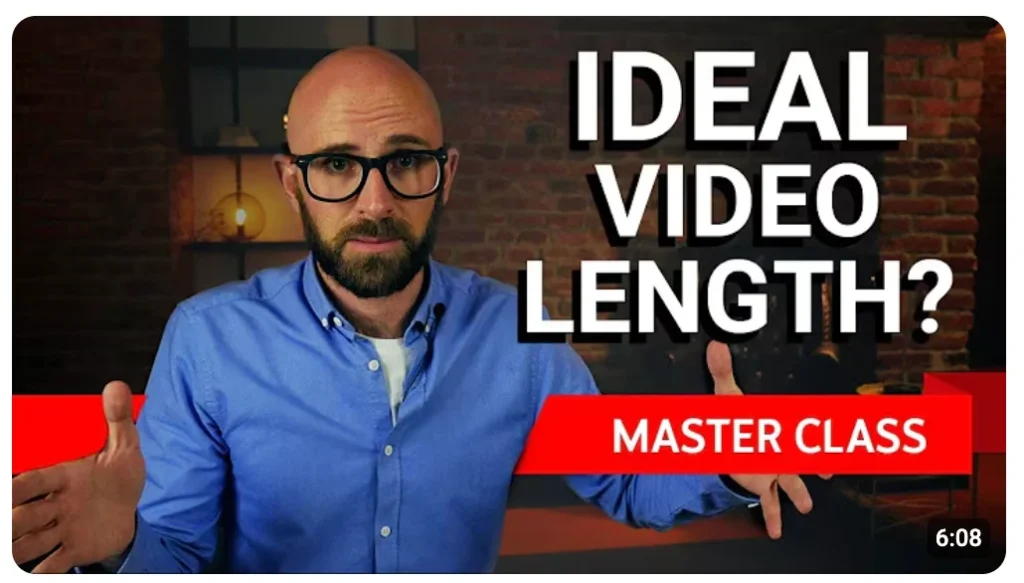
The Science of Seconds: Mastering Optimal Video Lengths for Social Media
In the modern digital marketing landscape, video content has evolved from an optional luxury into an absolute necessity. Whether you are a small business owner, a content creator, or a social media manager at a global enterprise, the question remains the same: How long should a social media video be?
There is no "one-size-fits-all" solution. A video that thrives on YouTube might fall completely flat on TikTok, and a high-performing Instagram Reel could be entirely too long for a Snapchat audience. Understanding the nuances of platform-specific consumption habits is the difference between an engaged community and an ignored feed.
The Core Data: Defining the "Sweet Spot"
Across the social media ecosystem, the prevailing trend is toward shorter, punchier, and more visually aggressive storytelling. While technical constraints allow for longer uploads—in some cases, up to several hours—user behavior consistently dictates that shorter is usually better.

For most major platforms, the "sweet spot" for organic engagement consistently lands between 15 and 60 seconds. This duration provides enough time to deliver a hook, provide value, and transition into a call-to-action (CTA) before the user’s attention drifts to the next piece of content.
A Quick-Reference Guide for Video Runtimes
| Platform | Recommended Length | Maximum Capacity |
|---|---|---|
| Instagram Reel | 15–45 seconds | 20 minutes |
| TikTok | 20–35 seconds | 60 minutes (upload) |
| YouTube | 6–12 minutes | 12 hours (verified) |
| YouTube Short | 15–45 seconds | 3 minutes |
| Facebook Reel | 15–30 seconds | Unlimited |
| 30–60 seconds | 10 minutes | |
| Snapchat | 5–15 seconds | 60 seconds |
| 10–30 seconds | 5 minutes |
Chronology of the Short-Form Video Boom
The evolution of video length is inextricably linked to the history of social media platforms. In the early 2010s, Facebook was a text-and-image-heavy environment where video was an afterthought. The rise of Vine—a platform that famously capped videos at six seconds—paved the way for the "short-form" revolution.
As mobile internet speeds increased and user attention spans decreased, platforms were forced to adapt. Snapchat’s ephemeral, 10-second snaps proved that users didn’t need long-form narratives to feel connected. Instagram followed suit with Stories in 2016, and TikTok’s meteoric rise cemented the 15-to-60-second window as the industry gold standard for viral potential. By 2025, platforms like Facebook and Instagram have moved toward a "Reels-first" architecture, prioritizing short-form, algorithmic discovery over chronological, long-form feeds.

Strategic Insights: Platform-Specific Deep Dives
Instagram: The Multi-Format Challenge
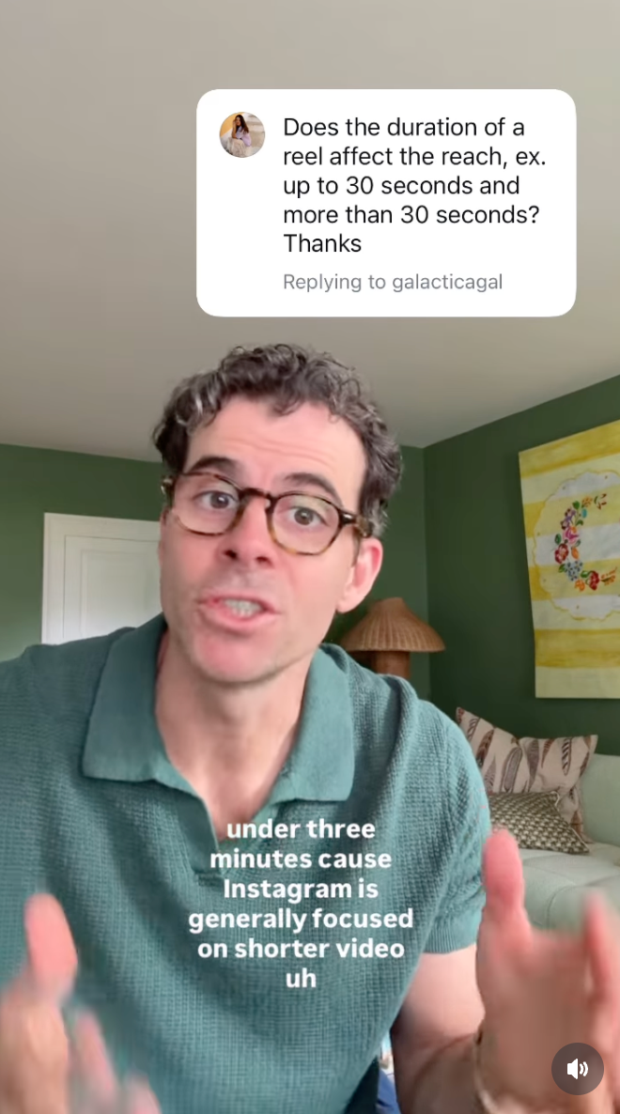
Instagram requires a nuanced strategy. Reels are your primary vehicle for discovery, and Adam Mosseri, Head of Instagram, has repeatedly emphasized that the platform is prioritizing shorter content. "There’s no perfect length for a Reel," Mosseri notes, "but generally, we recommend under 3 minutes."
The real secret to Instagram success lies in the first three seconds. If you fail to hook the viewer in that initial window, your retention will plummet. Use the Instagram Insights "Retention" chart to identify the exact second viewers drop off, then adjust your editing cadence accordingly.
TikTok: Pacing Over Duration
On TikTok, the "20-to-35-second" rule is less about the clock and more about pacing. A 60-second video that is fast-paced and visually dynamic will almost always outperform a 15-second video that is slow or monotone. TikTok’s algorithm rewards watch time; if a viewer watches your entire 30-second video, the platform is significantly more likely to recommend your content to a wider audience.

YouTube: The Long-Form Exception
YouTube remains the outlier. While YouTube Shorts compete directly with TikTok and Reels, the standard YouTube interface is designed for "lean-back" consumption. The 6-to-12-minute range is considered the gold standard for standard videos because it allows for substantive content while also qualifying creators for mid-roll advertisements—a crucial factor for those in the YouTube Partner Program.
However, do not fall into the trap of "padding" content to reach the 8-minute mark for ad revenue. YouTube’s algorithm is highly sophisticated; if users click off your video because it feels dragged out, your future reach will be penalized.
LinkedIn: Professional Brevity
LinkedIn’s professional demographic is time-poor. Internal data from LinkedIn shows that videos under 30 seconds see a 200% lift in completion rates compared to longer clips. When creating for LinkedIn, remove the fluff. Get straight to the business insight or the value proposition.
Official Responses and Algorithmic Implications
Industry leaders have been transparent about what they want from creators. Meta, the parent company of Facebook and Instagram, has explicitly stated that they are moving to unify all video content under the "Reels" format. This move signifies that the distinction between "in-feed" and "Reels" is vanishing, and the platform expects all video content to meet the high-engagement, fast-paced standards of short-form mobile video.
On the advertising front, the consensus is even more aggressive. Platforms like Facebook and TikTok suggest that for awareness-based ad campaigns, 6 to 15 seconds is the optimal window. The goal of an ad is not to tell a complex, four-act story; it is to establish brand recall and prompt a click-through.
Implications for Future Marketing Campaigns
As we look toward the future, the primary implication for marketers is the need for "agile editing." The ability to cut, trim, and repurpose content is now more valuable than high-budget production.
- Prioritize the Hook: Every video, regardless of length, must start with a visual or auditory "pattern interrupt" within the first 1.5 seconds.
- Optimize for "Sound-Off": A massive percentage of social video is consumed without audio. Ensure your videos are legible through text overlays and captions.
- Data-Driven Iteration: Do not guess what works. Use native analytics tools on every platform to measure the "Drop-off Rate." If your videos consistently lose 50% of the audience at the 5-second mark, your opening is the problem, not your video length.
- Matching Format to Intent: If your goal is brand awareness, keep it under 15 seconds. If your goal is education or product demonstration, you have more leeway, but you must justify the extra time with high-value content.
Conclusion: The "Value-to-Time" Ratio
Ultimately, the perfect video length is a function of the value you provide. A 30-second video that teaches a user how to fix a leaking sink is perfect. A 30-second video of someone staring at the camera while nothing happens is 30 seconds too long.
As you plan your next campaign, stop asking "How long should this be?" and start asking "How much time does my audience need to get the value I promised?" By focusing on the value-to-time ratio, you will naturally find the length that maximizes engagement, keeps your audience watching, and drives the results your brand deserves.
In the digital age, attention is the most valuable currency. Spend it wisely.
