
The Art of the Last Impression: Mastering Exit-Intent Popups for Maximum Conversion
In the high-stakes world of e-commerce and digital marketing, the "exit" is the ultimate enemy. A visitor who clicks away from a checkout page or abandons a shopping cart represents lost revenue and wasted acquisition spend. To combat this, marketers have turned to a sophisticated, if controversial, tool: the exit-intent popup.
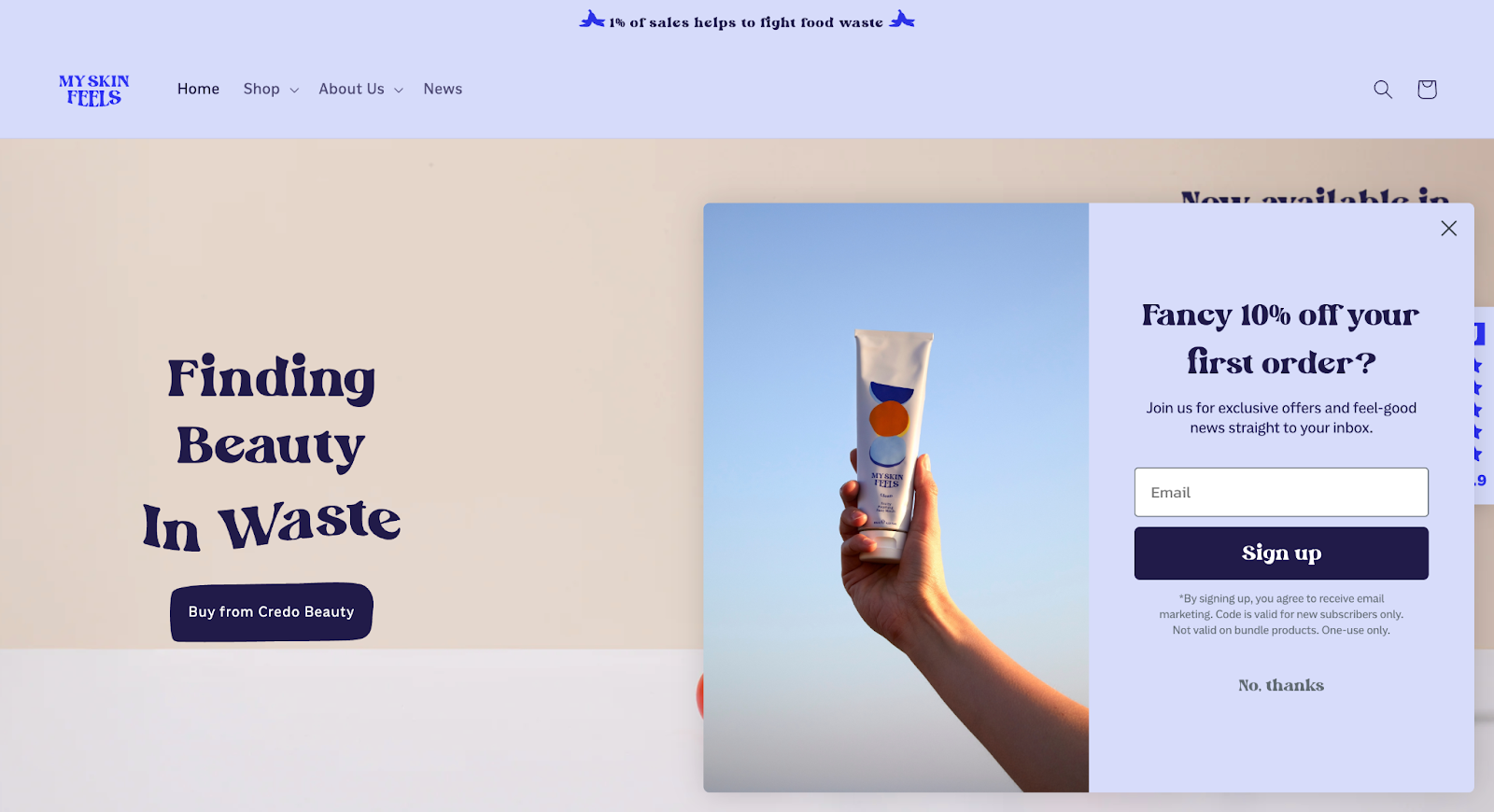
An exit-intent popup is a dynamic digital intervention that triggers the moment a user displays behavior indicative of leaving a website. By offering a final incentive—a discount, a lead magnet, or a helpful nudge—marketers aim to recapture attention at the precise moment a visitor is about to sever their connection with the site. However, when deployed poorly, these popups can backfire, resulting in a fractured user experience that permanently damages brand trust.
The Mechanics of Disengagement: How It Works
Exit-intent technology operates by monitoring the telemetry of a user’s interaction with the browser. On desktop platforms, the technology tracks mouse velocity and trajectory. When a cursor moves rapidly toward the browser’s closing “X,” the back button, or the address bar, the system registers this as an intent to navigate away and fires a modal overlay to capture the user’s attention.
Mobile devices present a more complex challenge. Without a cursor, the technology must rely on secondary indicators. Sophisticated scripts now track "scroll-up velocity," idle time, or the tapping of the browser’s back button. While effective, these mobile signals are inherently “noisier,” leading to a higher risk of false positives where a user is simply scrolling back to re-read content rather than leaving the site.
A Statistical Snapshot: Do They Actually Work?
The efficacy of exit-intent popups is a subject of intense data analysis. According to industry reports from 2025 and 2026, the average conversion rate for these interventions sits at approximately 2.81%. However, this figure is a composite of vastly different outcomes based on context.
- Email Capture: Standard email sign-up popups triggered by exit-intent see more modest conversion rates, often hovering around 1.8%.
- Cart Abandonment: The highest performance is observed in e-commerce, where cart-abandonment-specific popups reported conversion rates as high as 17.12% in recent studies.
- The Top Tier: Elite campaigns, optimized through rigorous testing and highly relevant offers, have been documented converting nearly 20% of abandoning visitors, proving that when the incentive is right, the "interruption" is forgiven.
The Anatomy of a Successful Intervention
The success of an exit-intent popup relies on the concept of "earning the interruption." Imagine a shopper in a brick-and-mortar store who picks up an item, looks at the price tag, and turns to walk toward the exit. If a salesperson shouts a generic "Wait!" as they leave, the customer is likely to be annoyed. But if the salesperson offers a genuine, time-sensitive, interest-free financing plan that addresses the specific barrier to purchase, the customer is likely to stop and listen.
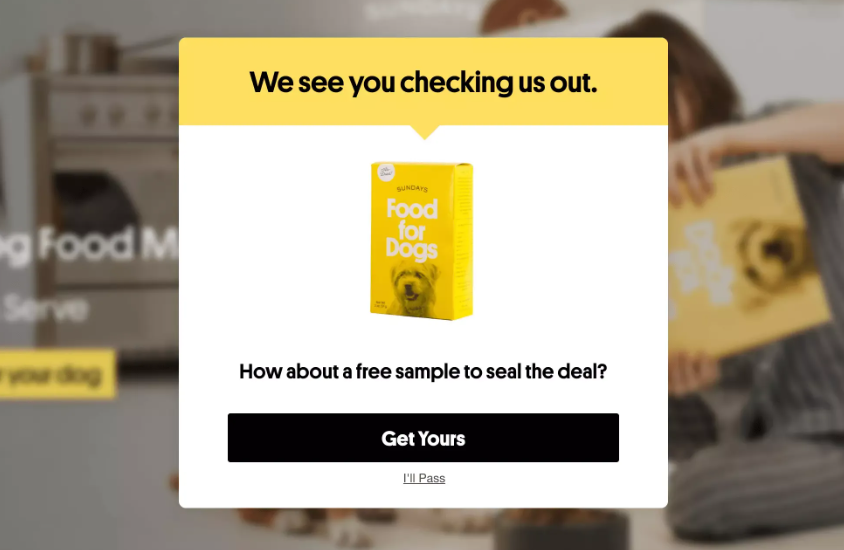
Digital marketers must mirror this logic. The most successful popups do not simply flash a "Don’t Go!" message; they offer a tangible resolution to a specific friction point, such as:
- Price Sensitivity: Offering a limited-time discount code.
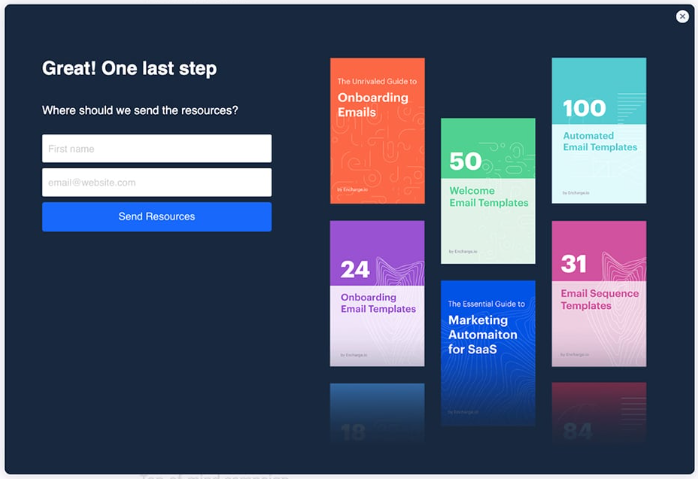
- Information Gaps: Providing a downloadable guide or whitepaper to assist in decision-making.
- Service Doubts: Offering a live chat connection or a "save for later" function for the shopping cart.
When Strategies Backfire: The Cost of Irrelevance
The primary cause of failure for exit-intent popups is the "False Positive." When a user is simply switching tabs to check a reference or a notification, a disruptive, full-screen popup can feel like an aggressive attack on their browsing flow.
Furthermore, "Offer Mismatch" remains a persistent pitfall. Serving a 10% discount to a visitor who is reading a blog post for information—rather than shopping—is irrelevant and signals a lack of understanding of the user’s intent. Such missteps don’t just result in a missed conversion; they create a negative brand association that significantly lowers the probability of that visitor ever returning to the domain.
11 Best Practices for Implementation
To harness the power of exit-intent without alienating your audience, marketers should adhere to the following framework:
1. Prioritize High-Intent Pages
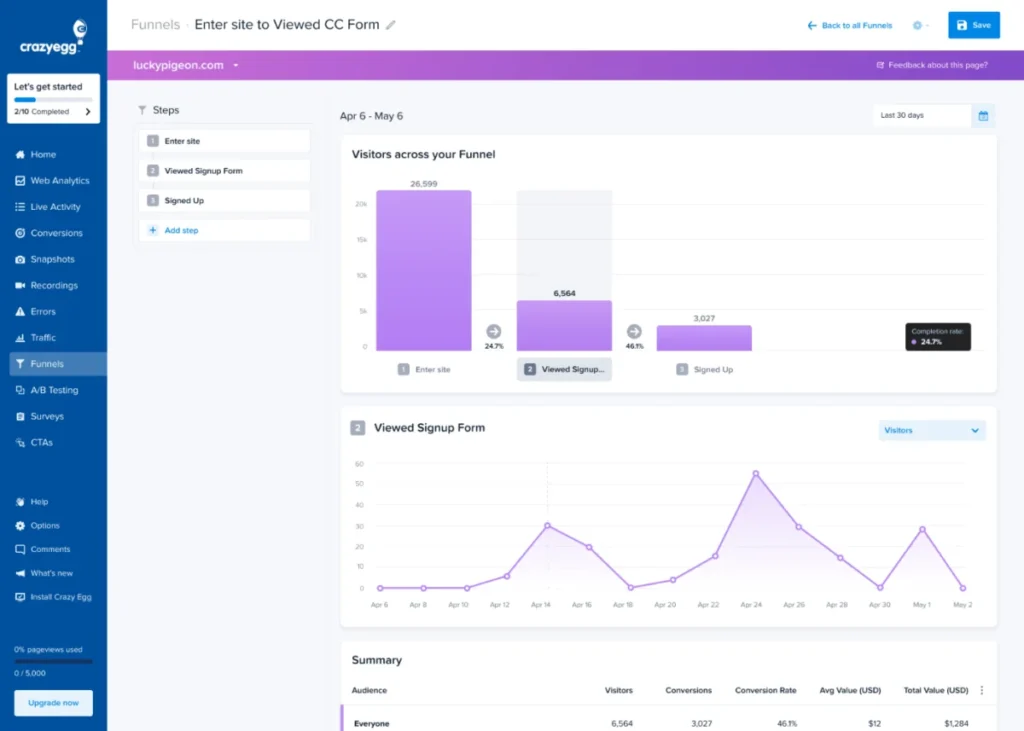
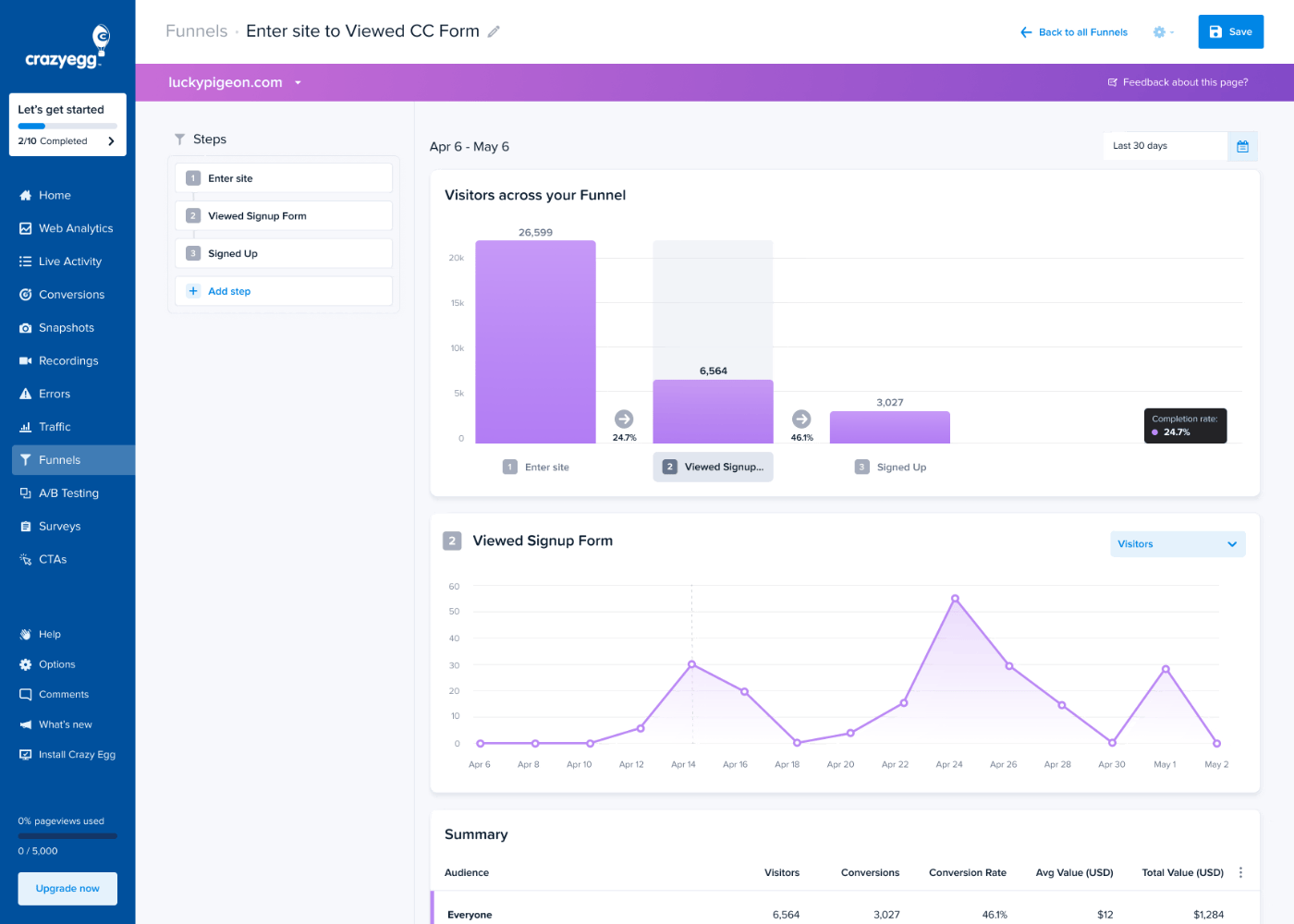
Do not deploy popups globally. Focus exclusively on pages where the cost of abandonment is highest: the cart, the checkout pipeline, and product landing pages. Use funnel analytics to pinpoint exactly where users are dropping off and concentrate your resources there.
2. Resolve UX Friction First
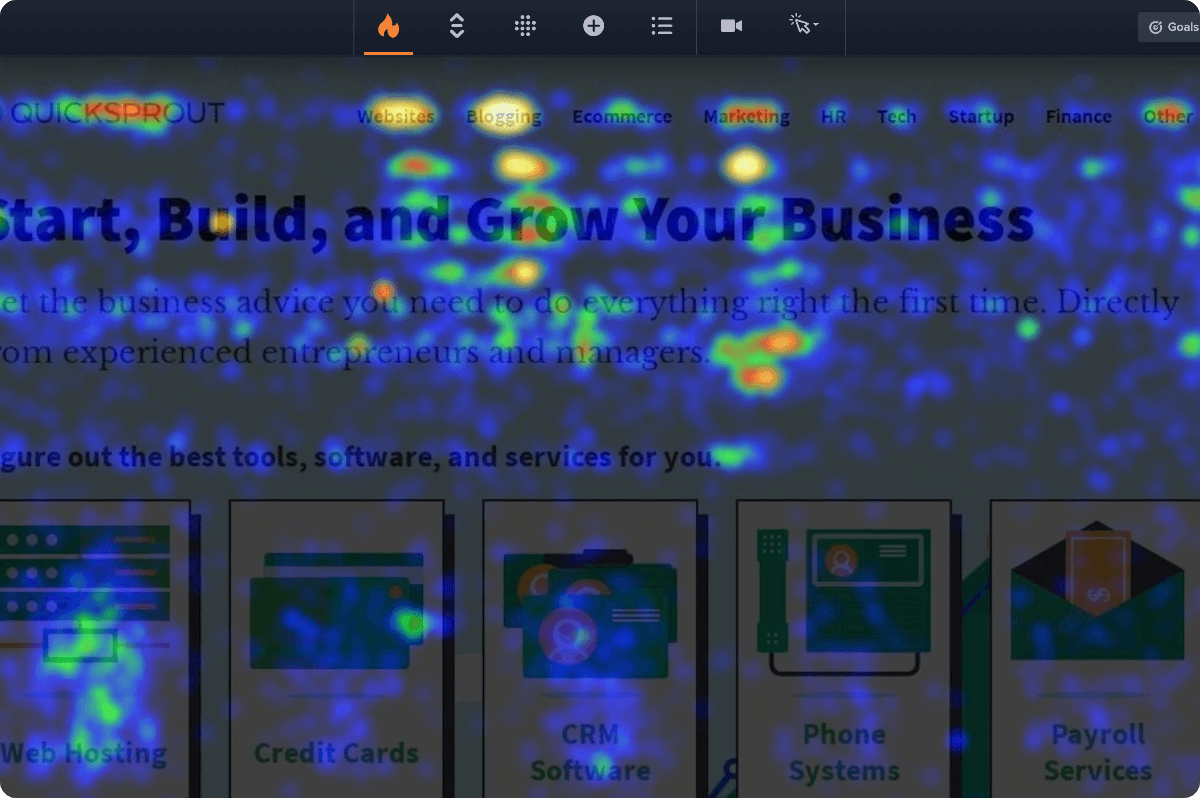
Popups should never be a band-aid for broken design. If your checkout page has hidden costs or your forms are clearing data upon validation errors, the popup will only serve to frustrate a user who is already struggling with technical barriers. Audit your heatmaps and session recordings for "rage clicks" before adding any additional layers of complexity.
3. Match Offer to Intent
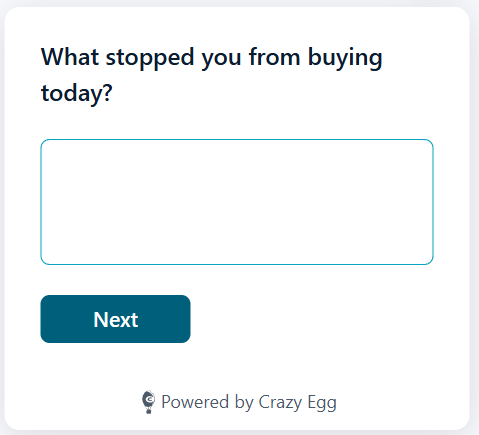
If a user is leaving a blog post, they are likely looking for more information, not a discount on a product they haven’t considered. A "Subscribe to our Newsletter" offer is far more relevant here than a "15% off" coupon. Use exit-intent surveys to ask, "What were you looking for today?" to gather data on why users are leaving.
4. Segment Your Audience
Treat a first-time visitor differently than a returning customer. A returning visitor might need a loyalty incentive, while a first-time visitor might need a free shipping offer to lower the barrier to their initial purchase.
5. Design for Instant Decisions
You have milliseconds to communicate. The headline should be bold, the offer crystal clear, and the Call-to-Action (CTA) visually distinct. Keep the design consistent with your site’s branding to avoid the "third-party ad" feel.
6. Keep Copy Concise and Ethical
Avoid "guilt-tripping" copy (e.g., "No thanks, I don’t want to save money"). Such language is psychologically manipulative and breeds resentment. Use neutral, polite options like "Maybe later" or "Not at this time."
7. Accessibility and Mobile Compliance
Ensure your popups are fully accessible. On mobile, the modal should never occupy the entire viewport, as this can trigger penalties from search engines and frustrate users. Ensure tap targets are large enough to be easily triggered by a thumb.
8. Tune Mobile Triggers
Because mobile exit detection is prone to errors, consider setting the trigger to be more conservative. If you continue to see high bounce rates or "rage-closing" behavior, consider disabling exit-intent on mobile entirely.
9. A/B Test Everything
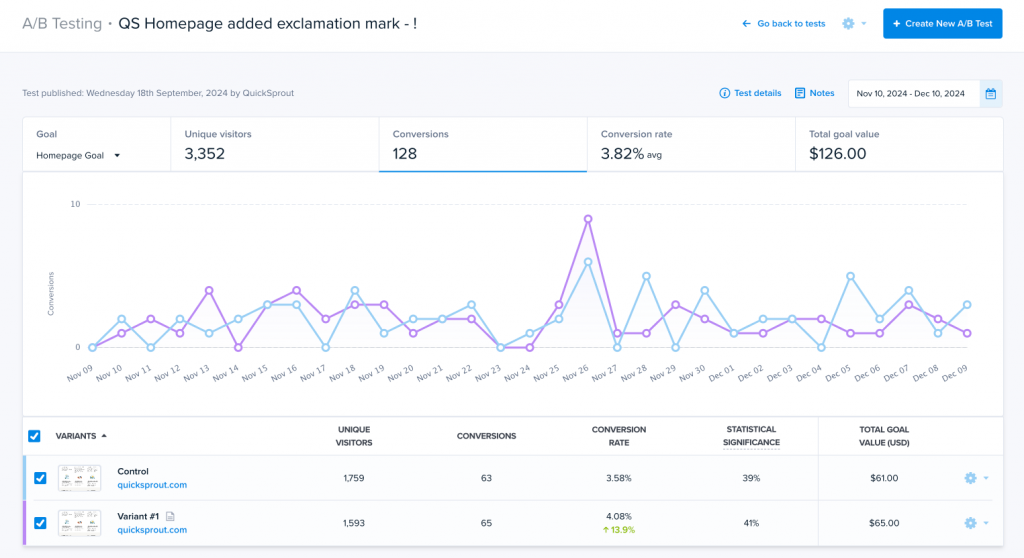
Continuous optimization is mandatory. Test headlines, button colors, and, most importantly, the value of the offer. A small change in phrasing can lead to a significant lift in performance.
10. Combine with Other Recovery Tools
Exit-intent is a single tool in a larger arsenal. Use it in conjunction with abandoned cart email sequences and retargeting ads to create a multi-touch recovery strategy.
11. Monitor Performance Metrics
Beyond conversion rates, track the "exit rate" of pages with popups. If the exit rate spikes after you implement a popup, you are likely doing more harm than good and should re-evaluate your design or timing.
Final Implications: The Balance of Power
In the digital landscape, the user’s attention is a finite resource. The exit-intent popup is a powerful instrument for retention, but it operates on a razor-thin margin between helpful service and intrusive annoyance. By prioritizing user intent, ensuring seamless design, and maintaining a commitment to testing, marketers can successfully convert the "departing" visitor into a loyal customer. The goal is not just to prevent a user from leaving, but to provide them with a compelling reason to stay.
