The Agentic Shift: How AI is Rewiring the Martech Landscape for 2026
The marketing world is currently standing on the precipice of a fundamental structural transition. For the past two decades, the "Martech stack" has been defined by how brands manage their own digital footprint to capture, nurture, and convert human buyers. However, as we look toward 2026, the focal point of the industry is shifting from marketer-centric efficiency to a volatile, buyer-centric paradigm dominated by autonomous AI agents.
On December 2, ChiefMartec will release its comprehensive Martech for 2026 report, an expansive analysis that signals a definitive end to the era of passive digital engagement. As the industry braces for this shift, the evidence is clear: AI agents are no longer a theoretical abstraction—they are the new intermediaries of commerce.
Main Facts: The Rise of the Agentic Ecosystem
The defining reality of the current market is the ubiquity of AI agents. According to recent data from the AI & Data in Marketing study, 90.3% of surveyed marketing professionals—representing the world’s leading B2B and B2C brands—are already integrating AI agents into their workflows.
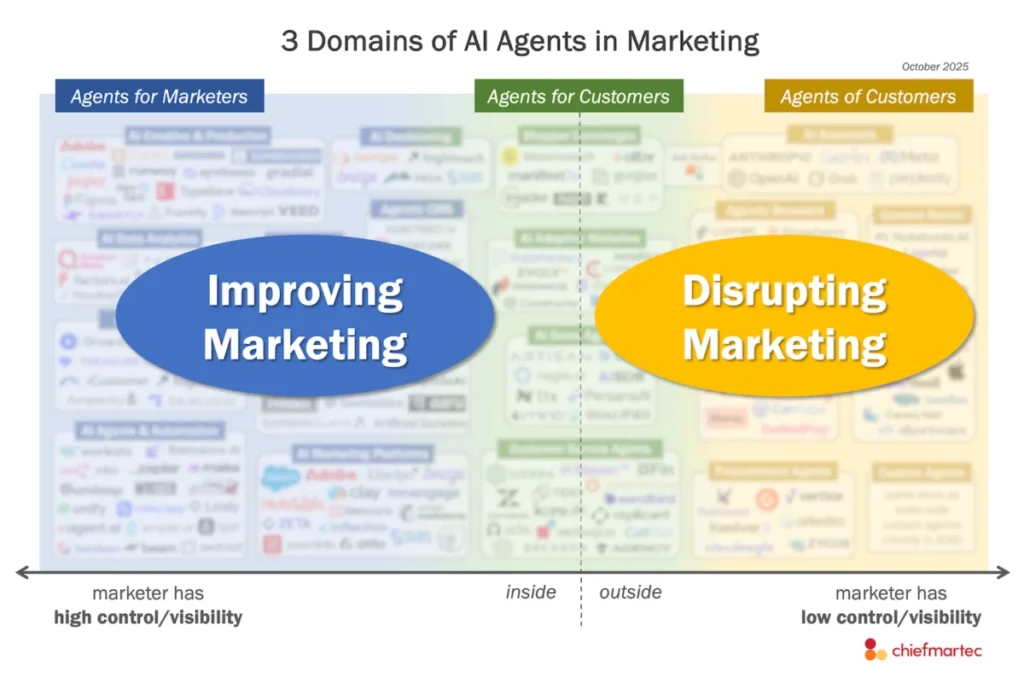
It is vital to distinguish between two categories of these agents: those that serve the marketer and those that serve the buyer.
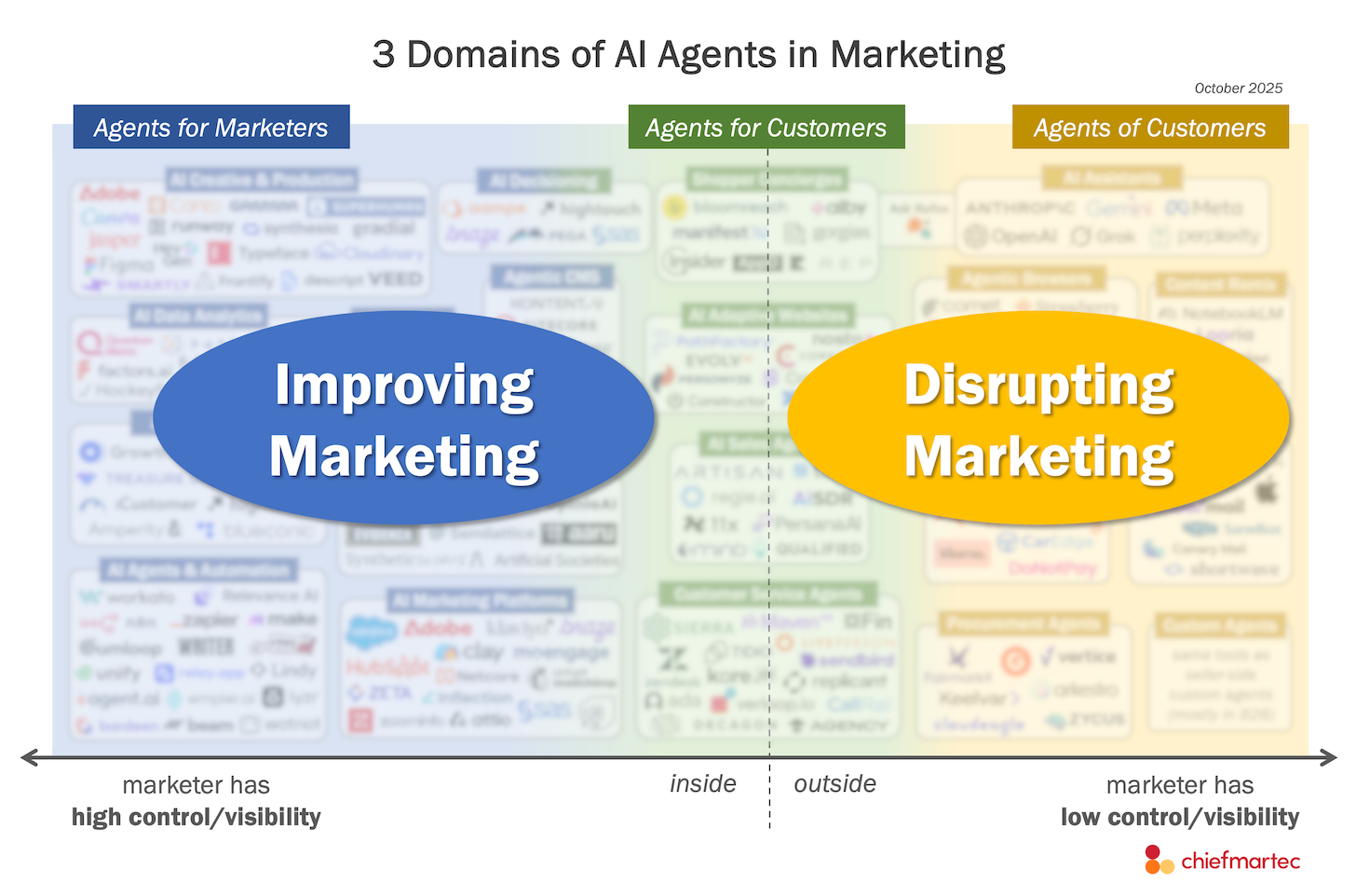
Most existing "agentic" tools are designed to serve the marketer. These are productivity-enhancing assistants that streamline content creation, data analysis, and campaign management. While these tools are valuable, they represent an incremental evolution—an optimization of the status quo.
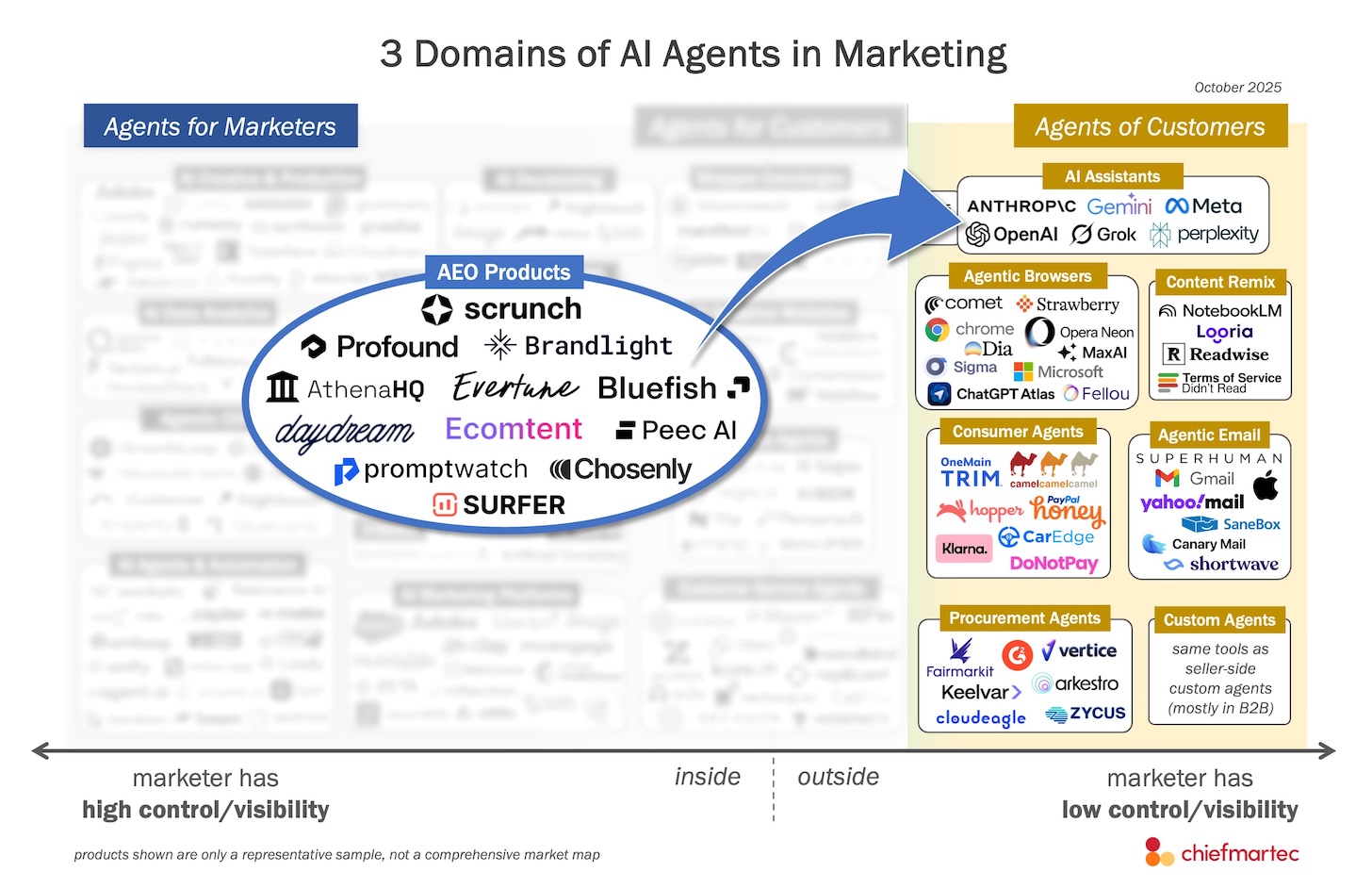
The true revolution, however, lies in buyer-side AI agents. These are tools controlled by the consumer, such as ChatGPT, Claude, Perplexity, and Google’s Gemini. Unlike traditional search engines, which directed users to a website for the brand to "convert" them, these agents function as personal concierges that curate information, compare products, and increasingly, execute transactions on behalf of the buyer.
A Chronology of the Great Rewiring
The transition from a "Search and Click" economy to an "Agentic Transaction" economy has accelerated rapidly over the last 18 months:
- 2024 (The Foundation): The rise of LLM-based search solidified the displacement of traditional SEO. Marketers began realizing that their hard-won organic rankings were being bypassed by synthesized AI summaries.
- Early 2025 (The Integration): Platforms like ChatGPT began introducing "Apps," embedding third-party services directly into the conversational interface. Suddenly, booking a flight or finding a real estate listing no longer required a visit to the vendor’s website.
- Late 2025 (The Action Engine): The paradigm shifted from "information retrieval" to "transactional execution." OpenAI’s "Instant Checkout" feature and Walmart’s partnership for AI-first shopping experiences marked the beginning of the end for the traditional branded web funnel.
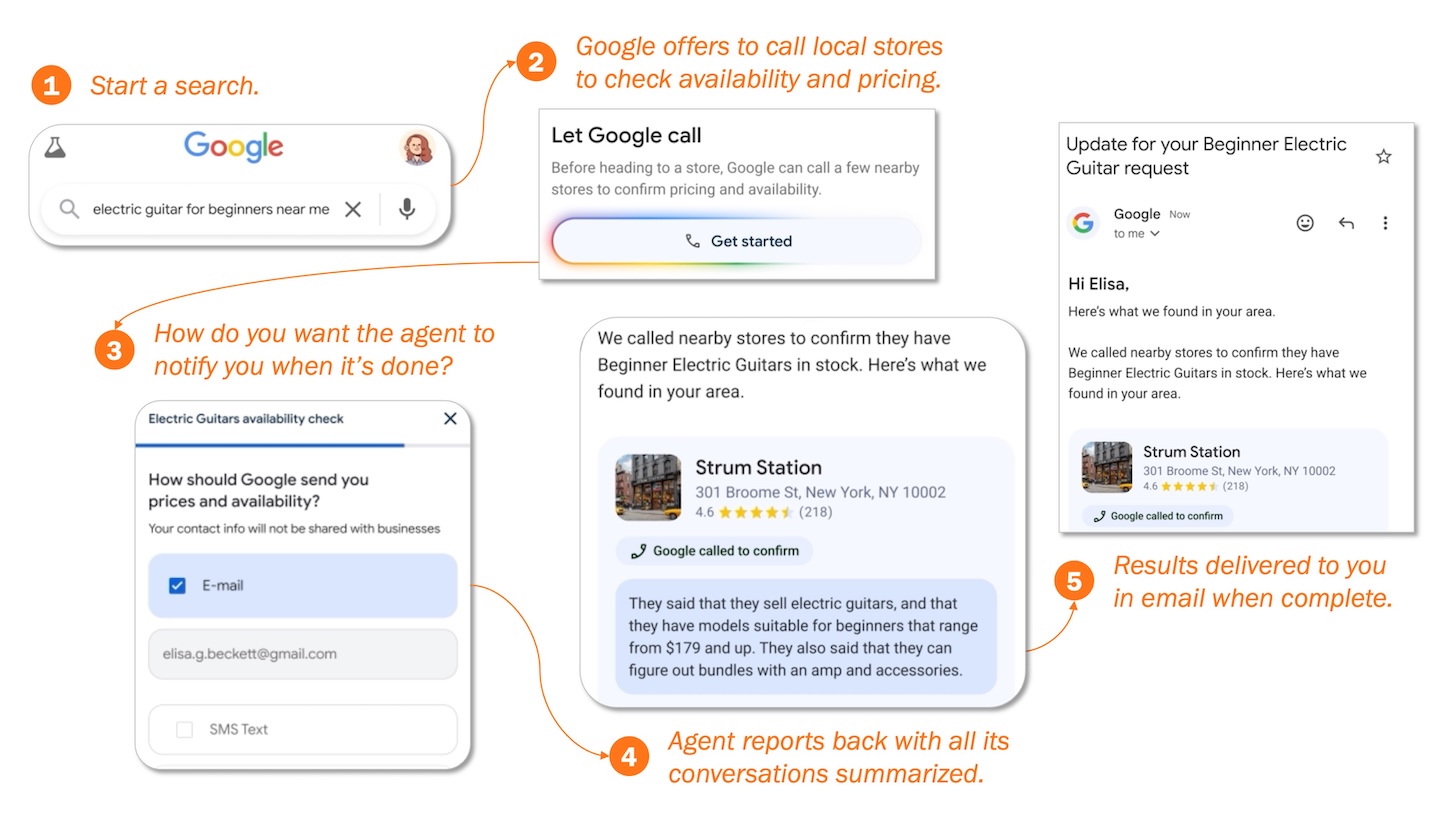
- Current State: We are now seeing the emergence of "Agent-to-Human" communication, where AI agents act as proxies for the buyer, calling local stores to check stock or negotiate pricing, effectively turning the tables on outbound sales strategies.
Supporting Data: The Disconnect Between Awareness and Action
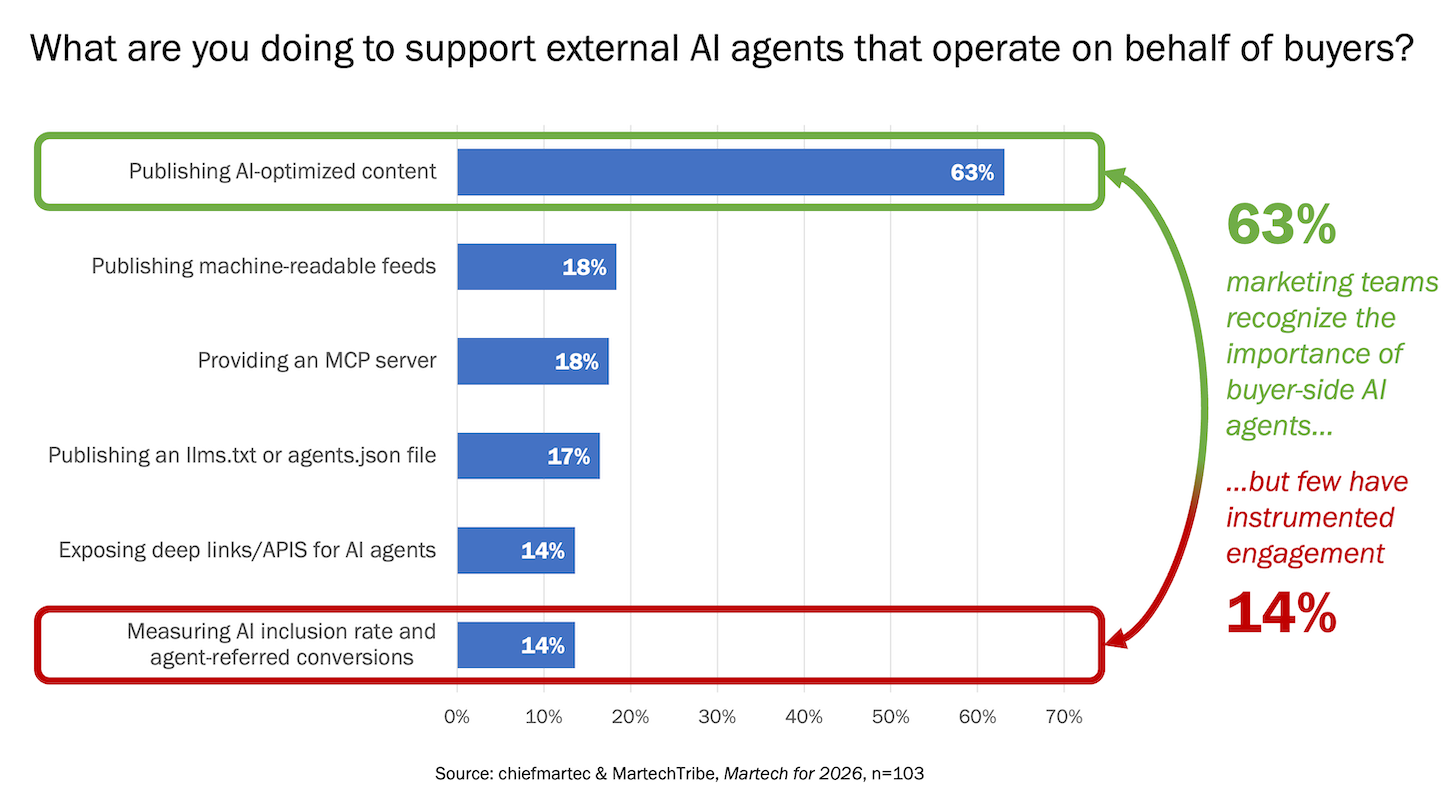
Despite the rapid pace of change, there remains a significant gap between acknowledging the shift and operationalizing a defense. Our research reveals a telling dichotomy:

- Awareness: 63% of marketing teams explicitly recognize that buyer search behaviors and search channels have fundamentally changed.
- Strategy: While nearly two-thirds of teams acknowledge the need for change, only 14% have actually instrumented their marketing stack to address this "Agentic SEO" (AEO) reality.
This 49-point gap represents the single greatest strategic risk for brands in 2026. The industry is currently "chasing a bullet train with a bicycle," relying on legacy SEO playbooks while buyer-side agents restructure the entire decision-making process.
Official Perspectives: The Irony of the "Outbound" Arms Race
For the past year, many organizations have been obsessed with "outbound AI SDRs"—bots designed to spam prospects with personalized outreach until a human lead is generated. This was a classic attempt at maximizing internal efficiency at the expense of the customer experience.
The industry is now experiencing a profound, if ironic, reversal. Buyers, armed with their own AI agents, are now turning the tables. When a consumer’s AI agent calls a company’s sales department to inquire about pricing or availability, the burden of "efficiency" shifts to the seller.
"We are moving from a world where we spam the customer to a world where the customer’s agent ignores our spam and calls us directly to demand answers," industry analysts note. This state of "AI-to-human" friction is, however, expected to be temporary. The logical endpoint is agent-to-agent negotiation, where a brand’s AI-powered commerce system interacts directly with a buyer’s AI agent to finalize a deal, with no humans involved in the negotiation phase.
Implications: Preparing for the Agentic Future
The implications for the marketing profession are profound and necessitate a total rethink of the "Buyer’s Journey."
1. The Death of the Traditional Funnel
If a buyer asks an AI agent to "find the best CRM for a mid-sized startup under $500/month," the agent will not necessarily send that user to a landing page. It will synthesize a list, compare features, and potentially provide a checkout link. Marketers must now optimize for "Answer Engines" rather than search engines. This requires a new discipline: Agent Optimization (AEO).
2. Marketing to the Machine
How do you influence an AI? It is no longer just about keywords. It is about providing structured, verifiable, and "agent-friendly" data that AI models can ingest and trust. If your brand information is not discoverable by the LLMs that power buyer-side agents, you effectively do not exist.
3. The Need for Interoperability
In 2026, the most successful brands will be those that open their systems to agentic integration. Whether it is through APIs that allow AI assistants to check real-time inventory or "Instant Checkout" capabilities that allow a user to buy a product without leaving a chat interface, friction reduction is the new brand currency.
4. A Shift in Human Talent
The role of the marketer is evolving from "campaign manager" to "AI architect." The focus must move away from manually creating every touchpoint and toward designing the logic and systems that ensure the brand’s value proposition is accurately represented in the vast, automated ecosystem of the future.
Conclusion: Join the Conversation
The Martech for 2026 report, supported by industry leaders like GrowthLoop, Hightouch, Intuit Mailchimp, MetaRouter, Progress, SAS, and Treasure Data, serves as a comprehensive guide to navigating this transition.
The era of "doing more with less" through simple automation is over. We are entering the era of "doing different things with different tools." The brands that thrive in 2026 will not be those that simply deploy the most AI; they will be the ones that understand how to serve the AI agents acting on behalf of their customers.
To stay ahead of this shift, we invite you to register for our upcoming webinar on December 2. You will receive the full 100+ page report and gain access to the data-driven insights necessary to survive and thrive in the age of the agentic web.