
Mastering the Pivot: A Strategic Guide to Communicating Company Transitions
Whether you are navigating a corporate merger, rebranding your identity, or simply updating your contact infrastructure, the way you communicate these changes determines the long-term health of your customer relationships. A transition is more than just a change in nomenclature or visual identity; it is a critical moment of vulnerability. If managed poorly, it invites confusion, skepticism, and high churn rates. If executed with precision, it becomes a powerful vehicle for re-engaging your audience and reinforcing your brand’s mission.
In this comprehensive guide, we explore the mechanics of high-stakes corporate communication, drawing on industry-standard strategies to ensure your transition strengthens, rather than erodes, the trust you have built with your stakeholders.
The Anatomy of a Corporate Transition
A company change announcement is a formal, strategic communication designed to inform customers and stakeholders of significant organizational shifts. These shifts generally fall into five distinct categories:

- Name Changes: Rebranding from an old identity to a new one.
- Corporate Mergers & Acquisitions: Unifying two entities into one.
- Visual Rebrands: Updating logos, color palettes, and tone of voice.
- Operational Updates: Changing physical addresses or digital contact domains.
- Service Realignment: Pivoting or expanding the scope of products offered.
The primary objective is not merely the dissemination of facts. It is the management of perception. A successful announcement minimizes friction, prevents the "spam" label from being applied to your new identity, and maintains the continuity of the customer experience.
Why Timing and Tone Determine Your Bottom Line
Many companies underestimate the risk of a "surprise" transition. In the digital age, if an email appears from an unknown sender or with an unfamiliar logo, the natural human reaction is suspicion.
Protecting Your Sender Reputation
When your email domain changes, you are essentially starting from scratch in the eyes of internet service providers (ISPs). If subscribers do not recognize your "From" name, they are likely to mark the message as spam. This can permanently damage your deliverability. A well-orchestrated announcement acts as a bridge, linking your established reputation to your new identity before the technical transition occurs.

Reducing Churn Through Transparency
Sudden, unexplained changes trigger anxiety. Customers often worry about the security of their data, the validity of their accounts, or whether their current service contracts remain in effect. According to recent industry benchmarks, announcement emails that provide clear, concise context see significantly higher engagement rates and lower unsubscribe rates than those that rely on abrupt "click-through-and-guess" messaging.
A Seven-Step Protocol for Success
1. Lead with Absolute Clarity in Subject Lines
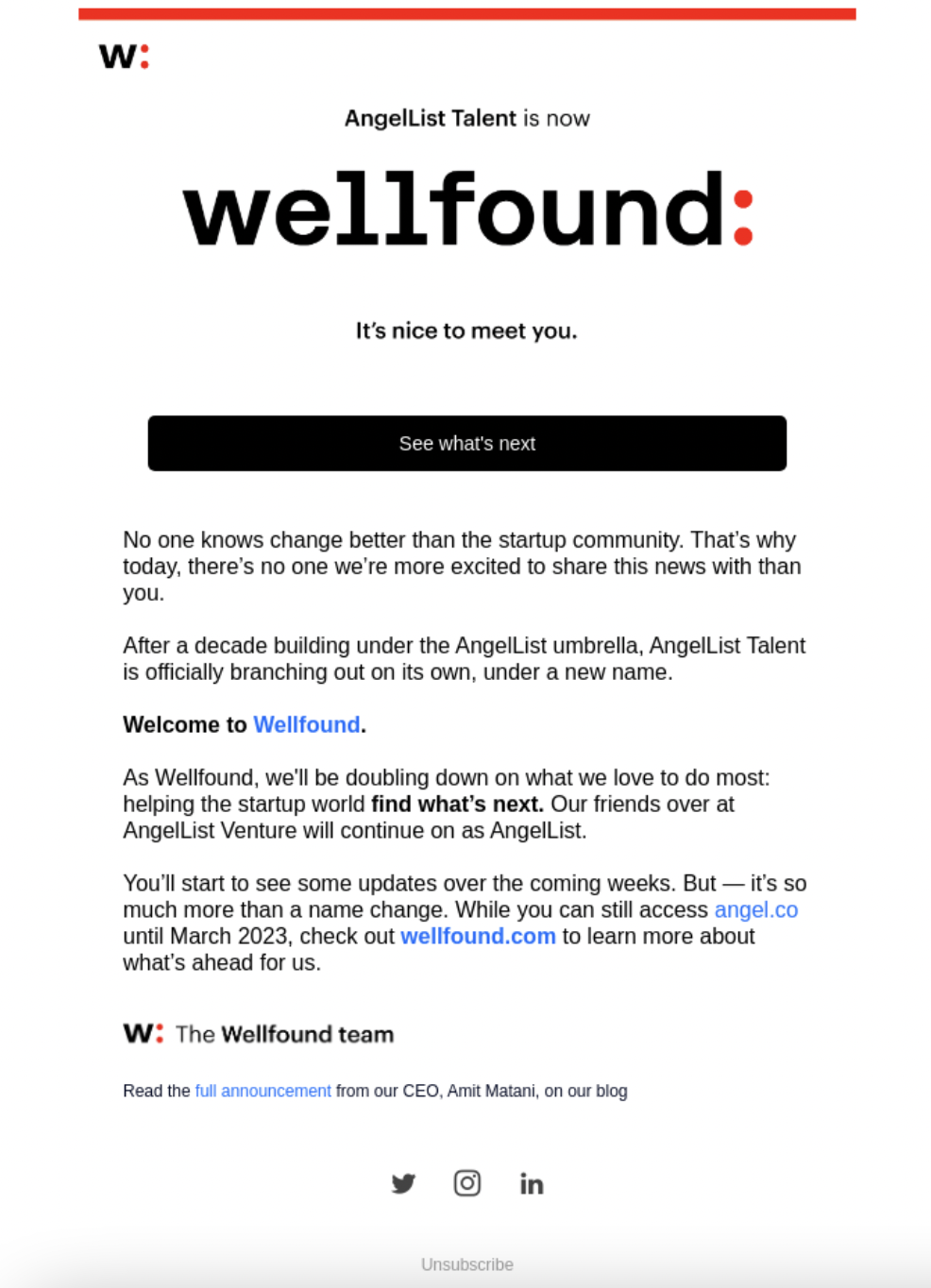
Your subject line is your first and only chance to earn a click. It must be explicit.
- Best Practice: "We’re changing our name to [New Name]" or "Important: [Company A] and [Company B] are joining forces."
- The Trap: Avoid vague phrases like "Big news!" or "A change is coming." Ambiguity is the enemy of trust.
2. Leverage Your Established Sender Identity
Even if you are shifting to a new email domain, your initial announcement should arrive from your long-standing, trusted address. This confirms to the recipient that the message is legitimate, rather than a phishing attempt. Only after establishing the link should you gradually transition to the new domain in subsequent communications.
3. Define the "What" and the "Why"
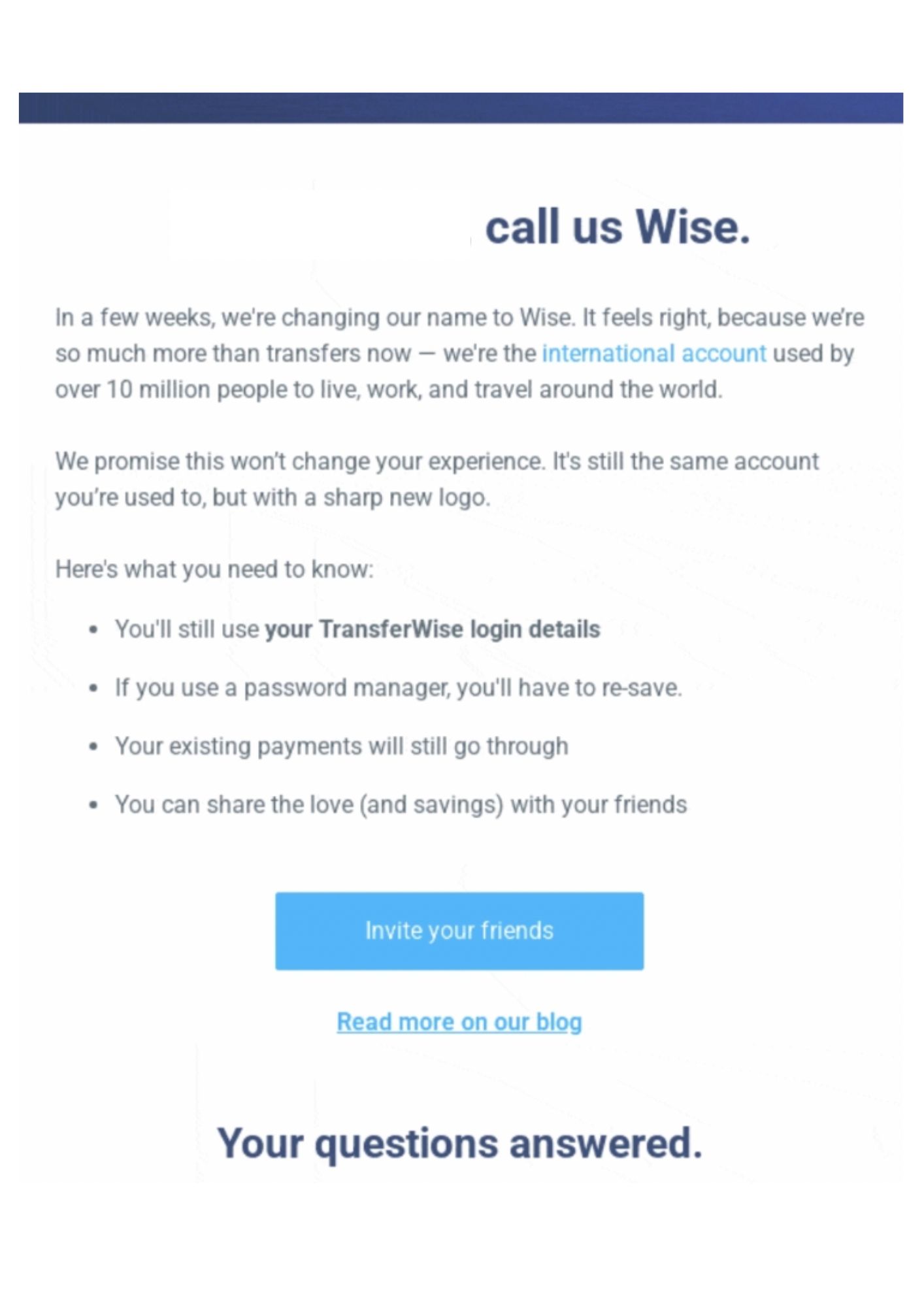
Customers are pragmatic. They care about two things: what is changing and what is staying the same. Be transparent about your motivations—whether it is growth, a merger, or a strategic pivot—but focus heavily on how the change benefits the end-user.
4. Address the "Elephant in the Room"
Proactively answer the questions your customers are likely to ask:
- Do I need to update my billing info?
- Will my existing login still work?
- Is my historical data safe?
Including a dedicated FAQ section at the bottom of your email can significantly reduce the volume of incoming support tickets and customer anxiety.
5. Showcase the New Identity
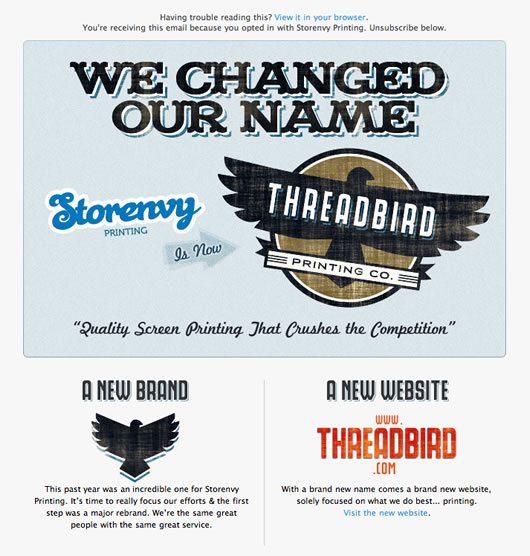
If you are rebranding, the visual shift is your biggest marketing asset. Introduce the new logo or design language, but consider including a side-by-side comparison with your old branding. This visual bridge is essential for legacy customers who identify your business with a specific look.
6. Drive Action with a Clear CTA
Don’t leave your audience wondering what to do next. Whether the goal is to have them update their bookmarks, verify their account, or simply read a blog post about the vision behind the change, a single, clear Call-to-Action (CTA) is vital.
7. Plan for the Long Tail
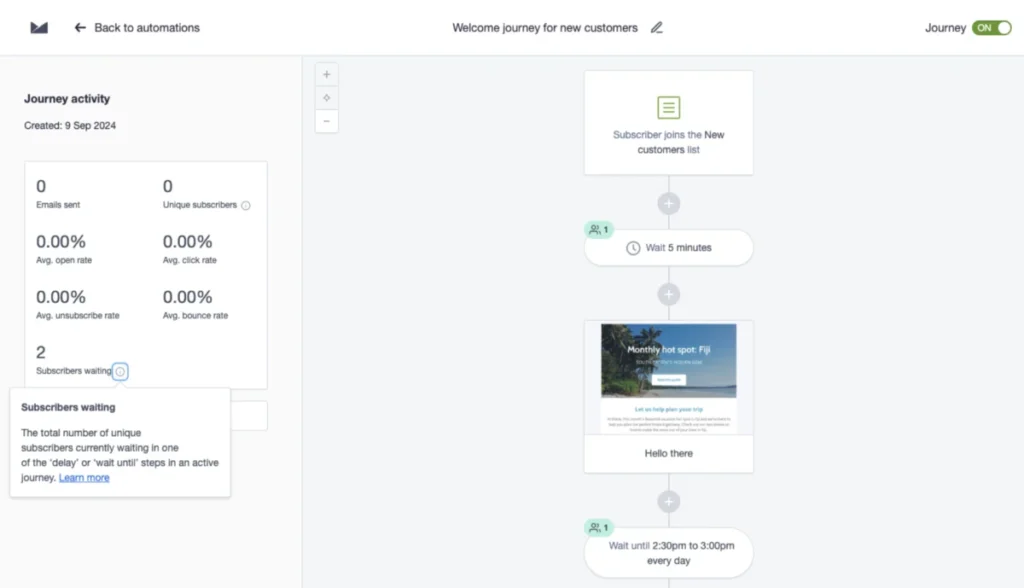
One email is never enough. Inboxes are crowded, and open rates rarely hit 100%. A successful strategy involves a sequence:
- The Announcement (2–4 weeks out): The initial, comprehensive briefing.
- The Reminder (1 week out): A brief nudge for those who missed the first email.
- The Go-Live (Day of change): A celebration of the new identity.
- The Follow-up (1 week after): An address of FAQs and a reinforcement of value.
Supporting Data: Why Segmented Follow-ups Win
Data from successful transitions shows that companies who use email segmentation—specifically targeting those who did not open the first announcement—achieve a 30% higher success rate in customer retention. By sending a follow-up with a different subject line to non-openers, you ensure that the message of change is actually received, rather than simply hitting the "delete" pile.

Multi-Channel Strategy: Beyond the Inbox
While email is the cornerstone of your strategy, it should be part of a broader ecosystem:
- SMS Marketing: Use for high-urgency updates. Keep it short: "Heads up! We’re now [New Name]. Check your email for details."
- Social Media: Use visual storytelling. Share a video or a "behind-the-scenes" post explaining the evolution. This humanizes the brand and invites community participation.
- In-App Notifications: For software companies, a banner within the application is the most effective way to reach active users. Ensure this is non-intrusive but visible.
- Website Banners: A subtle "We’ve moved" or "We’ve rebranded" banner on your homepage for 30 days post-transition ensures that organic traffic is caught up to speed.
Handling Customer Concerns: The "Response Library"
Prepare your customer support team for the "change fatigue" that inevitably follows an announcement. By providing them with pre-approved responses, you ensure a consistent brand voice.
- Concern: "Is this a hack?"
- Response: "We understand your concern. We are officially rebranding to [New Name] to better reflect our growing services. You can verify this change on our official [Link to Press Release/Blog]."
- Concern: "I liked the old logo better."
- Response: "Change can take some getting used to! We’re proud of our history, but this new look represents the next phase of our commitment to [Key Value]."
Implications of Failure: The Cost of Negligence
Failing to manage a transition correctly leads to three primary consequences:
- Lost Revenue: Customers who cannot access their accounts or who feel disconnected from the "new" brand will churn.
- Deliverability Collapse: If your email domain is flagged as spam by ISPs, your marketing efforts will be throttled for months, requiring expensive recovery efforts.
- Brand Dilution: A confusing, messy rollout suggests a lack of professional oversight, which can degrade your reputation among B2B partners and high-value clients.
Conclusion: Turning Change into Opportunity
A corporate transition is a rare opportunity to re-introduce your brand to your customers. It is a moment to remind them of the value you provide and the mission you serve. By focusing on transparency, clear communication, and a multi-touchpoint strategy, you can convert what is often perceived as a "disruption" into a "milestone."
When you approach your transition with empathy for the customer experience, you don’t just survive the change—you emerge with a more loyal, informed, and engaged community than you had before. As you plan your next move, remember: the name on the door may change, but the promise you make to your customers must remain stronger than ever.
Disclaimer: This article provides general information and discussion about corporate communication and marketing. The content provided should not be construed as legal or financial advice. You should seek the advice of professionals prior to acting upon any information contained herein.
