

The AI Inflection Point: Why Ecommerce is Finally Moving Beyond the Hype
AI-referred traffic to online stores surged by a staggering 4,700% over the last twelve months, according to recent data from Adobe. Yet, in the face of this explosive adoption, a sobering reality persists: only 7% of companies have successfully scaled their AI initiatives beyond the experimental stage.
The chasm between corporate hype and bottom-line results is rarely a matter of lacking resources. Instead, it is almost always a failure of curation. Merchants are drowning in a sea of "AI-powered" software, often mistakenly believing that more tools equal more growth. In reality, the most successful ecommerce operators are those who practice ruthless consolidation, selecting the right tools to solve specific bottlenecks rather than adopting tech for the sake of novelty.

The Reality of the AI Gold Rush
The current landscape is defined by a shift in how consumers discover products. AI-driven search engines like ChatGPT and Perplexity now answer between 12% and 18% of all online queries. This shift toward "Generative Engine Optimization" (GEO) means that if your store’s data isn’t structured for AI to parse, you are effectively invisible to a growing segment of high-intent shoppers.
Most "best of" lists in the ecommerce space are compromised by affiliate incentives or vendor-written content. This analysis cuts through the marketing noise. We have ranked 13 essential tools based on actual revenue impact, stripping away the gloss to reveal the hidden usage-based costs and the real-world operational trade-offs reported by merchants on the front lines.

Chronology of the Shift: From Novelty to Necessity
The trajectory of AI in ecommerce has accelerated rapidly since the start of 2025.
- Early 2025: The "Pilot Phase." Stores began experimenting with basic LLM wrappers for product descriptions and customer service chatbots. Most deployments were siloed, lacking integration with core commerce platforms.
- Mid-2025: The "Integration Wave." Platforms like Shopify, Klaviyo, and Gorgias moved from offering "add-on" AI to embedding it into the core architecture of the store. The focus shifted from content creation to operational efficiency.
- Late 2025/Early 2026: The "Optimization Era." As seen in the "Renaissance Edition" of Shopify’s updates, the industry moved toward high-fidelity, autonomous agents capable of handling complex tasks like inventory management and multi-channel attribution.
The Tooling Hierarchy: Strategic Implementation
To avoid "tool fatigue," merchants must sequence their adoption. We categorize the essential stack by store stage:
| Store Stage | Priority Focus | Estimated Monthly Cost |
|---|---|---|
| Solo / <$500K | Content efficiency (Shopify Magic/ChatGPT) | ~$20–$50 |
| Growing / $500K-$1M | Retention & Support (Klaviyo/Gorgias/Photoroom) | ~$150–$250 |
| Scaling / $1M-$10M | Analytics & Operations (Triple Whale/Prediko) | ~$300–$800 |
1. The Baseline: Shopify Magic & Sidekick
For any merchant on the Shopify ecosystem, Magic is the mandatory starting point. It provides a free baseline for SEO, product tagging, and copy generation. While it may not replace high-end creative work, it handles the "drudge work" of a 500-SKU catalog in hours, not weeks.
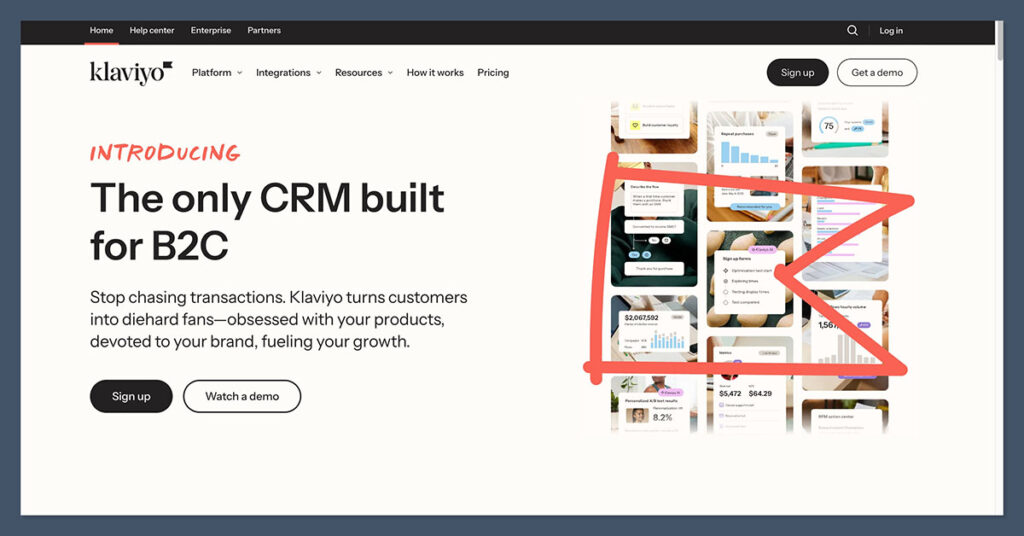
2. Marketing Intelligence: Klaviyo
Klaviyo has evolved from a simple email tool into a predictive revenue engine. By utilizing "Customer Agent" features, it can estimate churn risk and lifetime value, routing communications to the channel where the customer is most likely to convert. Note: Merchants must remain vigilant regarding the "Dead Profile Tax"—the cost of maintaining inactive contacts—by implementing aggressive sunset flows.
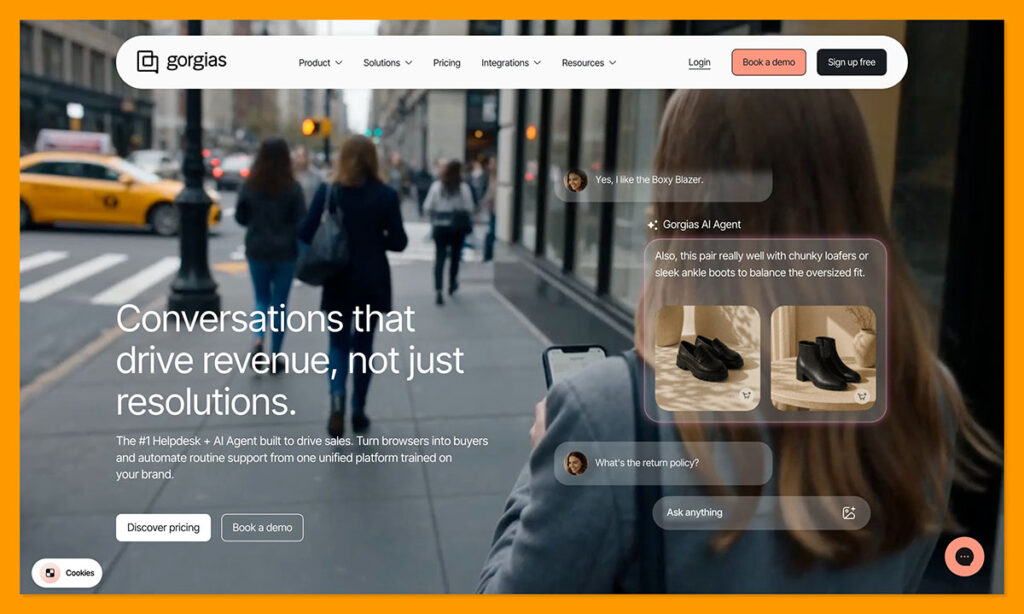
3. Customer Support: The Battle Between Gorgias, Tidio, and Fin
- Gorgias: The gold standard for $1M+ stores. It is deeply integrated with Shopify, allowing the AI to not just answer questions, but to actually process refunds and modify order data.
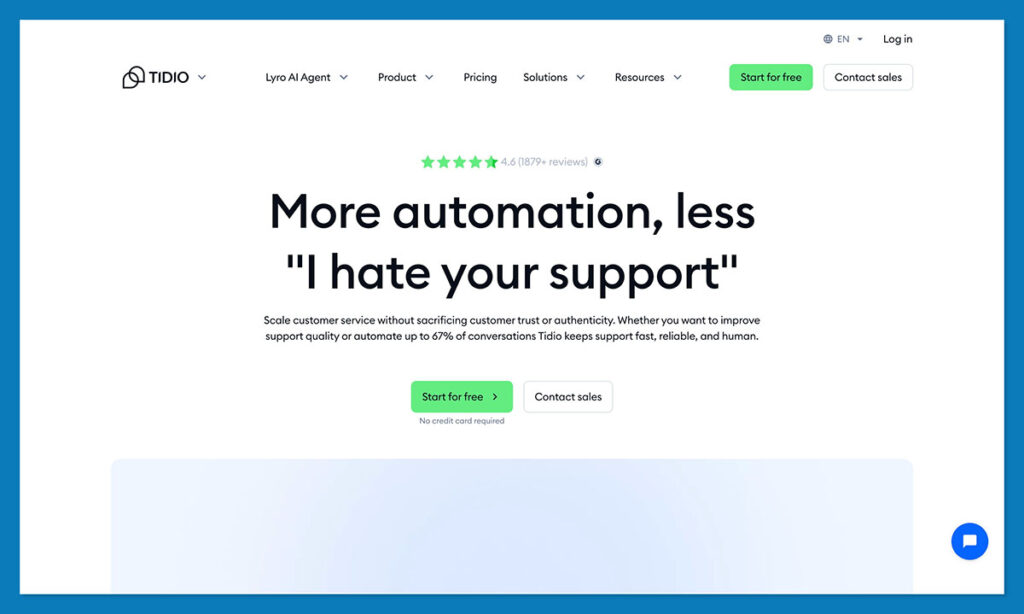
- Tidio + Lyro: The best "entry-level" AI. It is ideal for stores handling under 500 tickets a month, offering a unified inbox that prevents the "tab-switching" fatigue of solo operators.
- Fin by Intercom: The specialist in resolution rates. By charging $0.99 per resolution rather than per ticket, it aligns vendor incentives with merchant success.
Supporting Data: The ROI of Automation
The data on AI efficacy is clear but nuanced. 89% of companies using AI report a positive ROI, with an average payback period of nine months. However, the "60% automation" claim often touted by support software vendors is frequently aspirational.
In real-world testing, most retailers achieve a 26–56% automation rate. The remaining volume typically requires human intervention to manage emotional or complex logistical edge cases. Smart managers prioritize resolution rate (the percentage of issues solved) over deflection rate (the percentage of customers blocked from speaking to a human).
Official Perspectives: The Hallucination Concern
Industry leaders remain cautious about "hallucinations"—the tendency of AI to generate false product specs or policies. Research indicates that 56% of brands cite this as their top concern.
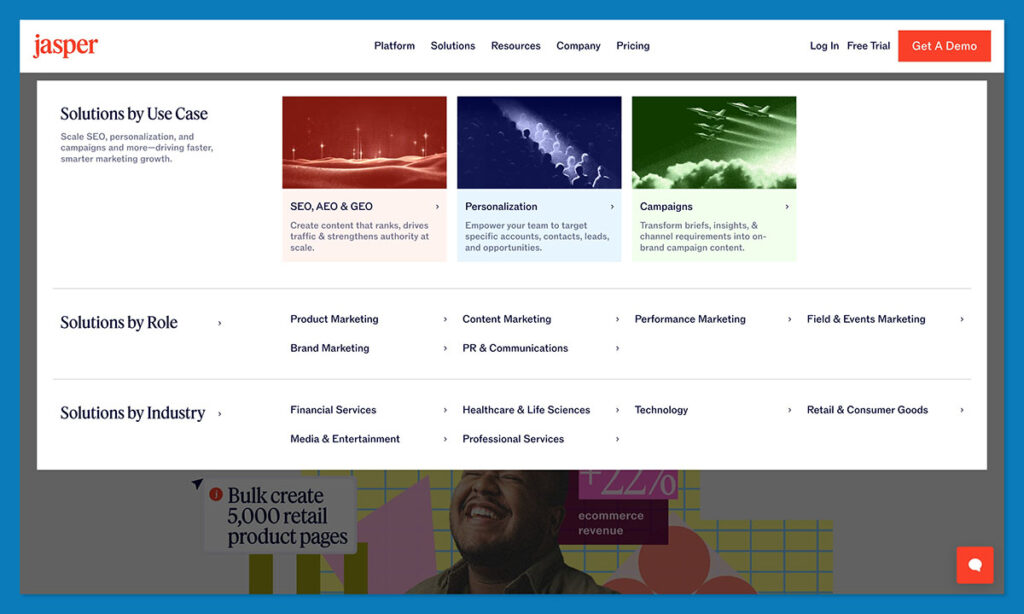
The consensus among experts is that human-in-the-loop (HITL) workflows are still essential. While tools like Jasper AI excel at maintaining a consistent "Brand Voice" across large catalogs, the output should always be treated as a draft. The goal of AI is not to eliminate human oversight, but to reduce the "time to first draft" by 80–90%.
Implications for the Future of Ecommerce
The most significant implication for the next eighteen months is the rise of Generative Engine Optimization (GEO). Because AI-referred shoppers convert at a rate 31% higher than traditional search traffic, the way you store your data matters.
Why GEO is the New SEO
AI crawlers do not want marketing fluff; they want facts. To ensure your products appear in the AI-generated answers of the future, you must:
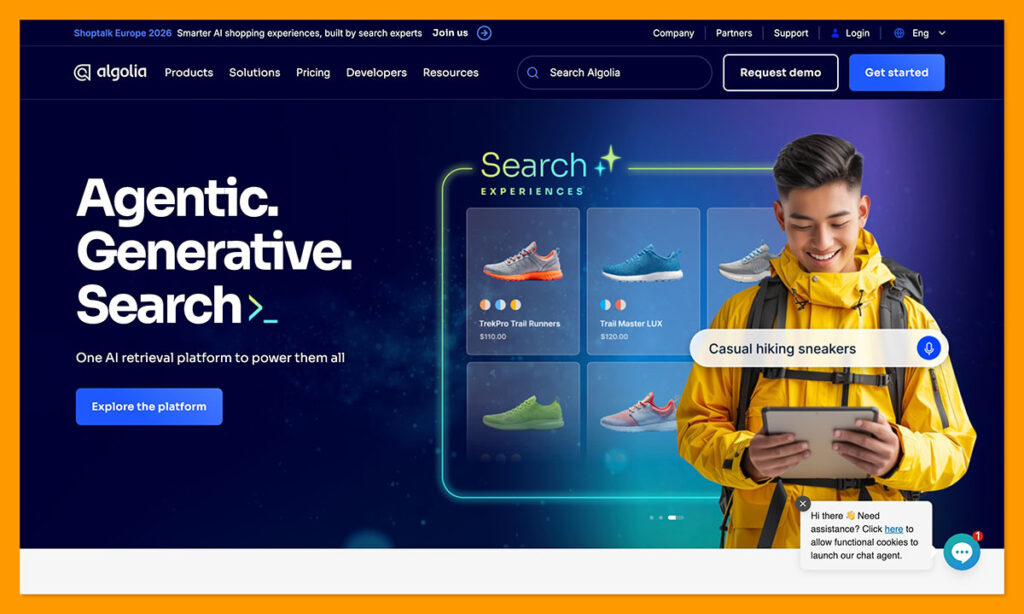
- Replace Adjectives with Specs: Instead of "a beautiful, warm jacket," use "down-insulated, water-resistant shell, rated for -10°C."
- Schema 2.0: Use structured data that allows AI to pull real-time pricing and stock levels directly from your site.
- Speed and Sync: AI agents prefer sites that load in under 200ms and have consistent pricing across all channels.
Final Verdict: The Path Forward
The lesson for the modern merchant is one of patient sequencing. Do not attempt to implement thirteen tools at once.
- Month 1: Fix your content bottleneck using free or low-cost tools like Shopify Magic or ChatGPT Plus.
- Month 2: Establish your retention baseline with an automated email/SMS flow (Klaviyo).
- Month 3: Automate your highest-volume support queries (Tidio or Gorgias).
Once these foundations are profitable, and only then, should you expand into advanced analytics (Triple Whale), inventory forecasting (Cogsy), or AI-driven creative photography (Photoroom/Flair). The tools exist to make your store more efficient, but they will only work if they are applied to a business that already has a clear, human-led strategy. Start with the bottleneck, solve it, and scale from there.
