
The Advocacy Engine: How Social Listening is Transforming Brand Growth in 2026
In the modern digital economy, the most valuable currency is not the marketing dollar, but consumer trust. As we navigate the complexities of 2026, the traditional top-down approach to brand communication is failing. Consumers are increasingly skeptical of self-promotional content, with 34% of users explicitly citing "brand self-promotion" as a primary reason for disengaging on social media.
In this climate, the most successful brands are shifting their focus from broadcast marketing to a strategy centered on customer advocacy. By leveraging social listening, companies are no longer just talking to their audience; they are learning from them, building communities, and turning satisfied customers into powerful, organic brand ambassadors.

The Core Concept: Defining Customer Advocacy
Customer advocacy is the deliberate practice of cultivating relationships with your most satisfied and loyal customers. It is a dual-layered strategy: Customer advocacy describes the internal work a brand does to champion user needs, while brand advocacy is the external result—where those empowered customers voluntarily champion the brand to their own networks.
The math is simple: it is significantly more expensive to acquire a new customer than it is to retain an existing one. Furthermore, peer-to-peer recommendations carry a level of credibility that no paid advertisement can replicate. When a customer advocates for you, they act as a bridge, shortening the path from awareness to purchase and increasing the lifetime value of the customer base.

A Chronology of the Social Listening Shift
Social listening has evolved from a niche tactical tool to a cornerstone of strategic business growth.
- The Early Era (Monitoring): For years, businesses treated social media as a customer service inbox. This was "social monitoring"—a reactive process focused on catching mentions and responding to individual complaints or questions.
- The Analytical Pivot: As data became more accessible, brands began looking at aggregate patterns. They moved from asking, "What is this one person saying?" to "What does the collective sentiment say about our product quality?"
- The Advocacy Era (Present Day): Today, social listening is a $10.91 billion market. It is no longer just about sentiment analysis; it is about identifying "advocacy signals"—the specific behaviors and conversations that indicate a customer is ready to transition from a buyer to a vocal promoter.
Supporting Data: Why Listening Wins
The data supports this shift. Brands that employ proactive social listening see a marked improvement in brand sentiment. By moving away from "vanity metrics" and toward "strategic intelligence," companies can identify:
- Untapped Market Opportunities: Uncovering gaps in a competitor’s service that your brand can fill.
- Product-Market Fit: Real-time feedback from beta testers and early adopters.
- Influencer Alignment: Identifying organic brand lovers who have high authority, rather than paying for influencers who have no authentic connection to the product.
The Listening vs. Monitoring Distinction
| Feature | Social Listening | Social Monitoring |
|---|---|---|
| Primary Focus | Trends, sentiment, patterns | Individual mentions, alerts |
| Scope | Industry, competitors, audience | Brand-specific, direct tags |
| Output | Strategic business insights | Tactical customer support |
| Advocacy Role | Identifying drivers of loyalty | Resolving immediate friction |
Building the Flywheel: How Listening Powers Advocacy
Social listening and customer advocacy form a self-sustaining flywheel. When you listen to the digital chatter, you gain insights into what your audience actually craves. When you act on that data to improve the user experience, customers feel valued. That delight, in turn, triggers them to share their positive experiences, which provides you with more data, allowing you to iterate further.
This process works because it is authentic. It is not an ask for a review; it is the natural byproduct of a customer-centric culture.

Seven Strategic Levers for Advocacy
To move from theory to practice, brands must implement the following seven pillars of social listening-driven advocacy:
1. Surfacing Deep Insights
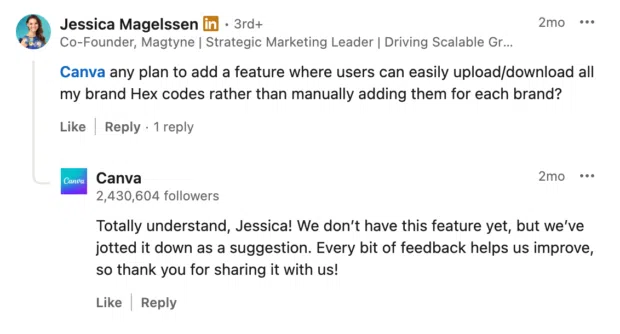
By monitoring industry conversations, brands can detect pain points before they become public relations crises. Publicly acknowledging this feedback, as seen with companies like Canva on LinkedIn, builds trust and signals that the brand is listening.
2. Identifying Brand Champions
Tools now allow teams to track repeat positive mentions. By identifying your most consistent supporters, you can transition them into formal partnerships or invite them into exclusive beta programs, rewarding their loyalty with access and recognition.
3. Amplifying User-Generated Content (UGC)
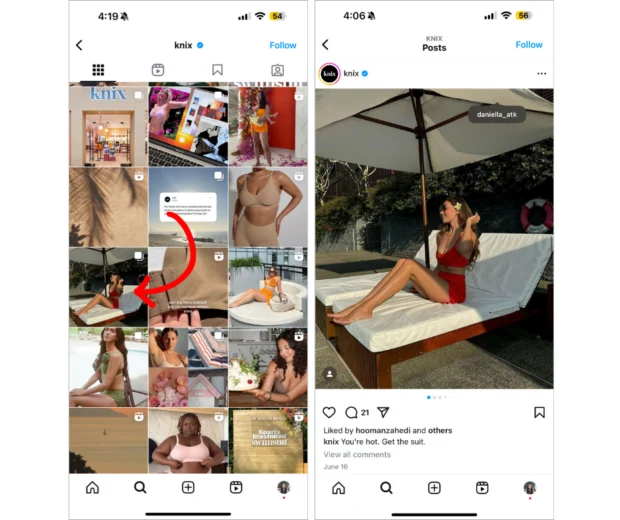
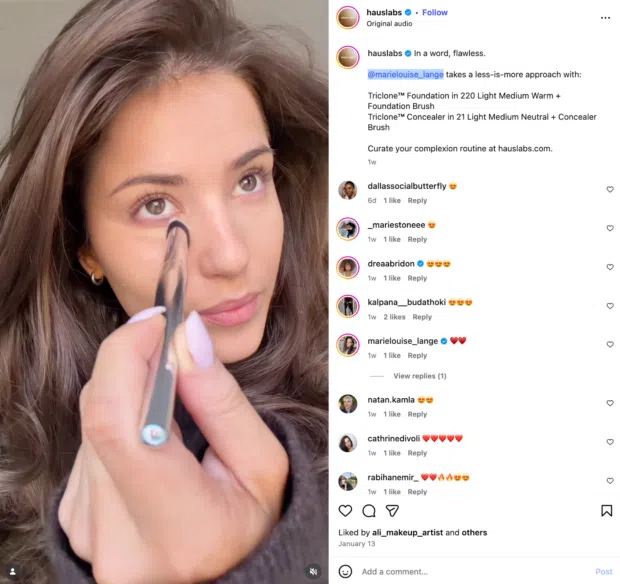
Authenticity is the antidote to the "professional content" fatigue. When brands like Haus Labs share customer tutorials, it serves as a powerful, non-branded endorsement that builds social proof faster than any high-production advertisement.
4. Closing the Feedback Loop
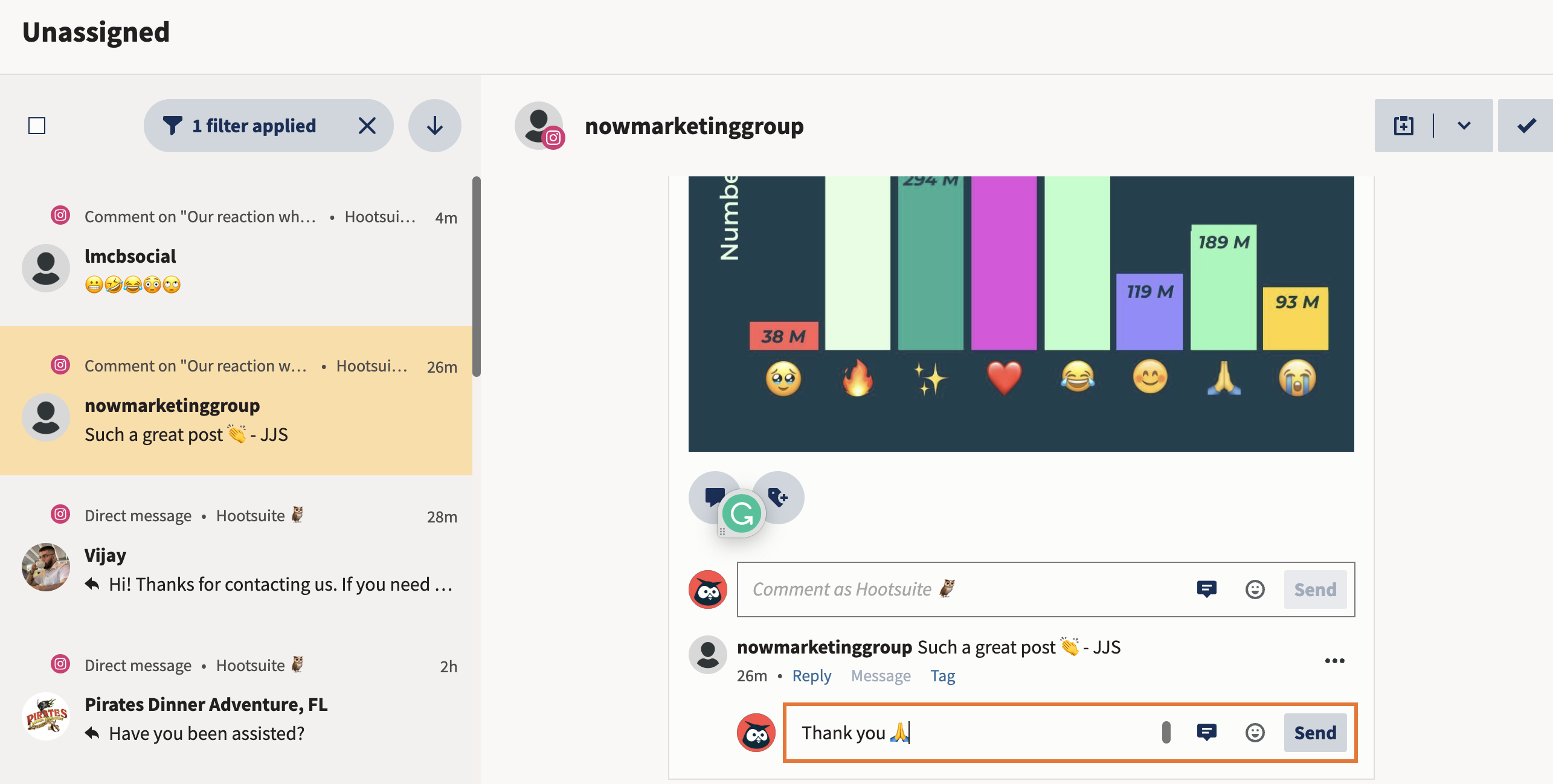
Responding to both praise and criticism is vital. A public, empathetic response to a complaint can often turn a detractor into an advocate. It demonstrates that the brand is accountable and committed to excellence.
5. Customer-Centric Product Development
Brands like Slack utilize feedback from their community to guide their product roadmaps. When customers see their suggestions implemented, they become emotionally invested in the brand’s success.

6. Competitive Benchmarking
Social listening allows you to monitor your competitors’ weaknesses. If customers are constantly complaining about a competitor’s slow delivery, your marketing can highlight your own superior logistics, effectively "stealing" advocates from the opposition.
7. Real-Time Sentiment Monitoring
Sophisticated sentiment analysis tools provide an early warning system. If sentiment dips, you can pivot your messaging. If it spikes, you can double down on the successful campaign, ensuring your resources are always allocated to what resonates.

Case Studies: Real-World Implementation
Marlow: The Reassurance Strategy
When public concern regarding heavy metals in menstrual products surfaced, the team at Marlow did not hide. They utilized social listening to identify the specific anxieties of their audience and responded with transparent communication, simultaneously highlighting positive reviews to reinforce trust.
Grubhub: Embracing the Meme
When an ad went viral as a meme, Grubhub didn’t issue a cease-and-desist. Instead, they leaned in, creating the #DeliverTheRemix contest. By participating in the conversation rather than policing it, they turned a potentially awkward moment into a massive engagement win.

HelloFresh: Scaling Through Listening
As HelloFresh grew, they struggled with untagged mentions—people talking about them without using their handle. By investing in professional-grade listening, they identified 400% more conversations, allowing their team to engage with customers who were previously invisible to them.
Cargolux: Measuring Success
When transporting beluga whales, Cargolux used social listening to track the global conversation. This allowed them to provide real-time updates that satisfied the public’s curiosity, effectively turning a logistical operation into a global branding triumph.

The Path Forward: Implementation Strategy
For leadership teams, implementing a social advocacy program follows a clear, four-step path:
- Tool Selection: Choose a robust, integrated platform that offers sentiment analysis and competitor tracking.
- Defining the Scope: Set keywords that encompass not just your brand, but your industry, your competitors, and the "problem" your product solves.
- Systematic Analysis: Assign teams to analyze the data, looking for patterns rather than just individual posts.
- Actionable Feedback: Create a workflow where social insights are shared with product, sales, and executive teams.
Implications for the Future
The implications of this shift are clear: the "hard" metrics of revenue, customer retention, and market share are now inextricably linked to the "soft" metrics of social sentiment and community trust.

Advocacy is no longer a peripheral marketing activity; it is a fundamental growth lever. As we move deeper into 2026, the brands that succeed will be those that realize their customers are their greatest marketing asset. By utilizing social listening, you aren’t just protecting your reputation—you are building a permanent, self-fueling engine for sustainable, long-term growth.
