
TikTok Shop’s European Expansion: A Paradigm Shift in Social Commerce
Executive Summary
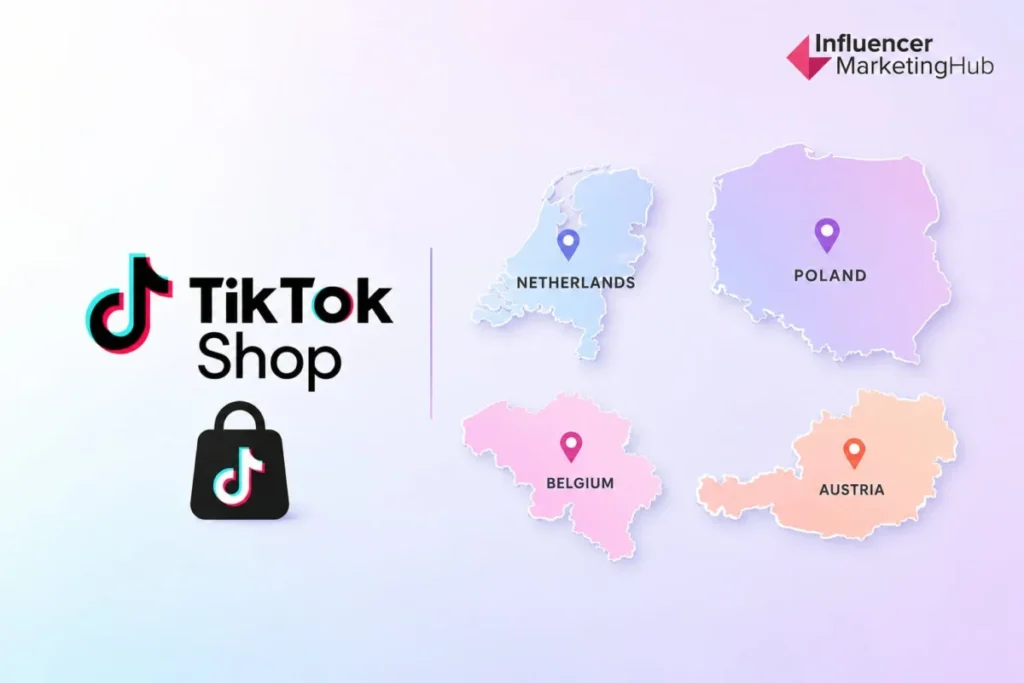
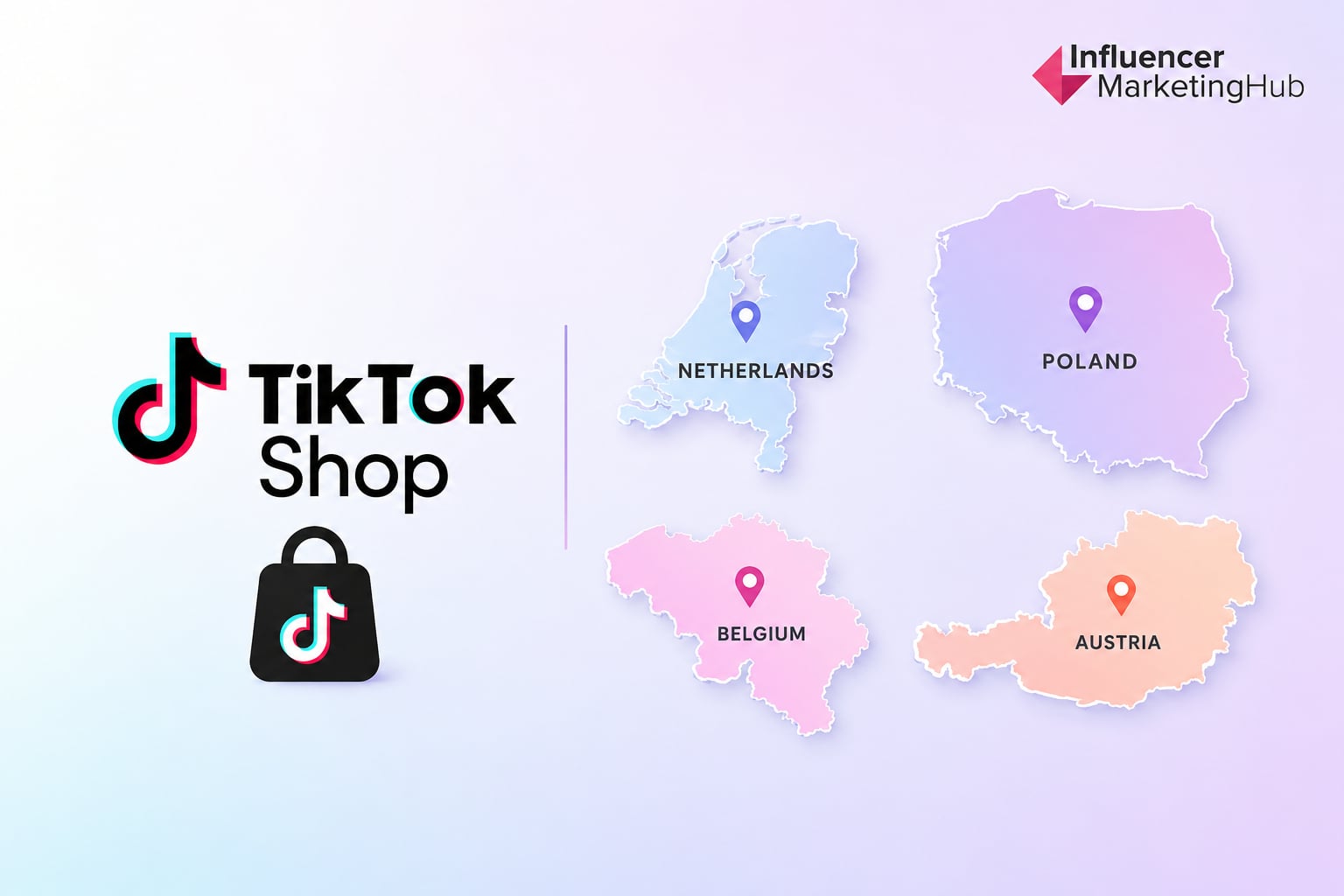
On June 15, TikTok officially extended its retail footprint, launching TikTok Shop in Austria, Belgium, the Netherlands, and Poland. While these new markets represent a geographic milestone, the move signifies a much more profound transformation in the digital economy. TikTok is aggressively transitioning from a platform defined by entertainment to a powerhouse of "discovery commerce," fundamentally altering how European consumers interact with brands and purchase products. By integrating seamless, in-app transactions with creator-led content, TikTok is challenging the traditional search-based eCommerce model that has dominated the digital landscape for decades.
The Chronology of an Expansion
The trajectory of TikTok Shop in Europe has been marked by rapid, strategic scaling. What began as a series of limited pilot programs has evolved into a robust, multi-market commerce ecosystem.
- The Early Phase (2023): TikTok established its initial beachheads in Western Europe, focusing on core markets like the UK, France, Germany, Italy, and Spain. These regions served as the testing ground for the "creator-led" commerce model.
- The Scaling Phase (2024–2025): The platform saw exponential growth in these foundational markets. By mid-2025, TikTok reported that over 100,000 businesses had integrated into the Shop ecosystem.
- The Current Milestone (June 2026): The expansion into Austria, Belgium, the Netherlands, and Poland marks the first major wave of 2026, signaling the platform’s intent to achieve comprehensive coverage across the European Economic Area.
This rollout has not been accidental; it has been characterized by a "land-and-expand" strategy, where TikTok first establishes a massive user base before introducing the transactional layer that turns passive viewers into active shoppers.
Supporting Data: The Momentum Behind the Move
The decision to expand is backed by compelling financial data that highlights a dramatic shift in consumer behavior. Between August 2025 and February 2026, TikTok’s initial European markets witnessed triple-digit growth in daily Gross Merchandise Value (GMV).
Key Performance Indicators:
- User Engagement: With over 200 million monthly active users across Europe, TikTok possesses a massive top-of-funnel reach that traditional retailers struggle to match.
- Conversion Metrics: Research indicates that 70% of shoppers are now willing to act on creator recommendations, while 68% of TikTok Shop users report completing their purchases directly within the application, bypassing external websites.
- Business Adoption: The rapid onboarding of 100,000+ merchants across the first five European markets confirms that brands—from niche startups to global conglomerates—see the platform as a critical revenue stream rather than a novelty.
Discovery Commerce: Flipping the Funnel
The most disruptive element of TikTok’s retail strategy is its inversion of the traditional eCommerce funnel.
Intent vs. Discovery
For twenty years, the internet has relied on Intent-Based Commerce. A user identifies a need, searches on Google or Amazon, compares prices, reads reviews, and executes a purchase. It is a linear, often dry process.
TikTok has introduced Discovery Commerce. In this model, the consumer has no immediate intent to buy. They are consuming entertainment when a product is introduced through a creator’s video, a livestream, or a trend-driven algorithm. The barrier between "I am watching this video" and "I have purchased this item" is effectively removed. By collapsing the discovery-to-purchase journey into a single, frictionless interaction, TikTok captures the "impulse" market in a way that search engines cannot.
The Strategic Role of Creators and Livestreaming
Creators are the engine of this ecosystem. Unlike traditional celebrity endorsements, the TikTok model relies on authenticity and community trust.
The Rise of Livestream Shopping
TikTok’s emphasis on "LIVE shopping" serves as a digital surrogate for the physical retail experience. During a livestream, creators do more than just showcase a product; they answer questions, demonstrate functionality in real-time, bundle items for discounts, and create a sense of urgency through limited-time offers.
This human element provides a level of reassurance that static product pages lack. When a creator, whom a user follows and trusts, validates a product, the conversion probability skyrockets. For brands, this represents a unique opportunity to outsource their sales force to a network of vetted influencers who possess deep, contextual knowledge of their specific niches.
The "Sell Across Europe" Initiative
While the expansion into four new countries is the headline, the structural development of the "Sell Across Europe" program is arguably more significant for the industry.
Lowering Barriers to Entry
Expanding a business across borders in Europe is historically fraught with logistical, regulatory, and linguistic hurdles. The "Sell Across Europe" initiative simplifies this by providing a unified framework for:
- Localized Listings: Automated tools to adapt product descriptions for diverse European languages and cultural nuances.
- Logistical Integration: Access to a network of approved logistics partners that handle cross-border shipping, reducing the operational load on small-to-medium enterprises (SMEs).
- Affiliate Networks: Brands can tap into a pre-existing pool of creators in new markets, allowing them to scale their influencer marketing strategy without needing to build local teams from the ground up.
This initiative essentially creates a "Plug-and-Play" commerce environment, making it easier for a brand based in, for example, Poland, to begin selling to customers in the Netherlands or Belgium with minimal friction.
Official Perspectives and Market Implications
While TikTok has remained tight-lipped regarding specific future country roadmaps, their messaging has been clear: Europe is a priority market. A spokesperson for the company recently noted that the integration of entertainment and commerce is "no longer a trend, but a fundamental shift in how the next generation of consumers approaches shopping."
The Competitive Landscape
This shift puts significant pressure on traditional marketplaces. Platforms like Amazon, which rely heavily on search intent, are now finding their "discovery" discovery features (such as Inspire) playing catch-up to TikTok’s native social architecture. Meanwhile, Instagram and YouTube are accelerating their own shopping initiatives to prevent further migration of their users to the TikTok ecosystem.
What This Means for Brands
For the modern brand, the implications are binary: adapt or risk irrelevance.
- Invest in Creator Relationships: Brands must stop viewing influencers as "paid ads" and start treating them as strategic partners who own the relationship with the consumer.
- Optimize for Entertainment: The "hard sell" rarely works on TikTok. Content must be inherently valuable, funny, or informative to reach the algorithm, with the commerce element integrated as a natural next step.
- Cross-Border Readiness: With the "Sell Across Europe" initiative, brands that are already successful in one European country should prepare for a rapid multi-market roll-out. The infrastructure is now ready to support scaling at a pace that was previously impossible.
- Data-Driven Feedback Loops: Brands should utilize the real-time feedback provided by livestreaming and user comments to iterate on product design and marketing messaging.
Conclusion
The launch of TikTok Shop in Austria, Belgium, the Netherlands, and Poland is merely the latest chapter in a broader story of digital evolution. TikTok has successfully demonstrated that when you marry content with commerce, you do not just increase sales—you change the nature of the shopping experience itself.
As the platform continues to refine its logistics, expand its creator infrastructure, and deepen its reach into every corner of Europe, it is positioning itself as the central operating system for the next generation of digital retail. For brands and marketers, the message is clear: the future of commerce is not in the search bar; it is in the feed. The companies that learn to master the delicate balance of entertainment and utility within the TikTok Shop ecosystem will be the ones that define the market of the next decade.
