
The Vibe Shift: How AI-Driven "Vibe Coding" is Redefining Software Development and Marketing
In the fast-moving world of artificial intelligence, terminology often outpaces technology. Yet, the latest buzzword to capture the collective imagination of Silicon Valley and beyond is as amorphous as it is influential: "Vibe."
Far from being a mere aesthetic, "Vibe Coding" has emerged as a disruptive paradigm for how we build, interact with, and deploy software. It is a philosophy that prioritizes the intent and the user experience over the syntactic rigidity of traditional programming. As this "vibe" era permeates the professional landscape, marketers are now pivoting the concept toward a new methodology—"Vibe Marketing"—promising to transform how organizations experiment, iterate, and connect with audiences.
The Genesis of the "Vibe" Paradigm
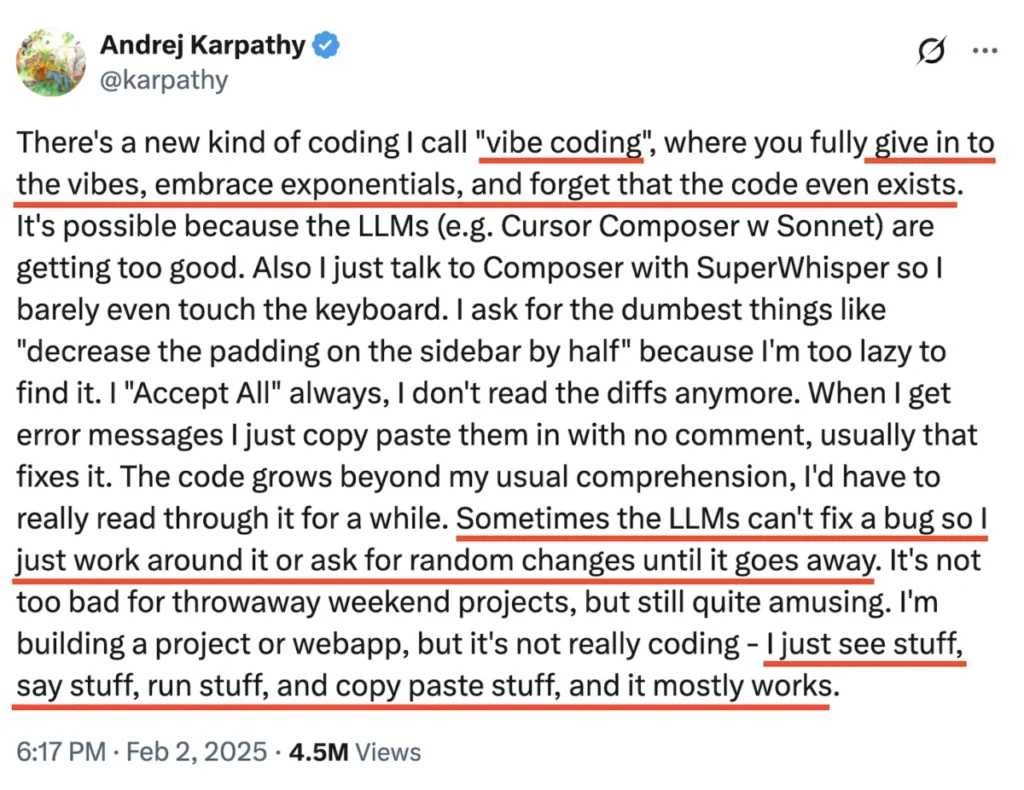
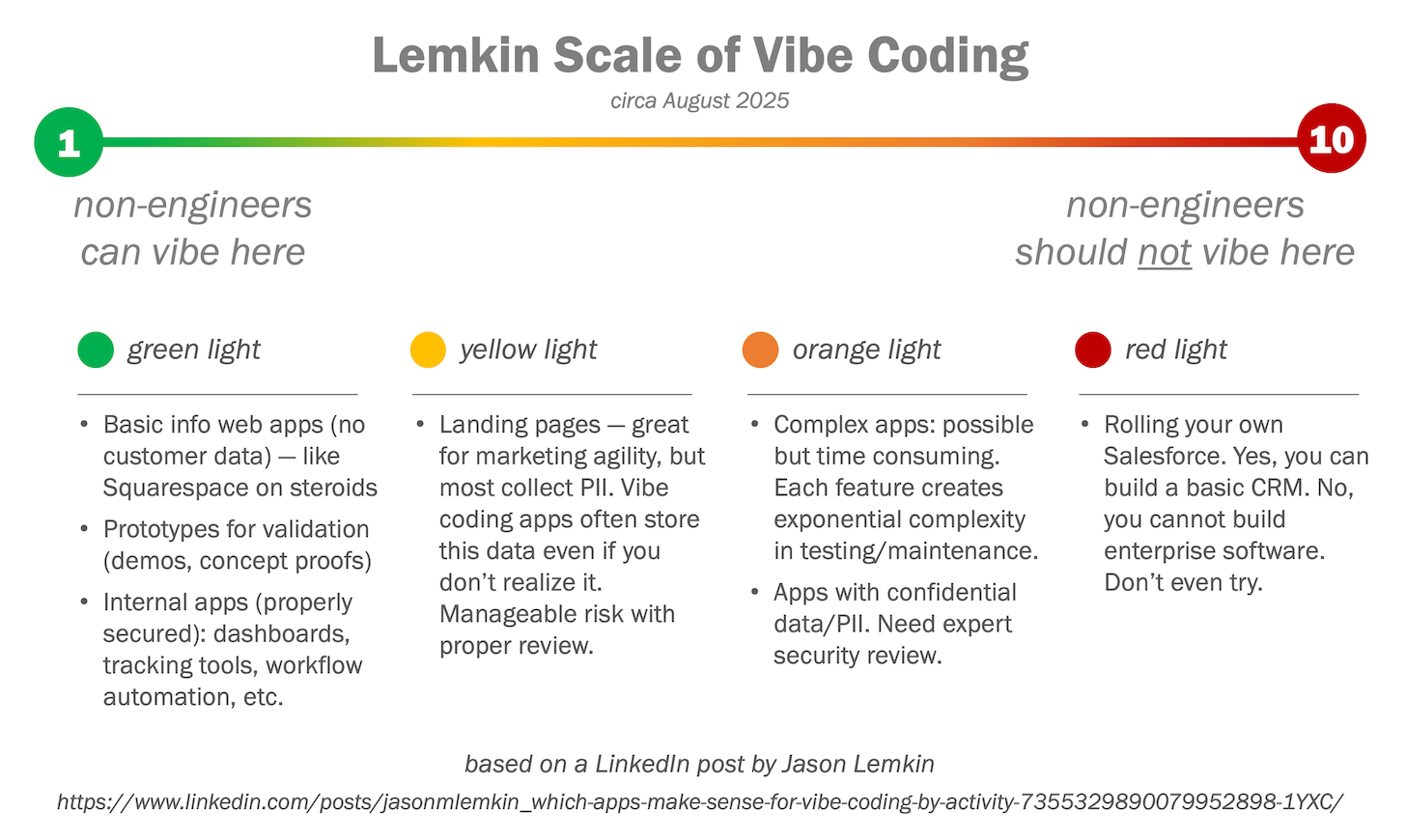
The term "vibe coding" gained cultural currency in early 2025 following a viral post by Andrej Karpathy, a founding member of OpenAI and a luminary in the field of artificial intelligence. Karpathy described a radical shift in software creation: one where the developer acts more as a conductor than a carpenter.
"I just see stuff, say stuff, run stuff, and copy-paste stuff, and it mostly works," Karpathy noted.
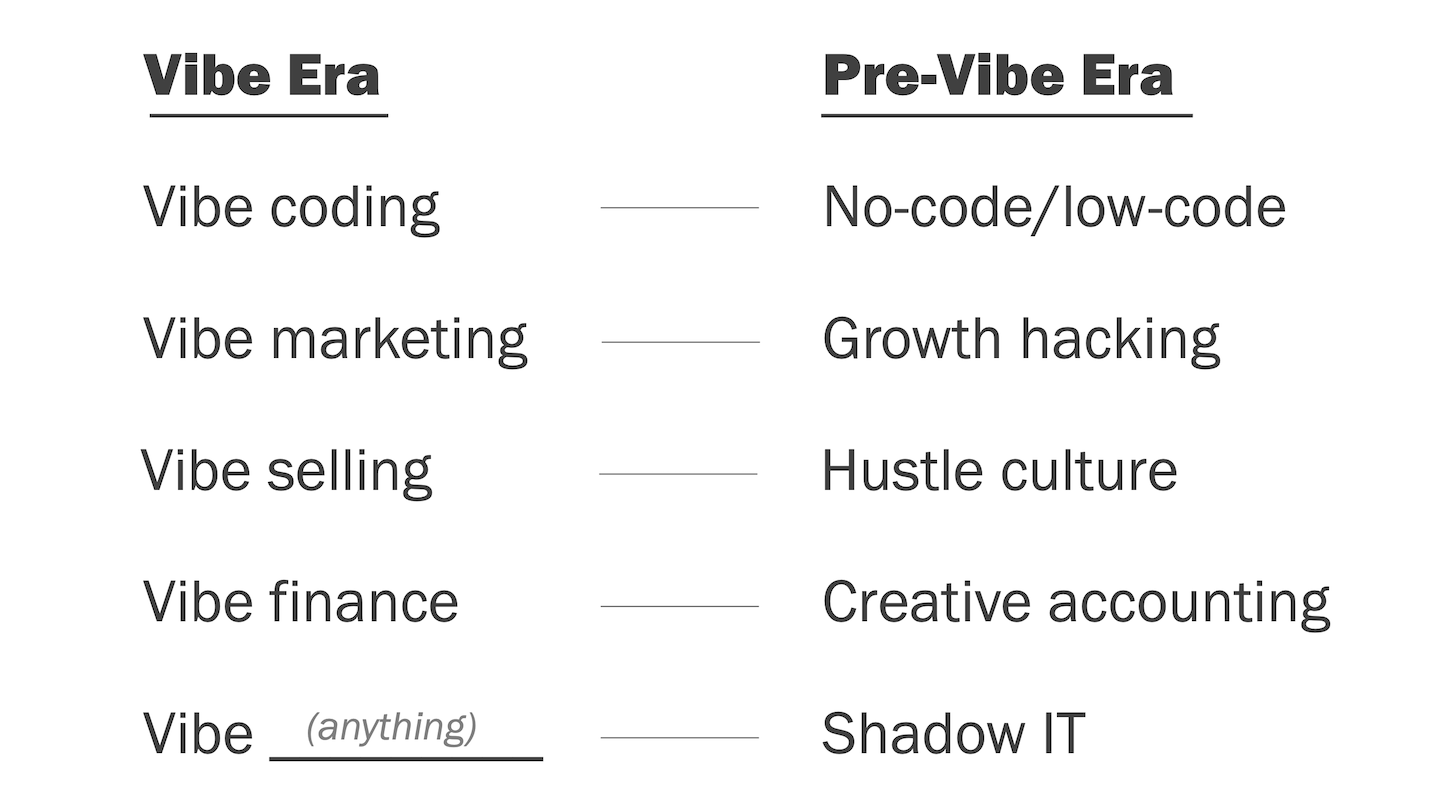
This approach signifies a departure from the traditional software development lifecycle (SDLC), which typically requires mastery of complex syntax, environment management, and long-term architectural planning. Instead, "vibe coding" leverages Large Language Models (LLMs) to bridge the gap between human intent and machine execution. By treating code as a malleable substance that can be shaped through natural language, the barrier to entry for building complex, functional applications has been significantly lowered.
Chronology of a Movement
The evolution of this trend has been swift, transitioning from a fringe technical observation to a cornerstone of modern startup strategy:
- Late 2024: The foundation is laid as AI-coding assistants—such as Replit, Cursor, and emerging platforms like Lovable—begin to achieve a level of competency that allows for non-engineers to prototype functional apps.
- Early 2025: Andrej Karpathy codifies the phenomenon as "vibe coding," triggering a wave of interest from the developer community and tech observers.
- Mid-2025: Industry leaders like Jason Lemkin of SaaStr document the practical, if messy, reality of building apps as a non-engineer. The subsequent "Lemkin Scale of Vibe Coding" provides a framework for understanding which projects are suited for this rapid-fire approach.
- August 2025: The "Summer of Vibes" culminates in the rapid rise of platforms like Lovable, which reportedly achieved $100 million in Annual Recurring Revenue (ARR) in just eight months, signaling that the "vibe" economy is not just a trend, but a massive commercial force.
Supporting Data and the "Lemkin Scale"
The viability of vibe coding is not absolute; it exists on a spectrum of complexity. Jason Lemkin’s experiments highlighted the volatility inherent in this process. While an engineer might understand why a piece of code works, a "vibe coder" often operates on faith, relying on the model to resolve bugs through iterative, conversational corrections.
To categorize this risk, the Lemkin Scale of Vibe Coding serves as a heuristic for non-technical builders:
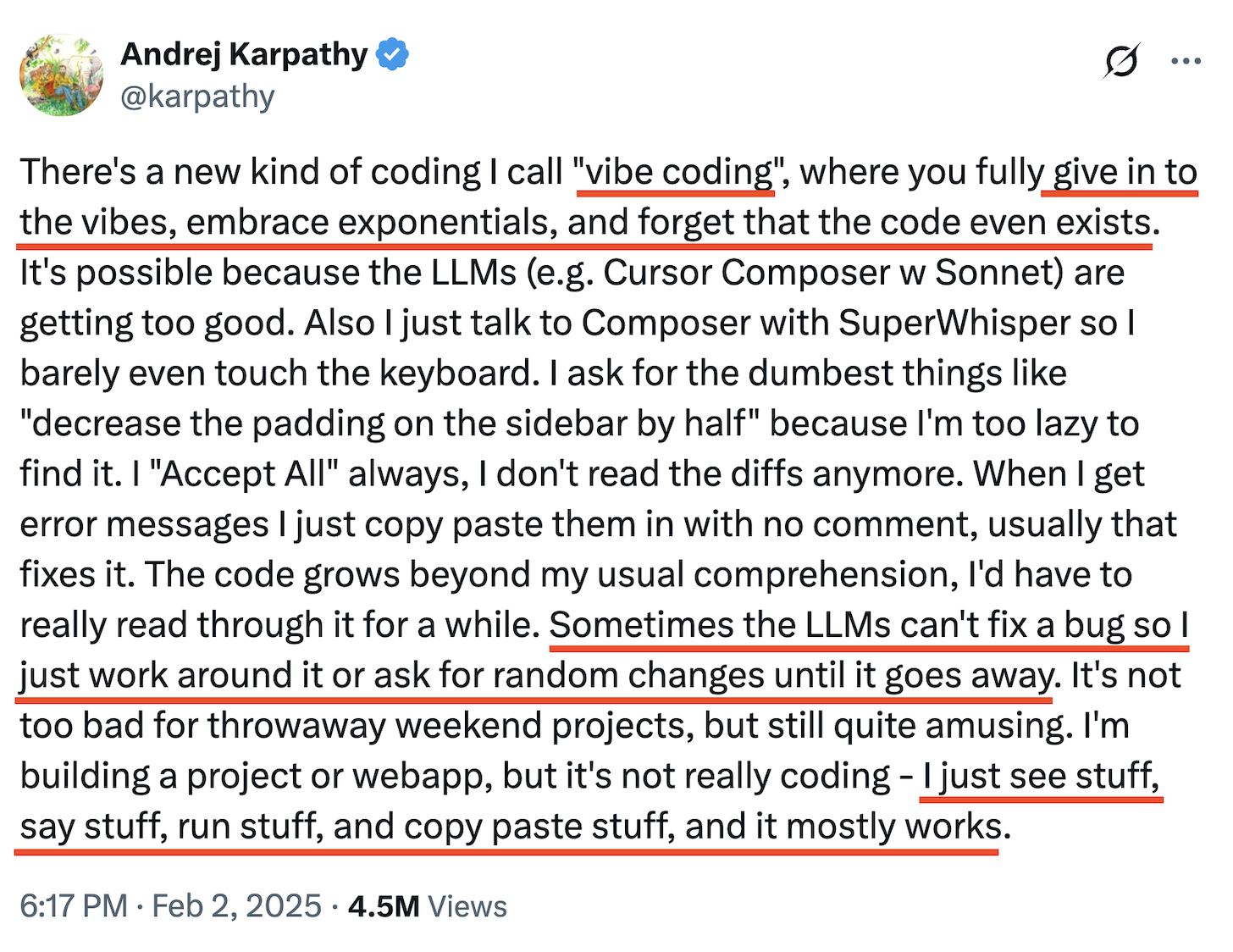
- The Green Zone (1-3): Ideal for internal dashboards, personal productivity tools, and simple workflow automation. These projects are low-stakes and highly forgiving of AI hallucinations or minor logic errors.
- The Yellow Zone (4-7): Customer-facing prototypes and specialized tools that require moderate stability. These require human oversight to ensure brand consistency and basic security.
- The Red Zone (8-10): The "Here Be Dragons" territory. This includes mission-critical infrastructure, complex databases, or large-scale enterprise platforms like a "rebuilt Salesforce." These remain the domain of professional, architecture-focused engineering.
As AI models continue to advance, the industry expects a "shift left" effect, where projects currently sitting at a 7 on the scale will migrate toward a 3, drastically expanding the scope of what a single, non-technical entrepreneur can build.
Official Perspectives and the Industry Pivot
The industry response to vibe coding has been a mixture of skepticism and profound enthusiasm. Traditionalists—those who believe in the sanctity of clean code and architectural rigor—are naturally wary. They argue that "vibing" leads to "spaghetti code" and long-term technical debt. However, for many, the trade-off is worth it. The ability to ship an MVP (Minimum Viable Product) in hours rather than weeks is a competitive advantage that outweighs the aesthetic or structural imperfections of the codebase.
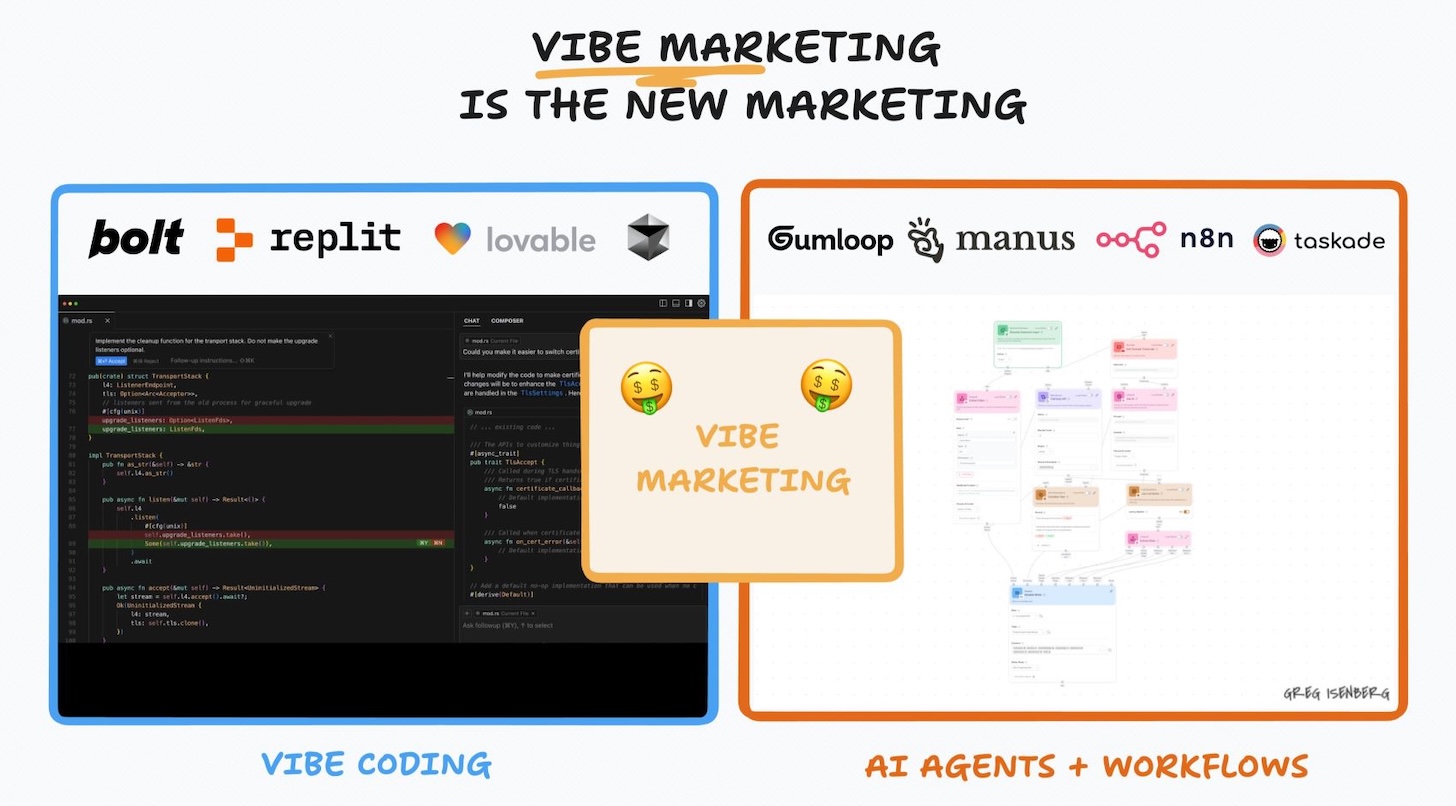
Greg Isenberg, a prominent voice in the tech ecosystem, was among the first to extend this logic into the realm of marketing. He framed "Vibe Marketing" as the professionalization of this high-velocity, agent-driven approach.
What is Vibe Marketing?
Vibe marketing is not merely using AI to write emails; it is the integration of agentic workflows into the marketing stack. By empowering individual marketers to build, test, and deploy their own custom tools, organizations can achieve a level of agility that was previously only possible with a full team of specialized developers.
The Implications for the Modern Enterprise
The implications of this shift are profound, particularly for the future of Marketing Operations (MarTech).
1. The Death of the "Slow" Campaign
Traditional marketing is often hampered by long lead times. With vibe marketing, the "test-and-learn" cycle is compressed. A marketer can, in theory, conceive of a customer pain point, use AI to scrape relevant data, build a custom app or landing page to address that pain point, and launch a test campaign—all within a single afternoon.
2. Big Experimentation vs. Big Data
While the previous decade was defined by "Big Data"—harnessing volume and velocity to make smarter decisions—the coming era will be defined by "Big Experimentation." The goal is no longer just to analyze what happened, but to generate a high volume of low-cost, low-risk experiments to see what "vibes" with the target audience.
3. The New Role of the Marketing Technologist
The Marketing Technologist is evolving into the "GTM Engineer." Their role is no longer to just manage software licenses, but to build the "scaffolding" that allows the broader team to experiment safely. This means setting up guardrails around privacy, data compliance, and brand identity, while ensuring that the "vibe" remains human-centric.
The Customer Perspective: Good Vibrations or Spam?
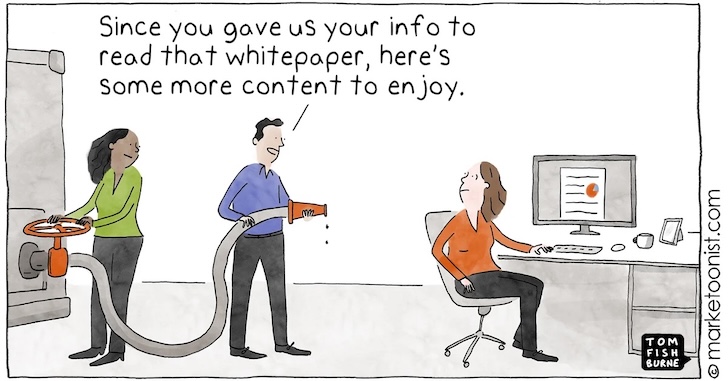
A crucial caveat remains: the "vibe" of the internal team does not always translate to the "vibe" of the customer. Automated content generation and mass-outbound AI emails are easily identifiable by the modern consumer, and they often feel sterile or invasive.
The danger of vibe marketing is that it becomes a machine for generating digital noise—a modern version of Monty Python’s "Spam" sketch. To succeed, companies must ensure that their AI-powered experiments remain focused on delivering genuine value. The most successful marketers will use these tools to "whisper" to their customers, using data-driven insights to create personalized, human-feeling experiences, rather than simply scaling the volume of their output.
Conclusion: Beyond the Buzzword
"Vibe" is undoubtedly a transient label. It captures a specific moment in the evolution of AI—a time of wonder, experimentation, and a slight disregard for the rules. However, the underlying shift toward radical agility, non-technical development, and hyper-experimentation is permanent.
As the "Summer of Vibes" fades into the reality of the long-term AI-integrated economy, the companies that thrive will be those that master the balance between the chaotic energy of innovation and the disciplined governance of a mature enterprise.
For now, the lesson is clear: If you are not experimenting, you are falling behind. Embrace the vibes, build the prototypes, and test the hypothesis. Just ensure that when you finally reach out to your customer, the melody you are playing is one they actually want to hear.
