
The Unseen Depths of Content Performance: A Strategic Blueprint for Data-Driven Growth
Last Modified on March 19, 2025
In the rapidly evolving digital landscape, the notion that measuring content performance is merely a glance at numbers in a report is fundamentally flawed. Modern content strategy demands a far more sophisticated approach, moving beyond superficial metrics to unlock genuine insights and drive tangible growth. This necessitates a structured framework, a precise selection of Key Performance Indicators (KPIs), a deep understanding of underlying growth drivers, and often, a degree of technical acumen.
![How to Measure Content Performance [+Reports] (2025)](https://measureschool.com/wp-content/uploads/2025/03/how-to-measure-content-performance.png)
This comprehensive guide delves into the intricate world of content performance measurement. We will dissect every crucial element, from the strategic selection of appropriate metrics to the construction of powerful, insightful reports that illuminate the true impact of your content efforts. Our exploration will empower content creators and marketers to transform raw data into actionable intelligence, fostering a culture of continuous optimization and strategic advantage.
The Evolving Imperative of Content Performance Measurement
The digital ecosystem has matured, and with it, the expectations for content. No longer is content simply a presence; it is a strategic asset designed to attract, engage, convert, and retain audiences. Consequently, the measurement of its effectiveness has evolved from a basic tally of views to a complex analysis of user behavior, business impact, and return on investment. The challenge lies in navigating the vast sea of data to identify what truly matters for your specific objectives.
Effective content measurement transcends basic traffic counts. It involves:
![How to Measure Content Performance [+Reports] (2025)](https://measureschool.com/wp-content/uploads/2023/04/GA4-For-Beginners-Final.webp)
- A Structured Approach: A systematic methodology for defining goals, selecting metrics, and analyzing results.
- Precise KPIs: Identifying the specific indicators that directly correlate with your business objectives.
- Understanding Growth Drivers: Discerning the factors that genuinely contribute to audience expansion and engagement.
- Technical Proficiency: The ability to implement analytics tools, configure tracking, and interpret complex data sets.
Without this holistic perspective, organizations risk misallocating resources, misinterpreting audience signals, and ultimately failing to capitalize on their content investments.
Laying the Foundation: Establishing a Robust Measurement Framework
The journey to effective content measurement begins with a clear definition of your content landscape and the metrics most pertinent to its objectives. This foundational step is crucial for accurate performance tracking and the iterative refinement of your content strategy.
Understanding Diverse Content Ecosystems
The varied nature of digital content—from informative blog posts to engaging social media updates and conversion-focused campaign assets—dictates a tailored measurement approach. While some KPIs offer universal relevance, others are platform-specific, reflecting unique user interactions and strategic goals. To simplify this complexity, we categorize content into three primary types:
![How to Measure Content Performance [+Reports] (2025)](https://measureschool.com/wp-content/uploads/2025/03/Meta-ad-library-example-1-1024x489.webp)
- Website Content: Encompasses blogs, articles, landing pages, product descriptions, and other static or dynamic pages designed to inform, educate, or convert visitors on your owned digital properties.
- Social Media Content: Includes posts, stories, videos, and interactive elements published across platforms like Facebook, Instagram, LinkedIn, X (formerly Twitter), and TikTok, aiming for community engagement, brand awareness, and audience interaction.
- Marketing Campaign Content: Refers to assets developed for specific promotional efforts, such as email newsletters, paid advertisements (search, social, display), and downloadable resources, typically with clear conversion objectives.
For organizations managing content across these diverse platforms, a centralized measurement plan is indispensable. This document serves as a strategic compass, listing relevant KPIs, establishing performance benchmarks, and aligning all efforts with overarching business objectives. A simple, well-organized Google Sheet can serve as an effective starting point.
The Strategic Imperative of a Measurement Plan
A well-crafted Measurement Plan is more than a list of metrics; it’s a strategic blueprint that defines what success looks like for your content. It forces alignment on objectives, preventing the common pitfall of data paralysis—where a wealth of data yields little actionable insight. By clearly articulating your goals and the KPIs that reflect them, you can focus your analytical efforts and ensure every piece of content contributes meaningfully to your strategic aims.
Key Performance Indicators (KPIs) Across Platforms
To gauge content performance accurately, a specific set of KPIs must be monitored. These indicators provide quantifiable insights into how users interact with your content and whether it achieves its intended purpose.
![How to Measure Content Performance [+Reports] (2025)](https://measureschool.com/wp-content/uploads/2025/03/SpyFu-example-1024x518.webp)
Website Metrics
For website content, performance often revolves around user engagement, reach, and conversion potential. Standard metrics commonly include:
- Active Users (or Total Users): Indicates the unique individuals engaging with your site, offering a broad measure of audience reach.
- Page Views: The total number of times pages on your site were loaded, reflecting content popularity.
- Sessions: Represents a group of user interactions within a defined timeframe (e.g., 30 minutes), illustrating how often users engage with your site.
- Average Engagement Time: The average duration users actively spend on your content, a strong indicator of content quality and relevance.
- Events: Specific, trackable user actions (e.g., clicks, scrolls, video plays) that reveal granular interaction patterns.
- Key Events (or Goals): The most critical actions users take, directly linked to business objectives (e.g., form submissions, purchases, downloads).
- Revenue: For e-commerce or monetized content, this directly measures financial return.
- Bounce Rate: The percentage of single-page sessions where the user leaves the site from the entry page without interacting further, indicating potential issues with content relevance or user experience.
- Exit Rate: The percentage of users who leave your site from a specific page, regardless of how they entered, identifying potential drop-off points.
- Pages per Session: The average number of pages a user visits in a single session, reflecting engagement and navigability.
Expert Recommendation: While some of these metrics are automatically collected by robust analytics platforms, proper implementation is crucial. Installing an analytics tool typically involves three methods: direct code integration, using a Content Management System (CMS) plugin, or deploying via a tag management system. For comprehensive tracking, leveraging a tool like Google Analytics 4 (GA4) in conjunction with Google Tag Manager (GTM) is highly recommended. Our guide on how to Install Google Analytics 4 with Google Tag Manager provides a detailed walkthrough.
Social Media & Marketing Campaign Metrics
For content deployed across social platforms and marketing campaigns, the focus shifts to reach, engagement, and conversion efficiency. Key performance indicators include:
![How to Measure Content Performance [+Reports] (2025)](https://measureschool.com/wp-content/uploads/2025/03/Wix-traffic-overview-1024x524.webp)
- Reach: The number of unique users who saw your content, indicating potential audience size.
- Impressions: The total number of times your content was displayed, including multiple views by the same user, reflecting visibility.
- Views: For video content, the number of times the video was watched, indicating interest.
- Clicks: The number of times users clicked on your content or calls-to-action, showing initial engagement.
- Click-Through Rate (CTR): The percentage of impressions that resulted in a click, measuring content appeal and effectiveness.
- Cost Per Click (CPC): The average cost incurred for each click in paid campaigns, assessing advertising efficiency.
- Cost Per Lead (CPL): The cost associated with acquiring a single lead, crucial for lead generation campaigns.
- Conversions: The number of users who completed a desired action (e.g., purchase, sign-up), directly measuring campaign success.
- Conversion Rate: The percentage of users who converted after interacting with your content, indicating conversion efficiency.
- Return on Ad Spend (ROAS): The revenue generated for every dollar spent on advertising, a key profitability metric.
- Likes/Reactions: Basic emotional responses to content, showing initial audience sentiment.
- Comments: User-generated feedback and discussion, indicating deeper engagement and community building.
- Shares: When users distribute your content to their networks, a powerful measure of content virality and advocacy.
- Saves: When users bookmark or save your content, indicating perceived value for future reference.
- Follower Growth: The increase in your audience base on social platforms, reflecting brand appeal.
- Mentions: How often your brand or content is mentioned by others, indicating brand visibility and buzz.
- Sentiment: The emotional tone (positive, negative, neutral) of comments and mentions, offering qualitative insights into brand perception.
The Measurement Plan is paramount in preventing analytical overload. It helps maintain focus on the most relevant metrics, cutting through the noise of countless data points offered by modern analytics tools.
Contextualizing Performance: Benchmarking for Growth
Once you’ve established your measurement framework and are collecting data, the next critical step is to contextualize that data. Benchmarking—both internal and external—provides the necessary perspective to understand what your numbers truly mean and how to set meaningful goals.
Internal Benchmarking: Establishing Your Baseline
Before looking outward, it’s essential to understand your own historical performance. By tracking monthly and weekly KPI averages, you establish an internal baseline. For instance, if your website consistently attracts 500 unique users per week (or 2,000 per month), this becomes your foundational metric. From this baseline, you can set realistic and precise incremental goals. If your target is to reach 3,000 users, you can plan for a gradual increase, such as a 30% rise, equating to 650 users per week (or 2,600 per month). This method applies across all content types and metrics, providing a data-driven path to growth.
![How to Measure Content Performance [+Reports] (2025)](https://measureschool.com/wp-content/uploads/2025/03/GA4-landing-page-report-1024x492.webp)
External Benchmarking: Learning from the Landscape
After assessing your internal trends, the next step is to compare your performance externally. This involves benchmarking against competitors and industry standards to identify opportunities and areas for improvement. It is advisable to compare yourself to:
- Direct Competitors: Businesses offering similar products or services, providing a realistic gauge of market performance.
- Industry Leaders: Established players who set benchmarks for excellence, offering aspirational targets.
- Aspirational Brands: Companies you admire for their content strategy, even if not direct competitors, to draw inspiration and innovative tactics.
This external perspective is vital for understanding market positioning, identifying gaps in your strategy, and uncovering successful tactics employed by others.
Leveraging Competitive Intelligence Tools
Several powerful competitive analysis tools can help you not only understand performance metrics but also unravel the underlying strategies driving competitor success:
![How to Measure Content Performance [+Reports] (2025)](https://measureschool.com/wp-content/uploads/2025/03/GA4-Pages-and-screens-report-1024x490.webp)
- Semrush: Offers comprehensive insights into keyword rankings, organic traffic, backlink profiles, and paid advertising strategies of competitors.
- Ahrefs: Specializes in backlink analysis, keyword research, and content gaps, revealing what content performs well for rivals.
- Similarweb: Provides traffic estimates, audience demographics, and referral sources for any website, offering a broad overview of market share.
- Moz: Focuses on SEO metrics like Domain Authority and keyword performance, helping to understand search visibility.
- Meta Ad Library: A free resource to view active ads run by any advertiser on Facebook and Instagram, providing direct insight into competitor ad creatives and messaging.
- Example: Observing a competitor’s high-performing ad creatives can inform your own campaign design and targeting strategies.
- SpyFu: Uncovers competitor keywords, ad copy, and ranking history for both organic and paid search, revealing their most profitable search strategies.
- Example: Analyzing SpyFu data might show a competitor dominating a specific long-tail keyword, prompting you to create content targeting that niche.
By integrating insights from these tools, you can refine your content strategy, identify market opportunities, and develop a more competitive edge.
Actionable Insights: From Data to Decisions – Crafting Impactful Reports
As your content footprint expands, relying on individual platform analytics becomes inefficient. The key to scalable, insightful measurement lies in automating the creation of comprehensive reports that consolidate data and address recurring strategic questions.
Streamlining Analytics: The Power of Automation
Initially, individual platform tracking might suffice. However, as your content scales across numerous channels, an integrated solution providing a global performance view becomes essential. This is where the concept of a Content Performance Report comes into its own, transforming disparate data points into a unified narrative.
![How to Measure Content Performance [+Reports] (2025)](https://measureschool.com/wp-content/uploads/2025/03/Search-console-report-1024x656.webp)
Harnessing Pre-made Reports for Initial Insights
Most content platforms and analytics tools offer built-in reports that serve as an excellent starting point for accessing key metrics.
- CMS-Native Analytics: Platforms like Wix Analytics provide integrated traffic overviews directly within their dashboards for both free and premium users. This offers immediate insights into website performance without external tools.
- Example: Wix’s traffic overview might quickly show a spike in visitors following a new blog post, indicating initial content reach.
- Advanced Analytics Tools (Google Analytics 4): For deeper insights into user behavior, traffic patterns, and content efficacy, tools like Google Analytics are indispensable. GA4 provides a comprehensive, highly customizable view, allowing you to understand how audiences interact with your site, identify top-performing content, and pinpoint areas for improvement.
We recommend focusing on the following GA4 reports for robust content analysis:
- Landing Page Report: This report is crucial for understanding users’ first impressions of your content. It reveals the entry points to your website, highlighting which pages successfully draw visitors in. These pages demand meticulous attention to design and content, as they shape the initial user experience.
- Key Questions Answered: What content successfully attracts new visitors? Which landing pages exhibit high engagement or conversion rates?
- Further Exploration: Utilize Path Exploration within GA4 to visualize user journeys starting from a specific landing page. This can uncover "looping behaviors" (users repeatedly navigating between two pages), often signaling confusing navigation or unmet information needs, presenting an opportunity for UX improvement.
- Pages and Screens Report: Unlike the Landing Page report, this provides a holistic view of all pages on your website, irrespective of whether they were the initial entry point. It aggregates data from both desktop and mobile app users, hence the "screens" in its name.
- Key Question Answered: What are our most popular content pieces or pages across all user interactions?
- Performance Report (Google Search Console Integration): While overlapping with other reports, the Performance report, especially when integrated with Google Search Console, offers unique insights into how your content performs in search results.
- Key Insights: Not only identifies which pages appear in search, but also which specific queries trigger those appearances, revealing valuable keyword performance. It also differentiates performance by device, aiding mobile optimization strategies.
Tailoring Your View: The Art of Custom Reports
Beyond leveraging pre-made reports, the true power of analytics lies in customization, allowing you to extract even more valuable, hyper-specific insights.
![How to Measure Content Performance [+Reports] (2025)](https://measureschool.com/wp-content/uploads/2025/03/Explorations-in-GA4-1024x551.webp)
- Customization in GA4: Google Analytics offers extensive customization options for existing reports. You can:
- Apply Filters: Focus on specific audience segments, traffic sources, or content types.
- Add Secondary Dimensions: Break down primary data by additional parameters (e.g., viewing page views by traffic source).
- Modify/Remove Metrics: Tailor the report to display only the KPIs relevant to your immediate analytical needs.
- Implications: These adjustments refine your analysis, making it easier to pinpoint specific content strengths and weaknesses, directly addressing unique business questions. Our guide on How to Customize Your Google Analytics 4 Reports provides step-by-step instructions.
- Explorations in GA4: For deep-dive analysis that goes beyond standard reporting, GA4’s Explorations feature provides unparalleled flexibility. It allows you to mix and match dimensions and metrics to build entirely new reports from scratch, uncovering complex patterns and correlations tailored to your specific strategic inquiries.
Accelerating Reporting with Templates
Building reports from the ground up can be time-consuming. Report templates offer a significant advantage by providing pre-designed, expert-curated frameworks that can be immediately connected to your data sources.
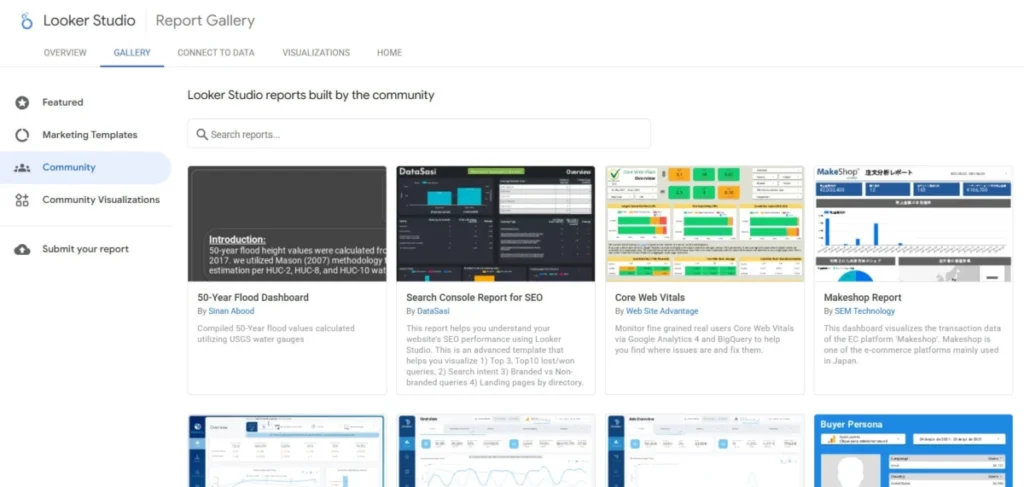
- Looker Studio Gallery: Google’s Looker Studio (formerly Google Data Studio) offers a rich gallery of ready-to-use templates for various data sources, requiring only a connection to your platform. These templates come with pre-configured charts, tables, and filters, significantly accelerating the reporting process.
- Looker Studio Community: An even broader selection of community-contributed templates provides diverse options, often tailored to specific industries or analytical needs. These serve as excellent starting points or inspiration for bespoke reports.
The Holistic View: Multi-Channel Reporting
The distributed nature of content across multiple platforms poses a significant challenge: how to achieve a unified view of performance. Tracking each channel in isolation leads to siloed data and an incomplete understanding of your content’s overall impact and the customer journey. Multi-channel reporting addresses this by integrating data from various sources into a single, comprehensive dashboard.
- Manual Integration (Small Scale): For smaller operations, data can be manually exported from individual platforms into Google Sheets or Excel and then integrated for basic visualization.
-
Automated Integration (Scalable): As operations grow, automation becomes critical. Tools like Supermetrics or Coupler.io excel at automating data collection from diverse platforms—social media, web analytics, CRM systems, ad platforms—and consolidating it. This aggregated data can then be seamlessly connected via connectors to powerful visualization tools such as Looker Studio, Tableau, or Power BI, ensuring real-time, interactive reporting without constant manual updates.
![How to Measure Content Performance [+Reports] (2025)](https://measureschool.com/wp-content/uploads/2025/03/Looker-studio-gallery-1024x491.webp)
- Example: Coupler.io’s Multi-channel creatives performance dashboard or their All-in-one marketing dashboard demonstrate how data from various ad platforms (Meta, Google Ads) can be unified to show a comprehensive view of campaign effectiveness across channels.
By automating multi-channel reporting, organizations can save invaluable time, minimize data entry errors, and empower stakeholders with a holistic, data-driven understanding of content performance, leading to more informed and effective decision-making.
Strategic Imperatives and Future Outlook: Driving Growth Through Data-Driven Content Strategy
The journey of measuring content performance is not a destination but a continuous cycle of analysis, adaptation, and refinement. In a world awash with data, the ability to extract meaningful insights and translate them into strategic action is a cornerstone of digital success.
The Continuous Cycle of Optimization
Effective content measurement is inherently iterative. It involves:
![How to Measure Content Performance [+Reports] (2025)](https://measureschool.com/wp-content/uploads/2025/03/Looker-studio-community-1024x488.webp)
- Defining Objectives: Clearly articulating what success means for each piece of content.
- Implementing Tracking: Ensuring robust analytics tools are correctly configured.
- Collecting Data: Gathering raw performance metrics.
- Analyzing Insights: Interpreting the data to understand trends, successes, and failures.
- Benchmarking: Comparing performance against internal baselines and external competitors.
- Optimizing Strategy: Adjusting content creation, distribution, and promotion based on insights.
- Reporting: Communicating findings to stakeholders in clear, actionable dashboards.
This continuous feedback loop ensures that content strategy remains agile, responsive, and constantly improving, maximizing its impact and ROI.
Embracing Advanced Analytics
The future of content measurement is increasingly leaning towards more sophisticated tools, including AI-driven analytics, predictive modeling, and advanced attribution. These technologies promise to offer deeper, forward-looking insights, helping marketers anticipate trends and personalize content delivery at scale. Investing in foundational measurement capabilities now will prepare organizations to leverage these advanced innovations effectively.
Expert Consensus: Beyond the Numbers
The consensus among industry experts is clear: true content performance understanding extends beyond mere numerical data. It integrates quantitative metrics with qualitative insights, user feedback, and overarching business objectives. The goal is not just to report what happened, but to understand why it happened and what to do next. This strategic interpretation of data is what differentiates effective measurement from simple data collection.
![How to Measure Content Performance [+Reports] (2025)](https://measureschool.com/wp-content/uploads/2025/03/Coupler.io-dashboard-creatives-1024x477.webp)
Summary
Measuring content performance is a multifaceted, strategic endeavor that extends far beyond a cursory review of reports. It demands a structured approach, the meticulous selection of relevant KPIs, a clear understanding of growth drivers, and the strategic deployment of analytics tools and reporting frameworks. We have explored the essential steps, from defining content categories and establishing a measurement plan, to leveraging both pre-made and custom reports for granular insights, and finally, embracing multi-channel reporting for a holistic view.
For those committed to refining their measurement framework and driving tangible results, further exploration into specific content types is invaluable. Our guide on the Top 5 Blog Metrics to Track for Growth and Success offers a focused deep dive, ensuring your content strategy is not just data-informed, but data-driven and results-focused.
What methods do you currently employ to measure content performance? Have specific KPIs, processes, or tools proven particularly effective in your experience? Share your insights and foster a collective understanding in the comments below. We value your contributions to this critical conversation!
