

The Strategic Imperative: Mastering B2B Social Media in an Era of Long-Cycle Trust
In the modern B2B landscape, the traditional "hard sell" is rapidly becoming a relic of the past. Unlike the impulse-driven nature of consumer marketing, B2B sales cycles are marathon efforts. A single transaction may involve a dozen stakeholders, months of internal deliberation, and a high-stakes requirement for proof of return on investment (ROI). Today, B2B social media marketing is not merely a channel for promotion; it is the primary engine for building the trust necessary to move those stakeholders from awareness to contract.

The Paradigm Shift: From Impulse to Trust
B2B social media marketing refers to the strategic use of social platforms to nurture professional relationships between businesses. The objective is rarely a direct, instantaneous purchase. Instead, the goal is to position an organization as an indispensable authority to decision-makers—founders, department heads, and procurement teams.

The fundamental difference between B2C and B2B social engagement lies in the psychology of the buyer. While B2C targets the individual’s desires, B2B targets the collective business outcome. Trust is the "ultimate currency" in this space. As Ian Bruce, VP Principal Analyst at Forrester, aptly notes: "Trust is the remedy to risk. It bridges the gap between a risk-averse buyer and a potential vendor."
Decoding the Channel Landscape
Success in B2B social media begins with a calculated selection of platforms. While LinkedIn remains the undisputed heavyweight—with 98% of Fortune 500 CEOs identifying it as their primary professional social network—the strategy must evolve alongside the demographic of the buyer.
1. Meeting the Modern Buyer
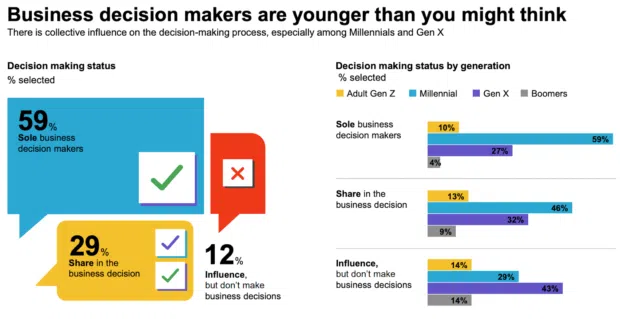
With Millennials now leading 59% of B2B buying decisions, the stereotypical "stiff" corporate marketing approach is losing its efficacy. Younger decision-makers are shifting the focus toward platforms previously relegated to the consumer sphere, such as Instagram and TikTok. Brands that fail to adapt their presence to where their specific buyers consume information risk irrelevance.

2. The Power of Video
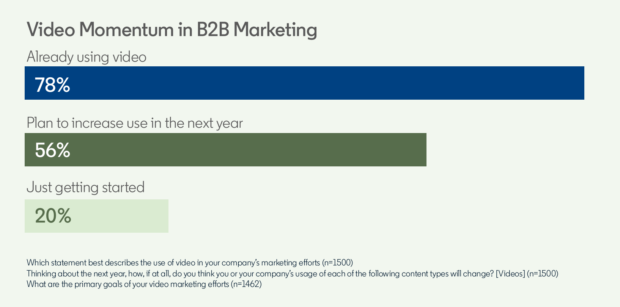
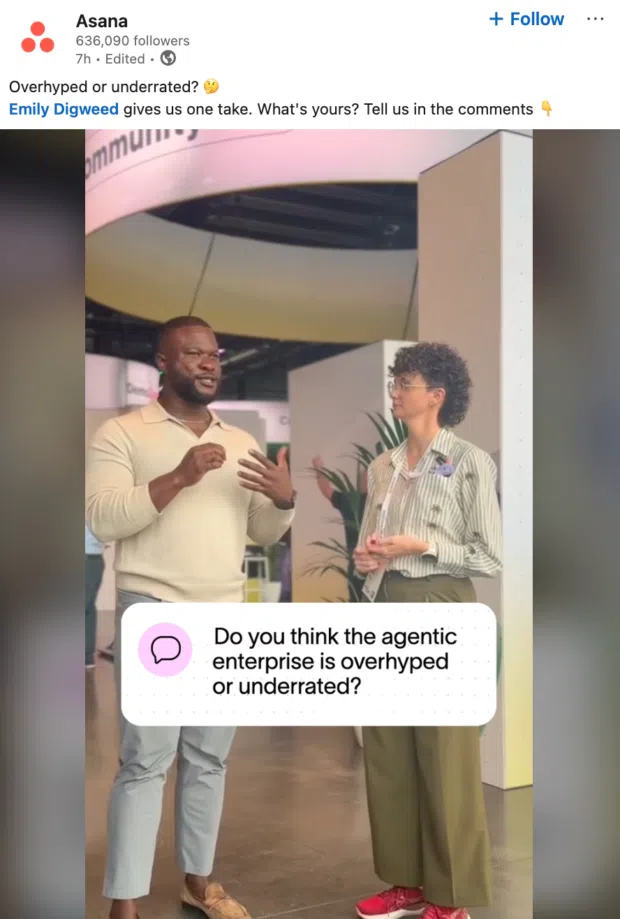
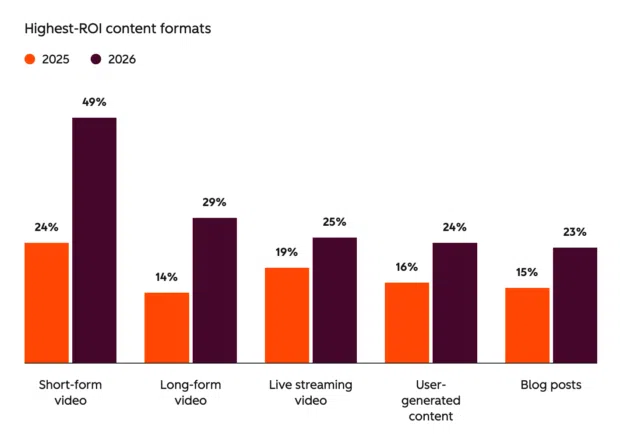
Short-form video is no longer a tool for viral B2C trends; it has become a cornerstone of B2B strategy. Recent industry benchmarks indicate that 78% of B2B marketers are actively using video, with over half planning to increase their investment in the coming year. On platforms like LinkedIn, video content that focuses on brand storytelling and product demos has shown significantly higher completion rates than static text posts.
Strategic Tactics for B2B Execution
To build a cohesive B2B social media strategy, organizations must work backward from their business goals to their content execution. The following ten tactics represent the current gold standard for B2B operations:

Mapping Content to the Funnel
A sophisticated strategy requires content tailored to specific stages of the marketing funnel:

- Top of Funnel (TOFU): Focus on industry education, myth-busting, and trend commentary to generate awareness.
- Middle of Funnel (MOFU): Provide webinars, comparison guides, and expert interviews to assist in the evaluation phase.
- Bottom of Funnel (BOFU): Leverage case studies, testimonials, and product demos to reinforce the decision to purchase.
The Rise of Influencers and Advocacy
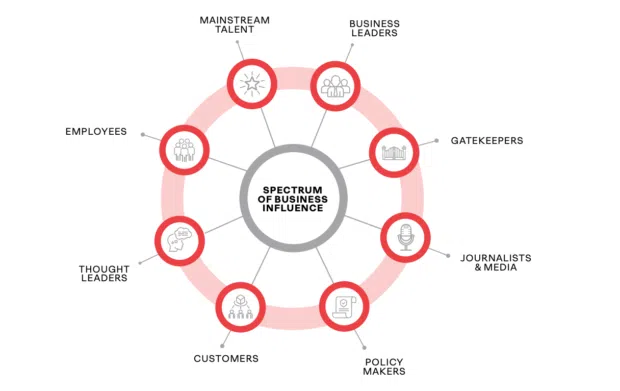
Partnering with Key Opinion Leaders (KOLs) provides a level of credibility that brand-led posts often struggle to achieve. Furthermore, internal employee advocacy programs—where staff share company content—consistently outperform corporate accounts, often generating up to 200% higher click-through rates. When employees act as brand ambassadors, they humanize the organization, providing the authenticity that modern buyers crave.
Navigating "Dark Social"
A significant portion of B2B interaction occurs in "dark social"—the untrackable spaces like Slack, private messaging apps, and email. While standard analytics cannot capture these conversations, brands can gauge their impact through social listening tools, which monitor brand sentiment and public mentions. By analyzing these public discussions, marketers can infer the trends and pain points driving the private conversations.
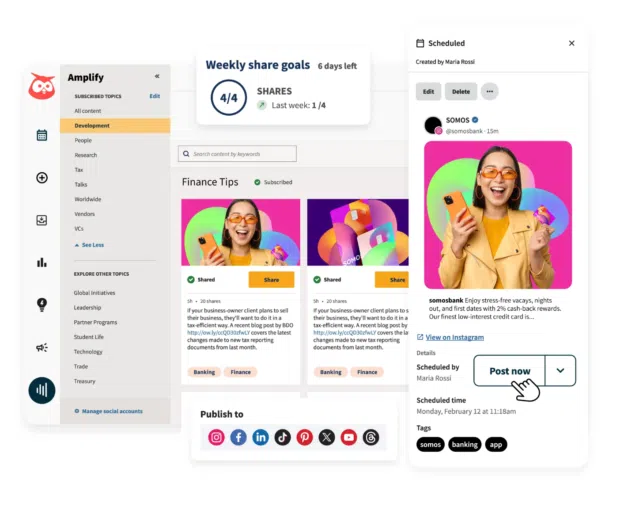
Data-Driven Reporting and ROI Attribution
The most significant challenge for B2B marketers remains proving the value of social efforts to the C-suite. To successfully report ROI, marketers must move beyond vanity metrics like "likes" and "follows."
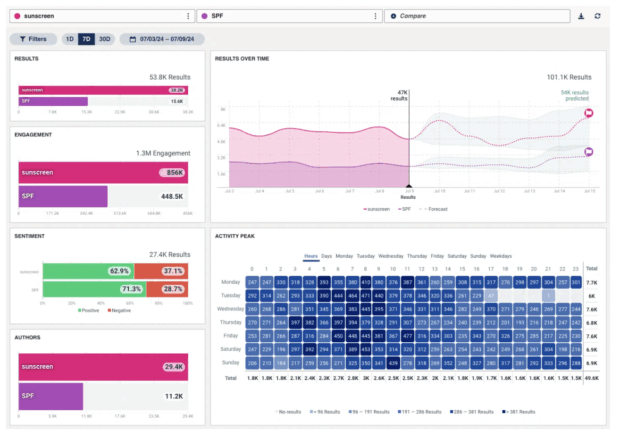
The Multi-Touch Attribution Model
Because B2B sales cycles are long and multi-touch, single-touch attribution models—which give all the credit to the last interaction—are inherently flawed. A sophisticated multi-touch model distributes credit across the entire journey. This allows marketers to demonstrate how a LinkedIn post from six months ago contributed to a deal that closed today.

Benchmarking for Growth
Benchmarking is the practice of taking regular snapshots of performance to identify long-term trends. By comparing data over quarterly and annual periods, marketers can filter out "month-to-month noise." When presenting to executives, the focus must be on the financial bottom line:
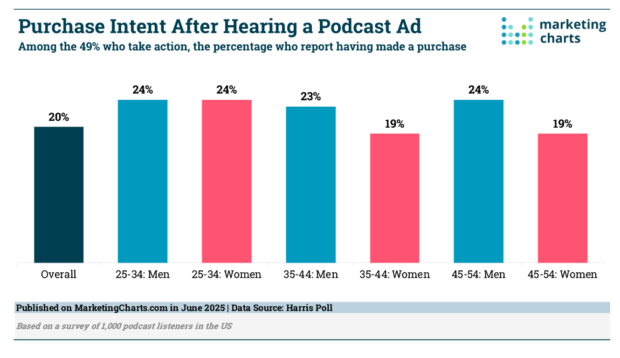
- Customer Acquisition Cost (CAC): Showing how social media reduces the cost of reaching qualified leads.
- Sales Cycle Duration: Demonstrating how social content accelerates the movement of leads through the funnel.
- Revenue Contribution: Directly linking social engagement to closed-won deals.
Implications for the Future
The B2B social landscape is moving toward a future defined by authenticity, video-first formats, and deep integration with CRM and sales stacks. The organizations that succeed in the next five years will be those that treat social media not as a broadcasting tool, but as a community-building ecosystem.
As the lines between personal and professional content blur, the most successful B2B brands will be those that provide genuine value. Whether through high-level thought leadership or relatable, human-centric storytelling, the mandate remains clear: serve the audience first. By fostering trust through consistent, high-value engagement, B2B brands can turn social media into a predictable, scalable, and essential contributor to corporate revenue.

Conclusion: The Path Forward
For organizations ready to scale, the integration of all social activities—publishing, listening, advocacy, and paid advertising—into a single, unified dashboard is no longer a luxury; it is a necessity for efficiency. As the digital landscape continues to fragment, the ability to manage a consistent brand voice across all touchpoints will define the market leaders of tomorrow. The era of B2B social media as an "optional" department is over; it is now the heartbeat of the modern customer journey.
