
The Strategic Edge: Navigating the Top 13 Social Media Scheduling Tools for 2026
In the hyper-competitive digital landscape of 2026, the mantra for social media managers remains unchanged: consistency is the currency of engagement. However, the execution has evolved from manual, real-time posting to sophisticated, data-driven automation. As social media platforms become increasingly fragmented and algorithm-heavy, the demand for robust scheduling software has surged, transforming these tools from simple "post-setters" into comprehensive command centers for brand growth.

This article provides an in-depth analysis of the current market leaders in social media scheduling, examining how these platforms are reshaping digital workflows for everyone from individual creators to global enterprises.

The Evolution of Social Media Management
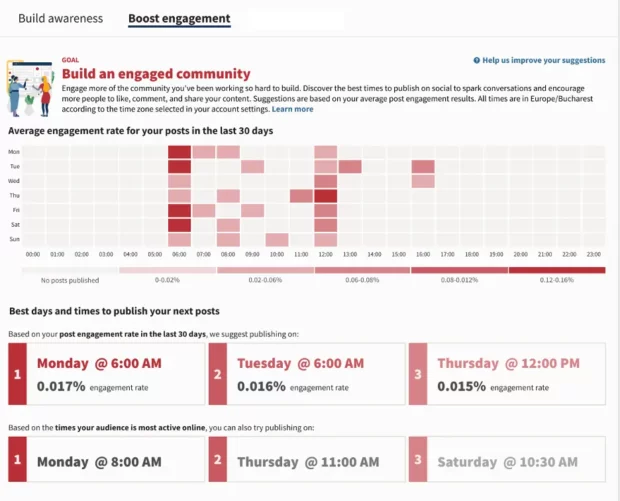
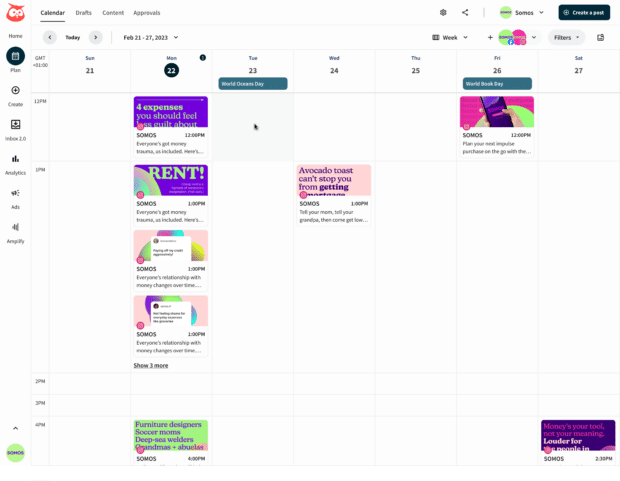
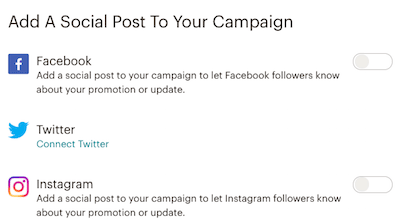
Scheduling tools serve as the connective tissue between a brand’s creative vision and its digital presence. By utilizing APIs—secure, automated "handshakes" between platforms—these tools allow marketers to batch-create content, visualize campaigns across calendars, and deploy posts during the precise windows when their target audiences are most active.
Beyond mere timing, these platforms have evolved to address the "last-minute scramble" that plagues many marketing departments. They offer centralized dashboards that consolidate disparate channels, provide collaborative approval workflows, and generate advanced analytics that quantify the ROI of social efforts.
Chronology: From Manual Posting to Predictive Automation
The journey of social media management has progressed through three distinct phases:
- The Manual Era (Pre-2010): Marketers posted directly to platforms in real-time. This lacked strategy and resulted in erratic, inconsistent posting schedules.
- The Scheduling Era (2010–2020): Third-party tools like Hootsuite and Buffer emerged, allowing for the basic automation of text and image posts. This period introduced the "set it and forget it" mentality.
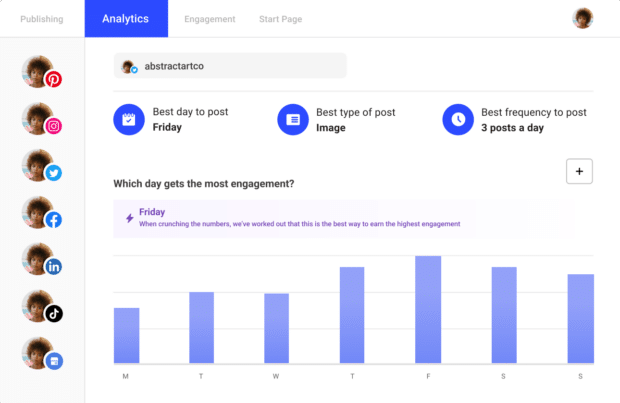
- The Intelligence Era (2020–Present): Today’s tools are predictive. They leverage AI to suggest "best times to post," automatically recycle evergreen content, and provide deep-dive analytics that link social activity to CRM data, conversions, and revenue.
Comparative Overview: Selecting the Right Tool
The following table outlines the current market leaders, categorized by their primary use case and core strengths.
| Tool | Best For | Platforms Supported | Key Differentiator |
|---|---|---|---|
| Hootsuite | Enterprises | FB, IG, X, TT, YT, PT, LI, Threads | All-in-one management + Advanced Analytics |
| Later | Creators/Small Biz | FB, IG, X, TT, YT, PT, LI | Visual feed planning |
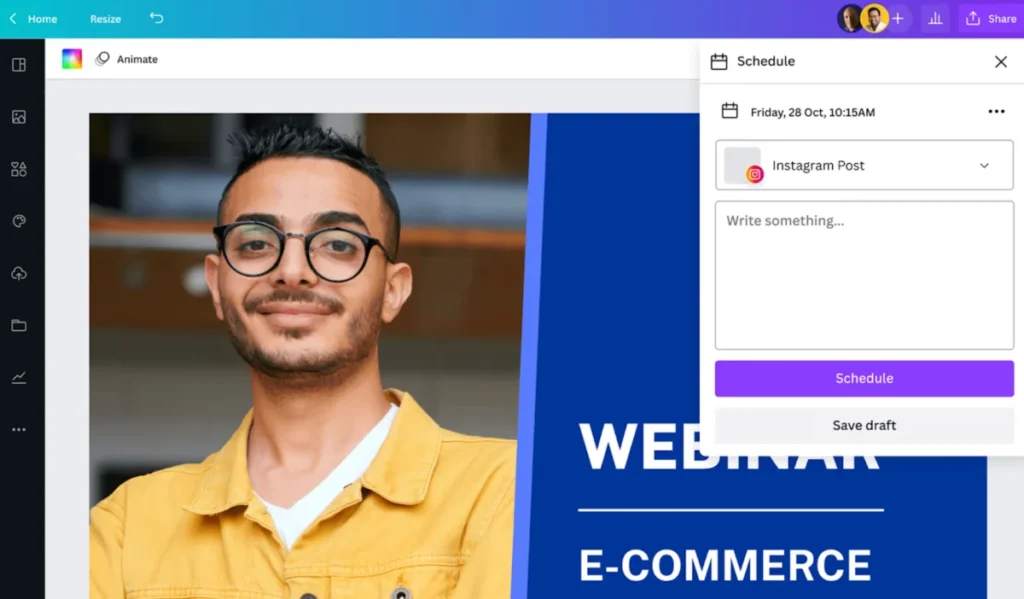
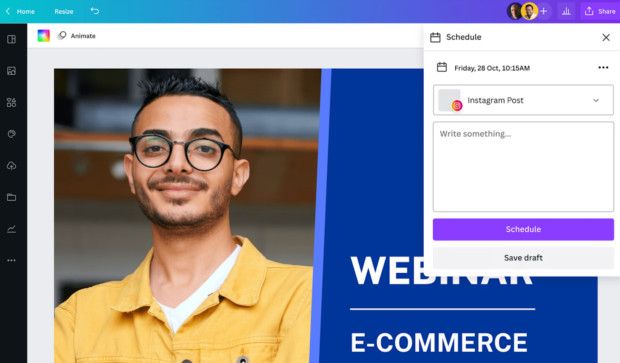
| Canva | Designers | FB, IG, X, LI | Seamless design-to-publish workflow |
| HubSpot | CRM-focused teams | IG, FB, X, LI | Integration with CRM and lead tracking |
| Buffer | Simplicity | FB, IG, X, TT, YT, LI, Mastodon | Minimalist, user-friendly interface |
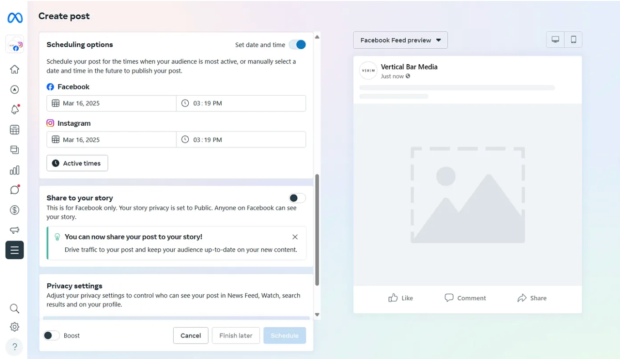
| Meta Business Suite | Meta-heavy brands | FB, IG | Native, free integration |
| Tailwind | Pinterest power users | PT, IG, FB | Advanced Pinterest optimization |
| MeetEdgar | Small Business | IG, FB, X, LI, PT, TT, Threads | Evergreen content recycling |
Deep Dive: Top Platforms and Their Strategic Utility
1. Hootsuite: The Enterprise Standard
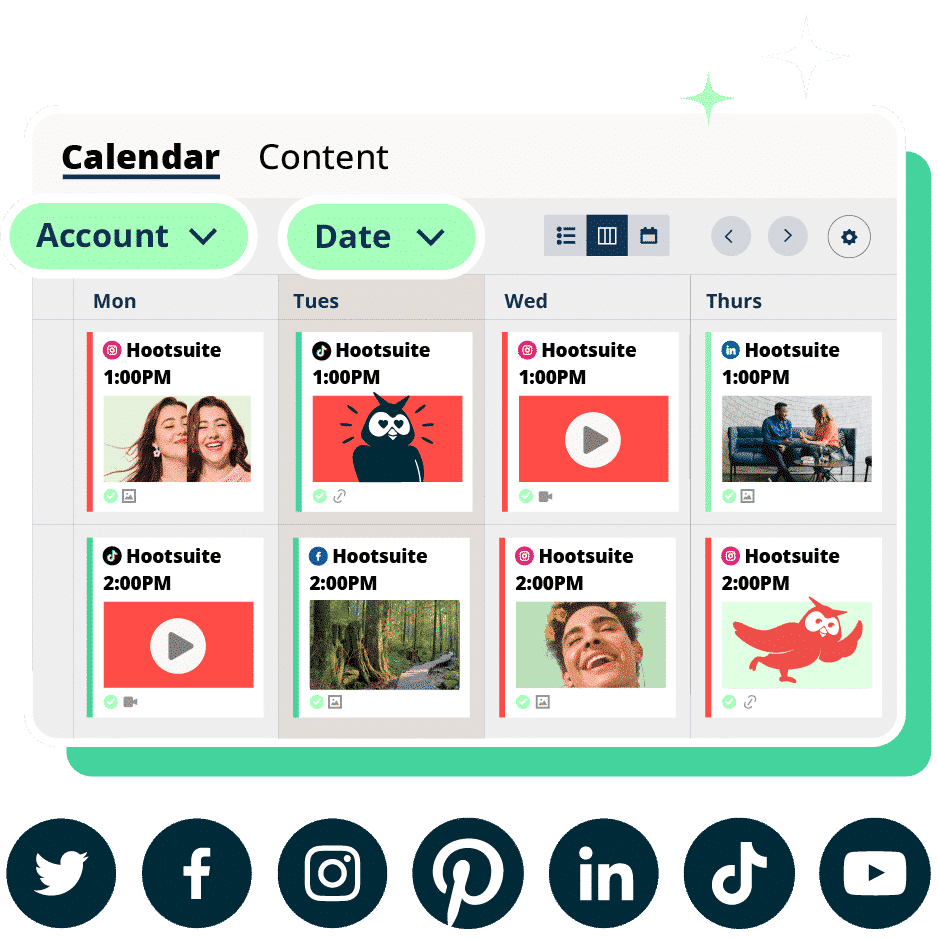
Hootsuite remains the gold standard for organizations that require structure. Its strength lies in its ability to handle complex, multi-layered hierarchies—perfect for franchises or global brands. With tools for team approvals, advanced social listening, and sophisticated reporting, it is less of a scheduler and more of an operating system for digital marketing.
2. Later: The Visual Storyteller
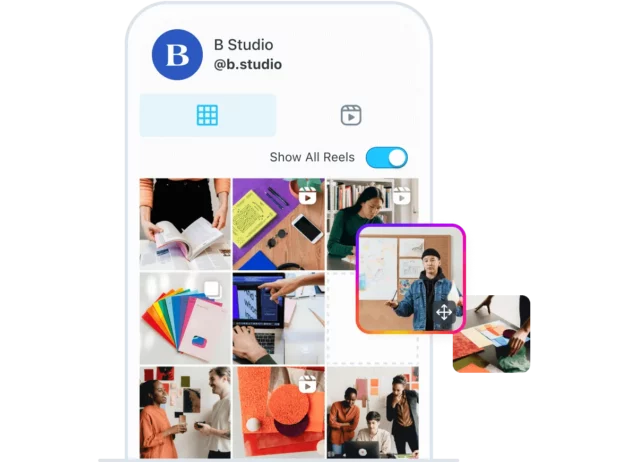
For brands that live and die by their aesthetic—such as fashion, lifestyle, and hospitality—Later is the preferred choice. Its "Visual Planner" allows users to drag and drop content into a grid view, ensuring the brand’s "vibe" is maintained across the feed. It bridges the gap between creative design and strategic execution.
3. HubSpot: The Growth Engine
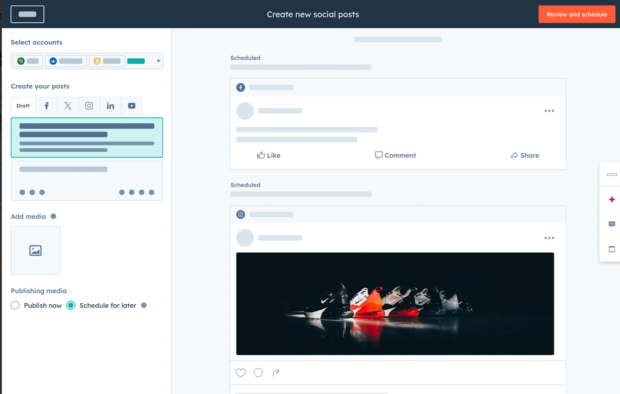
For marketing teams focused on lead generation, HubSpot is unparalleled. By tying social media posts directly to a company’s CRM, teams can track how a specific LinkedIn post or Instagram story eventually leads to a customer purchase. It turns social media from a vanity metric engine into a direct revenue driver.
4. MeetEdgar: The Evergreen Specialist
Content fatigue is a significant challenge. MeetEdgar tackles this by automatically categorizing and recycling high-performing, "evergreen" content. This ensures that a company’s social feeds remain active even when the marketing team is focused on other projects, effectively maximizing the lifespan of every piece of content created.
Supporting Data: Why Scheduling Matters
The shift toward automated scheduling is driven by empirical performance data. Research consistently shows that brands using dedicated scheduling tools experience:

- 30% Higher Engagement: By posting consistently during optimal engagement hours rather than when a marketer is "at their desk."
- Reduced Operational Costs: Bulk scheduling allows for a "content sprint" approach, where a week’s worth of content can be produced and approved in a single four-hour block.
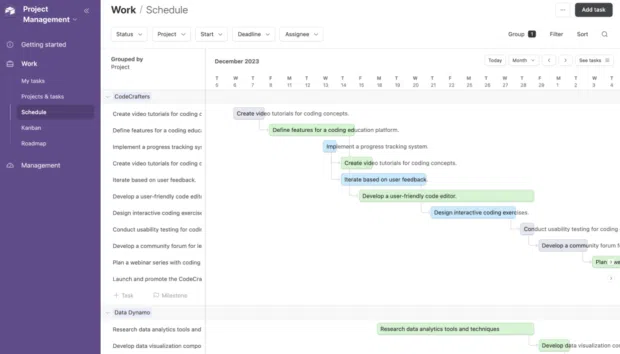
- Enhanced Strategic Alignment: Centralized calendars allow stakeholders to see the "big picture," preventing content silos where different departments post conflicting messaging.
Implications for Future Social Strategy
As we look toward the remainder of 2026, the implications of using scheduling tools are profound.
The AI Transformation
The next wave of development in these tools is the integration of Generative AI. We are moving toward a future where tools don’t just schedule content; they help draft captions based on brand voice, suggest hashtags based on trending topics, and even generate visual variations of a post for different platforms.
Governance and Compliance
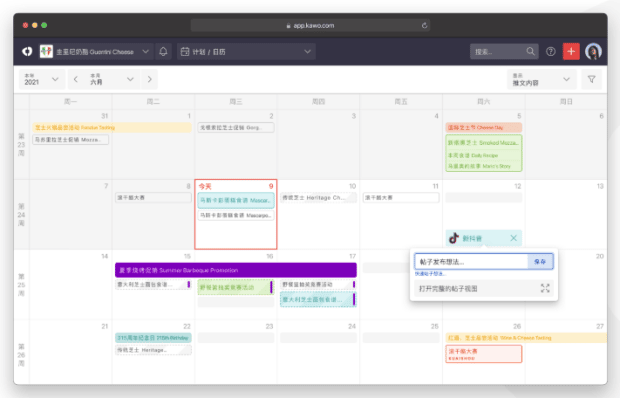
For large enterprises, the "audit trail" provided by these tools is critical. As regulations around digital advertising and data privacy tighten, having a record of who approved what post, when it was scheduled, and where it was distributed is vital for legal compliance.
The Multi-Channel Complexity
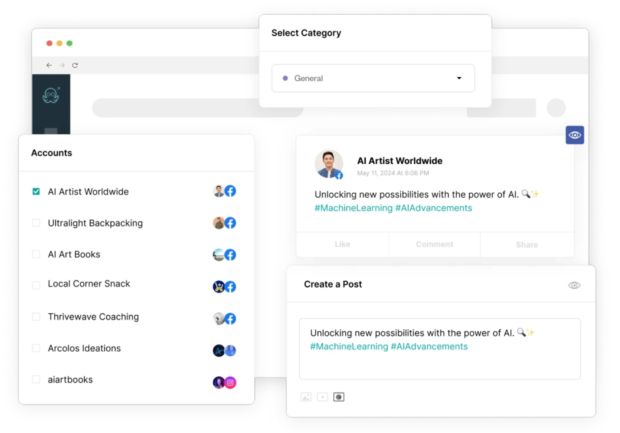
With the rise of platforms like Threads and the persistent relevance of video-first platforms like TikTok and YouTube Shorts, managing content manually is no longer viable. Scheduling tools are the only way to maintain a cohesive brand identity while navigating the nuances of different video formats, aspect ratios, and audience expectations.
Expert Consensus and Final Thoughts
Industry experts agree: the "best" tool is the one that fits your current operational maturity.

- For the Solo Entrepreneur: Start with a tool like Buffer or Later to maintain a consistent presence without overwhelming costs.
- For the Growing Agency: Look to Hootsuite for its robust collaboration features and ability to manage multiple client accounts with distinct permissions.
- For the Sales-Driven Organization: Prioritize HubSpot to ensure that every "like" and "share" can be mapped back to your sales pipeline.
Ultimately, social media scheduling is not just about saving time; it is about reclaiming the mental bandwidth required to focus on strategy and creativity. By removing the repetitive labor of manual publishing, marketers can return to the core of their profession: building genuine, human connections with their audience in a digital-first world.
Disclaimer: Pricing and feature sets mentioned are based on current 2026 market data and are subject to change. Always review the latest documentation from service providers before committing to a subscription.
