
The Strategic Edge: Mastering Customer Insights and Analytics for Sustainable Growth
In an era where consumer attention is the most valuable currency, the divide between industry leaders and those struggling to gain traction often comes down to a single, critical differentiator: the ability to understand the "why" behind the "buy." Why do certain brands cultivate cult-like loyalty while others face indifference? The answer lies in the sophisticated application of customer insights and analytics.
By systematically analyzing trends, synthesizing quantitative data, and actively listening to the voice of the customer, businesses can transition from reactive decision-making to proactive, profit-driven strategies. This article explores how to harness these insights to stay ahead of the competition and ensure your customers remain engaged for the long term.

What Are Customer Insights?
At its core, customer insights represent the interpretation of raw data into actionable knowledge regarding consumer needs, pain points, and motivations. While data tells you what is happening—such as a dip in sales or a spike in website exits—customer insights explain why it is happening.
These insights are derived from a blend of quantitative data (the numbers) and qualitative feedback (the sentiments). By identifying patterns in behavior and interpreting the context behind interactions, businesses can move beyond demographics to understand the psychographics that drive purchase decisions. In short, customer insights provide the narrative behind the metrics.

The Synergy Between Insights and Analytics
While the terms are often used interchangeably, there is a technical distinction. Customer analytics refers to the technological infrastructure and methodologies—the "how"—used to collect and process data. Customer insights represent the "what"—the strategic conclusions drawn from that data.
Think of customer analytics as the lens and the microscope, and customer insights as the diagnosis made by the doctor. You cannot achieve the latter without the former. Common techniques in modern analytics include:
- Predictive Modeling: Using historical data to forecast future customer behavior.
- Cohort Analysis: Grouping customers by shared characteristics to track retention over time.
- Sentiment Analysis: Utilizing natural language processing to gauge emotional tone in customer reviews.
The Strategic Purpose: Why Insights Matter
The primary purpose of cultivating deep customer insights is to remain relevant in a rapidly evolving marketplace. When a brand fails to adapt to shifting consumer needs, it risks obsolescence. Strong insights allow leadership to answer critical, high-stakes questions:
- What are the specific friction points in our current sales funnel?
- Which segments of our audience are most likely to become brand advocates?
- How do we optimize our pricing strategy to maximize conversion without alienating our core base?
By aligning business operations with the actual, rather than assumed, needs of the customer, organizations foster higher satisfaction levels, which in turn drives long-term retention and sustainable growth.
A Chronological Roadmap to Gathering Insights
Gaining a 360-degree view of your customer is a multi-stage process. To build a robust strategy, businesses should follow a structured approach to data collection.
Phase 1: Market Research (The Foundation)
Before you even secure a customer, you must understand the landscape. Market research is the investigative phase that validates your product-market fit. It answers fundamental questions: Is there a demand for this solution? Who are the primary competitors? What is the price sensitivity of my target demographic?
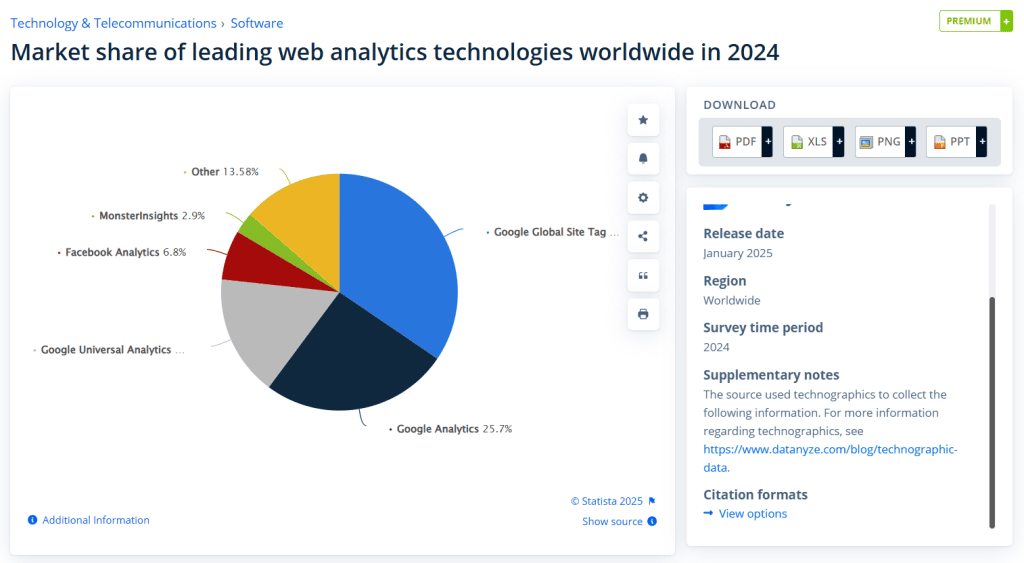
- Statista: An indispensable tool for data aggregation. It provides access to thousands of industry reports and infographics, allowing businesses to grasp macro-trends instantly. For deeper dives, their premium subscriptions offer granular industry data that justifies the investment.
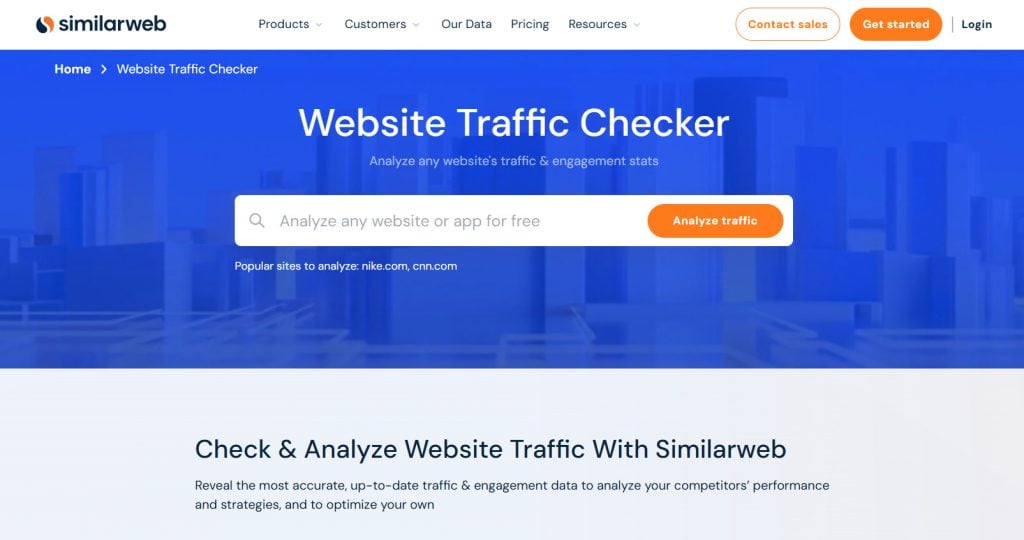
- Similarweb: This is the gold standard for competitive digital intelligence. By analyzing a competitor’s traffic sources, keywords, and audience behavior, you can reverse-engineer successful strategies and identify gaps in their market coverage.
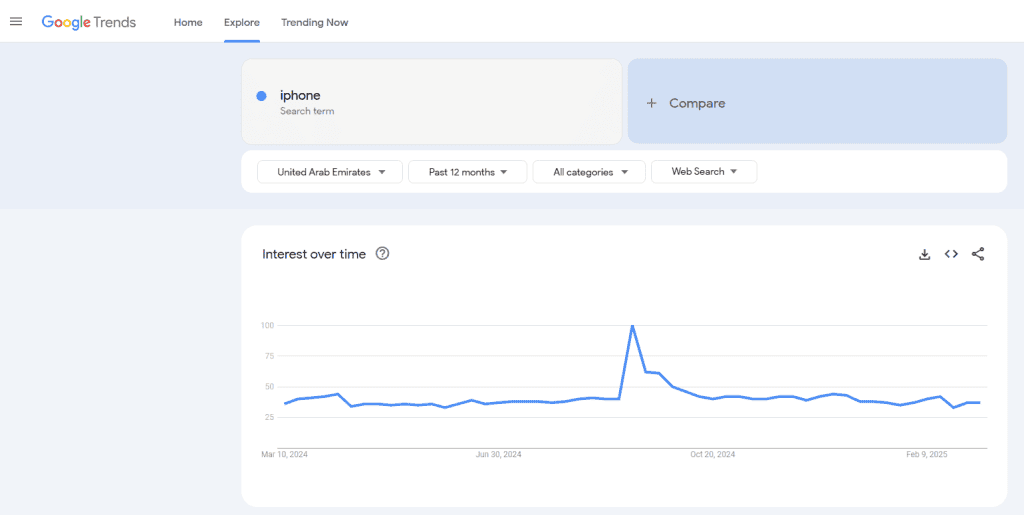
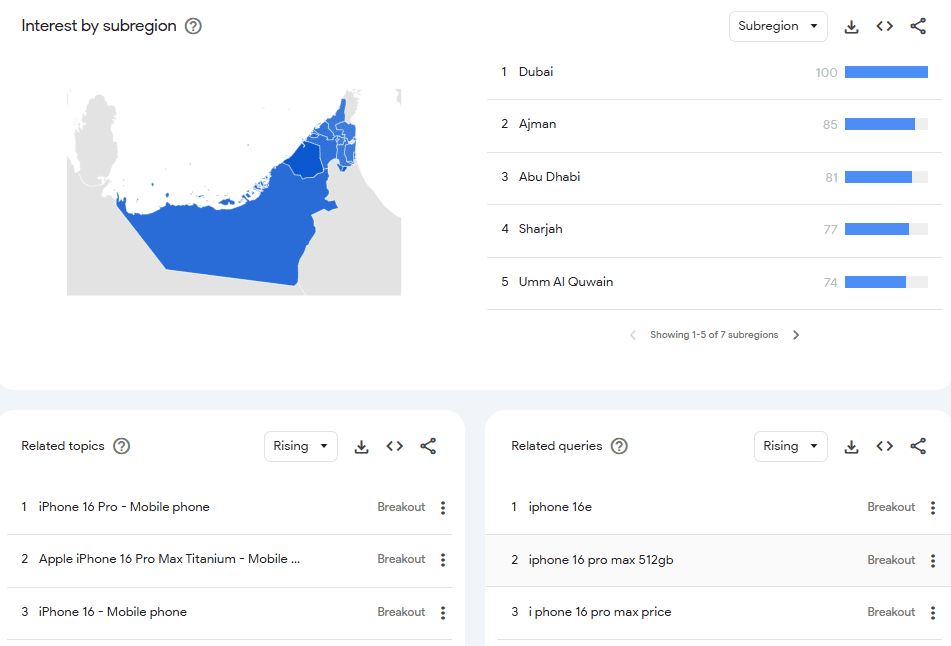
- Google Trends: A vital, free tool for tracking real-time fluctuations in search interest. It allows you to anticipate seasonal shifts and identify emerging industry topics before they reach mainstream saturation.
Phase 2: Website Data (The Behavioral Record)
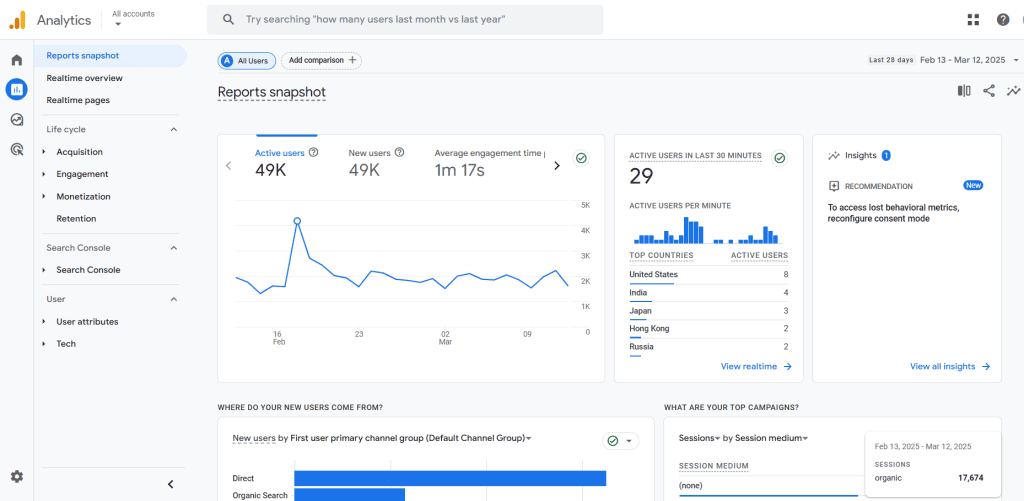
Your website is a living laboratory of customer behavior. Utilizing tools like Google Analytics 4 (GA4) and Microsoft Clarity provides a dual-layer understanding of your users.
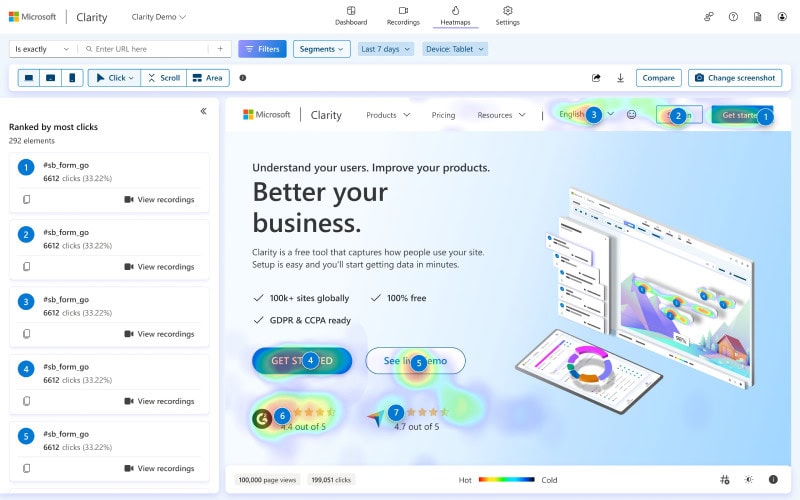
GA4 excels at tracking the "journey"—identifying where users come from, which pages they engage with, and where they drop off. It provides the statistical backbone for your marketing efforts. Meanwhile, Microsoft Clarity acts as a behavioral complement. Through AI-powered session recordings and heatmaps, Clarity shows you exactly how users interact with your interface, revealing frustration points like "rage clicks" or dead ends that traditional analytics might miss.
Phase 3: Social Media and Community Engagement
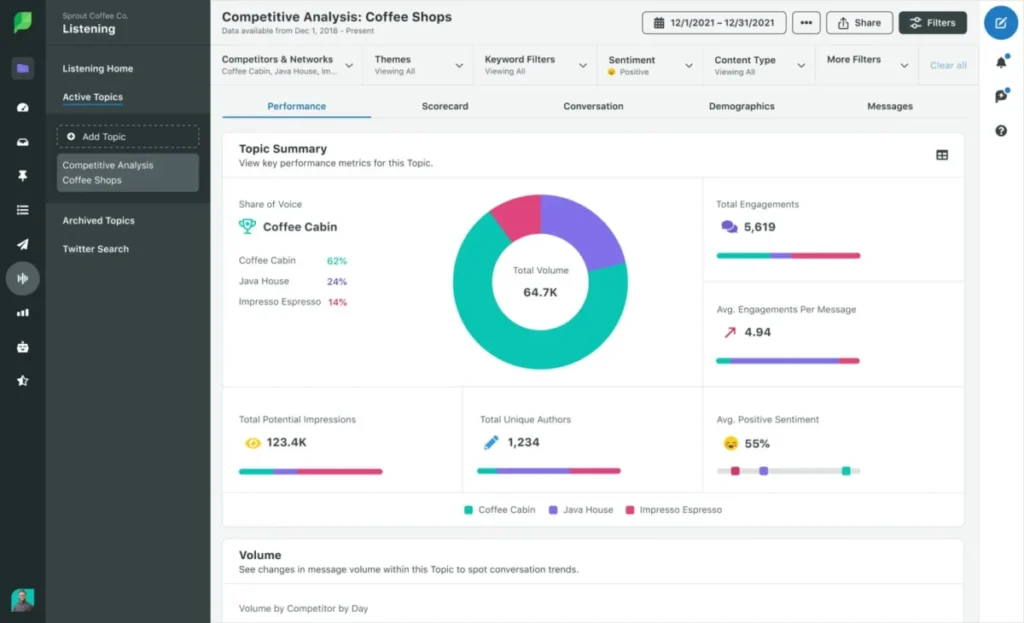
Modern brands live and breathe on social media. It is the most accessible forum for candid, unfiltered customer feedback. By using social listening tools like Mention or Sprout Social, brands can track brand mentions, monitor competitor sentiment, and participate in industry conversations.
When tracking social media, it is vital to move beyond vanity metrics like "likes." Instead, focus on:
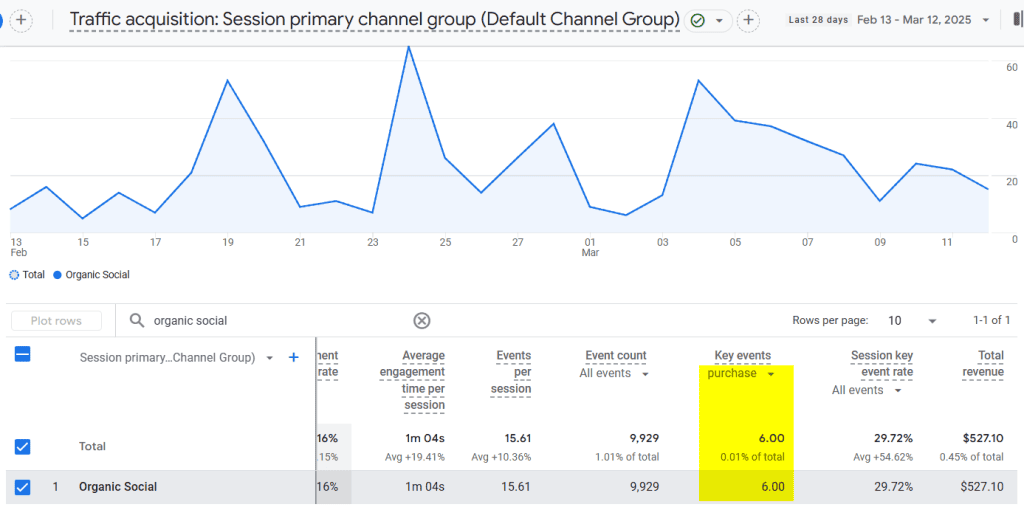
- Centralized Performance Analysis: Use GA4 to compare traffic from different social platforms in one place. By mapping this to a sales funnel (Awareness -> Engagement -> Conversion), you can determine which platform provides the highest quality leads.
- Unfiltered Behavioral Insights: Social media often masks true intent. By funneling social traffic to your site and tracking their subsequent actions, you can identify if social engagement is actually driving business objectives or merely creating "empty" traffic.
Phase 4: Direct Customer Feedback (The Human Element)
Finally, you must talk to your customers directly. Data can tell you what is happening, but only customers can tell you why they feel the way they do.
- Feedback Widgets: Tools like Appzi allow you to place micro-surveys directly on your site. This captures feedback while the user experience is still fresh in the customer’s mind.
- Focus Groups: Despite the rise of AI, nothing replaces the qualitative depth of a focus group. 5 to 10 participants can reveal underlying emotional barriers that no algorithm can detect.
- Review Analysis: Whether you are using automated sentiment analysis or manual review audits, the feedback left on platforms like Trustpilot or Amazon is a goldmine. Focusing on 3-star and 4-star reviews often yields the most balanced, actionable suggestions for improvement.
Implications for Future Growth
The integration of these methodologies has profound implications for a business’s trajectory. Companies that rely on data-driven insights are significantly more agile. When an economic shift or a change in consumer preference occurs, these organizations are the first to identify the trend and the first to pivot.
Furthermore, there is a clear correlation between data-backed personalization and conversion rates. Customers today expect brands to "know" them. By leveraging the analytics tools discussed, businesses can provide tailored recommendations, optimized content, and seamless user experiences that transform one-time buyers into lifelong brand advocates.
Conclusion
There is no singular, "magic bullet" method for gathering customer insights. Instead, the most successful brands build an ecosystem of data—combining the macro-view of market research, the technical precision of web analytics, and the human perspective of direct feedback.
By implementing these tools and fostering a culture of continuous analysis, you stop guessing what your customers want and start delivering exactly what they need. As you refine your approach, remember that the most powerful insight is the one that leads to action. Start small, track the metrics that matter, and listen to the voice of the customer—your business growth depends on it.
How is your organization currently leveraging data to inform its strategy? We invite you to share your experiences and the tools that have made the biggest impact on your workflow in the comments below.
