
The State of Print-on-Demand: Choosing a Premium Apparel Partner in 2026
The landscape of Print-on-Demand (POD) has undergone a tectonic shift over the last eighteen months. As the market pivots away from generic, "merch-style" drops toward high-fidelity, private-label fashion, the criteria for success have changed. Creators are no longer looking for the cheapest unit price; they are hunting for the "designer" feel—heavyweight fabrics, tactile branding, and reliable fulfillment that doesn’t sacrifice brand integrity.
Following six months of rigorous side-by-side testing across eight industry-leading platforms, involving over 200 sample orders and a 30-cycle wash-durability analysis, one conclusion has emerged: Fourthwall has secured its position as the premier all-in-one platform for creators in 2026. However, the "best" choice remains highly dependent on whether a founder is building a creator-led brand or a standalone fashion label.
The Evaluation: How We Tested the Market
Our research, conducted from Q4 2025 through Q1 2026, moved beyond simple price comparisons. We evaluated eight platforms—Fourthwall, Apliiq, Tapstitch, Printful, Gelato, TPOP, Printify, and CustomCat—against three non-negotiable "Premium Pillars":
- Blank Quality: We prioritized platforms offering premium mills (AS Colour, Stanley/Stella, Cotton Heritage, and Lane Seven) with fabric weights exceeding 200 GSM.
- The Branding Stack: We assessed the availability of sewn-in woven labels, custom hangtags, branded polybags, and internal neck prints.
- Print Method Matching: We scrutinized the technical range, specifically looking for the integration of DTG, DTF, screen printing, embroidery, sublimation, and cut-and-sew techniques.
Each platform was tasked with producing a flagship Bella+Canvas 3001 SKU, supplemented by a heavyweight variant to test print durability under extreme conditions (hot wash, high-heat tumble dry).
Chronology of Industry Shifts (June 2025 – June 2026)
The industry has seen significant consolidation and structural changes that impact the bottom line for every creator:
- August 2025: Patreon adjusted fee structures, impacting creators who stack membership tiers alongside merchandise. Simultaneously, Fourthwall solidified its market lead by refining its "Pro" tier ($19/mo or $180/year).
- Late 2025: The Printful and Printify merger was finalized, forming the "Fyul" entity. While the consumer-facing brands remain distinct, the backend infrastructure is currently undergoing a massive integration phase.
- January 2026: Gumroad restored native PayPal support, providing a much-needed payment relief for independent sellers who had faced liquidity issues during the previous year’s payment processing disputes.
The Verdict: Platform Breakdown
1. Fourthwall: The All-in-One Powerhouse
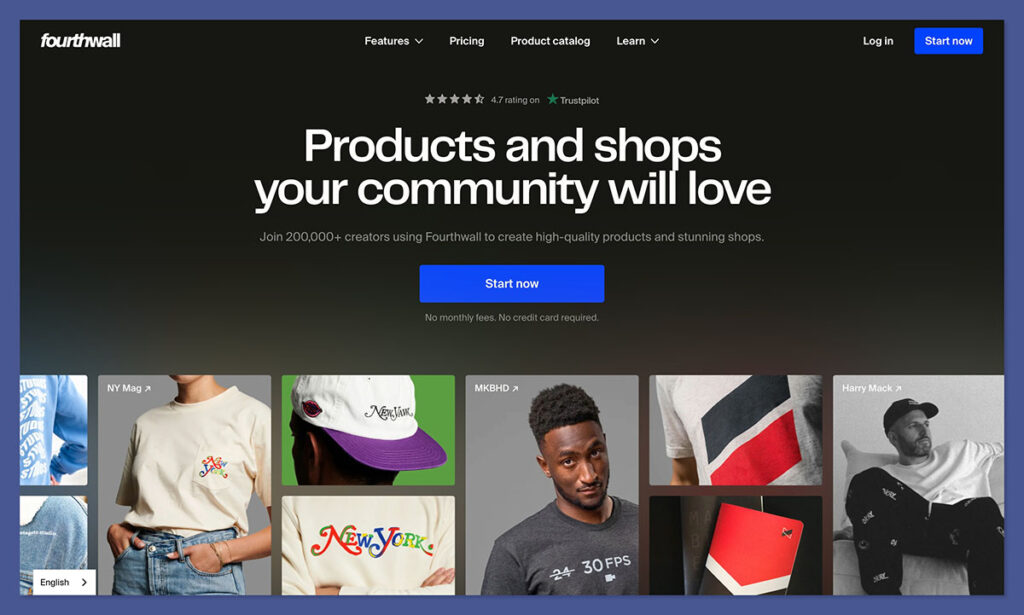
Fourthwall is currently the only platform that allows a creator to launch a premium drop using high-end blanks (Stanley/Stella, AS Colour) while simultaneously handling taxes, storefront hosting, and customer support.
- Implications: By removing the "ecommerce operations" layer, Fourthwall saves the average creator $100–$200 monthly in app subscriptions and accounting overhead.
- The "Signature" Edge: Their proprietary ink-coverage process mitigates the classic DTG "washout" effect on dark garments, a persistent failure point in competitors like Printful or Printify.
2. Apliiq: The Boutique Standard
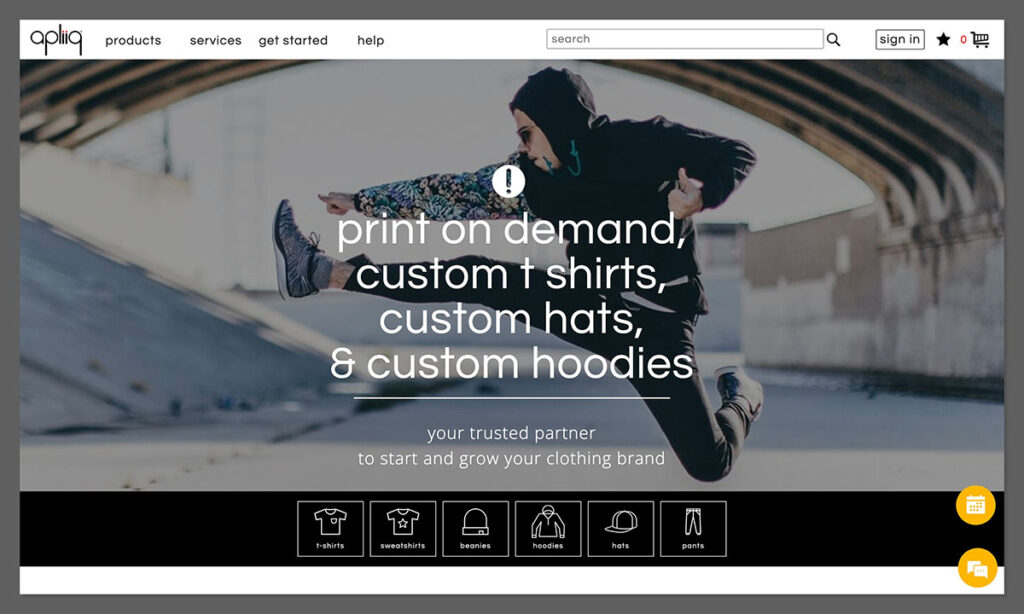
Apliiq remains the industry leader for private-label branding. Their unique value proposition is the 100-unit minimum order quantity (MOQ) for sewn-in woven labels—a service that typically requires 500+ units with traditional contract manufacturers.
- Best For: Fashion-first brands where the internal tag is a core part of the consumer’s perceived value.
3. Tapstitch: The Heavyweight King
Streetwear thrives on fabric structure. Tapstitch is the first major POD provider to stock 430 GSM (12.7 oz) blanks.
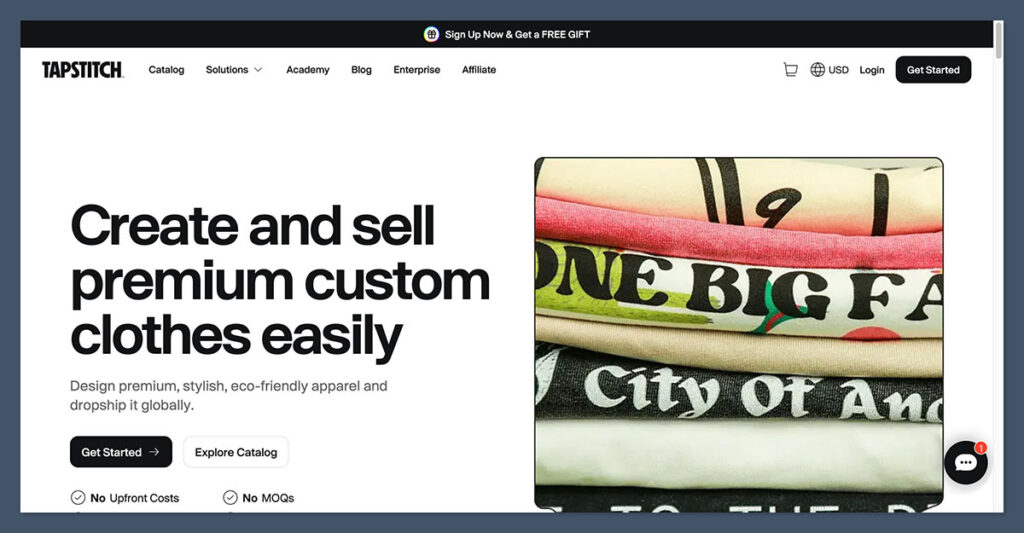
- Data Insight: A standard Bella+Canvas 3001 is 140 GSM. A 430 GSM tee provides the "boxy, structured" look required for high-end streetwear. If your brand is defined by the physical heft of the garment, Tapstitch is the only logical choice.
Supporting Data: Comparative Specifications
| Platform | Best For | Premium Branding | Base Tee Cost | Fulfillment Speed |
|---|---|---|---|---|
| Fourthwall | All-in-one Brand | Branded Packing Slips | ~$11.75 | 3-7 days |
| Apliiq | Private-label | Woven Labels, Hangtags | $7–$12 | 7-10 days |
| Tapstitch | Heavyweight | Custom Neck Print | $22.99 | Variable |
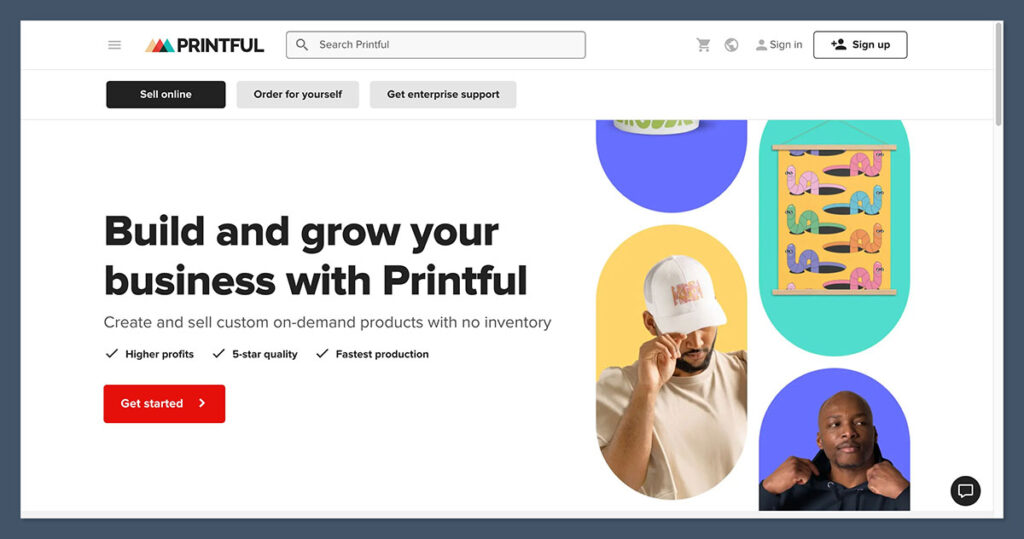
| Printful | Global Operations | Printed Labels | ~$11.75 | 2-5 days |
| Gelato | International | Branded Labels | ~$11.75 | 2-6 days |
| TPOP | Eco-Conscious EU | Plastic-free | €10–€15 | 3-5 days |
Official Responses and Strategic Implications
The "Sample-and-Lock" Discipline
One of the most critical takeaways from our testing is the importance of the "Sample-and-Lock" workflow. Platforms like Printify offer lower prices, but because they operate as a marketplace of independent providers, quality is variable.
- Strategic Recommendation: Founders must order three samples of every new SKU. If the platform is a marketplace, "lock" the specific provider that delivers the best result. Failure to do this leads to inconsistent fulfillment, which is the primary cause of high return rates in the POD space.
The Sustainability Mandate
For European-based creators, TPOP has set the standard. By utilizing water-based inks and 100% plastic-free, recycled packaging out of their French facility, they are effectively "future-proofing" brands against increasing consumer demand for sustainable practices. Unlike many competitors who treat sustainability as an "add-on," TPOP has built it into their core business model.
Graduation Thresholds
A common question among founders is: When should I stop using POD?
Our data indicates that when a single SKU reaches a volume of 100+ units per month, the economic argument for POD begins to dissolve. At this volume, moving to bulk manufacturing (where per-unit costs drop by 40–60%) significantly improves net margins. The key to a successful transition is ensuring that your bulk manufacturer matches your POD provider’s blank, ink, and labeling specifications exactly.
Final Insights: The Future of POD
The "race to the bottom" regarding pricing is officially over. The market is currently experiencing a "race to the top" regarding quality.
- The Professionalization of Creators: As creators become more sophisticated, they are demanding platforms that offer more than just fulfillment. They want branding, tax compliance, and integrations. This is why Fourthwall’s model—treating the store as a brand rather than a collection of products—is winning.
- The "Hand-Feel" Factor: In 2026, the consumer can tell the difference between a mass-market Bella+Canvas tee and a premium 430 GSM streetwear blank. Platforms that fail to diversify their blank catalog beyond entry-level tiers will likely see their user bases migrate to specialists like Tapstitch.
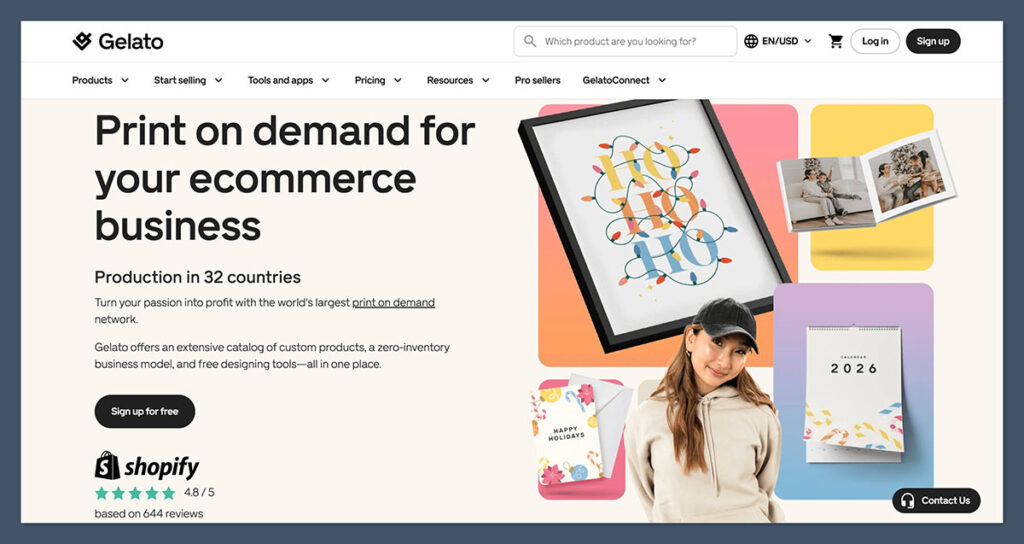
- The Geography of Fulfillment: Global brands can no longer rely on a single US hub. Gelato’s ability to fulfill 90% of orders within the destination country is a massive competitive advantage for international expansion, reducing shipping times and customs friction.
Conclusion: If you are a creator building a community-based brand, Fourthwall is your best partner. If you are building a pure-play fashion line where the woven tag and the weight of the fabric are your primary product features, your workflow should involve Apliiq for the branding or Tapstitch for the garment structure. Whatever path you choose, the days of launching a store without first conducting a rigorous three-sample wash test are over. In 2026, quality is not just a preference; it is a business requirement.
