
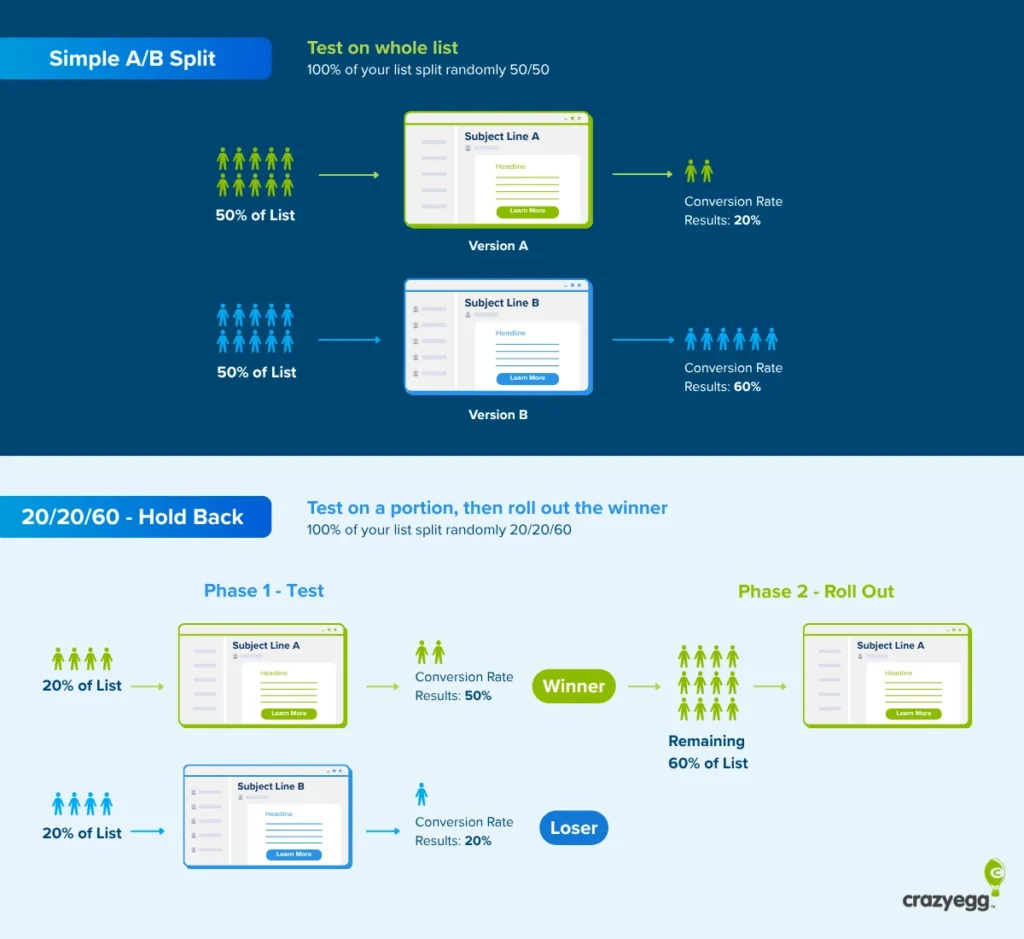
The Science of Precision: A Masterclass in Email A/B Testing for Modern Marketers
In the hyper-competitive landscape of digital marketing, intuition is no longer a viable strategy. As inboxes become increasingly crowded, the difference between a high-converting campaign and one that lands in the "Promotions" tab often comes down to minute details. This is where Email A/B testing—the gold standard of data-driven communication—becomes indispensable. By systematically comparing two versions of an email, marketers can move beyond guesswork and rely on empirical evidence to drive engagement, boost open rates, and maximize return on investment (ROI).
Understanding the Fundamentals of Email A/B Testing
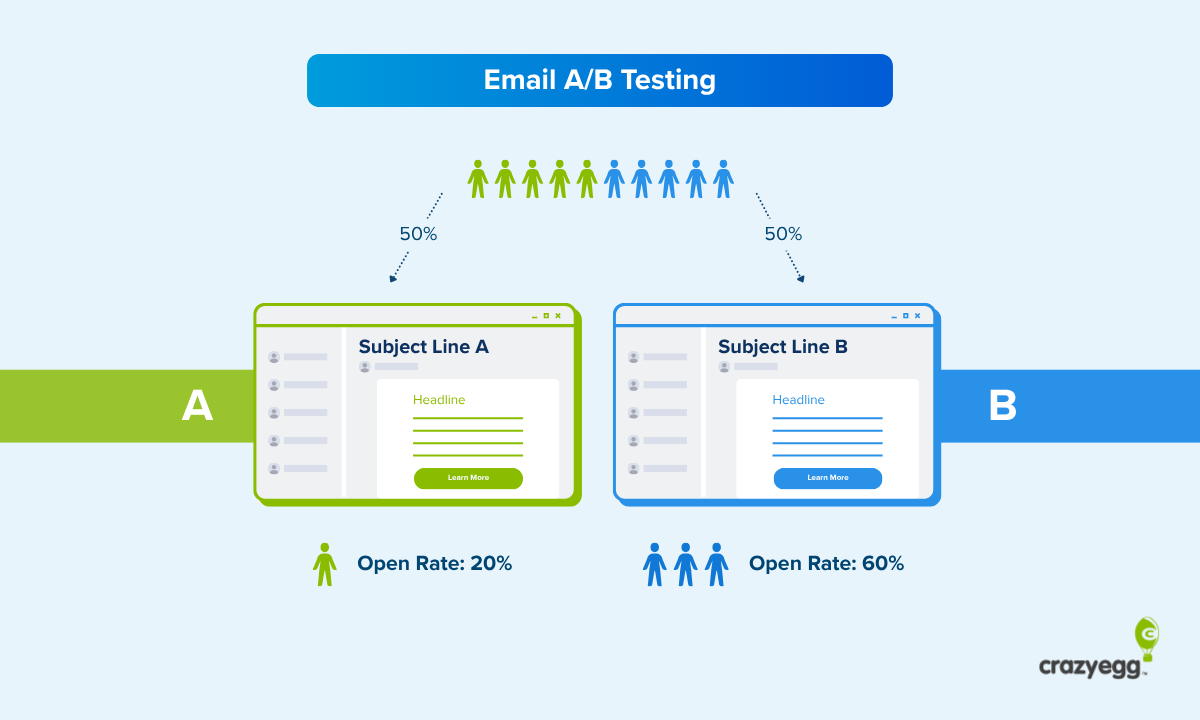
Email A/B testing, frequently referred to as split testing or bucket testing, is a controlled experimental methodology. At its core, it involves sending two distinct variations of a single campaign to two randomly selected, mutually exclusive segments of an email list. By isolating a single variable—such as a subject line, call-to-action (CTA) button color, or content layout—marketers can measure which version generates superior performance metrics, such as higher open rates, click-through rates (CTR), or conversion rates.
The "A" in the test represents the control—your baseline version—while "B" represents the variant, which introduces a specific, calculated change. This binary approach ensures that when a performance discrepancy emerges, the marketer can pinpoint exactly which element triggered the improvement, providing a roadmap for future optimization.
The Strategic Importance of Controlled Experimentation
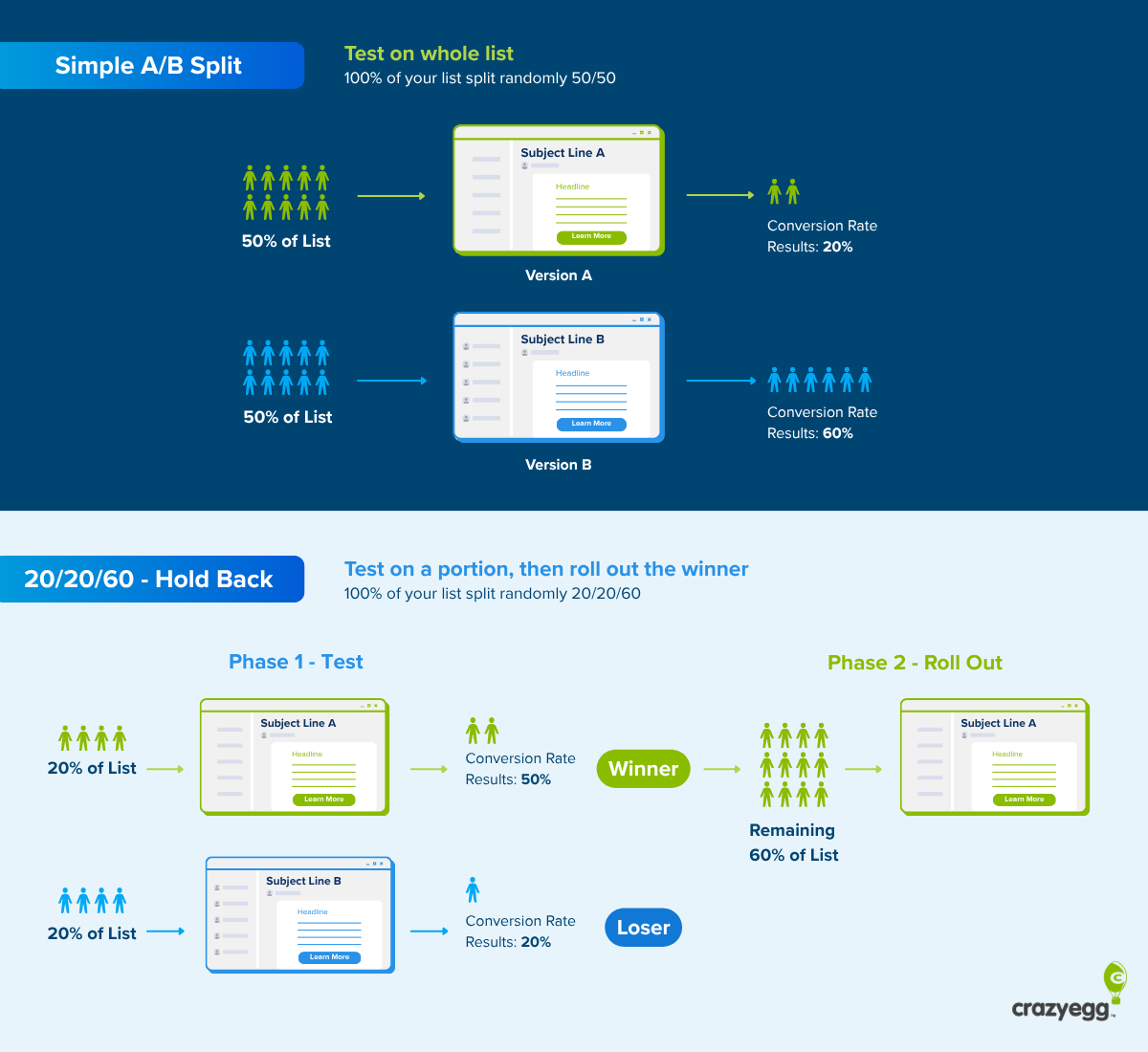
The primary advantage of A/B testing lies in its ability to mitigate risk and optimize resources. Rather than gambling on an entire list with an unproven creative concept, teams can deploy a test to a small percentage of their audience, analyze the results in real-time, and then send the winning version to the remainder of the list.
Beyond the immediate performance gains, A/B testing fosters a culture of continuous improvement. It transforms the marketing department from a creative "guessing game" into a rigorous, data-driven engine. By systematically testing hypotheses, teams gain profound insights into their specific audience’s psychology, preferences, and pain points, which often inform broader business strategies beyond email.
Determining Your Testing Roadmap: Where to Begin
Not every element of an email is created equal. To maximize the efficiency of your testing program, prioritize high-impact levers—elements that fundamentally alter the recipient’s decision to engage with the message.
High-Impact Levers (Start Here)
- Subject Lines: Often the sole factor in whether an email is opened. Testing different lengths, questions versus statements, or personalized versus generic lines is critical.
- The Offer: The core value proposition of your email. Test a discount versus a free trial, or different price points.
- Call-to-Action (CTA): The primary driver of conversion. Test phrasing (e.g., "Get Started" vs. "Claim My Bonus") and the physical prominence of the button.
- Email Body Content: The tone, length, and visual structure of the message.
Low-Impact Tweaks (Wait for Scale)
Unless your organization boasts a massive mailing list (100,000+ subscribers), avoid wasting statistical significance on minor aesthetic choices, such as font size, background color, or minor image adjustments. These variables rarely move the needle enough to justify the time and list-segmentation required to achieve reliable results.
The 9-Step Framework for Executing a Flawless Test
Executing a successful A/B test requires discipline and a structured workflow. Follow these nine steps to ensure your findings are valid and actionable:
- Formulate a Hypothesis: Start with a clear question. Instead of "Let’s test this," try: "I believe that using a question in the subject line will increase open rates by 5% because it creates a curiosity gap."
- Define Your Primary Metric: Choose one key performance indicator (KPI) that reflects the goal of the email. Is it the open rate, the click-through rate, or a post-click conversion?
- Choose Your Variables: Select one, and only one, variable to change. Changing multiple elements at once will contaminate your data, making it impossible to identify the cause of success.
- Segment Your Audience: Ensure that the two groups (A and B) are chosen randomly to avoid demographic bias.
- Determine Sample Size: Use an online statistical significance calculator to ensure your test reaches enough people to provide a reliable result.
- Execute the Split: Deploy the emails simultaneously to eliminate external factors, such as the time of day, which could skew results.
- Monitor Performance: Allow the test sufficient time to run—usually 24 hours for open/click metrics, or 3–7 days for complex conversions.
- Analyze and Conclude: Evaluate the data against your original hypothesis. Did the variant actually outperform the control?
- Scale the Winner: Once a winner is declared with statistical significance, roll out that version to the remainder of your audience.
The Critical Role of Statistical Significance
A common pitfall in email marketing is "premature declaration." Many marketers stop a test after seeing a 2% difference, assuming the winner is clear. However, without statistical significance, those results may simply be noise.
The industry standard is a 95% confidence level, meaning there is a less than 5% probability that the result occurred by chance. To ensure this, you generally need a minimum of 1,800 to 10,000 participants per variant. If your list is small, focus on building your audience through quality content rather than running inconclusive tests.
Pro Tip: Run an "A/A test" periodically. This involves sending two identical emails to two different groups. If one group significantly outperforms the other, your testing methodology, tracking, or segmenting process is flawed.
Leveraging AI in Modern Email Strategy
The evolution of generative AI has transformed A/B testing from a tedious manual chore into a streamlined, automated process. Leading platforms like Mailchimp, Klaviyo, and HubSpot now offer AI-driven features that can:
- Generate Variations: AI can draft dozens of subject line iterations based on historical performance data, saving hours of manual brainstorming.
- Predictive Send Times: Machine learning models analyze individual recipient behavior to determine the precise moment a user is most likely to engage, allowing for personalized "optimal send" A/B tests.
- Behavioral Scoring: AI can segment your list based on intent, allowing you to test specific offers against high-intent versus low-intent users, creating a hyper-personalized experience.
Addressing Common Challenges: FAQs
How do I run tests without a sophisticated ESP?
If you are using manual tools like Gmail, use an add-on such as Gmass, which allows for list splitting and basic tracking. Alternatively, you can use a spreadsheet to create two random lists and apply unique UTM tags to your links. By tracking these UTMs in Google Analytics, you can identify which link drove more traffic, even without automated A/B software.
What is the difference between A/B and multivariate testing?
A/B testing is surgical; it tests one change to identify a single winner. Multivariate testing is experimental; it tests multiple variables simultaneously to find the best combination. While powerful, multivariate testing requires significantly larger audiences to reach statistical significance.
When should I stop a test?
Subject line tests are usually resolved within 24 hours. However, if your test is tracking revenue or long-term engagement, give it 3 to 7 days to account for users who open emails at different times of the week.
Conclusion: The Path Forward
Email A/B testing is not merely a technical task; it is a commitment to the user experience. By consistently challenging your assumptions and listening to what your data tells you, you create a dialogue with your audience that is both relevant and valuable. Whether you are a small business owner or a marketing director at a global firm, the disciplined application of A/B testing will ensure your brand remains competitive in an increasingly crowded digital inbox. Start small, remain rigorous, and let the data lead the way.
