

The Rise of the "Zombie Automation": Why Your AI Strategy Might Be Driving Customers Away
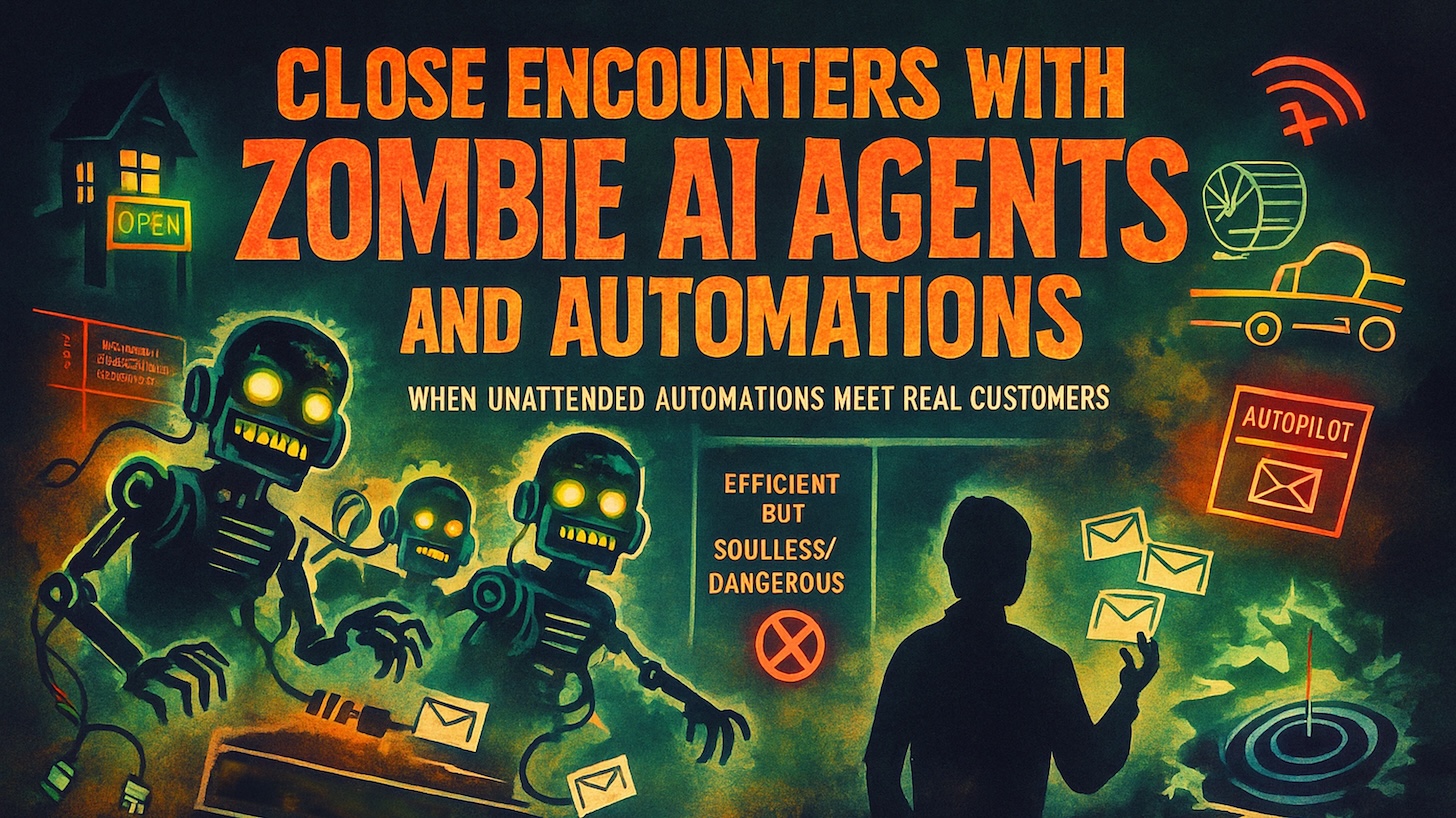
The lights are on, but nobody’s home. The engine’s running, but no one’s driving. The wheel is spinning, but the hamster is long gone. Whether you view these metaphors as comical or cautionary, they perfectly encapsulate a growing crisis in the modern marketing technology (martech) landscape: the era of "zombie automations."
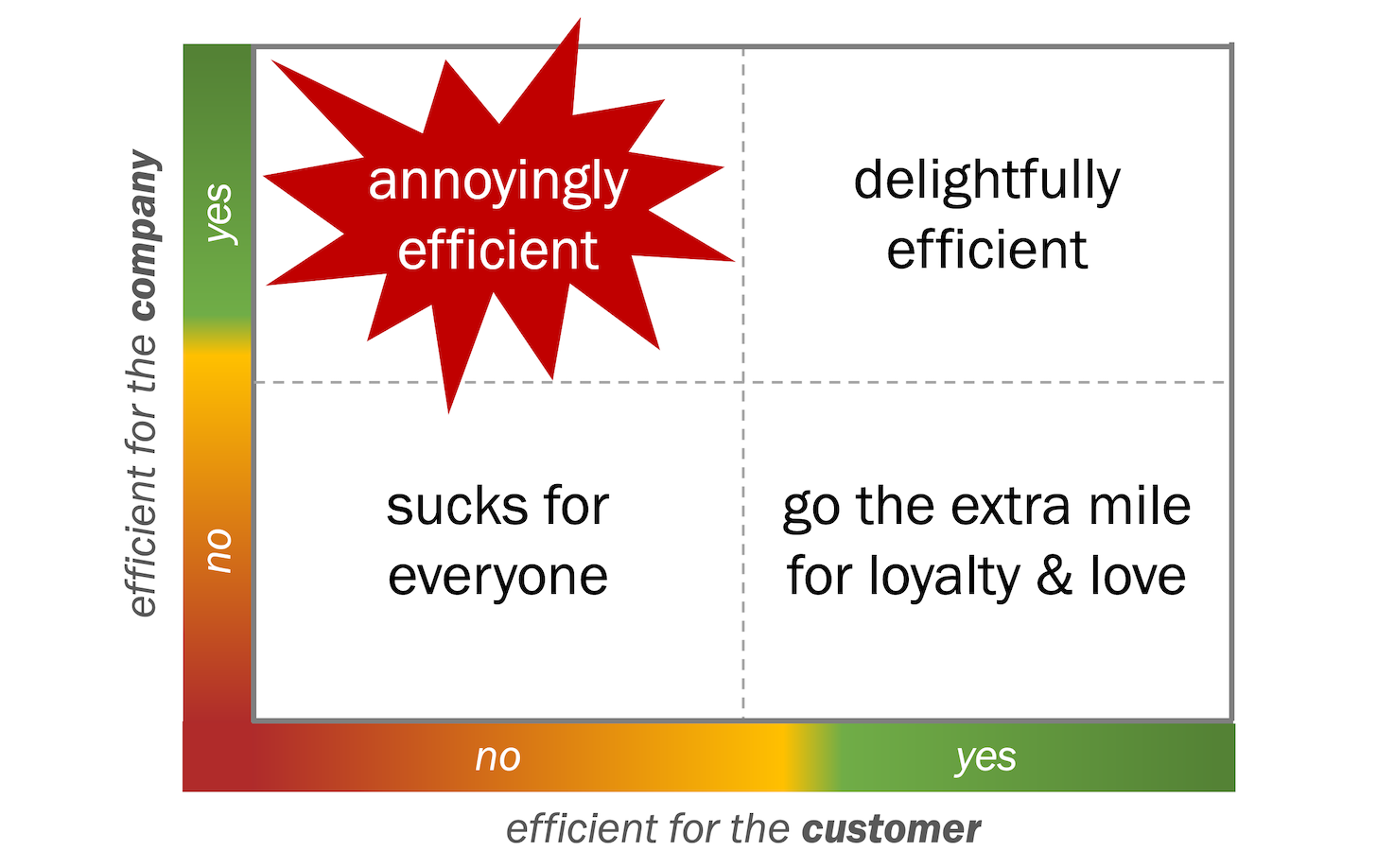
As businesses scramble to integrate generative AI and autonomous agents into their customer-facing workflows, a troubling pattern has emerged. Companies are achieving "annoying efficiency"—a state where systems are perfectly optimized for internal cost-cutting or lead-volume metrics but are disastrously misaligned with the actual customer experience.
The Disconnect: Efficiency vs. Empathy
In the last several weeks, I have encountered AI agents and automated workflows at two distinct martech companies—one as a paying customer, the other as a potential prospect. Both experiences highlighted a fundamental failure in the current AI gold rush: the belief that automation is a "set it and forget it" solution.
When we map these experiences onto an efficiency matrix, we find that these companies have successfully occupied the upper-left quadrant: highly efficient for the organization, but deeply inefficient (and frustrating) for the customer. While the irony of martech companies failing at their own craft is palpable, the lessons to be drawn are universal for any business leveraging digital transformation.
Chronology of a Customer Service "Black Hole"
Consider the case of a SaaS product I subscribe to. For weeks, I received a perfectly cadenced, genuinely helpful series of onboarding emails from a generic alias: [email protected]. The content was high-quality, the timing was impeccable, and the tone was spot-on.
Then, I encountered a billing issue.
- The Inquiry: I searched the company’s internal help documentation and account settings. Every signpost directed me to [email protected] for support. I sent a polite email outlining my billing discrepancy.
- The Silence: Days passed without an acknowledgement, an automated receipt, or a human response.
- The Follow-up: I sent a second inquiry, assuming the first had been lost in a spam filter. Again, silence.
- The Insult: While my urgent billing question remained ignored, the system continued to fire off cheerful, automated onboarding tips. The juxtaposition of a "friendly" onboarding email arriving while my support request was being buried created a sense of systemic gaslighting.
- The Escalation: I replied to one of the onboarding emails, specifically asking to be directed to the correct billing department. The system remained oblivious, continuing its pre-programmed path.
From an operational standpoint, this is a clear case of "routing failure." Multiple teams likely share an inbox, governed by fragile, legacy automation rules. Perhaps an LLM attempted to triage my message and failed, or a RAG (Retrieval-Augmented Generation) lookup for my account profile timed out. The tragedy is that the company has built a high-functioning onboarding machine that is effectively blinded by its own inability to handle edge cases.
The "Hyper-Personalization" Paradox
In a separate instance, I downloaded a whitepaper from a martech vendor. Within minutes, I received a personalized email from a sales representative.
This message was a masterclass in generative AI production. It referenced my specific work, raised a relevant concern about AI in the industry, and asked an insightful, human-sounding question. It was clearly the work of an AI SDR (Sales Development Representative) agent.
I replied, commending their response time and gently explaining that I wasn’t a sales prospect, just a researcher. I assumed this would trigger a "hand-off" to a human. Instead:
- The Silence: My reply went into the void.
- The Non Sequitur: A few hours later, I received a completely different email from the same "rep," but it was formatted with generic, old-school placeholders like Hello, $FIRST-NAME. It ignored our previous exchange entirely and pitched a demo for a product irrelevant to my interests.
- The Data Contamination: A week later, I received another automated blast. This time, the AI attempted to insert my company name into the copy, but it pulled an entirely incorrect, mismatched data point.
The diagnosis? The organization had deployed an AI SDR agent that lacked a feedback loop with their primary CRM. Once I replied, the AI agent didn’t know how to process the human language, so it simply offloaded me into a "cold outreach" sequence. The result was a catastrophic failure of brand trust caused by "cross-contaminated" data and a complete lack of synchronization between the AI agent and the human sales team.
Supporting Data: Why Martec’s Law Still Reigns
These incidents are not anomalies; they are symptoms of Martec’s Law: Technology changes quickly, but organizations change slowly.
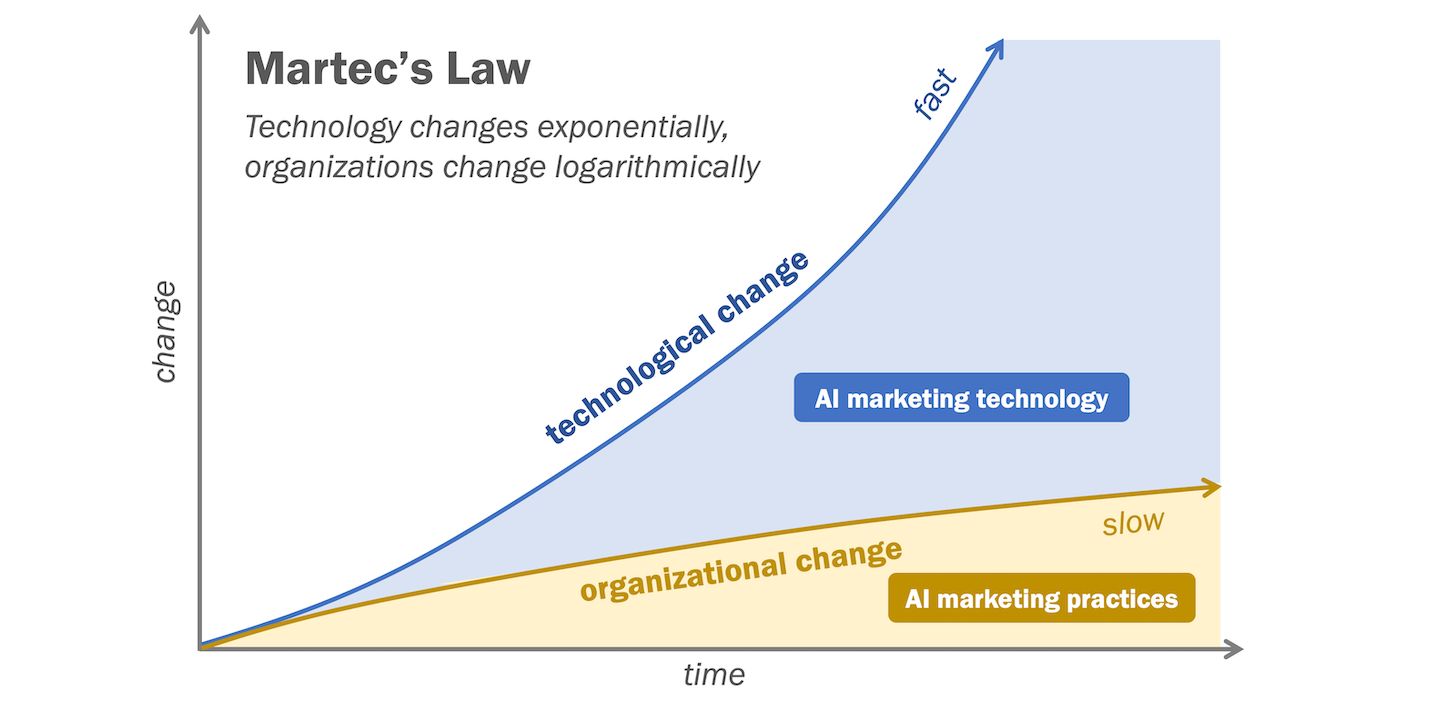
For seventeen years, I have observed that businesses consistently underestimate the human and process-based structural changes required to support fast-moving technology. When top-down mandates demand "AI adoption," teams often rush to deploy tools without auditing the underlying data foundations or the downstream ripple effects.
The "zombie" nature of these automations stems from three main technical and organizational deficits:
- Fragmented Tech Stacks: The "lab" (experimental AI tools) is rarely integrated with the "factory" (the established CRM/ERP systems).
- Lack of Governance: There is no "human-in-the-loop" oversight for automated agents once they are deployed.
- Data Silos: Automated sequences operate in a vacuum, oblivious to the fact that a customer has already been contacted or has already engaged in a different channel.
Implications for the Future of Martech
The implications of these failures are severe. Companies that rely on "black box" automation risk alienating their most valuable customers. When a brand’s automation is perceived as "zombie-like"—unresponsive, repetitive, and context-blind—it erodes the brand equity that the marketing team has spent years building.
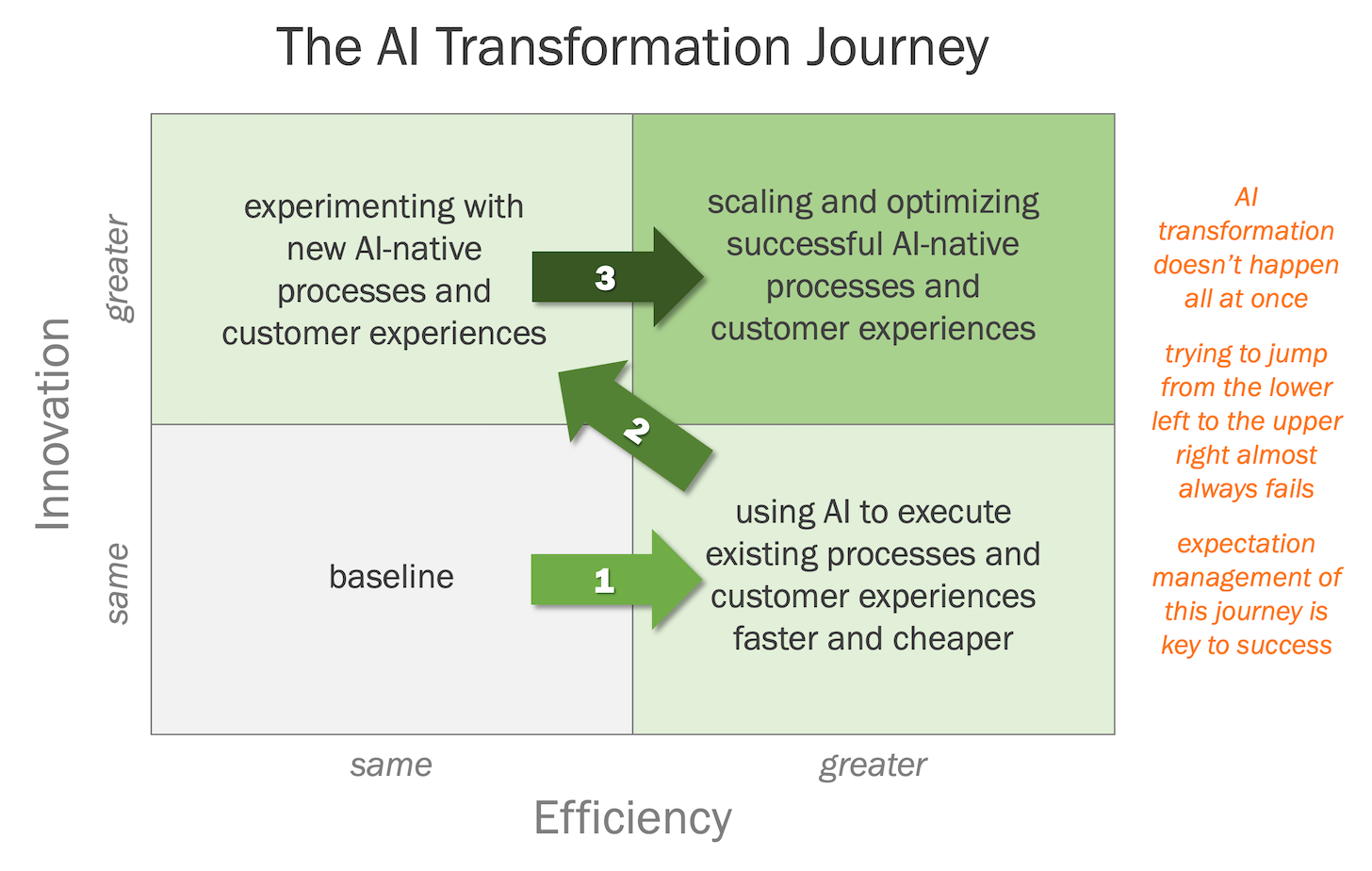
Moving forward, the industry must shift from a "move fast and break things" mindset to a "go slow to go fast" approach. This doesn’t mean slowing down innovation; it means hardening the infrastructure around those innovations.
Strategic Recommendations for Organizations
To avoid these pitfalls, leadership must implement rigorous operational discipline:
- Mandatory Human Backstops: No matter how sophisticated an AI agent becomes, there must always be a "break-glass" protocol that allows a customer to reach a human. If a customer is frustrated, the system should be smart enough to detect the sentiment and escalate to a live agent.
- Secret Shopper Exercises: Organizations should regularly task employees—or better yet, external consultants—with traversing the entire customer journey. You cannot debug a system you only look at from the management dashboard.
- Regular Agent Audits: Just as elevators and HVAC systems require periodic inspections, every active AI agent or automation sequence must be reviewed. Are the assumptions still valid? Is the data clean? Has the context changed?
- Integrated Feedback Loops: If a rep’s name is being used on an email, the rep must be looped in. The AI should not be an autonomous actor acting in spite of the sales team, but rather a tool supporting them.
- Separate the Laboratory from the Factory: Distinguish between experimental AI pilots and production-grade workflows. Keep your "lab" experiments away from the revenue-generating "factory" until they are battle-tested and fully integrated.
Conclusion: The Era of Orchestration
Building an automation is becoming trivial. Orchestrating a coherent, human-centric, and reliable customer experience across multiple AI touchpoints is the new competitive frontier.
We are currently in a period of intense, high-gear disruption. It is easy to be seduced by the allure of "hyper-personalization" and "automated efficiency." However, as these examples demonstrate, without good operational discipline, we are simply creating more sophisticated ways to ignore our customers. The future of martech belongs not to those who deploy the most agents, but to those who best manage the human-AI hybrid. Otherwise, we are all just destined to spend our time "herding cats"—or worse, being the zombie agents in someone else’s broken funnel.
