
The Power of the Human Network: How Employee Advocacy is Reshaping Modern Brand Strategy
In the rapidly evolving landscape of 2026, the traditional corporate "megaphone" is losing its resonance. As social media algorithms prioritize personal connection over polished corporate broadcasts, brands are finding that their most valuable marketing assets aren’t paid influencers or viral advertisements—they are their own employees.
Employee advocacy—the practice of empowering staff to share company news, industry insights, and workplace culture on their personal social media accounts—has transformed from a "nice-to-have" engagement tactic into a critical business imperative. With trust in institutions declining globally, individuals have emerged as the most credible voices in the digital marketplace.

The Evolution of Trust: What is Employee Advocacy?
At its core, employee advocacy is the deliberate effort by an organization to turn its workforce into brand ambassadors. It is not merely asking staff to "like" a post; it is a structured approach to providing employees with the resources, curated content, and encouragement to share their authentic perspectives on their professional lives.
While platforms like LinkedIn remain the primary stage for this activity—given its 1 billion-strong membership—advocacy is increasingly bleeding into X, TikTok, and niche industry Slack communities. Whether organic or driven by formal programs, the goal is consistent: to humanize the brand.

Distinguishing Advocacy from Influencer and Brand Marketing
To understand the current shift, one must distinguish between the three primary pillars of modern digital promotion:
- Influencer Marketing: Relies on external creators, usually incentivized through payment, to push a message to their existing audience. It is transactional and audience-focused.
- Brand Advocacy: Comprises customers and loyal fans who promote a product based on their personal user experience. It serves as social proof.
- Employee Advocacy: This is internal and rooted in professional identity. It is built on a genuine connection to the workplace, creating a layer of trust that external marketing simply cannot replicate.
Chronology and the Rise of the "Human-First" Strategy
The movement toward employee advocacy did not happen overnight. It is the result of a long-term decline in consumer trust toward corporate entities. According to the 2026 Edelman Trust Barometer, global trust in traditional institutions has shifted toward insularity, with individuals now trusting personal networks at a rate of 78%.
The Shift to Decentralized Content
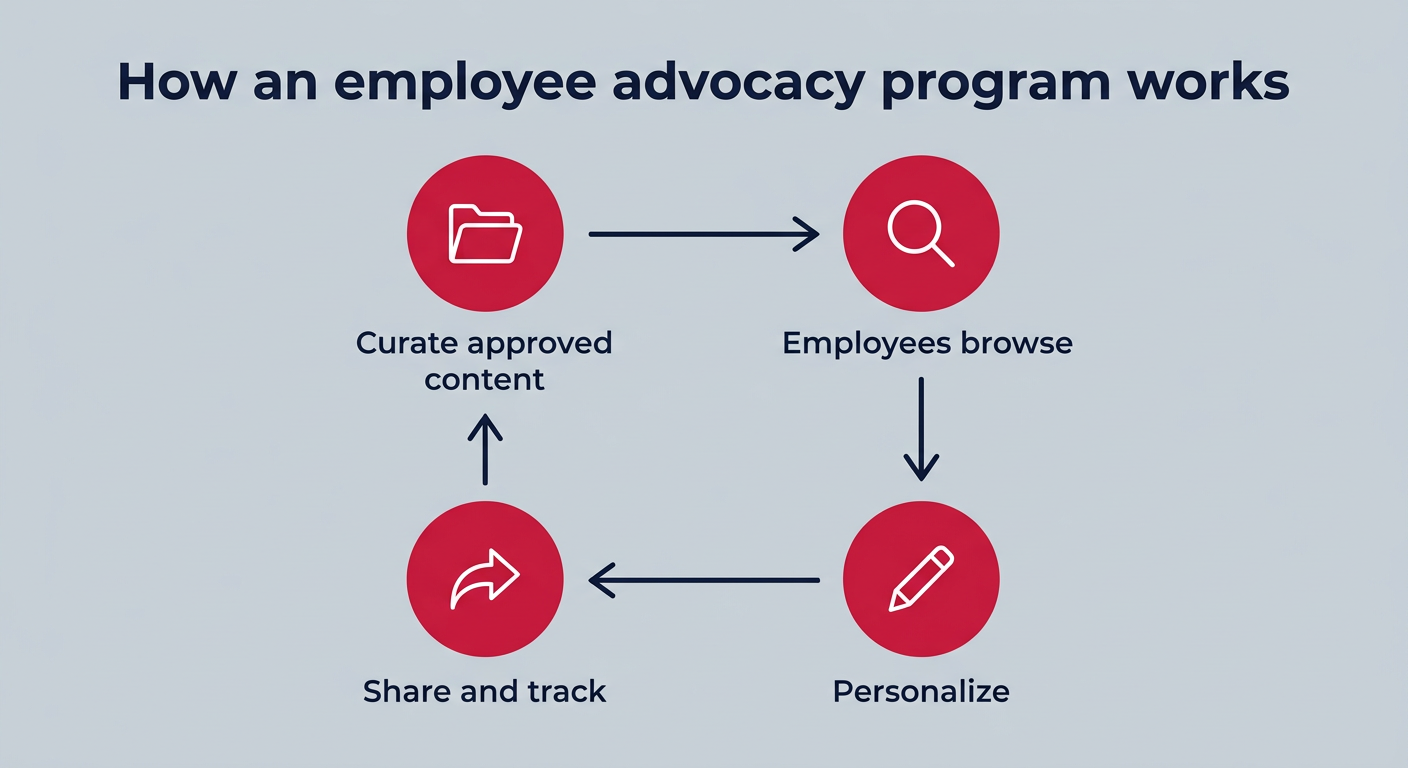
Historically, marketing departments controlled the narrative through top-down communication. However, as social algorithms began favoring personal profiles over business pages to combat "ad fatigue," reach for brand-owned channels began to plateau.
In response, companies like Hootsuite pioneered the use of advocacy platforms like "Parliament." By allowing employees to seamlessly bridge the gap between their daily work and their social network, these organizations tapped into a reach potential that is, on average, 10 times larger than their official company following.
Supporting Data: Why People Listen to People
The metrics supporting the move to employee-led advocacy are compelling. Research indicates that 60% of consumers place more trust in a creator or individual’s commentary on a brand than in the brand’s own marketing collateral.
The Hootsuite Benchmark
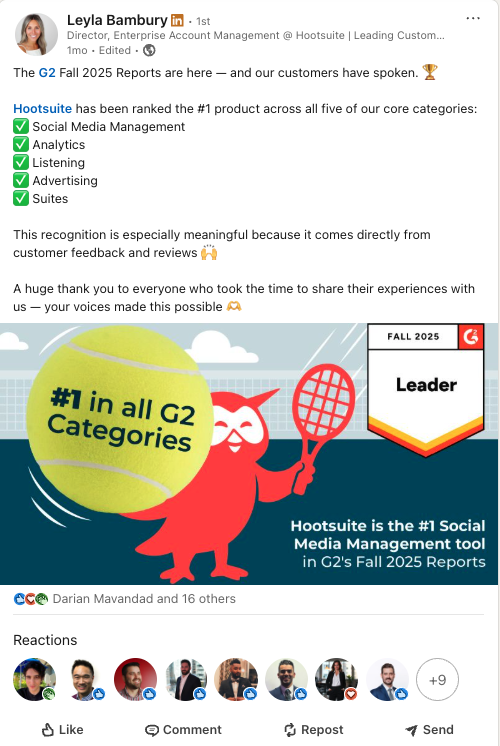
Internal data from Hootsuite provides a roadmap for what success looks like in a mature program. Currently, 40% to 50% of the company’s workforce participates in their advocacy efforts, with each employee sharing roughly 1.2 posts per week. The results are significant:
- Average reach per post: 21,920 impressions.
- Engagement: Each post generates an average of 8.8 shares.
- Peak Performance: Top-performing posts have reached over 207,000 users, demonstrating the exponential power of employee networks.
Real-World Success Stories
- Carahsoft: By empowering staff to share partner and event content, the firm generated 8,700 new website visits directly from employee posts.
- Athletico Physical Therapy: By mobilizing their therapists and trainers, they achieved a 40% growth in reach, proving that industry expertise is a powerful driver of engagement.
- DaVita: By encouraging employees to share authentic "day-in-the-life" content, the healthcare giant saw a 136% increase in traffic to their career site and a 27% year-over-year lift in job applications.
Strategic Implications: Building a Sustainable Program
Launching an advocacy program is not as simple as asking employees to post more. It requires a foundational shift in how a company views its digital footprint.
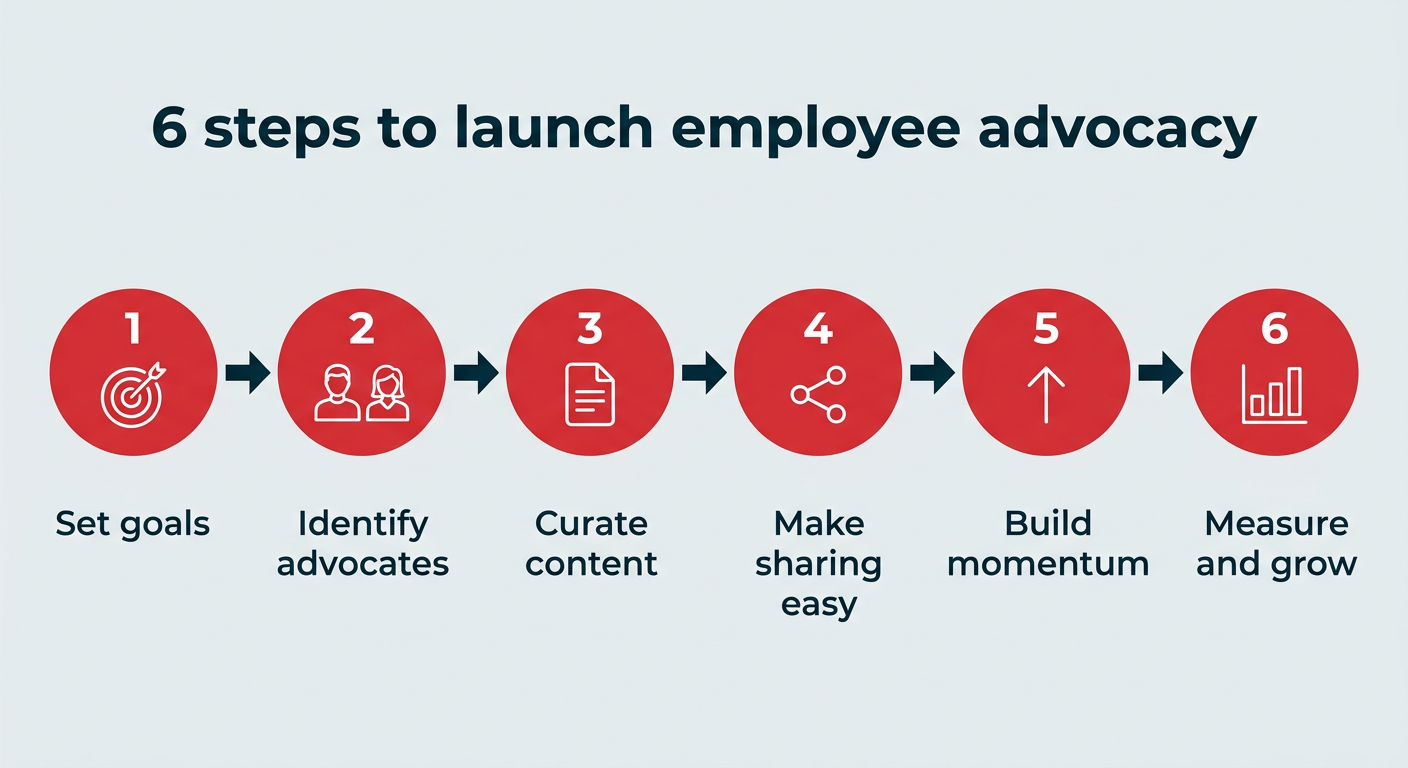
Step-by-Step Launch Framework
- Leadership Buy-in: Advocacy must start at the top. When leadership models behavior, the rest of the organization follows.
- Identify Natural Ambassadors: Start with "early adopters"—employees who are already active and enthusiastic about the brand.
- Curate, Don’t Mandate: Avoid corporate "buzzword-heavy" content. Focus on behind-the-scenes stories, wins, and cultural milestones.
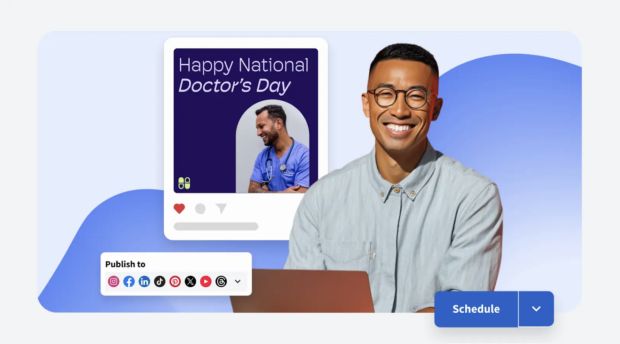
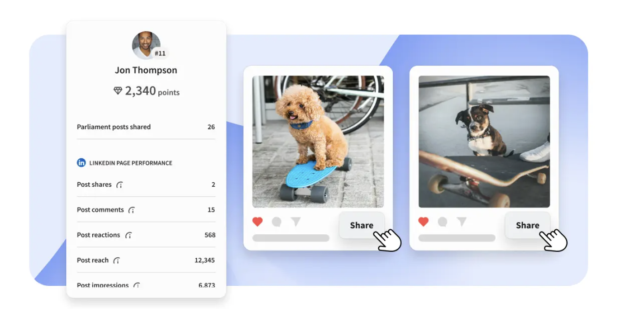
- Remove Friction: Utilize platforms like Parliament by Hootsuite to allow employees to browse and post with a single click.
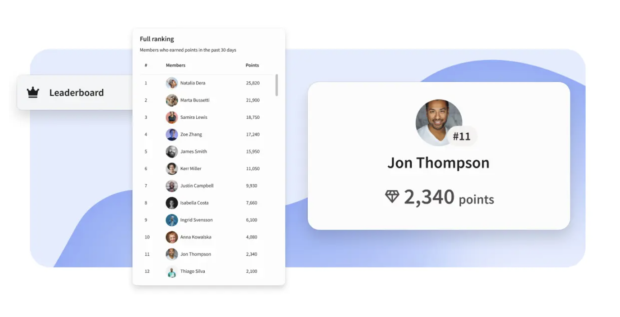
- Gamification: Implement leaderboards and incentives to foster a healthy, competitive culture.
- Measure and Iterate: Use data to track what resonates and constantly refine the content mix.
The Role of AI in 2026
Artificial Intelligence has become the backbone of modern advocacy. Rather than manually curating content, AI-powered tools now surface relevant news and industry insights tailored to specific departments. AI also helps employees draft posts, removing the "blank page" syndrome that often prevents participation. As the industry moves forward, AI acts as an orchestrator, removing the friction that traditionally kept advocacy programs limited to small pilot groups.
Governance and Compliance: The "Guardrails" Approach
One of the most significant concerns for legal and HR teams regarding employee advocacy is risk management. While the goal is authenticity, there must be clear guidelines.
Do’s:
- Encourage personal opinions and professional insights.
- Advocate for industry thought leadership.
- Use standard, pre-approved disclaimers.
Don’ts:
- Share confidential client or patient information.
- Use inflammatory language or engage in brand-damaging arguments.
- Represent the company on sensitive legal matters without prior clearance.
For highly regulated industries, platforms like Hootsuite’s "Vigil" provide a governance layer that includes role-based permissions and audit trails, ensuring that even as the program scales, compliance remains airtight.

The Future: Investing in the Professional Brand
Ultimately, the most successful advocacy programs are those that benefit the employee as much as the company. When a professional uses their voice to champion their workplace, they are also building their own "personal brand."
As we look toward the latter half of 2026, the distinction between the "corporate brand" and the "employee brand" will continue to blur. Companies that treat their workforce as their primary marketing department will not only see higher engagement and better recruitment results but will also foster a culture of pride and belonging.
In an era of artificial content, the human voice remains the most authentic—and therefore the most effective—tool in the marketer’s kit. By giving employees the tools to tell their stories, companies are not just expanding their reach; they are building a foundation of trust that is immune to the volatility of traditional advertising.
