

The New Financial Frontier: Why Social Media is No Longer Optional for Banks
In the modern financial ecosystem, the traditional image of a marble-columned bank branch has been superseded by the thumb-scrolling interface of a smartphone. As digital transformation reshapes the banking industry, social media has evolved from a peripheral marketing experiment into a critical pillar of institutional survival, trust-building, and lead generation.

For financial institutions, the question is no longer "should we be on social media?" but rather "how can we navigate this space to meet the demands of a digitally native generation?" With nearly 62% of bank marketing budgets now allocated to digital channels, social media has become the primary battleground for customer acquisition and brand loyalty.

The Shift in Financial Literacy: Why Banks Must Pivot
Financial decision-making has undergone a seismic shift. No longer confined to private meetings with wealth advisors or glossy printed brochures, financial education has migrated to the feeds of YouTube, Reddit, and TikTok.
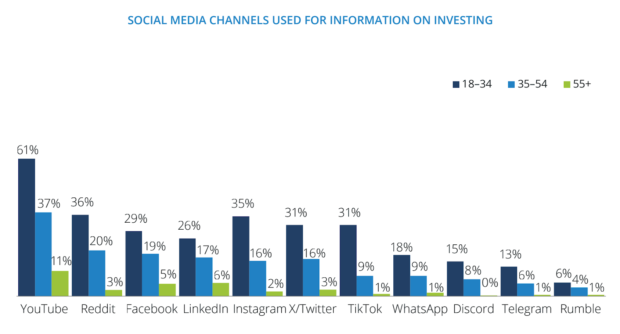
According to research from the FINRA Foundation, 29% of investors now use social media and online message boards to source ideas for investment decisions. This trend is even more pronounced among the younger demographic. Data from Gallup indicates that 42% of Americans aged 18 to 29 turn to social media for financial guidance. Perhaps most notably, 61% of investors under the age of 35 have reported taking action based on recommendations from so-called "finfluencers."

This movement creates a dual reality for established banks. On one hand, the audience is actively seeking information, creating a massive opportunity for banks to position themselves as the "trusted expert." On the other hand, the rise of unregulated finfluencers has created a fragile environment where credibility is easily eroded. Banks that fail to provide clear, transparent, and accurate information online risk being sidelined by creators who, while charismatic, may lack the regulatory rigor and fiduciary responsibility of established institutions.
Chronology of the Digital Transformation in Banking
The adoption of social media by the banking sector has been a gradual, often cautious, evolution:
- The Early 2010s: The Era of Caution. Banks approached social media with extreme trepidation, viewing platforms primarily as a customer support channel for addressing complaints rather than a proactive marketing tool.
- The Mid-2010s: Experimentation. Institutions began testing the waters with brand awareness campaigns, primarily on Facebook and LinkedIn, focusing on corporate social responsibility and community involvement.
- The Late 2010s: Regulatory Alignment. The development of robust social media governance tools allowed banks to scale their presence while remaining compliant with SEC and FINRA regulations, leading to a surge in official, branded content.
- 2020–Present: The "Humanization" Phase. Banks have begun to adopt the "creator economy" model. By leveraging short-form video, employee advocacy programs, and transparent educational content, institutions are now working to bridge the gap between institutional authority and relatable, human-centered communication.
Supporting Data: The ROI of Engagement
The numbers behind social media integration are compelling. With consumer banking digital ad spend approaching $370 million per quarter, the financial stakes are high. A 2023 American Bankers Association (ABA) report found that 88% of banks are now actively operating on social platforms, recognizing that absence in the digital space is effectively ceding market share to competitors.
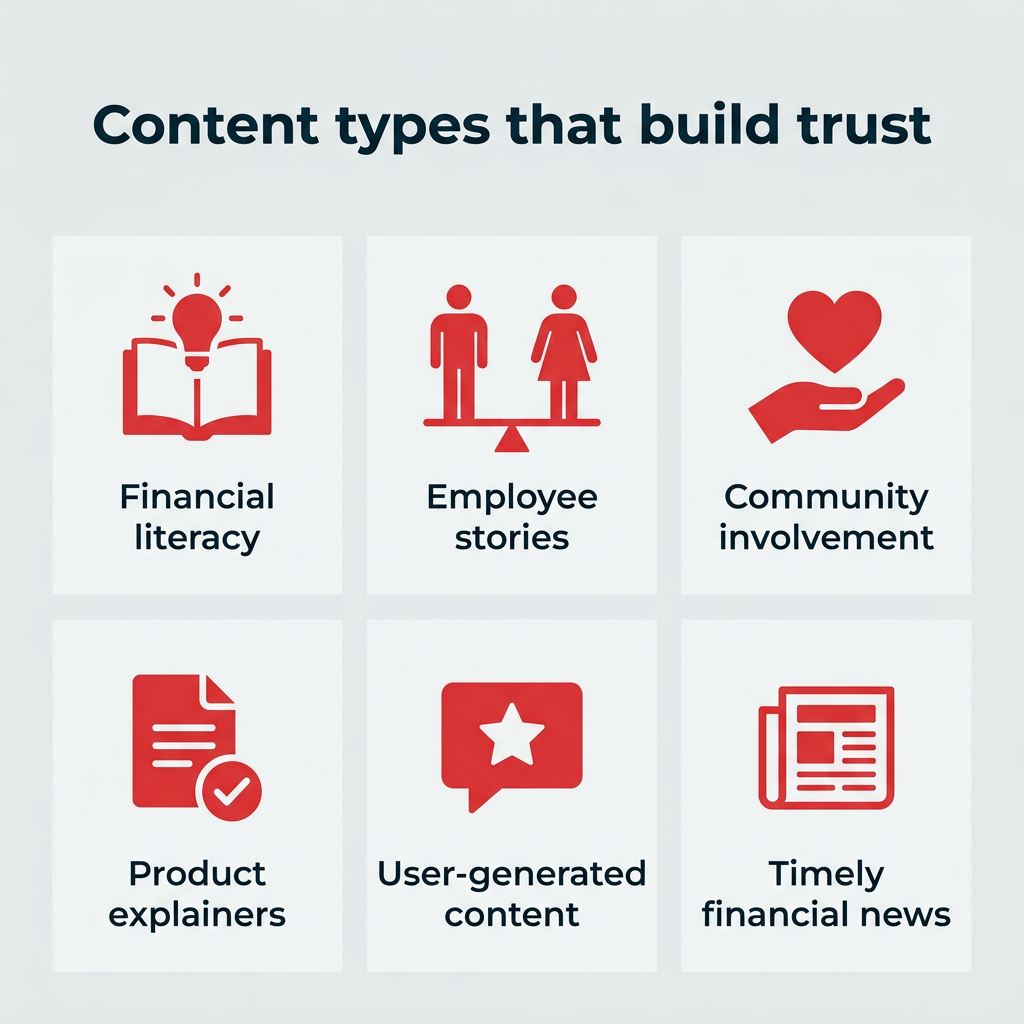
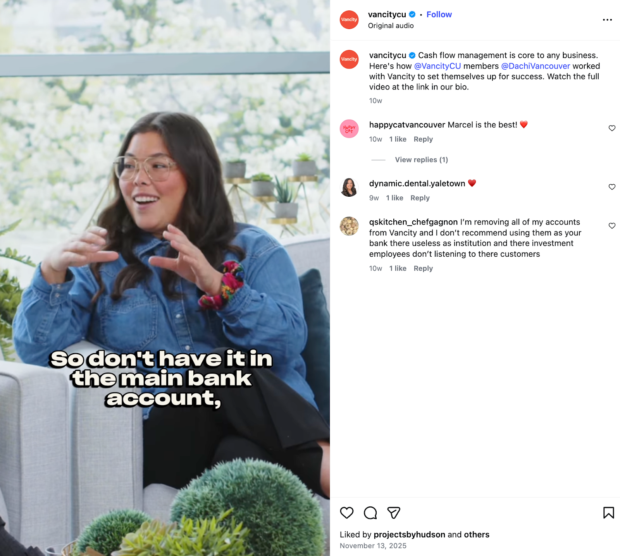
The effectiveness of these efforts is measured through a sophisticated mix of engagement and conversion metrics. When organizations like Securian Financial implemented content-driven campaigns—such as their #LifeBalanceRemix—they moved beyond simple "likes" to measure meaningful interaction. By utilizing social listening to understand audience sentiment and integrating user-generated content (UGC), banks have seen measurable upticks in brand trust and community engagement.

The Platform Strategy: Where Banks Should Play
Not every platform serves every bank. Effective strategy requires a surgical approach to platform selection, guided by audience demographics rather than passing trends.

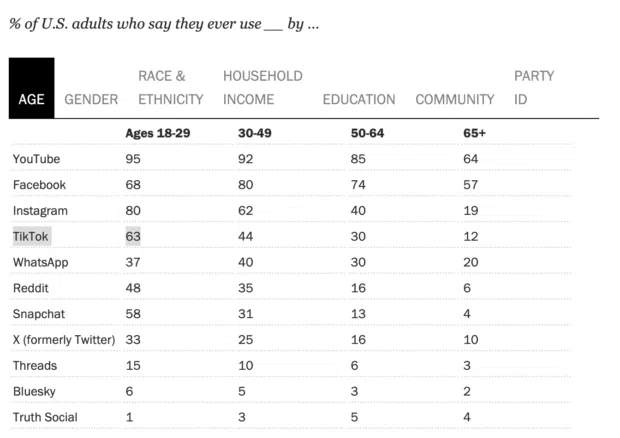
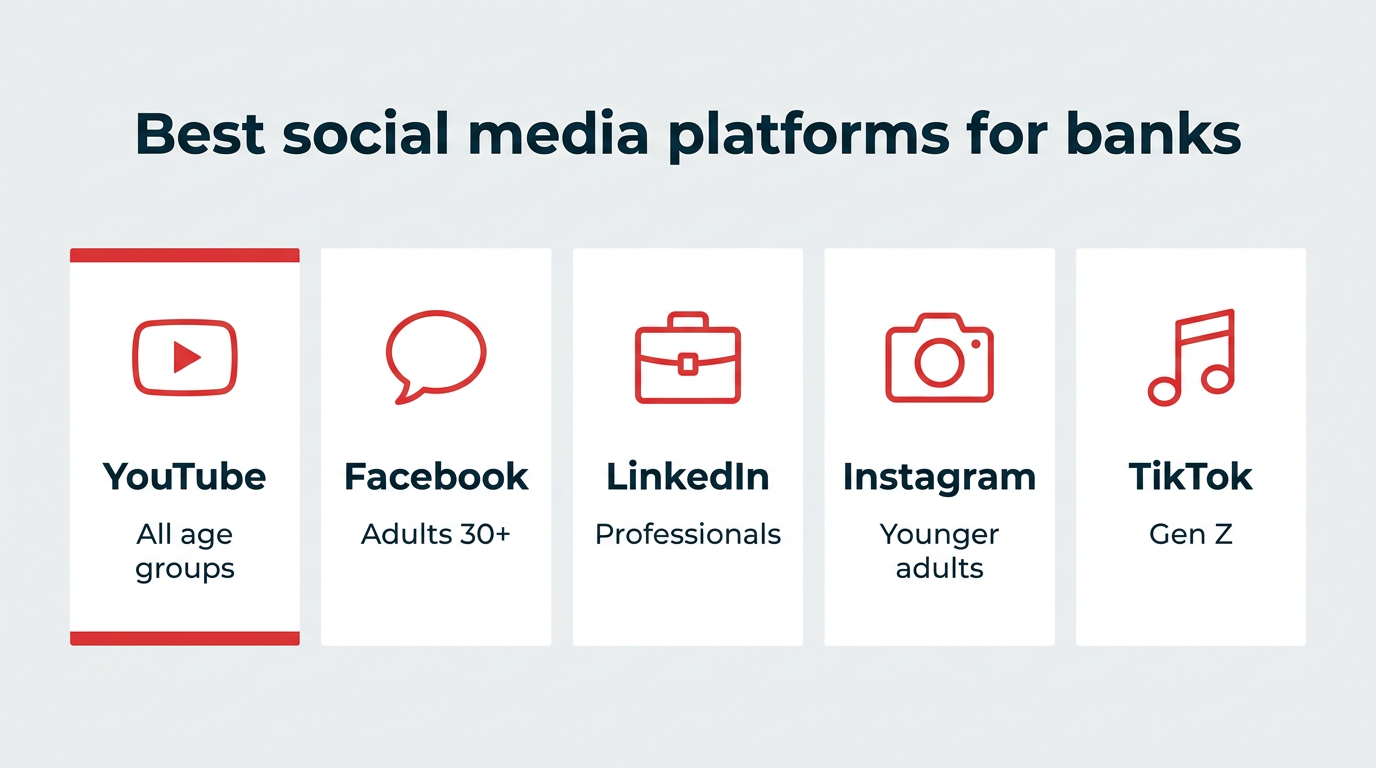
- YouTube: As the dominant search engine for video content, YouTube is the cornerstone for long-form financial literacy. With 95% of adults aged 18–29 using the platform, it is the premier space for deep-dive webinars and financial explainers.
- Facebook: Despite shifts in user behavior, Facebook remains the most effective tool for reaching audiences over the age of 30, offering unparalleled tools for local community engagement.
- LinkedIn: The professional network of choice, ideal for B2B banking, recruitment, and high-level thought leadership.
- TikTok & Instagram: The vital hubs for reaching Gen Z. These platforms demand "bite-sized" content that prioritizes personality and rapid-fire financial tips over dense, formal messaging.
Leen Li, Chair of the Wealthsimple Foundation, emphasizes that even the best content fails if it doesn’t meet the audience on the right platform. "You can have the best product and content, but if you can’t distribute to your audience on the proper platform, you’re not going to hit your goal," she notes.

Managing Risk: Compliance as a Core Competency
The primary barrier to entry for many banks remains the complex web of compliance. Regulations set by the SEC, FINRA, the OCC, and the FDIC are non-negotiable. An unauthorized post or a comment that promises unrealistic returns can trigger significant legal and financial penalties.

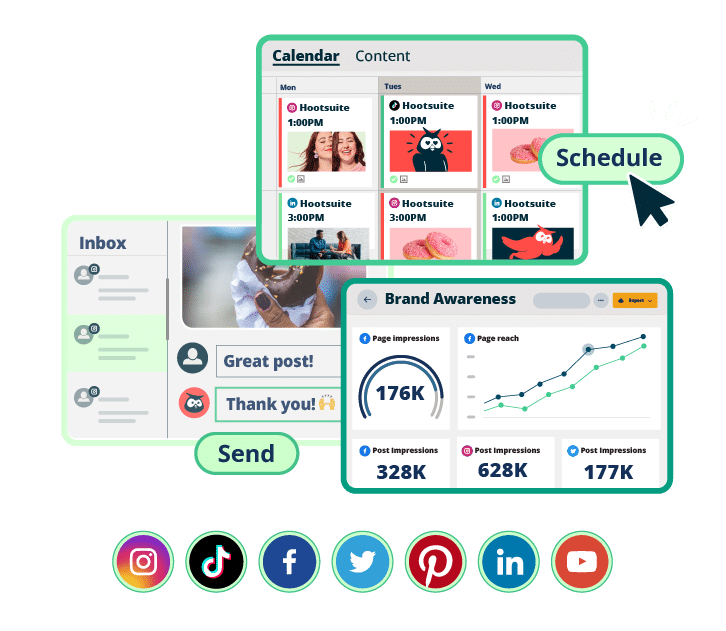
However, the industry has responded with advanced governance. Tools like Hootsuite Social OS allow for the creation of "Vigil" layers—systems that provide governance, automated approval workflows, and archival capabilities. For major financial groups, such as the Swiss firm SIX, these automated security measures are essential for monitoring for cyber threats, such as imposter accounts or malicious phishing attempts.
Beyond technical tools, the human element of compliance is equally critical. Implementing a robust "social media governance policy" is mandatory. This document should define:

- Rules of Engagement: Who is authorized to speak for the bank?
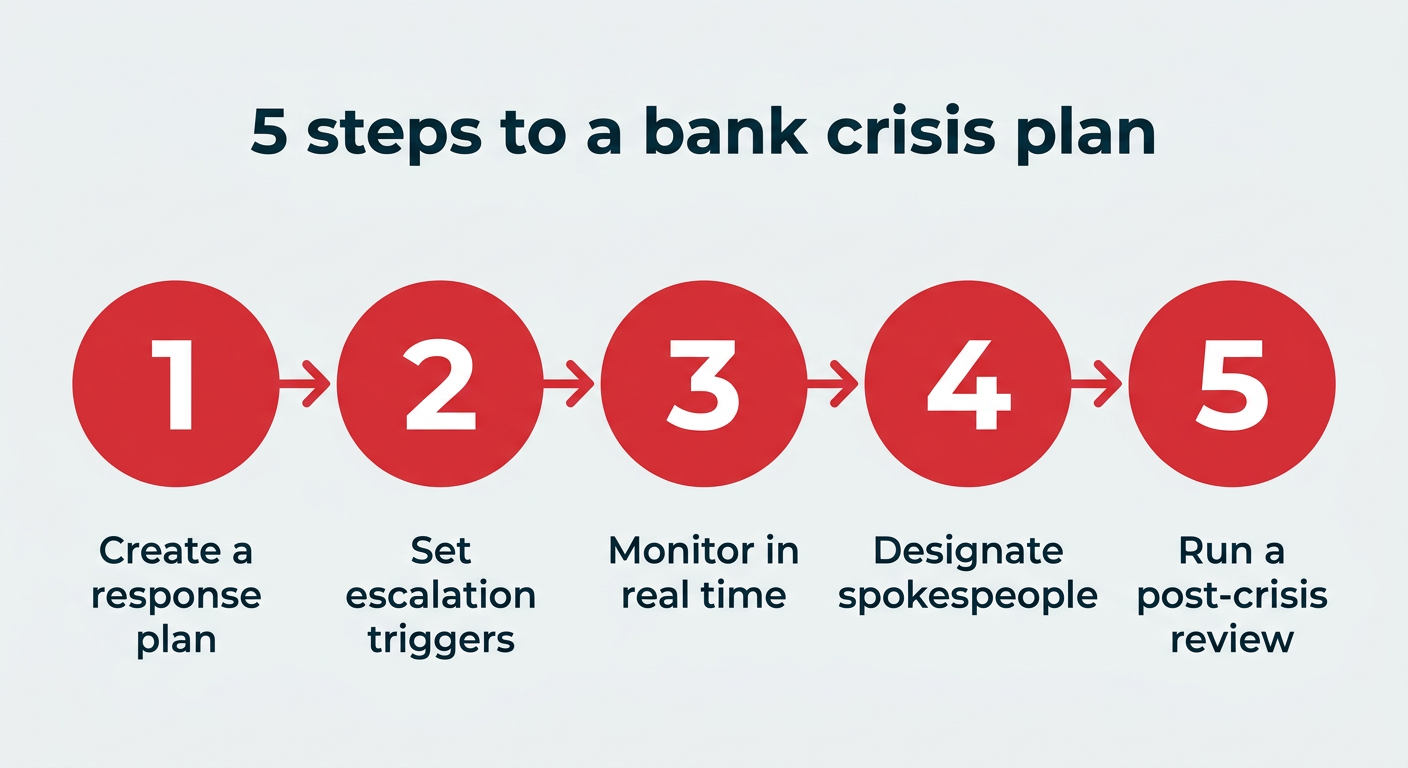
- Crisis Response Protocols: A step-by-step guide for handling negative sentiment or misinformation.
- Employee Advocacy Guidelines: Training internal staff to share brand-approved content safely.
Implications: The Future of Trust
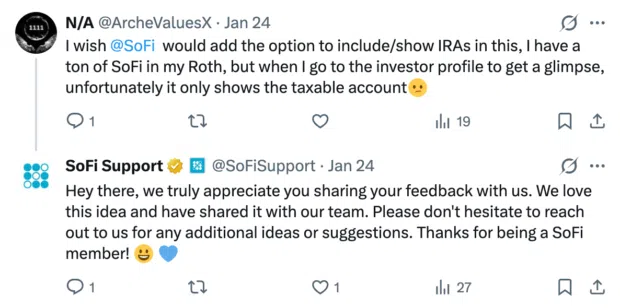
The implications of this shift are profound. Banks are no longer just repositories for capital; they are becoming content creators. The future of banking lies in "people-forward" marketing. By sharing behind-the-scenes glimpses of employee life, showcasing client testimonials, and maintaining a two-way dialogue with customers, banks can shed their impersonal reputation.
Transparency regarding the use of AI in financial content is the next frontier. As we head toward 2026, banks that are upfront about their use of automated tools will likely gain an edge in a climate where "fake" content is a growing concern for consumers.
Conclusion: A Call to Action
The path forward for banks is clear. Success requires a commitment to three core principles:
- Lead with Education: Pivot from sales pitches to providing genuine value that helps customers manage their financial lives.
- Humanize the Brand: People trust people, not logos. Empower your employees to become brand ambassadors.
- Invest in Governance: Do not view compliance as a hurdle, but as a framework that allows you to be bold and creative without risking the bank’s reputation.
In an era where the digital feed is the new storefront, banks must choose to show up, stay informed, and engage with the people they serve. The institutions that succeed will be those that view social media not as a marketing expense, but as an essential service to their customers and a vital engine for long-term growth.
