
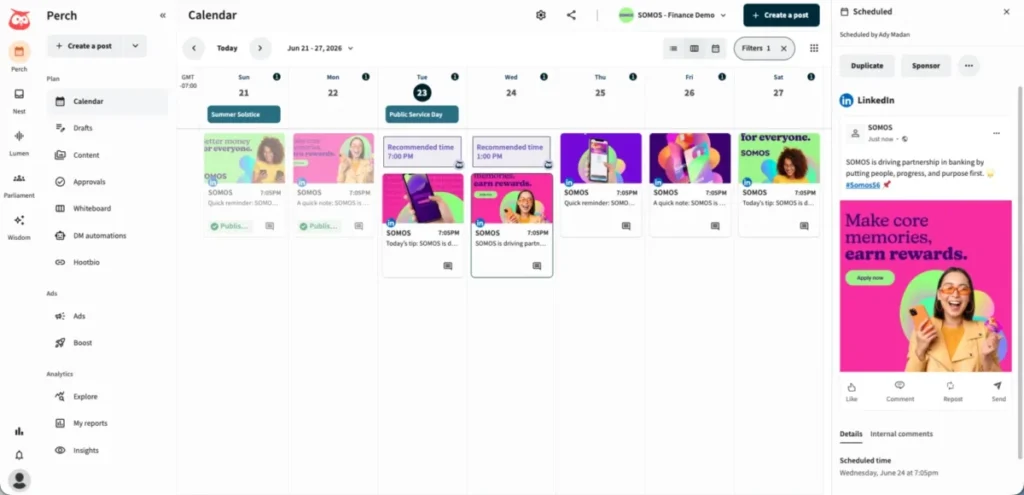
The New Era of Social Media Management: Integrating Claude AI Directly into Your Workflow
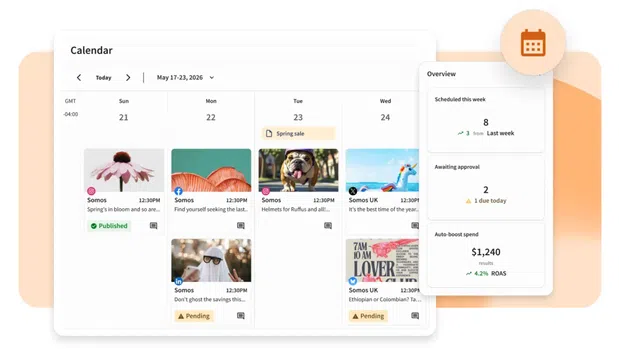
For years, the professional lives of social media managers have been defined by the "copy-and-paste dance." An AI model generates a brilliant hook, the manager highlights it, opens a new browser tab, navigates to their scheduling dashboard, pastes the text, uploads the creative, and sets the time. It is a fragmented, inefficient process that eats away at the creative bandwidth of marketing teams.

However, a major shift in operational technology is changing this. By leveraging the Model Context Protocol (MCP), social media managers can now bridge the gap between powerful AI assistants like Claude and their management tools. This integration allows users to plan, draft, schedule, and analyze content directly from the Claude chat interface, effectively turning an AI assistant into a full-scale command center.

The Evolution of the Social Workflow
The traditional social media workflow is inherently siloed. Most teams use generative AI to brainstorm ideas or draft copy, but the execution layer remains isolated within specialized platforms. This separation creates a "context gap," where the AI lacks real-time visibility into your content calendar, engagement metrics, or community conversations.
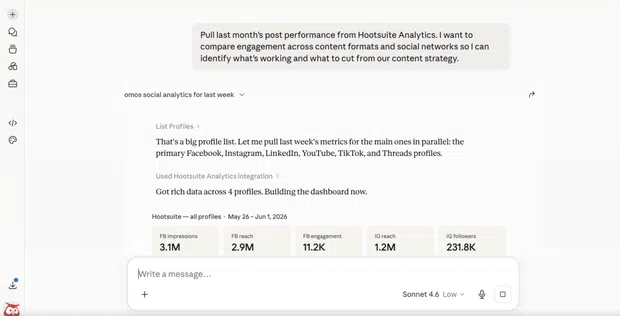
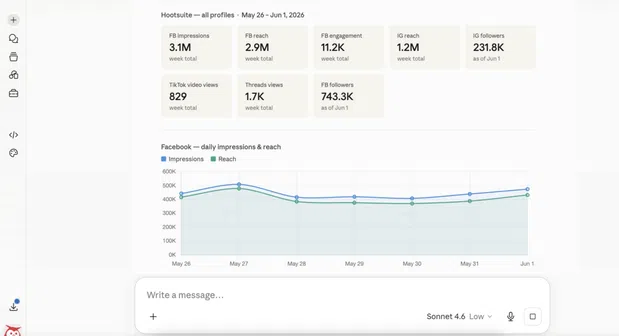
By connecting Claude to a comprehensive management suite—such as Hootsuite—this barrier dissolves. An MCP connector acts as a secure, standardized bridge between the AI’s intelligence and your live social data. Instead of manually feeding performance reports to an AI, the AI can now query your dashboard to see which posts are currently trending, identify gaps in your schedule, or draft responses to customer messages based on your established brand voice.
Chronology: From Static Prompting to Dynamic Integration
The adoption of AI in social media has moved through three distinct phases:
- The Generative Phase (2022–2023): Teams began using LLMs as "copywriting interns," using them to write captions and hashtags that were subsequently moved to third-party scheduling tools.
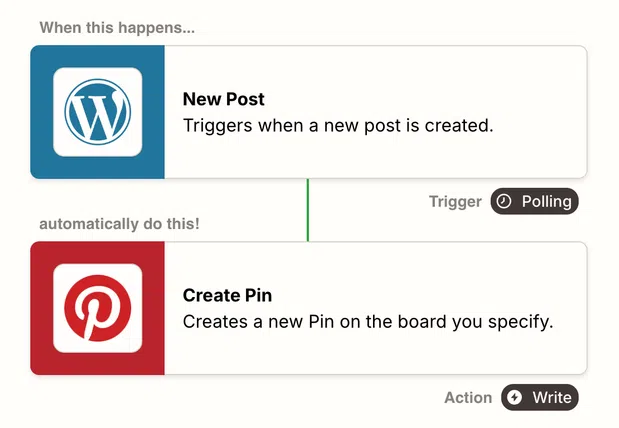
- The Automation Phase (2023–2024): More advanced teams began using tools like Zapier or Make to create automated "if-this-then-that" pipelines. For example, if a blog post was published, a workflow would trigger an AI to summarize it and move it to a social queue.
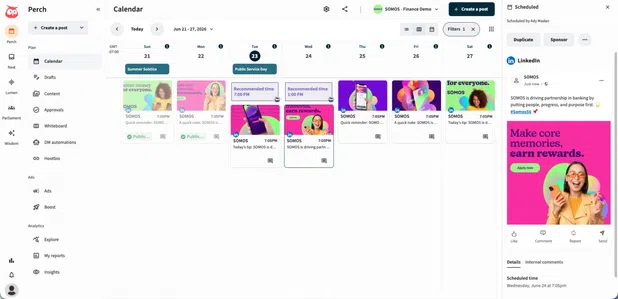
- The Integration Phase (2025–Present): With the introduction of the Model Context Protocol, the industry is entering a phase of direct, bi-directional communication. Claude can now "see" into the Hootsuite ecosystem, effectively managing the entire lifecycle of a post—from ideation and drafting to final publication—without the user ever needing to leave the chat.
Supporting Data: Why Direct Integration Matters
The demand for these integrations is driven by the sheer volume of data modern social teams handle. According to industry benchmarks, high-performing social media teams manage an average of five to seven different platforms. Keeping track of the distinct tone, timing, and engagement patterns for each is a massive cognitive load.
Integrating AI directly into the management suite offers three measurable benefits:
- Reduced Context Switching: Studies show that moving between apps can cost up to 40% of a worker’s productive time. By centralizing the workflow, teams can reclaim hours previously spent on manual data entry.
- Data-Driven Accuracy: By allowing the AI to access real-time metrics, draft copy becomes more informed. Instead of guessing what works, the AI can analyze historical performance data from the last 30 days to suggest better hooks.
- Enhanced Speed-to-Market: In the fast-moving world of social media, being "first" matters. An integrated AI can draft a reaction to a breaking industry event or a trending topic in seconds, significantly shortening the approval loop.
How the Integration Functions: A Technical Overview
Setting up this workflow is more accessible than traditional API development. Using an MCP connector, the process typically involves:
- Installing the Desktop Client: The Claude Desktop app serves as the hub for these connections.
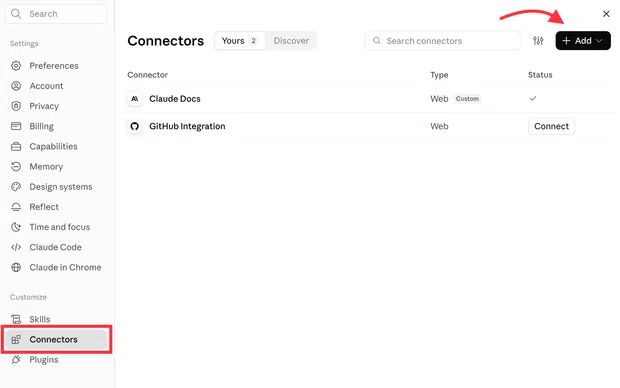
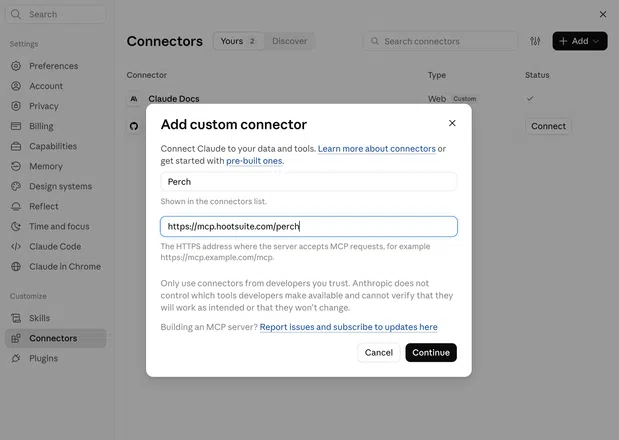
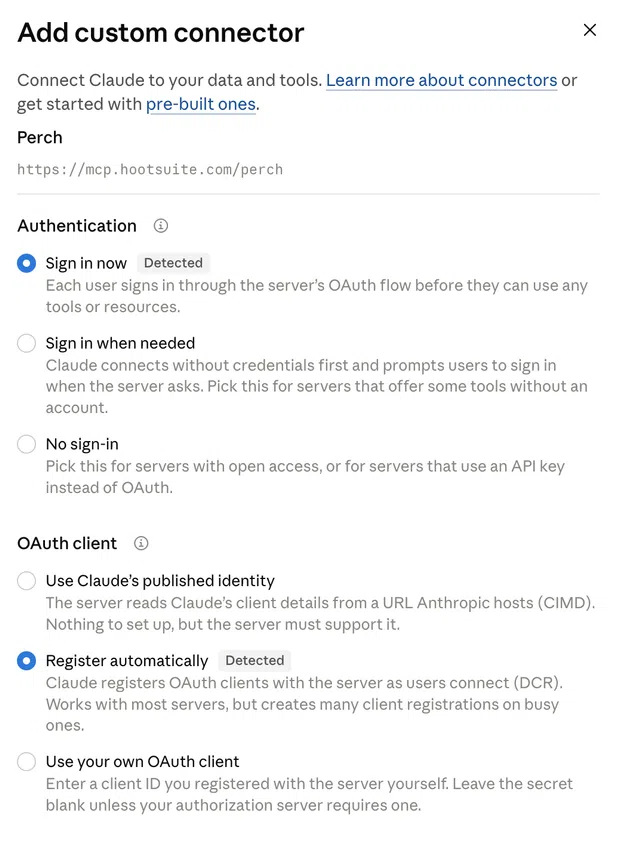
- Adding the Connector: Through the "Settings" menu, users add the Hootsuite MCP server URL. This establishes a secure link to your specific workspace.
- OAuth Authentication: This ensures that Claude has permission to act on your behalf without exposing sensitive credentials or administrative keys.
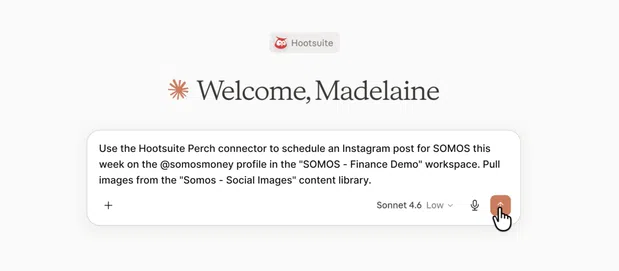
- Operational Command: Once connected, you can issue natural language commands such as: "Look at our engagement stats from last week. Which post type performed best? Draft a follow-up post for Instagram for tomorrow at 10 AM, and add it to our content calendar."
Official Perspectives: The "Human in the Loop" Mandate
While the efficiency gains are significant, industry leaders emphasize that this does not mark the end of human oversight. The consensus among professionals is clear: AI is an assistant, not an autonomous agent.

"The more outward-facing or higher-stakes the task, the more I’m involved," says Melina Giorgalletou, a seasoned content and social media manager. "Anything that goes public, involves a specific individual, or represents the brand directly needs a human sign-off."
The integration is designed with this "human-in-the-loop" philosophy in mind. The AI handles the heavy lifting of drafting and scheduling, but the final button to "publish" or the final review of a drafted response remains firmly in the hands of the manager. This is critical for preventing brand voice drift and ensuring that tone-deaf content does not reach the public during sensitive periods.
Implications for the Future of Marketing
The integration of Claude and Hootsuite represents a broader trend in enterprise software: the "Agentic Workflow." We are moving away from software that requires users to click dozens of buttons, toward software that understands intent and executes complex tasks across multiple systems.
1. The Rise of "Social Listening" Intelligence
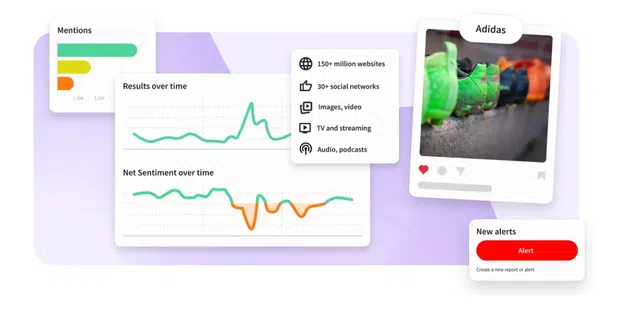
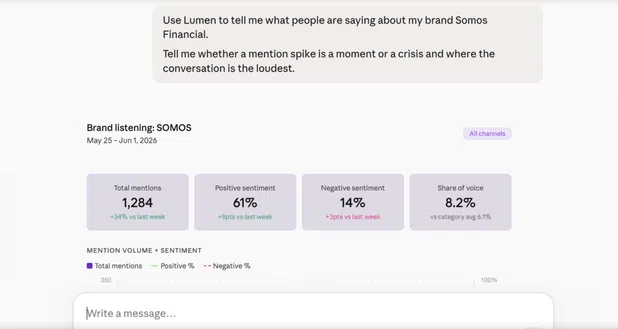
With the Lumen app integration, for instance, Claude doesn’t just write posts—it acts as a research analyst. If a brand suddenly experiences a spike in mentions, the AI can perform sentiment analysis in real-time, helping managers distinguish between a harmless viral moment and a burgeoning PR crisis.
2. Personalized Customer Support at Scale
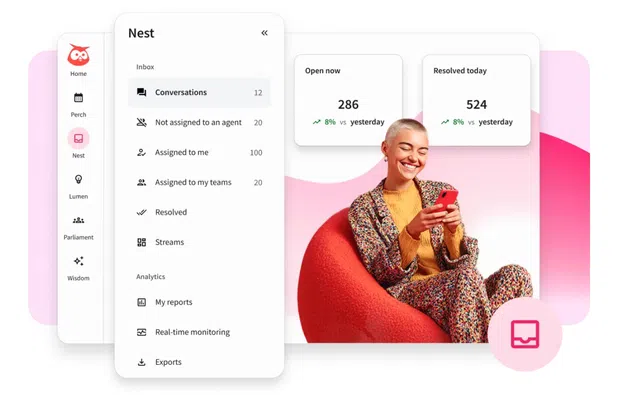
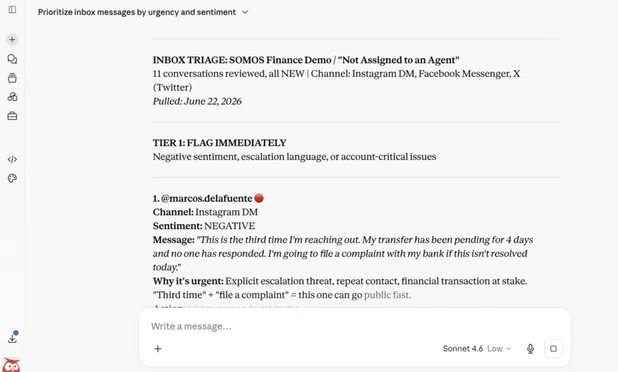
The integration with the "Nest" inbox allows for high-velocity customer service. By drafting responses based on pre-approved brand guidelines and historical data, the AI can clear out massive backlogs of routine inquiries, allowing human agents to focus on complex, high-value customer interactions.
3. Employee Advocacy Empowerment
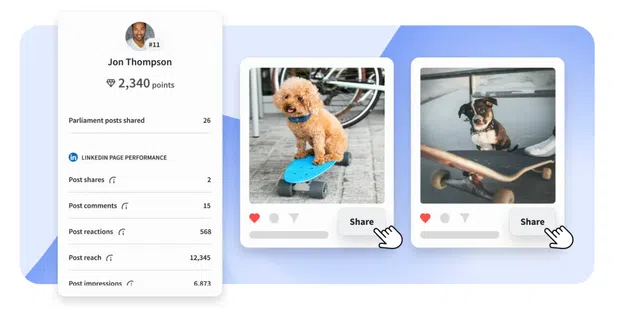
With tools like Parliament, employees are no longer just passive observers of brand content. They can now interact with an AI to find brand-approved assets relevant to their specific interests, making employee advocacy programs more authentic and significantly easier to maintain.
Security and Compliance: The Necessary Guardrails
As with any technological leap, data security is paramount. The integration requires careful consideration of what information is shared. Organizations must:
- Limit Permissions: Only grant the connector access to the specific accounts or workspaces required for the role.
- Conduct Compliance Reviews: For firms in regulated industries (finance, healthcare, etc.), these AI-driven workflows must undergo the same rigorous compliance audits as any other software stack.
- Establish Data Governance: Ensure that internal-only, sensitive, or PII (Personally Identifiable Information) data is excluded from the prompts sent to the AI.
Conclusion: The Path Forward
The ability to connect an LLM like Claude to a professional social media suite is not just a productivity hack; it is a fundamental shift in how we approach digital marketing. By reducing the friction between thought and execution, marketers can focus less on the mechanics of scheduling and more on the art of communication.
The future of social media management belongs to those who learn to orchestrate these systems effectively. As these tools continue to evolve, the distinction between "creating" and "managing" will blur, leading to a more fluid, creative, and data-backed approach to building a brand in the digital age. The copy-and-paste era is over; the era of intelligent, connected execution has begun.
