
The Halfway Report: Auditing the "Martech 2030" Vision at the Start of 2026
As the calendar turns to 2026, the marketing technology landscape finds itself at a significant inflection point—the official "halftime" of the decade. Five years ago, the release of the Martech 2030 report, authored by industry veterans Scott Brinker and Jason Baldwin, set out to define the "Decade of the Augmented Marketer."
Today, as we stand at the midpoint, the industry is no longer speculating about the future; it is living in the architecture that Brinker and Baldwin once outlined. By subjecting these foundational predictions to the scrutiny of contemporary AI models—ChatGPT, Claude, and Gemini—we can now quantify the accuracy of their foresight. The consensus from both the machines and the market reality suggests that while the terminology has shifted, the underlying trajectory of the industry remains remarkably consistent with their original vision.
Main Facts: The Five Pillars of the Decade
The Martech 2030 report was predicated on five core trends that would fundamentally alter the relationship between technology, operations, and human creativity. These pillars were designed to guide practitioners through the transition from a "suite-based" past to an ecosystem-based future:
- "No Code" Citizen Creators: The democratization of software development through intuitive tools.
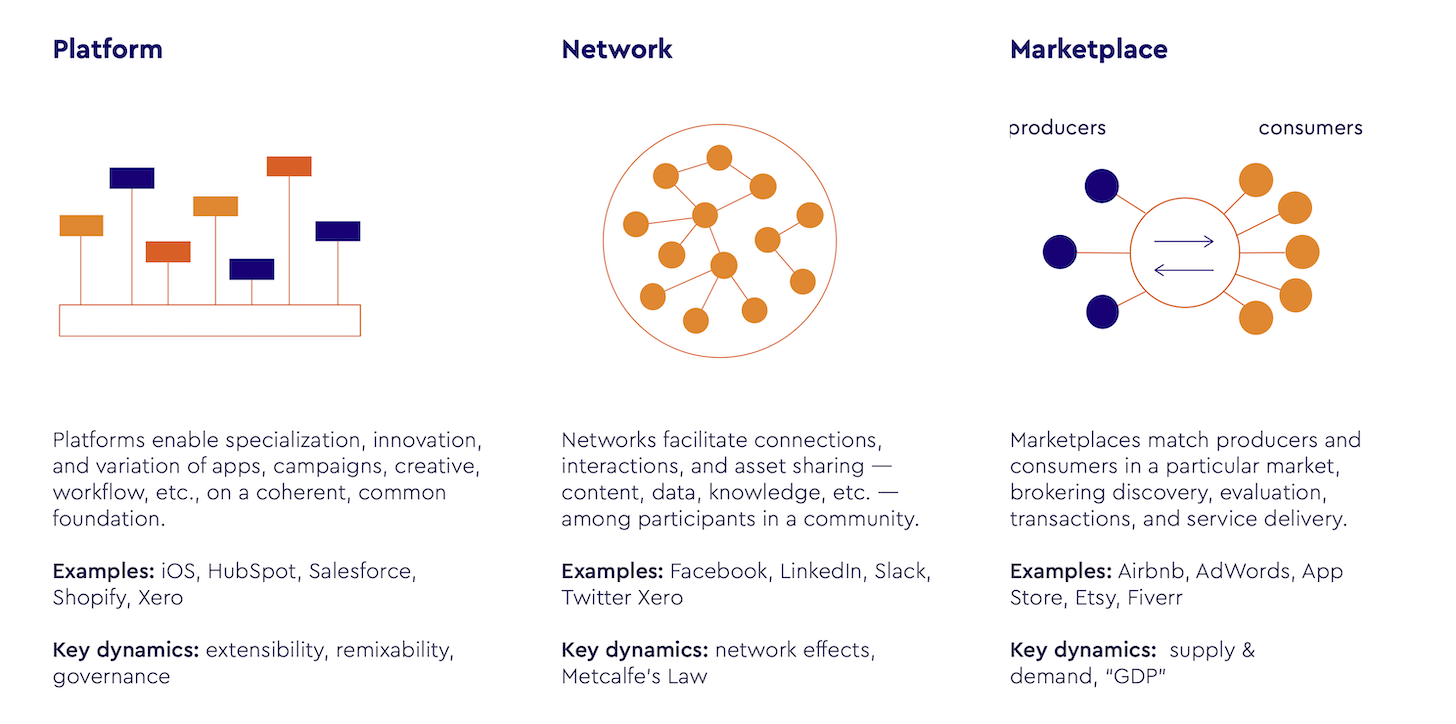
- Platforms, Networks, and Marketplaces: The transition from linear value chains to interconnected, ecosystem-driven business models.
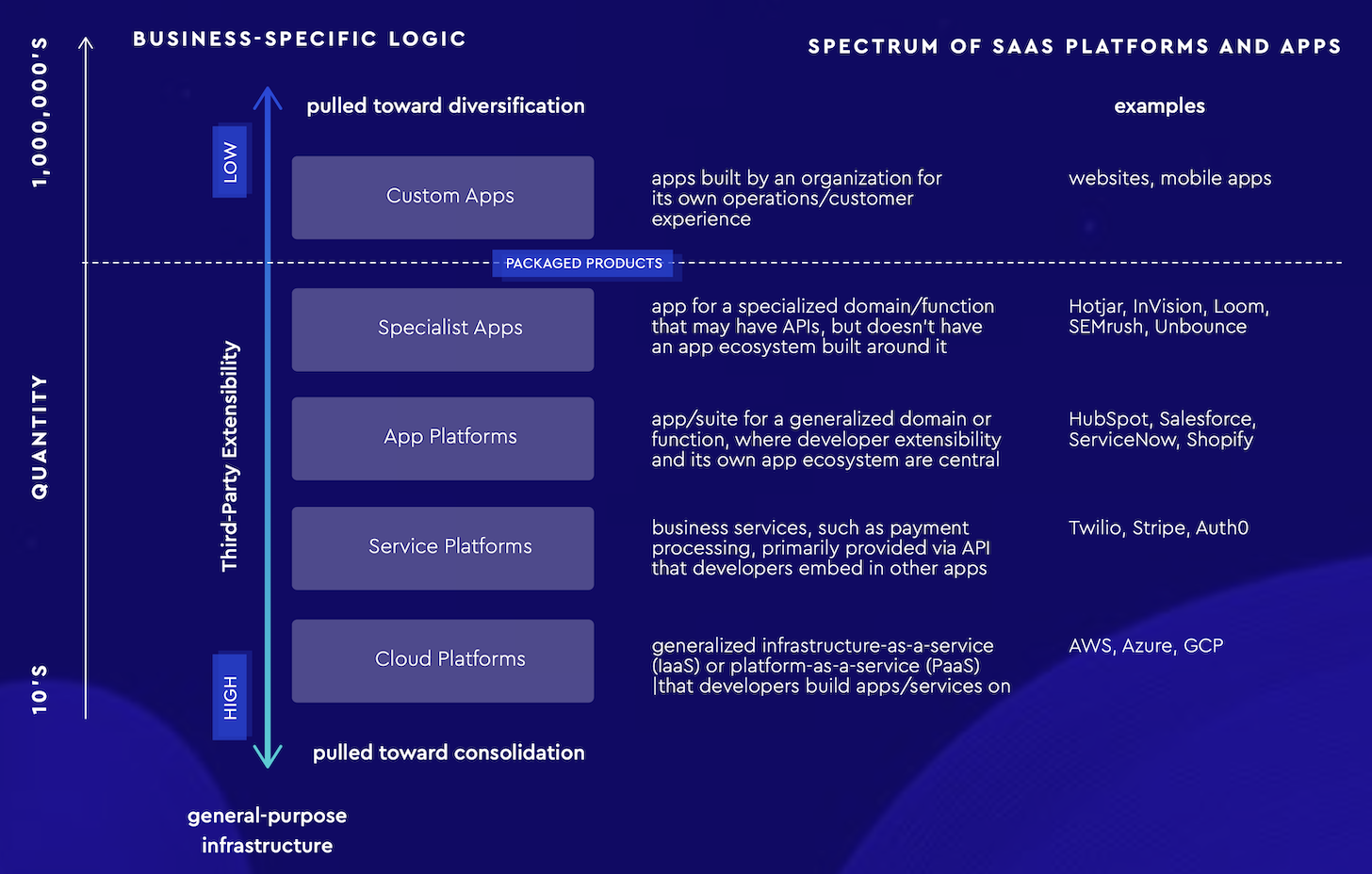
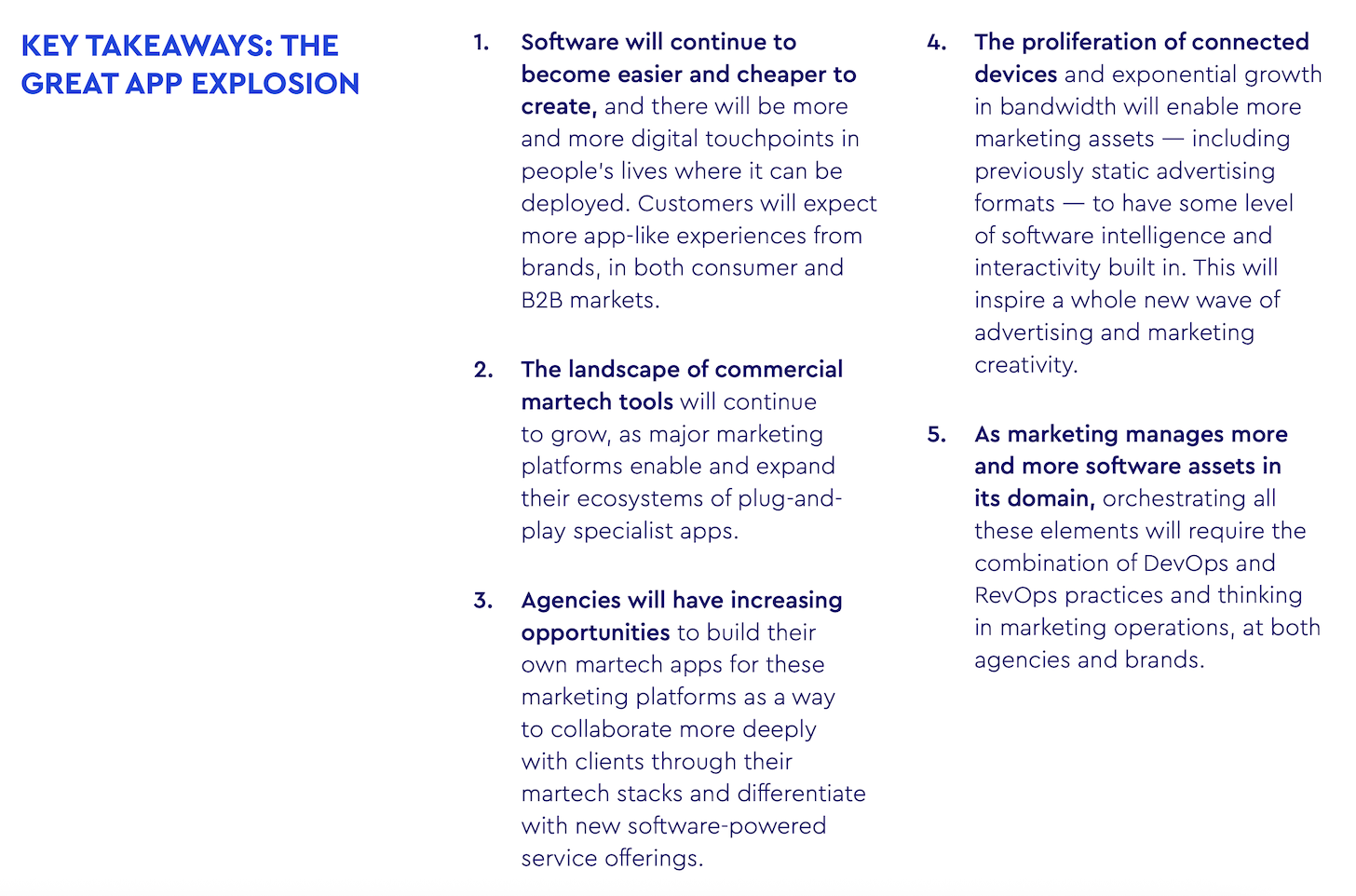
- The Great App Explosion: The proliferation of specialized software, transitioning from thousands of commercial solutions to billions of custom, "hypertail" applications.
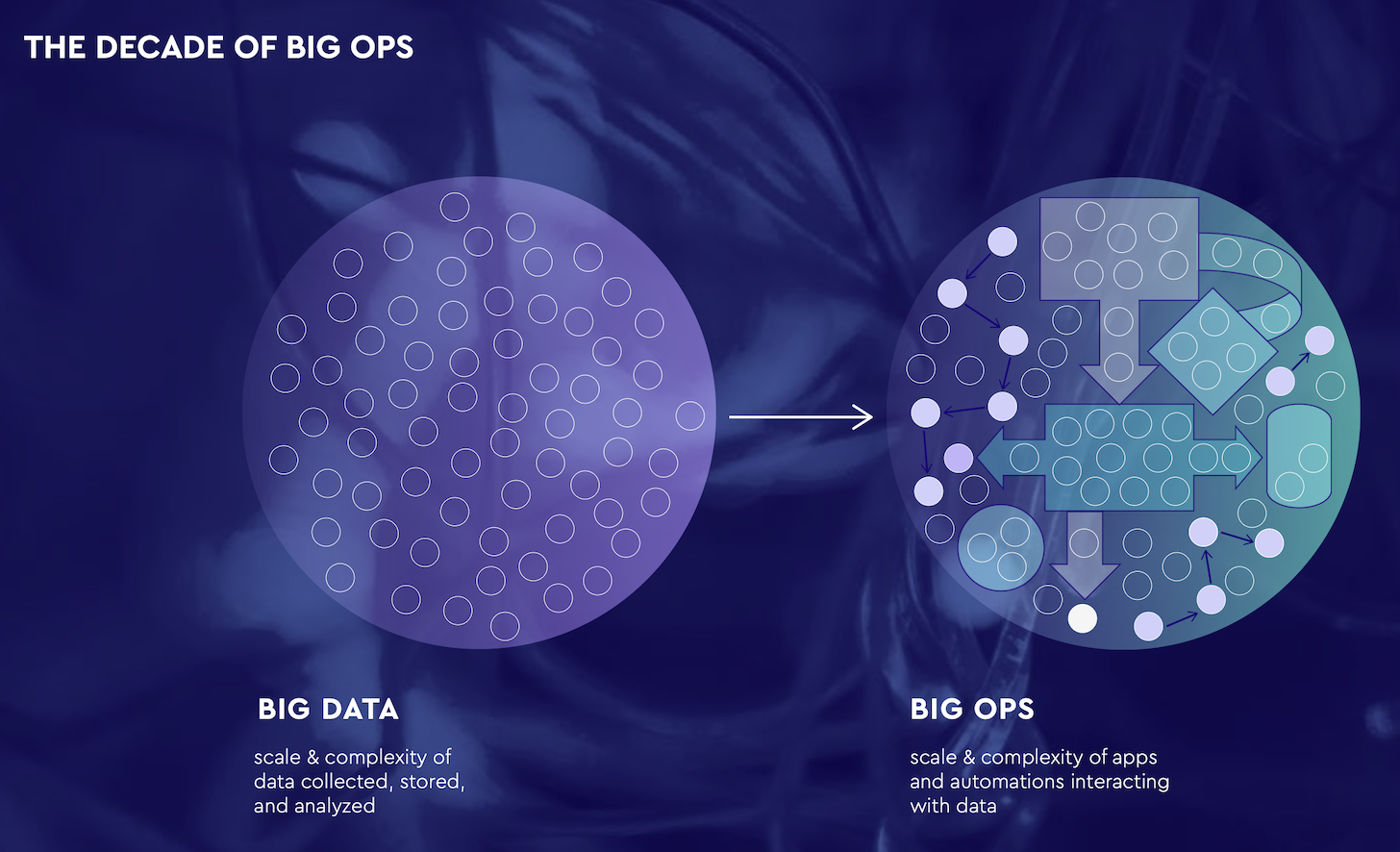
- From Big Data to Big Ops: The shift in focus from merely storing data to orchestrating the complex interactions of automated agents and apps.
- Harmonizing Humans and Machines: The maturation of the "Augmented Marketer," where AI serves not as a replacement, but as an accelerant for human ingenuity.
Chronology: A Half-Decade of Rapid Evolution
The journey from 2021 to 2026 has been anything but linear.
- 2021: Martech 2030 is published, introducing the concept of the "Augmented Marketer."
- 2022: The generative AI explosion begins, fundamentally altering the trajectory of the "No Code" prediction.
- 2023: Industry focus shifts toward LLM-integrated workflows. The concept of "vibe coding" begins to take root in software development circles.
- 2024: The emergence of "Agentic Commerce." The realization that marketing must now account for AI buyers (AEO—AI Engine Optimization).
- 2025: The "Summer of Vibes." The proliferation of tools like Bolt, Lovable, and Replit makes English the most potent programming language in the marketer’s arsenal.
- 2026: We enter the second half of the decade with over 15,000 commercial martech solutions on the map, far exceeding early growth estimates.
Supporting Data: The Quantitative Shift
The data supporting these trends is staggering. In 2020, the martech landscape featured 8,000 solutions. Many analysts predicted a market correction, yet by 2025, that number had swelled to 15,384. This growth, however, is not a sign of bloat, but of specialization.
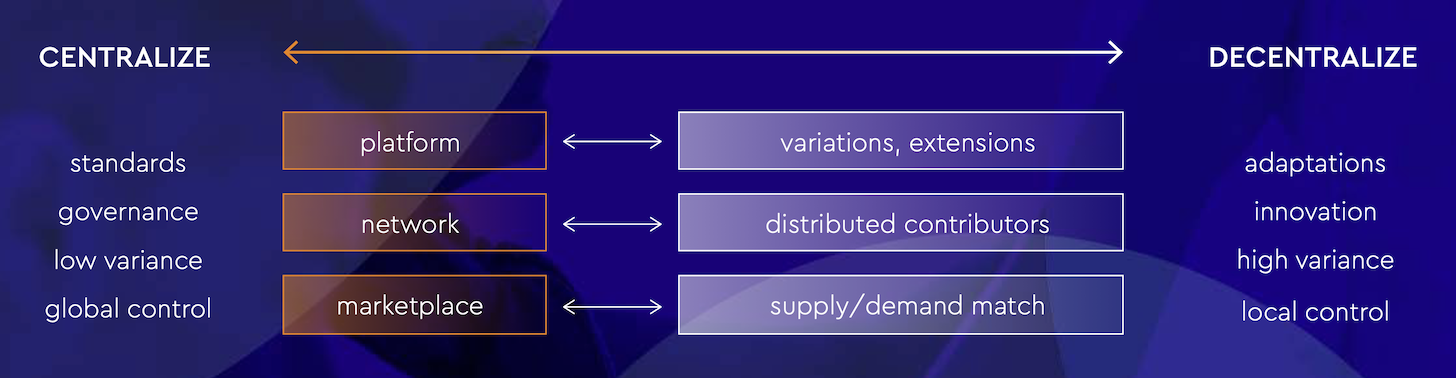
The hyperscalers—AWS, Google, and Microsoft—have become the new bedrock of the industry. Their marketplaces now facilitate approximately $45 billion in annual enterprise software sales. This shift highlights a critical paradox in the current tech environment: the "Centralize to Decentralize" model. By centralizing infrastructure and governance on major cloud platforms, companies have enabled a massive, decentralized explosion of specialist applications at the edge.
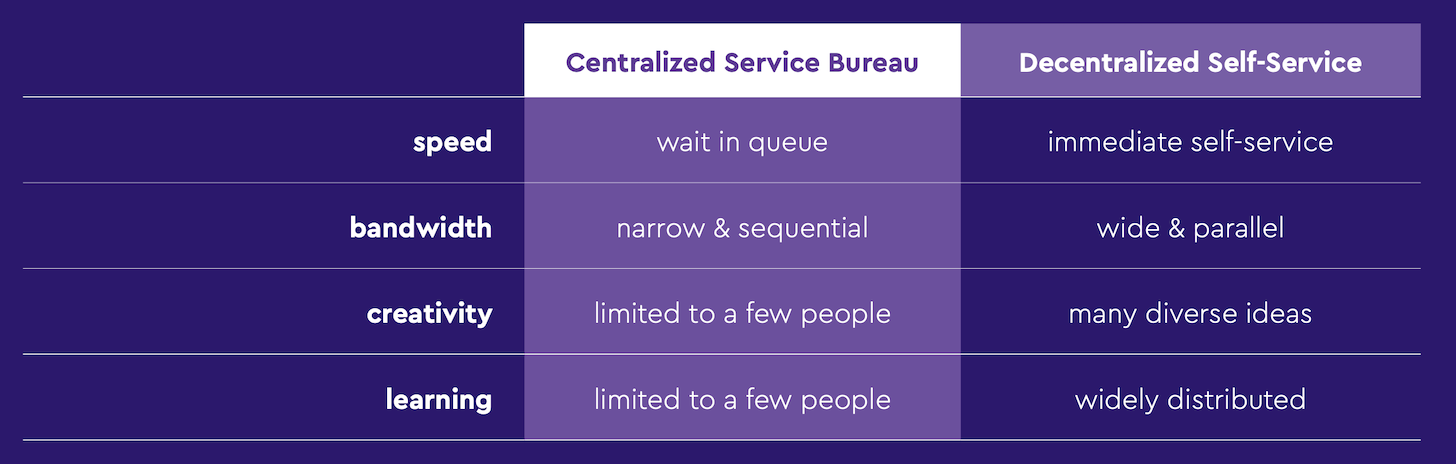
Furthermore, the rise of the "hypertail"—custom applications built by internal teams—is rapidly outpacing the commercial software market. This confirms the original prediction that organizations would stop acting solely as software consumers and begin acting as software creators.
Official Responses: AI Grades the Vision
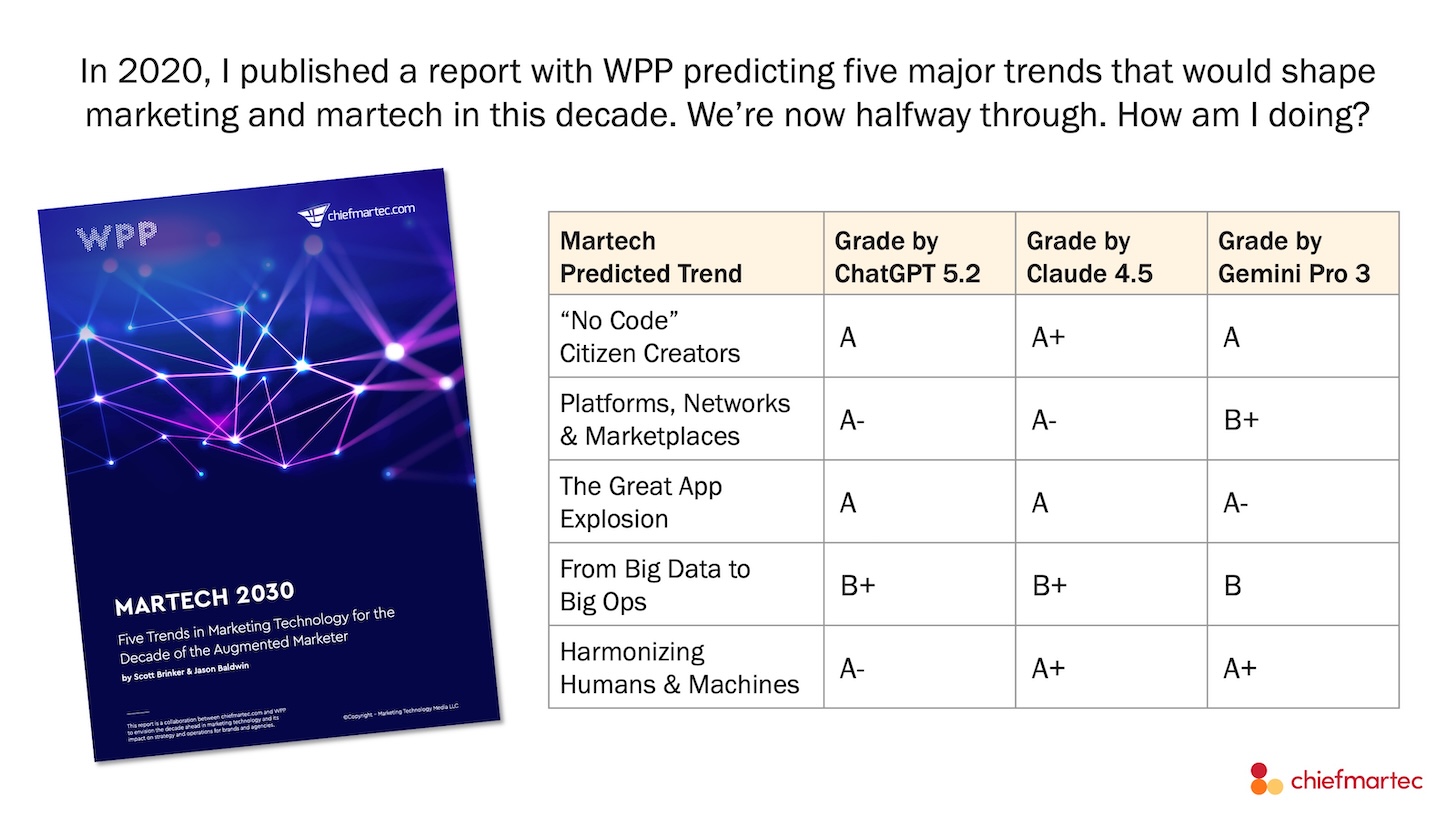
To validate these findings, Brinker invited three of the leading generative AI models to "grade" the report. The results were remarkably consistent.
The models gave high marks for the prediction regarding the harmonization of humans and machines, with Claude and Gemini awarding an A+. The logic holds that while the industry initially feared a displacement of labor, the reality has manifested as an augmentation of capability. AI assistants are now viewed as "uber no-code platforms," enabling marketers to generate everything from complex data analyses to interactive campaign assets on demand.
However, the "Big Ops" prediction received a more measured B/B+. While the problem—the chaotic, uncoordinated proliferation of apps—was correctly identified, the solutions remain a work in progress. Organizations are still grappling with governance, brand consistency, and the sheer complexity of managing hundreds of disparate agents and automations.
Implications: The Future of Marketing Operations
As we look toward 2030, the implications of these trends are profound. The current "Orchestration Wars" between data platforms (Databricks, Snowflake), public martech incumbents (Salesforce, HubSpot, Adobe), and automation specialists (Make, Workato, Zapier) will define the next five years.
1. The Death of Linear Marketing
The transition from linear "value chains" to ecosystem-based "graphs" is nearly complete. Future marketing strategy will not be about owning a single, monolithic stack, but about participating in a network of interconnected marketplaces. Companies that fail to adopt an ecosystem-first mindset will find themselves isolated in a digital world that demands interoperability.
2. The Rise of Agentic Commerce
The shift from SEO (Search Engine Optimization) to AEO (AI Engine Optimization) is perhaps the most critical shift for the remainder of the decade. We are no longer just marketing to humans; we are marketing to the "Agents of Customers." This requires a fundamental rethink of brand identity, as the customer’s agent will be filtering, synthesizing, and, in some cases, deciding on purchases based on machine-readable data.
3. Big Ops as the Competitive Advantage
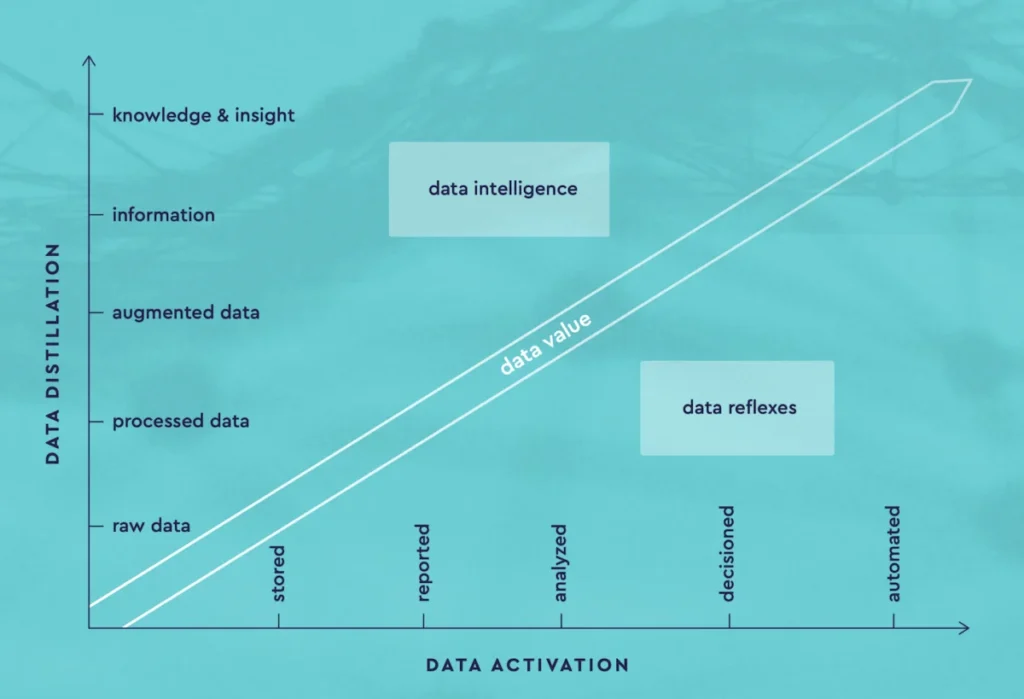
The ability to manage, govern, and orchestrate the "hypertail" of custom applications will be the primary source of competitive differentiation. Data is no longer "the new oil"—a passive, stored commodity. In the 2030 vision, data is "the new oil paint." Its value is realized only when it is distilled, activated, and applied by the artist (the marketer) using the brush (AI agents) to create a unique customer experience.
Conclusion: The Long Arc of Innovation
Amara’s Law—which posits that we overestimate the short-term impact of technology while underestimating its long-term effects—serves as the perfect lens for this mid-decade review.
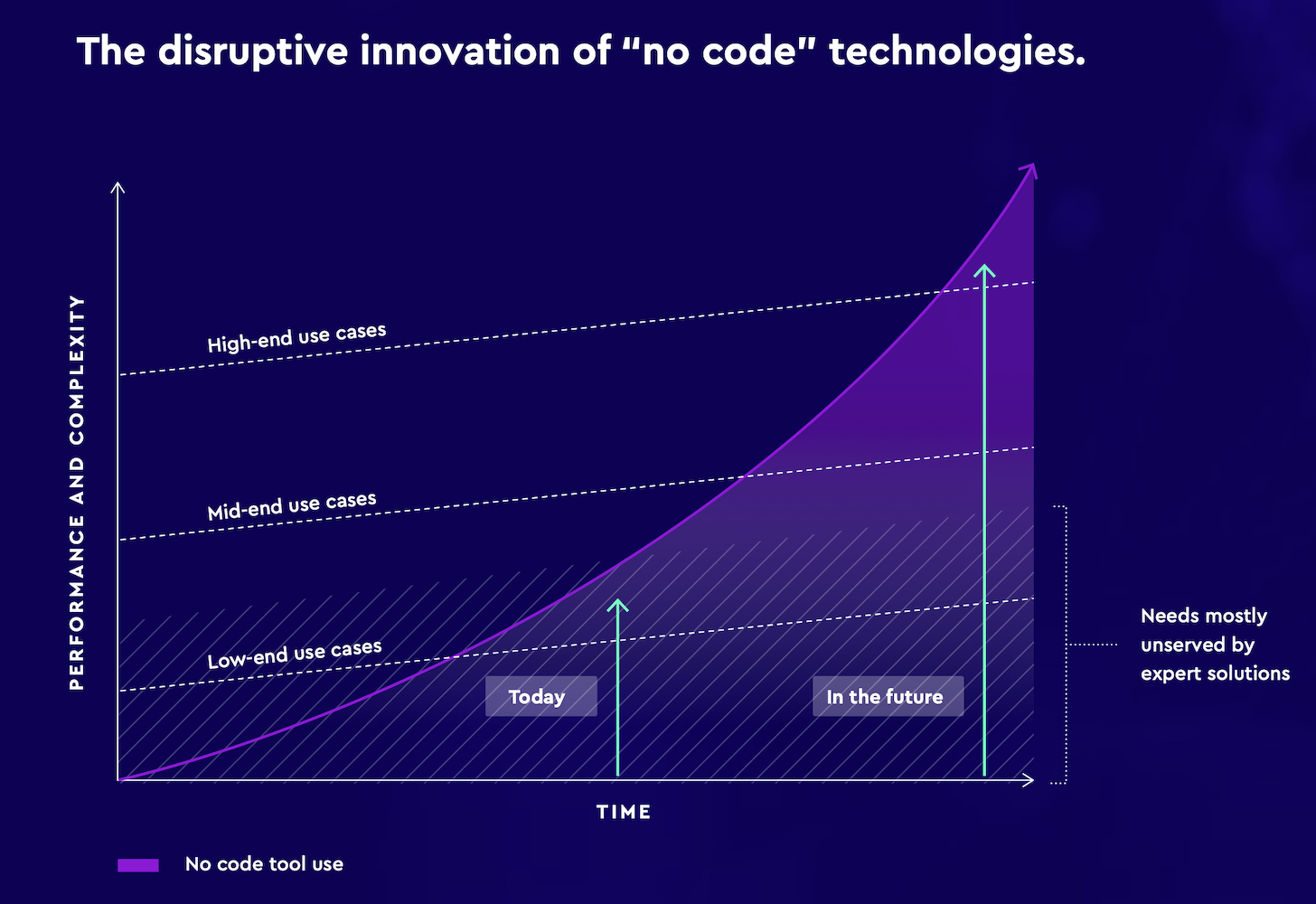
The "No Code" revolution didn’t arrive in the way many expected (drag-and-drop interfaces); it arrived through the linguistic mastery of LLMs. The "Great App Explosion" didn’t stop at thousands of solutions; it evolved into a billion-app reality through custom, agent-driven creation.
As Scott Brinker noted, the pace is quickening. The next five years will likely see the maturation of these "Big Ops" frameworks, the normalization of agent-to-agent transactions, and the final solidification of the augmented marketer’s role. While the labels may evolve—from "bot commerce" to "agentic commerce"—the fundamental truth remains: the marketers who succeed will be those who harmonize their human creativity with the boundless, decentralized power of the machine.
For now, the Martech 2030 roadmap stands as a testament to the fact that while technology is often volatile, the underlying currents of digital transformation are predictable for those willing to look beneath the surface. We shall wait to see if the final grade in 2030 maintains these high marks. One thing is certain: we will need more popcorn.
