
The Half-Time Report: Evaluating the "Martech 2030" Vision at the Start of 2026
As the calendar turns to 2026, the marketing technology industry finds itself at a pivotal "half-time" juncture. Five years ago, the release of the Martech 2030 report—authored by industry veterans Scott Brinker and Jason Baldwin—set out a bold roadmap for what they termed "The Decade of the Augmented Marketer."
With half a decade behind us and five years remaining, the industry is no longer speculating about the future; it is living in the reality those predictions helped define. To gauge the accuracy of their foresight, Brinker recently submitted the original report to the leading AI models of the day—ChatGPT, Claude, and Gemini. The results were remarkably consistent: a strong validation of the core themes, with particularly high marks for the vision of human-machine harmonization.
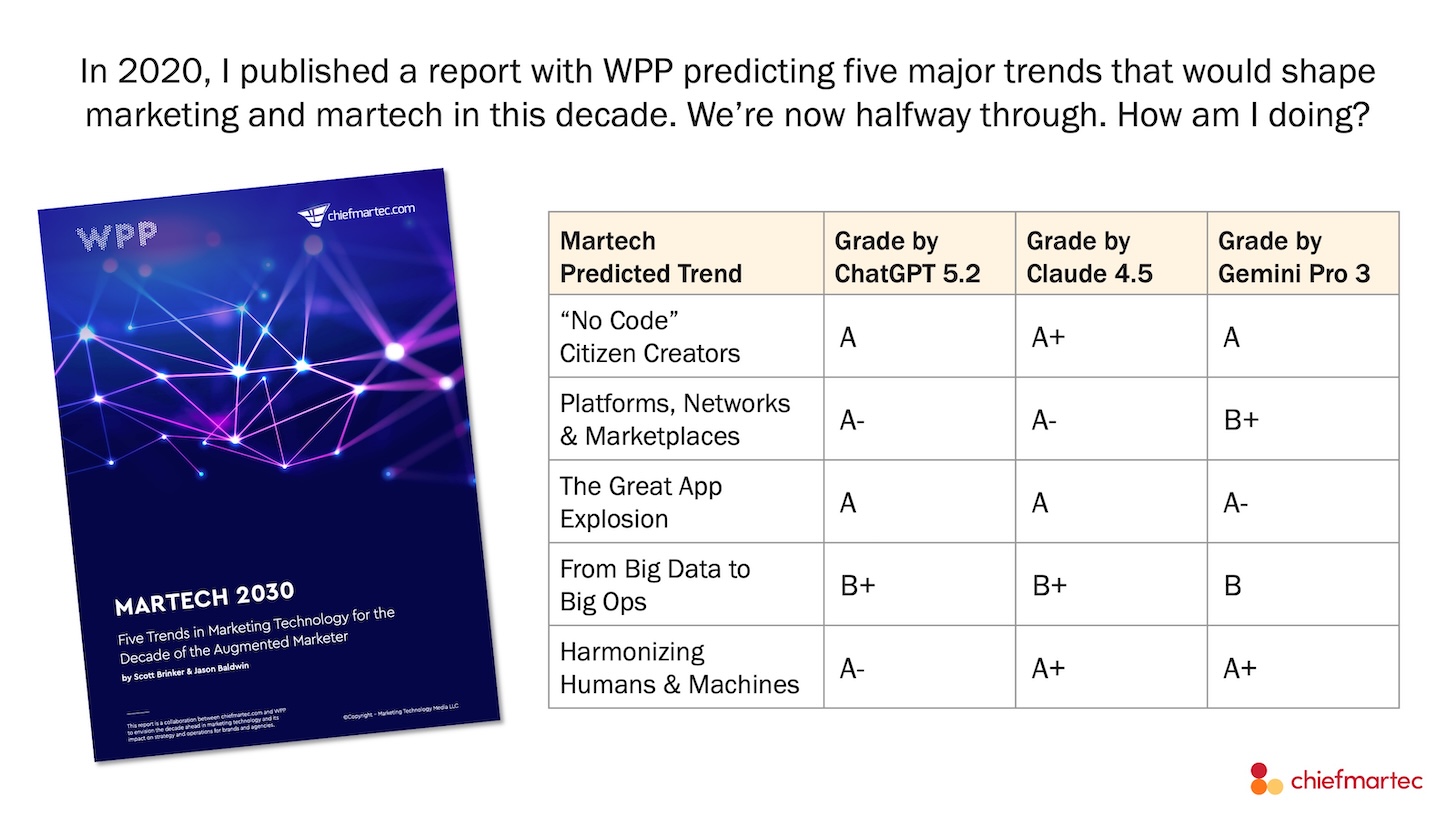
However, as with all ambitious forecasts, the nuance lies in the details. This report examines how those five foundational trends have matured, the role of generative AI in accelerating them, and the challenges that remain as we hurtle toward 2030.
The Core Pillars of the Martech Evolution
The Martech 2030 framework was built upon five distinct pillars, each designed to capture the shifting tectonic plates of digital marketing. These pillars—Citizen Creators, Platform Ecosystems, The App Explosion, Big Ops, and Human-Machine Harmonization—have functioned as both a compass and a report card for the industry.
1. The Rise of "No Code" Citizen Creators
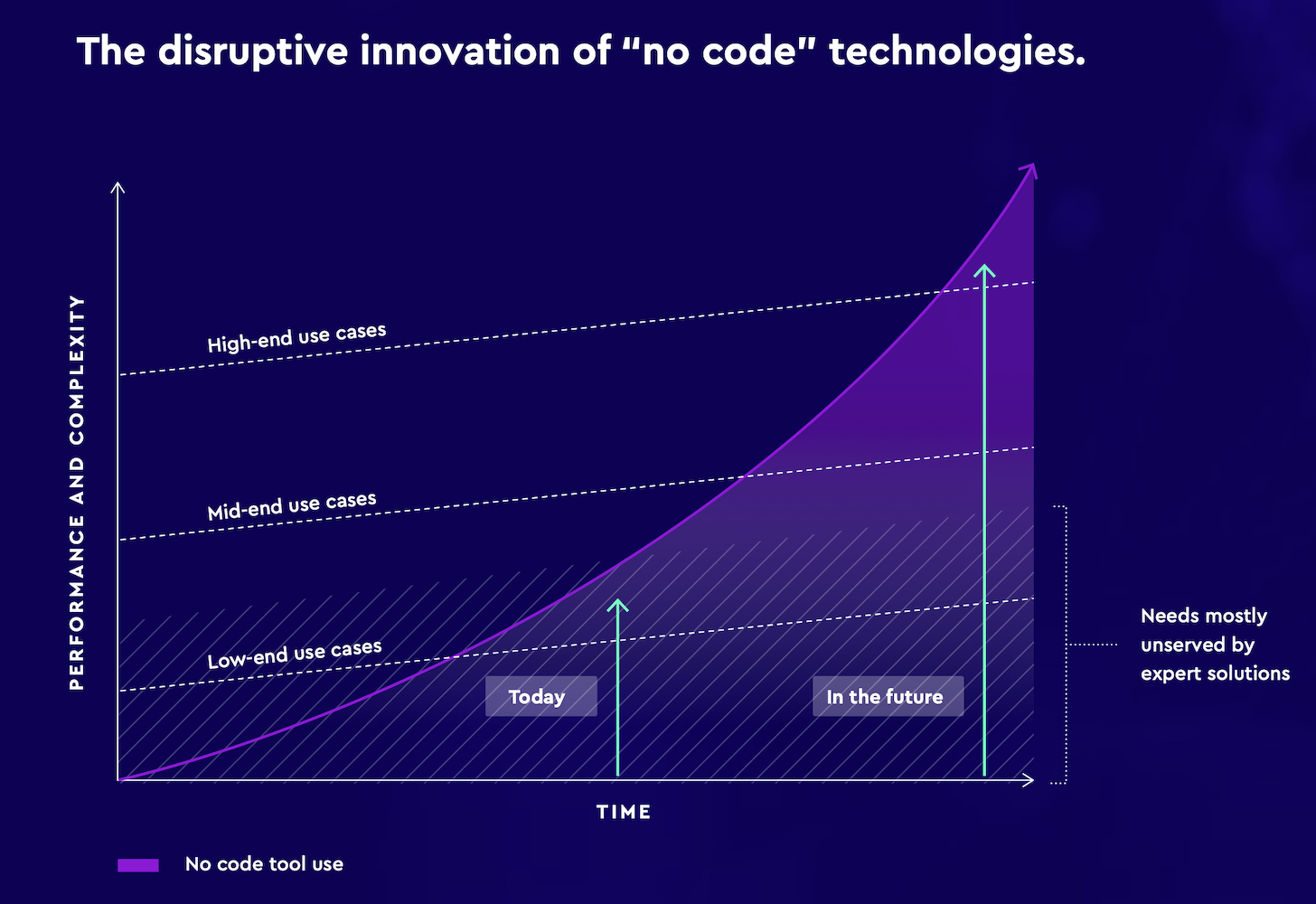
Five years ago, the concept of "no-code" was largely defined by drag-and-drop tools like Zapier, Webflow, and Airtable. The premise was simple: empower marketers to act as their own developers, reducing reliance on IT bottlenecks.
Today, that vision has been fundamentally transformed by the generative AI explosion that began in late 2022. The "no-code" movement has evolved into "vibe coding." As Andrej Karpathy famously noted, "The hottest new programming language is English." By simply describing a desired outcome—an app, an automated workflow, or a data dashboard—marketers can now manifest digital assets on demand. While the early days of this tech produced "six-fingered" imagery and erratic code, the current output is increasingly professional. The challenge for 2026 is no longer capability; it is governance. Organizations are currently struggling to balance this newfound "maker" freedom with the necessary guardrails to ensure brand consistency and data compliance.
2. Platforms, Networks, and Marketplaces
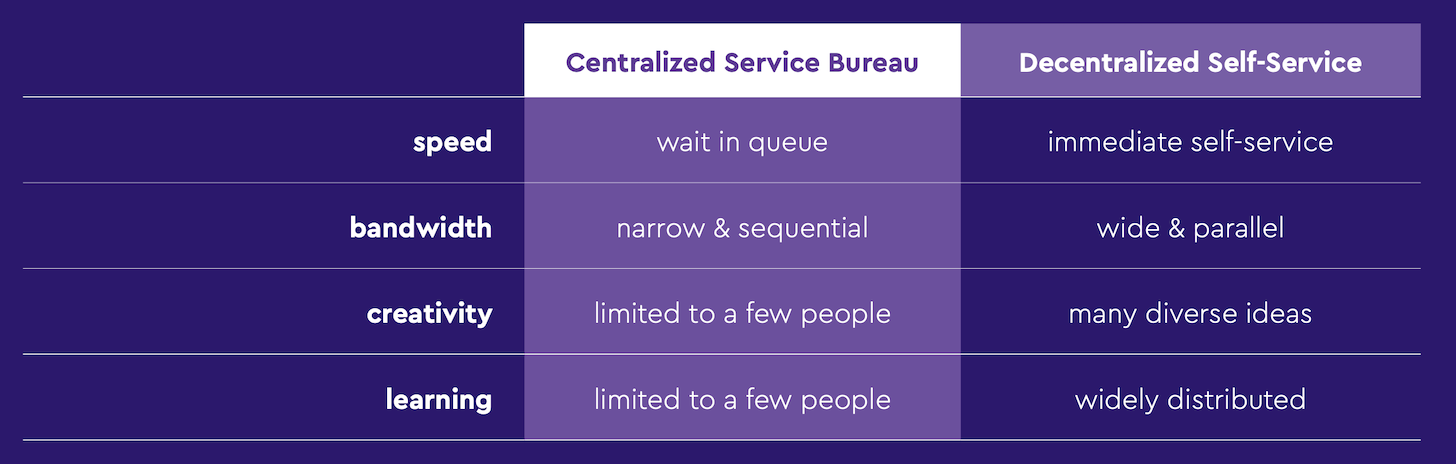
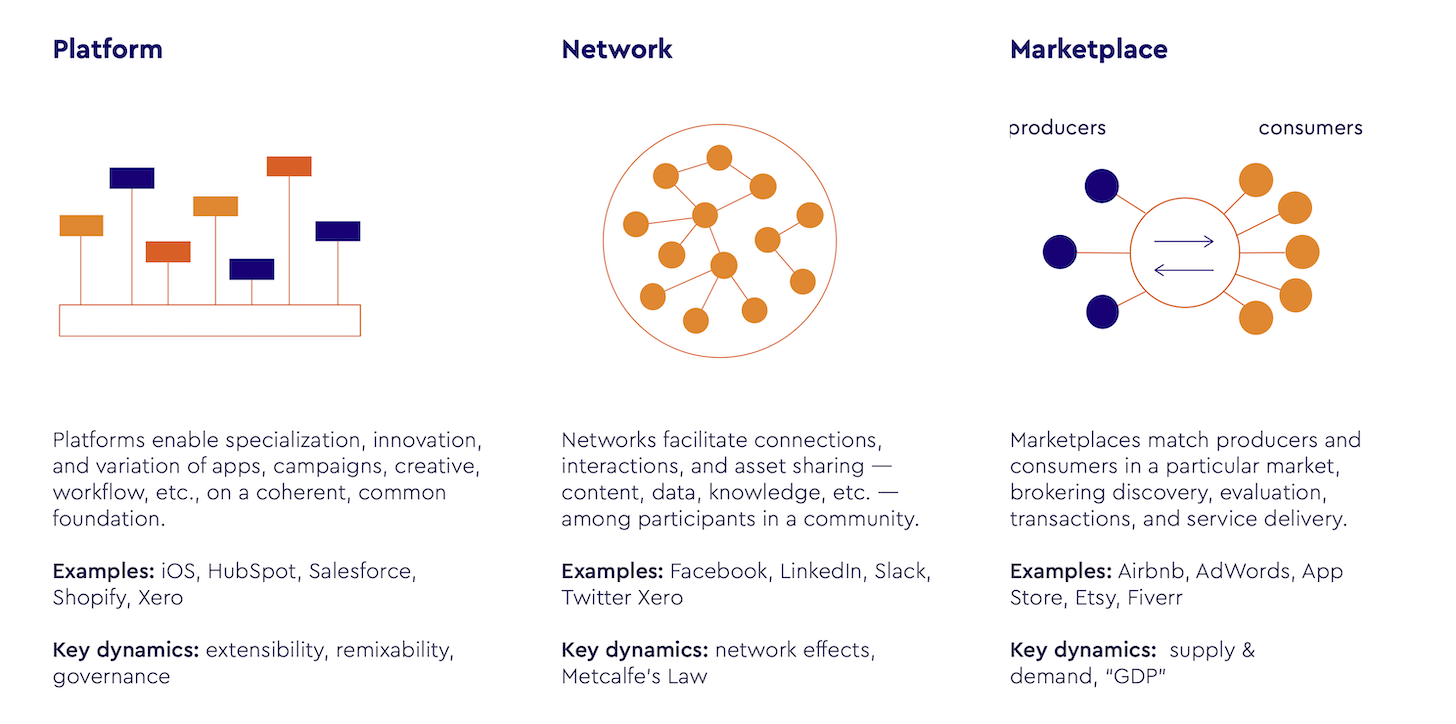
The old debate of "Suite vs. Best-of-Breed" has been effectively retired, replaced by a more nuanced ecosystem model. Businesses are increasingly moving away from linear value chains toward interconnected graphs.
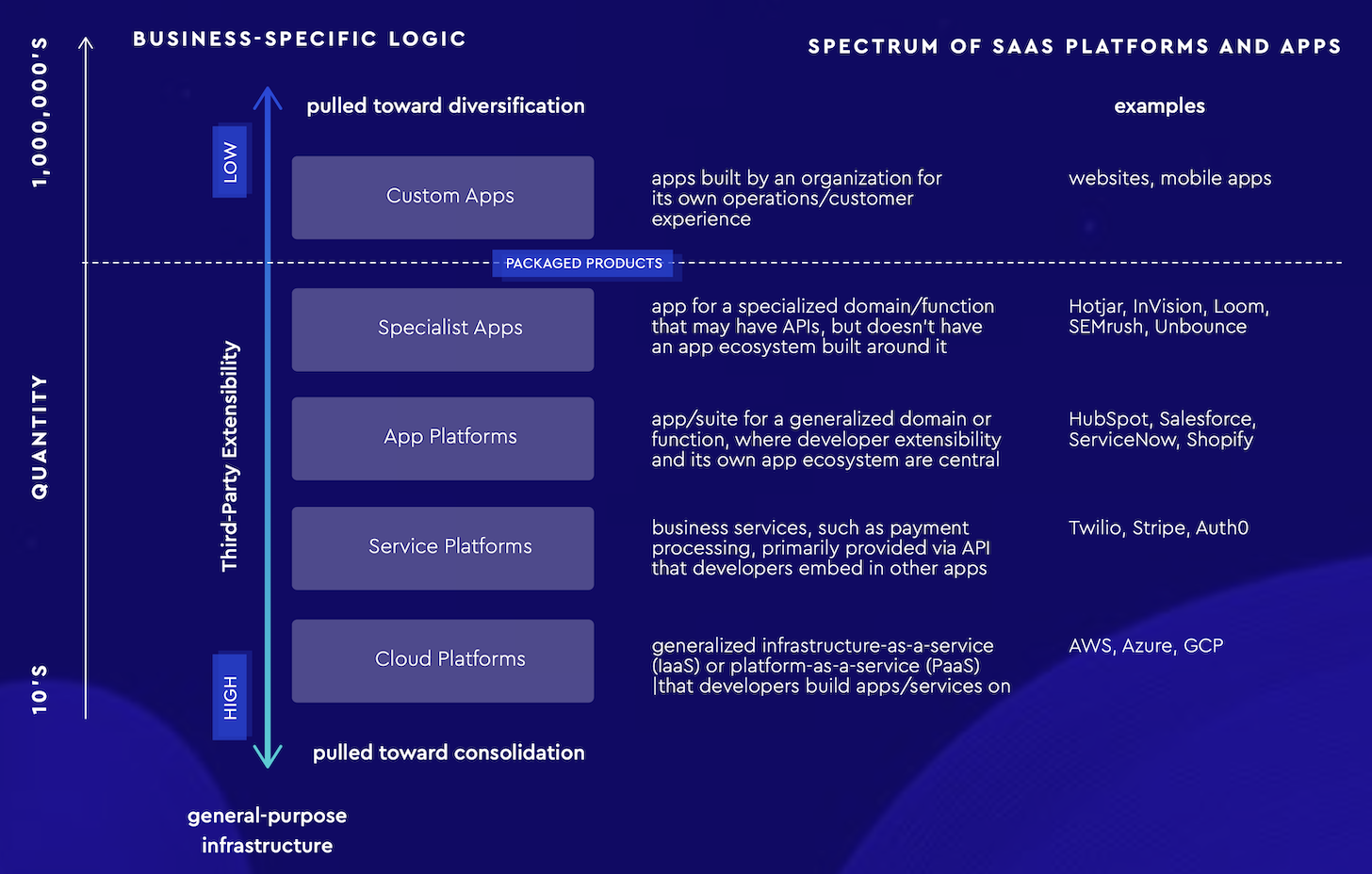
The current landscape is defined by "universal data layers"—most notably Databricks and Snowflake—which serve as the connective tissue for heterogeneous tech stacks. Simultaneously, the hyperscalers (AWS, Google Cloud, and Microsoft Azure) have become the dominant marketplaces for software distribution, transacting roughly $45 billion in annual enterprise software sales. The governing philosophy here is a paradox: organizations are centralizing their standards and governance to enable radical, decentralized innovation.
3. The Great App Explosion and the "Hypertail"
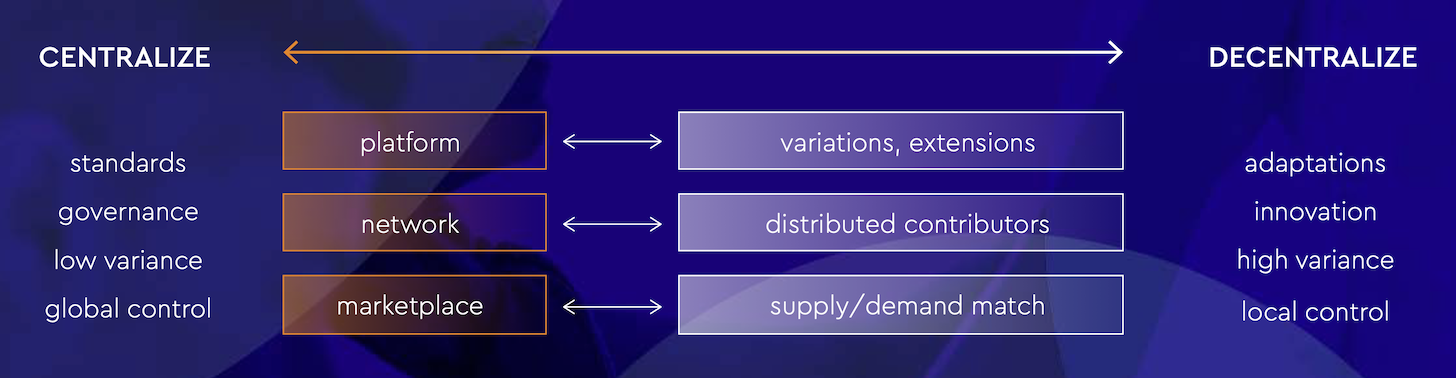
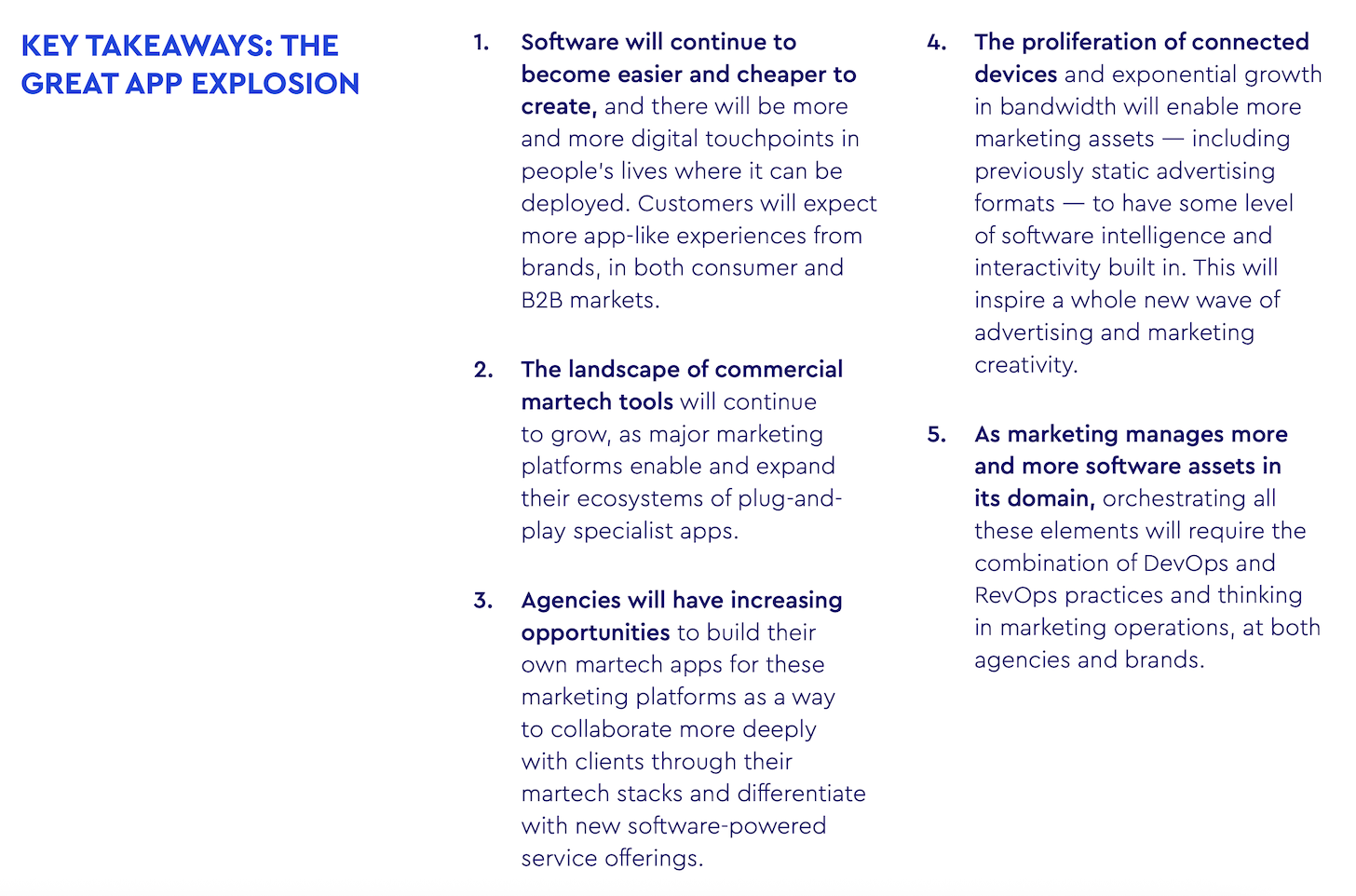
Despite periodic predictions of industry consolidation, the number of commercial martech solutions has ballooned from 8,000 in 2020 to over 15,000 today. The ease of software development, supercharged by AI, has effectively removed the barriers to entry.
However, the true "Great App Explosion" is not occurring in the commercial sector, but in the "hypertail"—a vast, invisible ocean of custom-built applications tailored to specific internal operations. Companies are no longer just buying software; they are manufacturing it. This shift toward service-as-software and intelligent, interactive marketing assets confirms that the future of the martech stack is less about the tools you purchase and more about the proprietary agents you build.
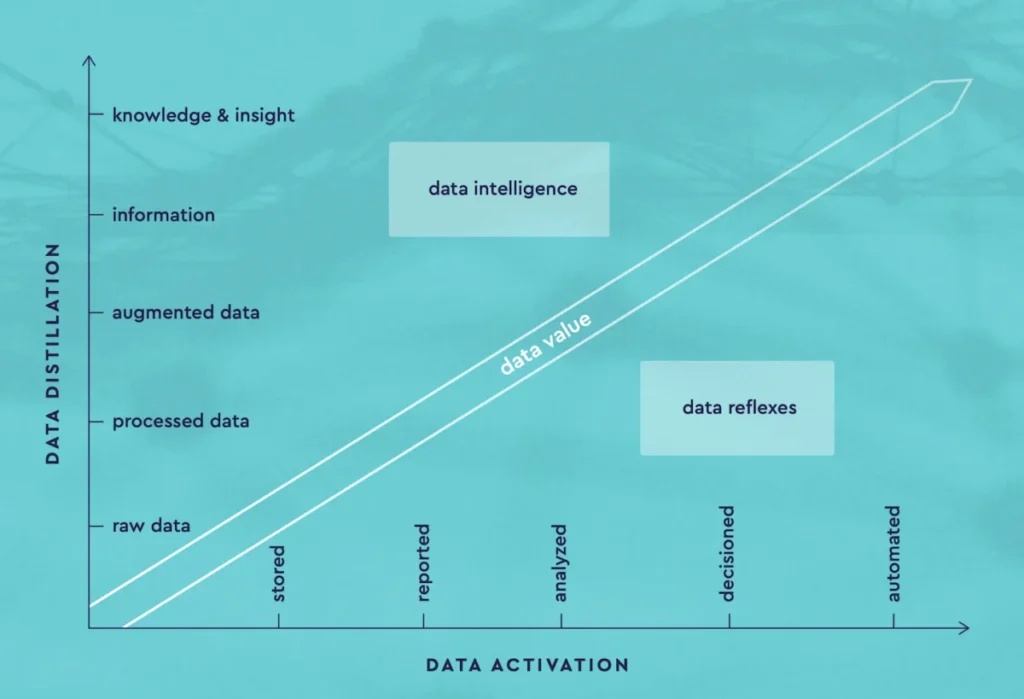
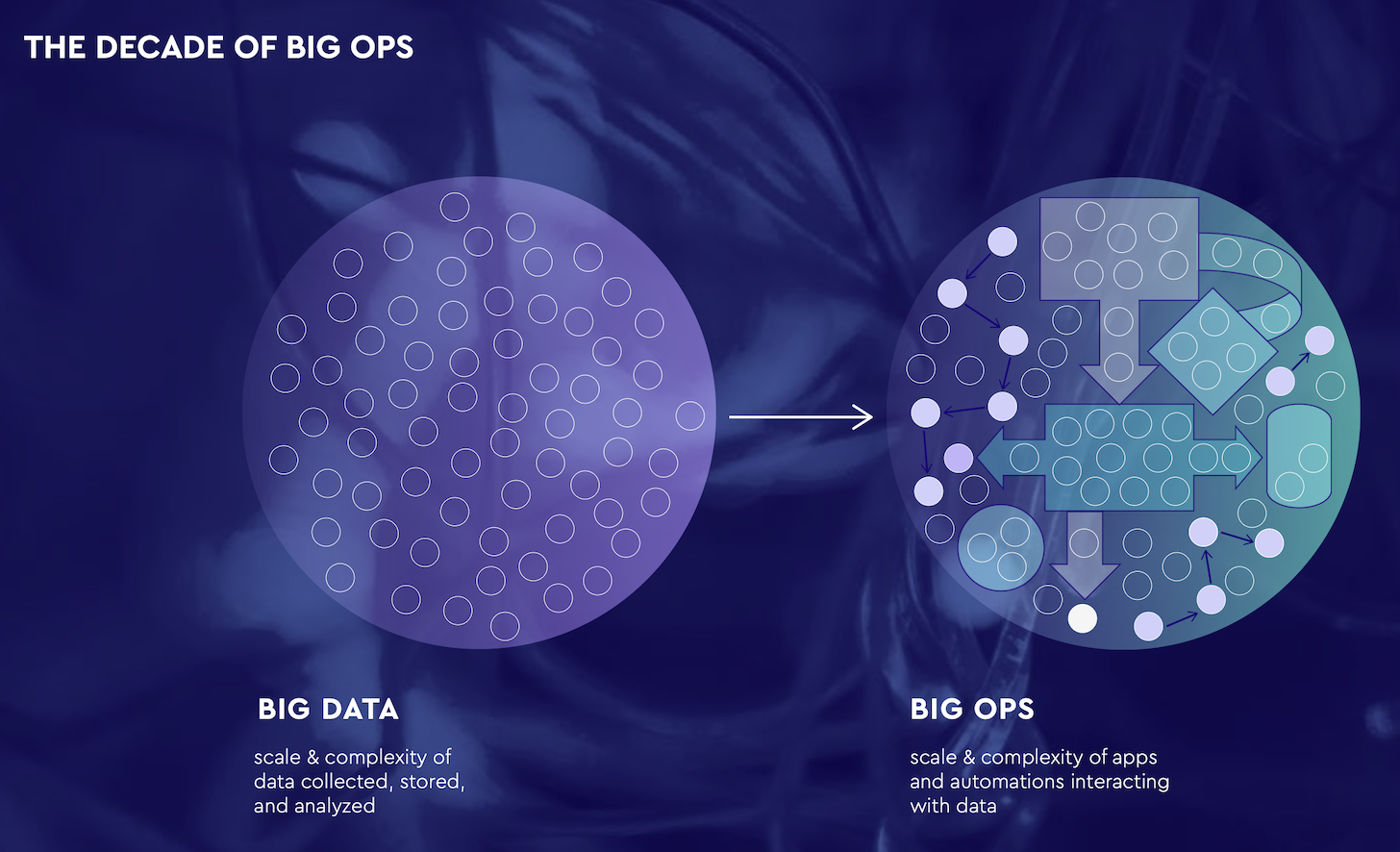
4. From Big Data to Big Ops
If the 2010s were defined by the challenge of "Big Data," the 2020s are defined by the challenge of "Big Ops." The problem is no longer a lack of information; it is the chaotic, uncoordinated nature of thousands of parallel apps and agents acting on that data.
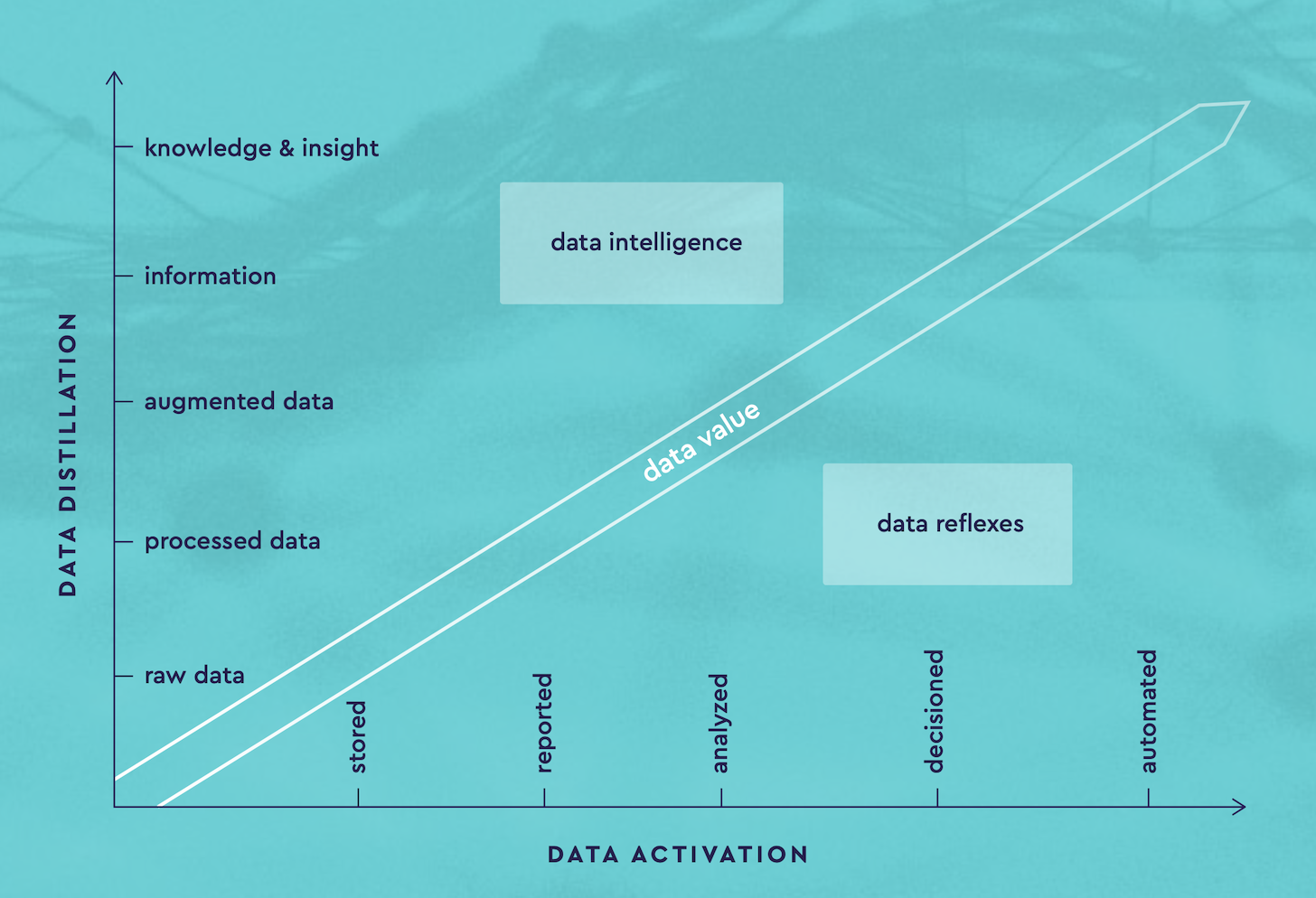
Orchestration and decisioning have become the new battlefield. Data, in this context, is no longer the "new oil"—a commodity to be burned—but rather the "new oil paint." Big Ops represents the craft of taking raw pigments (data) and creating a masterpiece (customer experience). Companies like Hightouch, Syncari, and various AI-automation platforms are currently engaged in a high-stakes competition to become the "operating system" for this complex, multi-agent environment.
5. Harmonizing Humans and Machines
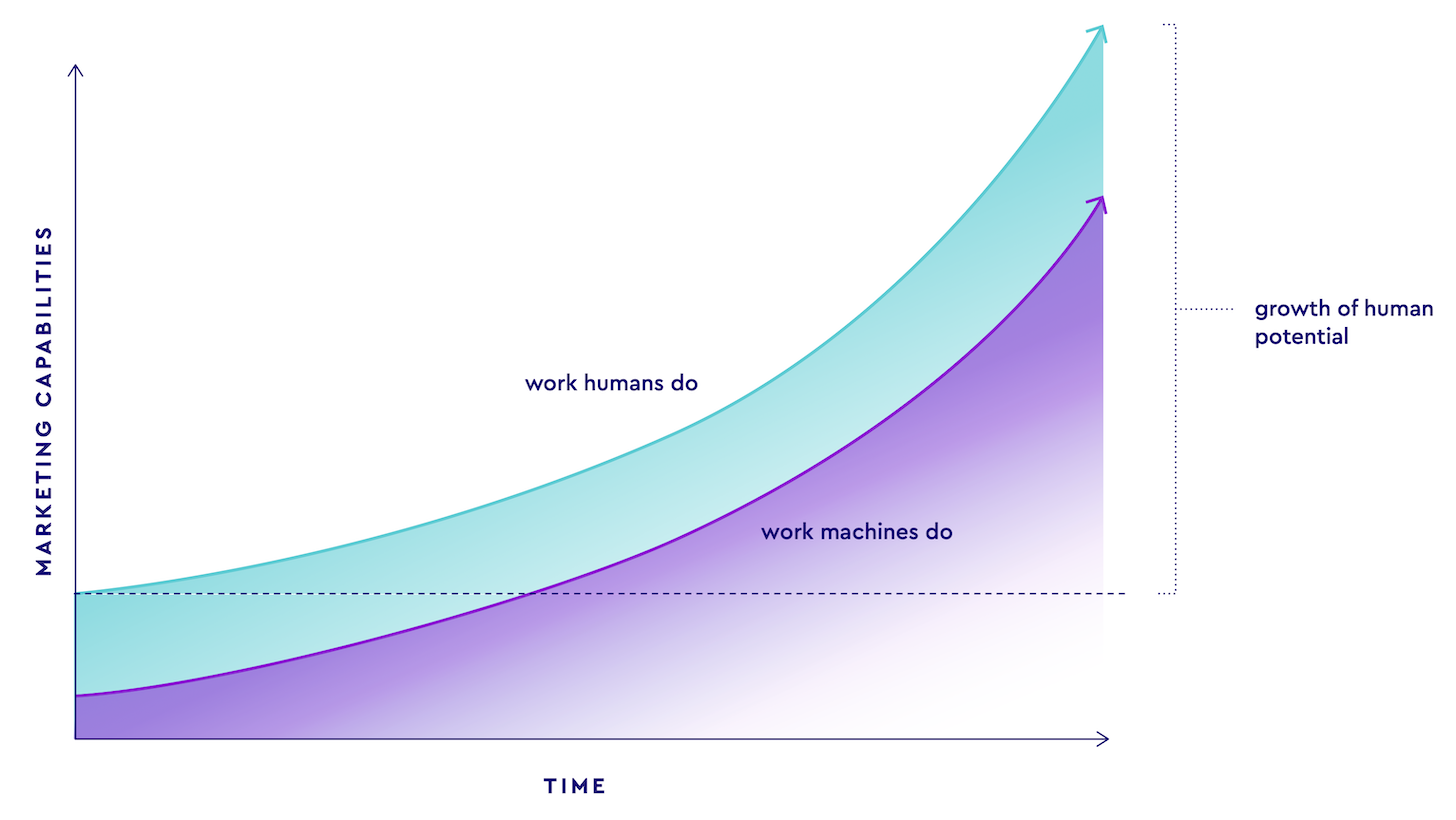
Perhaps the most prescient prediction was the "Augmented Marketer." While five years ago the idea of AI assistance sounded like a futuristic luxury, today it is the baseline for professional survival. The industry has moved beyond simple automation toward a symbiotic relationship where machines handle the heavy lifting of data synthesis and routine execution, freeing humans to focus on high-level strategy and creative intuition.
Crucially, this trend has expanded to include "Agentic Commerce." We are seeing the rise of buyer-side AI—agents that act on behalf of consumers to navigate the sales process. The industry is shifting from Search Engine Optimization (SEO) to AI Engine Optimization (AEO), as brands prepare for a future where their primary audience is not a human, but an algorithm.
Chronology of the Shift: A Five-Year Retrospective
- 2020: Martech 2030 report is published, identifying the "Decade of the Augmented Marketer." The industry landscape holds 8,000 solutions.
- 2022: The launch of ChatGPT triggers a paradigm shift in generative AI, accelerating the "no-code" and "agentic" trends far beyond original projections.
- 2024: The "Big Ops" challenge reaches a boiling point; enterprises begin prioritizing orchestration and AI-governance over simple tool acquisition.
- 2025: The "Summer of Vibes" confirms the power of natural language programming. Marketplaces like AWS and Google Cloud solidify their dominance in enterprise software distribution.
- 2026 (Present): The industry enters the "half-time" period. AI-driven agents begin to dominate both the sell-side and buy-side of the marketing funnel.
Supporting Data and Market Realities
The persistence of the martech landscape is one of the most surprising metrics of the last five years. Despite economic headwinds and calls for "tech stack rationalization," the count of solutions has nearly doubled. This suggests that the barrier to entry for software has not just lowered—it has effectively vanished.
Furthermore, the $45 billion in marketplace sales through hyperscalers indicates that the "platform-first" approach is no longer a strategic choice, but an economic imperative. Organizations that attempt to maintain rigid, siloed, legacy stacks are finding themselves at a structural disadvantage compared to those that leverage the ecosystem-driven, "centralize-to-decentralize" model.
Official Industry Responses and Implications
The consensus among analysts and technologists is that the Martech 2030 predictions were not merely accurate; they were arguably conservative in their timeline. The integration of LLMs and agentic workflows has acted as a catalyst, compressing a decade of expected change into the last 36 months.
The Implications for 2026 and Beyond:
- The Governance Crisis: As "vibe coding" becomes common, firms face a mounting risk of "shadow tech." CIOs and CMOs must collaborate to create frameworks that allow for innovation without sacrificing security.
- The Orchestration Wars: The battle for the "central nervous system" of the marketing stack will intensify. Expect aggressive M&A activity as major platforms attempt to acquire the orchestration and automation layers needed to govern the "hypertail."
- The Shift to AEO: Marketing teams must pivot their resources. In an era where AI agents conduct the initial research and vetting for consumers, being "findable" by AI is now more important than being findable by humans alone.
Conclusion: The Long Arc of Innovation
Amara’s Law—that we overestimate the short-term impact of technology but underestimate the long-term—serves as a fitting coda to the Martech 2030 mid-point review. The initial report was criticized by some as overly ambitious in 2021; today, it is viewed as a roadmap for the inevitable.
As we look toward 2030, the velocity of change is only expected to increase. The "Augmented Marketer" is no longer a future-state aspiration; it is the current reality of anyone who has successfully integrated agentic tools into their daily workflow. The next five years will not be about the invention of these technologies, but about the maturity, governance, and orchestration of a new, hyper-complex, and highly automated marketing ecosystem.
For the modern marketer, the popcorn is ready. The second half of the decade promises to be even more disruptive than the first.
