
The Digital Toy Box: Exploring AI-Generated Nostalgia and the Frontier of Generative Art
By: Editorial Desk | Updated: June 22, 2025
In the rapidly evolving landscape of generative artificial intelligence, few creative endeavors illustrate the intersection of human sentiment and algorithmic capability quite like the "Action Figure Project." Conceived by enthusiast and blogger Mike, this initiative seeks to immortalize memories from the 2025 Flower Power Cruise by transforming snapshots and personal narratives into physical-style action figures using OpenAI’s latest large language models. As the project grows, it serves as both a whimsical tribute to 1960s and 70s pop culture and a profound case study in the current limitations—and creative potential—of AI.
The Genesis of the Project: A Cruise to Remember
The Flower Power Cruise, a seven-day voyage departing from Fort Lauderdale, has become more than just a musical pilgrimage. With stops in Falmouth, Jamaica, and the Cayman Islands, the cruise served as the backdrop for a gathering of music enthusiasts and performers, including legendary acts like The Cowsills, Jay and the Americans, Ron Dante, and Jefferson Starship.
Inspired by the camaraderie fostered on the high seas, Mike began an ambitious project to create custom "action figures" for his fellow cruisers. By utilizing advanced image generation models like OpenAI’s o3 and o4-mini, he has been attempting to render these figures in a classic, collectible style reminiscent of the golden age of toy manufacturing.
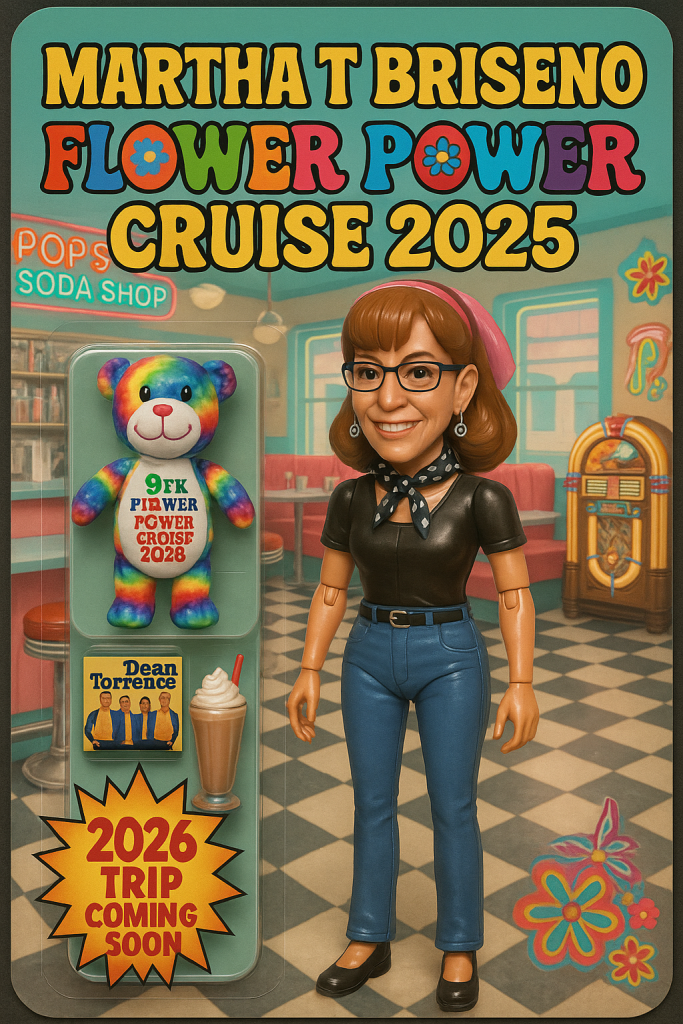
Chronology of Development: From Concept to Hallucination
The process of bringing these digital figures to life has been a trial-and-error journey, revealing much about the "hallucination" phenomenon that plagues current AI systems.
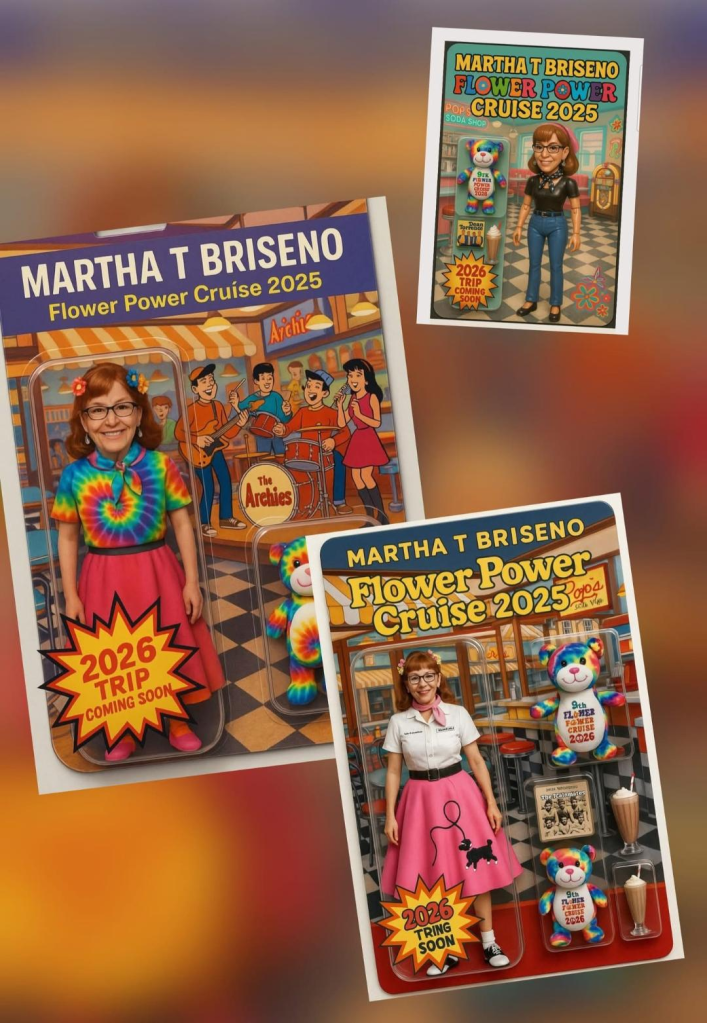
Early Iterations and the "Martha" Challenge
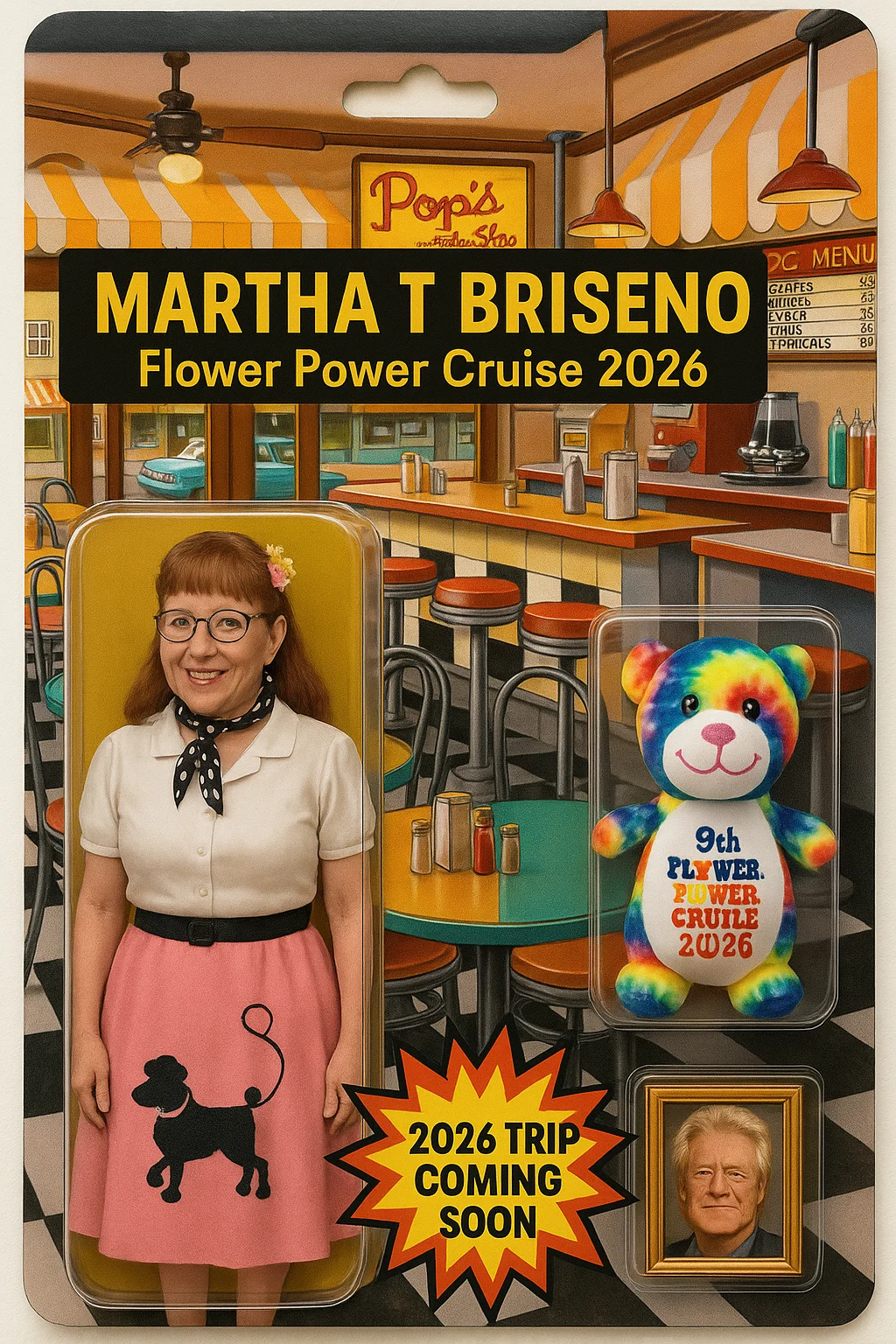
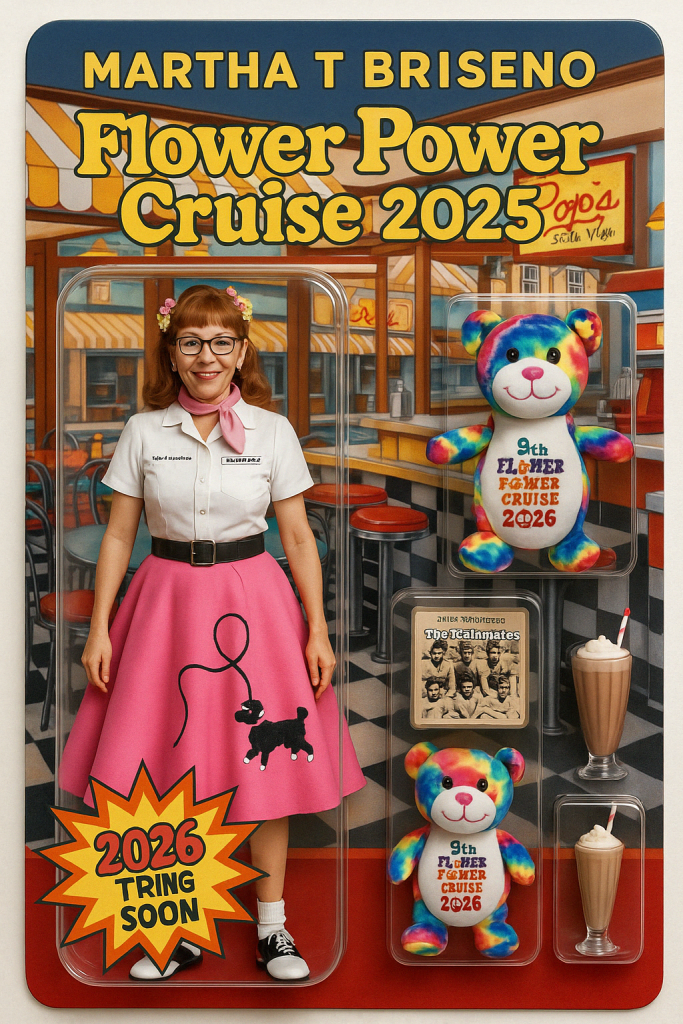
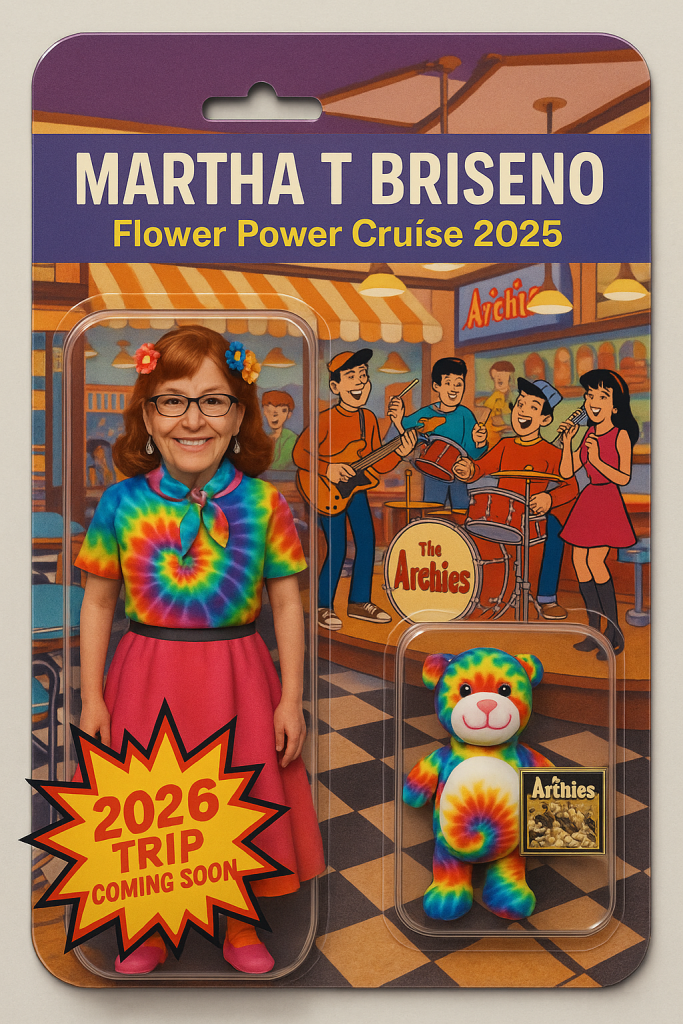
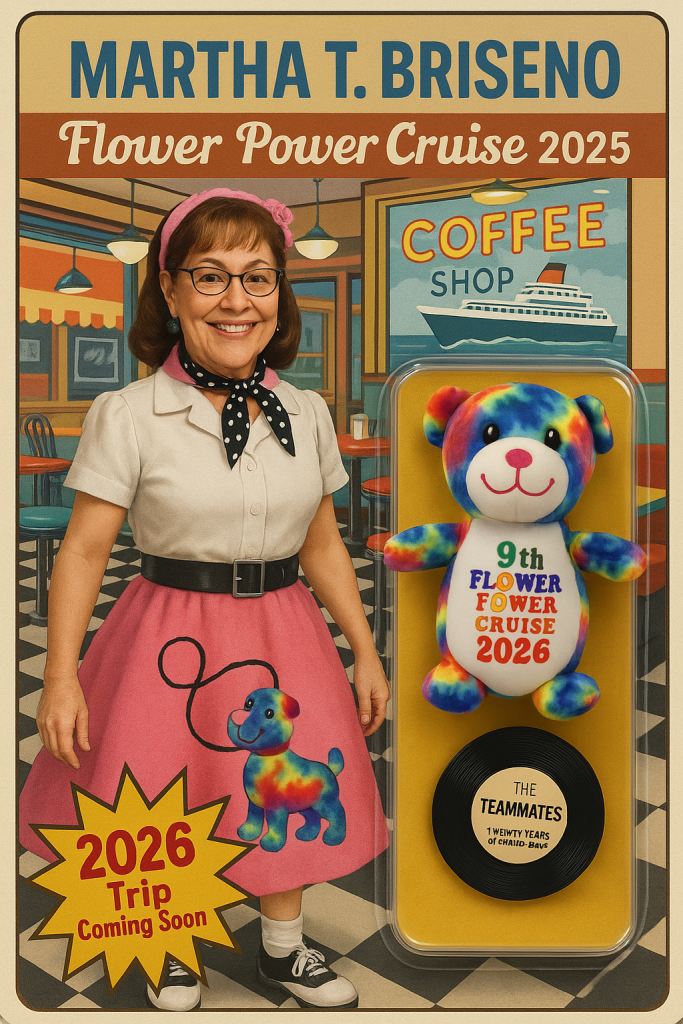
The project’s initial phase focused on creating a figure for a friend named Martha. The goal was simple: a figure wearing a white shirt and a pink poodle skirt. However, the AI consistently struggled with coherence. Initial outputs featured unexplained additions—most notably, multiple "Groovy Bears" and chocolate milkshakes. These unwanted elements are prime examples of AI hallucinations, where the model generates erroneous information or visual artifacts that do not align with the user’s prompt.
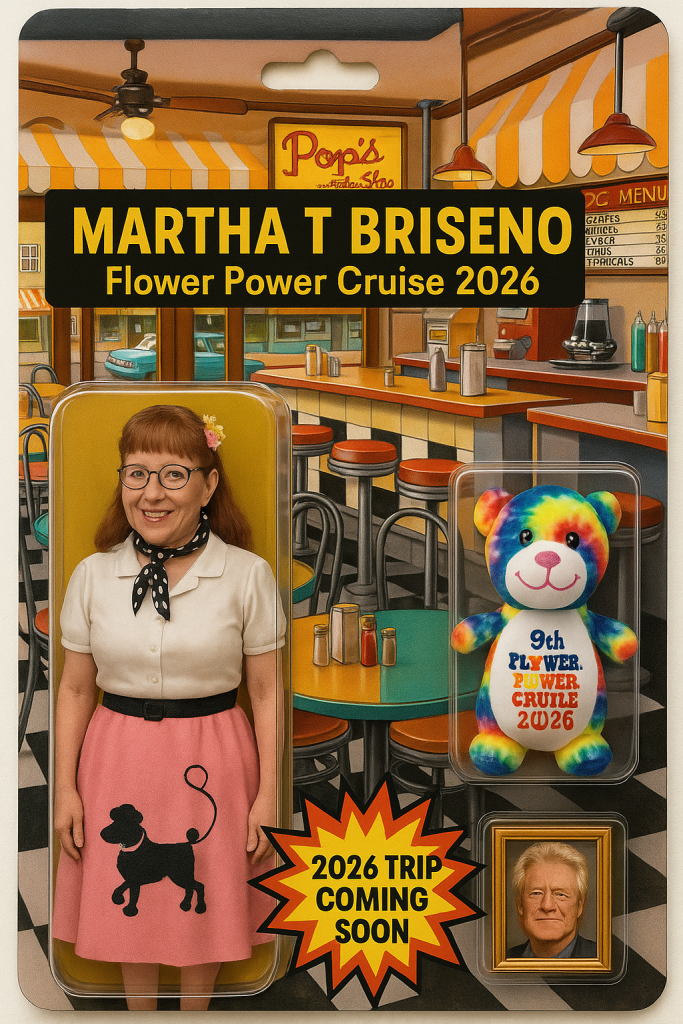
Subsequent attempts saw the AI morphing the setting from a soda fountain to the aesthetic of the movie Grease. It was only through rigorous iteration and prompt refinement that a satisfactory, proportional figure of Martha was achieved, paving the way for more complex designs.
The Peter Noone Experience
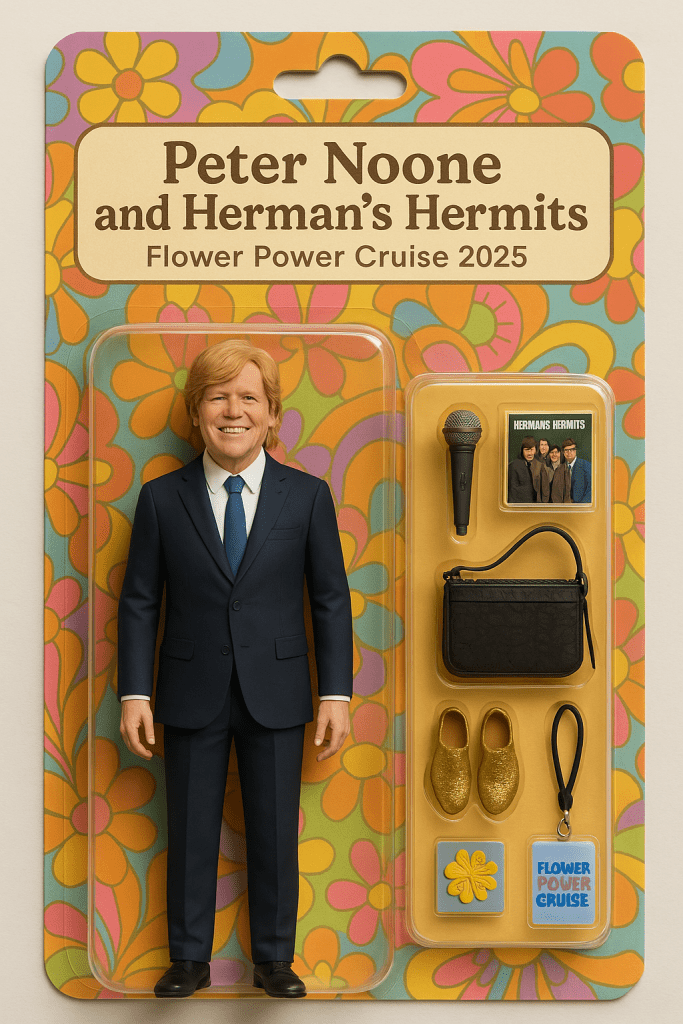
Perhaps the most narrative-rich figure in the collection is that of Peter Noone. The design was born from a specific, high-energy moment during a concert where Noone waded into the audience, interacting with fans’ personal items—a purse, a badge, and a pair of gold sparkle shoes. By feeding the AI photographic artifacts of these items alongside a headshot of Noone, the final action figure captures a "true-life" moment, effectively blending archival event photography with digital toy design.
Scaling the Project
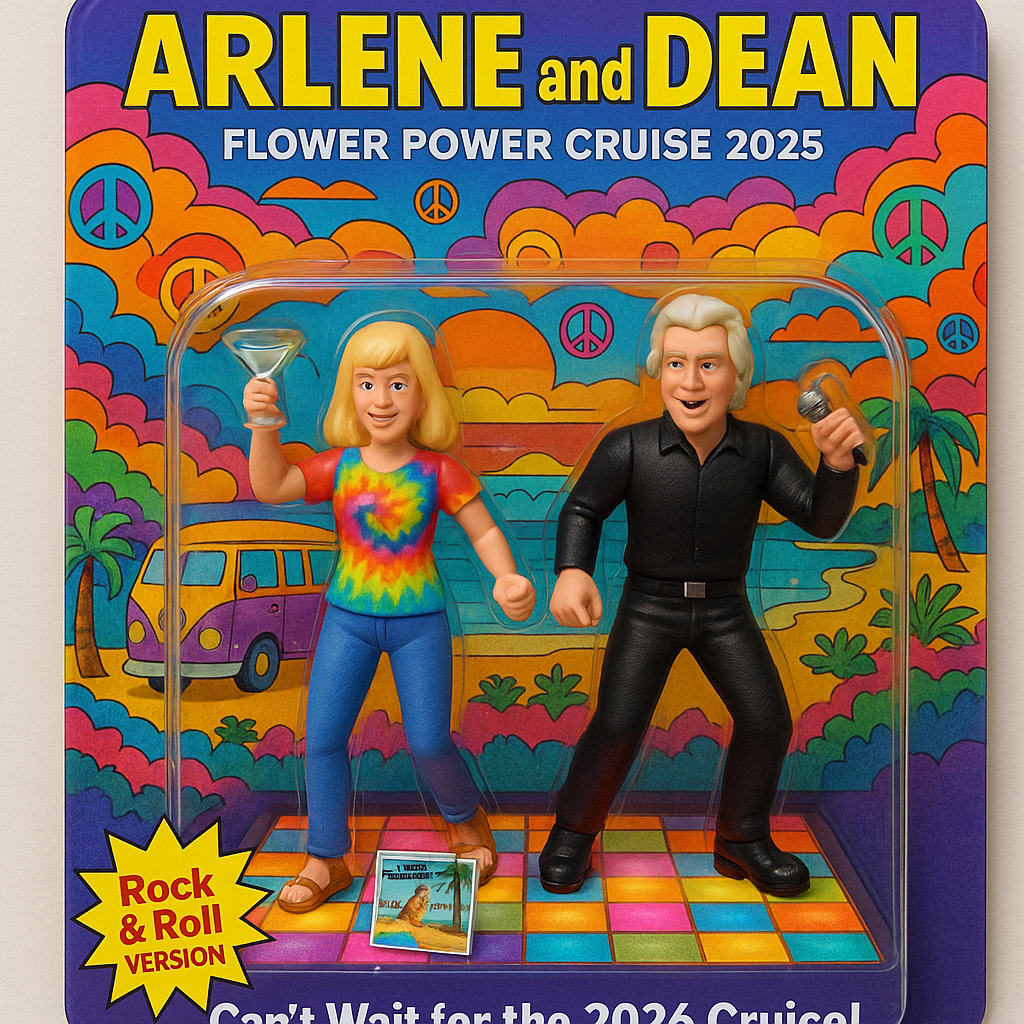
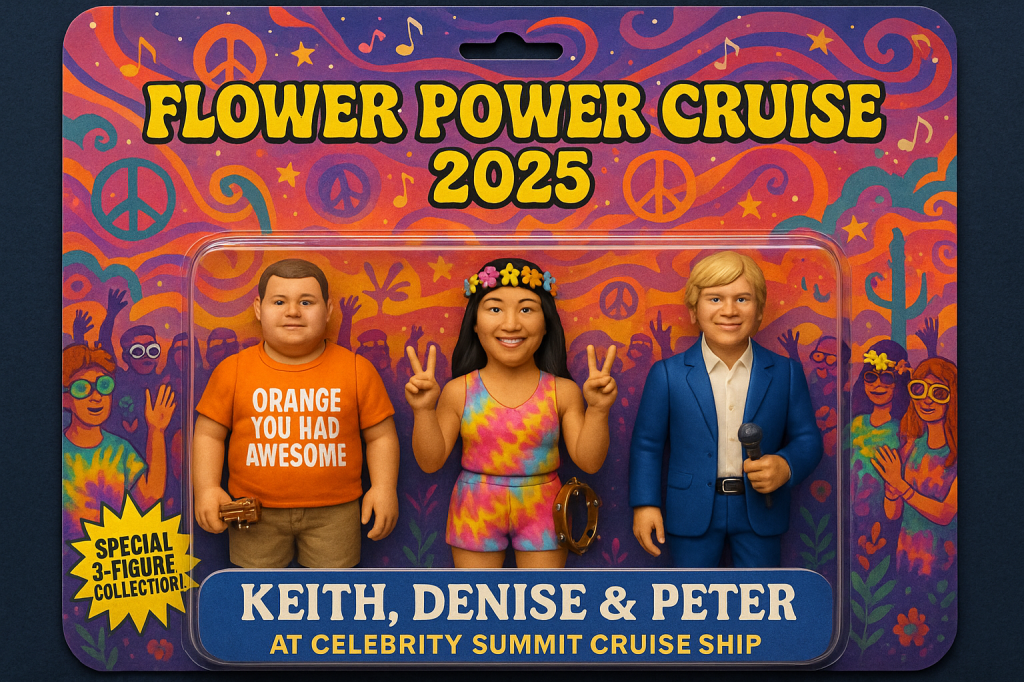
Following early successes, the project expanded to include fellow cruisers, colleagues, and even family members. Figures such as those of Arlene and Dean Torrence, or the trio of Denise, Peter, and Keith, demonstrate the potential for AI to act as a creative collaborator. However, as the complexity of the requests increased, so did the frequency of visual errors, such as the AI’s propensity to render figures with a "cartoonish" quality akin to the characters in Who Framed Roger Rabbit when too many iterations are performed.
Supporting Data: Navigating AI Performance
The project provides a fascinating, informal dataset on the reliability of current AI models. According to internal observations and broader industry testing, OpenAI’s o3 and o4-mini models have exhibited a 30–50% hallucination rate in complex image generation tasks.
- The "Groovy Bear" Phenomenon: The persistent appearance of these bears across disparate prompts suggests a bias in the training data, where the model may be over-associating certain keywords or contexts with specific, irrelevant imagery.
- Anatomical and Structural Integrity: Whether it is the accidental duplication of vehicles—such as the Jeep glitch in a coworker’s project—or the loss of features like a child’s missing tooth in a portrait of a grandson, these errors highlight the model’s struggle with maintaining "object permanence" and factual accuracy within a visual frame.
- IP Restrictions: Attempts to generate copyrighted characters, such as Jar Jar Binks, triggered safety protocols, forcing the AI to revert to generic "space alien" tropes. This underscores the strict boundary between creative freedom and corporate intellectual property protection.
Official Context: The Human Element in AI Collaboration
While the AI provides the computational power, the human element remains the driving force of the project. Mike’s role as a "perfectionist" is critical; he acts as the curator and editor, laboriously tweaking prompts and filtering out the AI’s errors.

The project also highlights a unique application of AI in a professional environment. By teaching classes at his workplace, Mike has explored how AI can be used for team building—as seen in the creation of figures featuring public figures like Rob Gronkowski alongside company leadership. These experiments suggest that while AI is currently an imperfect tool, it is highly effective at fostering engagement and creative problem-solving when guided by a human expert.
Implications: The Future of Generative Nostalgia
The Action Figure Project is a microcosm of the current state of generative AI. It reveals three significant implications for the future of digital art:
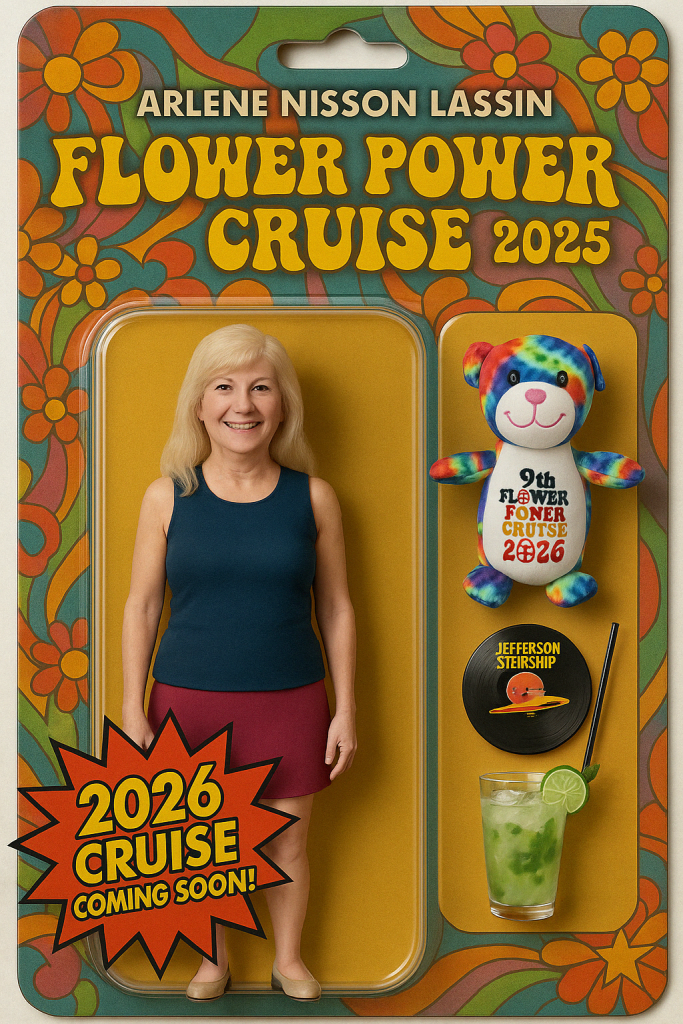
- The Rise of the "Prompt Curator": As AI models become more capable, the skill set of the future will be less about manual drafting and more about the ability to guide, refine, and edit AI outputs. The "curator" will be the one who knows how to spot and correct hallucinations.
- Democratization of Collectible Design: The ability to create high-quality, personalized figures for friends and family using only a computer and a few photos is a leap forward in personal creative expression. It allows individuals to preserve memories in a tactile, albeit digital, format that was previously impossible without professional graphic design skills.
- The Persistent "Uncanny Valley": Despite rapid advancements, the AI still struggles with the nuances of human reality—the missing tooth, the correct number of vehicles, the specific color of a poodle skirt. These limitations serve as a reminder that we are still in the early, "experimental" phase of generative media.
Conclusion: A Work in Progress
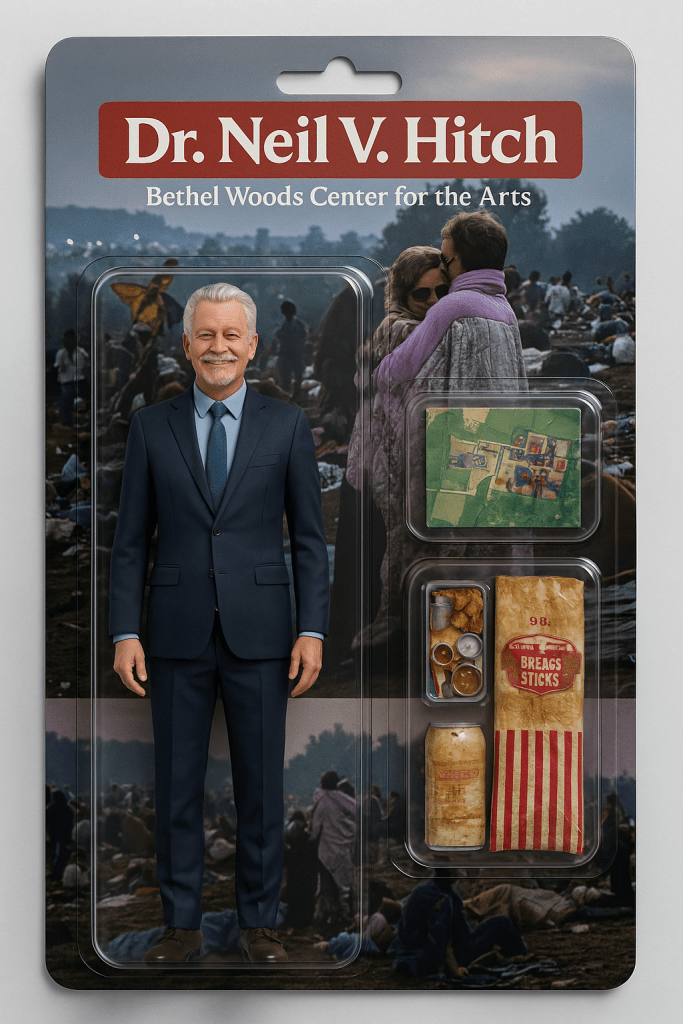
As of June 2025, the Action Figure Project continues to grow. Each new figure—from the intricate, archaeology-themed portrait of Dr. Neil V. Hitch to the lighthearted depictions of friends and grandchildren—represents a step forward in the learning curve of both the user and the software.
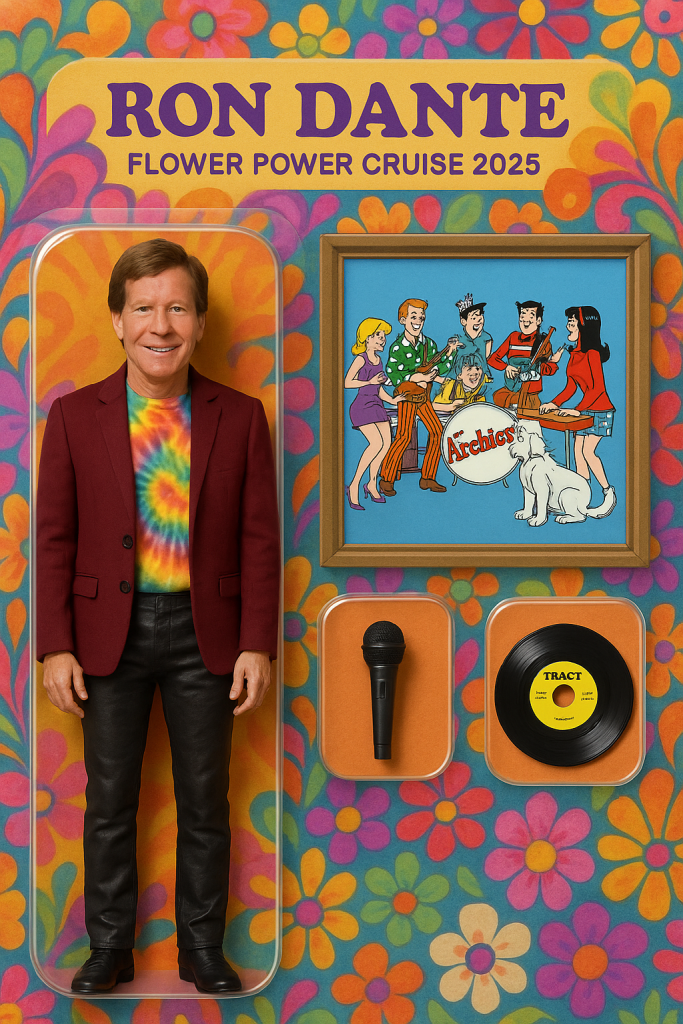
For readers interested in the technical side of this endeavor, Mike’s documentation provides a transparent look at the frustrations and breakthroughs inherent in AI prompting. As he continues to refine his process and "find them all," the blog stands as a testament to how technology can be harnessed to bridge the gap between digital coldness and human sentiment.
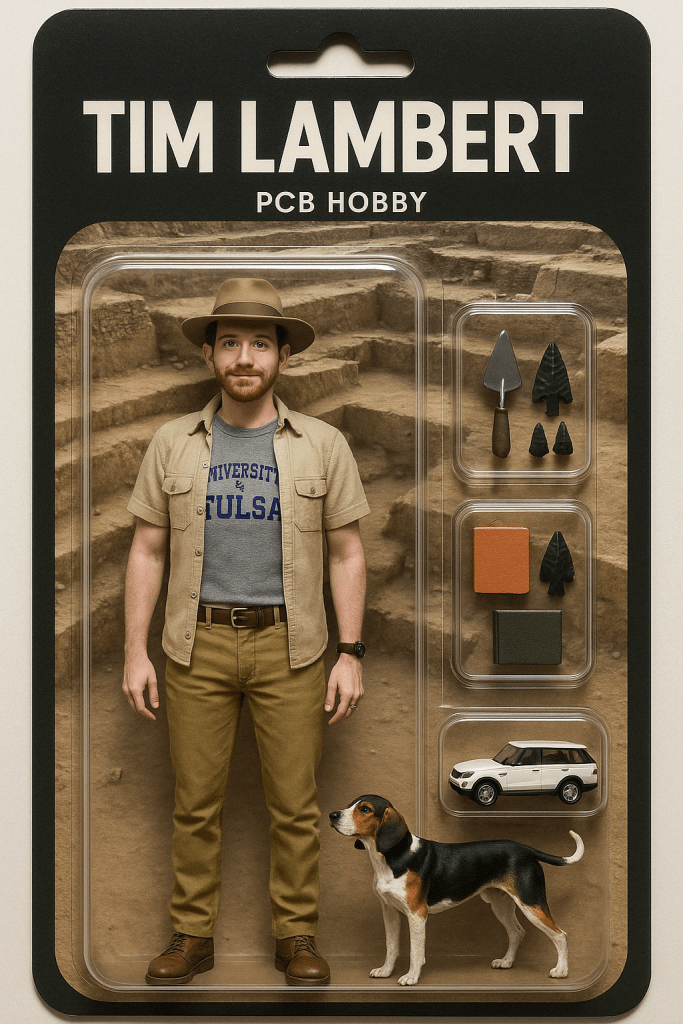
The project is a reminder that while the AI might be the one drawing the lines, the heart of the creation remains firmly in the hands of the creator. Whether it is adding a weathered cowboy hat to a colleague’s figure or painstakingly removing a tooth from a child’s portrait to match reality, the human touch is what turns a hallucination-prone image into a cherished memory.
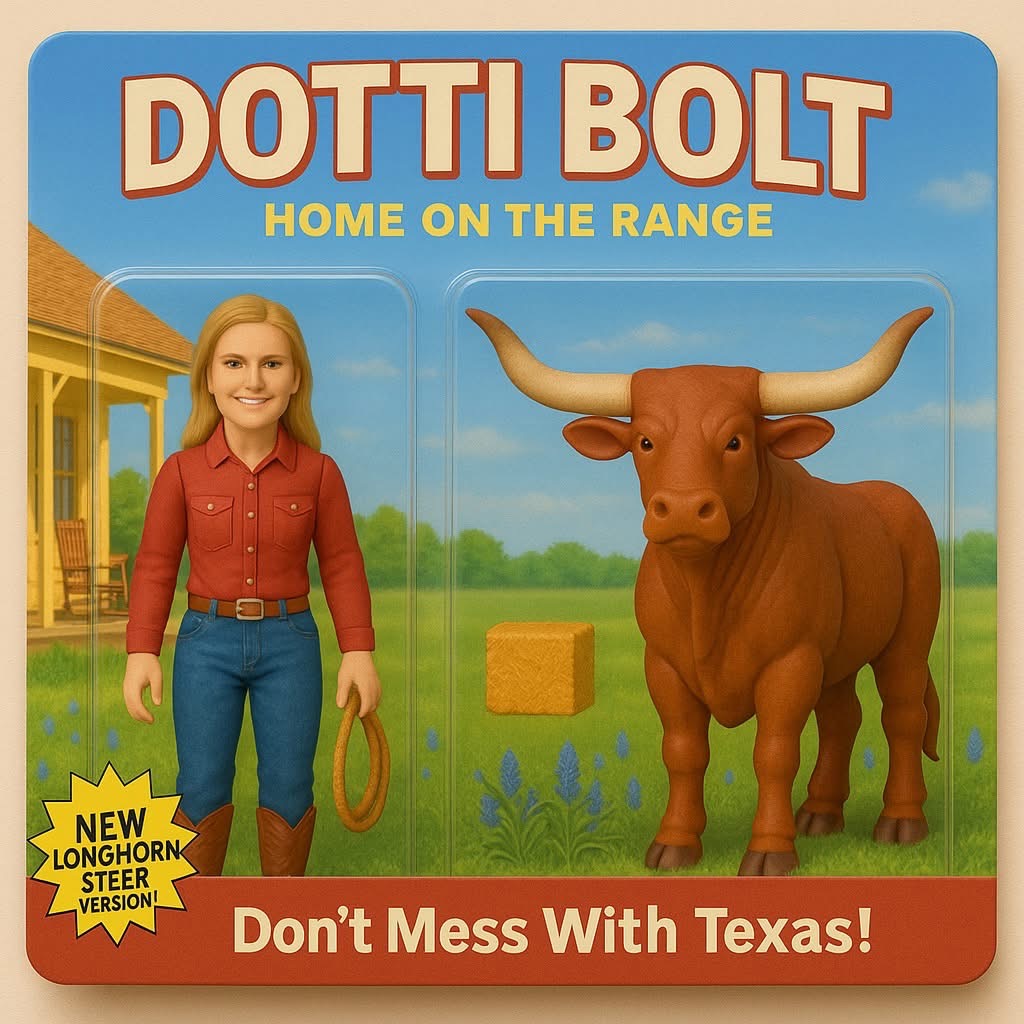
For more information on the evolution of this project, including detailed guides on how to create your own figures, please refer to the author’s previous posts and the ongoing gallery updates.
